






News

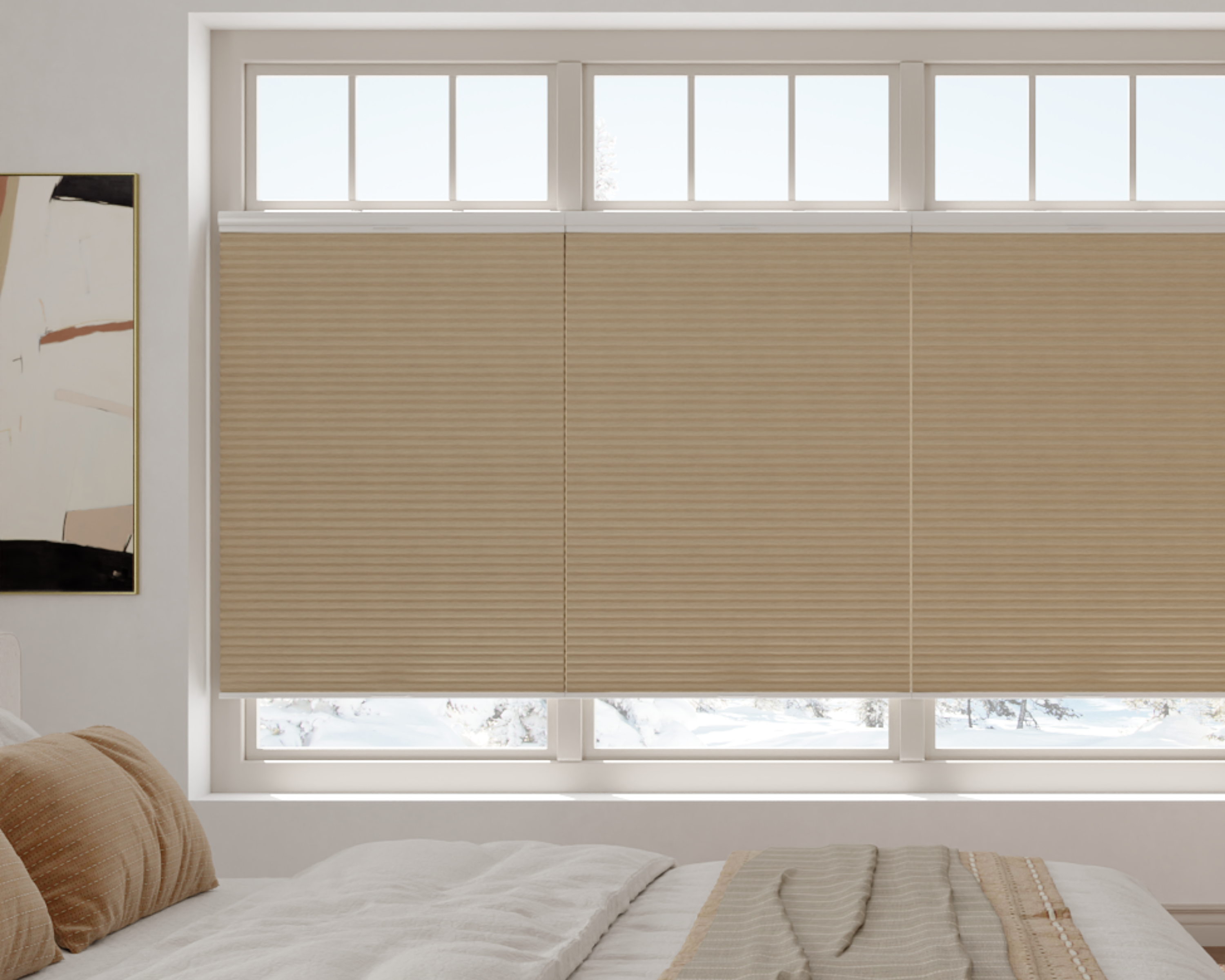
Top-Down Bottom-Up Sheer Shades: Separate Fabric from Movement
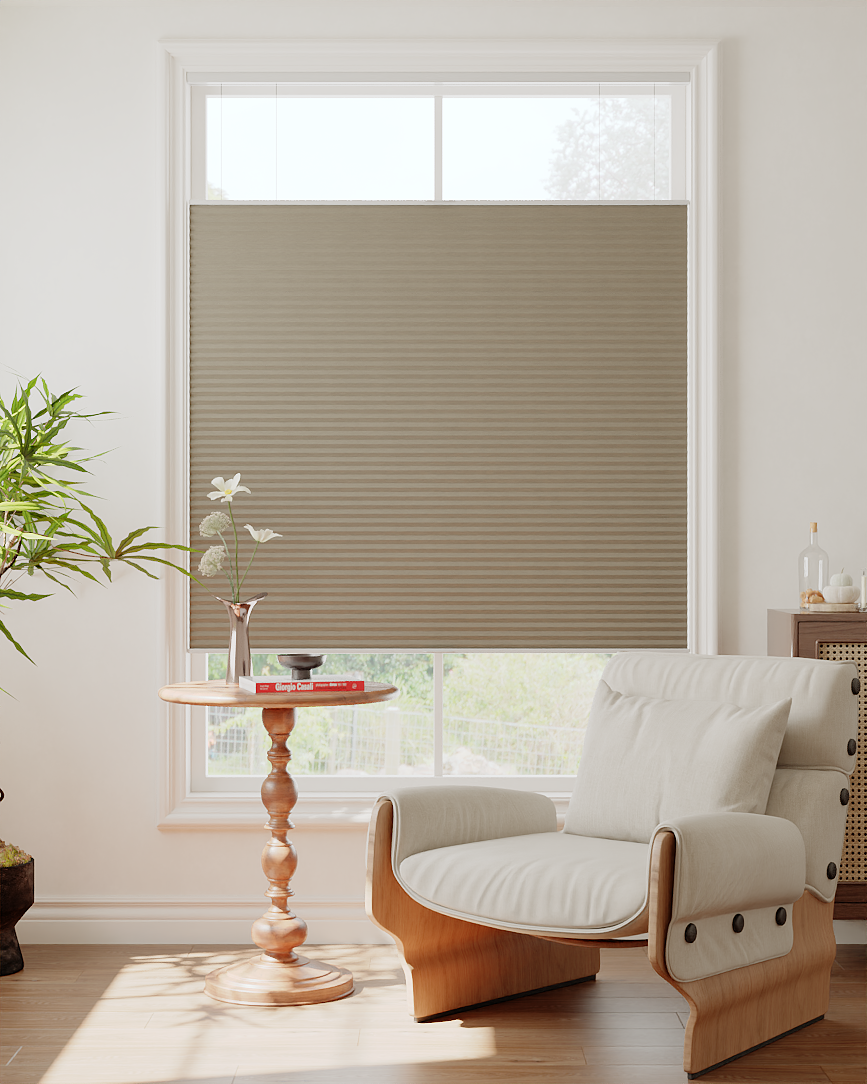
Top-down/bottom-up describes how the fabric's upper and lower boundaries move; sheer describes a light-transmitting material or a different shading construction. The combined phrase does not establish that every vane-style sheer...

Blackout or Room-Darkening Sheer Shades? Understand the Options
Sheer-shade products can include more opaque vanes or other configurations marketed as room darkening or blackout. The name sheer does not mean every part of the assembly remains translucent in...

Can You See Through Sheer Shades at Night? Test Your Actual Fabric
You may be able to see through sheer shades at night, especially through open vanes or a translucent fabric with the indoor lights on. Closed-vane privacy depends on the exact...

Sheer Shades for a Child’s Room: Cord Safety, Vanes and Darkness
Sheer shades can provide a soft daytime appearance and adjustable fabric vanes in a child's room. Their suitability depends on the exact operating configuration, accessible cords, privacy and the light...

Why Sheer Shades Work in Modern Rooms: Light, Scale and Softness
Sheer shades can suit modern rooms because they combine fabric softness with a relatively contained window profile. Their vanes adjust the covered area between sheer layers, giving another way to...

Sheer Shades and Sun Damage: Plan Furniture Light Exposure
Sheer shades can help manage the daylight reaching furniture by filtering light and changing coverage as their vanes move. The amount of UV passing through depends on the exact fabric...

Do Sheer Shades Provide Privacy? Check Day and Night
Sheer shades can soften views and daylight, but they are not a dependable privacy barrier solely because the vanes are closed. The selected fabric, vane construction, indoor/outdoor brightness and installed...

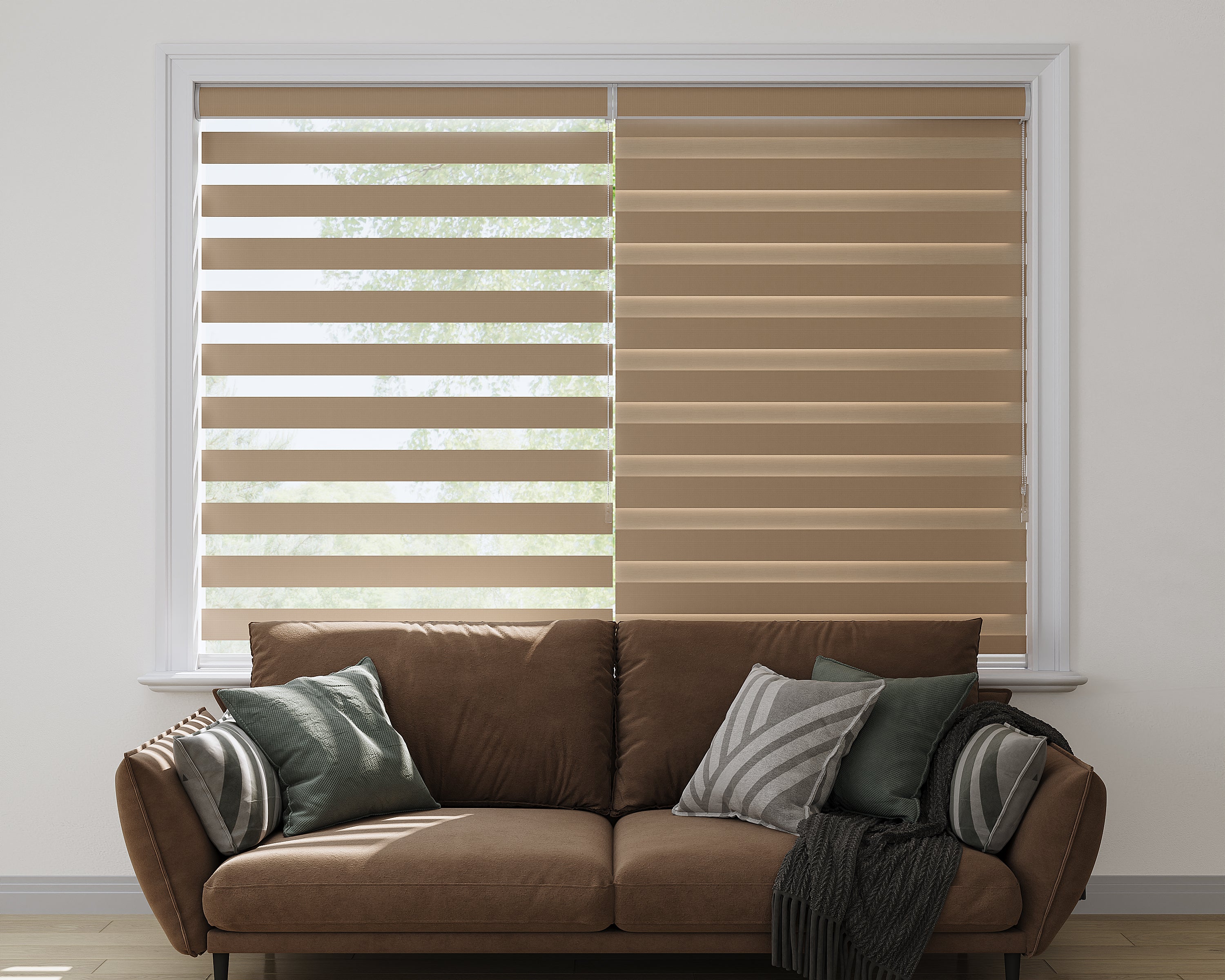
What Are Sheer Shades? Vanes, Light Control and Privacy Explained
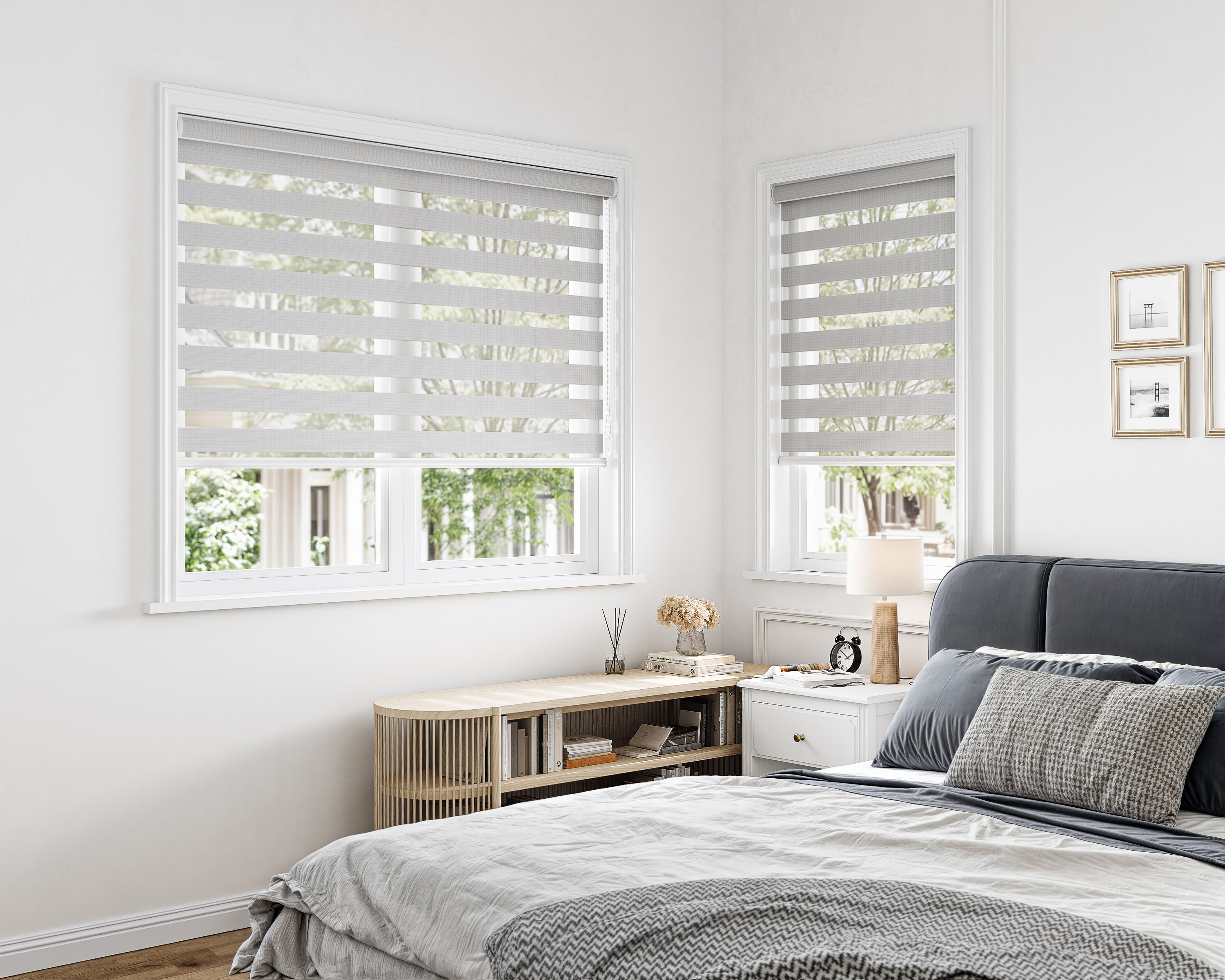
Sheer shades combine horizontal fabric vanes with sheer material in front and behind. The vanes change the covered area within the panel, while the sheer layers keep a soft, filtered...

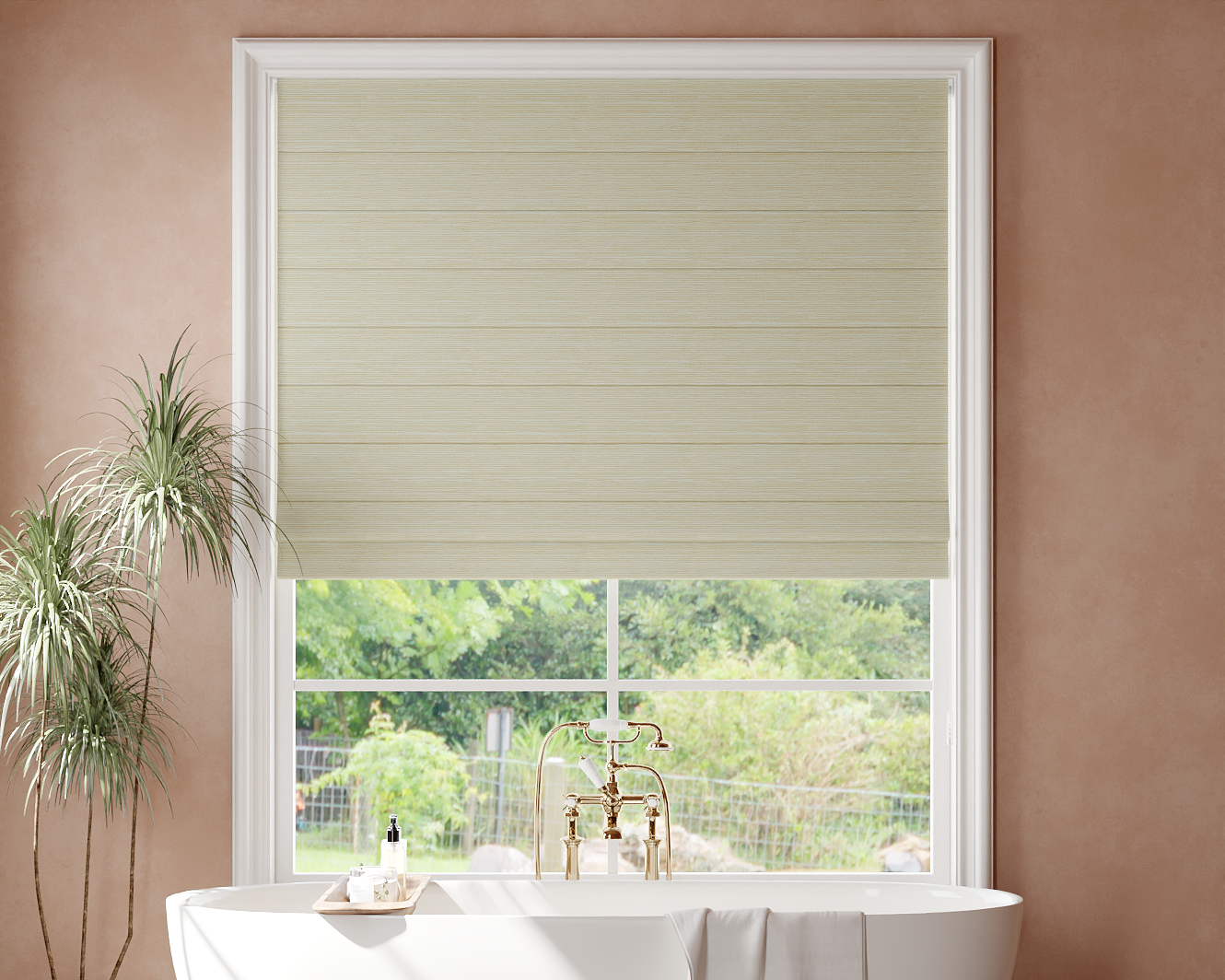
Can Roman Shades Be Motorized? Plan the Lift, Power and Controls
Yes, Roman shades can use a motorized lift when the selected model, fabric, fold and size support that configuration. Choose the complete assembly and control method together. Motorization does not...

Do Roman Shades Block Heat? Fabric, Lining and Fit Explained
Roman shades can help manage thermal comfort, but the result depends on the finished fabric, lining, mounting arrangement and how you use them. A decorative fold or blackout label alone...

Cordless Roman Shades for Kids’ Rooms: What to Check
For homes where young children live or visit, the CPSC recommends cordless window coverings. A suitable cordless Roman configuration can be part of that choice, but the complete product, mounting...

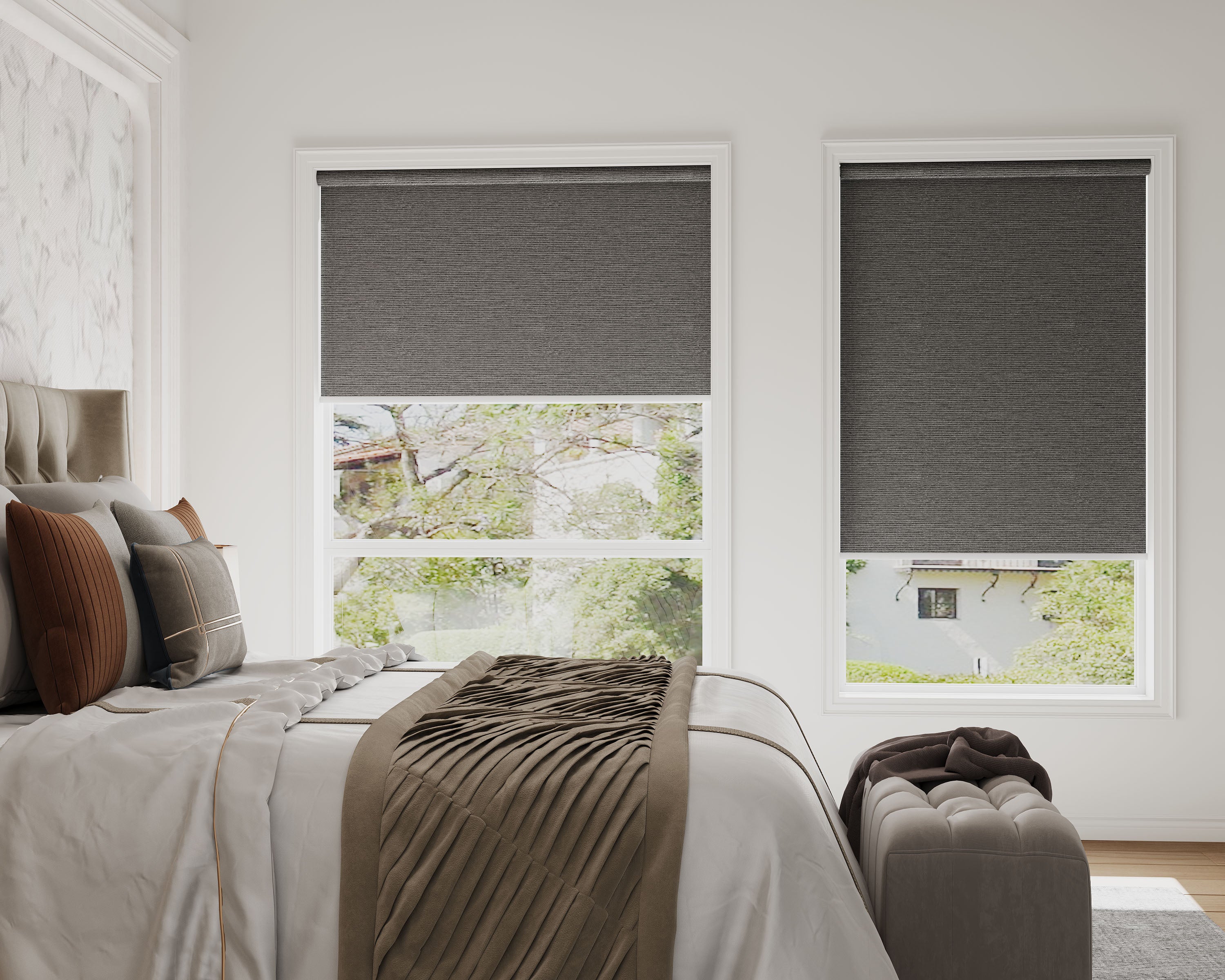
Roller Shade Opacity: Sheer, Light Filtering or Blackout?
Roller shade opacity describes how the material handles light; it does not describe every gap around the installed shade. Sheer, light-filtering, room-darkening and blackout labels are useful starting points, but...
