
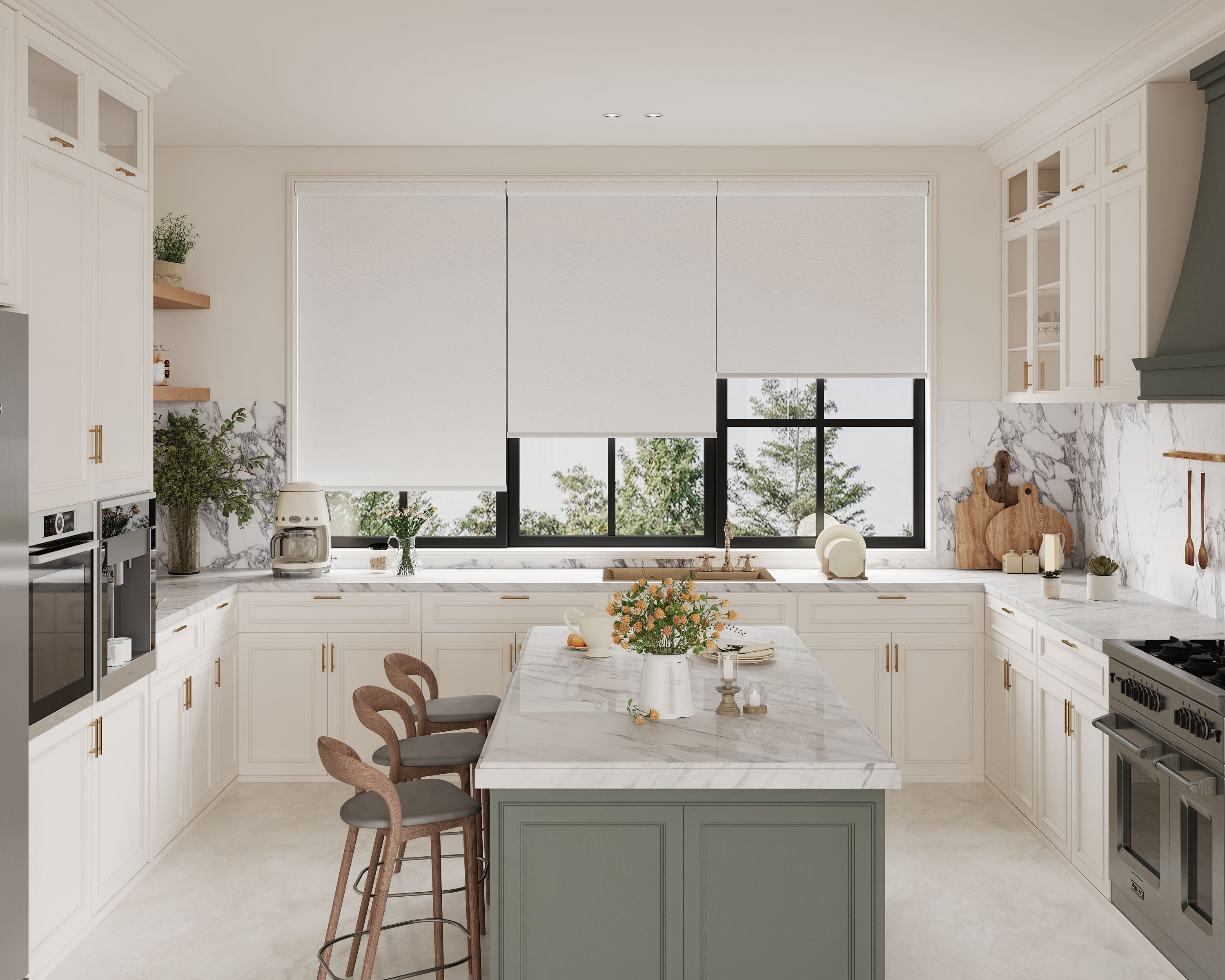
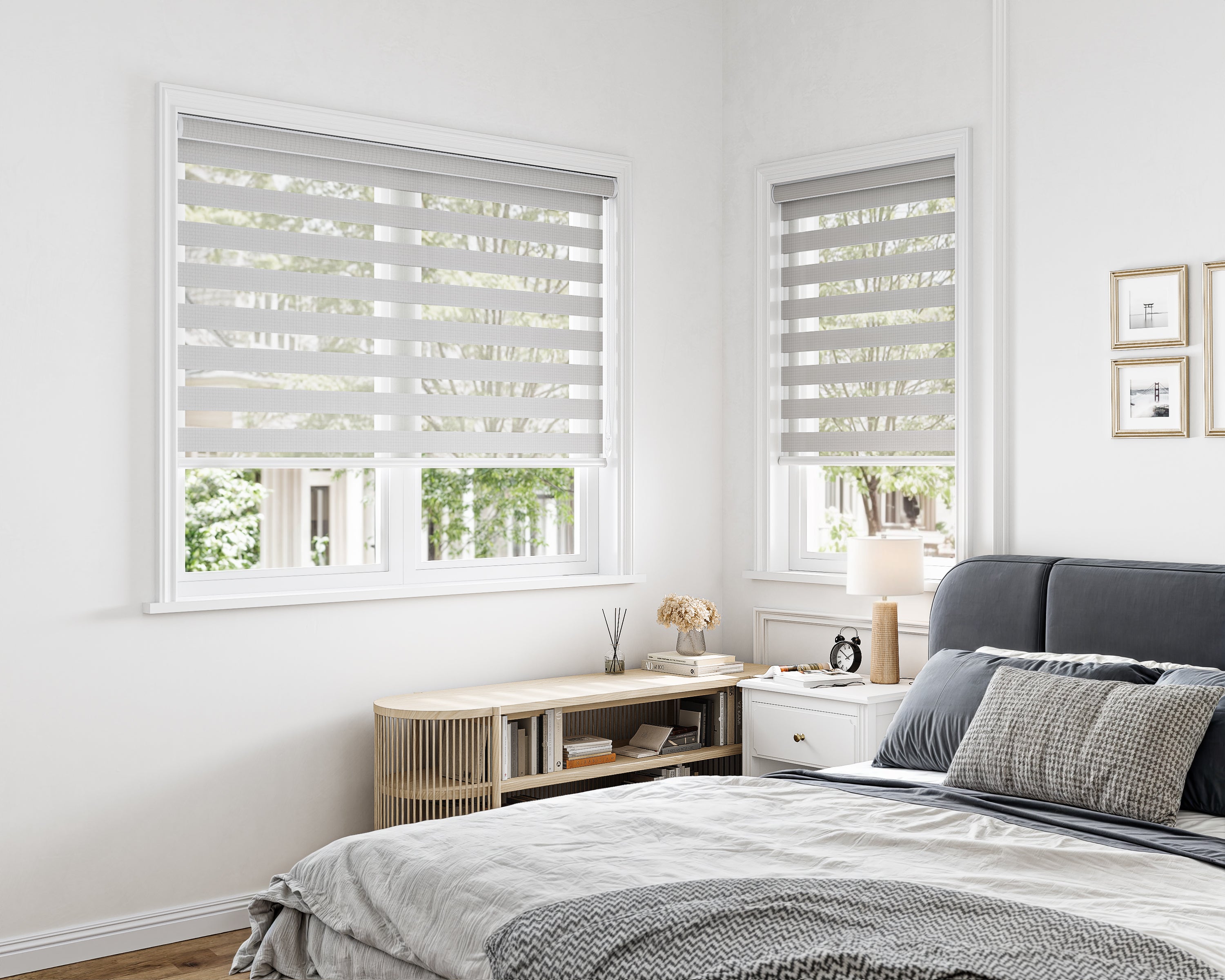
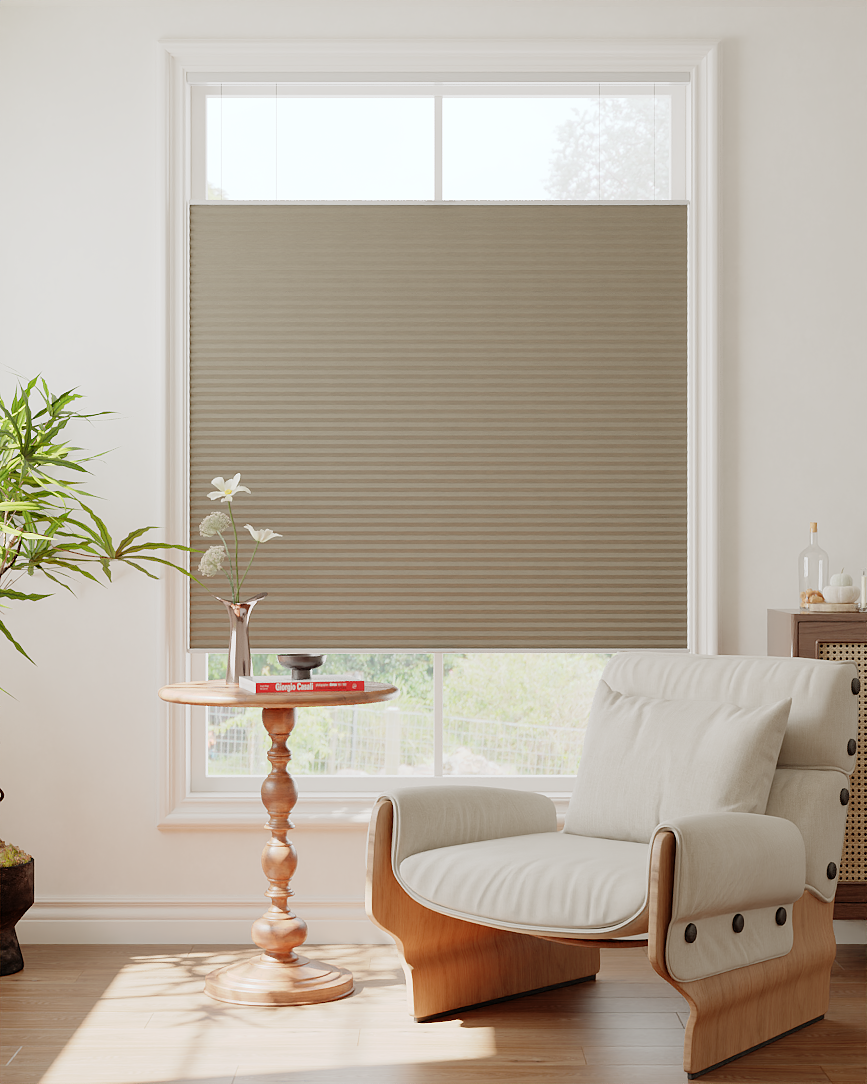
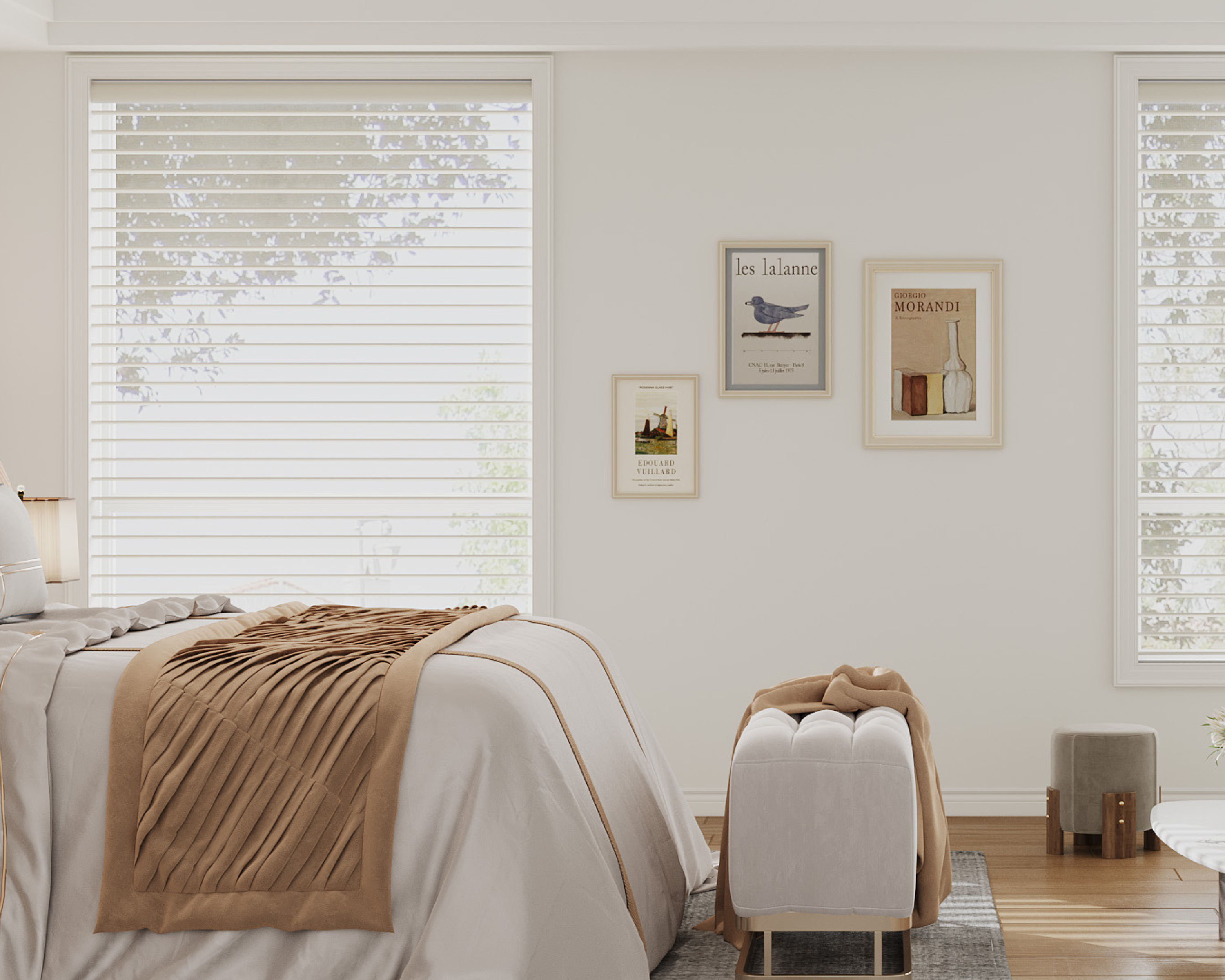
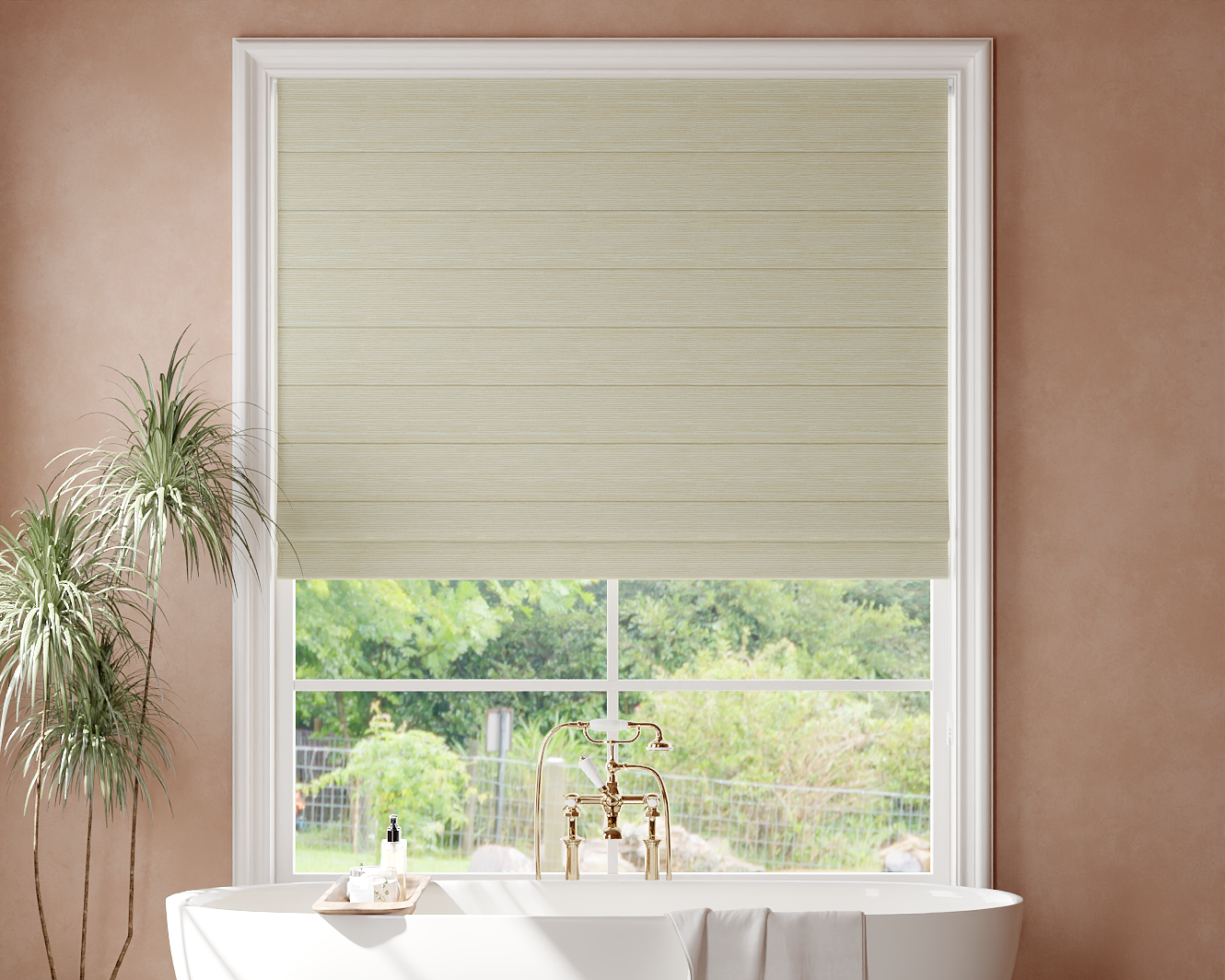
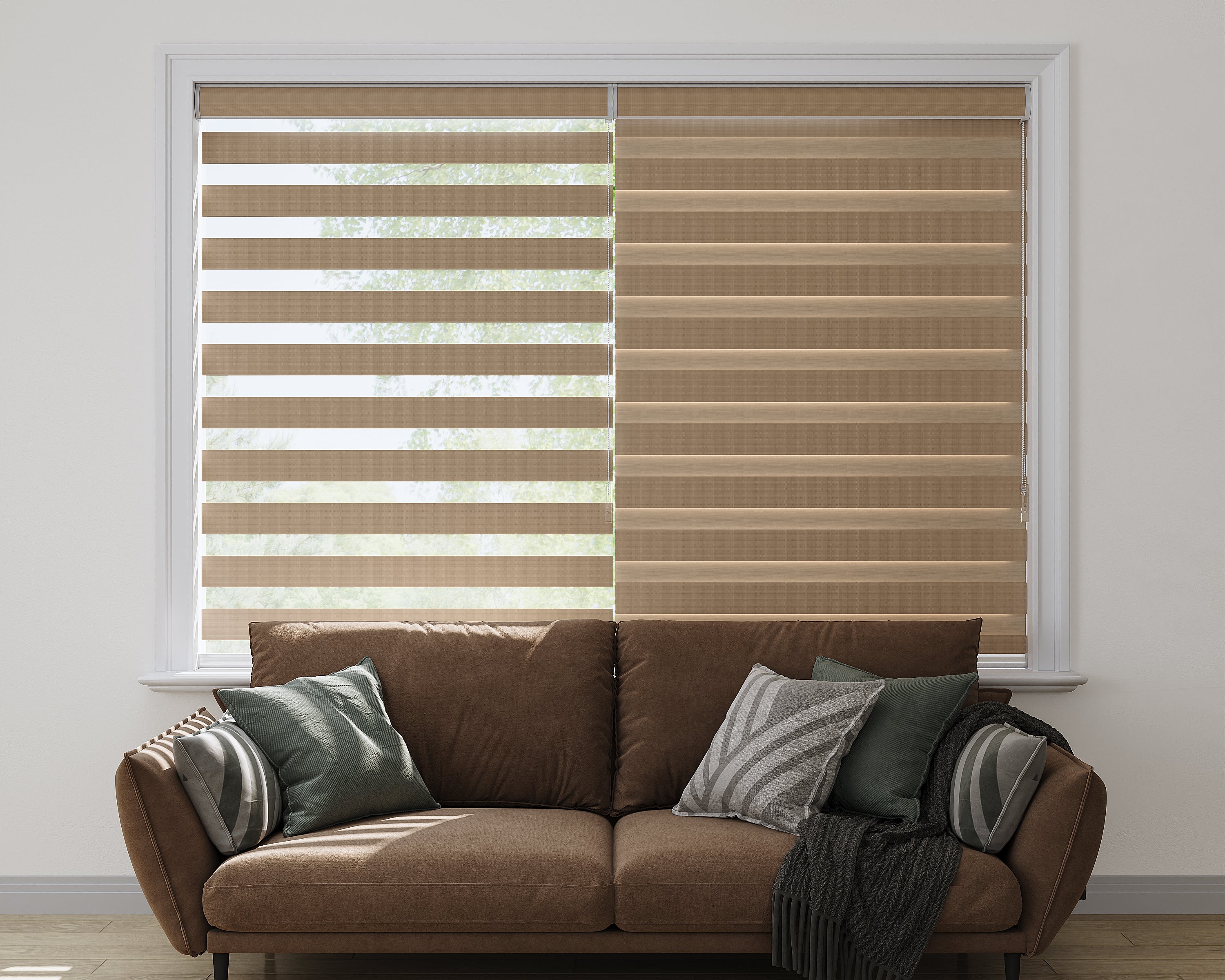
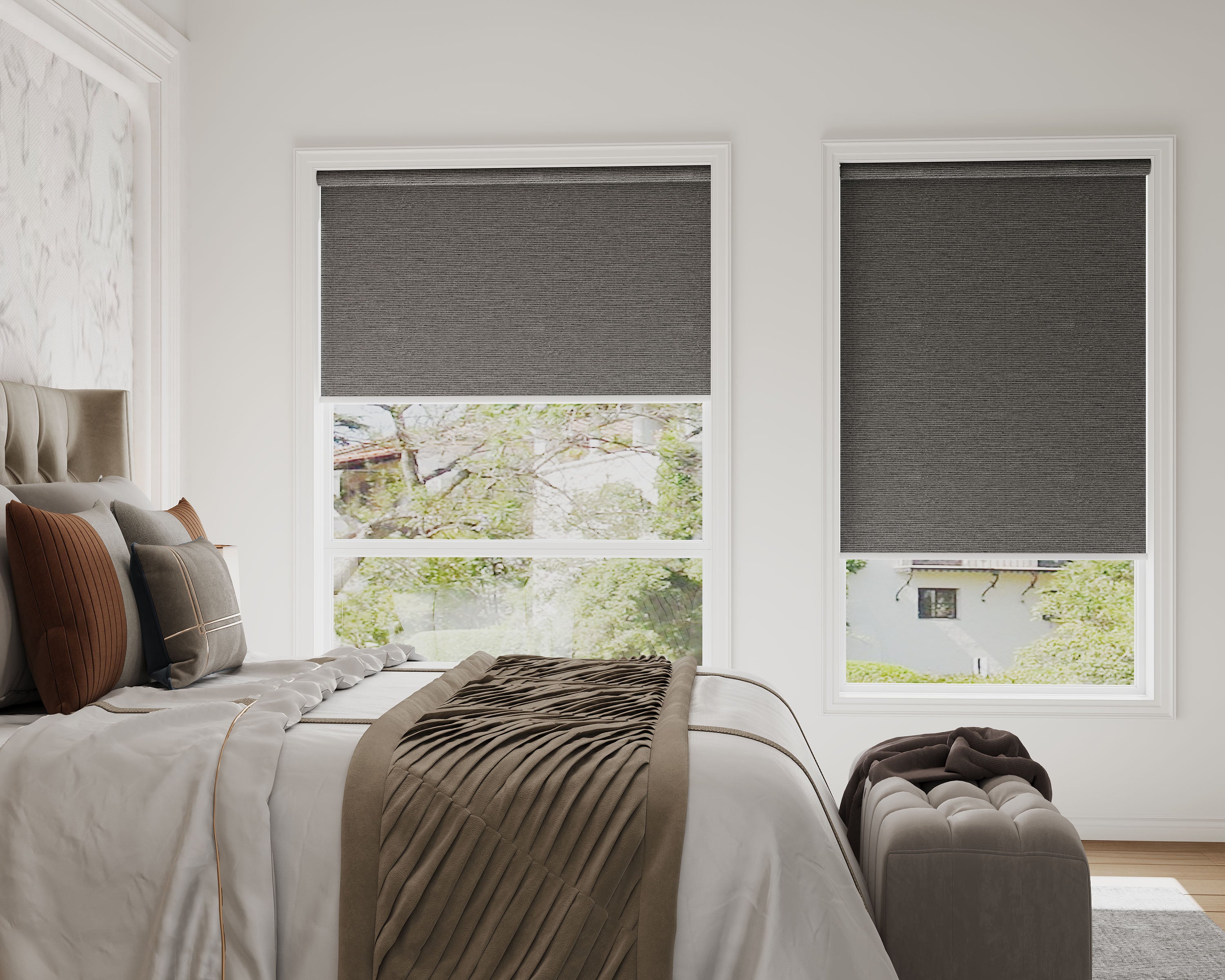
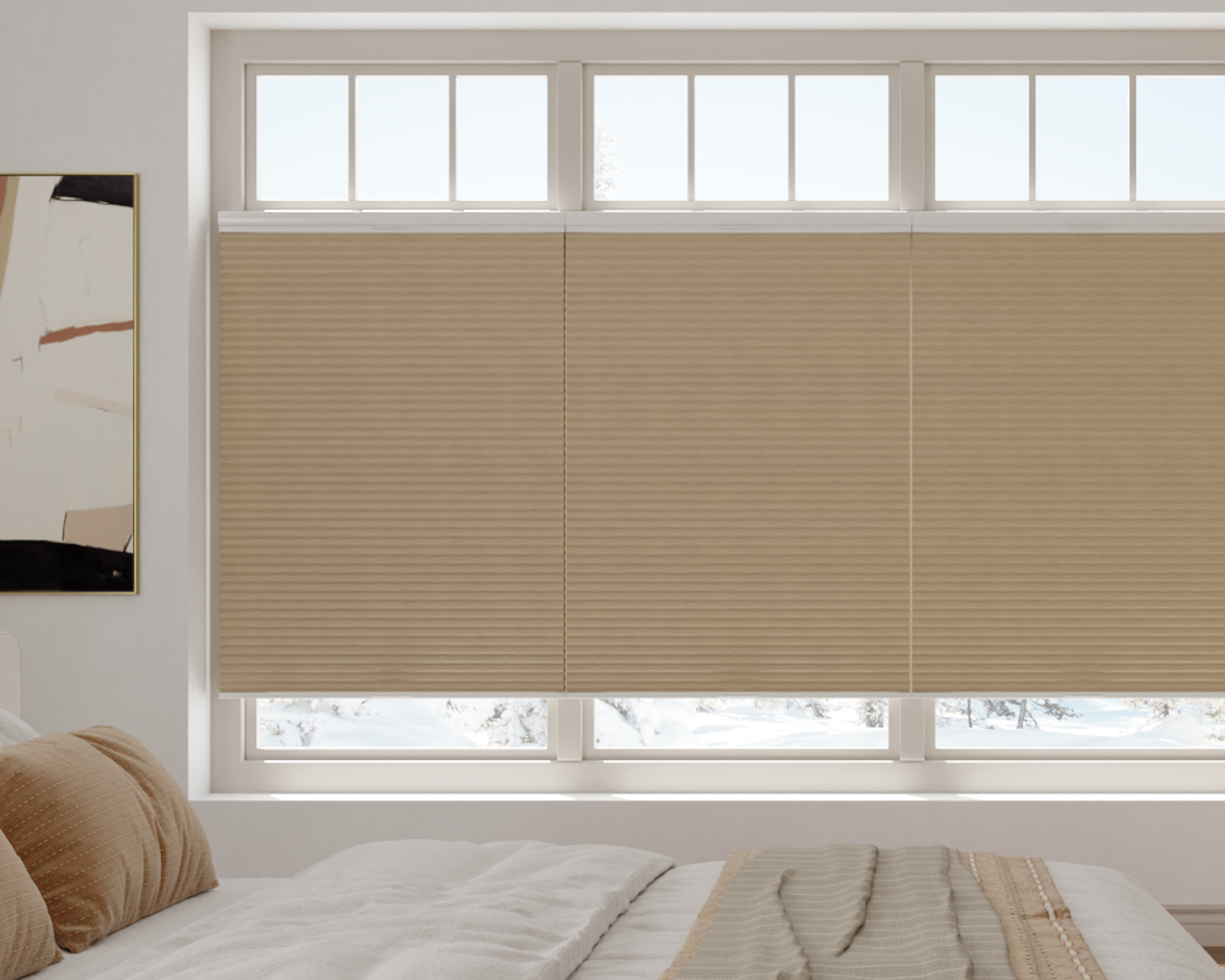
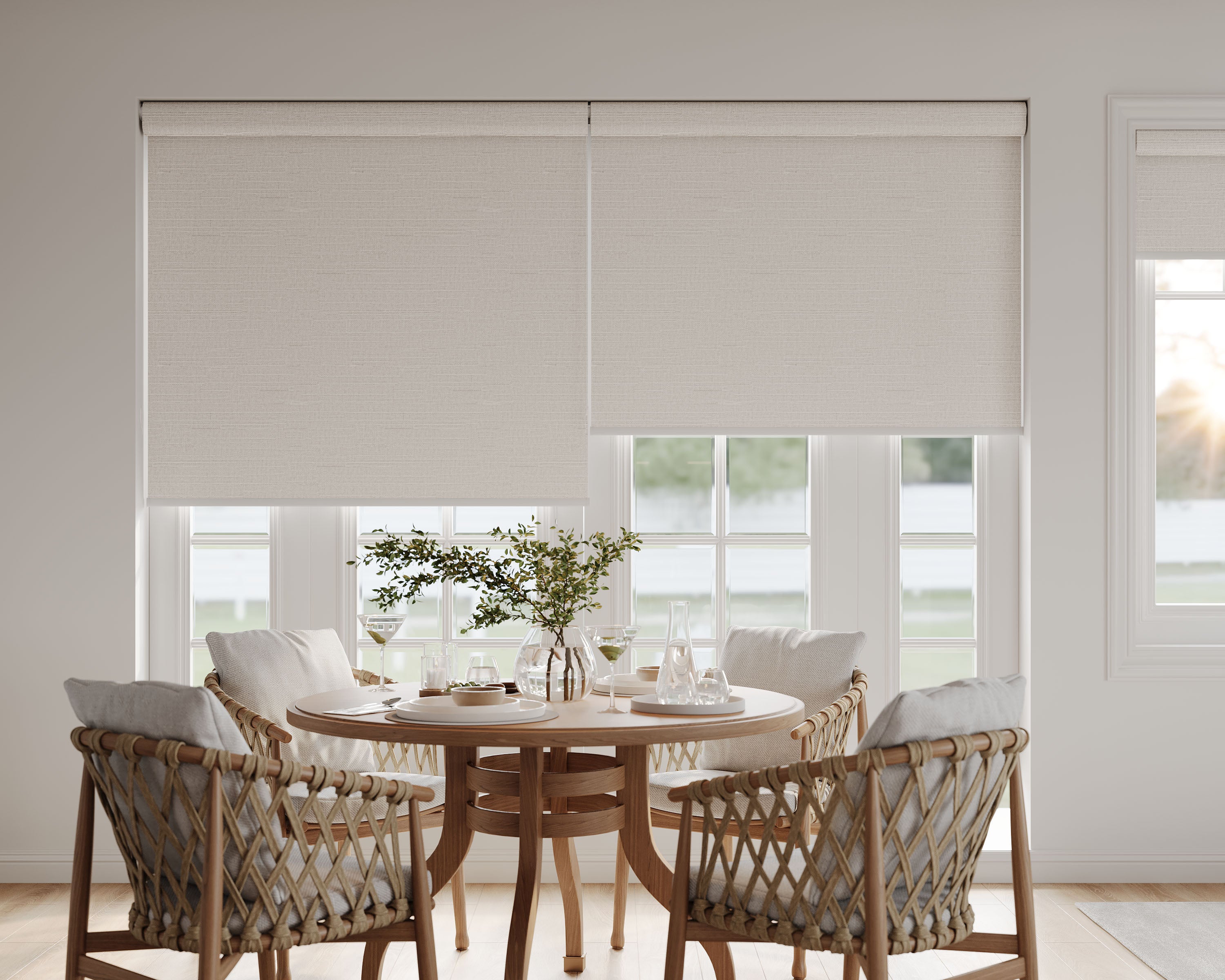


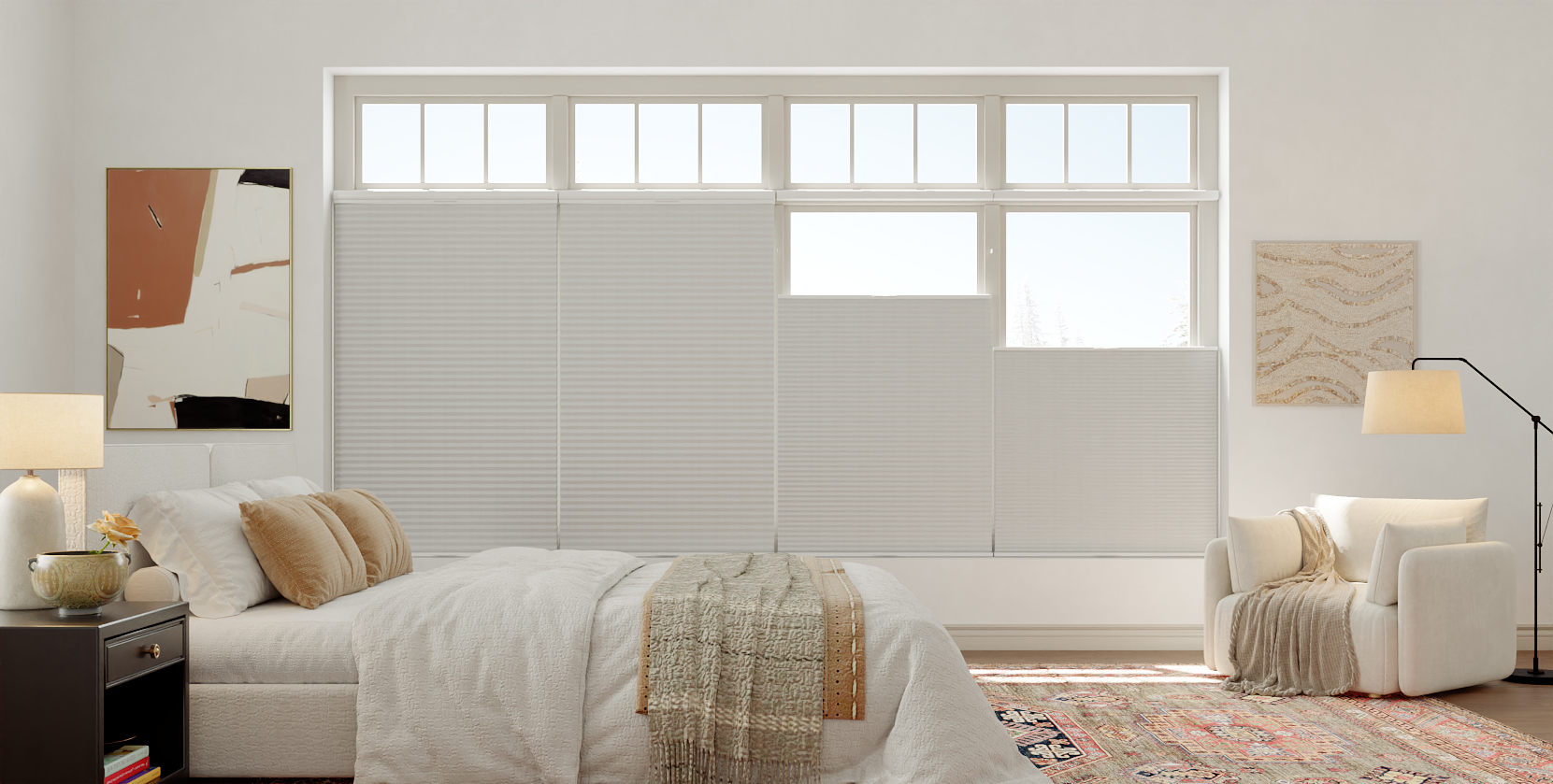


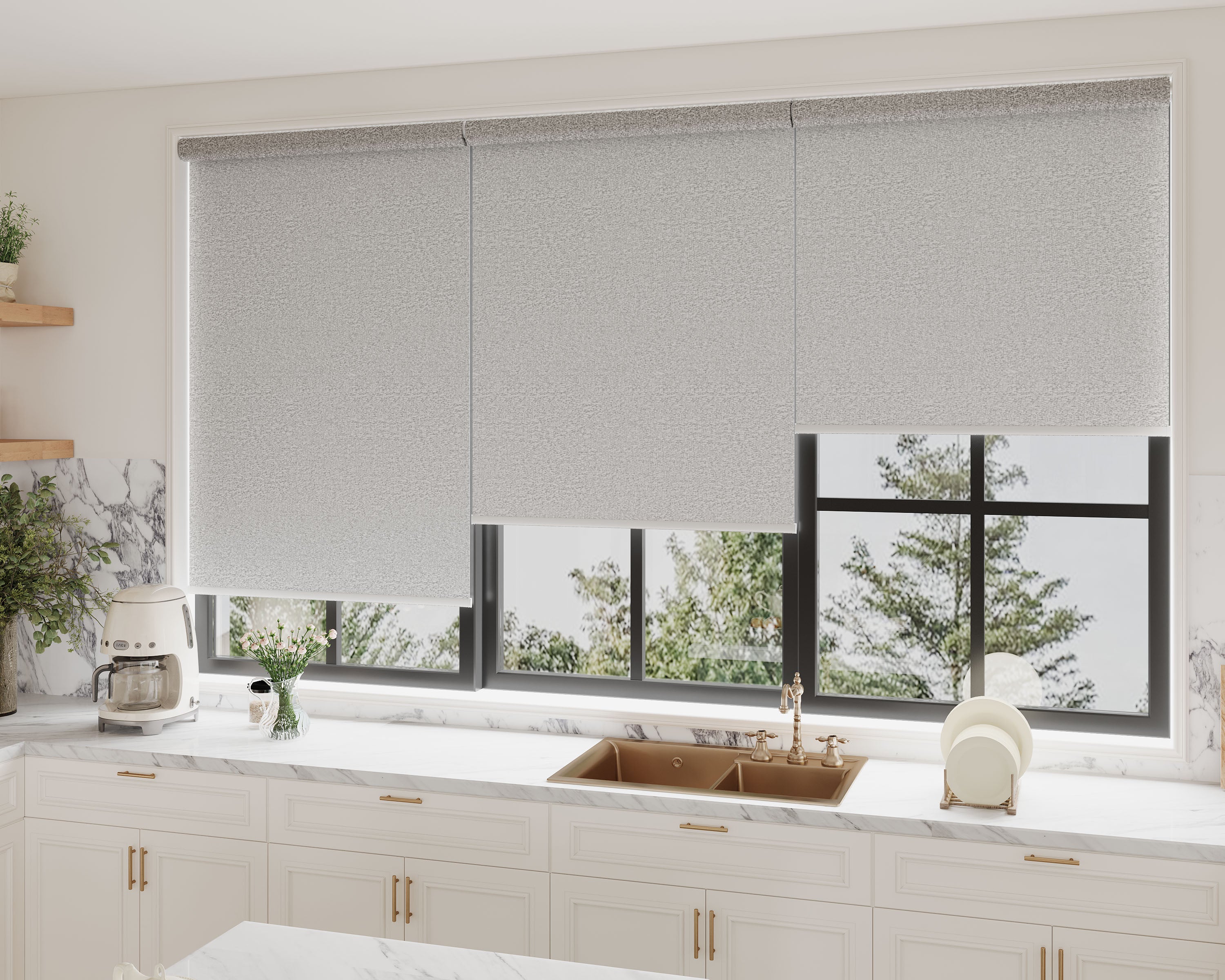

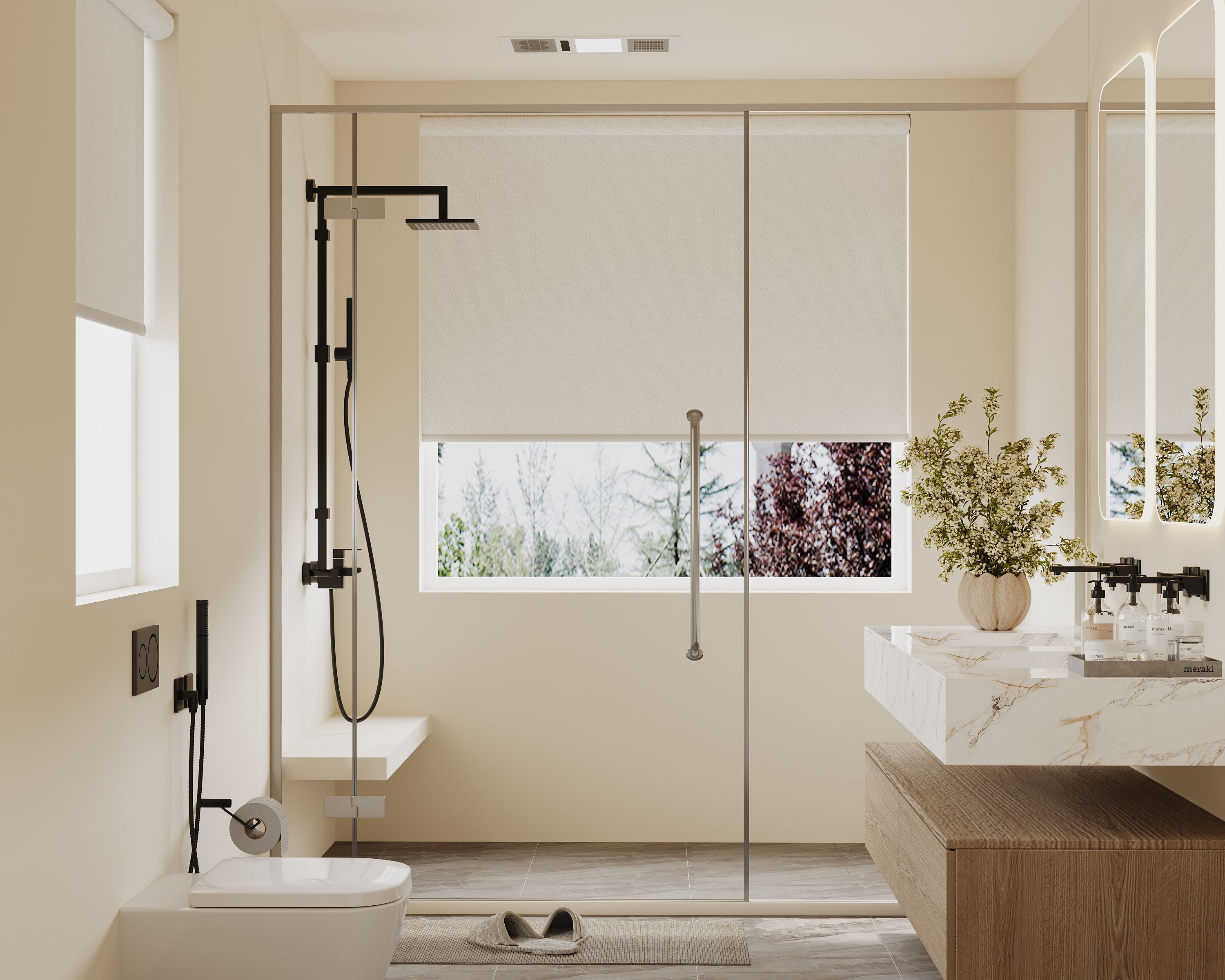


Designing a nursery or child's room requires a unique balance of paramount safety, functional light control for sleep and play, and practical durability. Sheer shades, with their soft light diffusion and clean look, can be a wonderful part of this environment when selected with these specific priorities in mind. This guide provides a detailed framework for choosing sheer shades that ensure a safe, serene, and adaptable space for your child’s rest and development.
Here’s what you’ll learn:
-
The non-negotiable safety standards for window treatments in children's spaces and how sheer shades comply.
-
How to address critical sleep needs with adjustable light control, from total blackout for infants to flexible light for older children.
-
Practical considerations for durability, ease of cleaning, and fabric choices that withstand the activity of a child's room.
-
How installation choices and smart features can enhance both safety and convenience.
-
Age-specific recommendations to tailor your window treatment strategy as your child grows.
To begin creating a safe and beautiful space, explore our collection of child-safe sheer shades designed for durability and peace of mind.
The Absolute Priority: Safety Standards and Features
Safety is the first and most critical filter for any product in a child's environment. Modern safety standards have evolved to eliminate the risks associated with traditional window coverings.
Cordless Operation is Non-Negotiable: Any shade in a nursery or child's room must be a cordless design. This eliminates the strangulation hazard posed by dangling lift cords or looped chains, which have been involved in tragic accidents. Cordless sheer shades operate via a gentle push-pull mechanism on the bottom rail or a secure wand tilt, removing hazardous cords from the equation entirely.
Motorization: The Pinnacle of Safety and Convenience: Motorized shades represent the ultimate in child safety, as there are no physical components for a child to interact with at all. Control via remote, app, or voice command keeps operation completely out of reach. This is especially valuable for hard-to-reach windows or for creating routines, as explored in our guide to automated home features.
Secure Installation is Foundational: Even the safest shade must be installed correctly. Ensure brackets are securely mounted into wall studs or using appropriate anchors for the wall material. The shade must be able to withstand accidental pulls or tugs without detaching. For added security, especially in a toddler's room, you may consider mounting shades with security brackets that require a tool for removal.
Managing Light for Sleep, Play, and Routine
Light control directly impacts a child's sleep quality, mood, and daily rhythm. Needs vary significantly from infancy through the school years.
For Nurseries and Infant Sleep: Prioritize Blackout Capability. Newborns and infants require very dark environments to produce melatonin and support the development of healthy sleep cycles. Standard sheer shades do not provide sufficient darkness on their own.
-
The Solution: Layered Blackout. Install sheer shades for their beautiful daytime light diffusion and gentle ambiance. Then, add a dedicated blackout roller shade behind them. This allows you to use the sheers during playtime for soft light and lower the blackout shade for naps and nighttime to create a cave-like darkness. This layered approach is the most flexible and effective strategy, similar to the one recommended for light-sensitive adult sleepers.
For Toddler and Big Kid Rooms: Adjustable Light for Flexibility. As children grow, their needs change. A dark room is still important for sleep, but you may also want to allow soft light for quiet play, reading, or a night light.
-
The Solution: Versatile Sheer Shades. Here, sheer shades with adjustable vanes shine. During the day, open vanes allow clear light for play. For nap time, closing the vanes increases privacy and creates a dimmer environment. For older children afraid of the dark, the soft glow of closed sheer shades can be comforting. Choosing a fabric with a lower openness factor will provide more light blockage.
Practical Considerations for Durability and Cleanliness
Kids' rooms are active spaces. Your window treatments should be selected to handle this reality.
Choose Durable, Easy-Clean Fabrics: Opt for performance-driven materials. Solution-dyed polyester fabrics are highly resistant to fading from sun exposure and are typically easy to clean—often requiring just a spot clean with a damp cloth. These materials are also less prone to holding dust, an important factor for air quality. Our comparison of sheer shade fabric types provides more detail on material pros and cons.
Consider a Protective Finish: Some fabrics come with stain-resistant or antimicrobial treatments, which can be a worthwhile investment for a nursery or young child's room where spills and germs are a concern.
Plan for Easy Maintenance: The enclosed design of sheer shades helps trap dust between the layers, making them easier to maintain than blinds with individual slats. Regular light vacuuming with a brush attachment is typically all that's needed.
Installation and Smart Planning for the Long Term
Opt for an Outside Mount: For the best light blockage (critical for the layered blackout approach), install shades using an outside mount on the wall above the window. This overlaps the frame and minimizes light leaks around the edges, which is key for creating a truly dark sleep space. The functional benefits of outside mounting are significant for light control.
Think Ahead with Motorization: While an upfront investment, motorization offers long-term benefits. It allows you to adjust shades from a doorway without entering a sleeping child's room, program consistent nap-time routines, and control shades that will eventually be out of a young child's reach as they grow.
Conclusion: Creating a Secure and Adaptable Haven
Equipping a child's room with window treatments is an exercise in forward-thinking, prioritizing unwavering safety while creating an environment adaptable to changing developmental needs. The most successful approach combines safe operation with flexible light management tailored to the child's age.
Key Highlights:
-
Safety is the First Filter: Cordless or motorized operation is mandatory to eliminate strangulation hazards. Secure professional installation is equally critical.
-
Sleep Needs Dictate Light Strategy: For infants, a layered system with blackout is essential for sleep development. For older children, adjustable sheer shades provide a good balance of darkness and comforting light.
-
Durability Matters: Choose easy-clean, fade-resistant fabrics like solution-dyed polyester that can withstand the activity and sun exposure common in children's spaces.
-
Installation Affects Performance: An outside mount is recommended to maximize light blockage for sleep and ensure a secure fit.
-
Plan for Growth: Consider how your choices—like motorization or versatile light control—will serve your child from infancy through their school years.
By adhering to these guidelines, you can confidently select sheer shades that contribute to a room that is not only beautiful and bright but, most importantly, safe and supportive of your child's well-being at every stage.
Shop Sheer Shades by Light Control


Frequently Asked Questions
Are there any safety certifications I should look for?
Yes. In the United States, look for shades that are certified to meet the latest updated ASTM F1004 standard for corded window coverings or are designated as cordless. The Window Covering Safety Council (WCSC) seal also indicates compliance with national safety standards. Always verify that any product is explicitly marketed as cordless for child-safe spaces.
What if my child's room has very large or multiple windows?
For large window walls or multiple windows, motorization becomes especially practical. Operating several large shades manually can be difficult. A motorized system allows you to control all shades in the room simultaneously with one button, ensuring consistent light control and eliminating the need to access each window individually.
Can sheer shades help protect the furniture and decor in a child's room from sun fading?
Yes. Sheer shades provide a degree of UV filtration, protecting bedding, rugs, and furniture from the most intense, direct sunlight that causes fading. Choosing a fabric with a lower openness factor (e.g., 3% instead of 10%) will block more harmful UV rays. For more on this, see our guide on protecting furnishings from sun damage.
My toddler is curious and likes to play with the bottom rail. Is this a problem?
Cordless shades are designed to be operated by pushing/pulling the bottom rail, so interaction is expected. Ensure the shade is securely installed so it cannot be pulled down entirely. For a particularly curious toddler, you might temporarily use furniture to block direct access to the shade or consider motorized operation to remove the physical temptation altogether during certain stages.
How do I transition from blackout needs in infancy to more light in a school-age child's room?
This is where a layered system proves its long-term value. In the infant and toddler years, use the blackout layer nightly. As your child grows and perhaps desires a night light or morning sun, you can begin using only the sheer shade at night for a soft glow, while keeping the blackout layer available for weekends or times when extra sleep is needed. The two independent systems give you complete control to adapt.
