
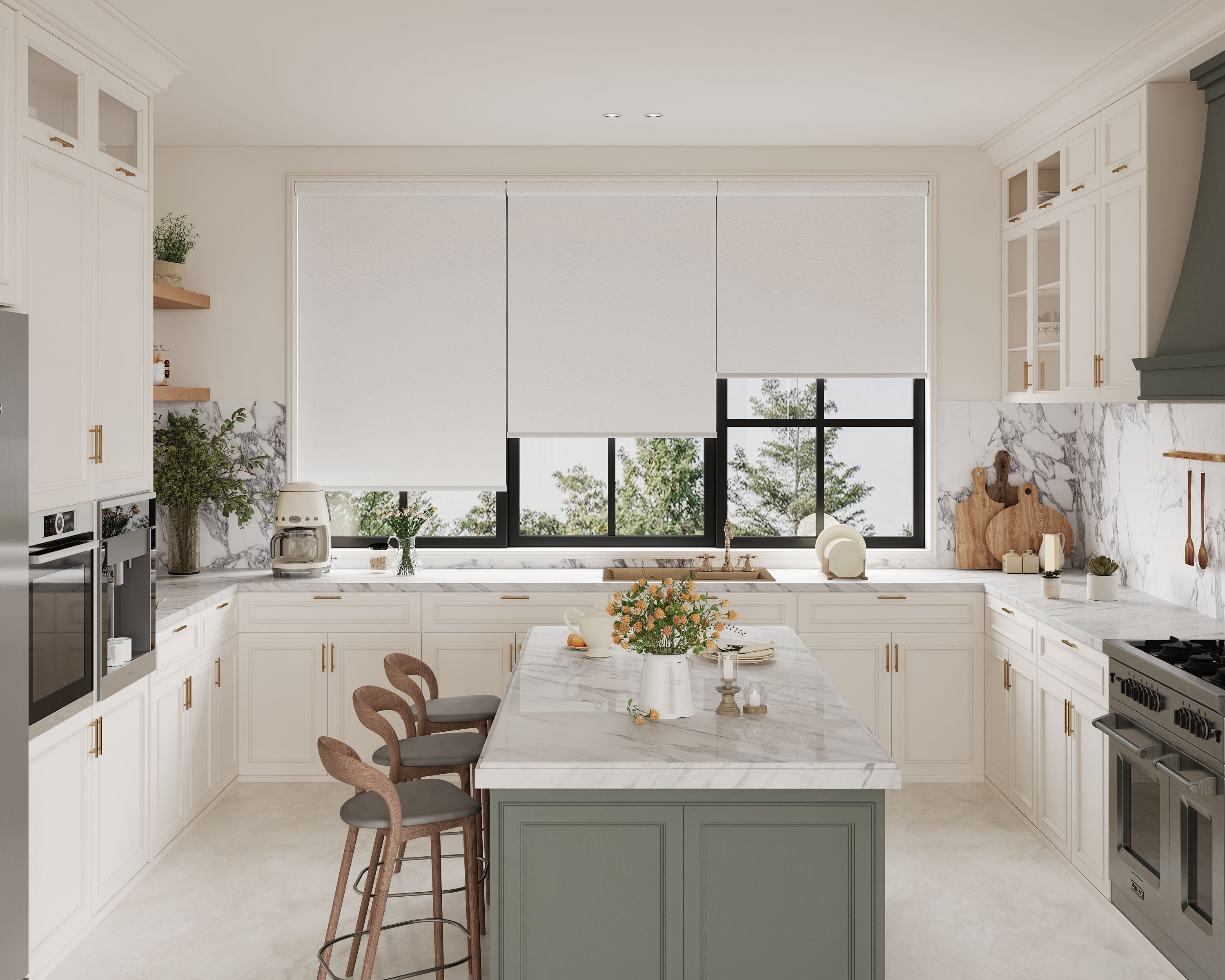
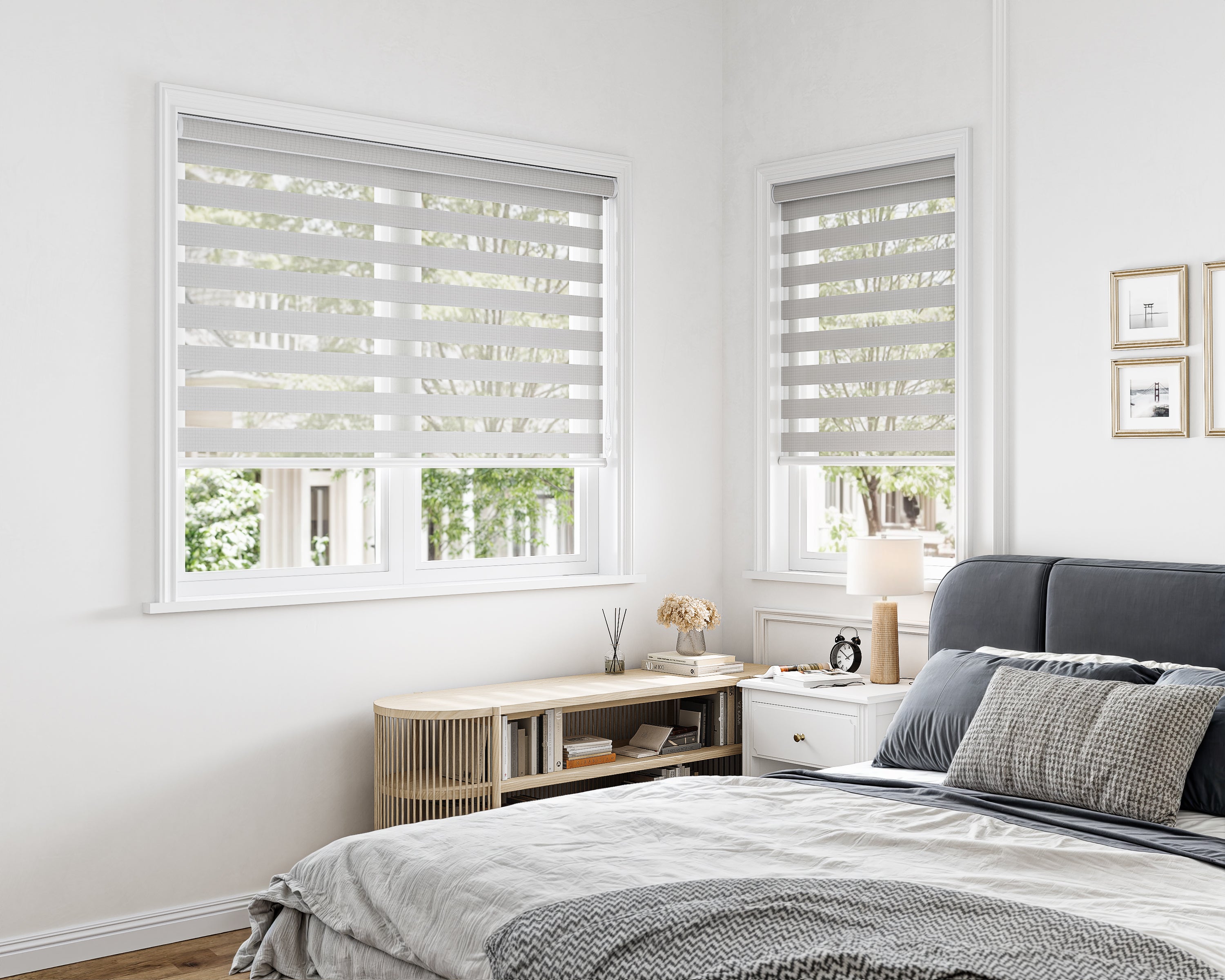
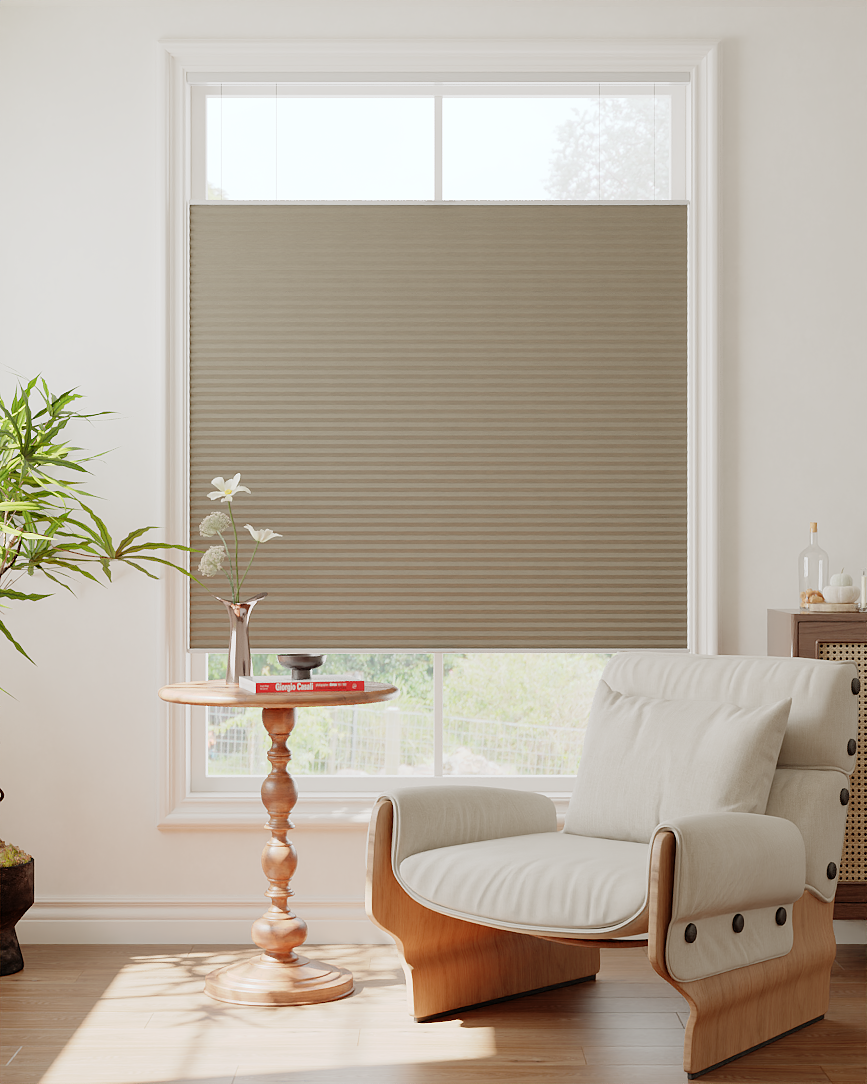
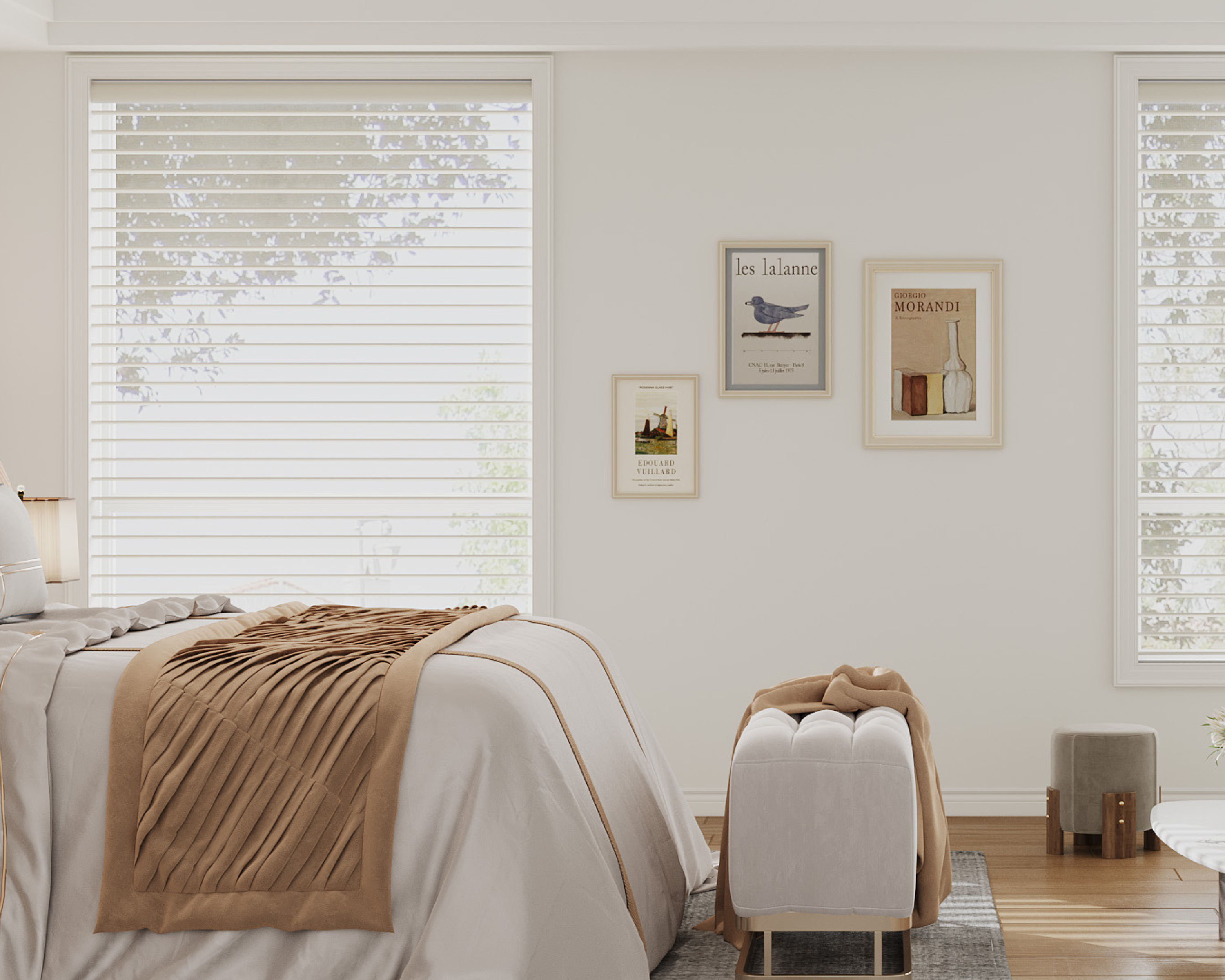
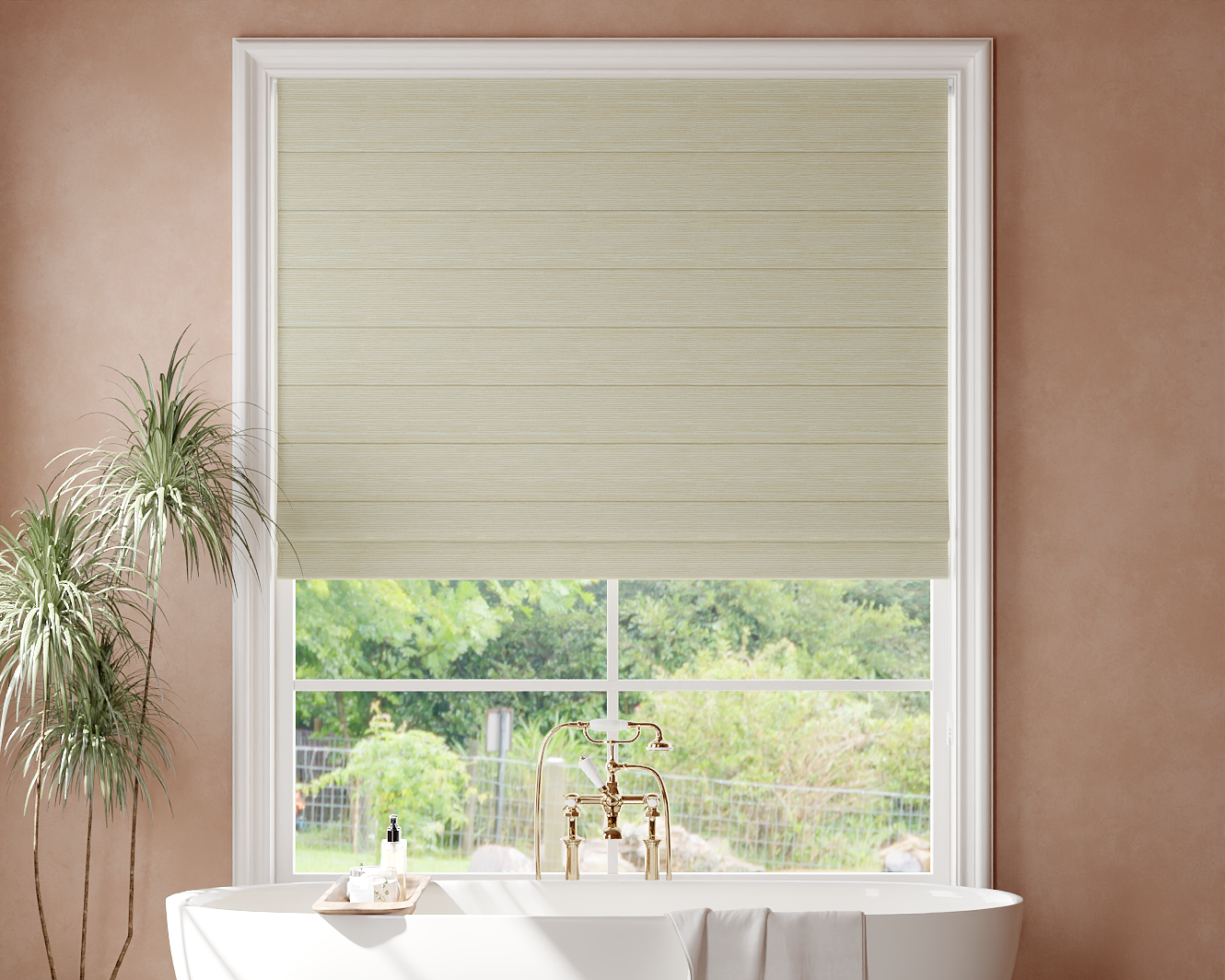
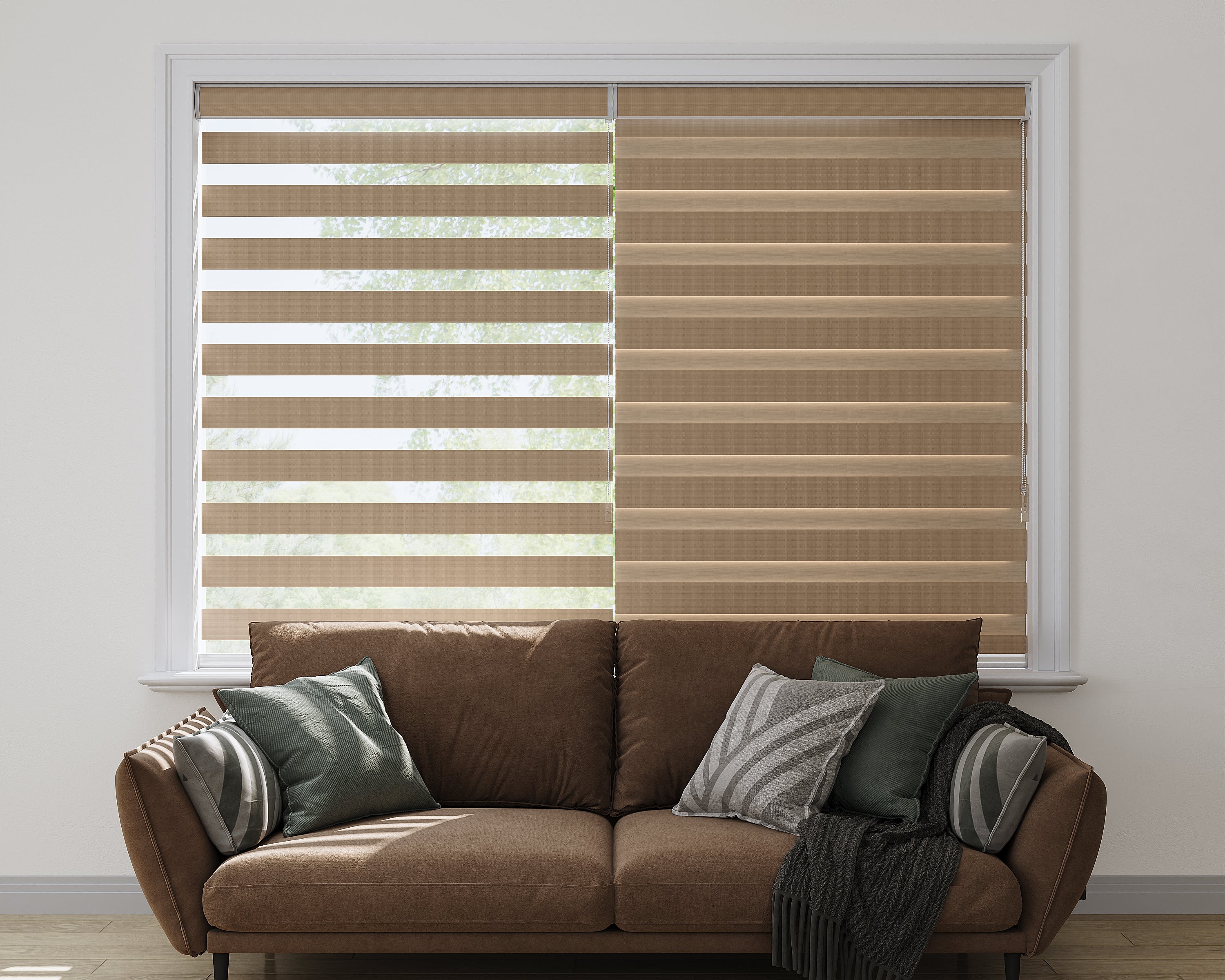
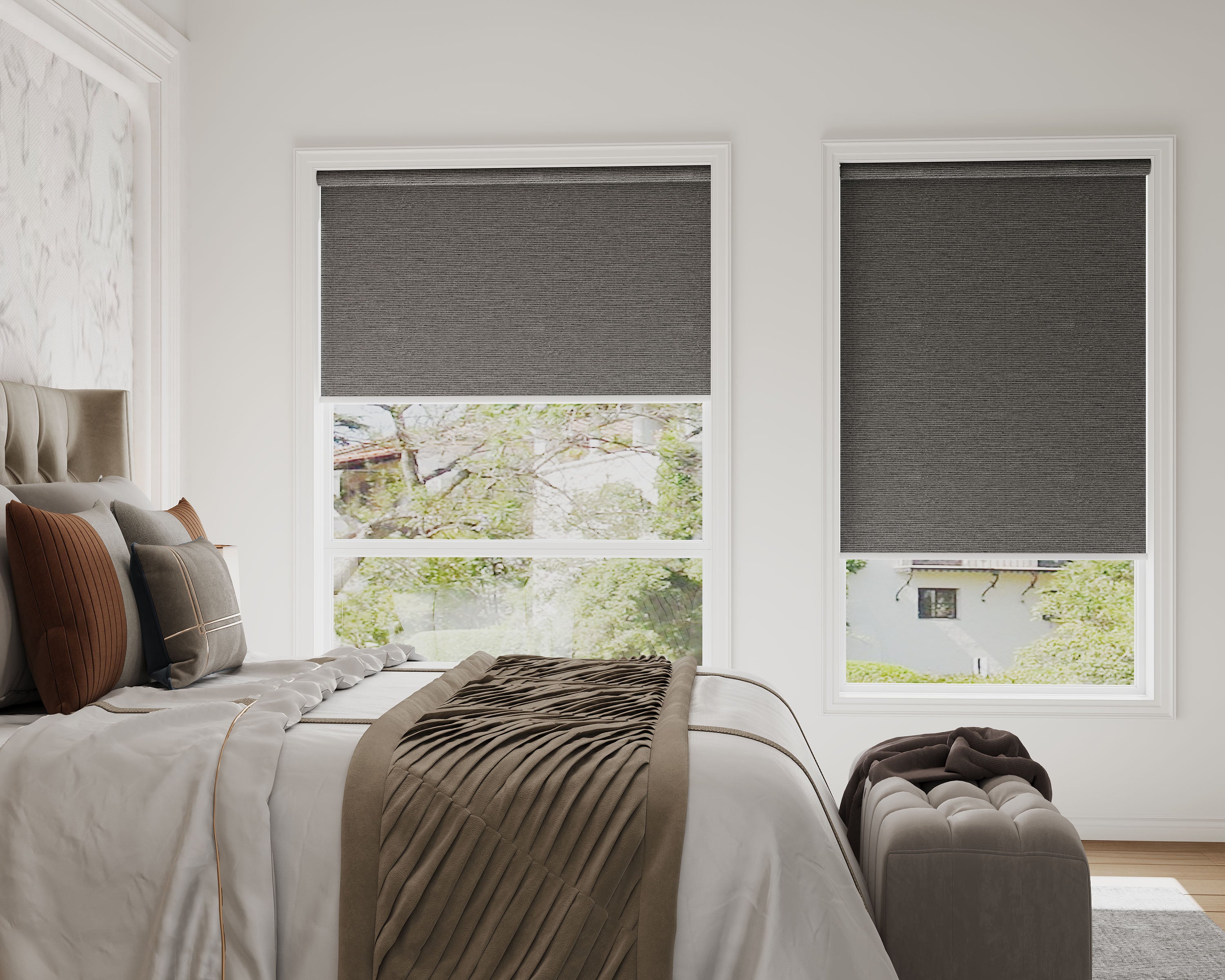
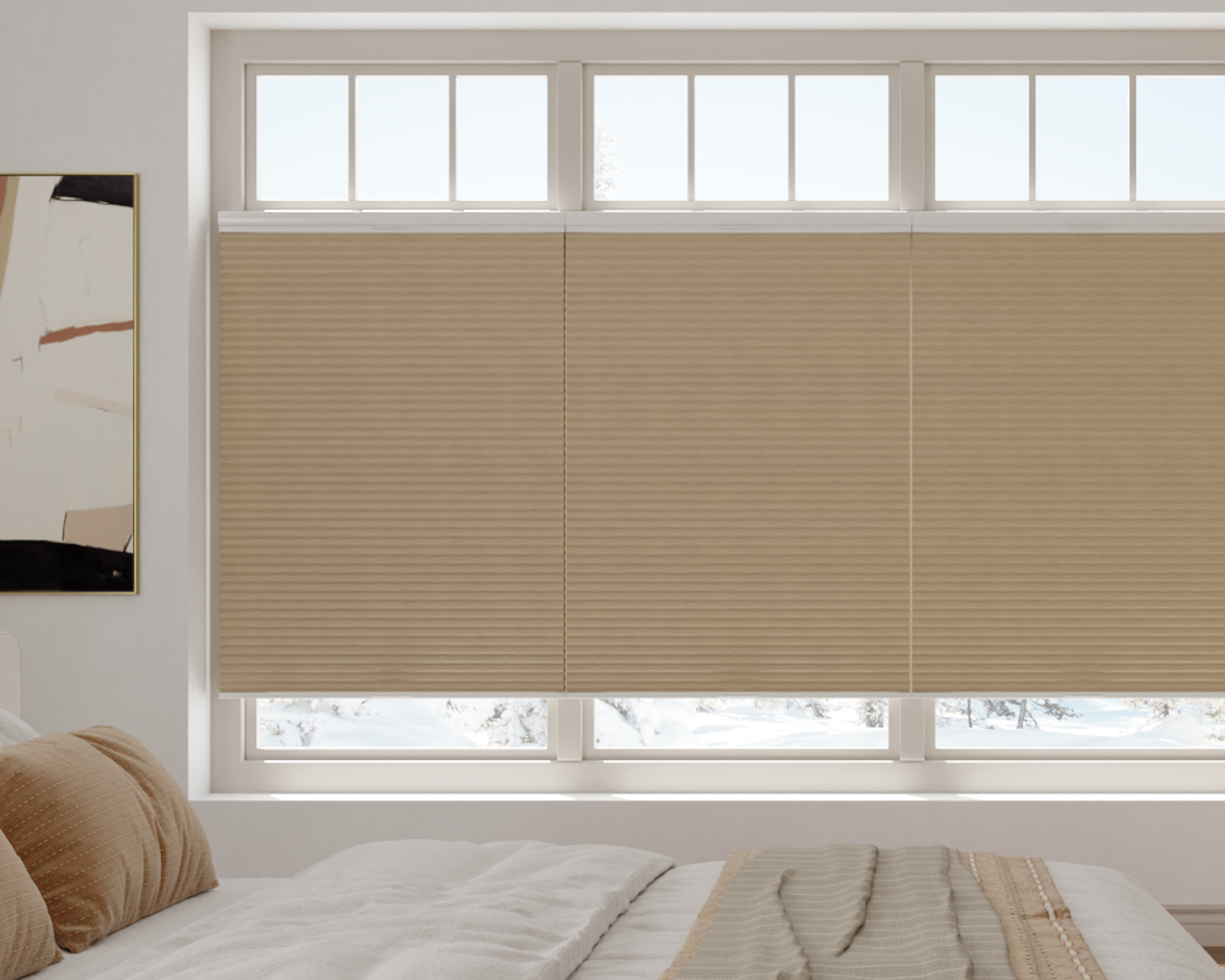
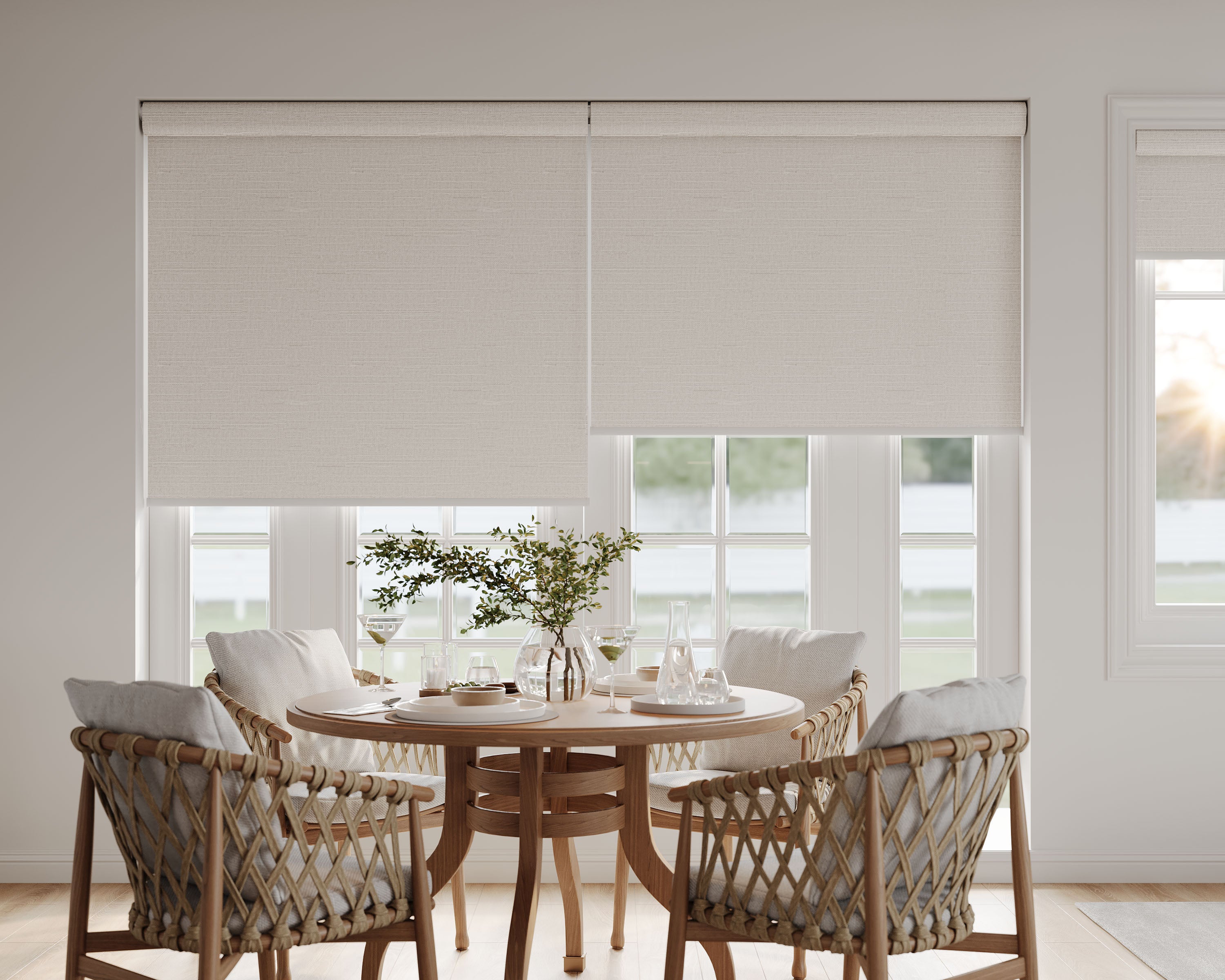


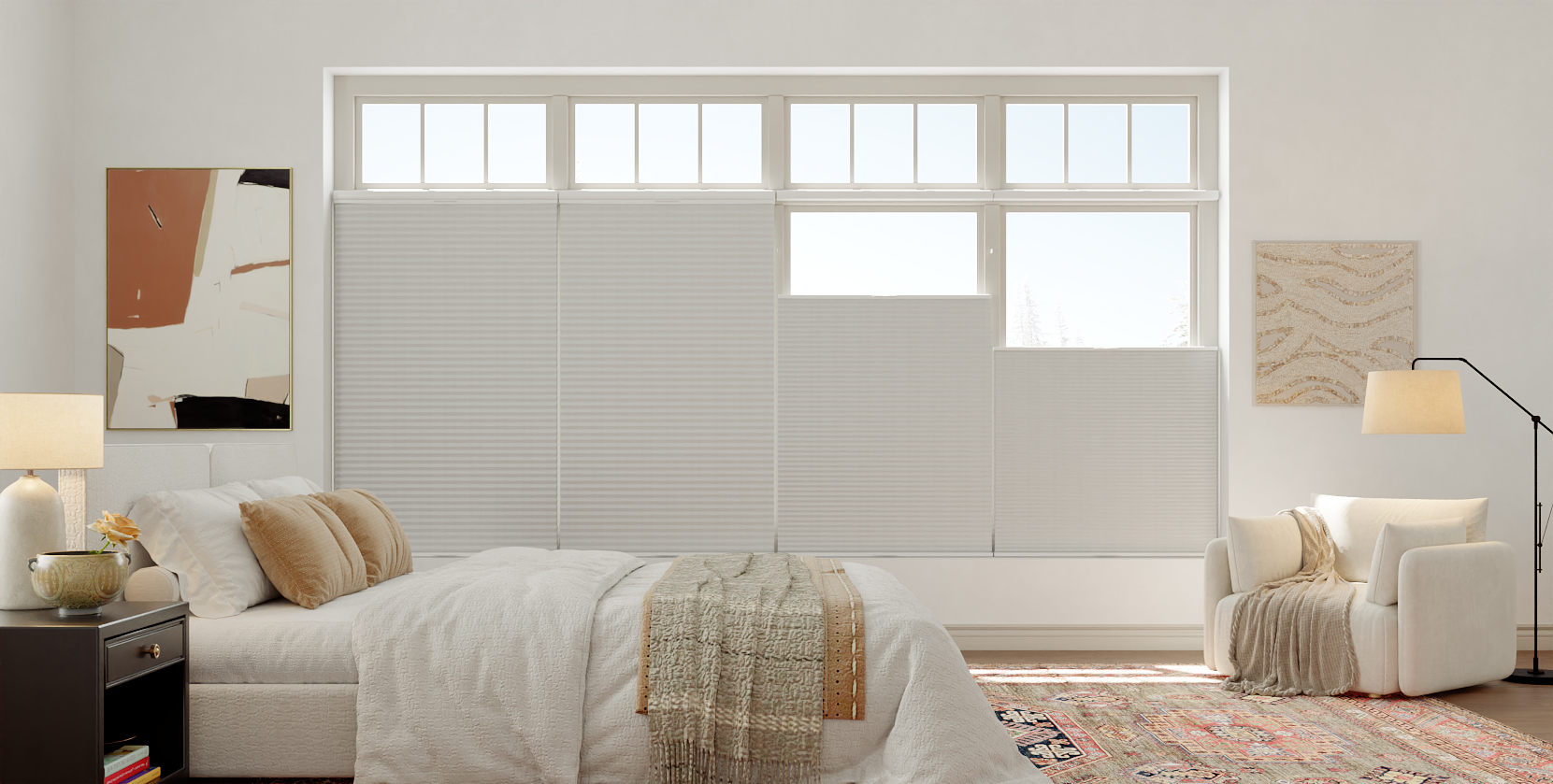


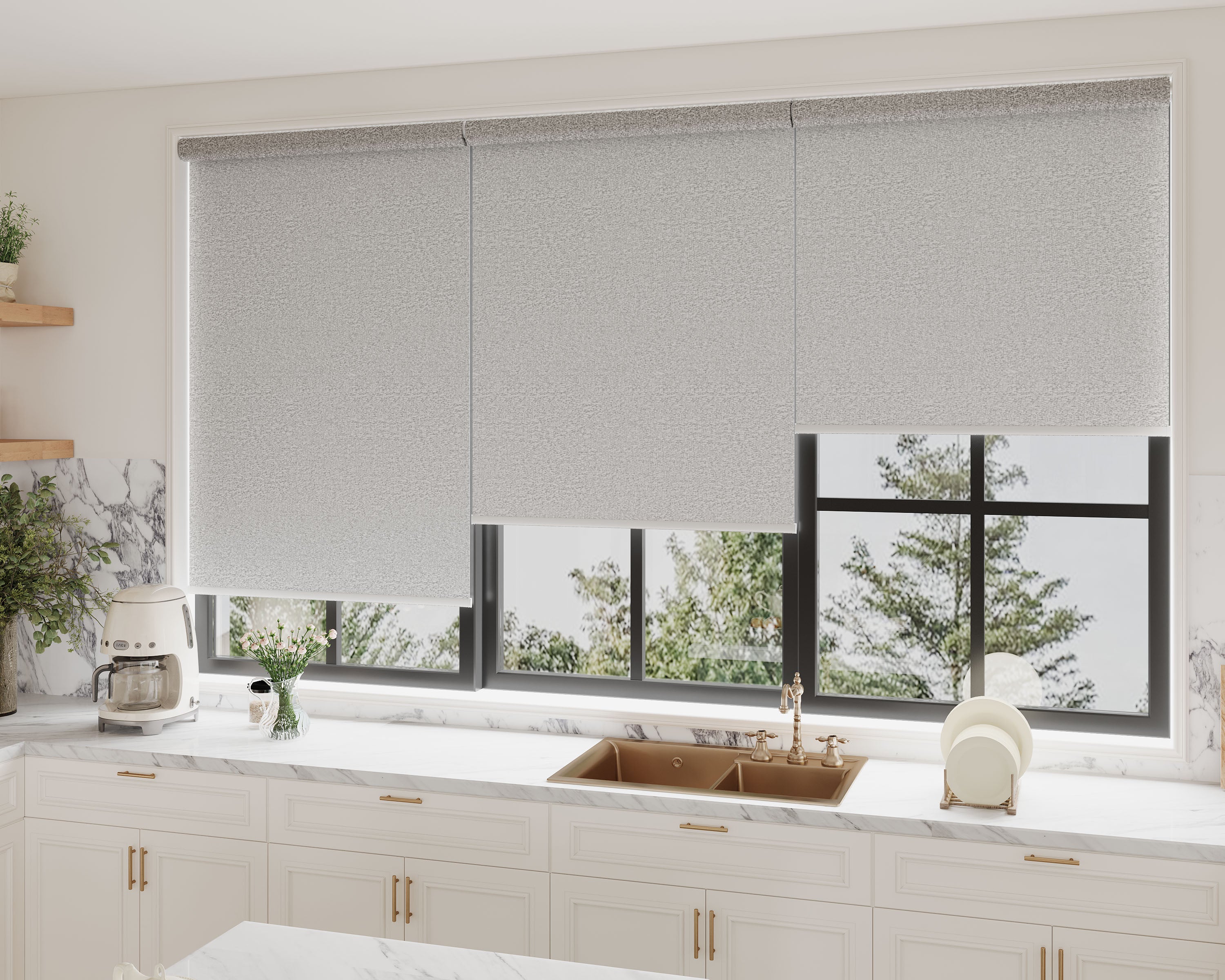

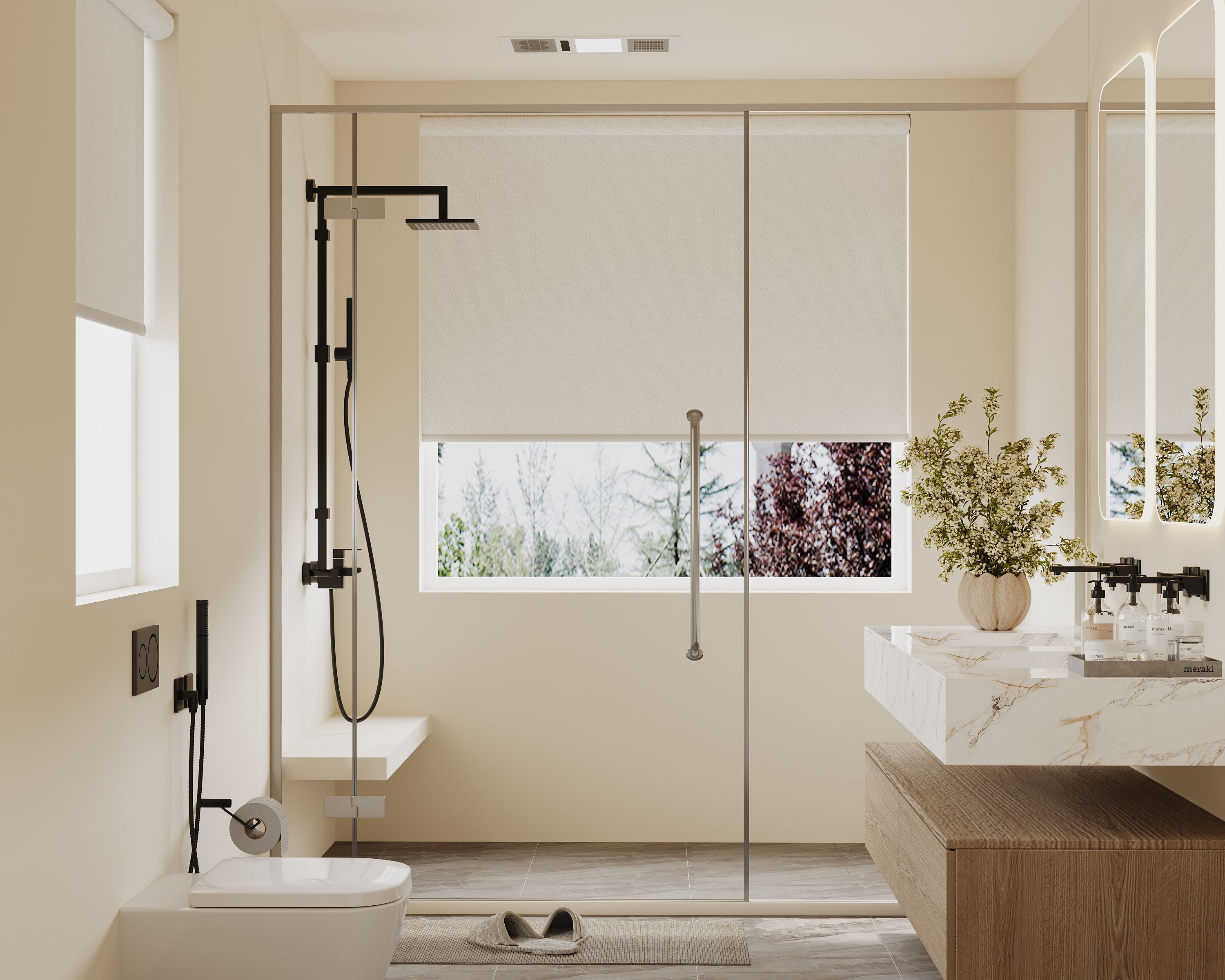


The fabric of your sheer shades is the defining element that controls not just their look, but their very function. Linen, polyester, and woven (wood/bamboo) each create a distinct experience of light, texture, and ambiance. This definitive guide breaks down the unique personality, practical performance, and ideal applications of these three primary fabric families, empowering you to select the material that perfectly aligns with your design vision and daily life.
Here’s what you’ll learn:
-
A detailed comparison of the aesthetic, functional, and maintenance profiles of linen, polyester, and woven fabrics.
-
How each fabric type manages light, privacy, and energy efficiency in your home.
-
The key durability factors, from sun resistance to ease of cleaning, for each material.
-
Room-by-room recommendations based on style, sunlight, and practical needs.
-
How to blend fabric types for a layered, custom look throughout your home.
To see and feel the difference for yourself, begin with our collection of custom sheer shades in a variety of fabric types.
The Core Characteristics: A Side-by-Side Comparison
The choice between linen, polyester, and woven fabrics involves balancing natural beauty, engineered performance, and organic texture. The following table provides a clear, at-a-glance overview of their defining traits.
How to Choose Based on Your Room and Priorities
Your room’s function, style, and specific conditions should guide your fabric selection.
For Style and Atmosphere
-
Linen is the choice for a relaxed, effortlessly sophisticated, and inviting feel. It brings a soft, human touch to modern spaces and complements rustic, coastal, or farmhouse styles beautifully. Its inherent texture adds depth without pattern.
-
Polyester excels in sleek, contemporary, and minimalist interiors. It provides a crisp, clean backdrop that lets other design elements shine. For a modern look that’s easy to maintain, it’s a top contender.
-
Woven Wood/Bamboo is ideal for creating a natural, zen, or tropical ambiance. It adds significant organic texture and works wonderfully in spaces that aim for a connection to nature or an earthy, bohemian vibe.
For Practical Performance and Light
-
Sunlight & Glare: All three diffuse light, but differently. Polyester offers the most consistent, even diffusion, ideal for home offices to reduce screen glare. Linen provides a warm, soft glow. Woven shades create artistic, dappled light patterns.
-
Durability & Care: For low-maintenance living, polyester is unmatched. It resists wrinkles, fading, and moisture. Linen is durable but embraces a lived-in look. Woven shades require gentle handling to avoid snagging and regular dusting of their textured surfaces.
-
Privacy: Standard sheer fabrics provide daytime privacy through diffusion, but are not opaque at night. For enhanced privacy with any fabric, especially woven styles, consider adding a privacy liner—a topic covered in our guide on maximizing privacy with your window treatments.
Key Decision Factors Before You Buy
-
Feel the Texture: Always request physical samples. The hand-feel of linen versus the smoothness of polyester or the rough texture of bamboo is a crucial part of the experience.
-
Consider the Light: Hold samples up at your window at different times of day. See how each fabric transforms the quality of light entering your room. For more on managing light, see our comparison of sheer shades and blinds for light control.
-
Be Honest About Lifestyle: Do you have a busy household, pets, or high humidity? Polyester’s resilience might be the most practical long-term choice. If you prize natural materials and don’t mind a bit of character (like natural wrinkles), linen or woven could be perfect.
-
Think About Layering: Sheer shades are perfect for layering. You might choose linen sheers for their beauty in a living room, paired with heavier drapes for night. This layered approach is a designer favorite, as discussed in our article on why designers love sheer shades.
Conclusion: Matching Fabric to Function and Feeling
There is no single "best" fabric—only the best fabric for your specific needs.
-
Choose Linen Sheer Shades for natural, sustainable elegance, a warm diffused glow, and a timeless, textured look you’ll love for years.
-
Choose Polyester Sheer Shades for superior durability, easy care, fade resistance, and a crisp, modern aesthetic that stands up to busy life.
-
Choose Woven Wood/Bamboo Sheer Shades for an organic, textural statement, unique dappled lighting effects, and a strong connection to natural materials.
Your windows are a focal point. By selecting the fabric that aligns with your home’s style, your practical needs, and the quality of light you desire, you transform a simple window treatment into a key element of your home’s comfort and character.
Shop Sheer Shades by Light Control


Frequently Asked Questions (FAQ)
Is 100% linen or a linen blend better for sheer shades?
A linen-polyester blend (e.g., 50/50) is often the most practical choice for sheer shades. It captures the beautiful texture and look of linen while gaining polyester’s durability, wrinkle resistance, and easier care profile. Pure linen, while gorgeous, is more prone to significant wrinkling and may require more meticulous maintenance.
Can woven wood shades provide complete privacy or blackout?
Typically, no. The very nature of their woven construction includes tiny gaps that allow pinpoints of light to pass through. They offer diffused privacy during the day but are not blackout. For complete darkness, a separate blackout liner must be added behind the woven shade.
Which fabric is best for protecting furniture from sun fading?
Polyester fabrics are often inherently more resistant to UV degradation and fading. Many are specifically engineered for sun resistance. While all sheers filter light, for maximum furniture protection, look for polyester options with a high UV-block rating or consider adding a protective liner.
Are these fabrics suitable for a modern farmhouse style?
Absolutely. Linen is a quintessential modern farmhouse fabric, offering the perfect relaxed yet refined texture. Woven wood shades can also complement this style by adding rustic, natural elements. The key is choosing neutral colors and clean lines. For more, explore our guide to window treatments for modern farmhouse style.
How do I clean these different sheer shade fabrics?
-
Polyester: Easiest. Usually safe for gentle machine washing or frequent dusting.
-
Linen: Often machine washable on gentle, but check care instructions. Air drying is recommended to prevent shrinkage and maintain texture.
-
Woven Wood/Bamboo: Dry cleaning only. Regular maintenance involves careful dusting with a soft brush attachment or microfiber cloth. Avoid moisture, which can damage the natural materials.
