
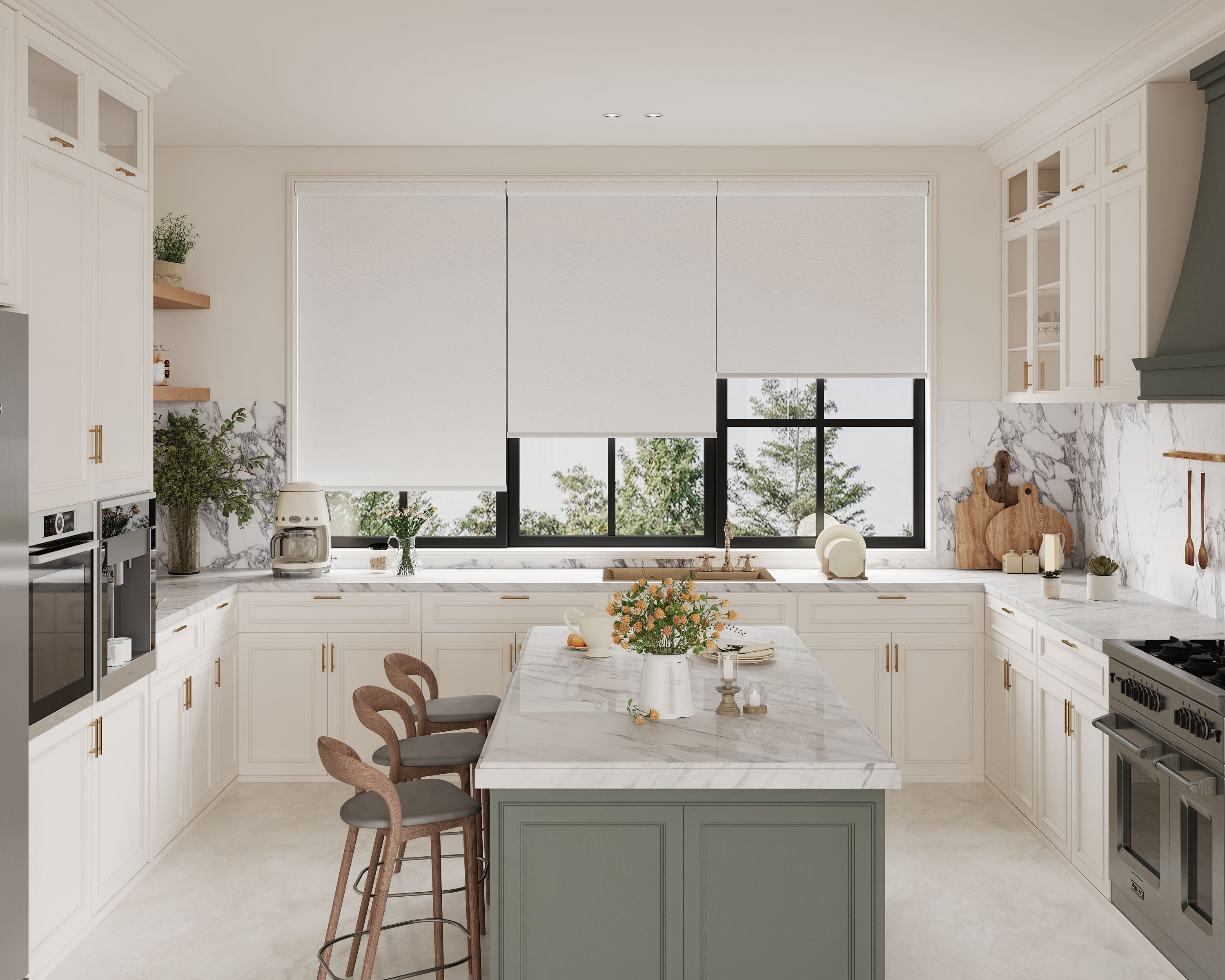
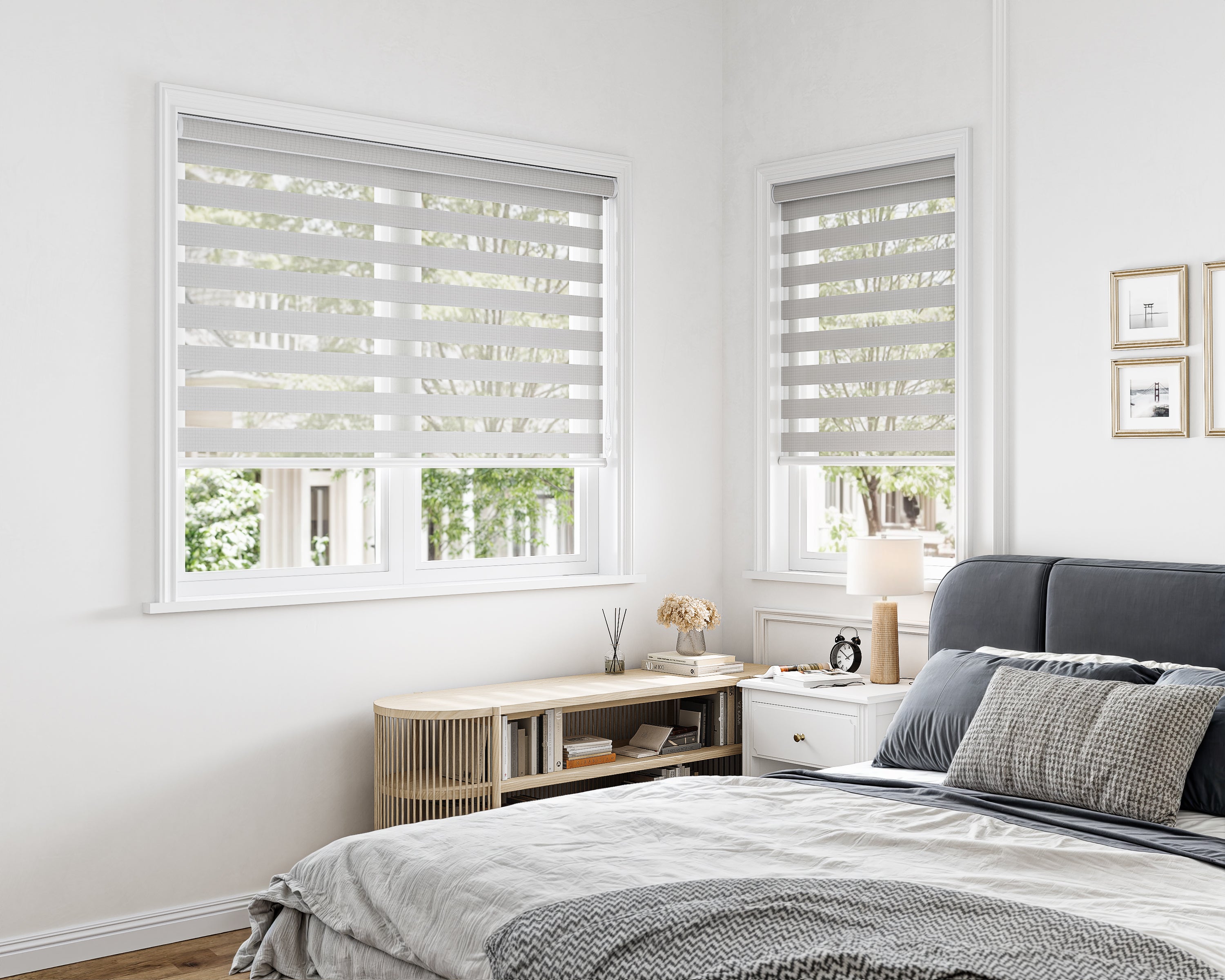
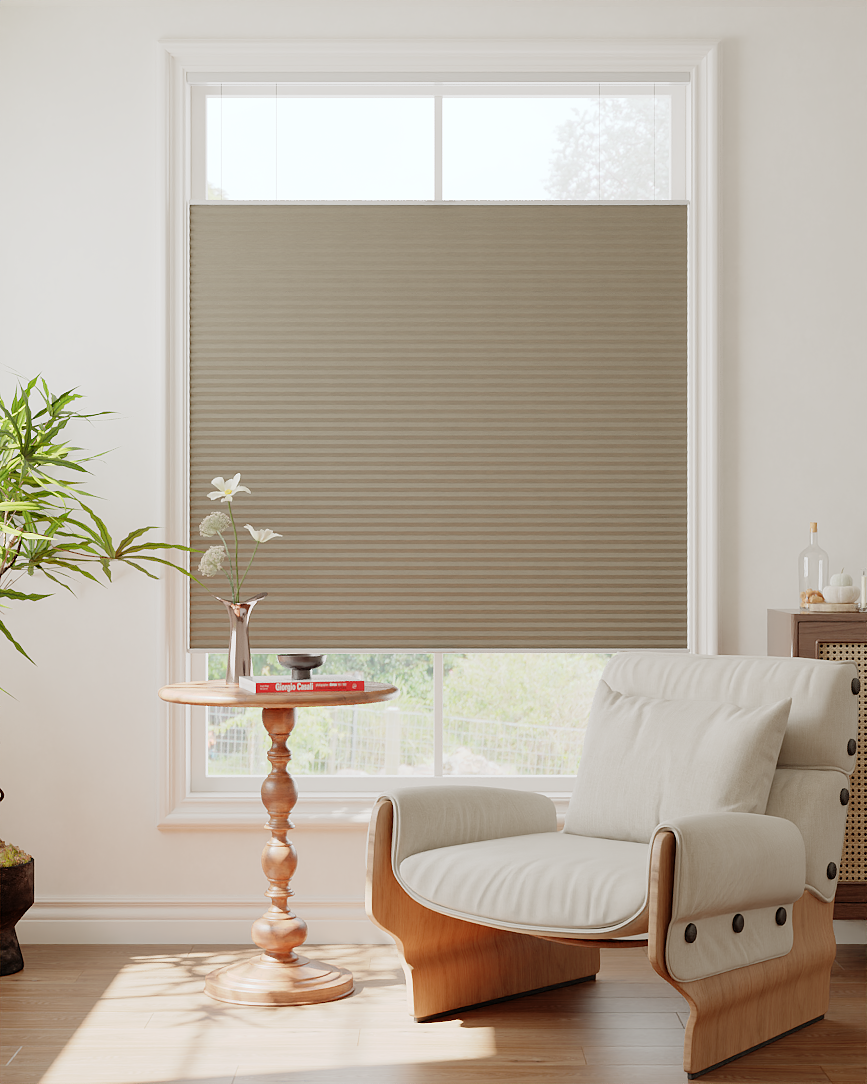
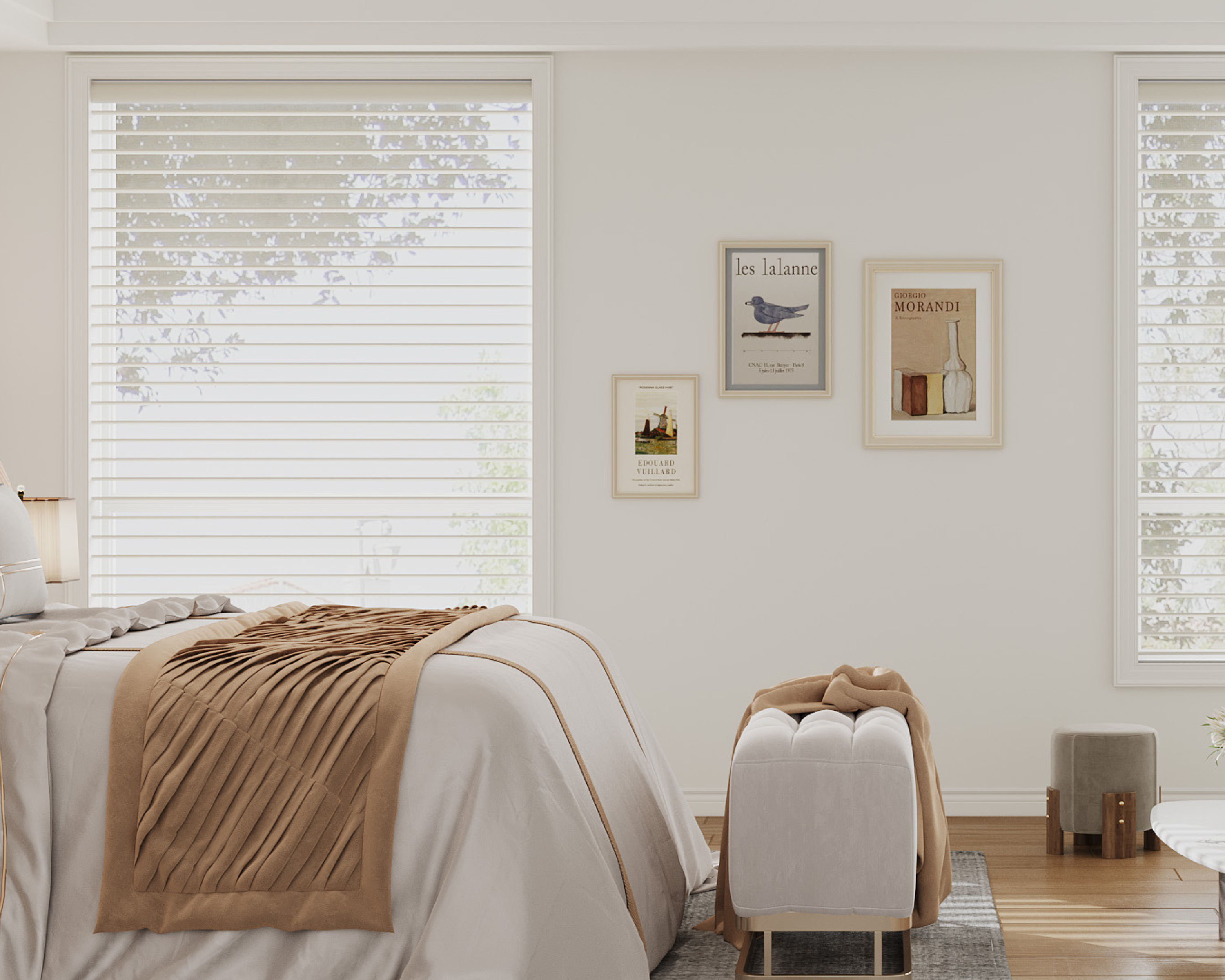







Sheer shades are celebrated for flooding rooms with soft, beautiful light while maintaining a connection to the outdoors. But this often leads to a central question: can they truly provide privacy? The answer is nuanced. Yes, sheer shades offer a significant degree of privacy, but it operates differently than traditional blinds or curtains and changes from day to night. This guide explains exactly how privacy works with sheer shades, the factors that affect it, and how to ensure your needs are fully met.
Here’s what you’ll learn:
-
The science behind "view-through" privacy and how sheer shades create it.
-
The critical difference between daytime and nighttime privacy performance.
-
How the openness percentage of the fabric directly controls privacy levels.
-
Design strategies and complementary products to achieve complete privacy when needed.
-
Which rooms are best suited for sheer shades based on your privacy requirements.
To explore shades with various privacy levels, start with our collection of custom sheer shades, where you can select the perfect openness factor for your space.
How Sheer Shades Create Privacy: The "View-Through" Principle
Privacy with sheer shades doesn't come from being a solid barrier. It comes from obscuring clear vision while allowing light to pass through. Imagine frosted glass or a shower door—you can see light and movement, but details are blurred.
Sheer shades achieve this through their layered construction:
-
The Sheer Fabric Layers: The front and back panels are made of a durable, translucent material.
-
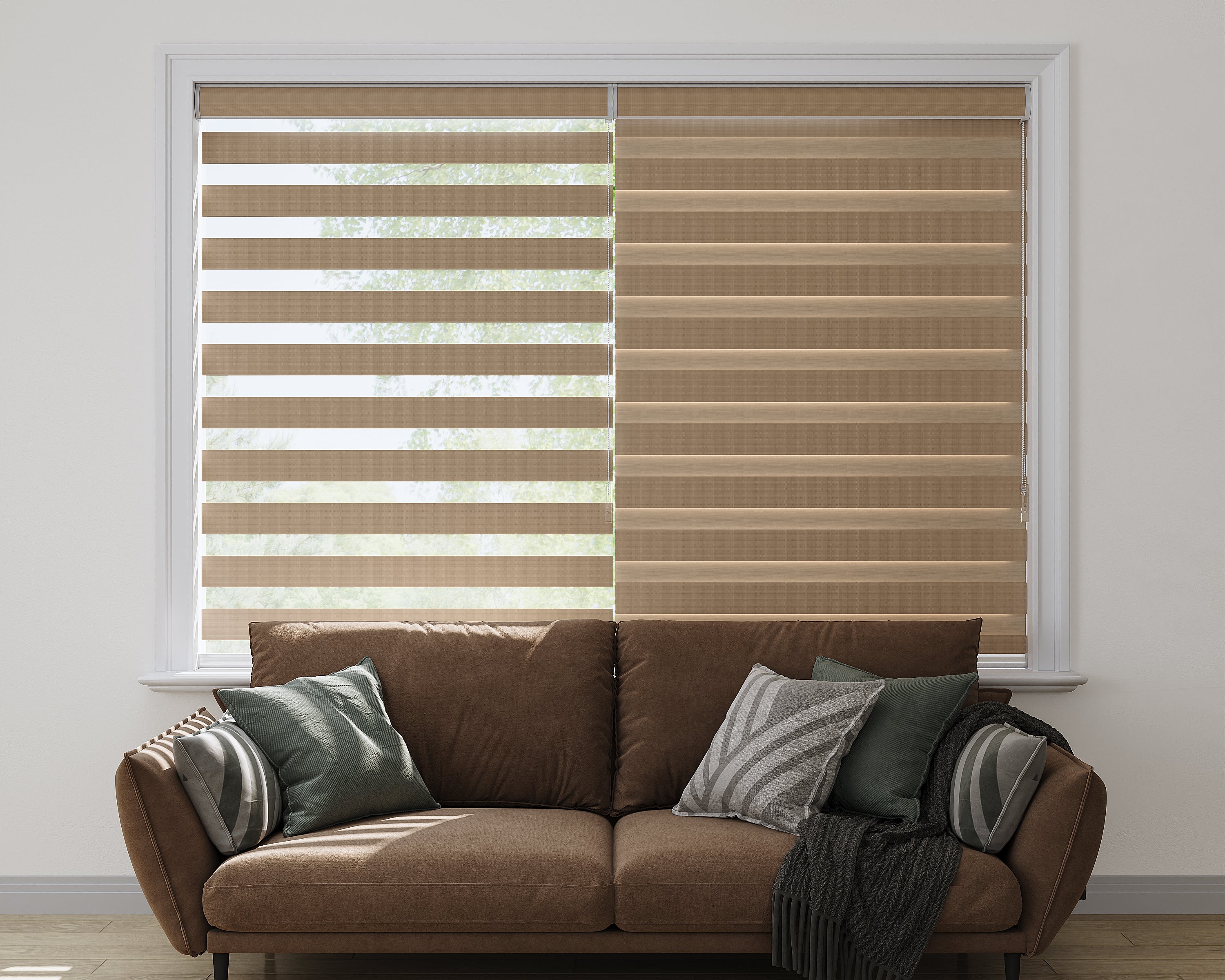
The Adjustable Vanes: The soft fabric vanes suspended between the layers can be tilted.
When the vanes are open, visibility is higher. When the vanes are closed, they combine with the sheer layers to create a diffusing screen. This scatters light and breaks up the image of what's behind them, providing what is known as "view-through" privacy. You retain a softened outdoor view, but from the outside looking in, figures and details are indistinct.
Daytime Privacy vs. Nighttime Privacy: A Crucial Distinction
This is the most important concept to understand, as the effectiveness of sheer shades changes with lighting conditions.
Daytime Privacy: Excellent
During the day, when it is brighter outside than inside your home, sheer shades provide very good to excellent privacy with the vanes closed. The exterior brightness acts like a one-way mirror, overwhelming the softer interior light. Passersby will see a softly glowing window panel, not the details of your room.
Nighttime Privacy: Limited
At night, the dynamic reverses. When indoor lights are on, it becomes brighter inside than outside. The sheer fabric can then become backlit, making silhouettes and movements more visible from the darker exterior. For true privacy at night, an additional measure is needed.
Privacy Level Comparison: Sheer Shades in Different Conditions
| Condition | Vane Position | Privacy Level from Outside | What's Visible from Outside? |
|---|---|---|---|
| Daytime | Open | Low-Moderate | Blurred shapes, colors, movement. |
| Daytime | Closed | High | A bright, glowing panel; no discernible details. |
| Nighttime (Lights On) | Open | Very Low | Clear shapes and movement. |
| Nighttime (Lights On) | Closed | Low-Moderate | Distinct silhouettes and movement. |
Key Factors That Affect Privacy Levels
Several design choices influence how much privacy your sheer shades will provide.
Fabric Openness Percentage
This is the most critical technical specification for privacy. Openness refers to the tightness of the weave in the sheer fabric, expressed as a percentage (e.g., 1%, 3%, 5%, 10%).
-
Lower Openness (1-3%): A tighter weave. Offers greater privacy and superior UV protection. The view out is slightly more muted.
-
Higher Openness (5-10%): A more open weave. Provides a brighter, clearer outward view but offers somewhat less daytime privacy.
Vane Adjustment and Color
-
Vane Position: As shown in the table, always close the vanes for maximum privacy.
-
Vane Color: Light-colored vanes (white, ivory) reflect more light and enhance the diffusing effect for daytime privacy. Darker vanes may provide slightly more opacity but can contrast with the sheer layers.
The "Goldilocks" Zone for Privacy
For the best balance of privacy, view, and light, a 3% to 5% openness factor is often recommended. It provides strong daytime privacy and UV protection while maintaining a good quality outward view.
Solutions for Complete Privacy in Any Situation
If you love sheer shades but require guaranteed privacy at night, strategic layering is the perfect solution. This approach combines the best of both worlds.
The Layered Treatment Strategy
-
Primary Layer (Sheer Shades): Install sheer shades for daily use. They control glare, filter beautiful light, and provide daytime privacy.
-
Secondary Layer (Privacy Panel): Add a separate, opaque treatment behind or in front of the sheer shades. This is deployed only when full privacy or darkness is required.
-
Behind the Sheers: A discreet blackout roller shade mounted inside the window frame. It disappears when rolled up and provides total privacy and darkness when lowered.
-
In Front of the Sheers: Decorative opaque drapes or curtains on a separate rod. These add texture and style to the room and can be drawn closed at night.
-
This method is extremely effective for bedrooms, street-facing rooms, or ground-floor spaces. It allows you to enjoy the full benefits of sheer shades without compromise. For more on this concept, see our guide on layering window treatments for maximum function and style.
Recommendations by Room
Your room's location and function should guide your decision.
Ideal Rooms for Sheer Shades
-
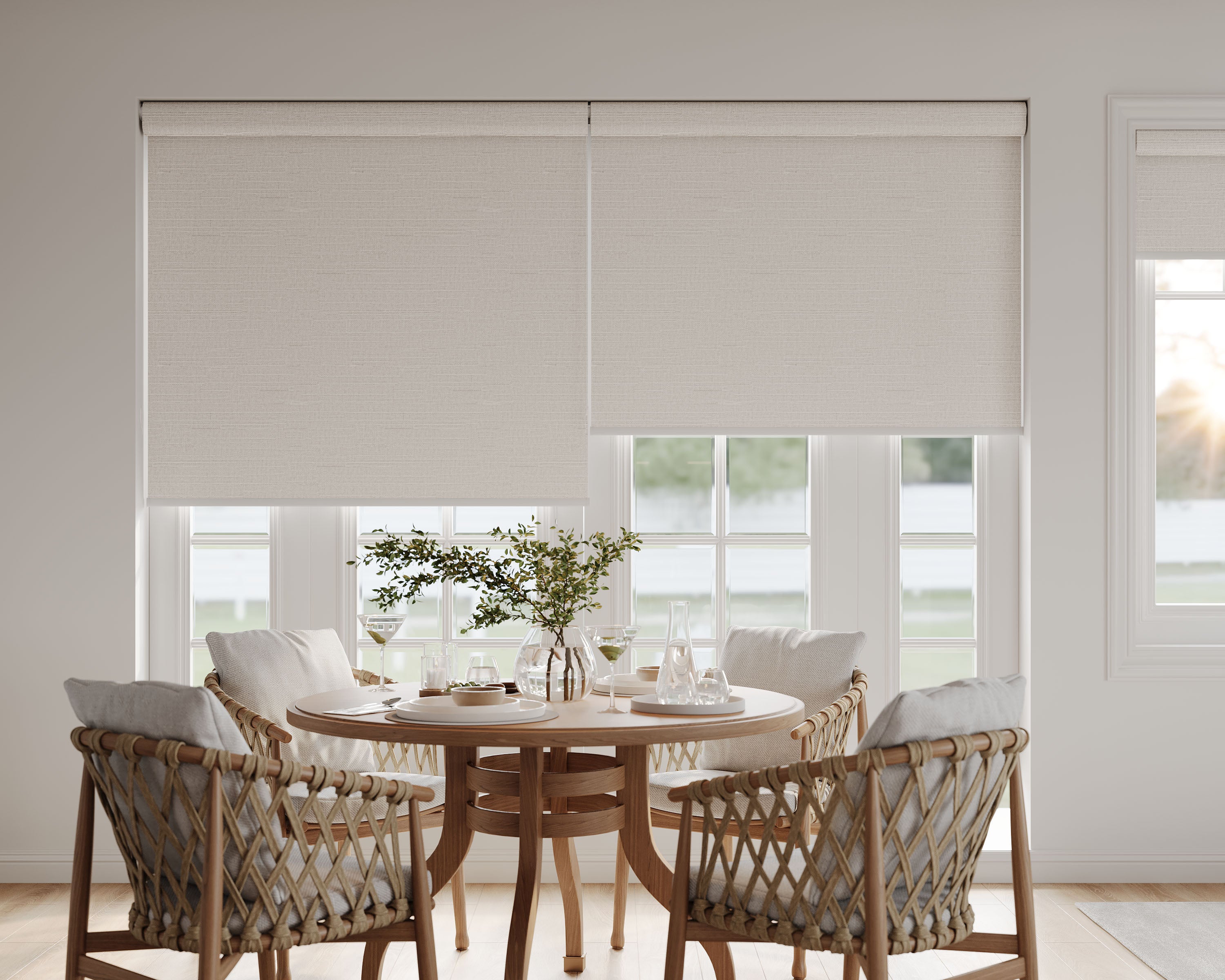
Living Rooms & Dining Rooms (Upper Floors): Excellent candidates. Daytime privacy is usually sufficient, and the soft light enhances the ambiance.
-
Home Offices: Perfect for glare control and maintaining a pleasant view, which can boost mood and productivity. Nighttime privacy is often not a concern. Learn more about optimizing a home office for focus and comfort.
-
Sunrooms & Breakfast Nooks: The primary goal here is connection to the outdoors and light filtration, making sheer shades an ideal choice.
Rooms Where Layering is Recommended
-
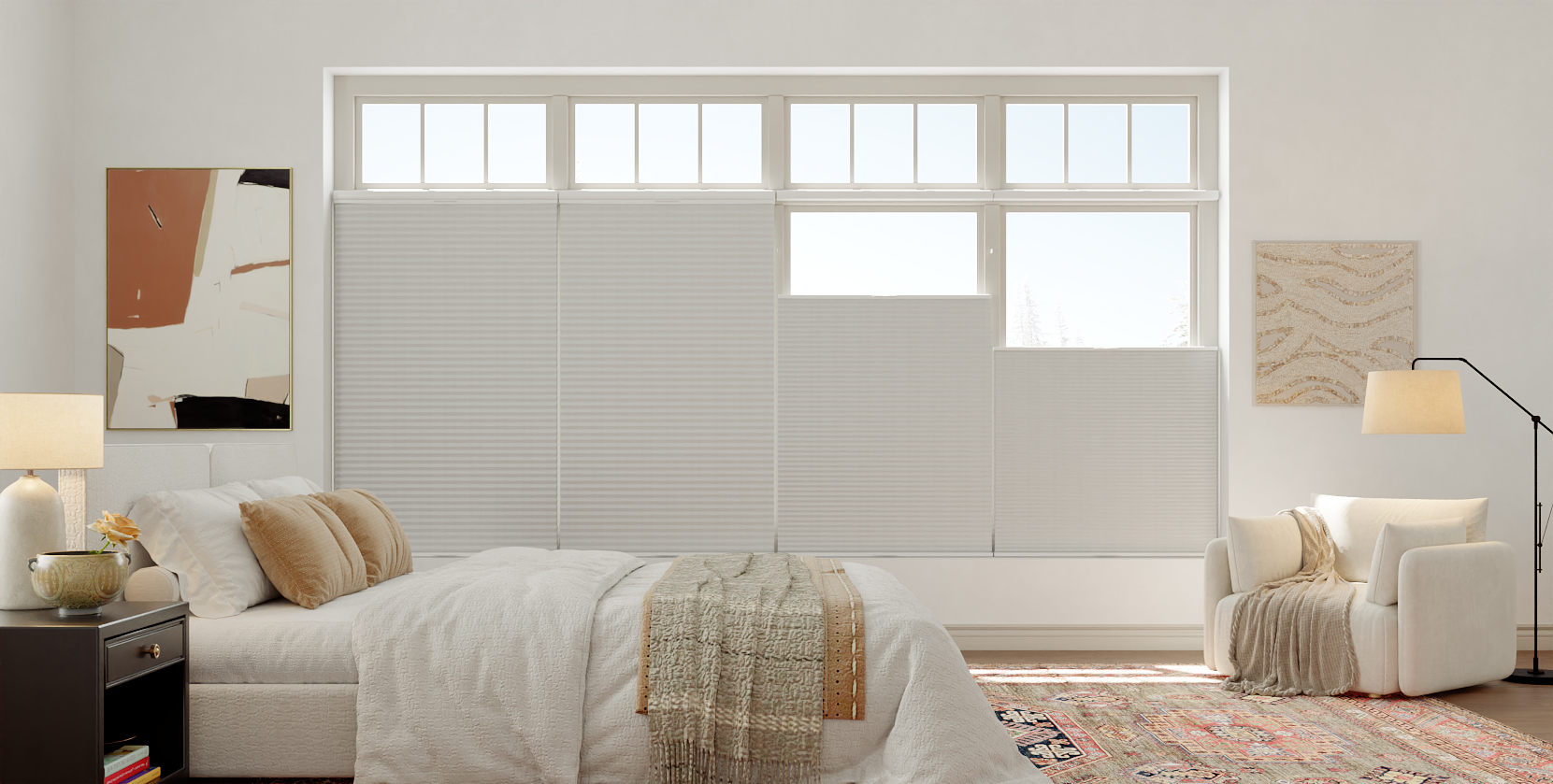
Bedrooms: Always layer with a blackout shade or opaque drapes for sleep and nighttime privacy.
-
Ground-Floor Rooms Facing the Street: For peace of mind, a layered solution ensures privacy at all hours.
-
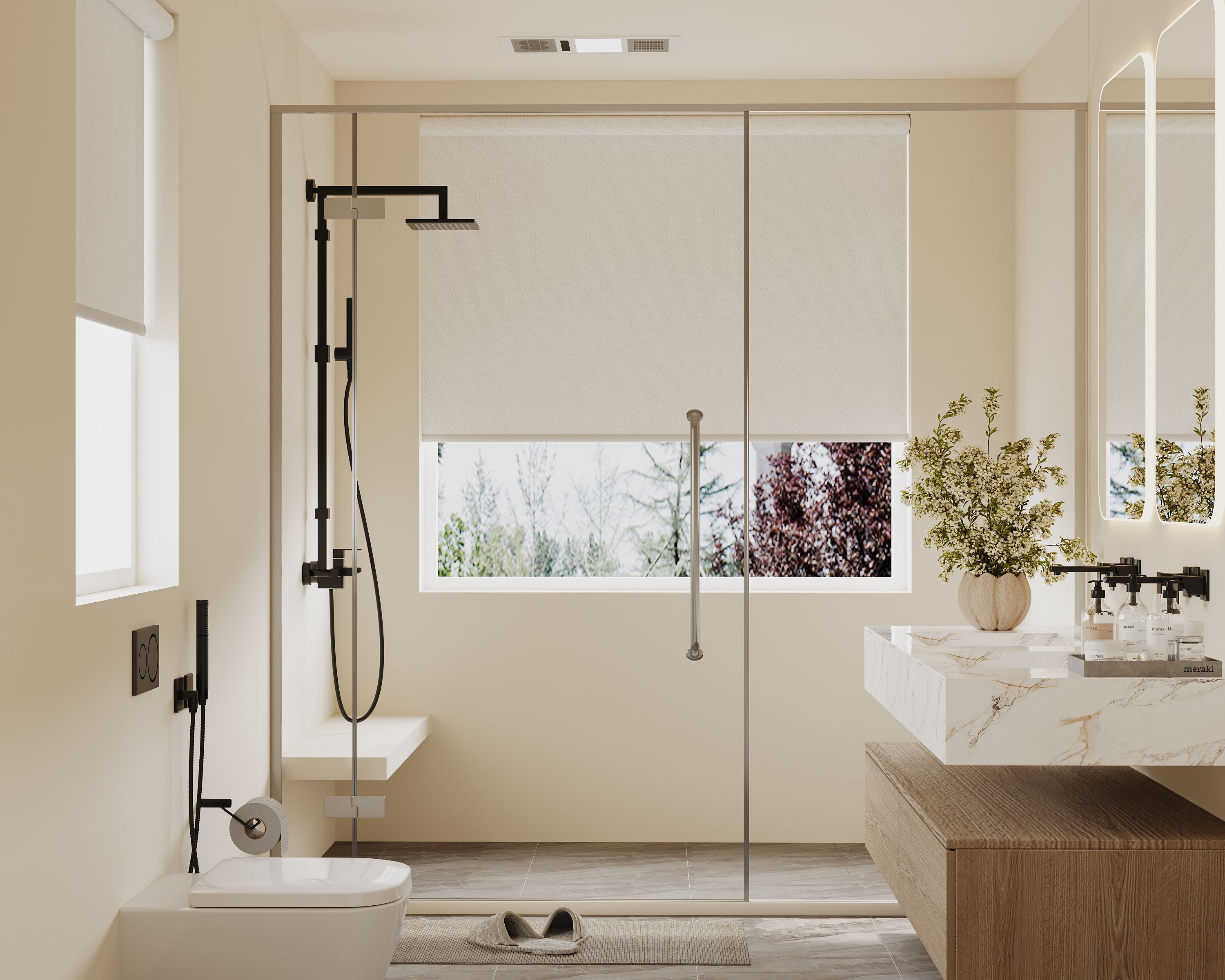
Bathrooms: While moisture-resistant sheer shades exist, privacy is typically paramount. Consider them only for skylights or high windows, or ensure they are paired with an opaque treatment.
Conclusion: A Clear View on Privacy
So, do sheer shades actually provide privacy? Yes, they provide excellent daytime privacy through diffusion, but they are not designed for complete visual security at night when interior lights are on.
You should choose sheer shades as your primary treatment if:
-
Your main priority is daytime privacy in living areas.
-
You want to eliminate glare while preserving outdoor views.
-
You love a bright, airy aesthetic filled with soft, natural light.
You should plan to layer sheer shades with an opaque treatment if:
-
The room requires guaranteed privacy at night (e.g., bedrooms, street-facing rooms).
-
You need true blackout conditions for sleep or media viewing.
-
You want the ultimate in flexible, multi-functional window design.
By understanding the "view-through" principle and planning for night-time needs, you can confidently incorporate sheer shades into your home, enjoying their beautiful light without sacrificing your comfort and privacy.
Shop Sheer Shades by Light Control


Frequently Asked Questions
What openness percentage is most private?
A 1% openness factor provides the highest level of daytime privacy and UV blockage. It will make the outward view appear slightly more textured or "frosted" compared to higher openness factors.
Can people see shadows or silhouettes through sheer shades at night?
Yes, this is the main limitation. When a light is on in a dark room, distinct shadows and silhouettes can be visible from the outside with the vanes closed. For activities requiring full visual privacy at night, an additional opaque layer is necessary.
Are sheer shades good for a bathroom window?
They can be, but with caveats. Choose a moisture-resistant fabric. For privacy, they are only suitable if the window is not directly facing a neighbor's window or a public space, or if you pair them with a top-down/bottom-up blackout shade for flexible coverage.
How do sheer shades' privacy compare to blinds or curtains?
-
vs. Blinds: When closed, blinds with opaque slats offer better night-time privacy than sheer shades. However, they completely block the view.
-
vs. Sheer Curtains: Similar daytime privacy, but sheer curtains have no adjustable vanes, so you cannot increase their obscuring effect.
-
vs. Opaque Curtains/Drapes: Heavy drapes offer superior privacy day and night but eliminate all light and view when closed.
If my priority is night-time privacy, should I just skip sheer shades?
Not necessarily. If you appreciate their light-quality and design, the layered approach is a highly effective and popular design solution. It allows you to have perfect privacy when you need it while still enjoying the unique benefits of sheer shades during the day. Consider it an investment in both function and ambiance.
