
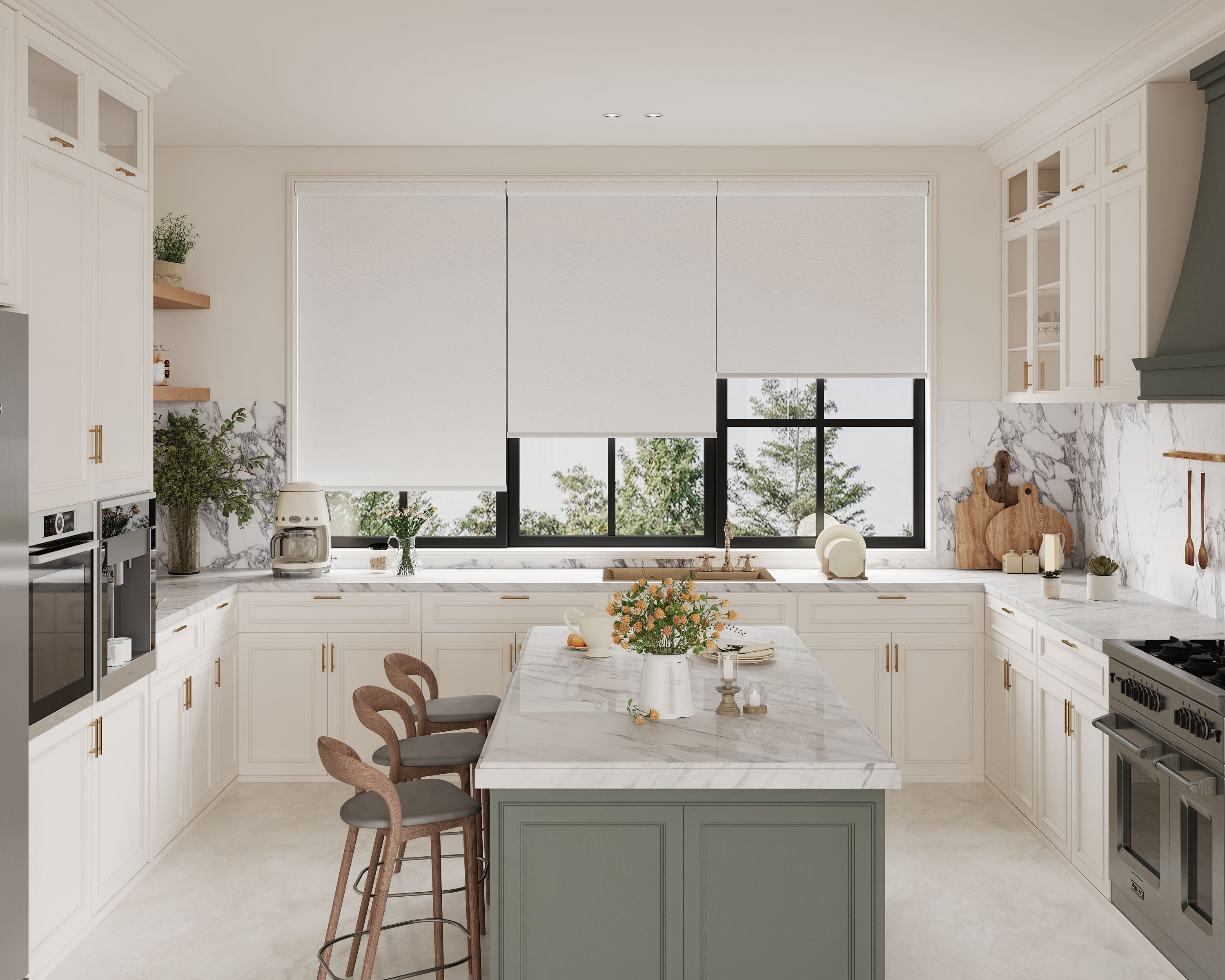
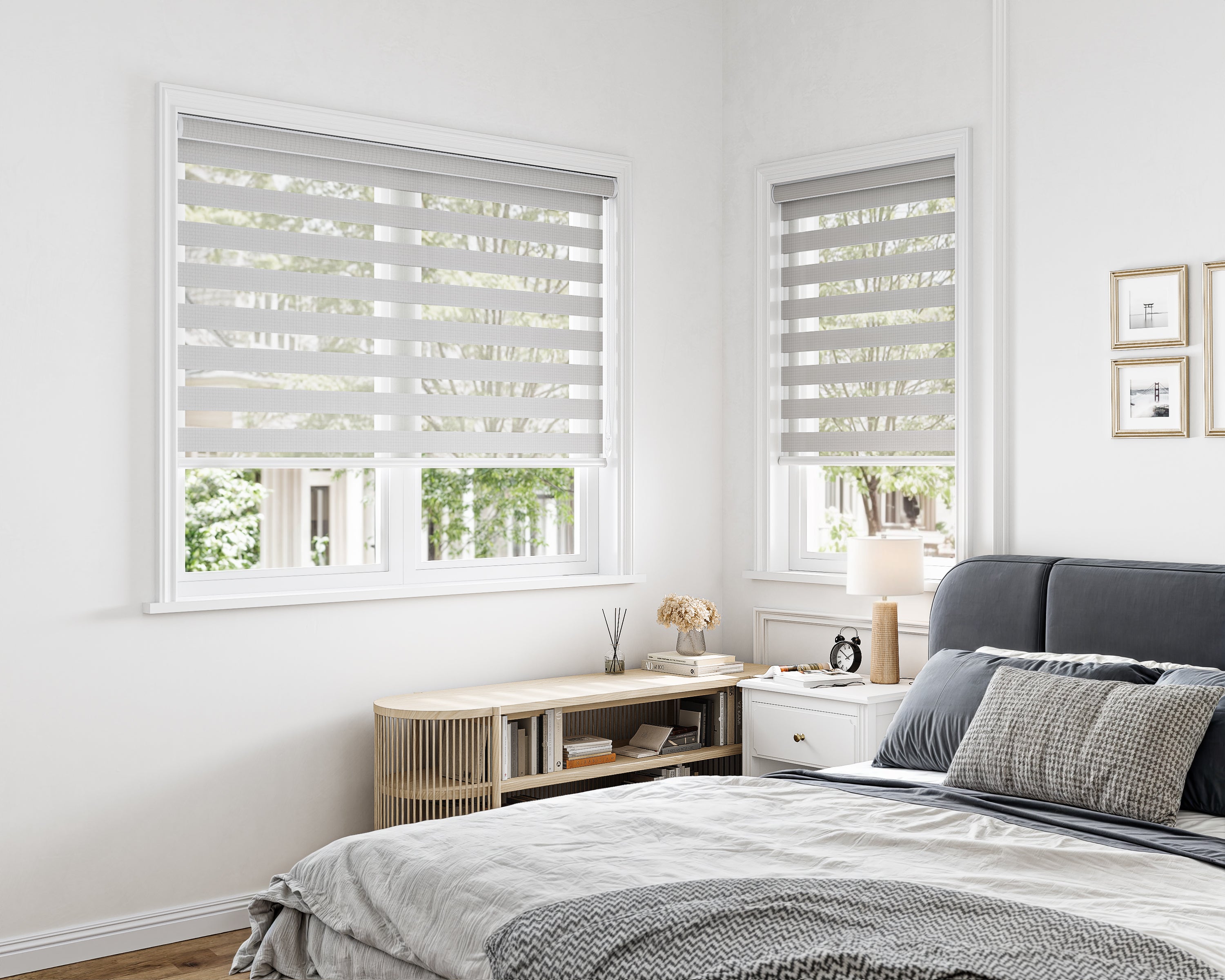
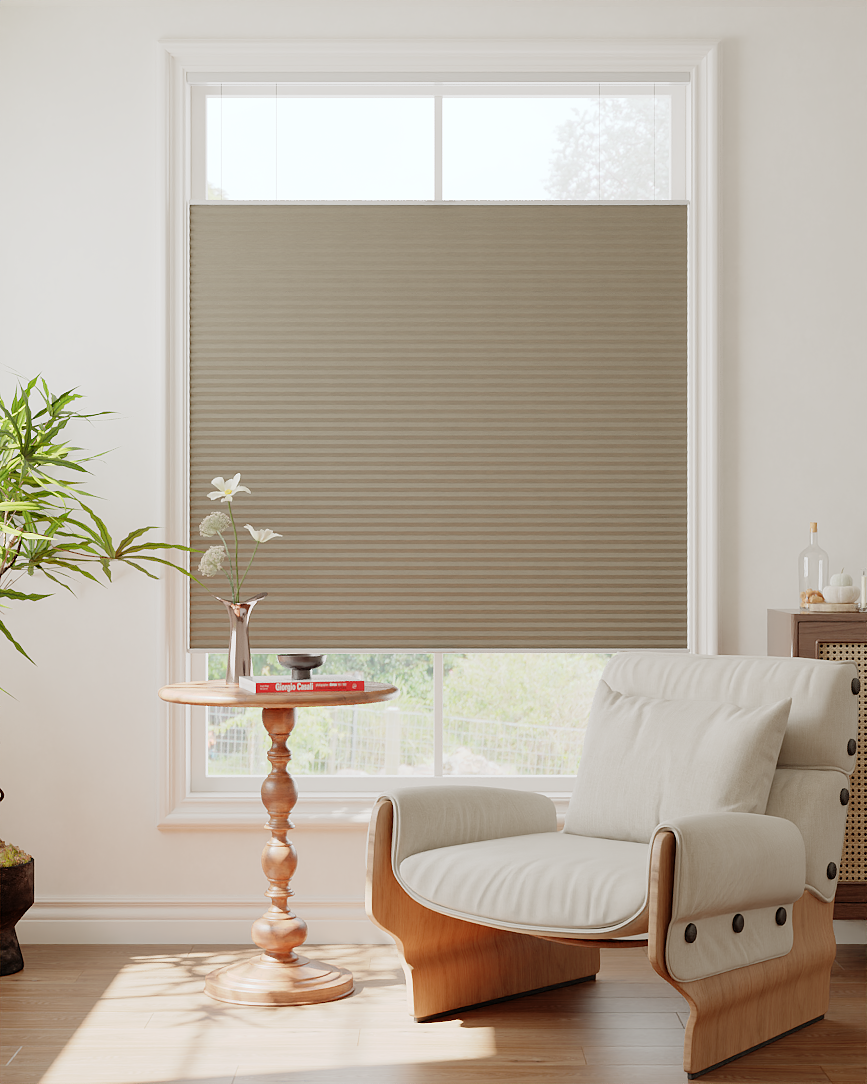
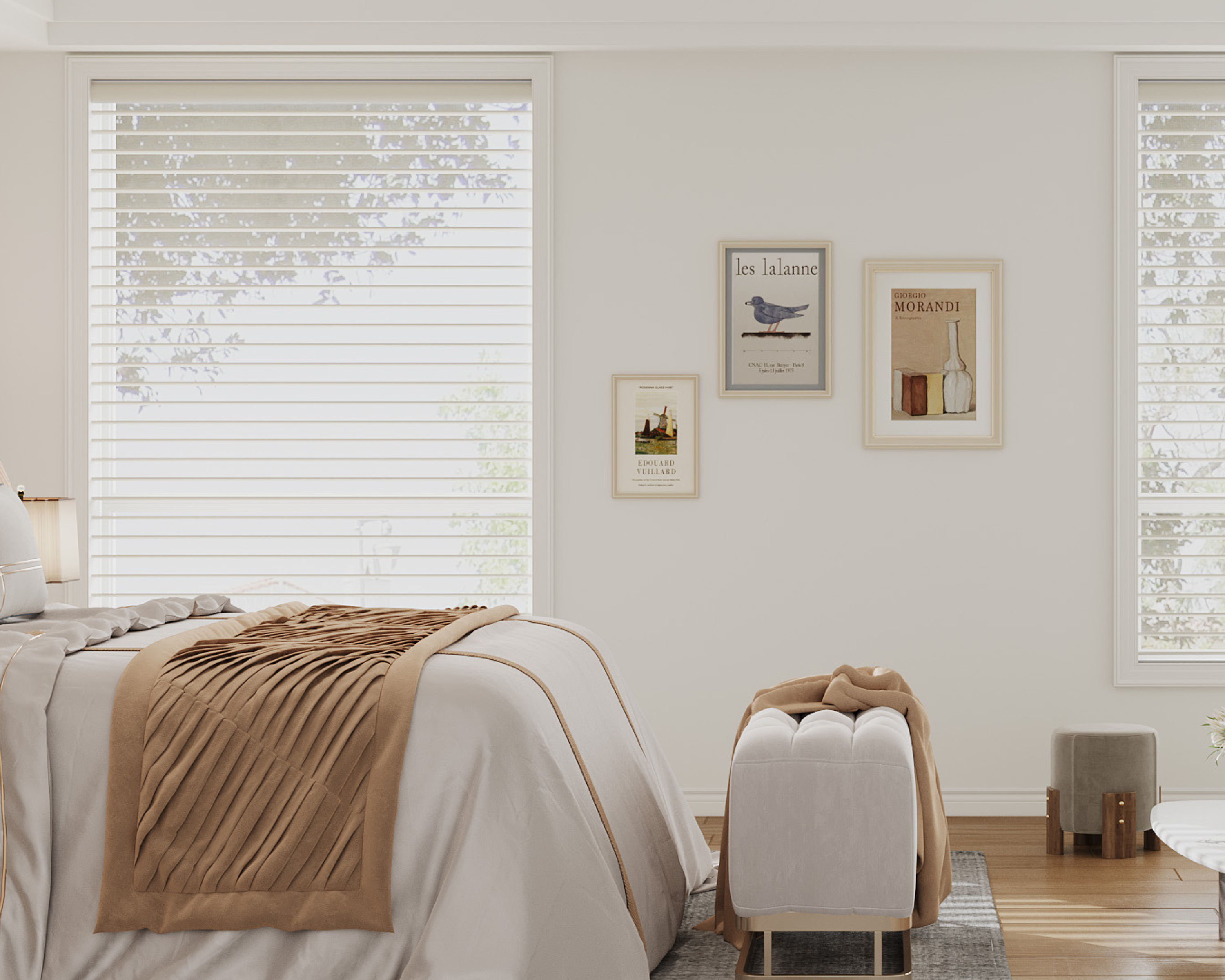







Sunlight streaming through your windows brings life to a room but carries an invisible threat: ultraviolet (UV) rays that relentlessly fade and degrade your valuable furnishings. Sheer shades are not just a beautiful way to soften light; they are a highly effective, first line of defense against this damage. This guide explains the science of how sheer shades protect your investments, how to choose the right specifications for maximum protection, and how to integrate them into a complete sun protection strategy for your home.
Here’s what you’ll learn:
-
The specific types of sun damage (UV and IR rays) that cause fading and deterioration.
-
How the unique dual-layer construction of sheer shades filters and blocks harmful radiation.
-
The critical role of the “openness factor” in determining the level of UV protection.
-
A comparison of protection levels across different window treatment types.
-
Room-by-room strategies and layering techniques for ultimate furniture preservation.
To explore shades that combine beauty with protection, view our collection of custom sheer shades with built-in UV protection.
Understanding the Enemy: How Sunlight Damages Your Home
Before solving the problem, it's essential to understand it. Sunlight causes damage through two primary means:
-
Ultraviolet (UV) Rays: The primary culprit behind fading. These high-energy, invisible rays break down the chemical bonds in dyes and pigments in fabrics (upholstery, curtains, rugs) and the finishes on wood furniture and floors. This leads to the gradual, irreversible loss of color.
-
Infrared (IR) Rays & Solar Heat: These rays are felt as heat. Excessive solar heat gain can cause wood to crack, warp, or dry out. It can also cause plastics and vinyl to become brittle over time.
While all light can contribute to fading over very long periods, blocking UV radiation is the most effective way to dramatically slow down the process. This is where sheer shades excel.
The Science of Protection: How Sheer Shades Filter the Sun
Sheer shades are engineered to manage sunlight intelligently. Their protection comes from a combination of their materials and design:
-
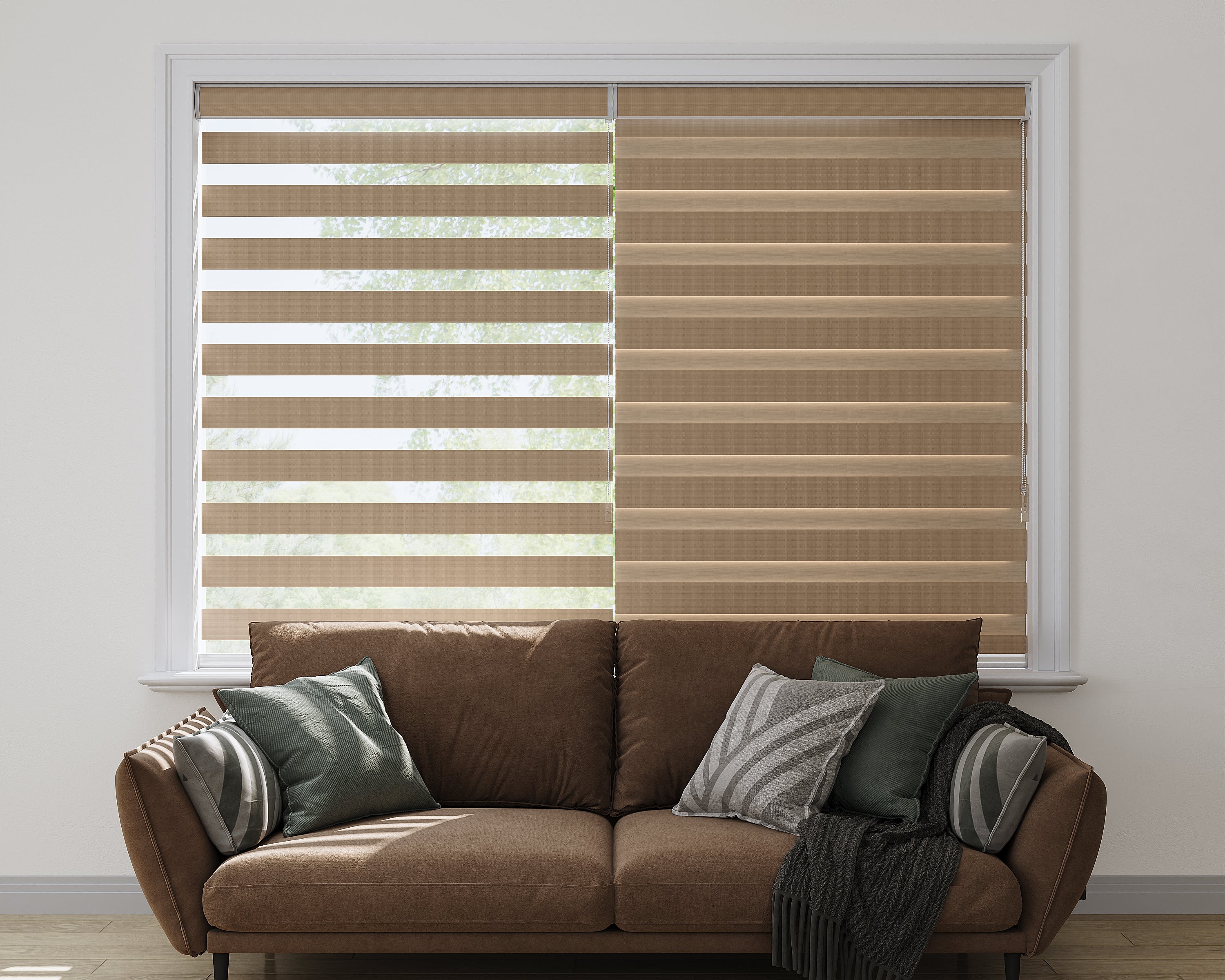
The Sheer Fabric Layers: The front and back panels are made from specially designed, durable fabrics. These are not ordinary cloth; they are often composed of synthetic yarns (like polyester) that can be engineered to absorb or reflect a high percentage of UV rays.
-
The Adjustable Fabric Vanes: When tilted closed, these vanes add an extra layer of material for harmful rays to penetrate, increasing the shade's overall density and protective barrier.
-
The Diffusing Effect: By scattering direct sunlight into a soft, ambient glow, sheer shades prevent intense, focused beams of light (which carry the most concentrated energy) from falling directly on your furniture, reducing hotspots and uneven fading.
The Key Metric: Understanding Openness Factor for UV Blocking
The level of protection is directly tied to the openness factor—the density of the weave in the sheer fabric, expressed as a percentage.
-
Lower Openness (1-3%): A very tight weave. It blocks 95-99% of damaging UV rays, offering maximum furniture protection. The view out is softly textured.
-
Higher Openness (5-10%): A more open weave. It blocks a lower percentage of UV rays (e.g., 70-85%) while offering a clearer outward view. Protection is still significant but not total.
For the primary goal of furniture preservation, selecting a shade with a 3% or lower openness factor is recommended. This provides an optimal balance of strong protection while maintaining a pleasant, light-filled room.
Comparison of Window Treatments for Furniture Protection
| Treatment Type | Primary Mechanism | UV Protection Level | Notes on Furniture Protection |
|---|---|---|---|
| Sheer Shades (1-3% Openness) | UV-absorbing fabric + diffused light. | Excellent (95-99%+) | Top choice for combining high protection with maintained light and view. Adjustable vanes add flexibility. |
| Blackout Roller Shades | Opaque, light-blocking fabric. | Excellent (~100%) | Provides total protection when down, but requires you to sacrifice all natural light and view. |
| Solar/Roller Shades | Semi-opaque, screen-like fabric. | Very Good (varies by material) | Designed specifically for solar management; protection level depends on the fabric's specific technical rating. |
| Traditional Blinds (Wood/Faux Wood) | Solid slats that block light. | Good (when fully closed) | Only effective when slats are fully closed, which darkens the room and blocks the view. |
| Sheer Curtains | Single layer of thin fabric. | Poor | Offers minimal UV filtering; fabrics and dyes are often not engineered for protection and can fade themselves. |
| Standard Windows (No Treatment) | N/A | None | Allows nearly 100% of UV rays to enter, causing maximum fading and damage over time. |
Creating a Protection Strategy: Room-by-Room Guidance
Different rooms house different valuables and have varying exposure. Your strategy should be tailored.
High-Risk Zones: The South & West-Facing Rooms
Rooms with long hours of direct, intense sunlight require the strongest defense.
-
Living Rooms: Often contain expensive sofas, rugs, and artwork. Install sheer shades with a low openness factor (1-3%). Keep the vanes closed during peak sun hours (typically late morning to mid-afternoon for south, afternoon for west) to act as a constant protective filter while still enjoying natural light.
-
Home Offices: Protect wood desks, leather chairs, and books. Sheer shades are ideal here as they also eliminate glare on screens. Our guide on home office window treatments covers this in detail.
Rooms for Layered Maximum Protection
For the ultimate defense, combine treatments.
-
Bedrooms: Protect wooden dressers, bedding, and carpet. Layer sheer shades with a dedicated blackout roller shade. Use the sheer shades for daytime protection and light control, and lower the blackout shade when the room is unoccupied for long periods or when you desire total darkness, adding an extra barrier.
-
Spaces with Art & Antiques: For valuable, irreplaceable items, a layered approach is non-negotiable. Combine sheer shades with UV-filtering glass or museum-grade window film for the highest possible level of preservation.
Addressing Specific Furnishings
-
Hardwood Floors & Rugs: Use sheer shades to prevent the "sunburn" effect—those faded strips on floors and carpets where the sun hits daily. Consistent use is key.
-
Photographs & Artwork: Never hang original art, photographs, or posters in direct, unfiltered sunlight. Sheer shades dramatically reduce the risk, but for priceless pieces, additional protective framing and careful placement away from direct window lines are essential.
Proactive Habits for Long-Term Preservation
Technology works best with smart habits.
-
Consistent Use: The most common mistake is only lowering shades occasionally. For continuous protection, keep your sheer shades deployed with vanes closed during sunlit hours.
-
Rotate & Rearrange: Periodically rotate cushions, shift vase positions, and rearrange decorative items on tables and shelves to ensure even exposure and prevent localized fading.
-
Combine with Other Solutions: For extreme climates or invaluable collections, consider complementing sheer shades with additional solutions like UV-blocking window film applied directly to the glass.
Conclusion: An Investment in Your Home’s Longevity
Sheer shades are far more than a decorative accessory; they are a functional investment in preserving the beauty and value of your home's interior. By selecting a product with a low openness factor and using them consistently, you install a powerful, invisible shield against the sun's most damaging effects.
To maximize furniture protection with sheer shades:
-
Select a Low Openness Factor: Prioritize 1% or 3% for rooms with valuable furnishings.
-
Use Them Consistently: Keep them down and adjusted during daylight hours, especially in peak sun exposure periods.
-
Employ a Layered Strategy: In high-stakes rooms like bedrooms or galleries, pair them with blackout shades for times when the room is unoccupied.
-
Think Holistically: Combine shade use with smart furniture placement and rotation habits.
This proactive approach allows you to embrace beautiful, natural light without the anxiety of watching your investments slowly fade away.
Shop Sheer Shades by Light Control


Frequently Asked Questions
Do sheer shades protect against fading as well as blackout shades?
They protect differently. Blackout shades offer 100% protection but only when fully lowered, which darkens the room. Sheer shades (with low openness) offer 95%+ protection while still allowing soft, usable light and a view. For daily living areas, sheer shades provide superior practical protection because you are more likely to use them consistently.
Can the sheer shades themselves fade over time?
High-quality, commercial-grade sheer shades are manufactured with solution-dyed fabrics or built-in UV stabilizers, making them highly resistant to fading within their normal lifespan. Cheaper, non-branded alternatives may degrade faster. Always inquire about the fabric's fade-resistance rating or warranty.
How do I know if my existing furniture is already damaged by the sun?
Look for tell-tale signs: fading is most apparent on the arms and backs of chairs or sofas facing windows, on areas of rugs in direct sun paths, or on wooden surfaces where the finish appears bleached or discolored compared to areas in shadow. Once fading occurs, it is permanent.
Are some fabrics or furniture colors more susceptible to fading?
Yes. Natural dyes and darker, more vibrant colors (deep blues, reds, purples) often fade faster than synthetic dyes and lighter, more neutral tones. Leather and wood are also highly susceptible to sun damage. This makes protective window treatments important for all furnishings, regardless of color.
Is the UV protection in sheer shades permanent?
The protective qualities are engineered into the fabric and are designed to last the lifetime of the product. However, like any material, extreme decades-long exposure to the elements can eventually diminish effectiveness. Reputable manufacturers will offer a warranty against fabric fading for a period of years, which is a good indicator of durability.
