







In the world of interior design, window treatments are far more than just decorative finishes; they are essential tools for shaping light, defining space, and creating atmosphere. While options abound, sheer shades have risen to become a dominant favorite among designers for contemporary projects. Their appeal lies in a masterful balance—they offer a clean, architectural look while providing unparalleled functional control over the environment. This guide explores the specific, practical reasons why designers consistently specify sheer shades to achieve sophisticated, livable, and beautiful spaces for their clients.
Here’s what you’ll learn:
-
How sheer shades fulfill the modern design principles of clean lines and simplified forms.
-
The unique way they manage natural light to create photogenic, comfortable rooms.
-
The practical design problems they solve, from furniture protection to space perception.
-
Why their versatility makes them suitable for a wide range of styles beyond just modern.
-
How designers leverage their features in key rooms to achieve specific client goals.
To explore the designer-approved details for yourself, view our collection of custom sheer shades, where aesthetics meet engineered performance.
The Pursuit of a Clean, Unified Aesthetic
Modern design trends heavily favor simplicity, cohesion, and intentionality. Sheer shades deliver this perfectly where other treatments can fall short.
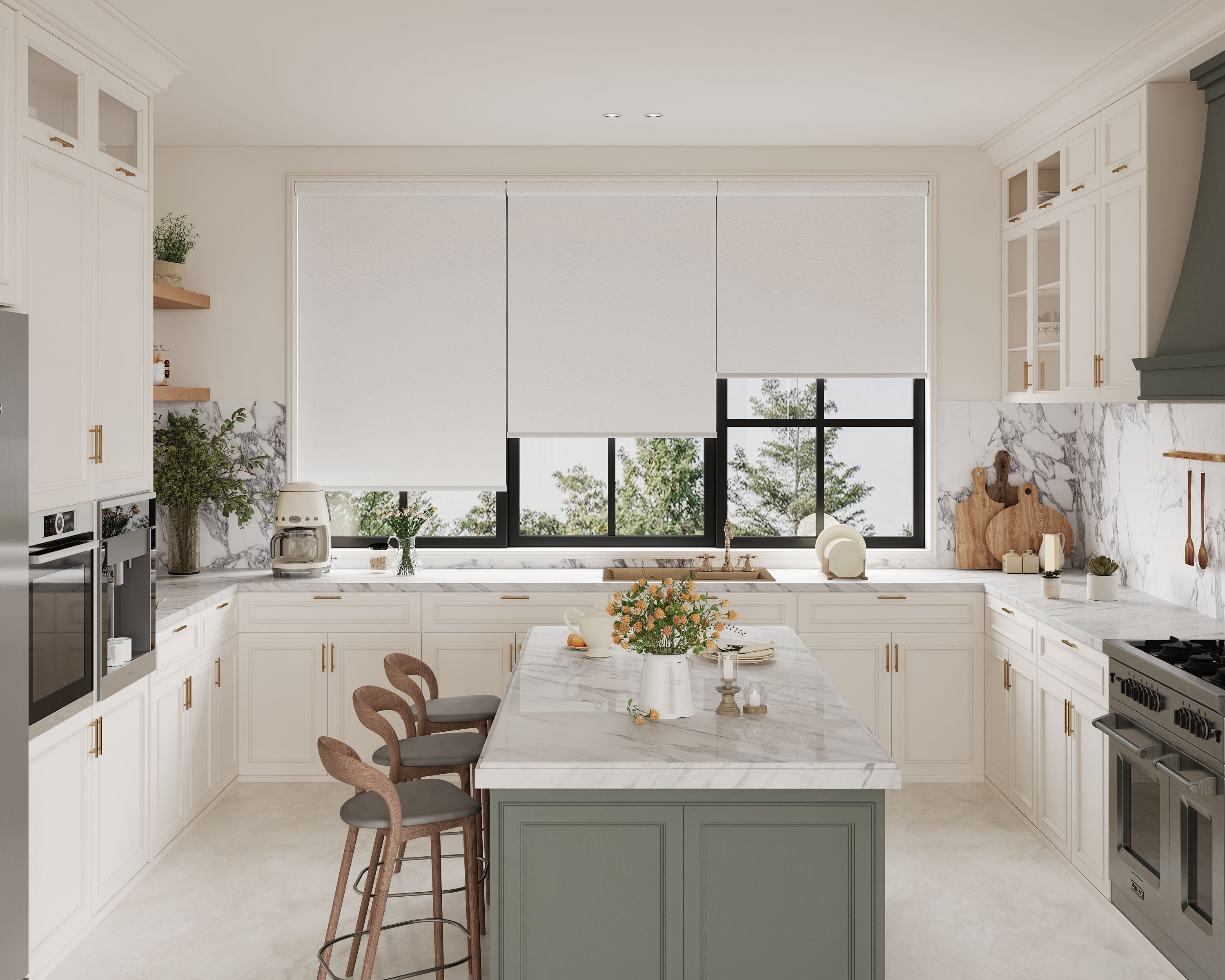
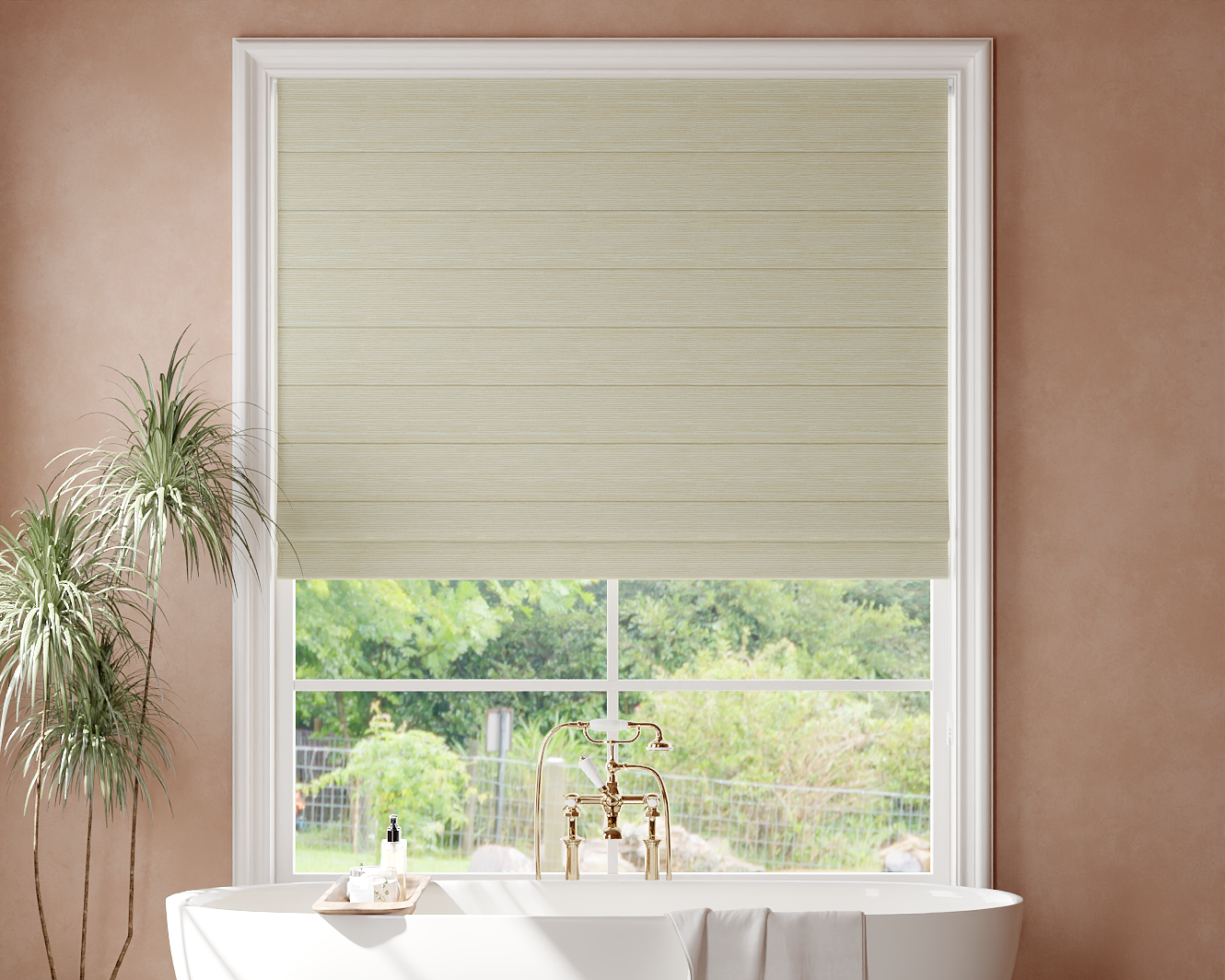
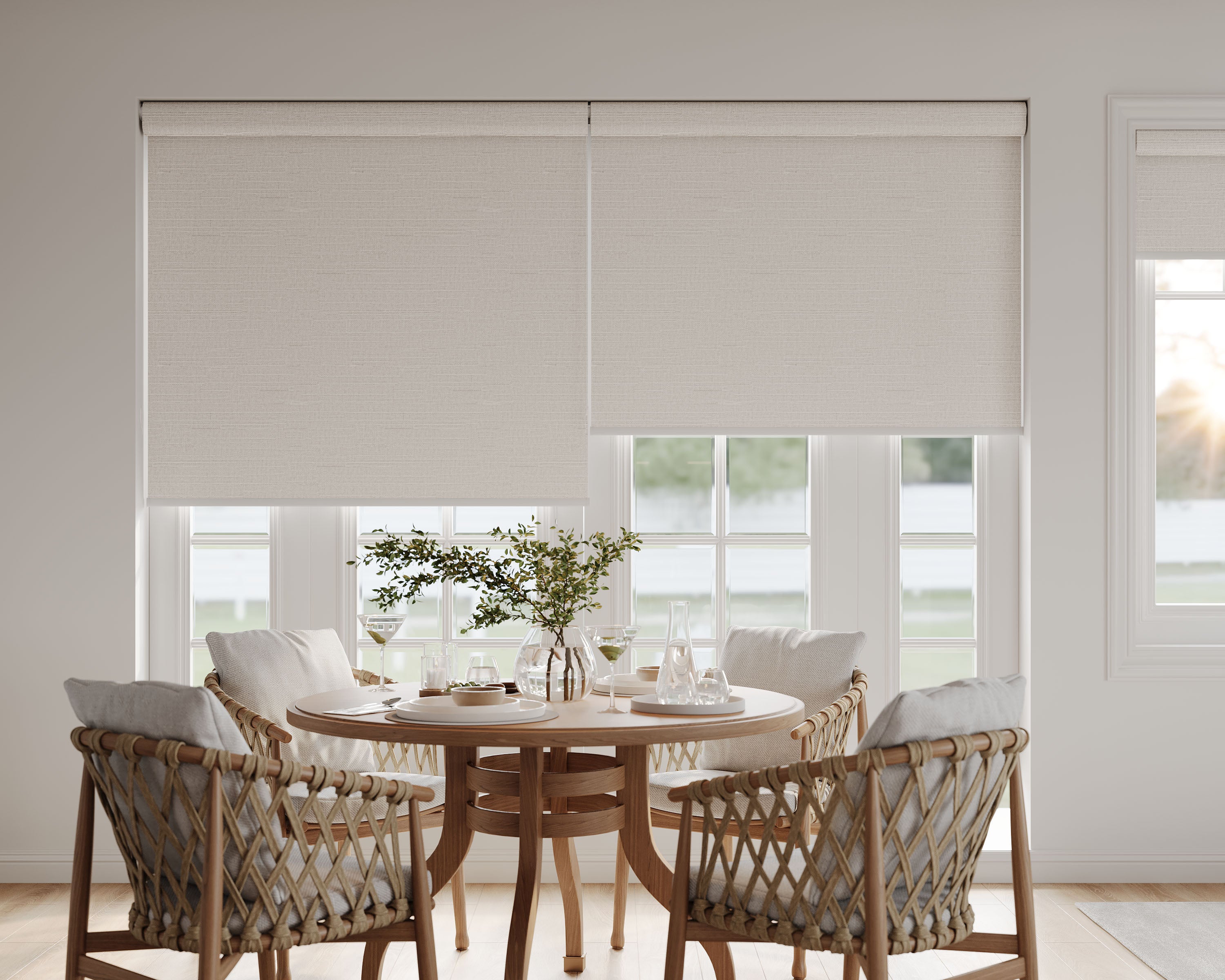
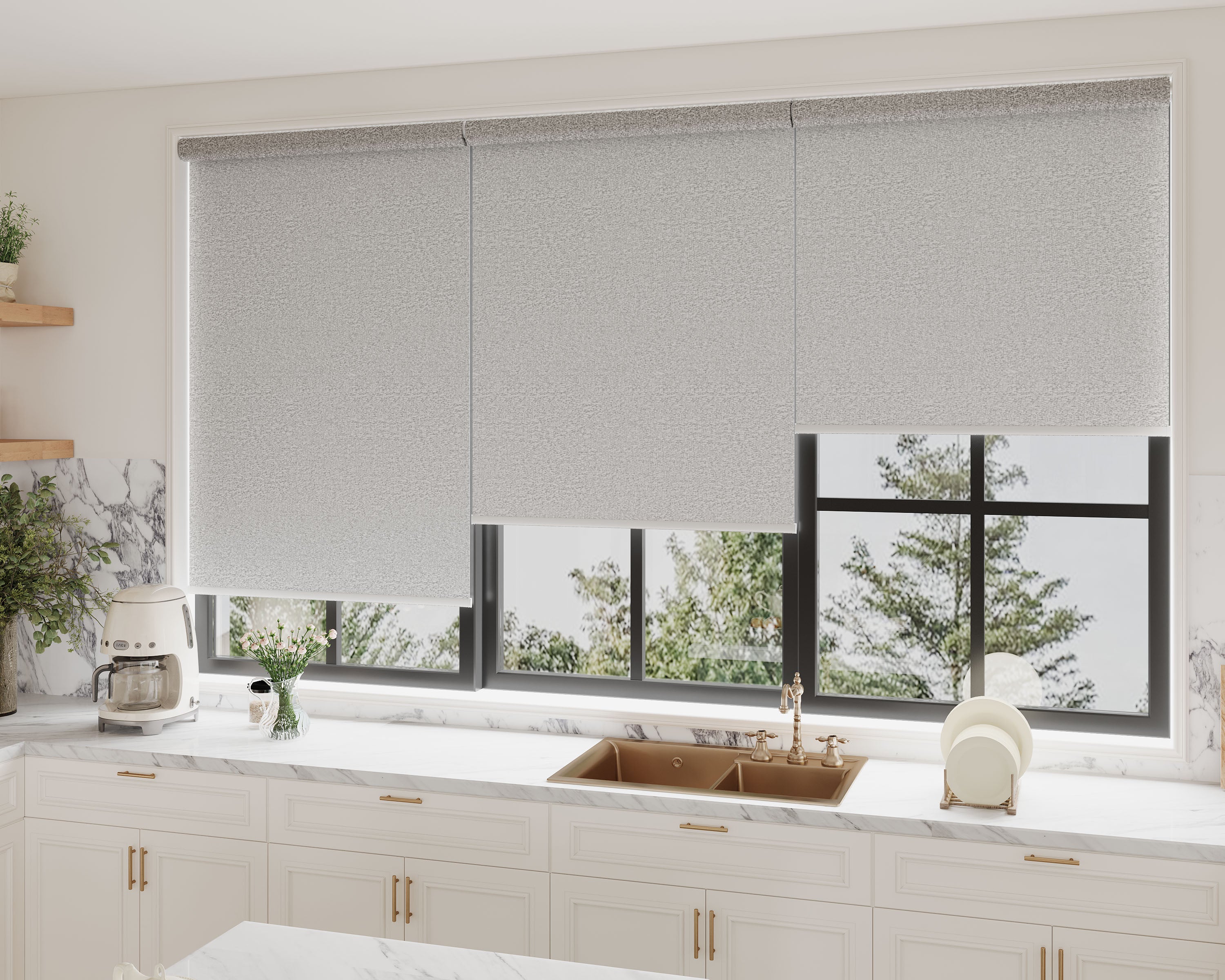
Eliminating Visual Clutter: Traditional blinds with visible cords, crowded slats, or bulky valances can disrupt a clean wall line. Sheer shades present as a smooth, single panel of fabric. Whether inside-mounted within the window frame or outside-mounted flush to the wall, they create a seamless, built-in appearance that feels intentional and architectural, not like an afterthought.
Versatility Across Styles: While inherently modern, their simplicity is a strength. In a minimalist space, they are quietly functional. In a transitional room, they provide a neutral backdrop that lets other textures shine. Paired with rich drapery in a more traditional setting, they act as a sophisticated functional layer. This chameleon-like quality makes them a reliable, versatile tool in a designer’s kit.
Masterful Control of Natural Light
Light is a fundamental material for designers. Sheer shades provide a level of control over light quality that is difficult to achieve with any other single treatment.
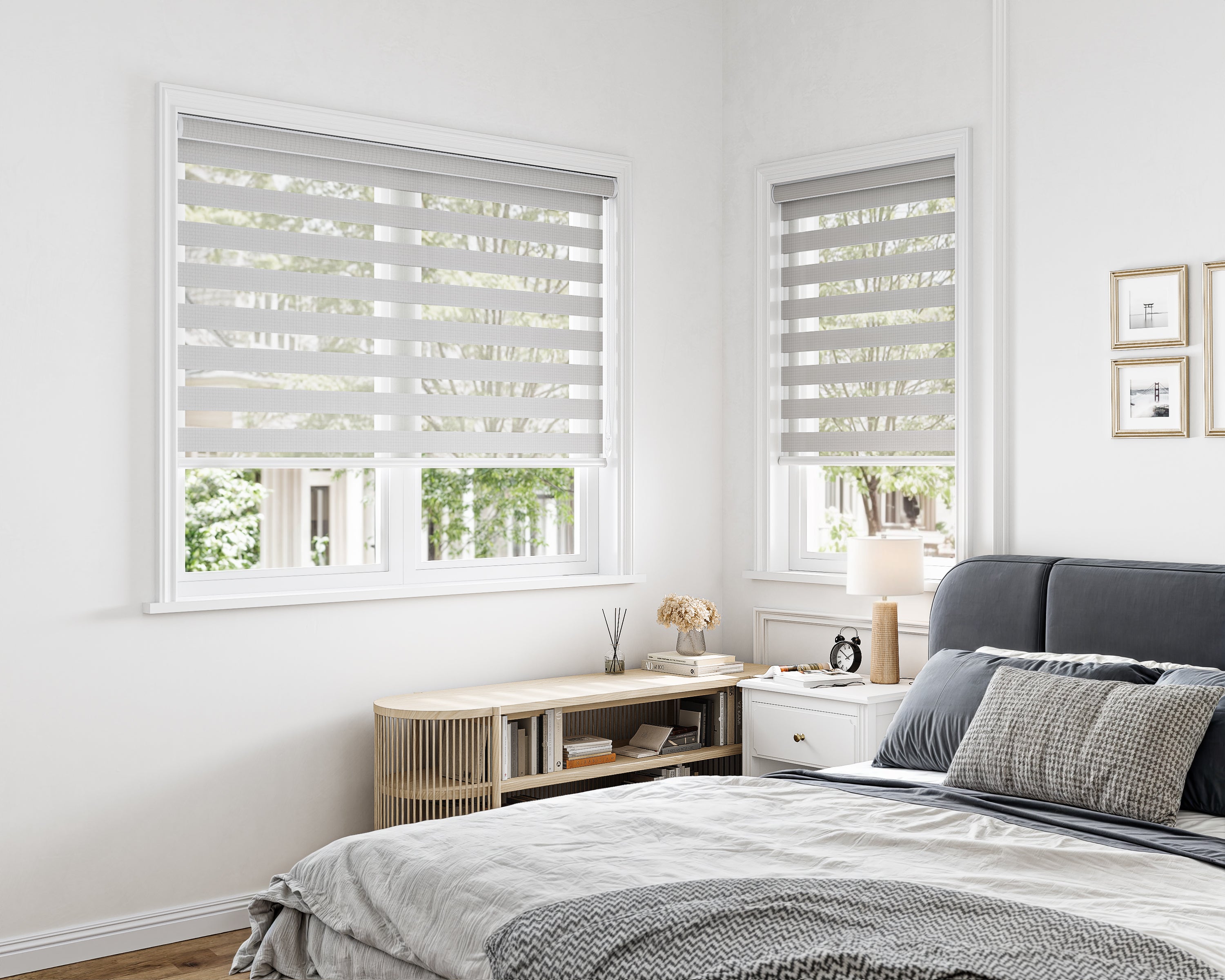
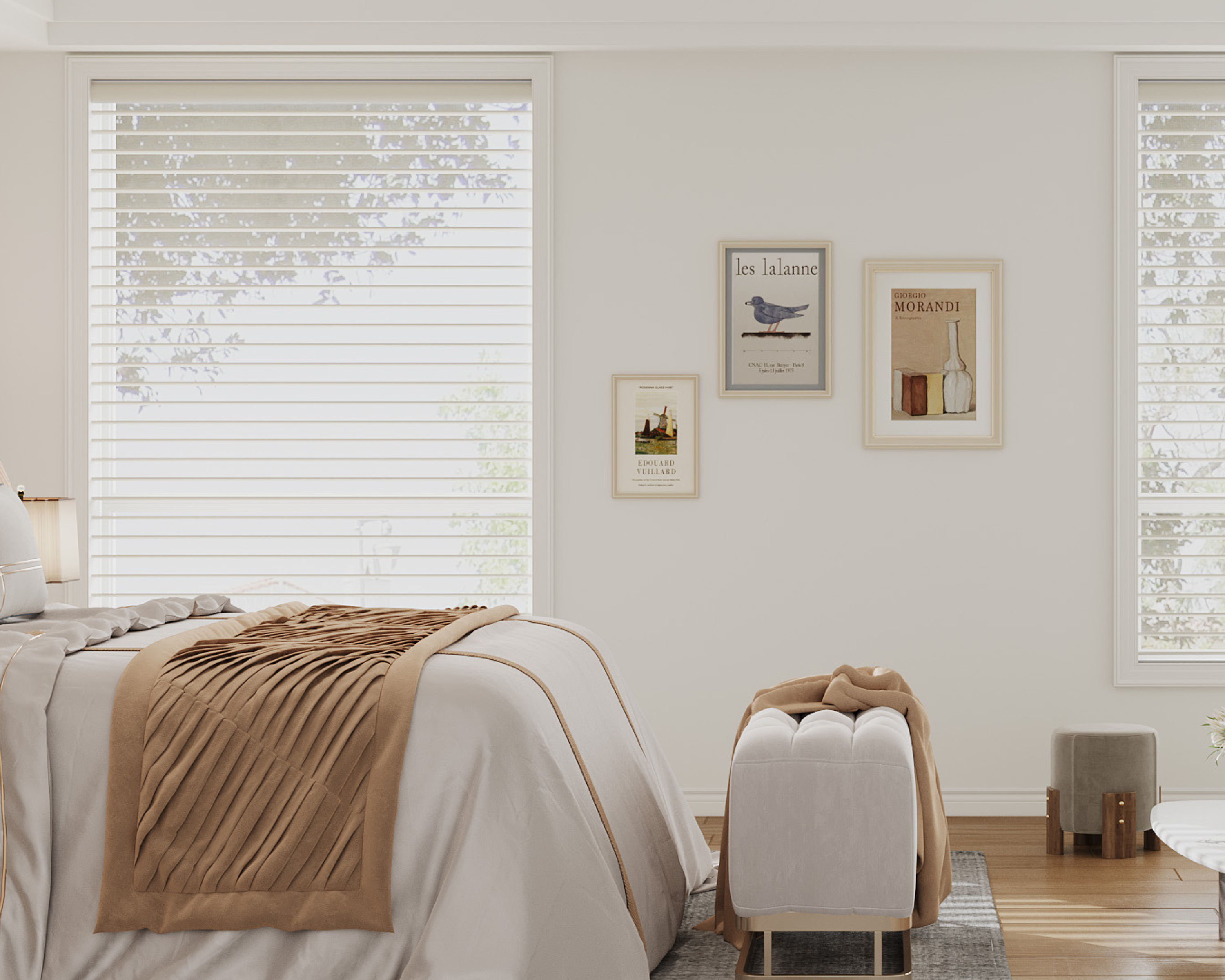
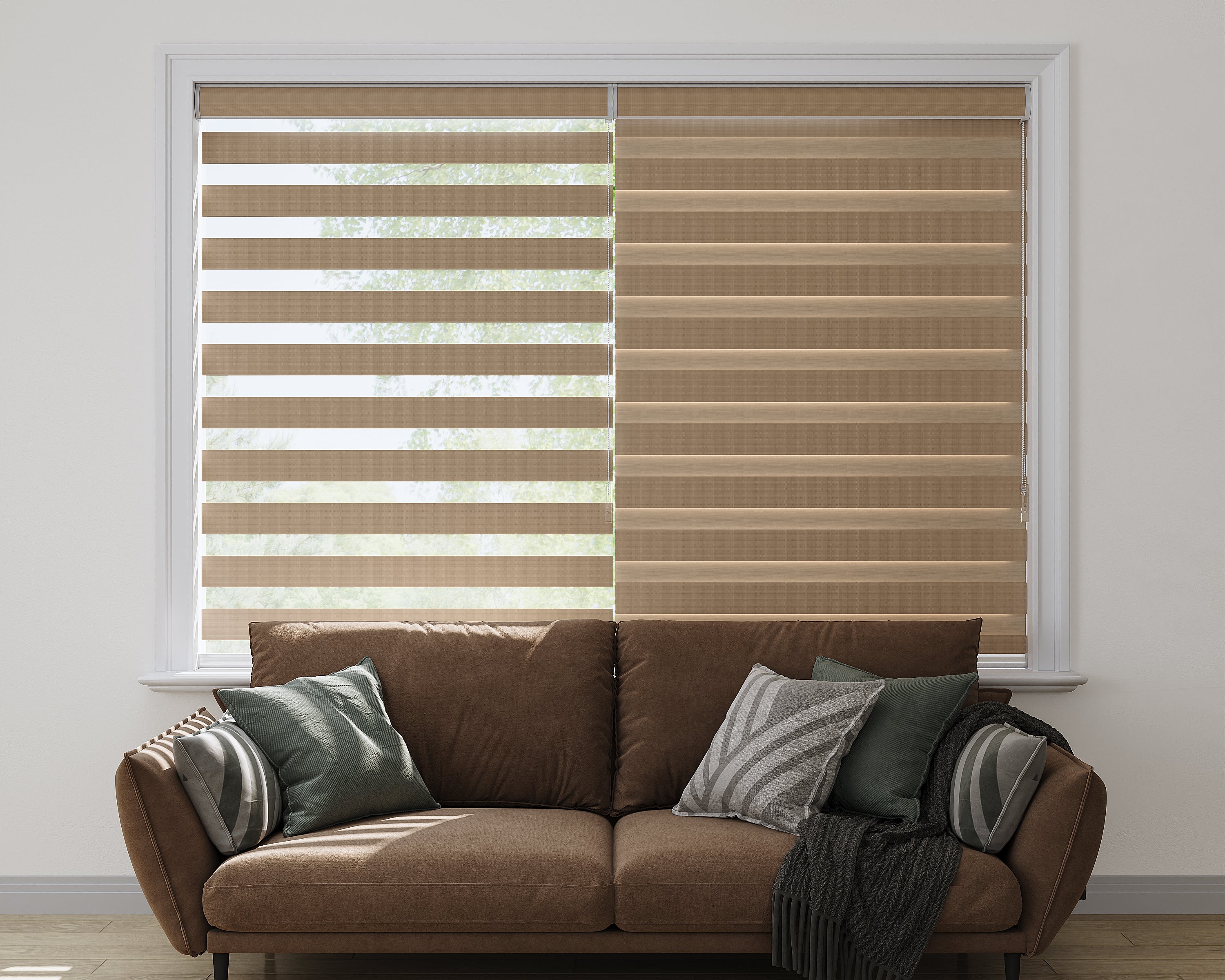
From Glare to Glow: The ability to rotate the interior vanes transforms harsh, direct sunlight into a soft, diffused glow. This eliminates distracting glare on screens, artwork, and glossy surfaces, which is crucial for creating comfortable living and working environments. Designers use this to ensure a room is both beautiful and functionally livable at all times of day. For a deeper dive into this technical advantage, see our comparison of sheer shades versus blinds for precise light management.
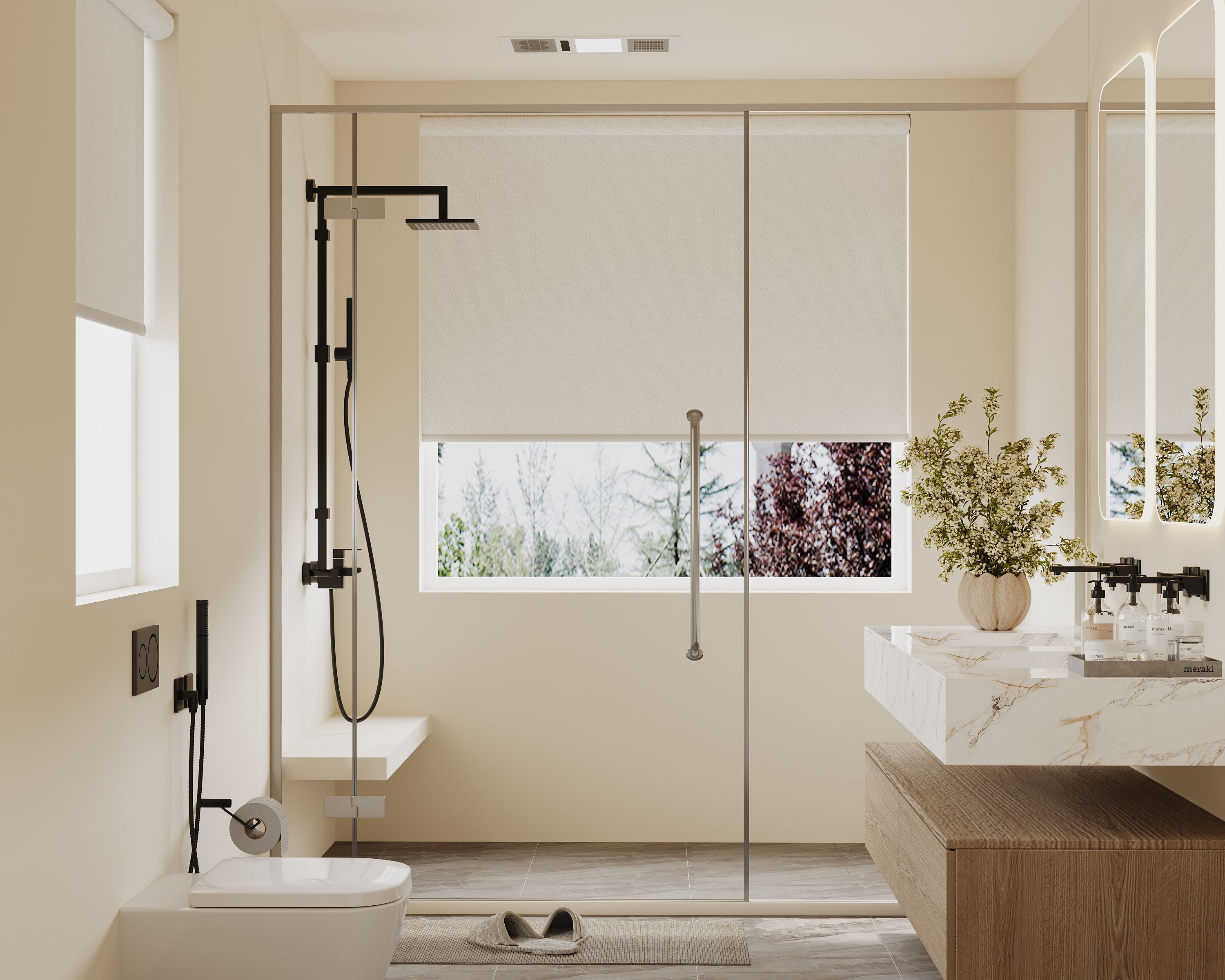
Preserving the View and Connection: A common client dilemma is choosing between privacy and a view. Sheer shades uniquely solve this. With vanes open, the view is clear. With vanes closed for privacy, the outdoors is still visible as a soft, luminous backdrop—maintaining a connection to nature that opaque treatments completely sever. This "view-through privacy" is a highly valued feature.
Solving Practical Design Challenges
Beyond aesthetics, designers love solutions that are intelligent and durable. Sheer shades address several key practical concerns.
Protecting the Client's Investment: Designers curate furnishings, art, and finishes. Sheer shades act as a frontline defense against sun damage. By selecting a model with a low openness factor, they can block over 95% of harmful UV rays, significantly slowing the fading of fabrics, woods, and artwork. This protective quality is a critical selling point for quality-conscious clients, as detailed in our guide on furniture protection from sun damage.
Low Maintenance and Lasting Appeal: Clients don’t want high-maintenance features. The enclosed design of sheer shades means dust is largely trapped between the two layers, making them far easier to clean than individual blind slats or delicate drapery. Their durable, often synthetic fabrics are designed to resist fading and sagging, ensuring the design looks fresh for years.
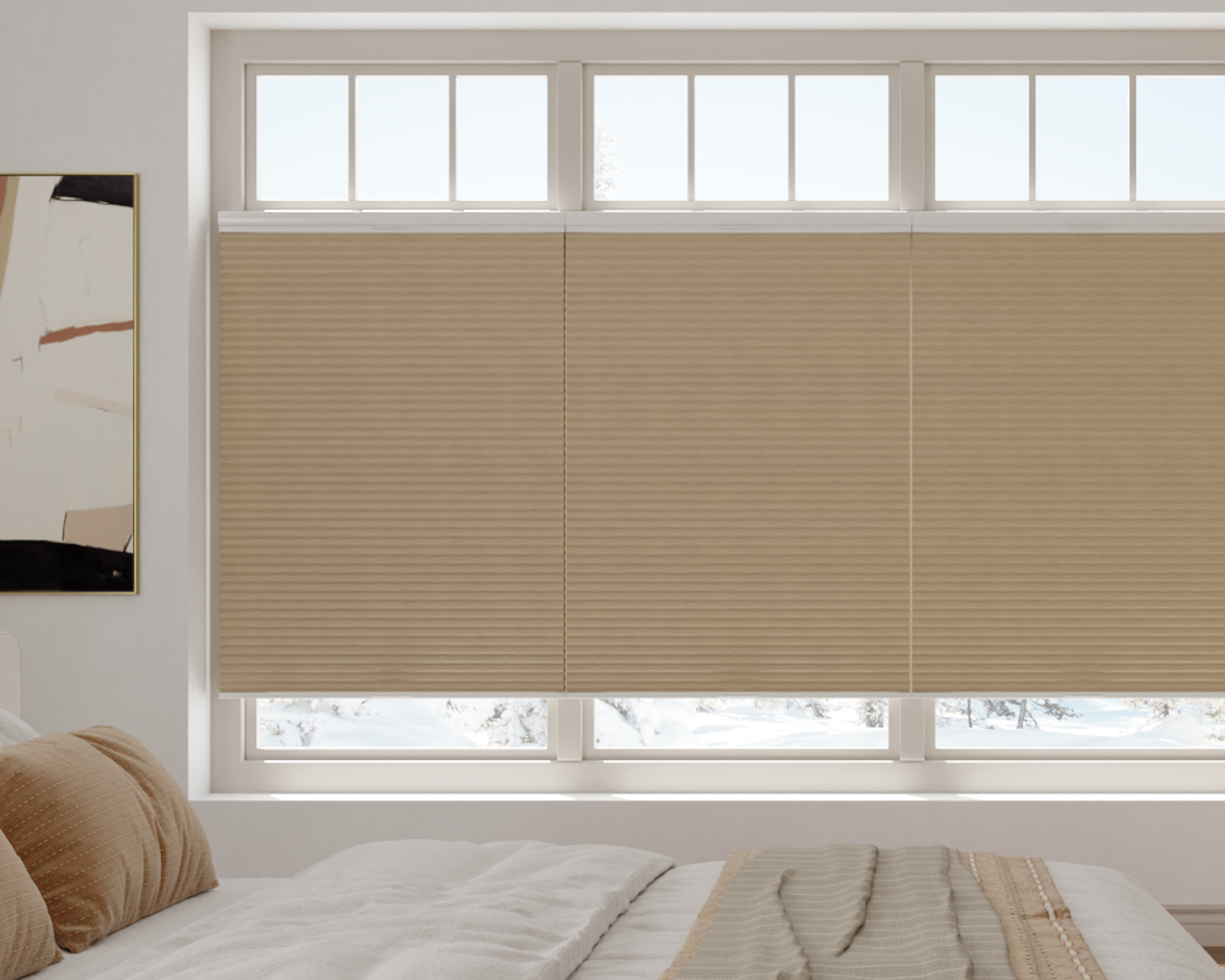
Space Efficiency and Scale: In spaces with limited wall area, or on windows with beautiful trim, sheer shades are ideal. An inside mount fits neatly within the frame, preserving the architecture. They don’t consume wall space or interfere with furniture placement like drapes do, making rooms feel larger and more open.
The Designer's Perspective: Sheer Shades vs. Traditional Options
| Design Consideration | Sheer Shades | Traditional Blinds | Standard Curtains/Drapes |
|---|---|---|---|
| Visual Weight & Lines | Clean, flush, integrated. Light and architectural. | Can appear busy, commercial, or dated. Visible hardware and cords. | Soft and volumetric; can add bulk or clutter if not scaled perfectly. |
| Light Quality Control | Precision adjustable diffusion. Can fine-tune from bright to soft glow. | Basic on/off or direct/blocked light. Creates harsh shadows and light bands. | Sheers: diffuse only. Drapes: block completely. No fine-tuning capability. |
| View Preservation | Excellent. Maintains a soft, obscured view even when set for privacy. | Poor when closed (view is fully blocked). | Sheers: good view. Drapes: no view when closed. |
| Furniture Protection (UV) | Excellent (with low openness factor). | Good only when fully closed, which darkens the room. | Poor (sheers) to Good (lined blackout drapes, but view is lost). |
| Perceived Space | Expansive. Maintains clean wall and window lines. | Neutral to space-consuming. | Can shrink a room visually if they overwhelm the window. |
Strategic Application in Key Rooms
Designers deploy sheer shades strategically to achieve specific outcomes.
The Open-Plan Living Area: Here, sheer shades are indispensable. They unify banks of windows with a single, consistent treatment, control light for TV viewing and conversation areas, and protect expensive sectionals and area rugs—all while keeping the space airy and connected to the outdoors.
The Home Office or Study: For productivity and comfort, managing glare is non-negotiable. Sheer shades are the superior choice to create a bright, glare-free workspace that reduces eye strain, a key consideration explored in our article on crafting an effective home office.
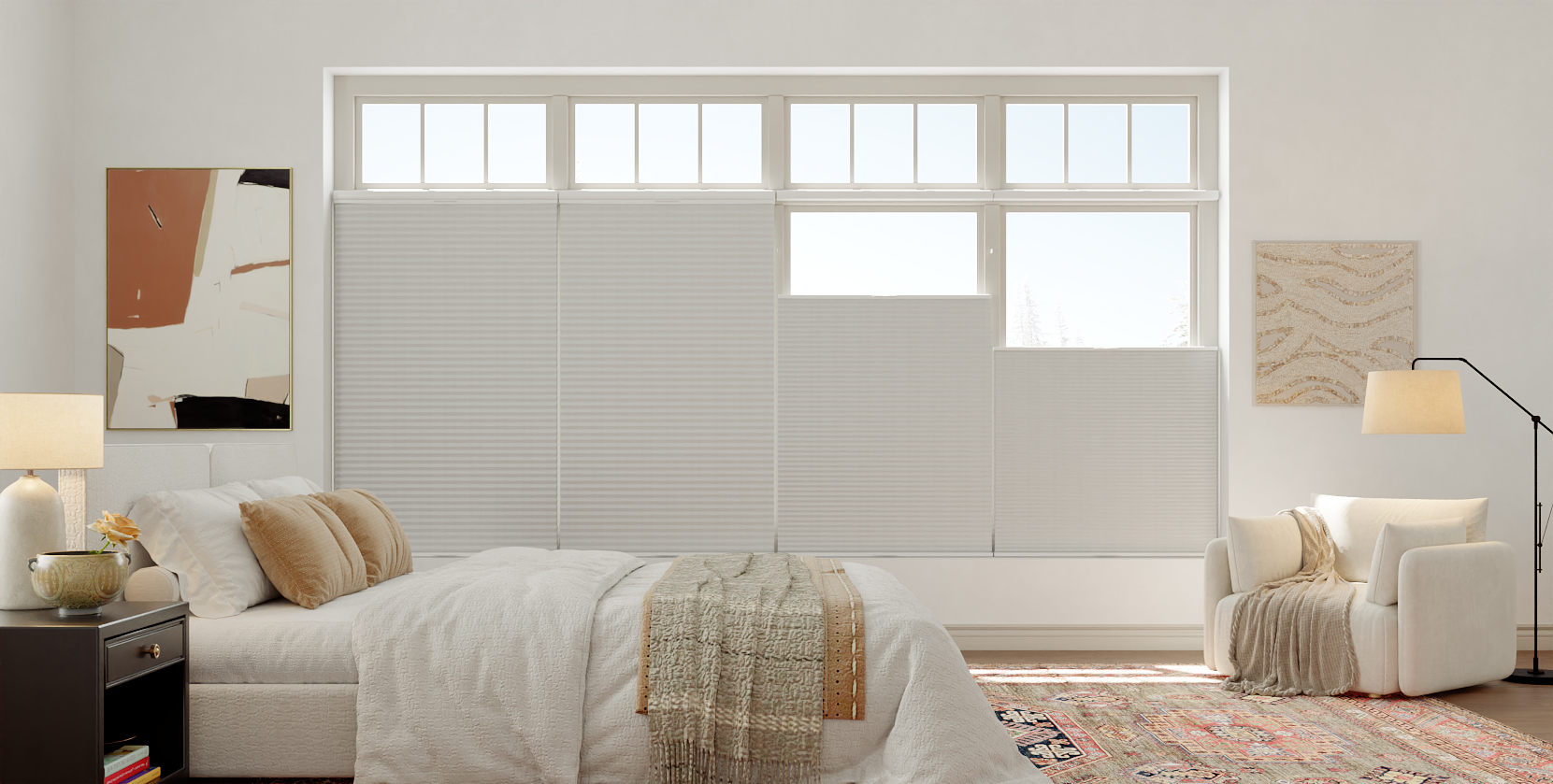
The Bedroom (as part of a layered system): Designers often use sheer shades as the primary daylight layer. They provide morning privacy and soft light, and are then paired with blackout drapery or a roller shade for sleeping. This layered approach, which we discuss in our guide to combining treatments without bulk, offers maximum flexibility and a luxurious, tailored look.
Conclusion: The Intelligent Default Choice
For designers, sheer shades have evolved from a novel option to a modern classic and often a default recommendation. They are loved because they solve complex problems with elegant simplicity.
They provide curated light, not just covered windows. They offer clean integration, not added clutter. They deliver lasting performance, not just temporary style. In a profession where every detail matters, sheer shades represent a confluence of thoughtful engineering and understated beauty, making them a trusted tool for creating interiors that are as smart as they are stunning.
In summary, designers favor sheer shades because they:
-
Achieve a clean, architectural look that supports modern design principles.
-
Provide unmatched, adjustable control over light quality and glare.
-
Solve the privacy-view paradox that frustrates many homeowners.
-
Offer built-in protection for a home's furnishings and finishes.
-
Present a versatile, low-maintenance solution suitable for a wide array of projects and styles.
Shop Sheer Shades by Light Control


Frequently Asked Questions
Are sheer shades considered "high-end" by designers?
Yes, when specifying custom, quality products. While budget options exist, designers typically select higher-grade sheer shades with robust mechanisms, precise operation, and superior fabrics with reliable fade resistance. This focus on performance and longevity aligns with a high-end design approach.
Can sheer shades work in a traditional or farmhouse-style room?
Absolutely. Their simplicity is their strength. In a traditional setting, they can be layered with ornate drapery and trims, serving as the functional base. In a farmhouse, their clean linen-like textures and soft light complement rustic elements without competing with them. They act as a neutral canvas.
How do designers typically handle the need for total blackout in a bedroom with sheer shades?
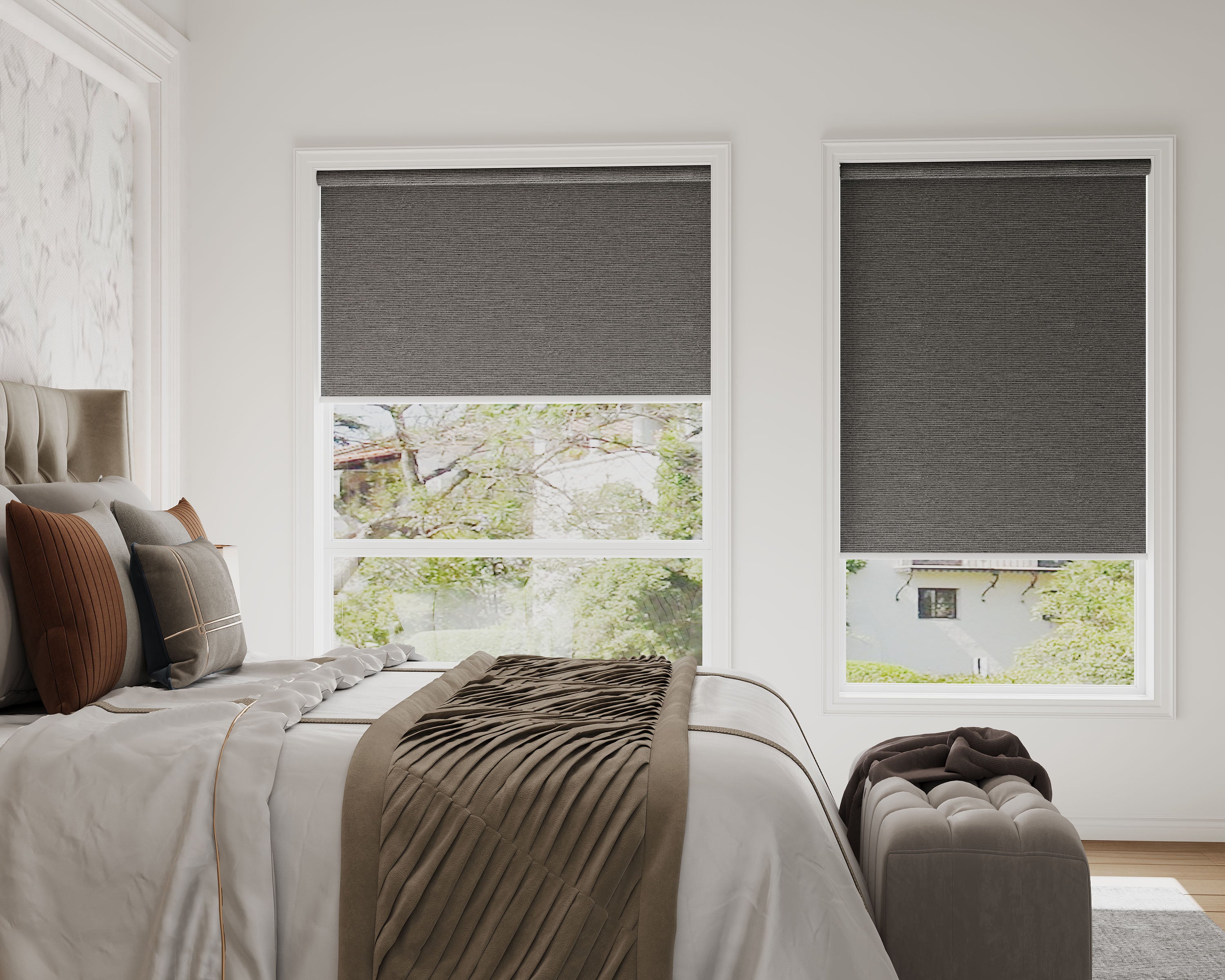
The professional solution is layering. A designer would specify a sheer shade for daytime light and privacy, and then add a separate blackout roller shade (mounted inside the window frame) or opaque, lined drapes (mounted on the wall). This allows for complete flexibility: using the sheers alone during the day and adding the blackout layer at night.
What specifications do designers focus on when selecting sheer shades?
Key specs include: Openness Factor (1% for max privacy/UV block, 5% for clearer views), Fabric Content (fade-resistant synthetics like polyester), Control Type (cordless for safety and clean look; motorized for convenience and smart home integration), and Mount (inside mount for a built-in look, outside mount to frame the window or hide imperfect trim).
Why might a designer choose a sheer shade over a simple roller shade?
While roller shades are clean, they are a single-function product: up or down. Sheer shades add the critical dimension of adjustable light diffusion via the vane control. This allows for nuanced management of brightness and privacy throughout the day without raising or lowering the entire shade, offering far greater functional versatility for daily living.
