





Thermal & Insulating Shades
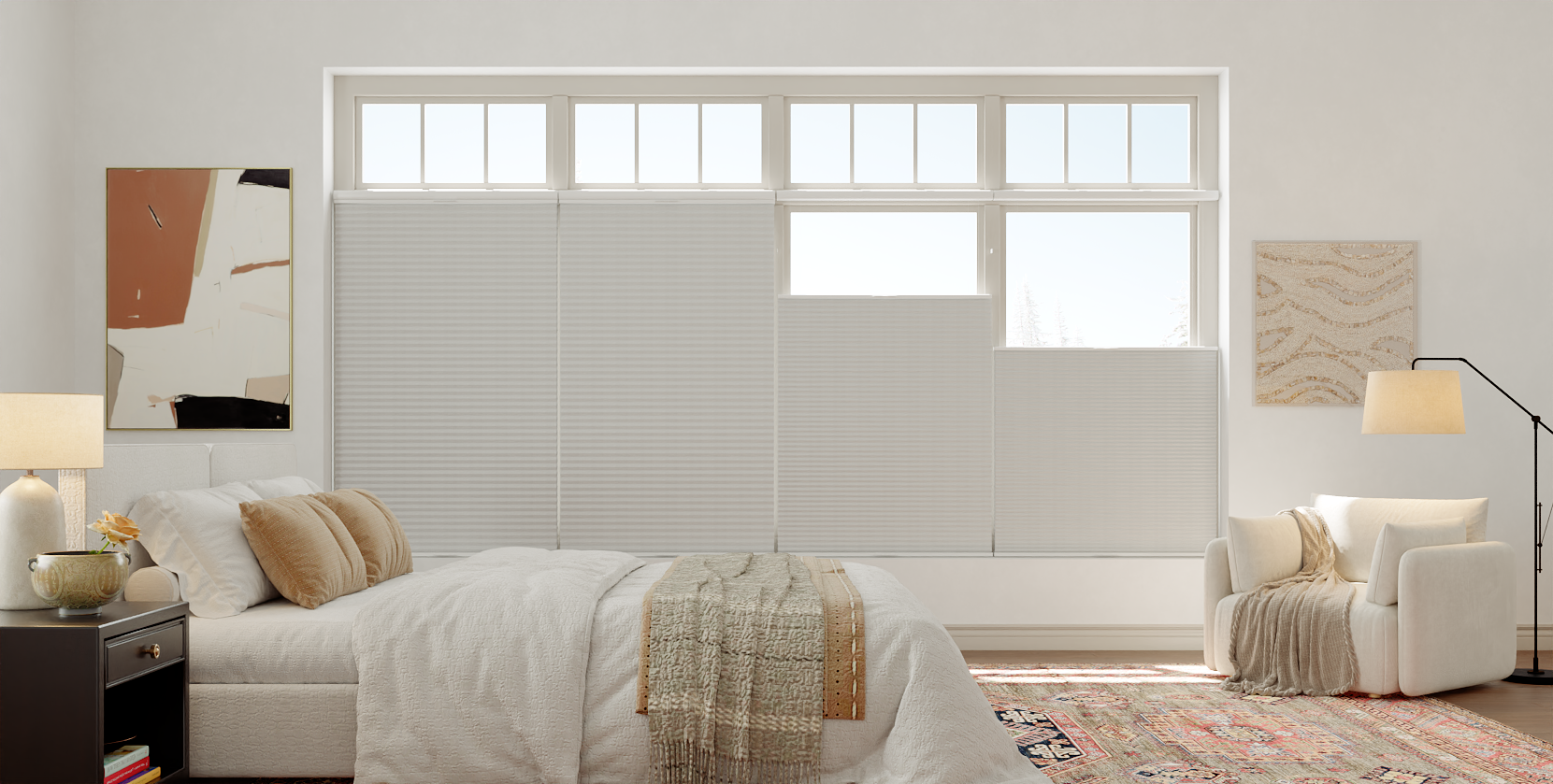
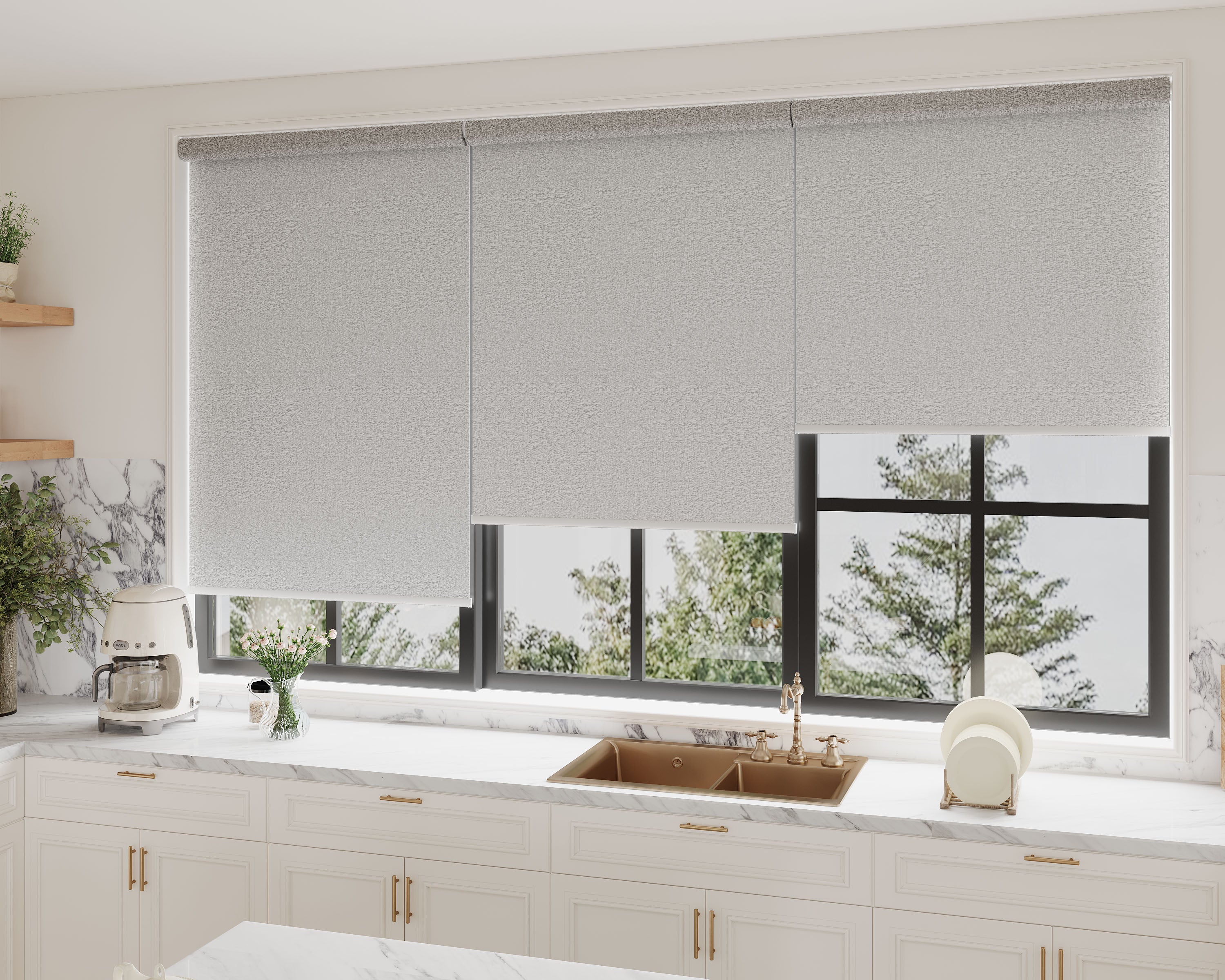
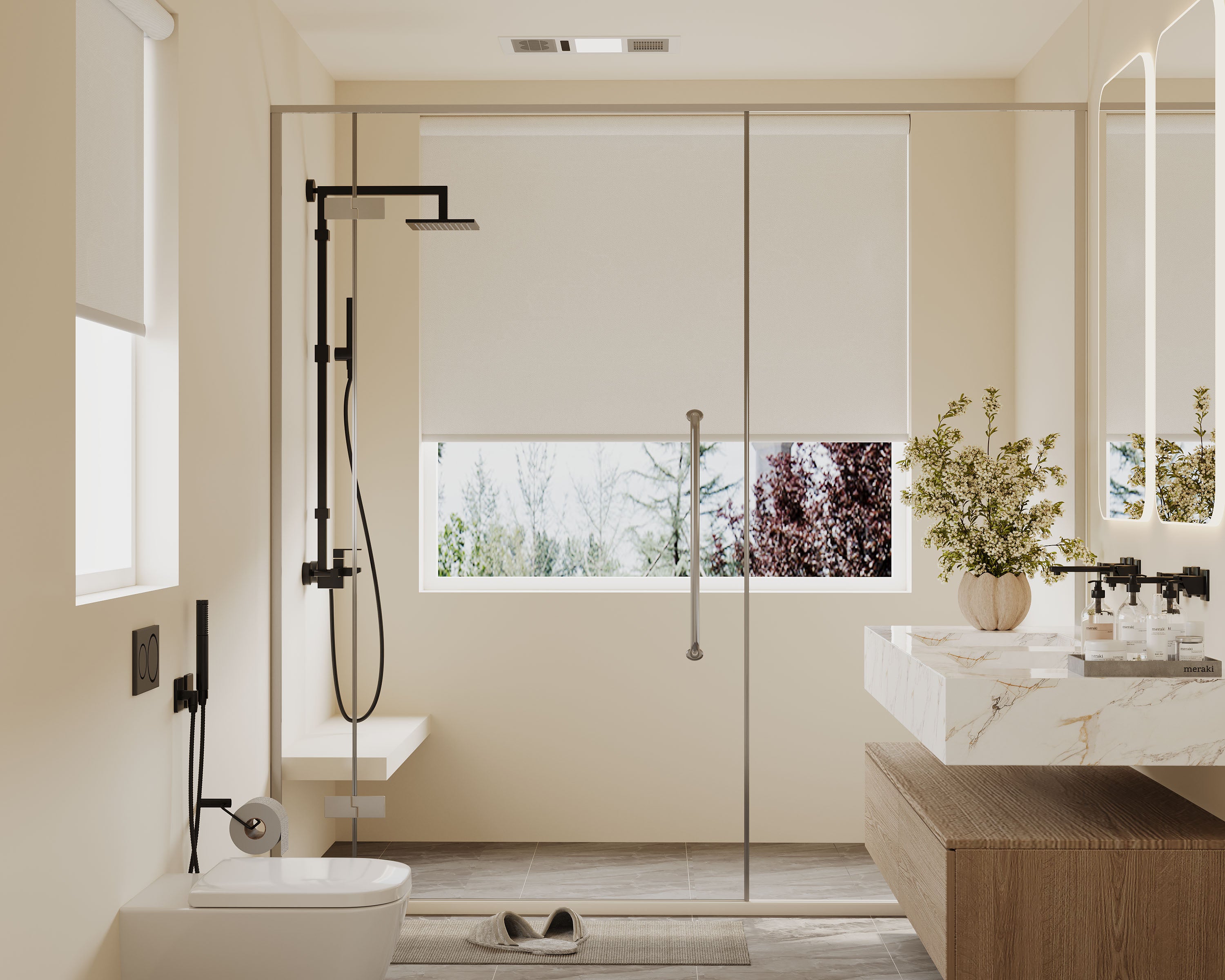
For thermal & insulating shades, start with the exact window and the job you need the covering to do. Start with the room’s sun exposure, glazing and the way you use the covering through the day. Cellular pleats, an opaque roller panel and a solar screen address the window in different ways. Current choices include cordless light-filtering cellular shades, blackout top-down/bottom-up cellular shades and blackout roller shades.
Compare thermal & insulating shades choices
Choose for the window and its operating routine
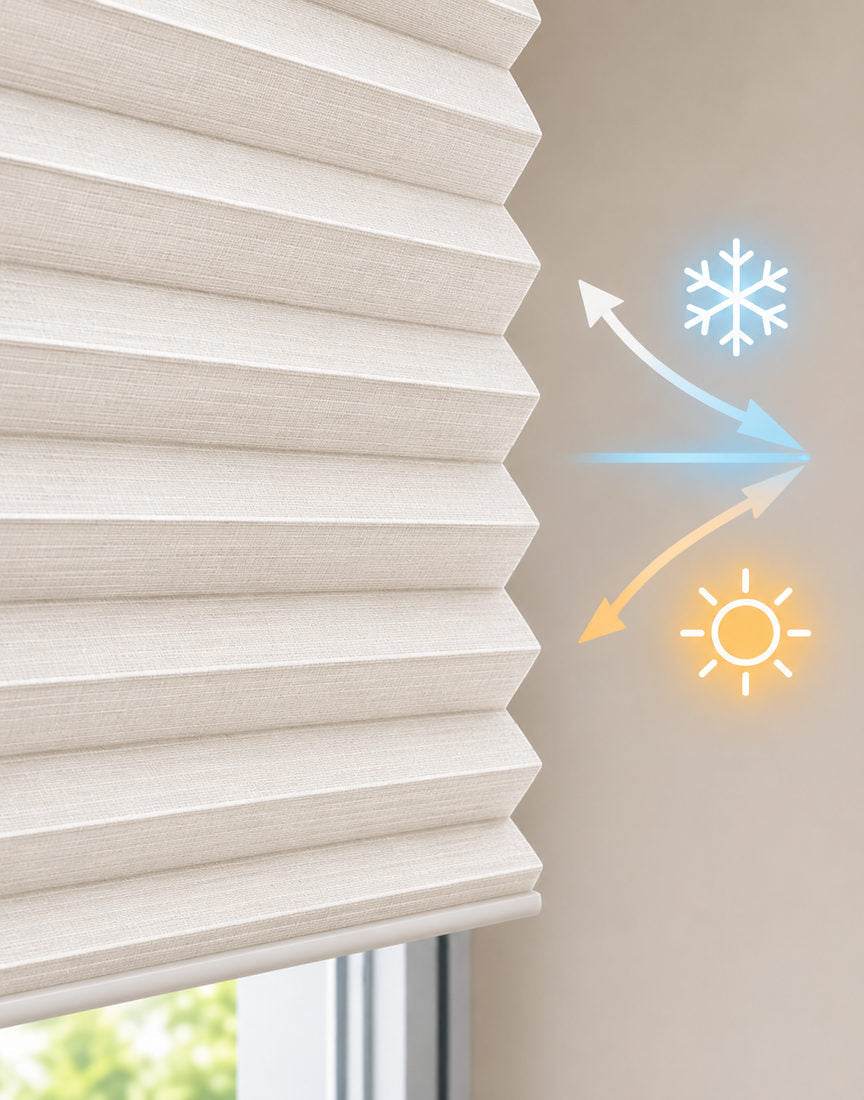
Winter heat transfer and summer sunlight are different concerns. Note which part of the day is uncomfortable, whether glare is also a problem, and when the covering will be open or closed. Product construction, fit, climate and glazing all affect the result, so any stated test value needs the matching material and setup.
Compare the current product choices
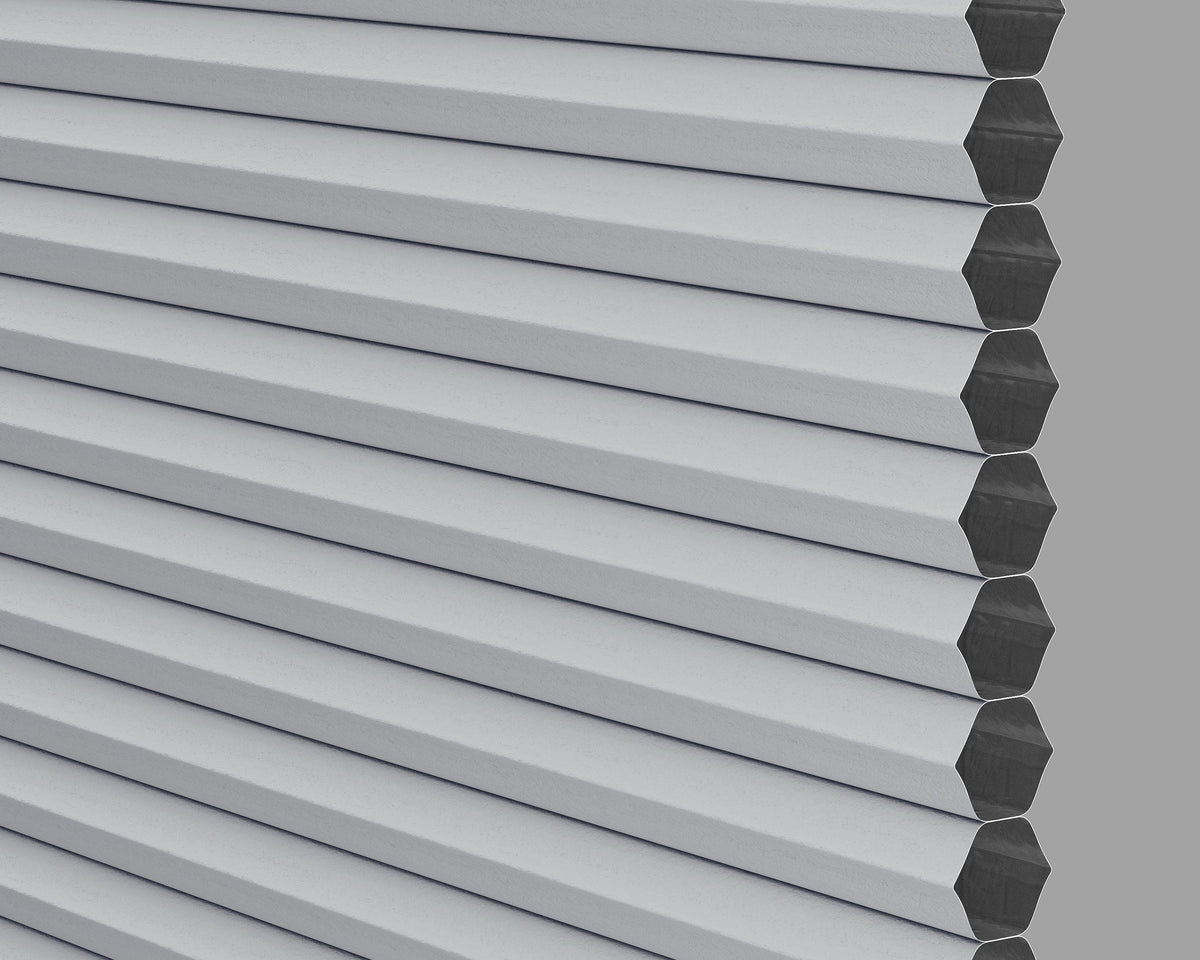
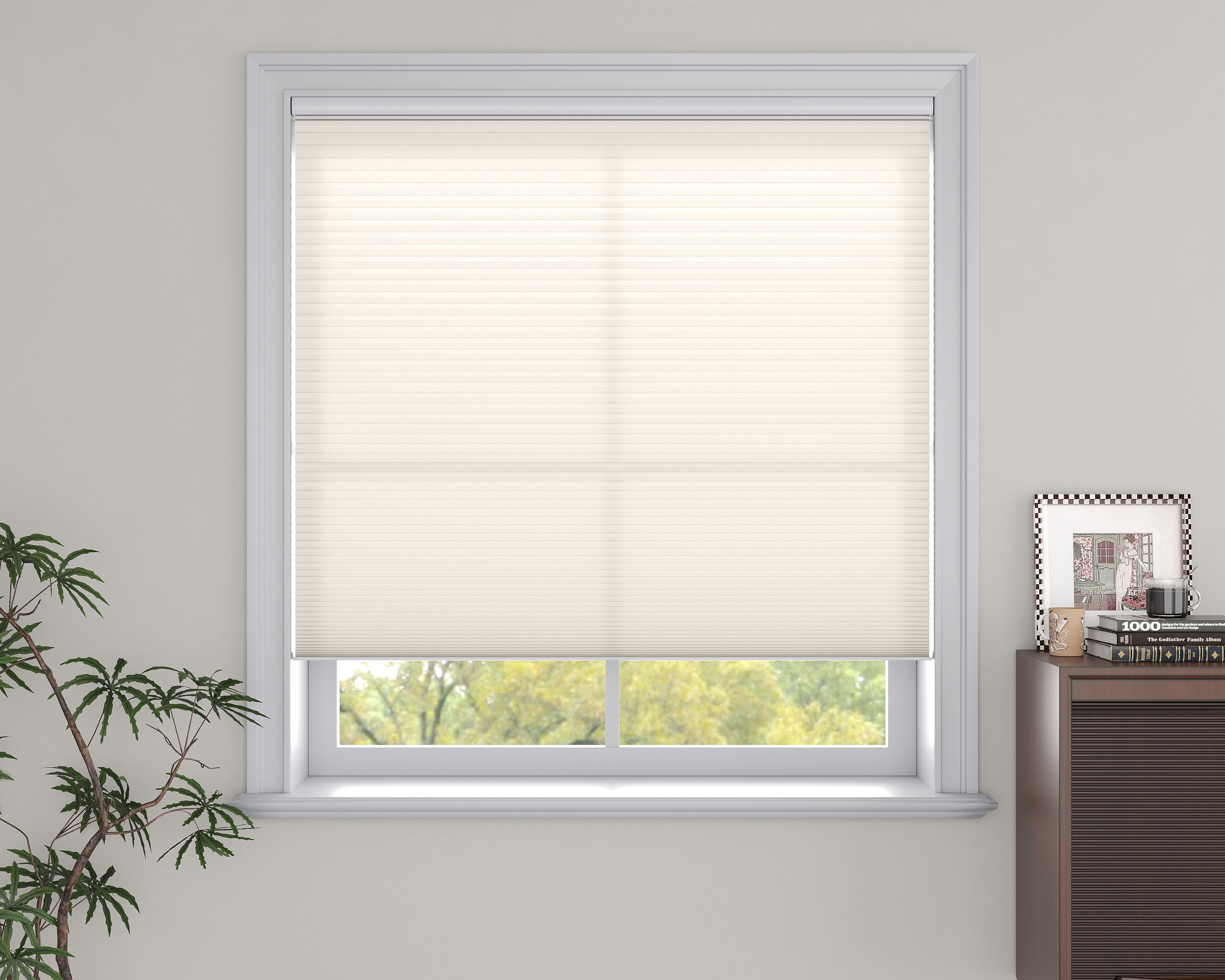
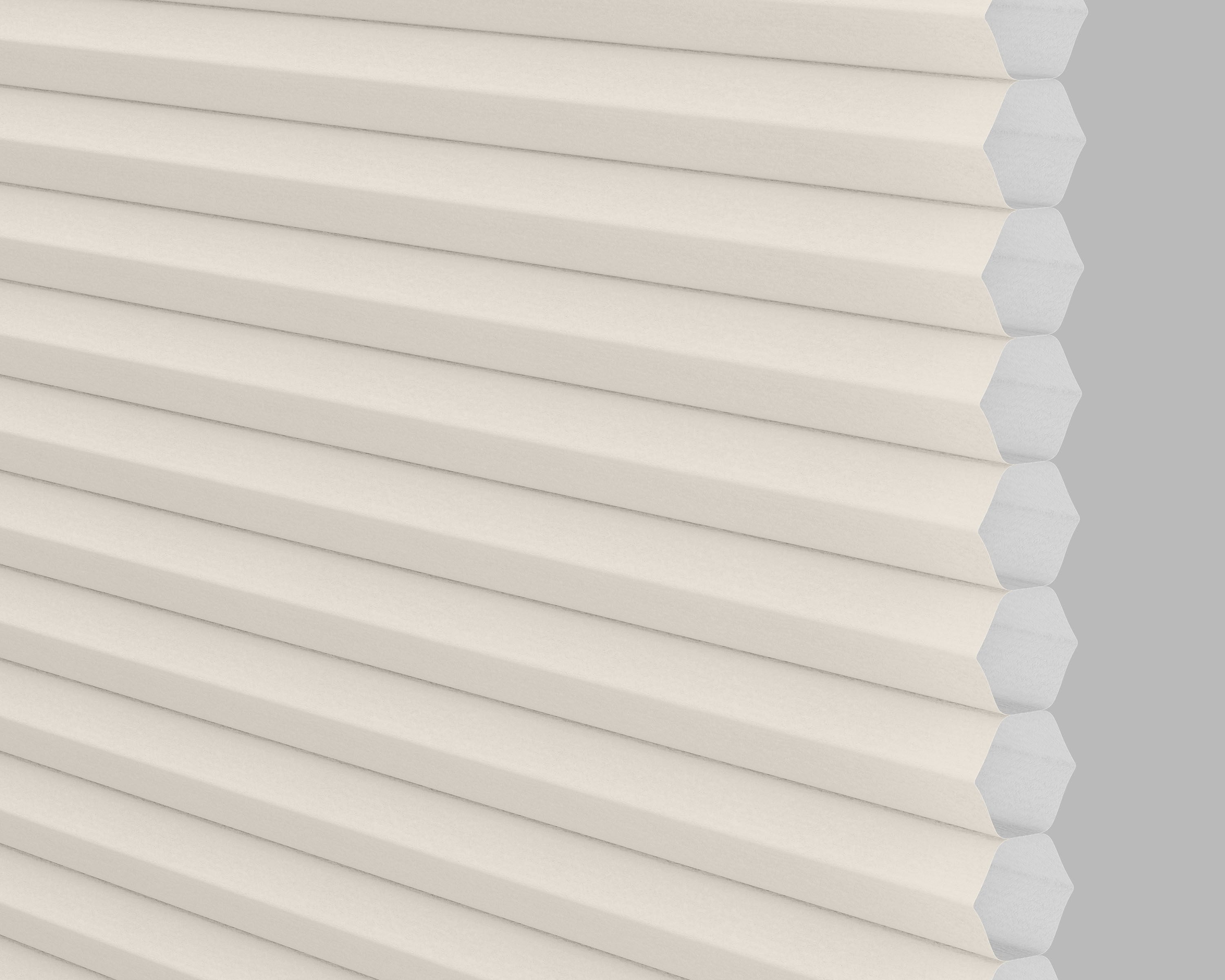
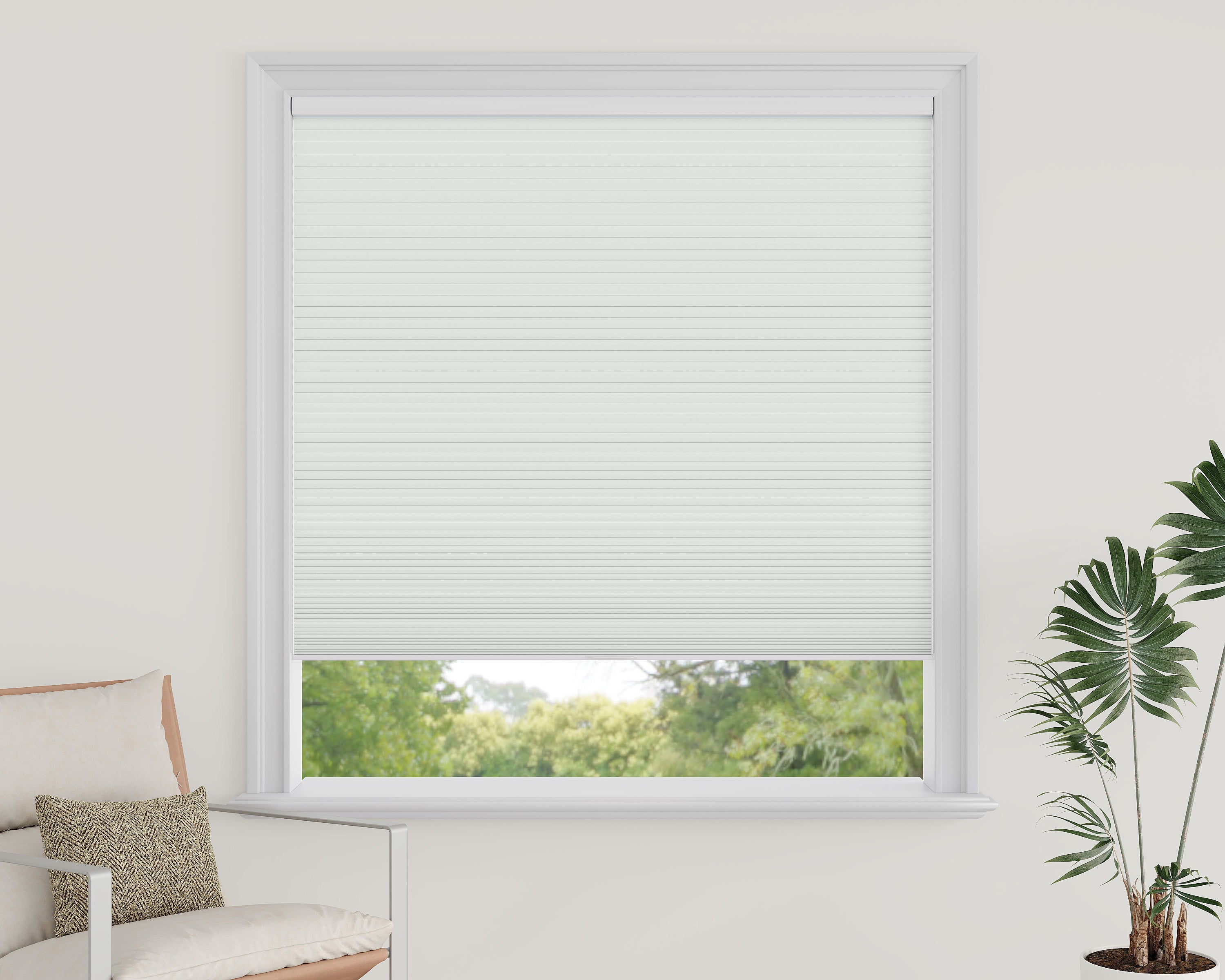
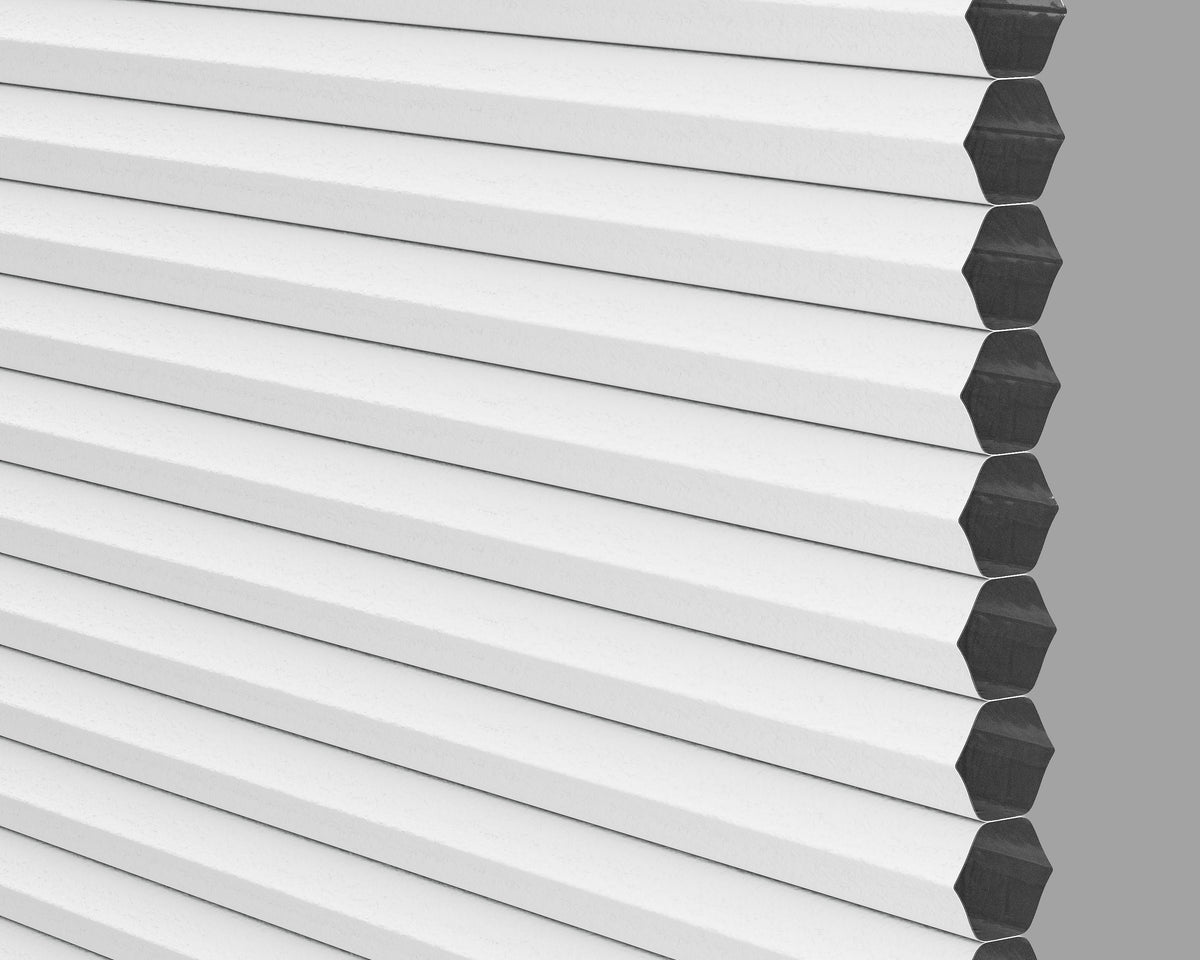
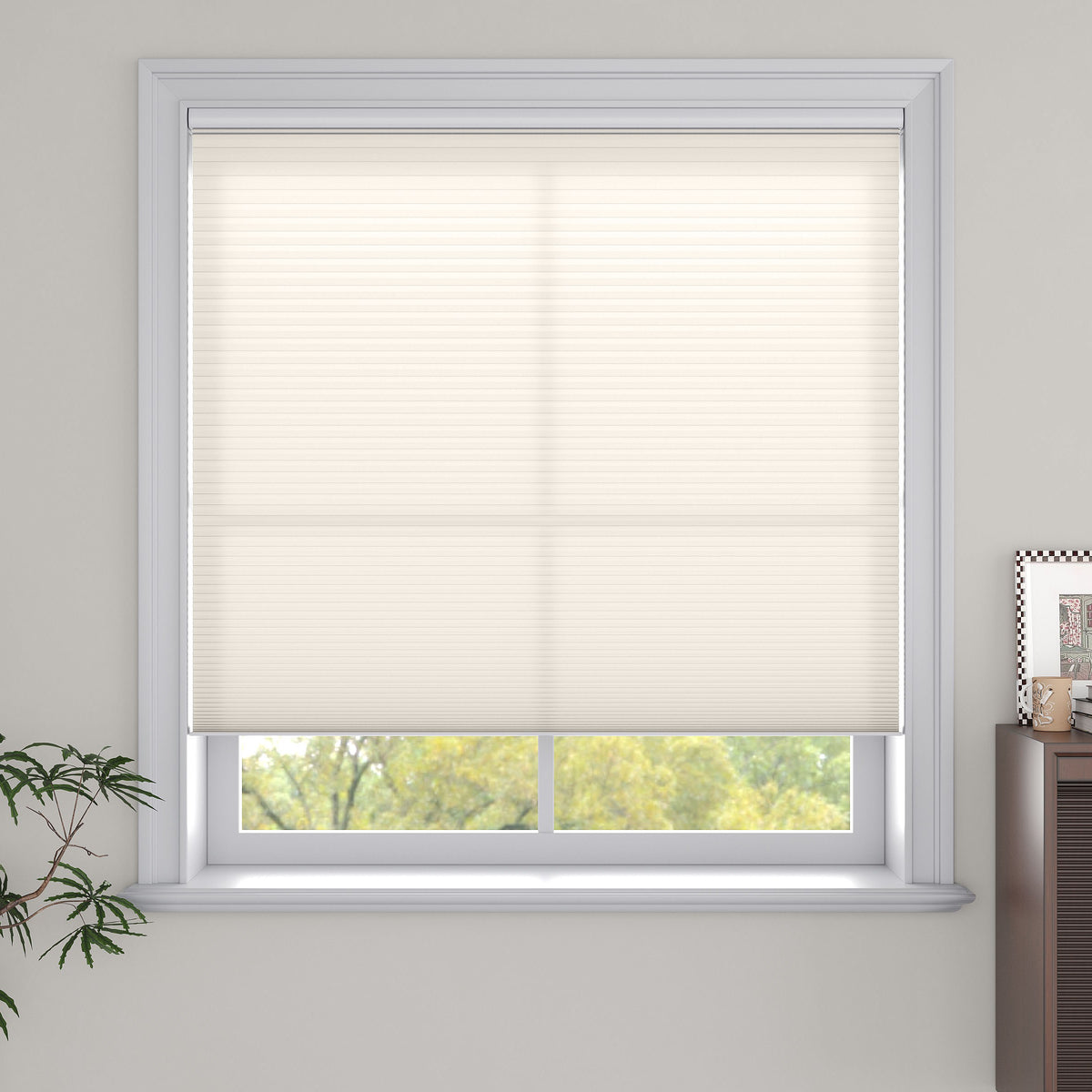
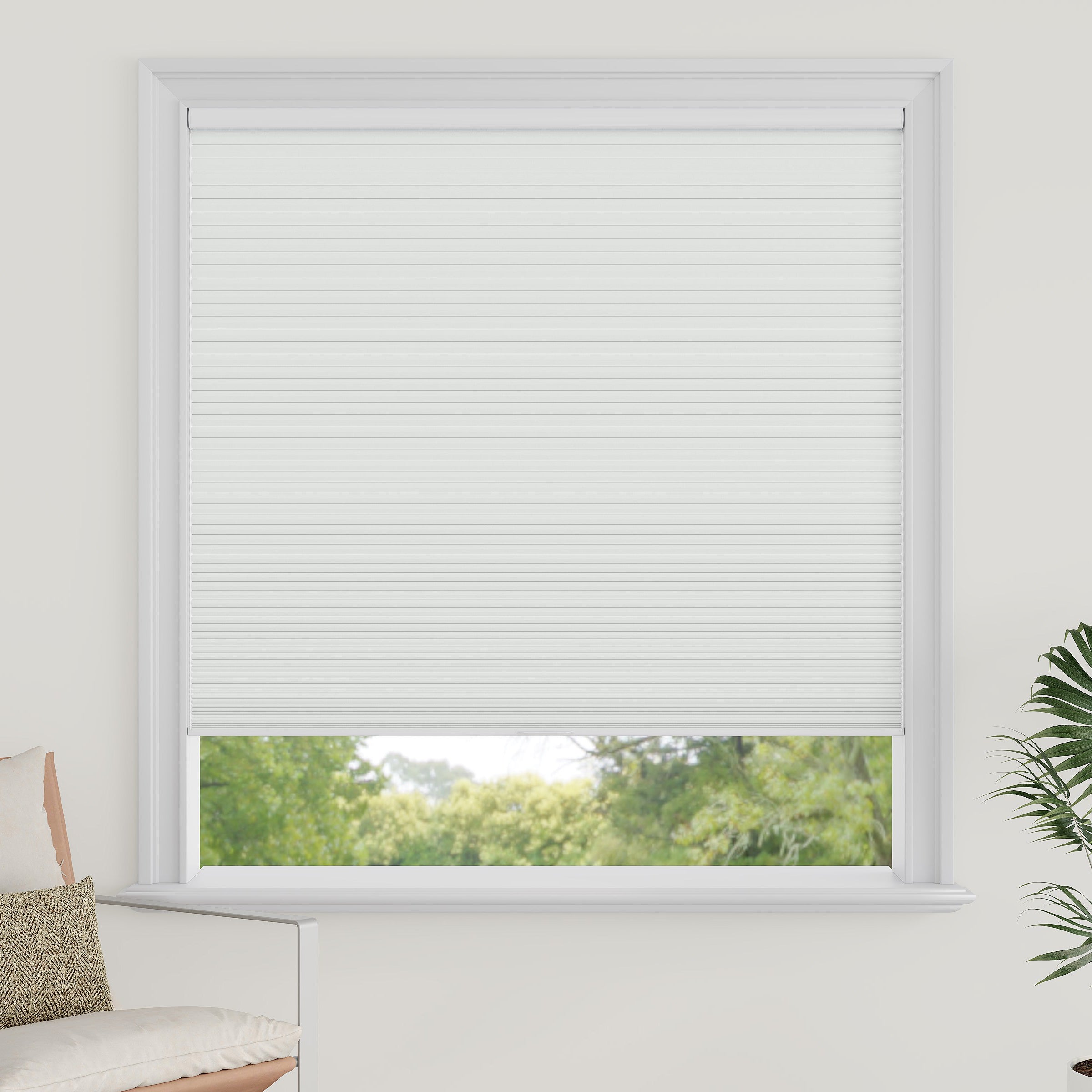
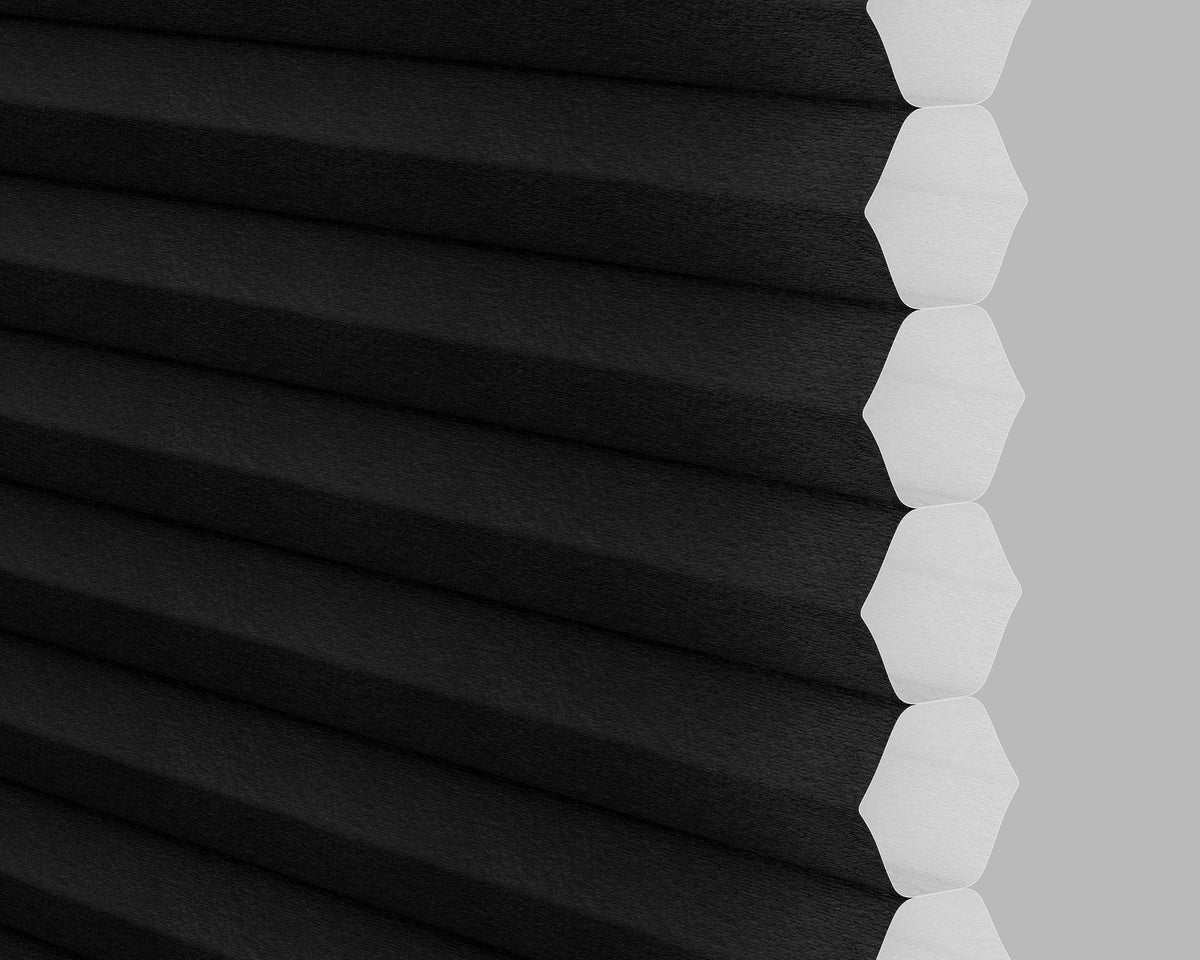
- Cordless light-filtering cellular shades: Honeycomb fabric forms visible pleats and softly filters daylight; the cordless model is operated by hand.
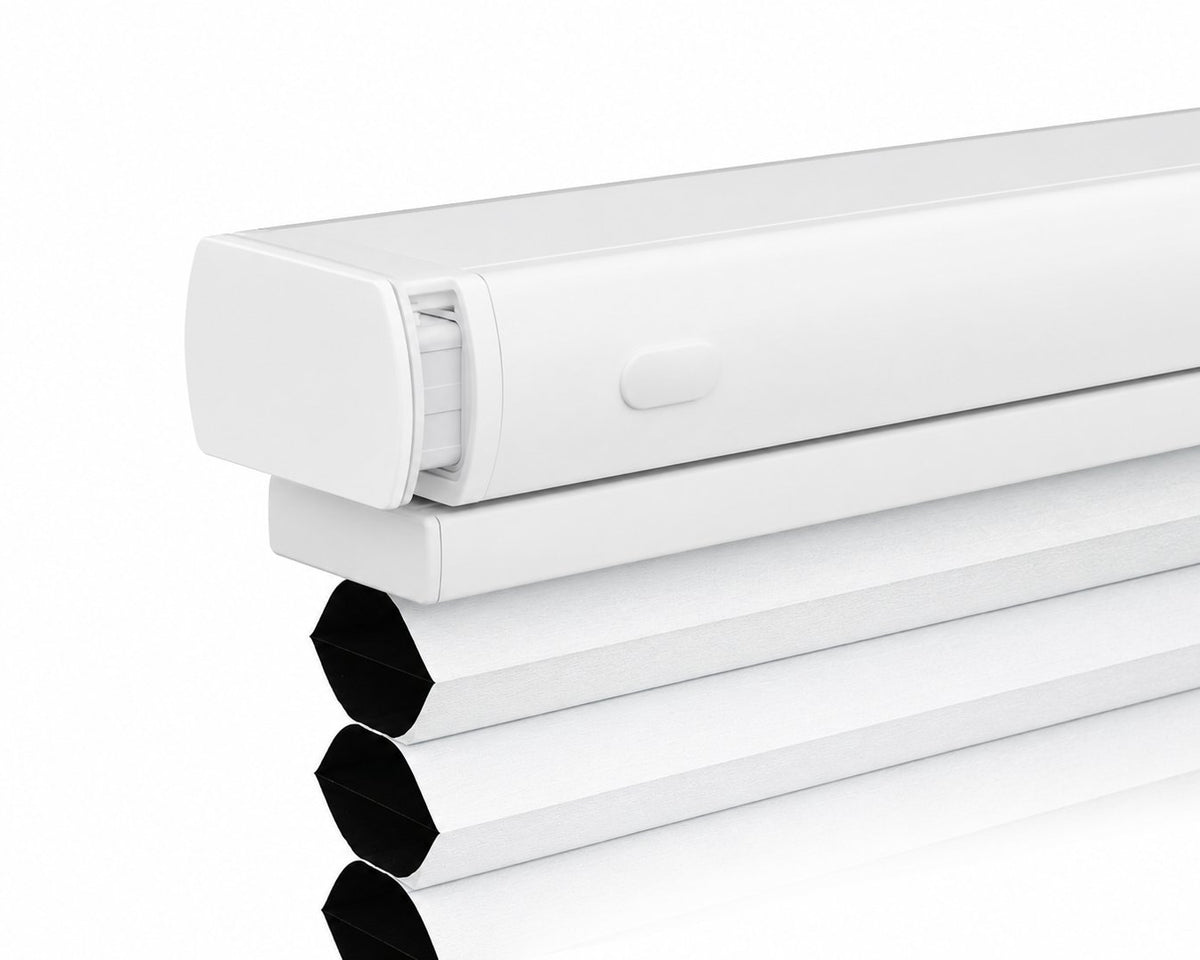
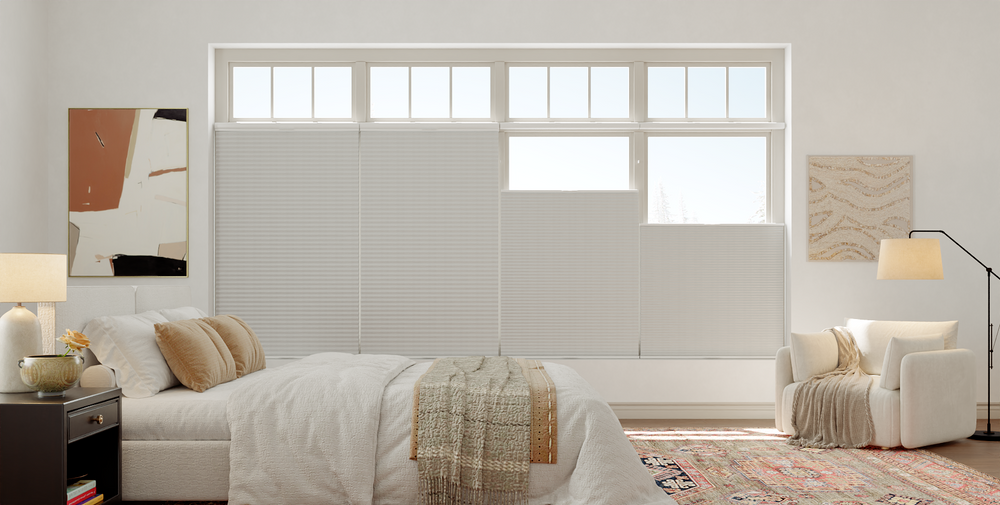
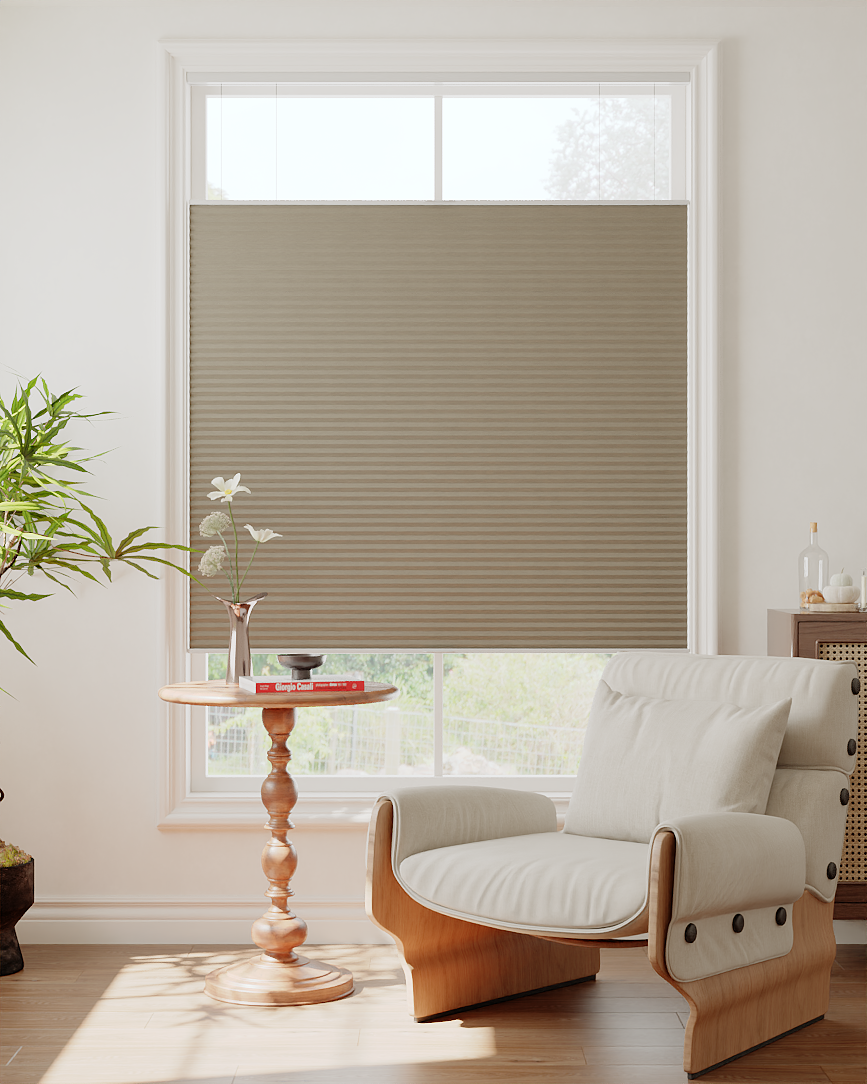
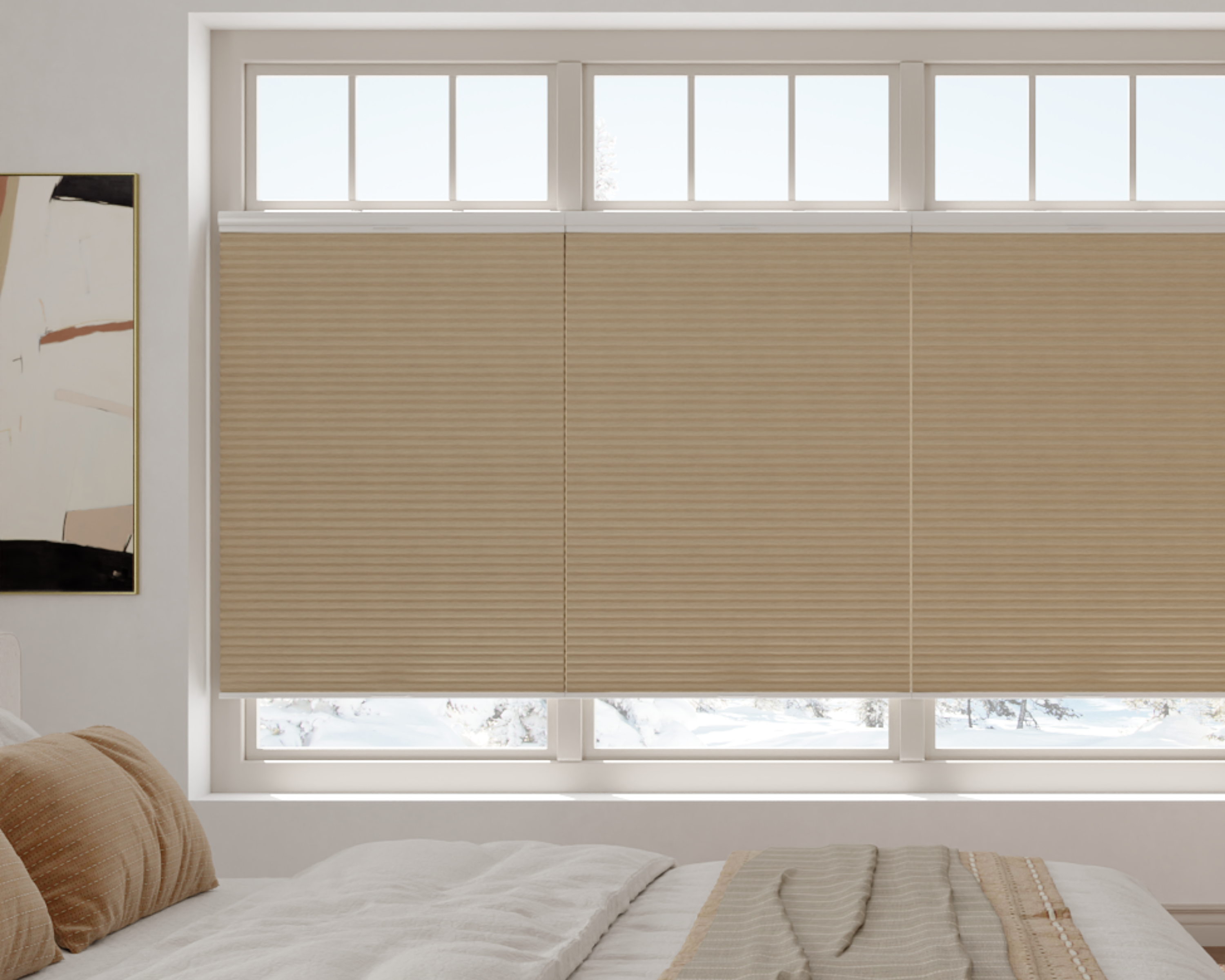
- Blackout top-down/bottom-up cellular shades: The two rails position blackout cellular fabric at the window, allowing upper daylight or an open lower view when positioned accordingly.
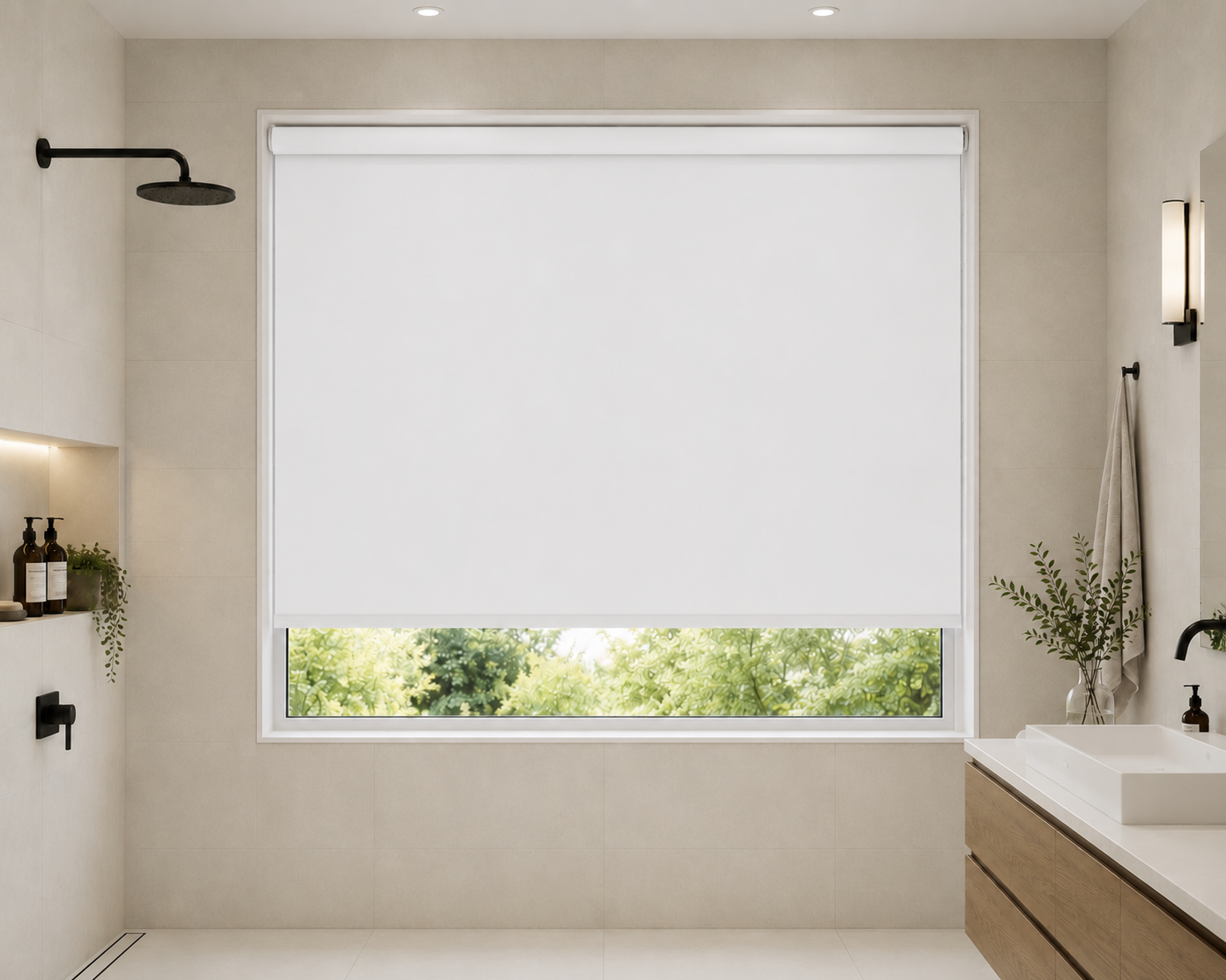
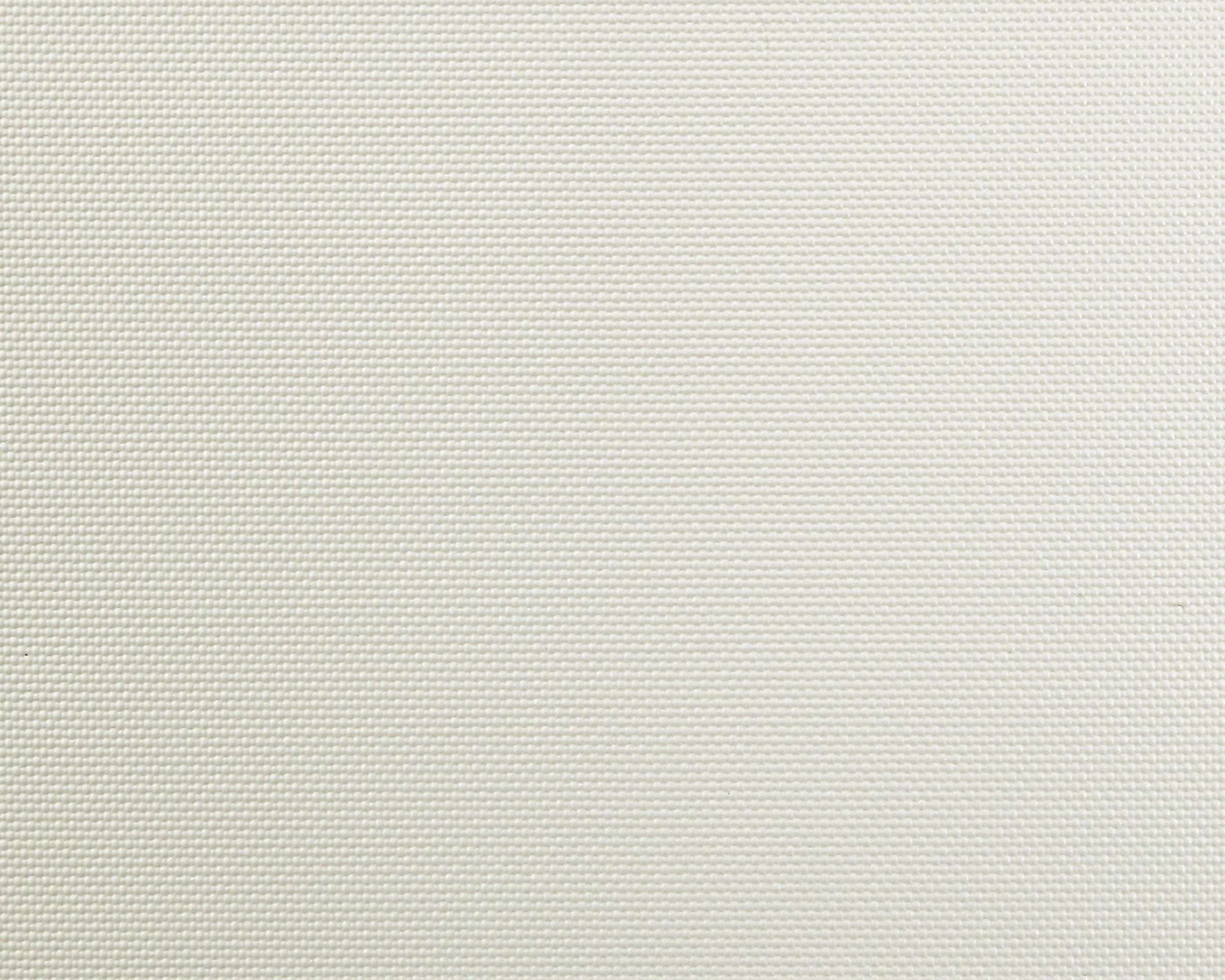
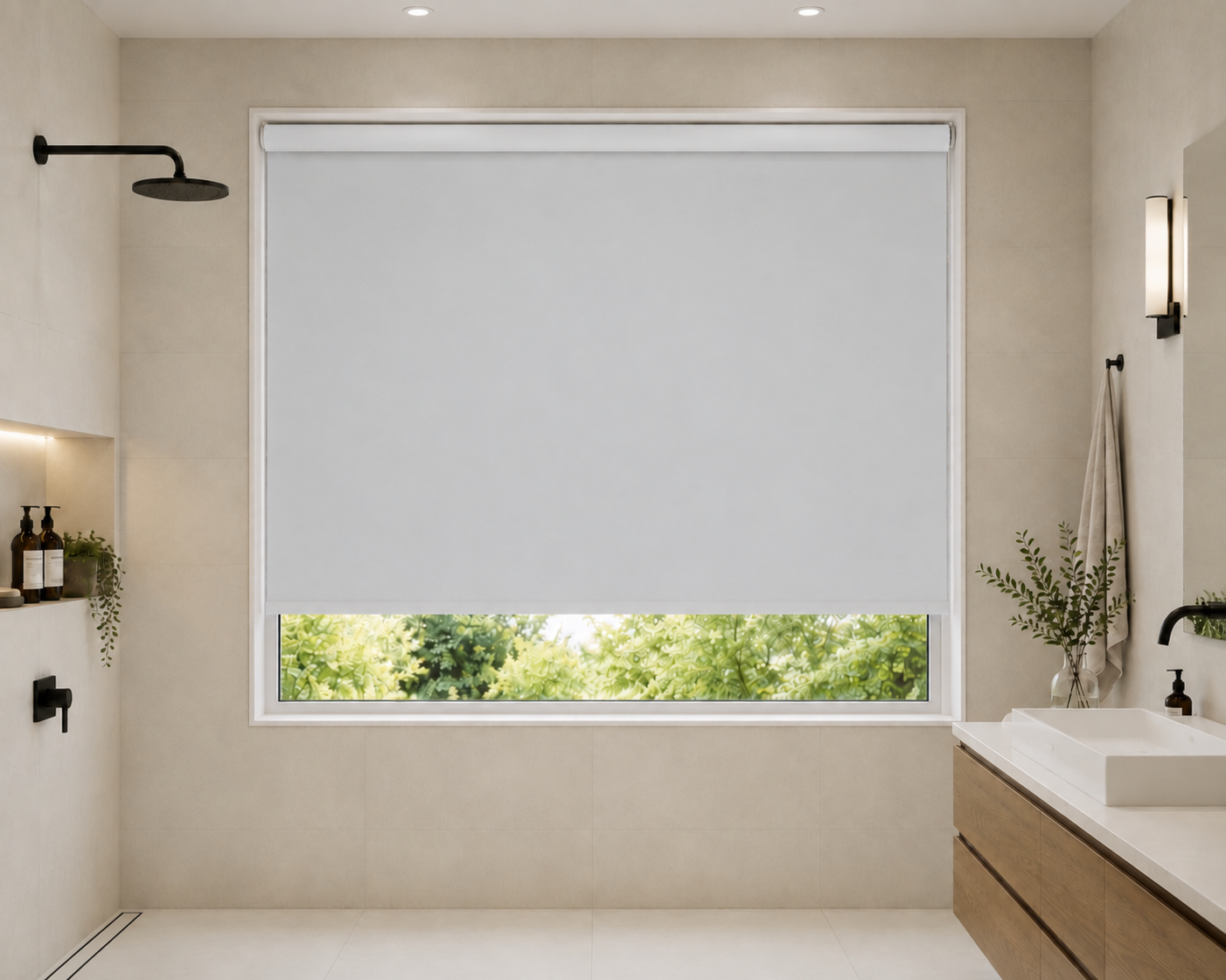
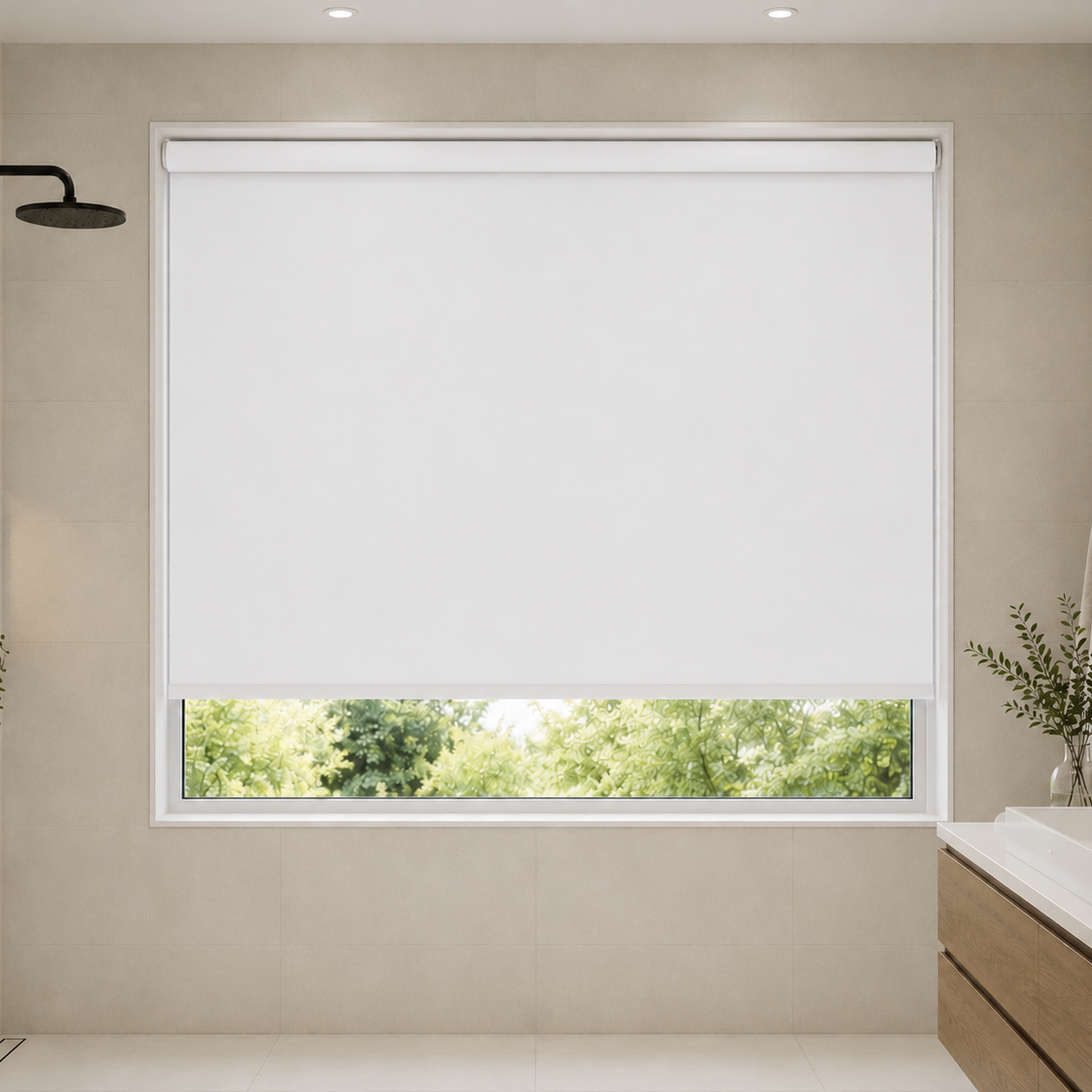
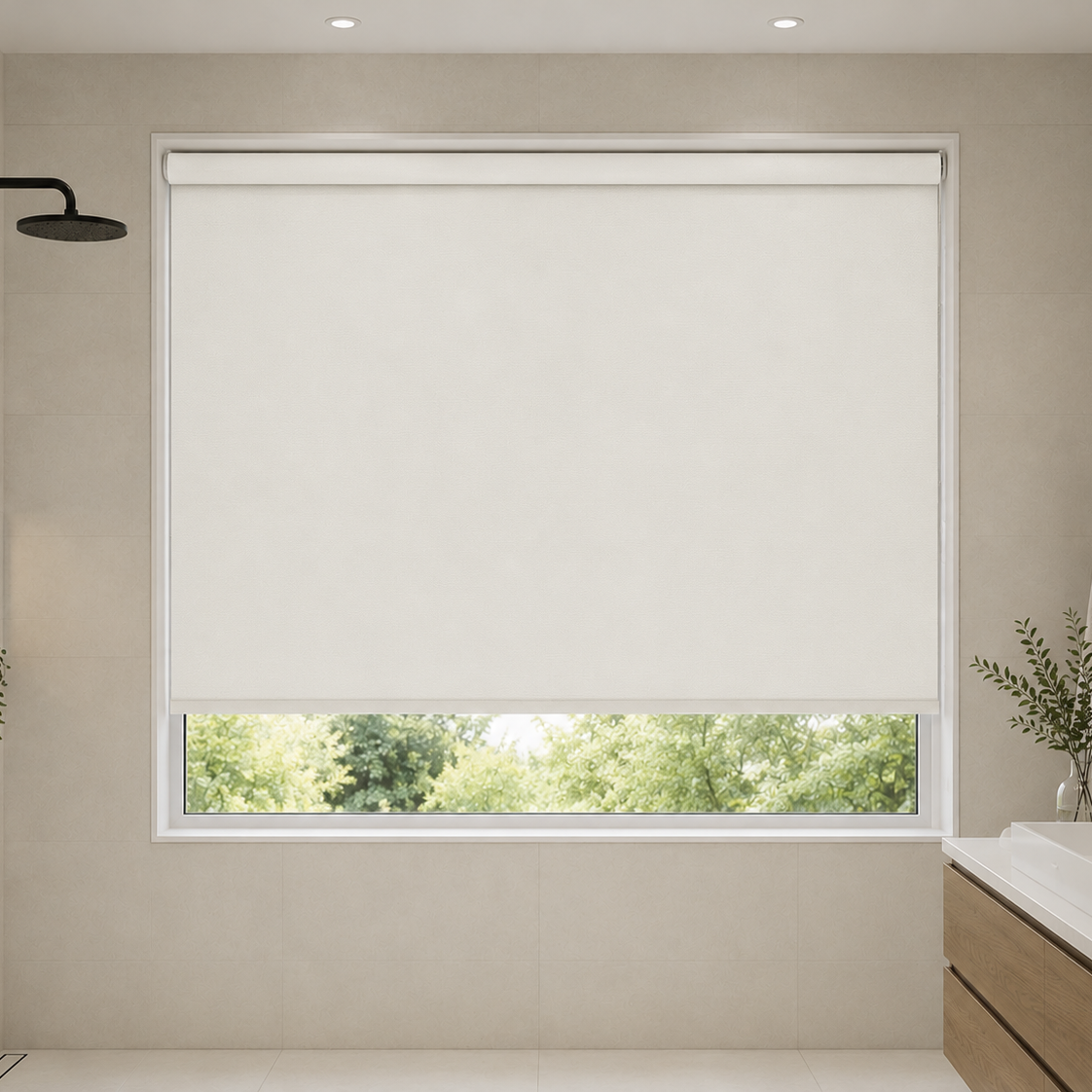
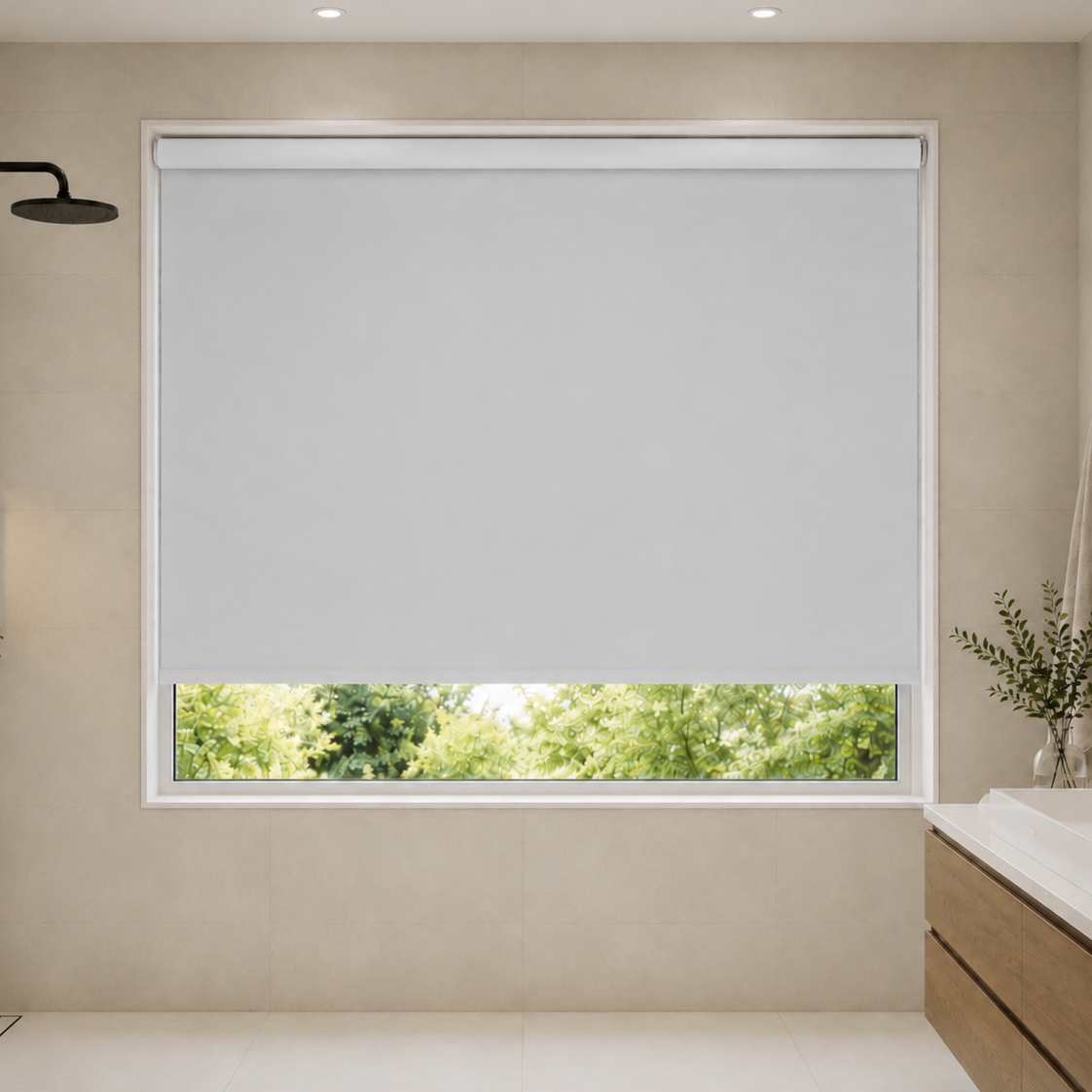
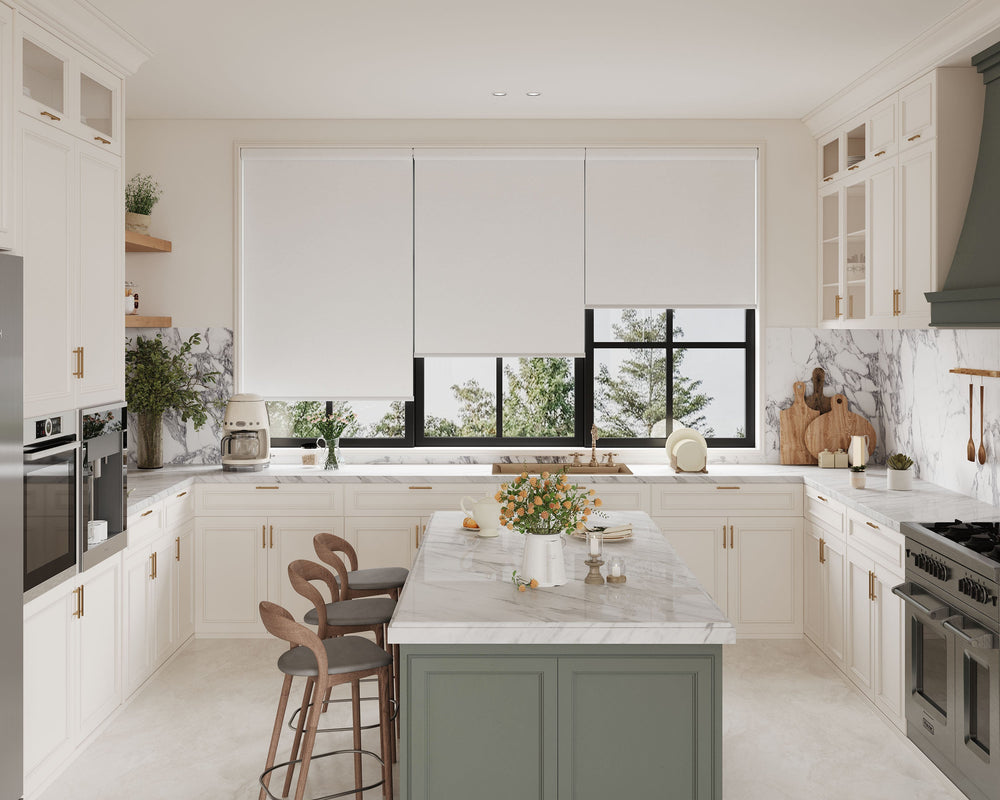
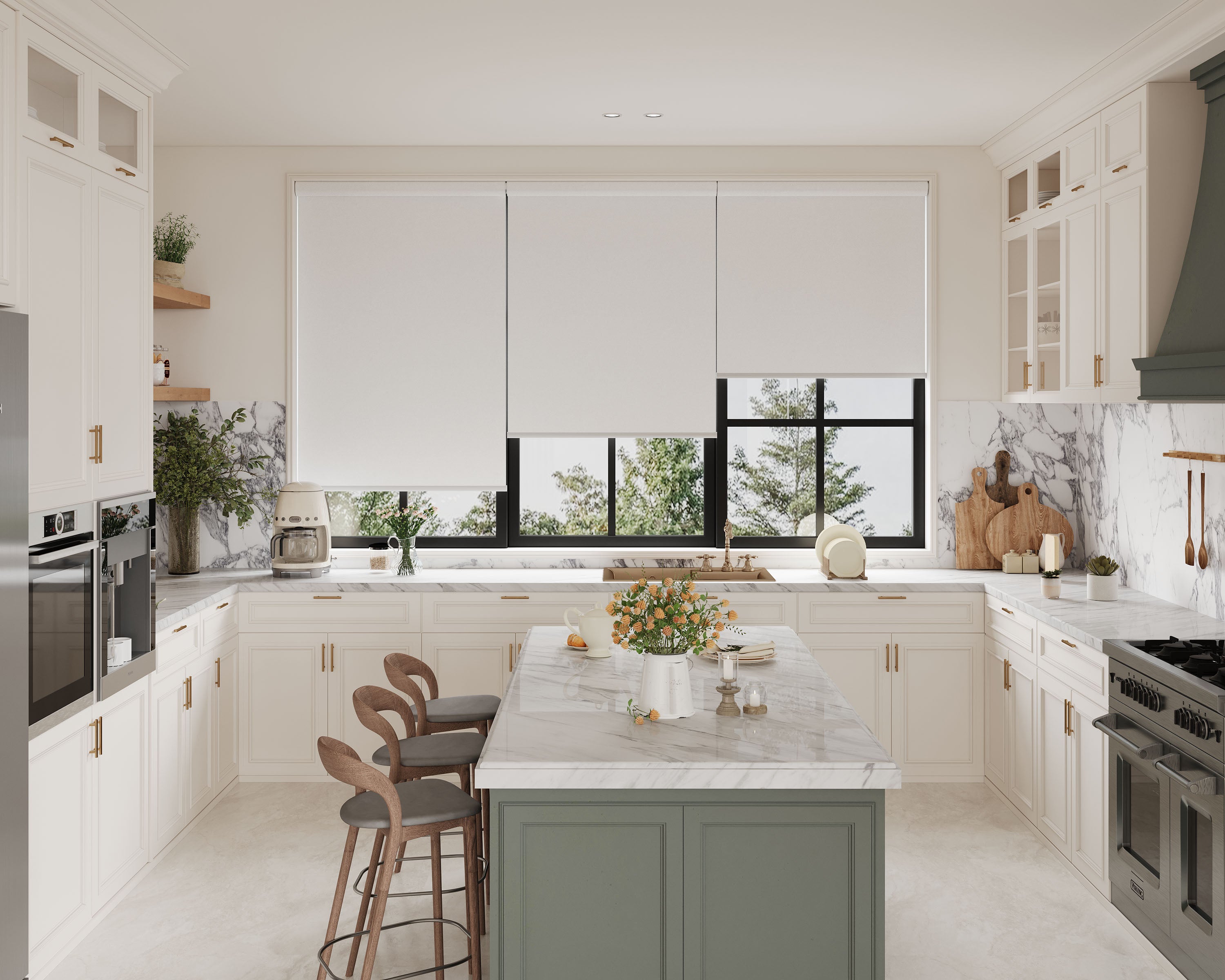
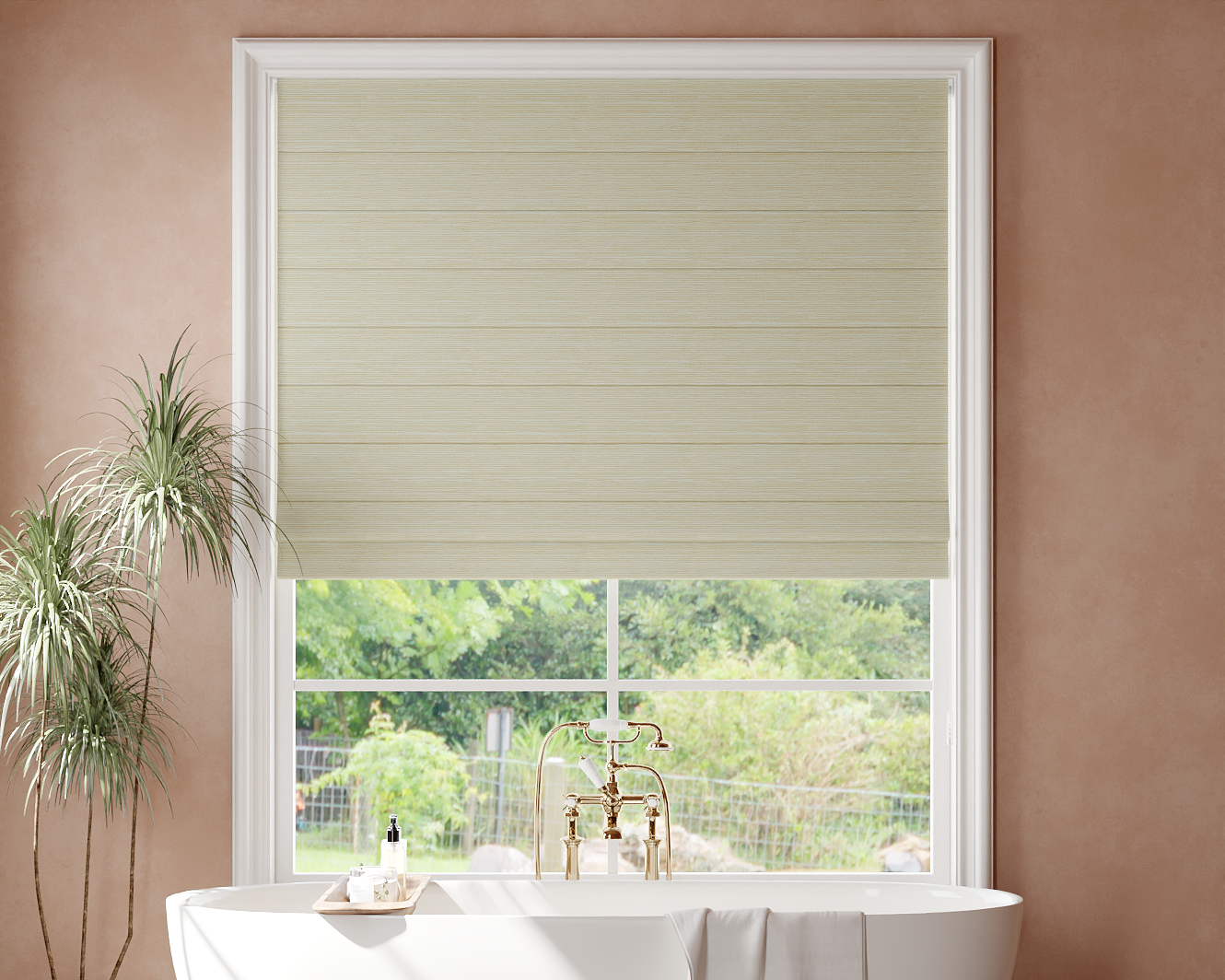
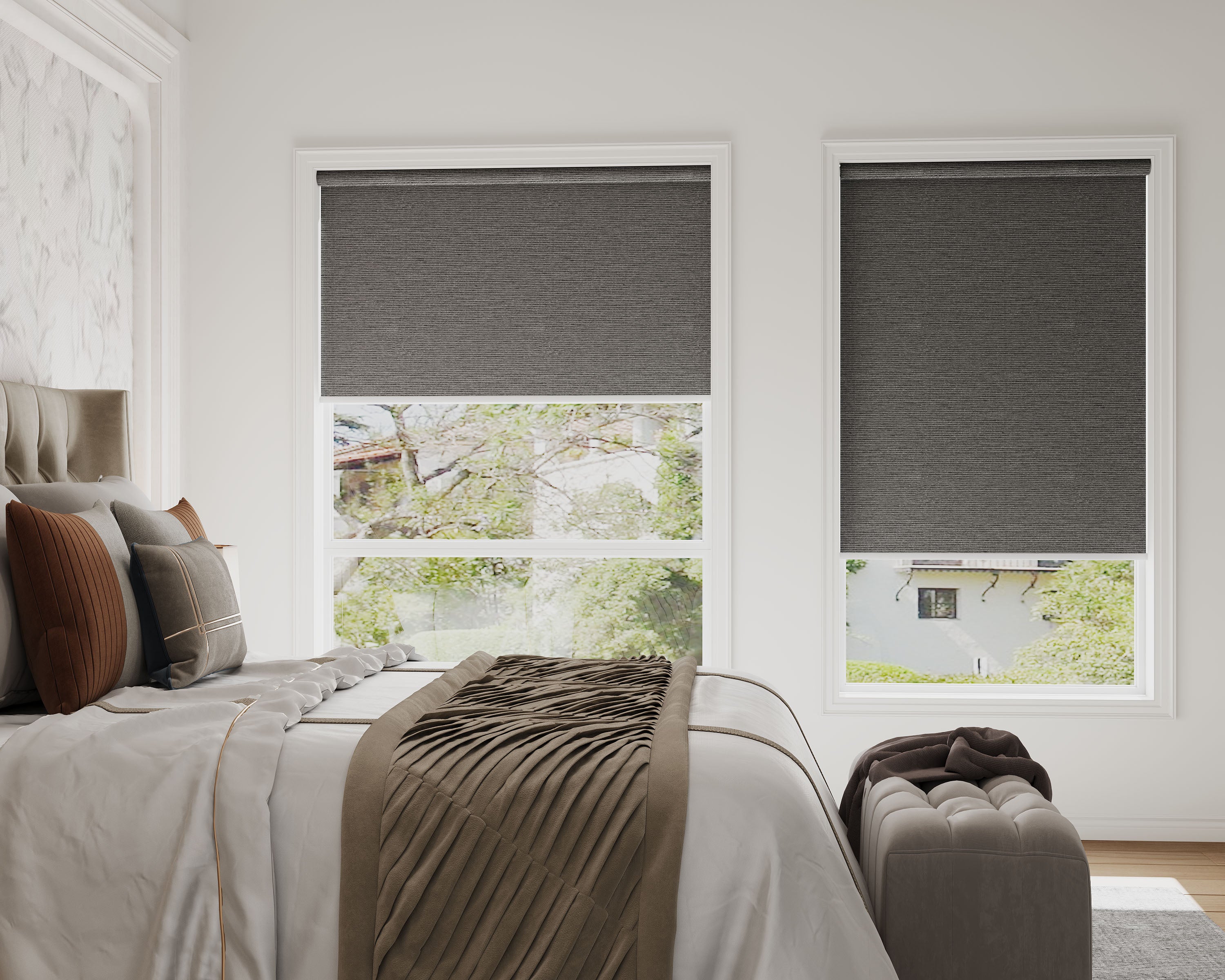
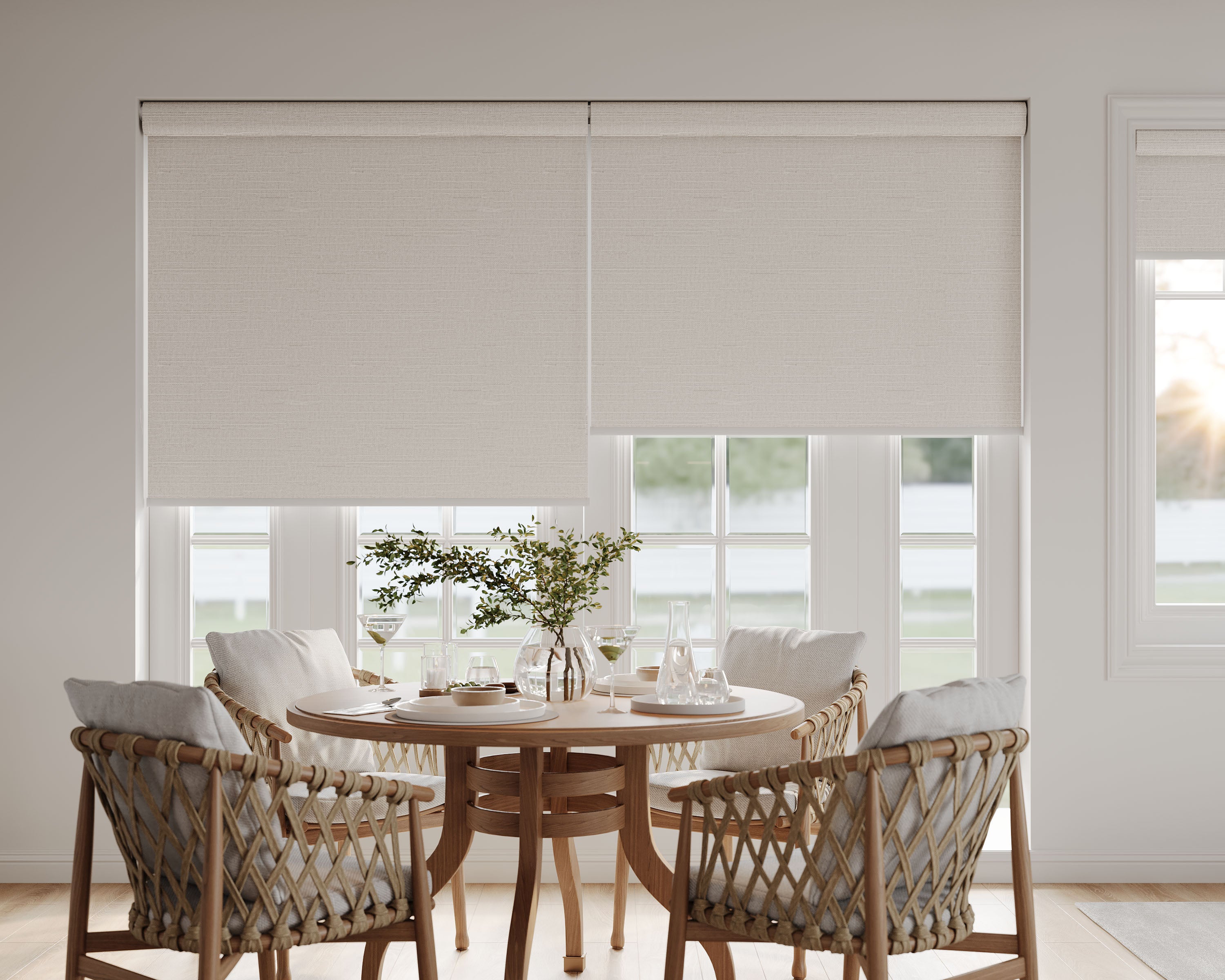
- Blackout roller shades: A textured fabric face and blackout reverse address light passing through the panel; the installation still determines remaining edge light.
For the next decision, read Cellular vs Roller Shades: Choose for Winter Comfort or Summer Sun. Keep the selected model, fabric/color code, mount and lift with the measurements for each opening.