
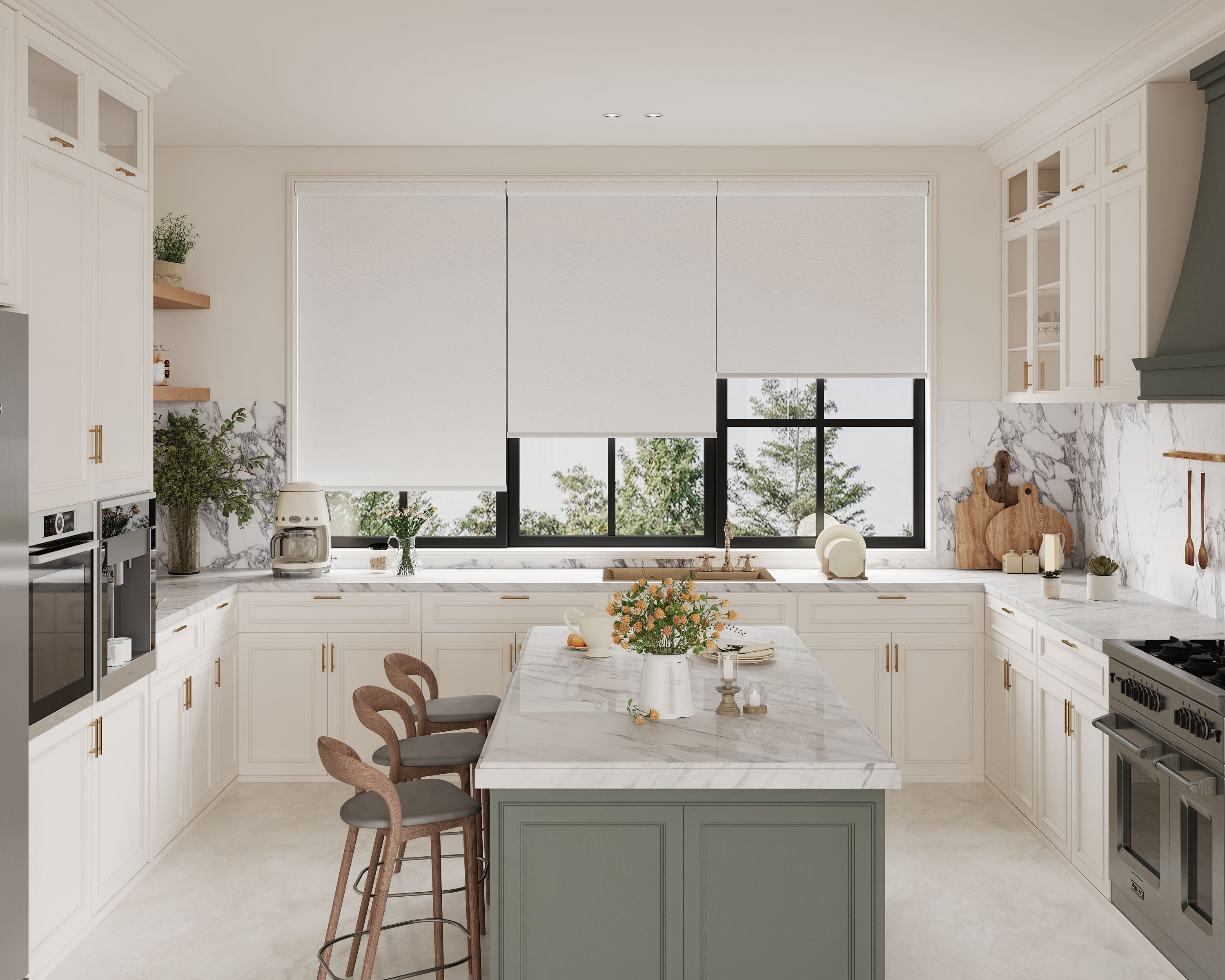
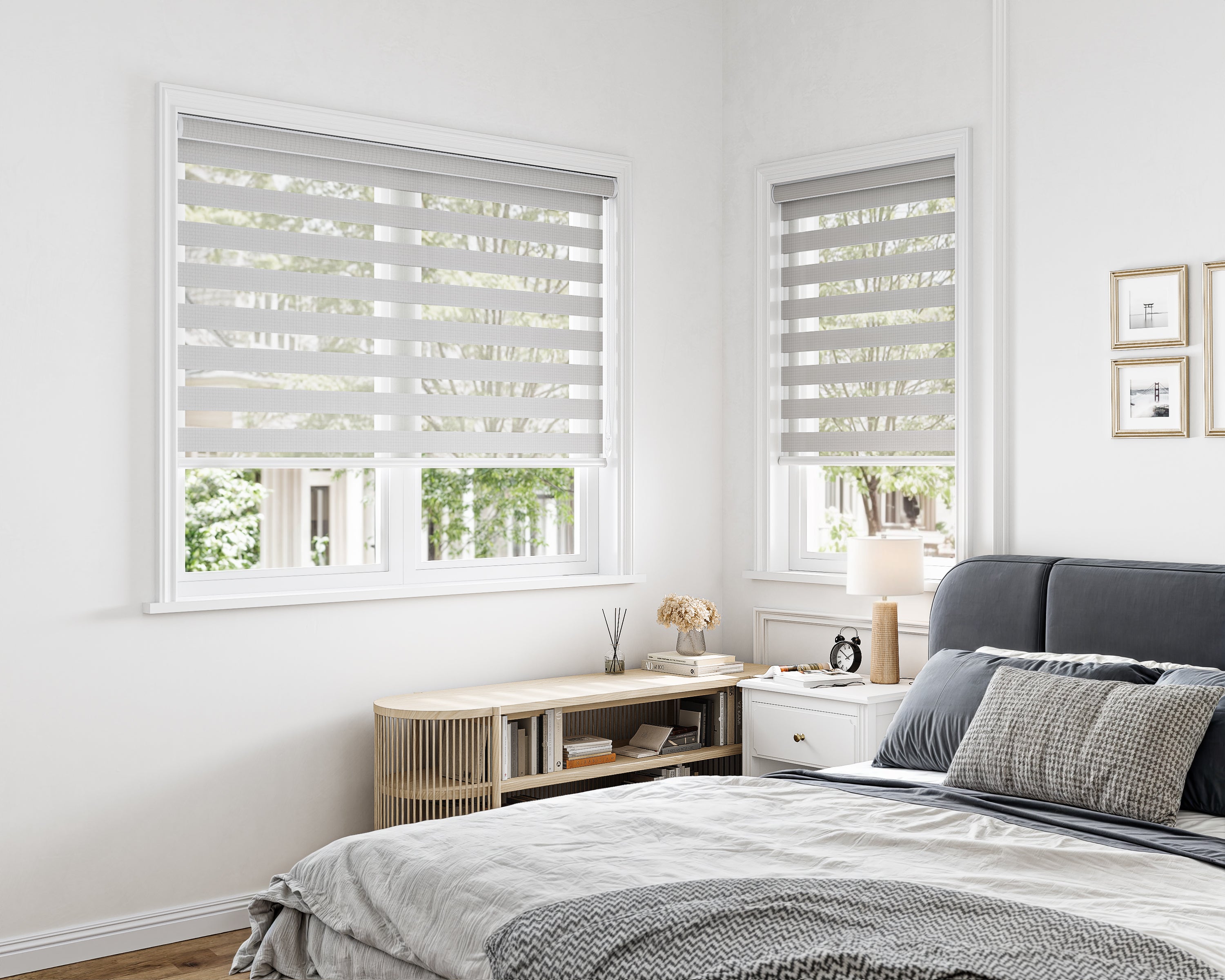
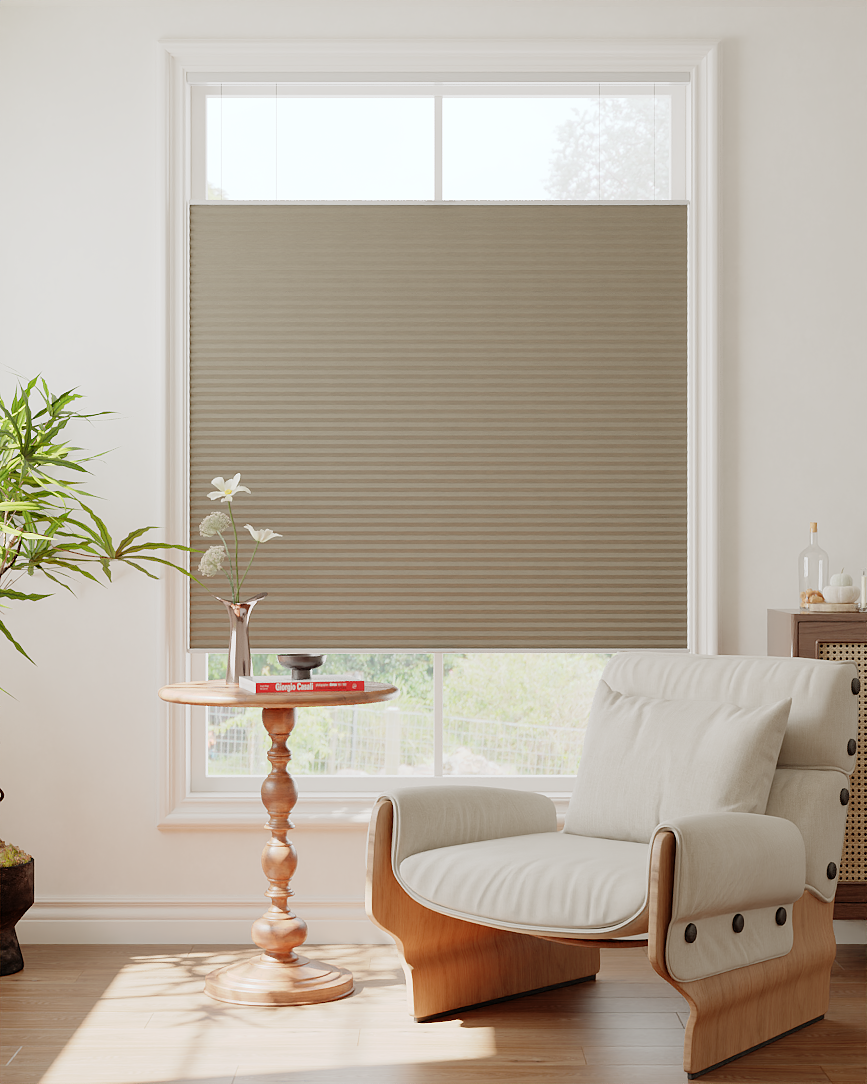
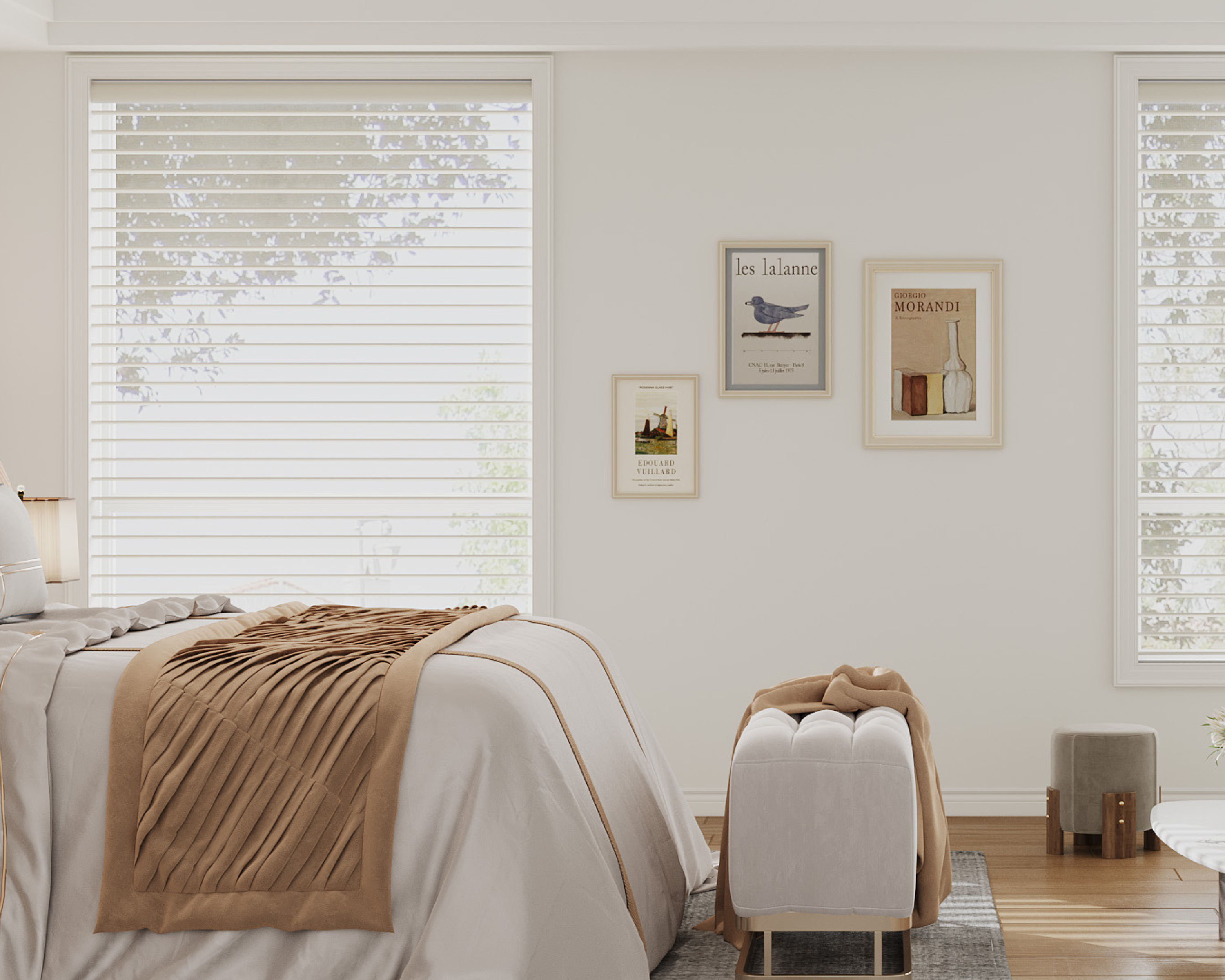
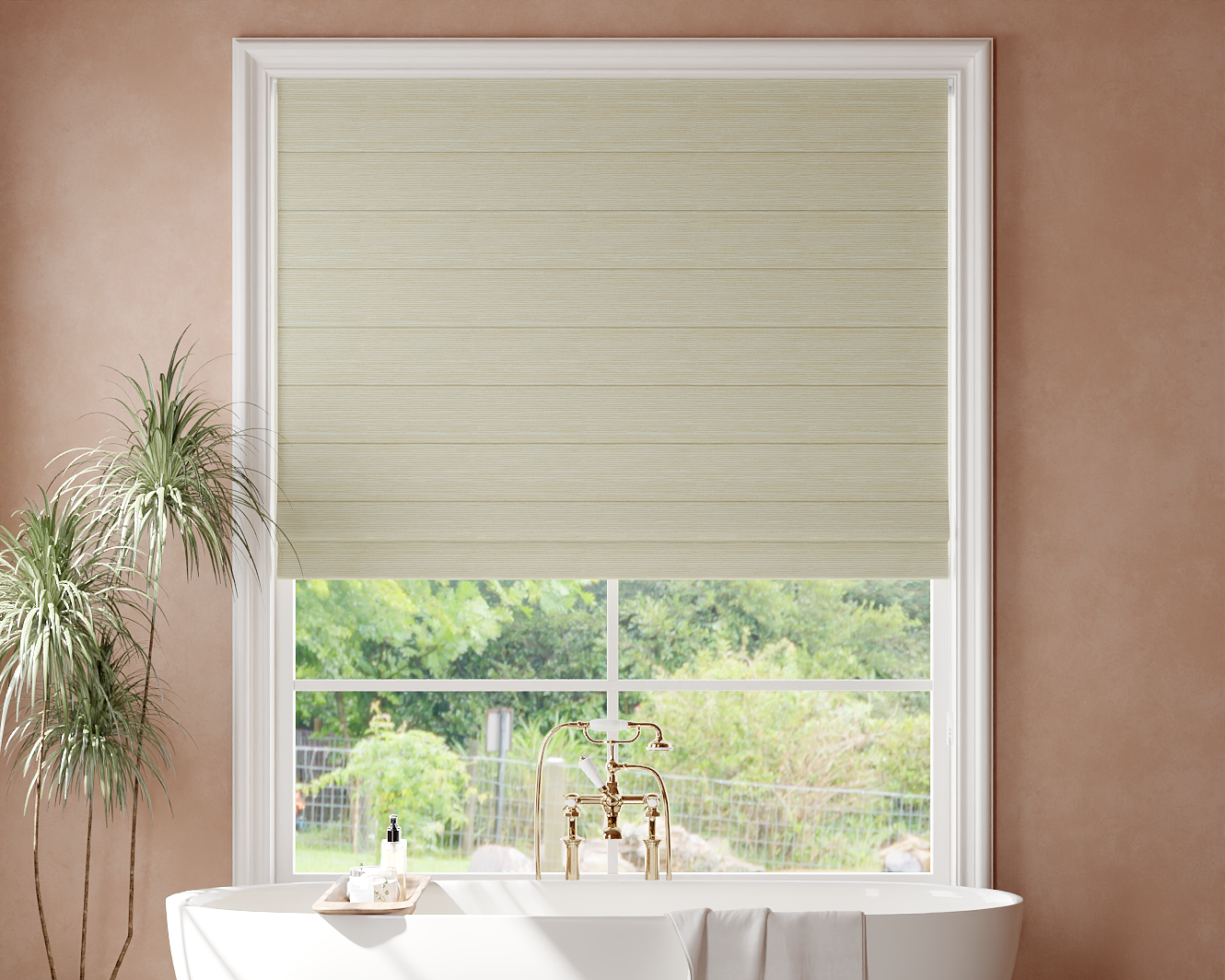
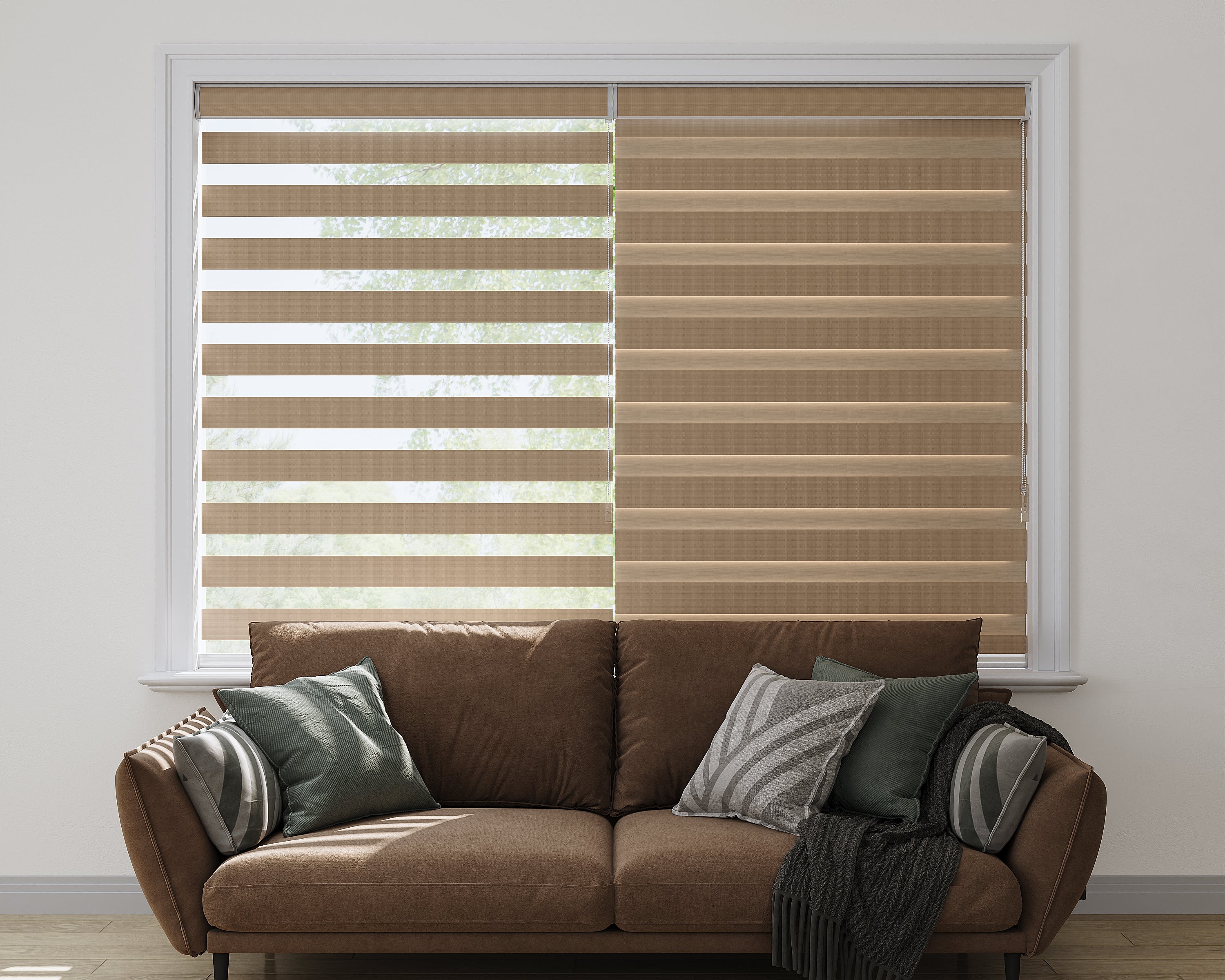
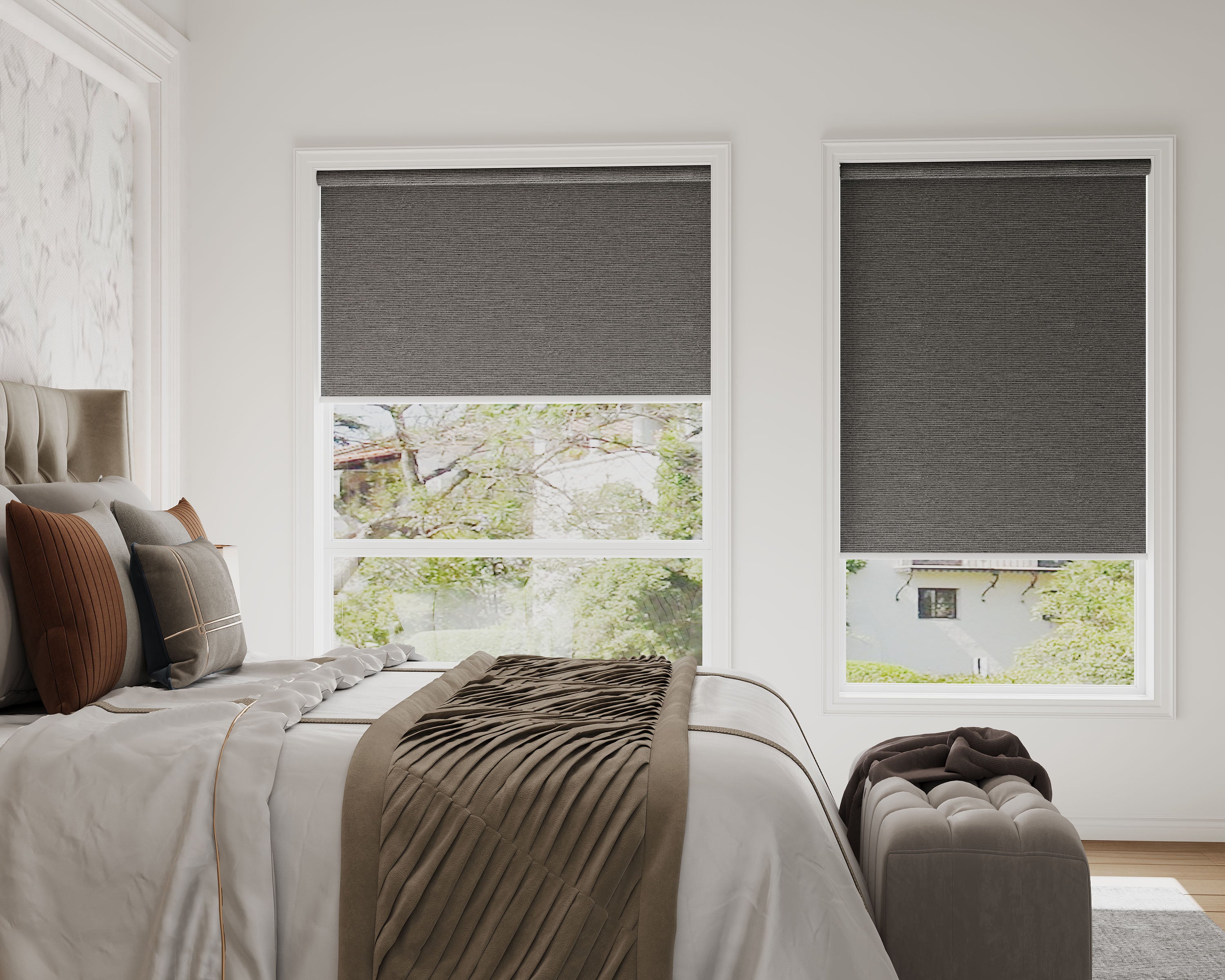
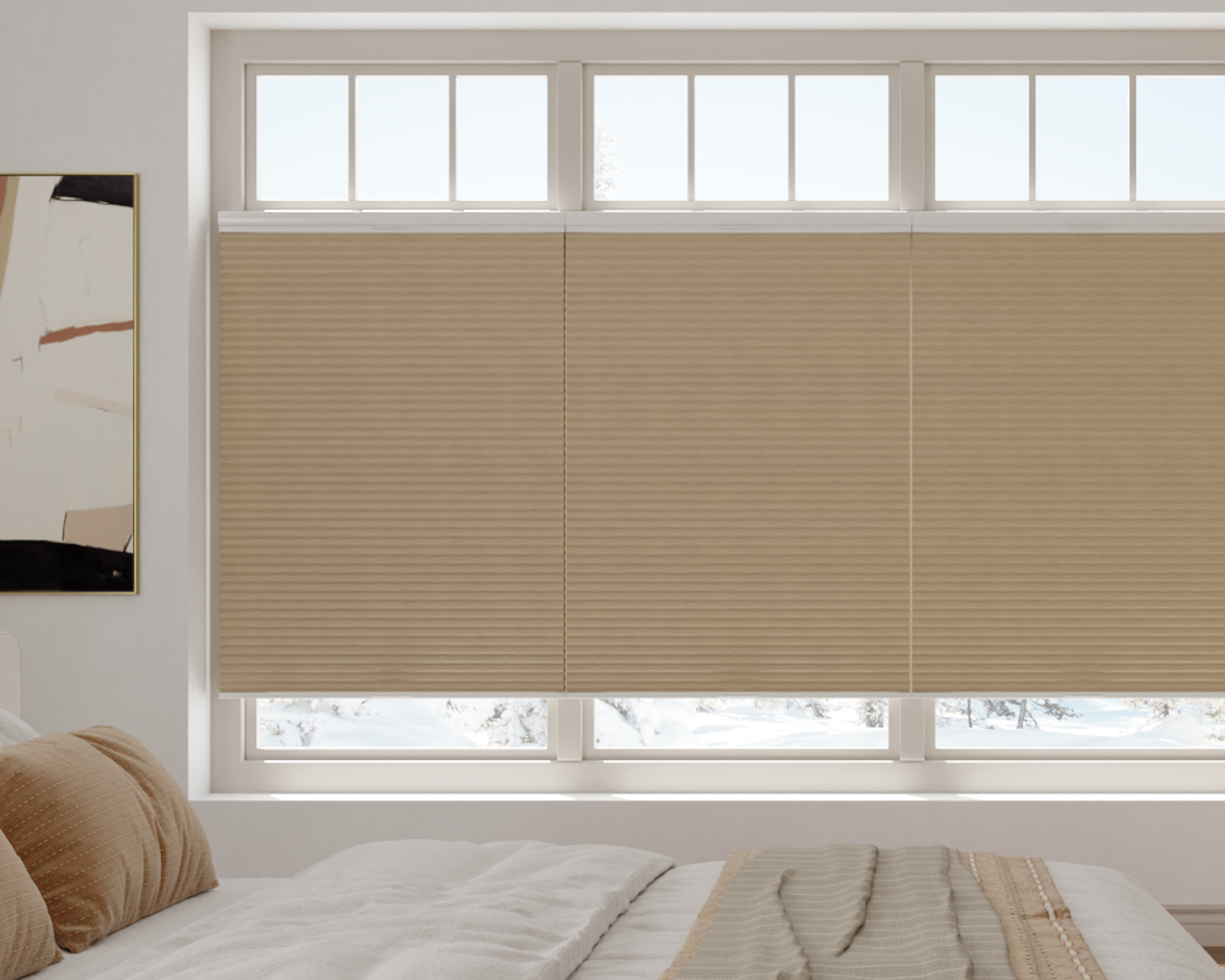
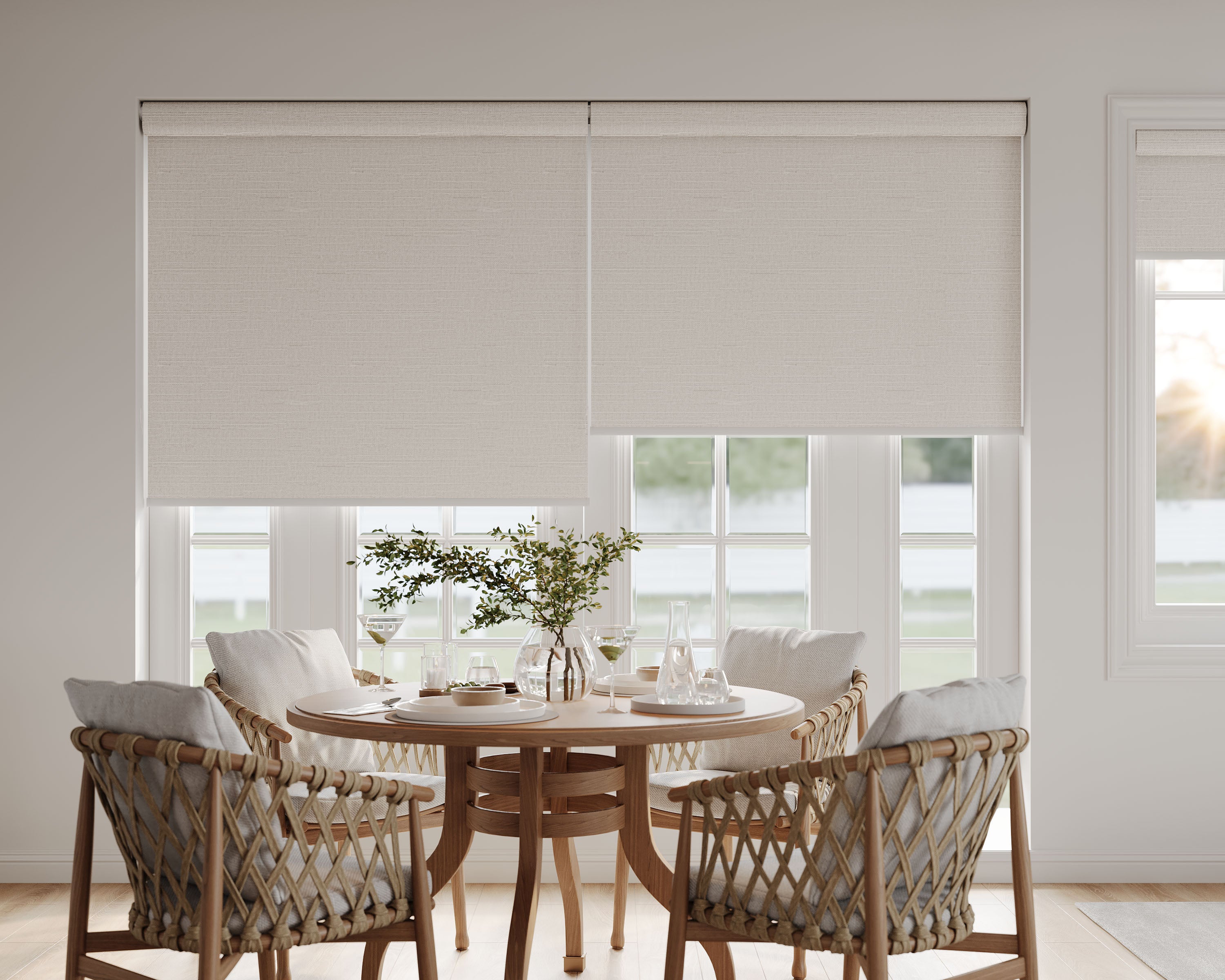


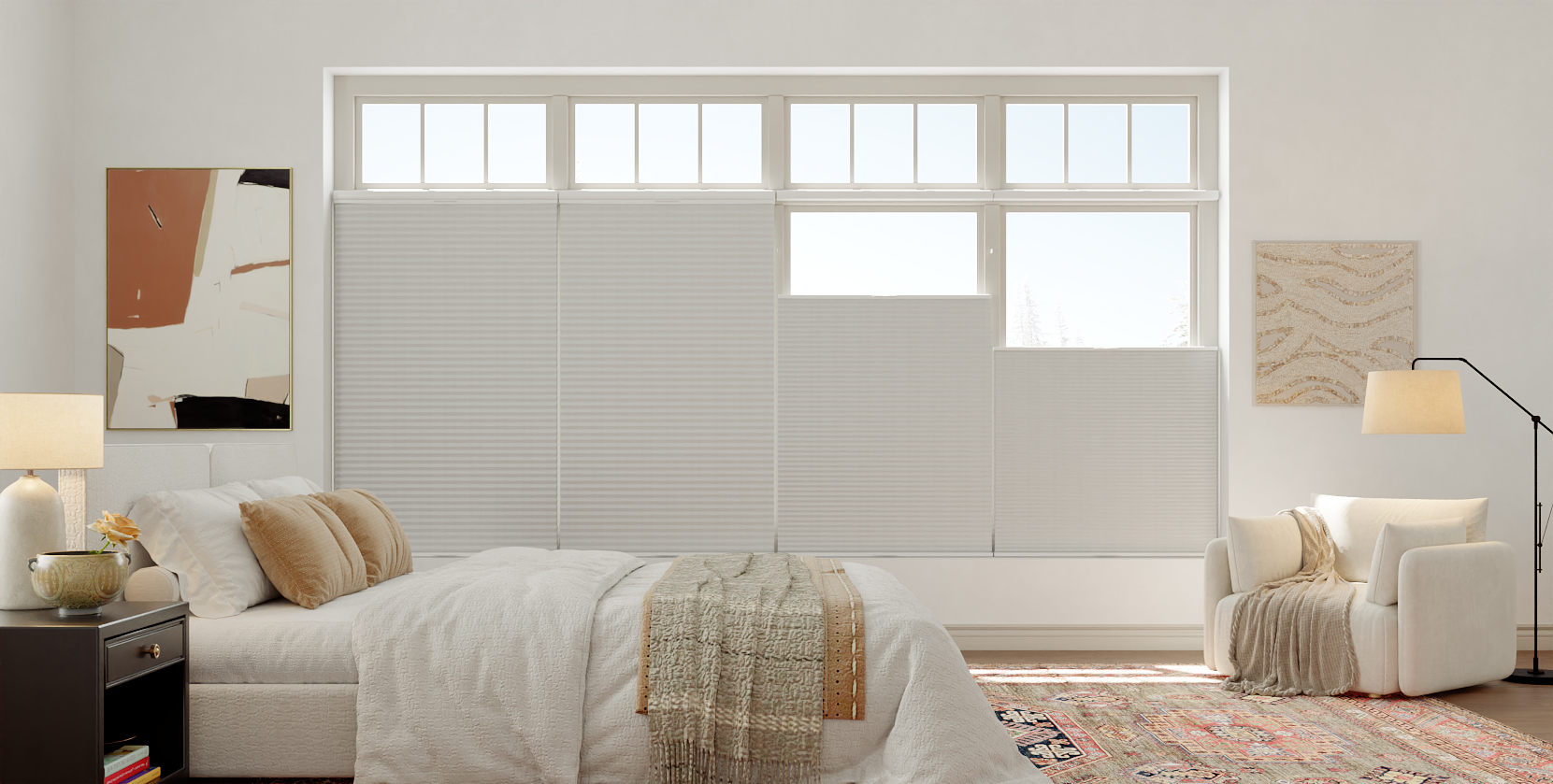


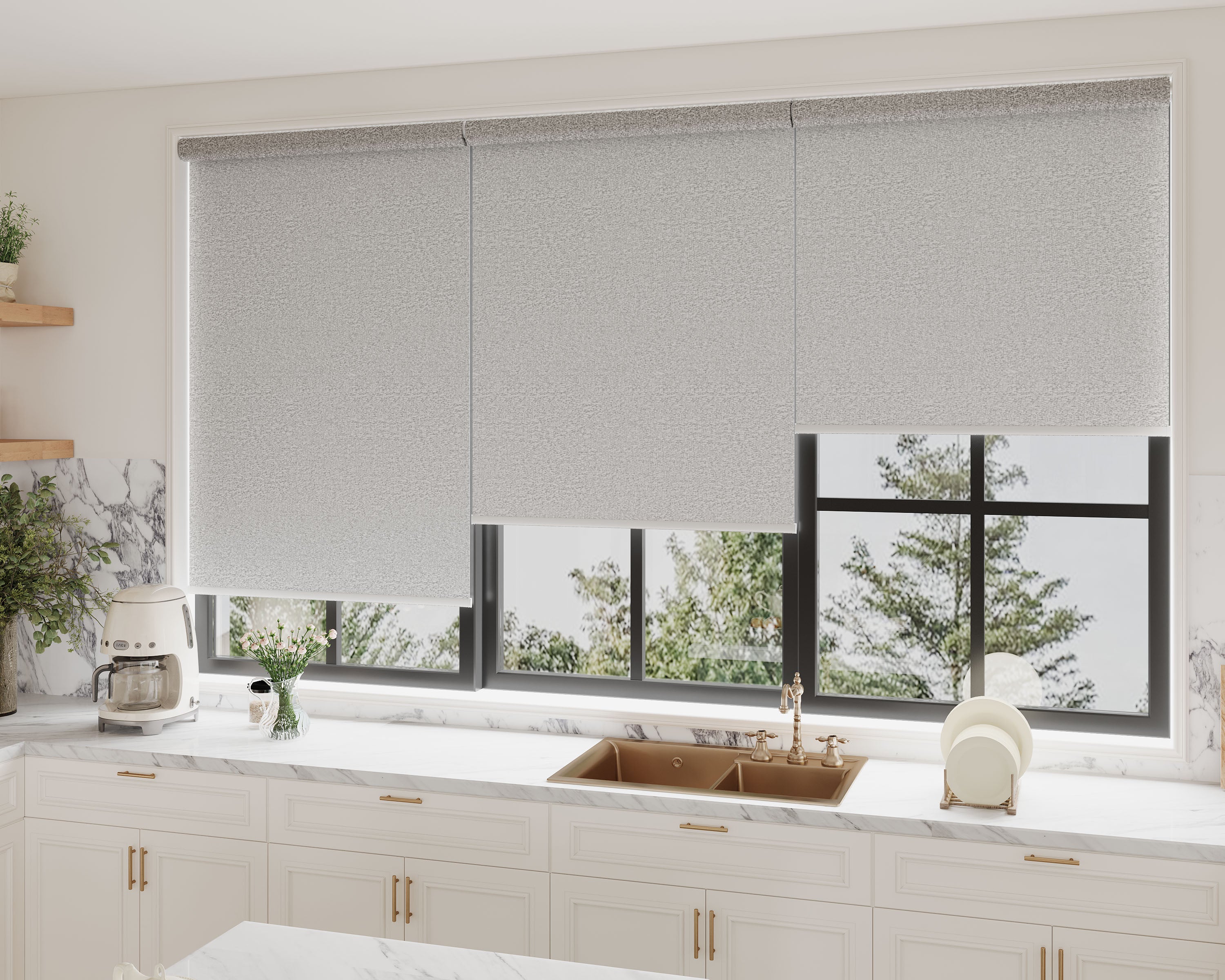

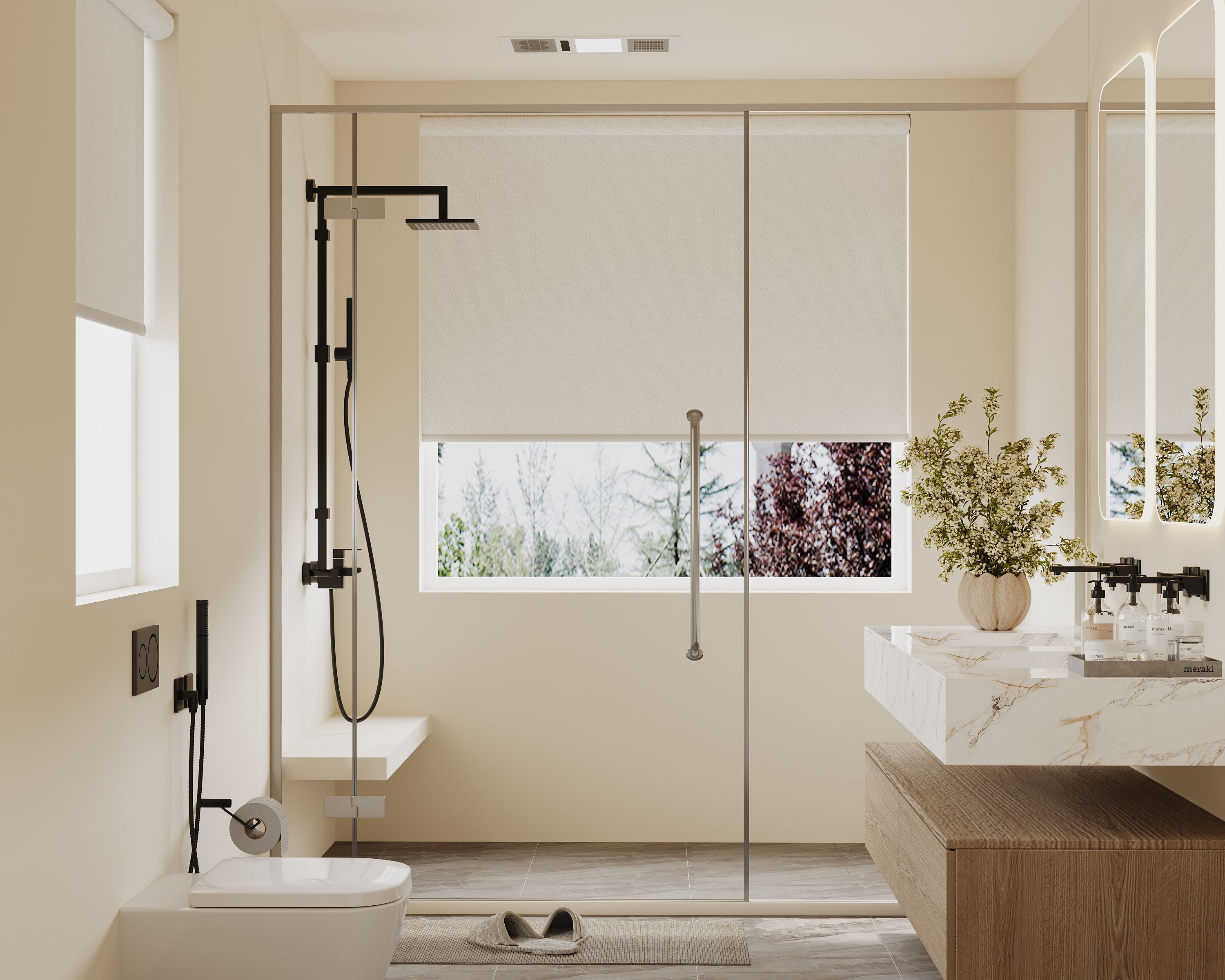


When directly compared for energy efficiency, cellular (honeycomb) shades are the definitive winner due to their insulating honeycomb structure, while roller shades primarily act as a simple thermal barrier. The key difference is that cellular shades trap insulating air to slow heat transfer, whereas roller shades block and reflect heat without providing meaningful insulation. For homeowners where reducing heating and cooling costs is a top priority, investing in energy-efficient cellular honeycomb shades is the most impactful choice.
This isn't just about picking a product; it's about choosing a thermal strategy for your windows. This guide will provide a clear, technical comparison to inform your decision.
-
A breakdown of the fundamental physics that make cellular shades superior insulators.
-
A detailed head-to-head comparison table evaluating efficiency, comfort, and other key factors.
-
A practical application guide to help you match the right shade type to specific windows and rooms in your home.
-
Actionable tips to maximize the efficiency of whichever shade you choose.
The Core Difference: Insulation vs. Barrier
To understand the performance gap, think of how different materials keep you warm outdoors.
-
Cellular Shades = A Puffer Jacket: Their fabric is folded into hexagonal cells that trap layers of still air. Still air is one of nature's best insulators. This structure creates a persistent thermal buffer at your window, slowing down the conduction of heat whether you're trying to keep it in (winter) or out (summer). For a complete look at this ingenious design, see our guide on how cellular honeycomb shades are engineered to work.
-
Roller Shades = A Raincoat: A roller shade is a single, flat layer of fabric. When closed, it acts as a barrier. It can block radiant heat from the sun (if using a reflective solar fabric) and create a small pocket of still air, but it lacks dedicated insulating cells. Its primary modes of action are reflection and creating a simple air gap, not providing significant conductive insulation.
Head-to-Head Comparison: Cellular vs. Roller Shades
This table contrasts the two types across the critical dimensions of energy performance and related factors.
| Feature | Cellular (Honeycomb) Shades | Roller Shades | Winner & Why |
|---|---|---|---|
| Primary Efficiency Method | Conductive Insulation (trapping still air). | Radiation Blocking / Air Barrier (reflection & simple gap). | Cellular. Insulation addresses both conductive and radiant heat transfer more comprehensively. |
| Typical R-Value | R-3 to R-5+ (for double-cell). A measurable insulating value. | R-1 to R-2. Minimal intrinsic insulation value. | Cellular. Provides 2-5x more resistance to heat flow. |
| Summer Heat Gain | Reduces conductive gain through insulation; light colors reflect some radiation. | Solar/Screen Fabrics Excel. Specialized open-weave fabrics reject a high percentage of solar radiation while preserving views. | Contextual. For pure solar rejection with a view, specialized solar roller shades can outperform. For overall thermal comfort, cellular is better. |
| Winter Heat Loss | Excellent. The air pockets dramatically slow heat escape through cold glass. | Fair. Creates a basic air barrier but offers little insulation against conduction. | Cellular. This is where its structural advantage is most pronounced. |
| Draft Reduction | Excellent. The fabric's depth and potential for a tight fit significantly reduce cold air convection near the window. | Moderate. Can reduce drafts but is less effective at stopping convective currents. | Cellular. |
| Light & View Control | Excellent light diffusion; view is obscured when closed. | Wide range: Sheer (view), Solar (filtered view), Blackout (no view). | Roller. Offers more flexibility in preserving outward visibility while managing light. |
| Best For Energy Savings | Cold climates, drafty windows, rooms where comfort is a priority year-round. | Hot, sunny climates (with solar fabric), windows where view preservation is key, or as part of a layered solution. | Cellular for most whole-home applications. |
Application Guide: Choosing the Right Tool for the Job
The "best" shade depends on your specific goal for each window. Use this guide to match the product to the problem.
| Your Primary Goal / Window Scenario | Recommended Shade Type | Reasoning |
|---|---|---|
| Maximize Year-Round Insulation & Comfort in a living room or bedroom. | Cellular Shades (Double-Cell). | They provide the highest thermal comfort by combating both winter chill and summer heat at the point of conduction. The potential energy bill savings from cellular shades are greatest here. |
| Block Intense Afternoon Glare & Heat on a west-facing home office window. | Solar Roller Shades (with a low Openness Factor). | A specialized solar fabric is engineered to reject infrared radiation (heat) while allowing you to see out, solving the glare problem without darkening the room. |
| Create a Dark Sleeping Environment in a bedroom. | Blackout Roller Shades or Blackout Cellular Shades. | Both achieve darkness. Choose cellular if you also want the insulation benefit; choose roller if simplicity and cost are bigger factors. |
| Soft Light & Privacy in a north-facing room with little solar heat gain. | Light-Filtering Roller Shades or Sheer Shades. | Insulation is less critical here. The priority is aesthetics and privacy, where the simplicity and wide fabric choice of roller shades shines. |
| Modern, Minimalist Look with some thermal benefit. | Cellular Shades. | Their clean, fabric-forward look is inherently minimalist, and you gain the insulation as a valuable bonus. |
Maximizing Efficiency: Tips for Both Shade Types
No matter which you choose, you can optimize its performance with smart habits.
For Cellular Shades:
-
Leverage the Insulation: For maximum effect, keep them closed during temperature extremes—at night in winter, and during the day on hot, sunny summer afternoons.
-
Seal the Sides: Opt for an inside mount with a snug fit, or select shades with side-track systems to eliminate edge gaps where air can flow, turning your window into a true insulated panel.
-
Choose Double Cell: For a moderate increase in cost, double-cell shades provide significantly more insulation than single-cell.
For Roller Shades:
-
Choose the Right Fabric: For summer efficiency, select a light-colored, reflective solar fabric with a low Openness Factor (1-5%). For a basic understanding of heat management with simpler fabrics, our analysis of whether sheer shades block heat provides useful context.
-
Automate for the Sun: Use smart scheduling to ensure south and west-facing solar shades are automatically lowered during peak sunshine hours. This is their most powerful efficiency mode. Explore strategies for automating shades based on the sun's path.
-
Layer for Winter: Pair a solar or sheer roller shade with insulating drapes for the evening. This combines the roller's daytime function (view/sun control) with the drape's nighttime insulation.
Conclusion and Key Highlights
The energy efficiency battle between cellular and roller shades is won by structure. Cellular shades are engineered to be insulators first, while roller shades are engineered to be barriers and light managers first.
Key Highlights:
-
Cellular shades are the undisputed winner for pure insulation and year-round thermal comfort, thanks to their air-trapping honeycomb structure that provides a measurable R-value.
-
Specialized solar roller shades can be exceptionally effective at rejecting solar heat gain in summer while preserving views, a specific task at which they can outperform standard cellular shades.
-
Your climate and specific window goals should guide the choice. Use cellular shades to combat cold and overall heat transfer; use solar roller shades to target intense sun and glare.
-
Smart operation is a force multiplier. Automating shades to respond to temperature and sun exposure unlocks the full efficiency potential of either type.
By understanding these fundamental differences, you can invest in the window treatment that best addresses your home's unique energy profile and comfort needs.
Explore Custom Roller Shades


Frequently Asked Questions (FAQ)
Is the higher cost of cellular shades worth it for energy savings?
For homes in climates with significant heating or cooling costs, yes, the long-term value is often there. While the payback period may be several years, the immediate increase in comfort (eliminating cold drafts and hot spots near windows) is a substantial benefit that begins day one. Consider them an upgrade to your home's envelope that also enhances livability.
Can I use both types of shades in my home?
Absolutely, and this is often the most strategic approach. You might install cellular shades in bedrooms and main living areas for comfort and insulation, and use solar roller shades in a sun-drenched home office or great room where glare control and view are priorities. This hybrid approach tailors the solution to each room's needs.
Do cellular shades also help with noise?
Yes, their multi-layer fabric structure provides noticeable sound dampening. While not soundproof, the honeycomb cells absorb and break up sound waves, reducing the transmission of outside noise into the room more effectively than a single layer of roller shade fabric.
Are blackout roller shades good for insulation?
Blackout roller shades are excellent for blocking light but only fair for insulation. The blackout coating (often a layer of acrylic or foam) adds some mass and reduces radiant heat transfer, but they still lack the trapped-air cells that give cellular shades their high R-value. They are better insulators than sheer roller shades, but not as good as cellular shades.
Which shade type is better for a rental property?
For a rental, roller shades are often the more practical choice. They are generally less expensive to purchase and install, and their simplicity makes them easy for tenants to operate and for landlords to replace if damaged. The energy savings benefit in a rental typically accrues to the tenant, not the owner, making the larger investment in cellular shades harder to justify from a purely financial perspective.
