
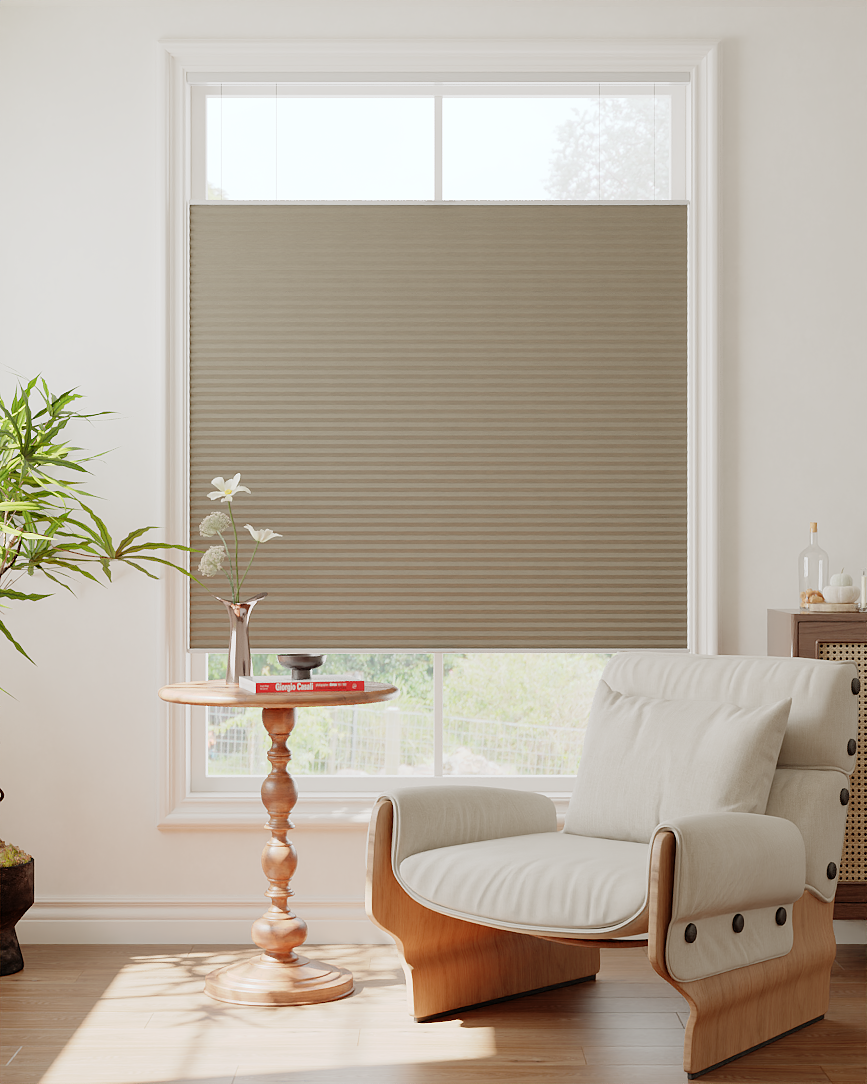
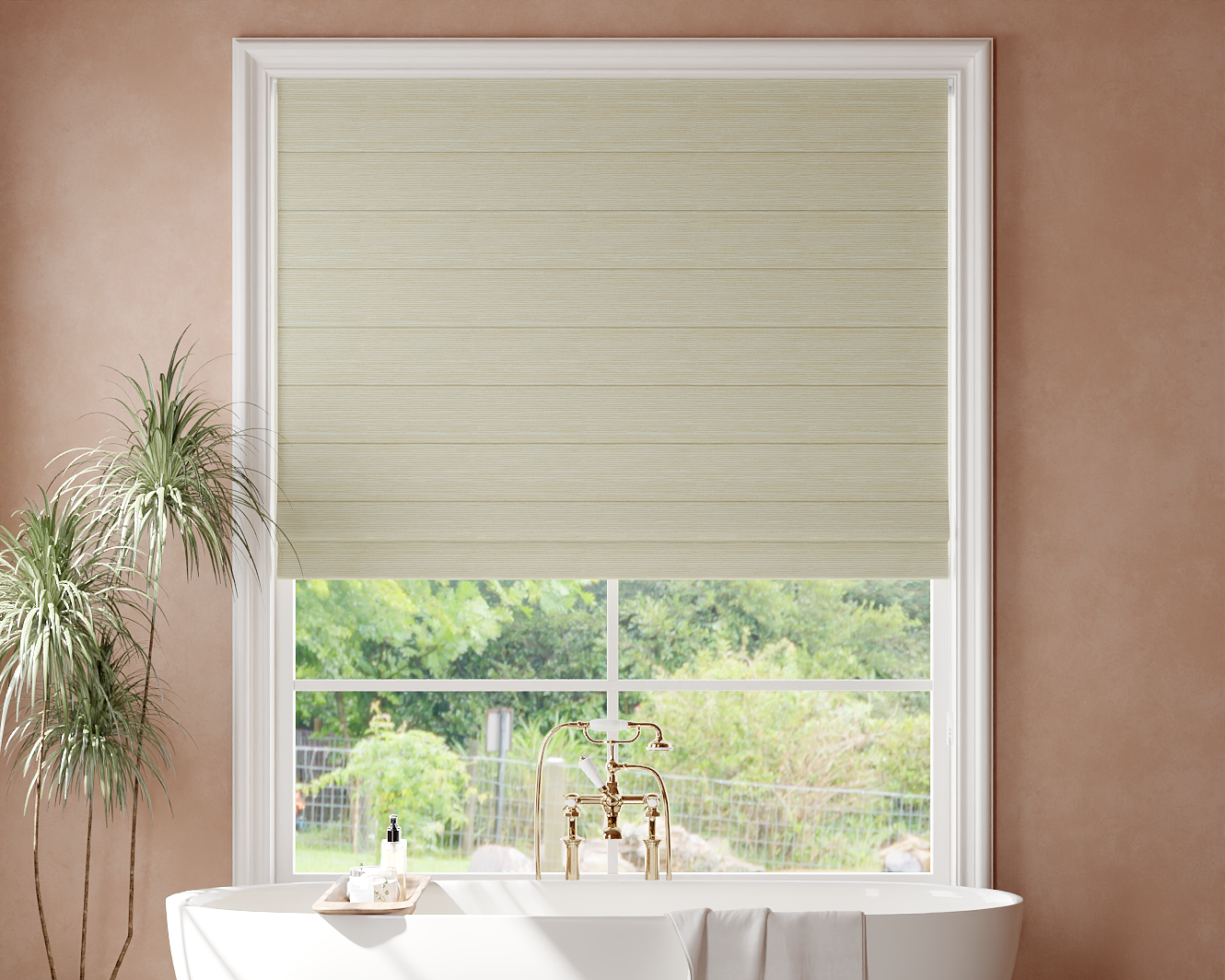
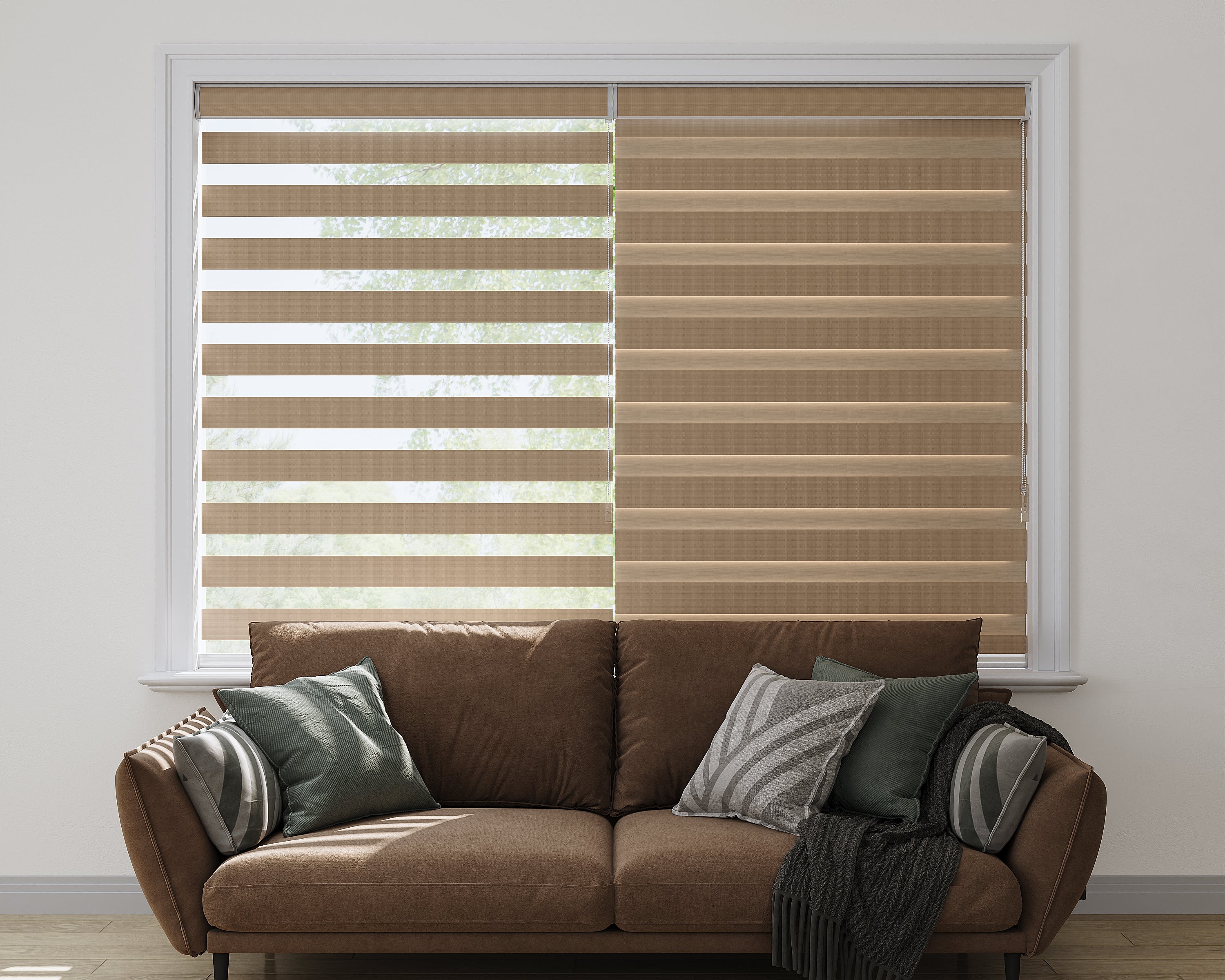
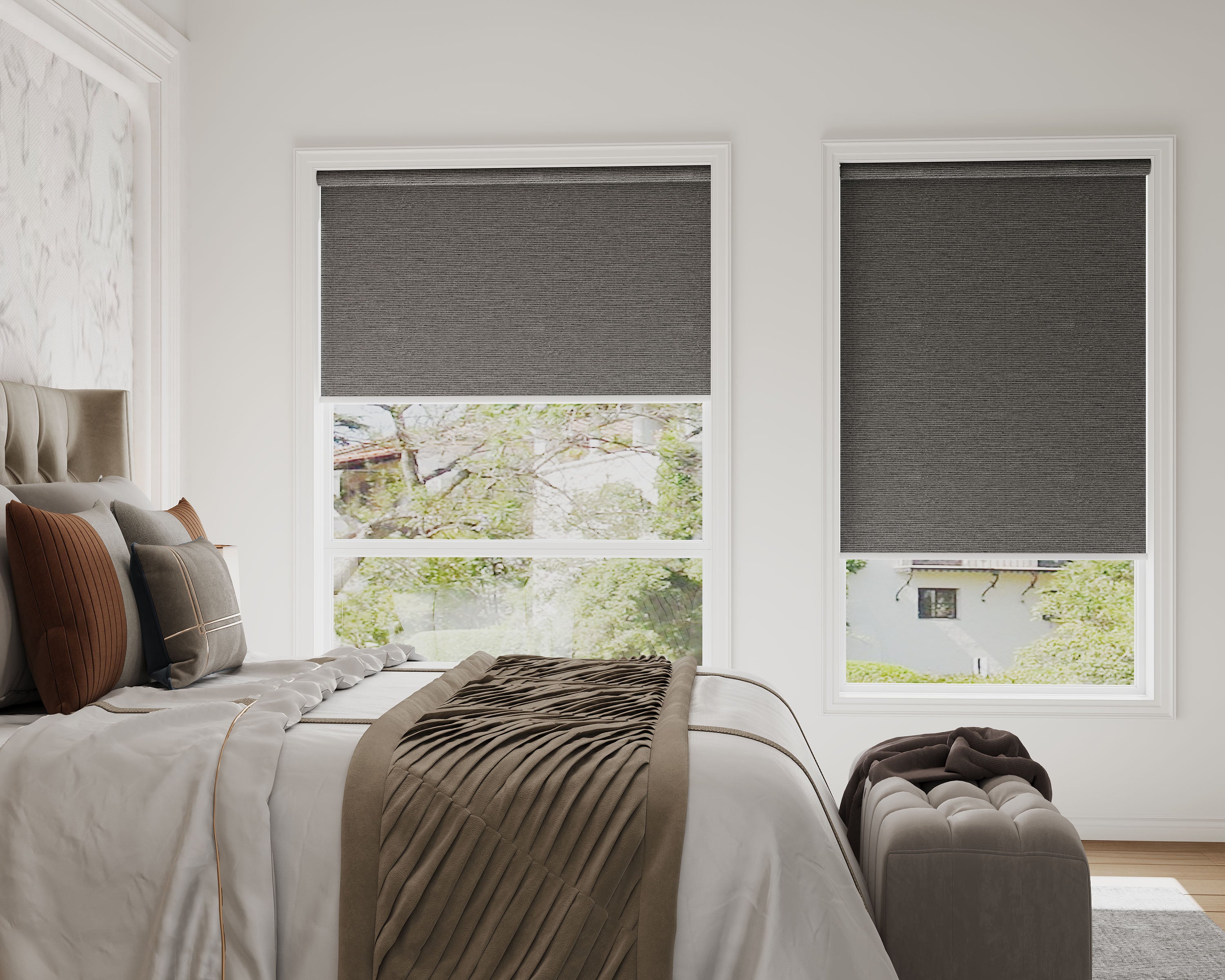
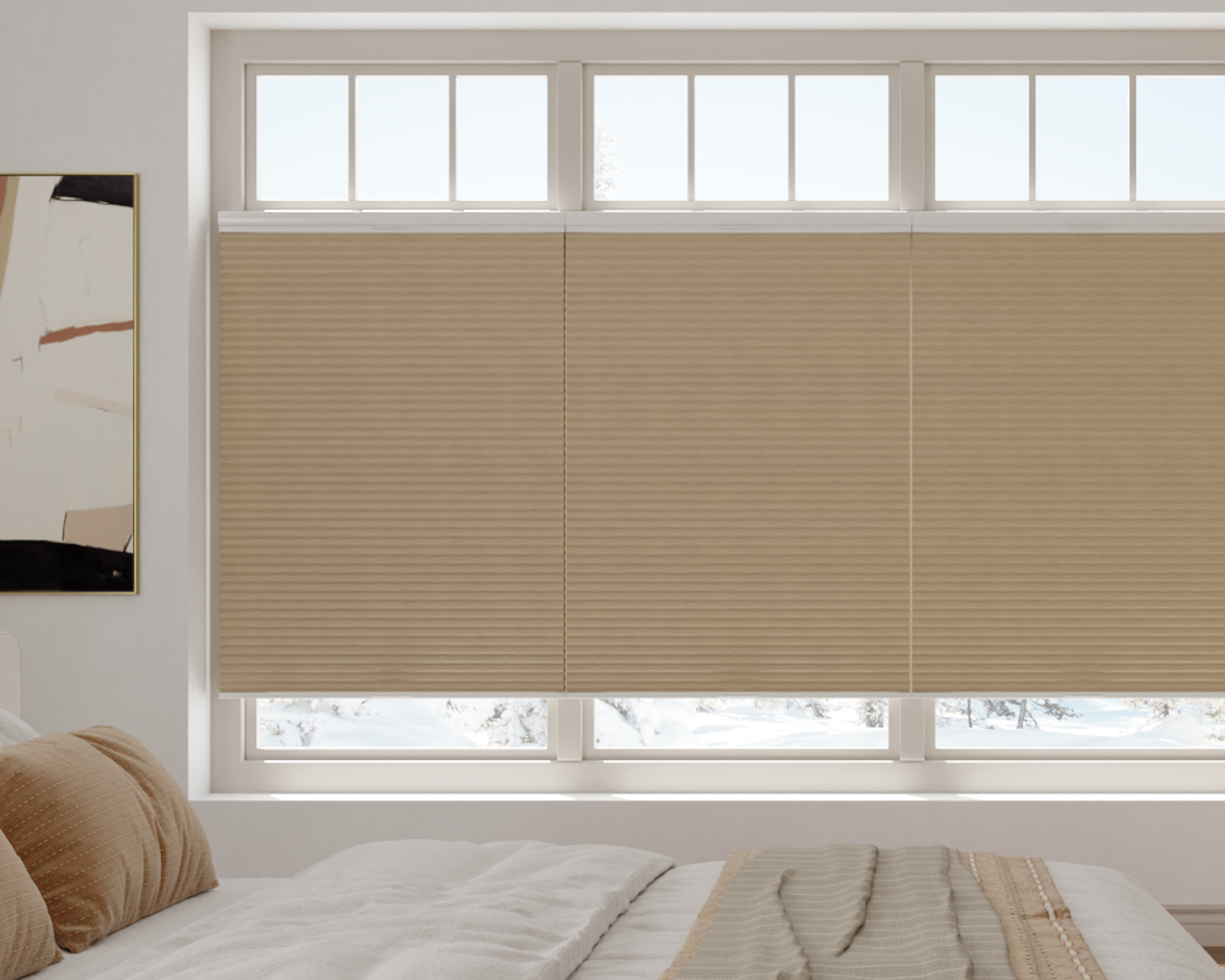


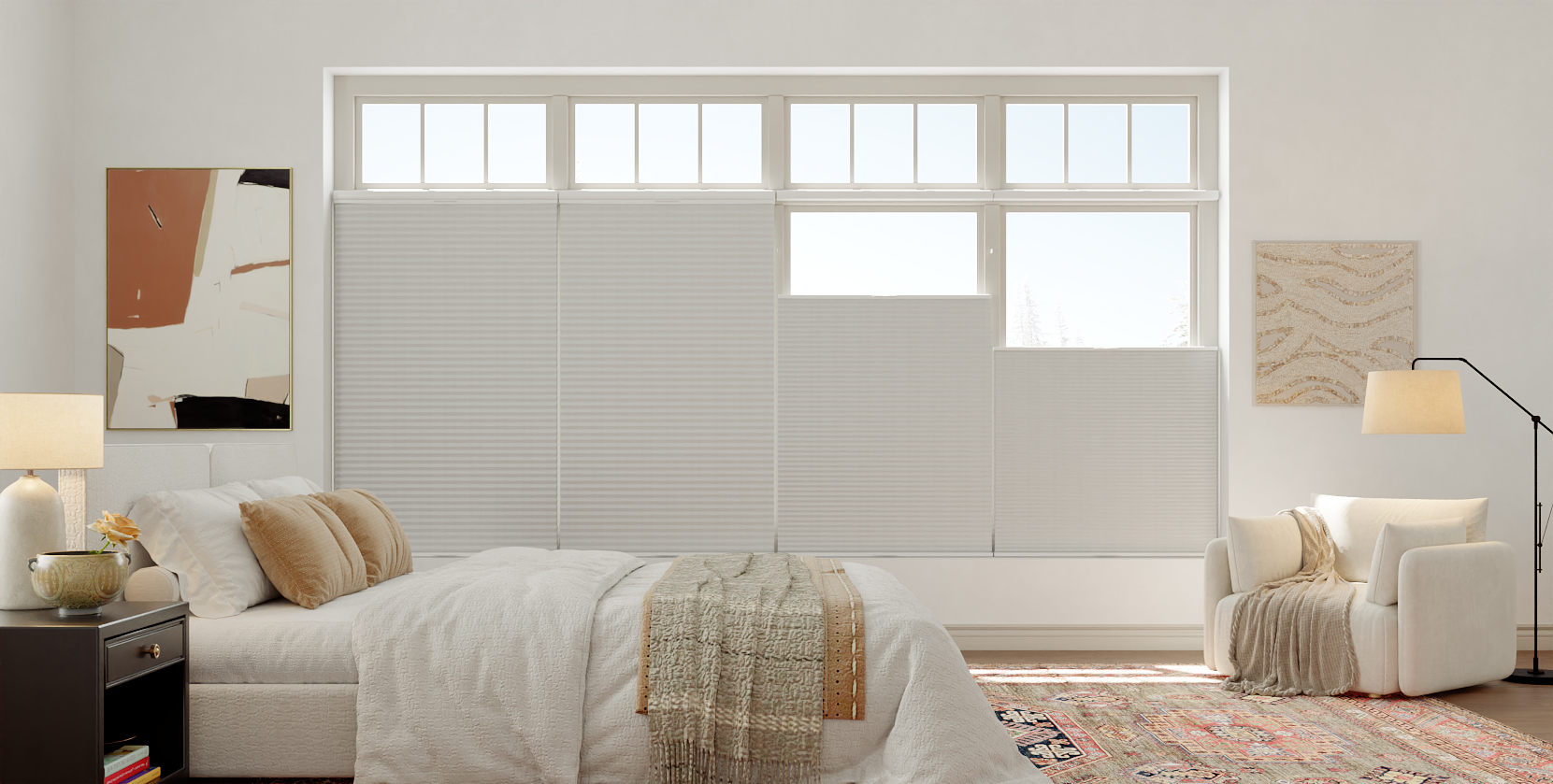





Yes, cellular shades can meaningfully reduce your energy bills, but the amount you save is not a fixed percentage—it's a variable that depends on your climate, window efficiency, and usage habits. Their unique honeycomb structure creates an insulating barrier of trapped air that slows heat transfer, which directly reduces the workload on your HVAC system. For homeowners focused on efficiency, selecting the right insulating cellular honeycomb shades is a strategic upgrade that pays back over time.
Understanding the real-world impact requires looking beyond marketing claims. This guide provides a detailed, realistic breakdown.
-
The science of seasonal savings: how cellular shades work differently in winter versus summer.
-
A clear Savings Potential Guide that estimates impact based on your home's characteristics.
-
Actionable strategies to maximize savings through smart operation and complementary measures.
-
A straightforward framework for calculating your personal payback period and return on investment.
The Science of Savings: How Cellular Shades Reduce HVAC Load
Cellular shades save money by improving the thermal performance of what is typically the weakest link in your home's envelope: the windows. They attack energy loss (and gain) through two primary physical mechanisms.
1. Conductive Insulation (The "Puffer Jacket" Effect):
The core function is to create a layer of still, trapped air parallel to the window glass. Still air is an excellent insulator. In winter, this layer slows the escape of your paid-for indoor heat through the cold glass. In summer, it slows the influx of outdoor heat. The deeper the cell (e.g., double-cell over single-cell), the more effective this barrier is. For a deeper dive into this principle, our explanation of how cellular honeycomb shades are engineered to work covers the foundational science.
2. Convective Air Sealing (The "Draft Stopper" Effect):
When installed with a snug inside mount or with side channels, cellular shades physically restrict the movement of air between the cold window glass and your room. They prevent the "cold waterfall" effect where chilled air sinks from the window, creating drafts that force your heater to work harder. This sealing effect is a significant, often overlooked contributor to comfort and savings.
Seasonal Savings Breakdown: Winter vs. Summer Impact
The savings story changes with the seasons, and understanding this helps set realistic expectations.
| Season | Primary Energy Threat | How Cellular Shades Help | Typical Impact |
|---|---|---|---|
| Winter | Conductive Heat Loss through glass and infiltration drafts. | The insulating air pocket reduces heat escape. The shade acts as a physical draft barrier. | Most impactful in cold climates. Savings are highest when there's a big temperature difference between inside and outside. |
| Summer | Solar Heat Gain (infrared radiation) and conductive heat gain from hot outside air. | Light-colored fabrics reflect solar radiation. The insulation slows conductive gain. Closing them during peak sun is key. | Most impactful in hot, sunny climates. Strategic use during the day is critical for AC savings. |
Your Savings Potential Guide: What Determines Your ROI?
Your actual savings are influenced by several key factors. Use this guide to gauge your home's potential.
| Factor | High Savings Potential | Lower Savings Potential | Why It Matters |
|---|---|---|---|
| Climate | Extreme cold winters or very hot, sunny summers. | Mild, temperate climates with minimal HVAC use. | The greater the temperature differential, the harder your HVAC works and the more the shades can help. |
| Window Type & Age | Old, single-pane windows or drafty aluminum frames. | New, double or triple-pane, low-E, gas-filled windows. | Efficient windows already minimize loss, so adding shades provides a smaller relative boost. |
| Window Direction | Winter: North-facing (constant cold). Summer: South/West-facing (intense sun). | Winter: South-facing (solar gain helps). Summer: North-facing (little direct sun). | Shade strategy must target the windows causing the biggest thermal problems. |
| Shade Operation | Consistently closed during extreme temperatures/peak sun. | Shades left open during the day in summer or night in winter. | Savings are only realized when the shades are deployed as a thermal barrier. |
| Complementary Habits | Using ceiling fans, proper HVAC maintenance, sealing other drafts. | HVAC system is inefficient; home is poorly sealed elsewhere. | Shades are one part of a holistic efficiency strategy. |
For a precise look at how different constructions affect performance, the thermal math behind single versus double-cell designs is essential reading.
Maximizing Your Savings: Strategic Operation & Best Practices
To get the most from your investment, use your shades as an active tool, not just a passive covering.
-
Winter Strategy: Close all cellular shades at night to trap heat. On sunny days, open south-facing shades to allow free passive solar heating, then close them before the sun sets to retain the captured warmth.
-
Summer Strategy: Close shades on sun-facing windows (south and west) during peak daylight hours (10 AM to 4 PM) to block solar heat gain. This is the single most effective action for reducing AC load. Consider automating this with motorization, as outlined in strategies for automating shades for energy savings.
-
Year-Round: Ensure a tight fit. An outside mount or inside mount with side channels provides the best air sealing. For a quick comparison of how they stack up, our analysis of cellular versus roller shades for insulation highlights the performance gap.
Calculating Your Payback Period: A Realistic Framework
While studies and manufacturers may cite savings from 10% to 25% on window-related heat loss, your personal payback period is a more useful metric.
A Simplified Calculation:
-
Estimate Annual HVAC Cost: Find your total annual heating and cooling bills (e.g., $1,200).
-
Estimate Window-Related Load: A common industry estimate is that 30% of a home's energy loss/gain is through windows. So, $1,200 x 0.30 = $360 is spent annually conditioning your home due to windows.
-
Estimate Shade Impact: High-quality, properly used double-cell shades in a climate-matched home might reduce that window-related load by 25-40%. Using 30% as a mid-point: $360 x 0.30 = $108 in potential annual savings.
-
Calculate Payback: If a set of custom cellular shades for key windows costs $1,000, your simple payback period is $1,000 / $108 ≈ 9.3 years.
This is a simplified model. For a more nuanced approach that includes factors like inflation and rising energy costs, our guide to calculating the ROI on insulating cellular shades offers a detailed methodology.
Conclusion and Key Highlights
Cellular shades are a proven, effective tool for improving home energy efficiency, but they are not a magic bullet. Their financial return is a long-term play that combines product quality with smart, habitual use.
Key Highlights:
-
Cellular shades save energy by creating an insulating air barrier and reducing drafts at the window, directly lowering HVAC runtime.
-
Savings are most significant in climates with extreme temperatures and for homes with older, inefficient windows.
-
Strategic operation is non-negotiable: Close them on summer days and winter nights to activate their thermal benefits.
-
The financial payback is typically measured in years, not months. Consider them a long-term investment in comfort and efficiency, with bill savings as a valuable ongoing benefit.
-
For maximum impact, integrate them into a broader efficiency plan that includes other sealing measures and smart thermostat use.
By setting realistic expectations and using them strategically, cellular shades can be a worthwhile investment that enhances your home's comfort while gradually paying for itself.
Explore Custom Cellular Shades


Frequently Asked Questions (FAQ)
What is the R-value of cellular shades?
R-value measures resistance to heat flow. Double-cell cellular shades typically have an R-value between R-3 and R-5, making them one of the most insulating window treatments available. For comparison, a single-pane window has an R-value of about R-1, and a double-pane window is around R-2 to R-3. The shades add a meaningful insulating layer on top of the glass.
Are cellular shades or curtains better for saving energy?
High-quality cellular shades are generally more effective for pure insulation. They provide a consistent, sealed air pocket. Heavy, floor-length thermal curtains can be very effective if they are tightly sealed to the wall at the top and sides, but they often have gaps that allow air exchange. Cellular shades offer a more predictable, gap-free performance.
Can I get a tax credit or rebate for energy-efficient cellular shades?
It depends on current year programs. Federal tax credits for window attachments are rare and often specific to qualifying storm windows or insulating panels. However, some local utility companies offer rebates for installing energy-efficient window treatments. Always check the Database of State Incentives for Renewables & Efficiency (DSIRE) and your utility provider's website for the most current 2026 incentives.
Do I need to cover all my windows to see savings?
No. You will see the most immediate benefit by strategically covering the windows that cause the biggest problems. Prioritize large, old, or drafty windows, and those that receive intense afternoon sun (west-facing) or constant cold exposure (north-facing). Covering these "problem windows" first gives you the best return on investment.
Besides saving money, what are other benefits?
The energy savings are just one part of the value proposition. Cellular shades also significantly increase comfort by reducing cold drafts and hot spots near windows. They provide excellent light diffusion (reducing glare), can dampen outside noise, and offer a clean, modern aesthetic. The comfort and livability benefits are often felt immediately, even as the energy savings accrue over time.
