
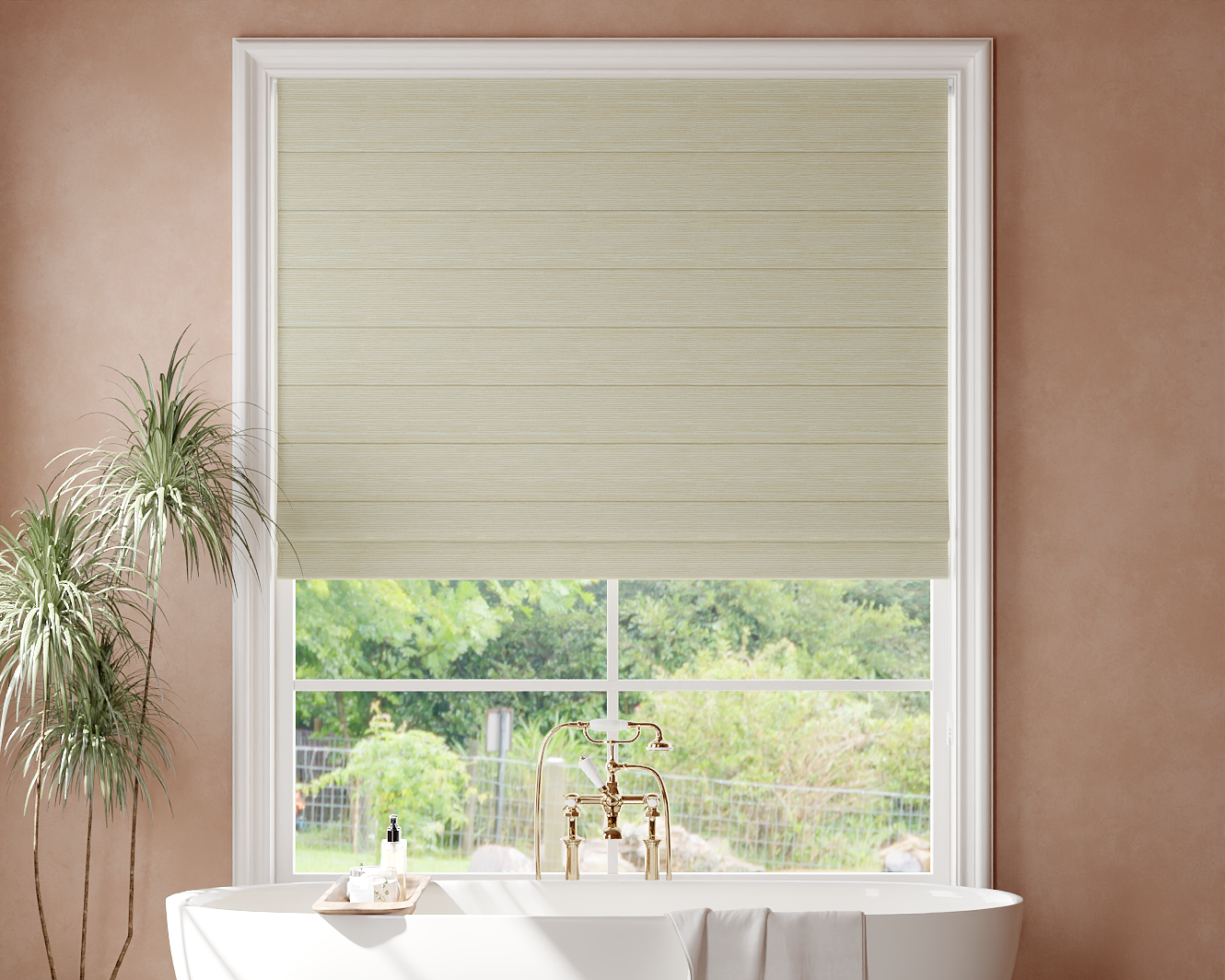
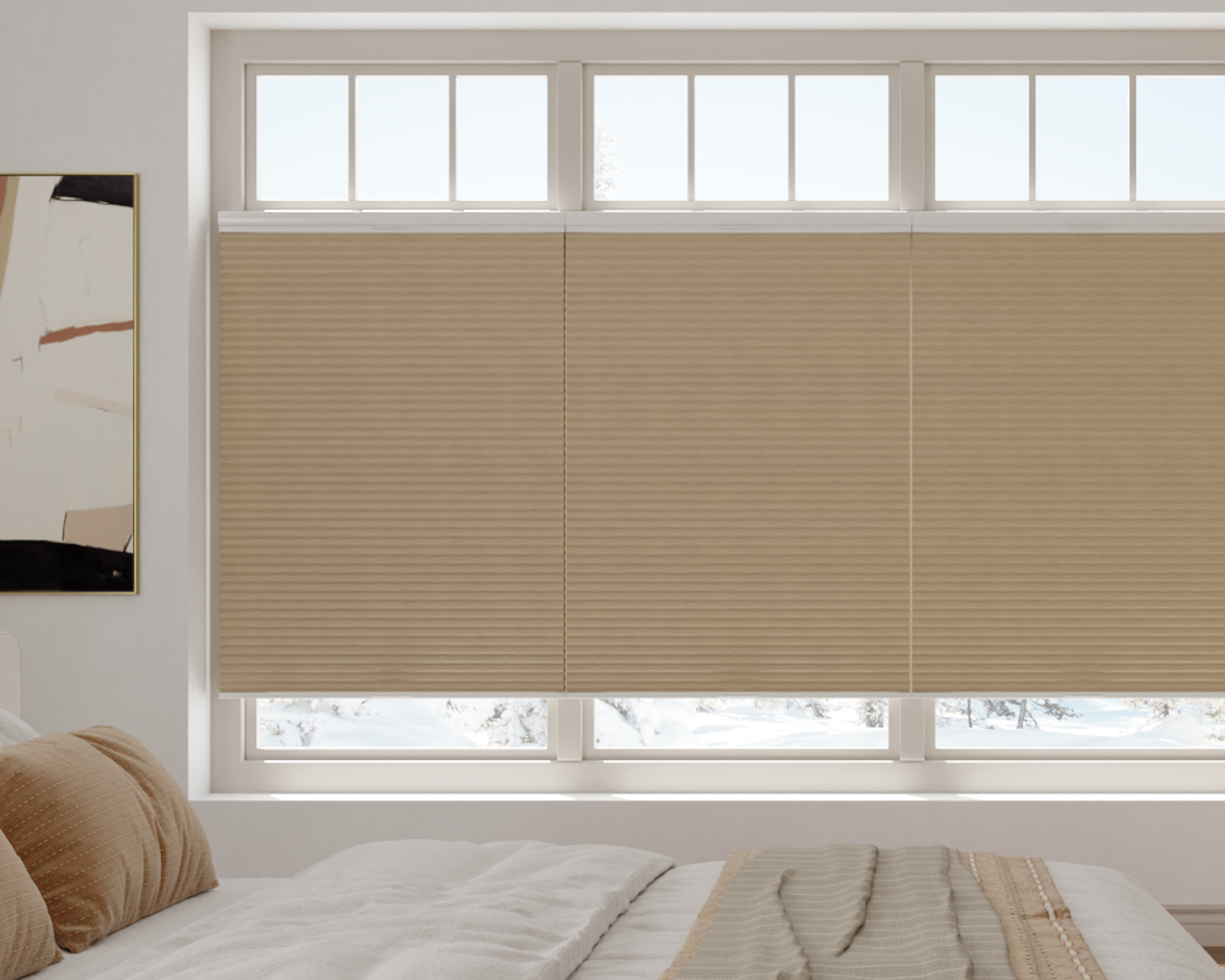







Cellular honeycomb shades are a uniquely engineered window treatment whose fabric is folded into a series of continuous hexagonal cells, creating a structure of insulating air pockets at the window. They work by trapping a layer of still air within these cells, forming a thermal barrier that slows the transfer of heat and cold through your glass, similar to the principle of double-pane windows or a puffy winter jacket. This functional design makes them a top performer for energy-efficient cellular honeycomb shades that manage both temperature and light.
If you're looking for a window treatment that combines clean aesthetics with serious performance, understanding this design is key. Here’s what you’ll learn:
-
The science behind the honeycomb structure and how it creates an insulating barrier.
-
A clear comparison of single, double, and triple-cell constructions and their performance differences.
-
How these shades operate and control light, from cordless lifting to top-down functionality.
-
The practical benefits this design delivers for comfort, energy savings, and noise reduction in your home.
The Core Innovation: It's All in the Cells
The defining feature is the fabric itself. Unlike flat roller shades or slatted blinds, the material is permanently folded and bonded to form vertical columns of hollow, hexagonal cells—hence the names "cellular" or "honeycomb."
When the shade is lowered, these cells expand vertically, creating a column of trapped, still air parallel to your window. Still air is an excellent insulator. This layer of air acts as a buffer, slowing down the movement of heat trying to escape in winter and the radiant heat trying to enter in summer. The wider the cell (and the more layers of cells), the thicker this insulating air barrier becomes.
Single, Double, & Triple Cell: Understanding the Layers
Cellular shades come in layered configurations, each offering a step up in performance and fabric density. For a focused analysis, our breakdown of single-cell versus double-cell thermal performance provides deeper detail.
| Cell Type | Construction | Insulation & Light Control Profile | Best For |
|---|---|---|---|
| Single Cell | A single layer of honeycomb cells. | Good basic insulation and light diffusion. Lighter, more translucent appearance. | Moderate climates, rooms where maximum light is desired, or budget-conscious projects. |
| Double Cell | Two layers of cells fused together, creating a deeper air pocket. | Superior insulation. Better sound dampening and more effective light blocking. The most popular balance of performance and value. | Most climates, especially areas with hot summers or cold winters. Ideal for bedrooms and living spaces. |
| Triple Cell | Three layers of cells, creating the thickest profile. | Maximum insulation and room darkening. Provides the highest R-value and most substantial feel. | Extreme climates, rooms requiring the utmost in energy efficiency or darkness, and for a premium, substantial look. |
How They Operate: Lift Systems and Light Control
The honeycomb design is compatible with various user-friendly operating systems.
-
Cordless Operation: The modern standard. A gentle push or pull on the bottom rail engages a smooth, internal clutch mechanism to raise or lower the shade. This offers a clean, safe look, free of dangling cords.
-
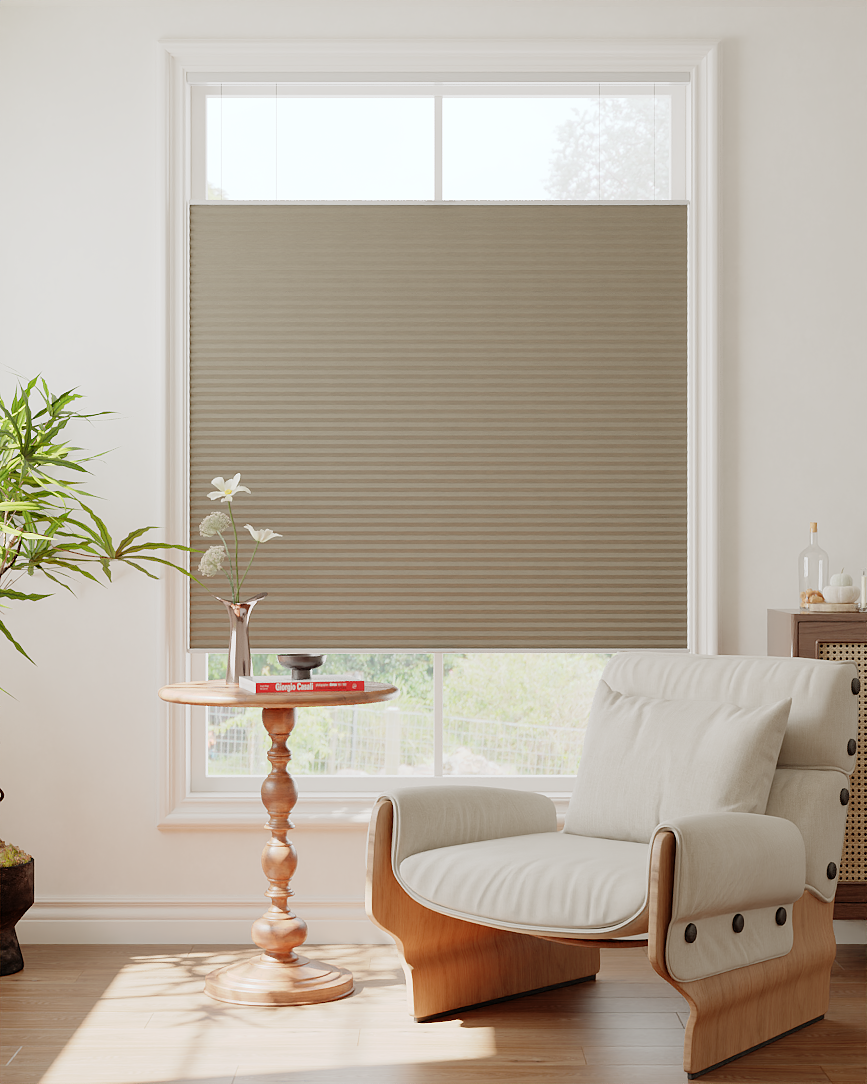
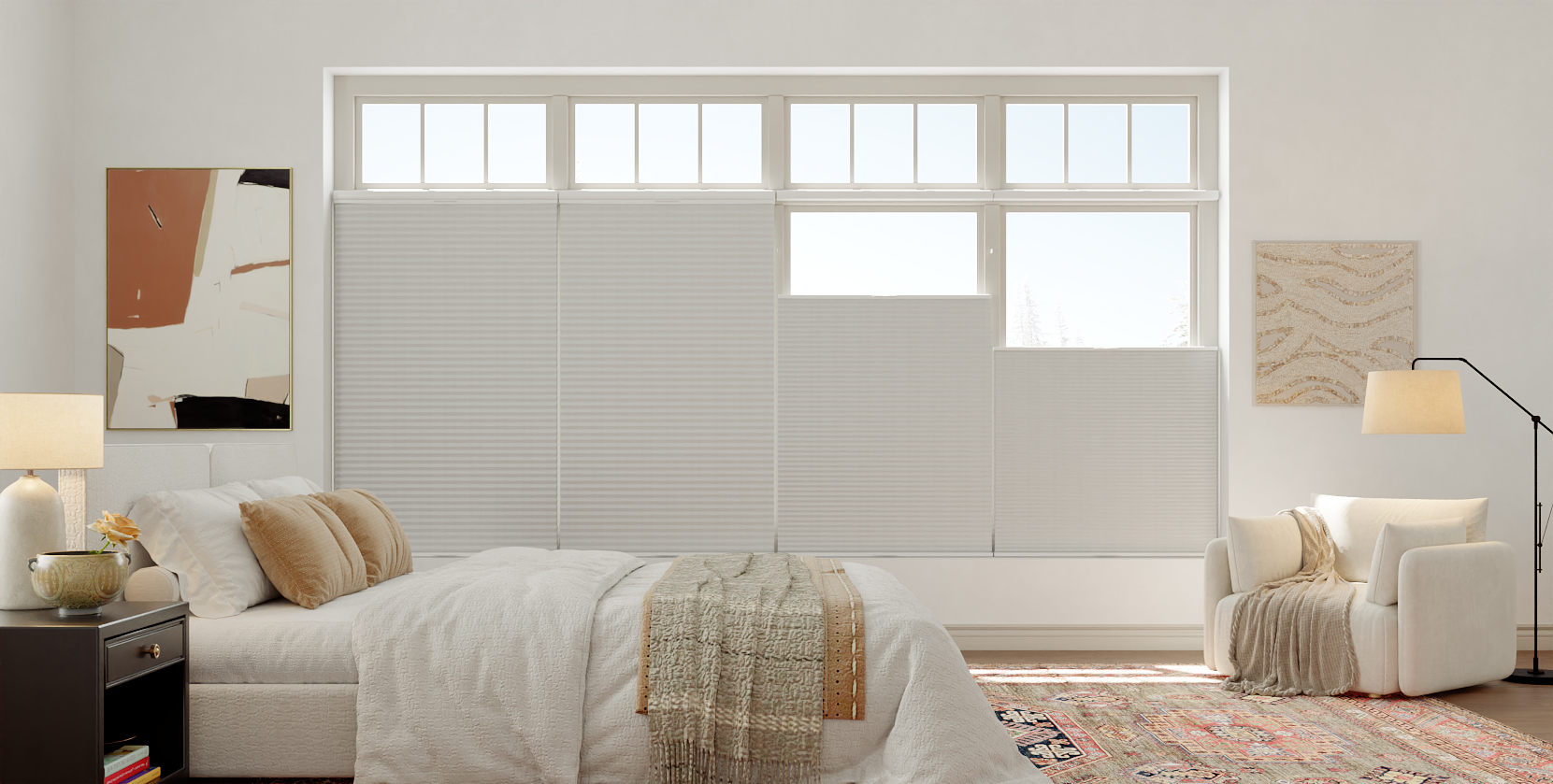
Top-Down/Bottom-Up: This versatile option uses two sets of controls, allowing you to lower the shade from the top or raise it from the bottom. This lets you cover the lower part of a window for privacy while still allowing light to enter from the top—a perfect solution for street-level rooms.
-
Motorized/Smart Operation: The honeycomb structure houses motors and batteries elegantly. Motorized cellular shades can be scheduled, voice-controlled, or integrated into smart home scenes for the ultimate in convenience and automated energy management.
Regardless of the lift system, light is controlled by the fabric's opacity. You can choose from various light-filtering and blackout options for cellular shades to achieve anything from a soft glow to total darkness.
The Tangible Benefits: More Than Just a Window Covering
The cellular design translates into several direct advantages for your home:
-
Energy Efficiency & Comfort: By reducing heat transfer, they keep rooms more comfortable year-round and can lower heating and cooling costs. The long-term energy savings and ROI of insulating cellular shades is a key consideration.
-
Light Diffusion & Glare Reduction: The textured fabric softly scatters incoming sunlight, eliminating harsh glare without plunging a room into darkness, protecting furnishings from UV rays.
-
Sound Dampening: The multi-layered fabric and air pockets can help absorb and reduce external noise, making for a quieter interior environment.
-
A Clean, Modern Aesthetic: When fully raised, they stack compactly at the top of the window. Their seamless, fabric-based look offers a softer, more tailored alternative to blinds or shutters.
Practical Considerations and Care
While highly functional, the cellular structure requires specific care.
-
Durability: The bonded fabric is strong, but the cells can be dented if crushed or poked aggressively. They are best suited for windows out of reach of very young children or overly enthusiastic pets.
-
Cleaning: Dust can settle in the cell openings. Regular, gentle vacuuming with a brush attachment is essential. For deeper cleans, specialized methods are required to avoid damaging the structure, which you can learn about in our guide to safely cleaning cellular shade fabrics.
-
Visual Weight: Double and triple-cell shades have a more substantial appearance on the window. In very small rooms or on delicate windows, a single-cell may provide a lighter visual profile.
Conclusion and Key Highlights
Cellular honeycomb shades are a smart fusion of textile design and practical engineering. Their performance is not an added feature but is inherent to their very structure.
Key Highlights:
-
Cellular shades work by trapping insulating layers of still air within hexagonal fabric cells, creating a thermal barrier at your window.
-
Double-cell shades offer the best balance of insulation, value, and light control for most homes, with triple-cell providing maximum performance.
-
They are available in cordless, top-down/bottom-up, and motorized operations, making them both safe and highly convenient.
-
Beyond temperature control, they provide excellent light diffusion, some sound dampening, and a clean, modern aesthetic.
-
Their unique structure requires gentle cleaning with a vacuum brush and care to avoid crushing the cells.
By choosing cellular shades, you're selecting a window treatment that actively contributes to your home's comfort, efficiency, and style throughout every season.
Explore Custom Cellular Shades


Frequently Asked Questions (FAQ)
What is the R-value of cellular shades?
While windows themselves have a low R-value (resistance to heat flow), cellular shades significantly improve it by adding an insulating layer. Double-cell shades can provide an R-value between R-3 and R-5, and triple-cell shades can be even higher. This makes them one of the most insulating window treatments available, a fact that becomes clear when comparing their structure to simpler roller shades.
Do cellular shades provide privacy at night?
It depends entirely on the fabric opacity you choose. Light-filtering cellular shades will glow with interior light at night, offering limited privacy. Room-darkening fabrics provide much more privacy, while blackout cellular shades (often with a laminated backing) will provide complete privacy and light blockage when closed.
Can cellular shades be installed on doors or odd-shaped windows?
Yes, but often as a custom product. Cellular shades are highly adaptable and can be custom-made for sliding glass doors (often using a bypass track system), French doors, skylights, and arched or angled windows. For these applications, professional measurement and installation are highly recommended to ensure proper operation.
Are cellular shades safe for homes with children?
Cordless cellular shades are among the safest options. With no accessible loops or cords to pose a strangulation hazard, they meet the latest child safety standards. Always specify cordless operation for any room a child can access.
How long do cellular shades typically last?
With proper care, quality cellular shades can last 10 to 15 years or more. The fabric is resistant to fading and sagging. The most common point of failure over time is the lift mechanism (clutch or cords), which can often be repaired or replaced without needing a whole new shade.
