
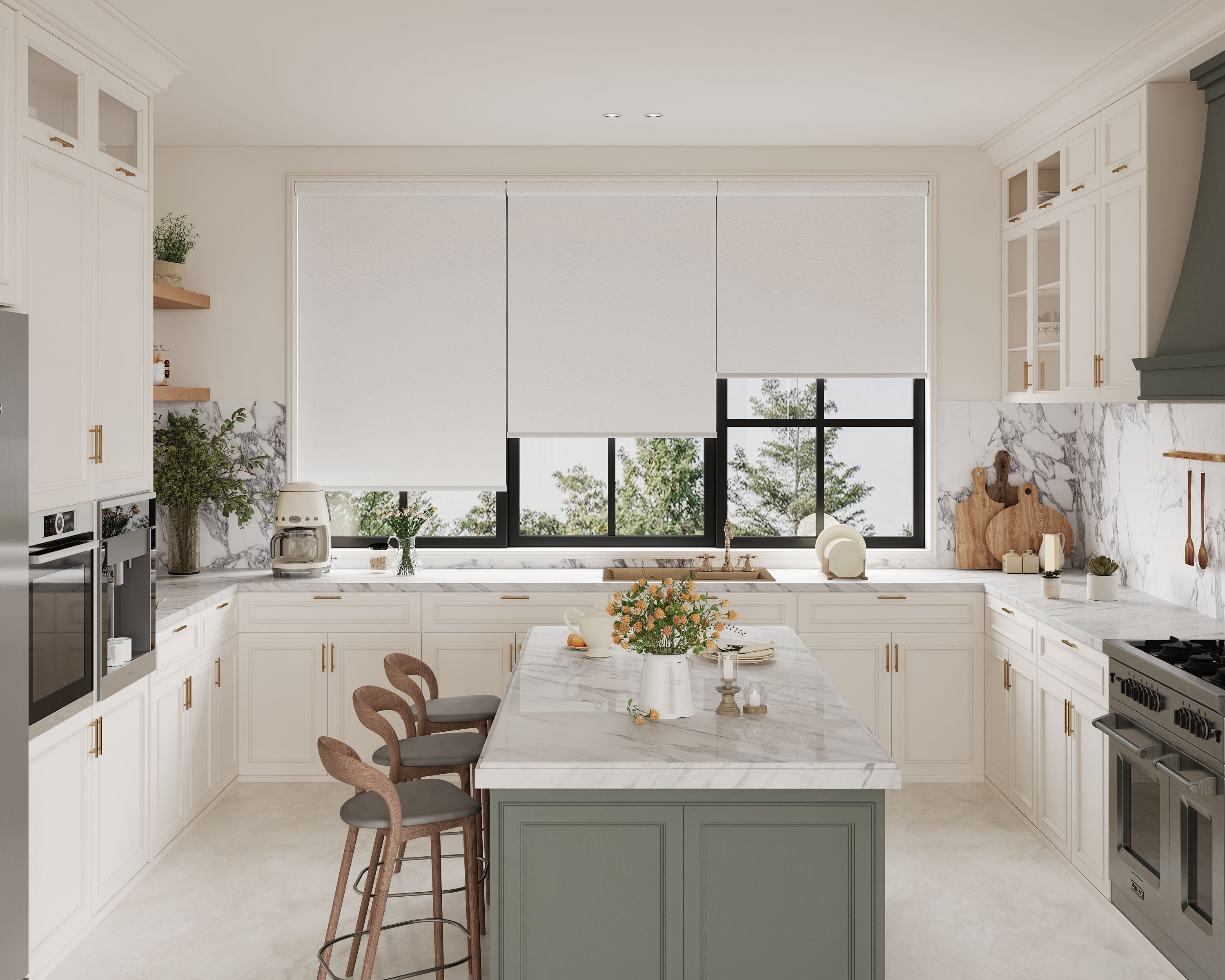
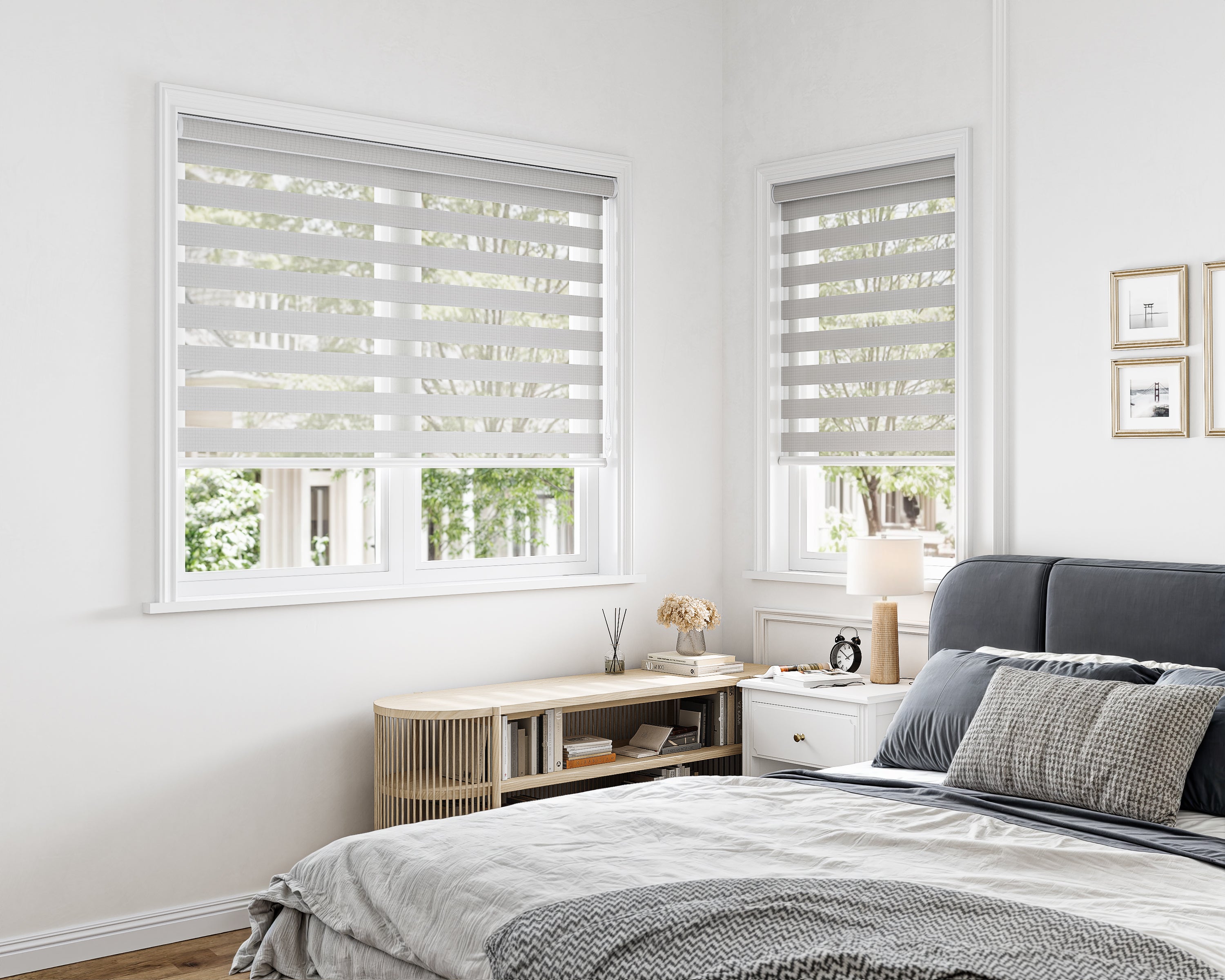
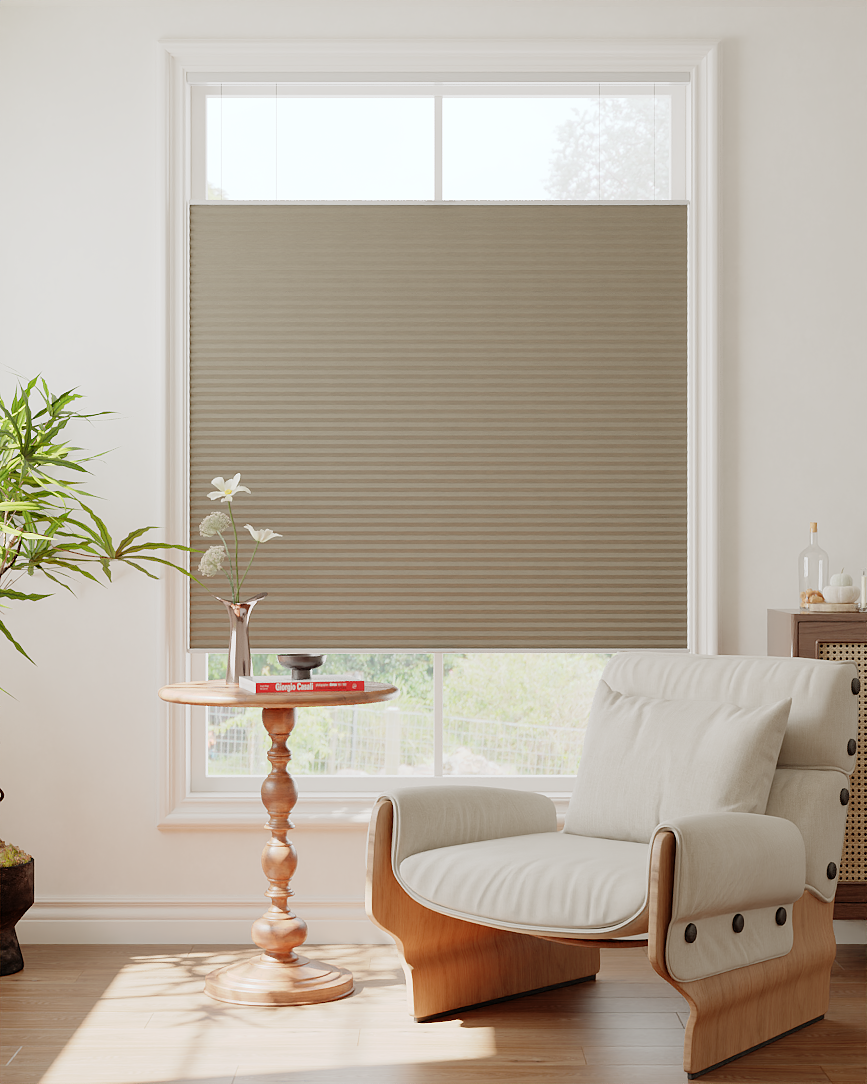
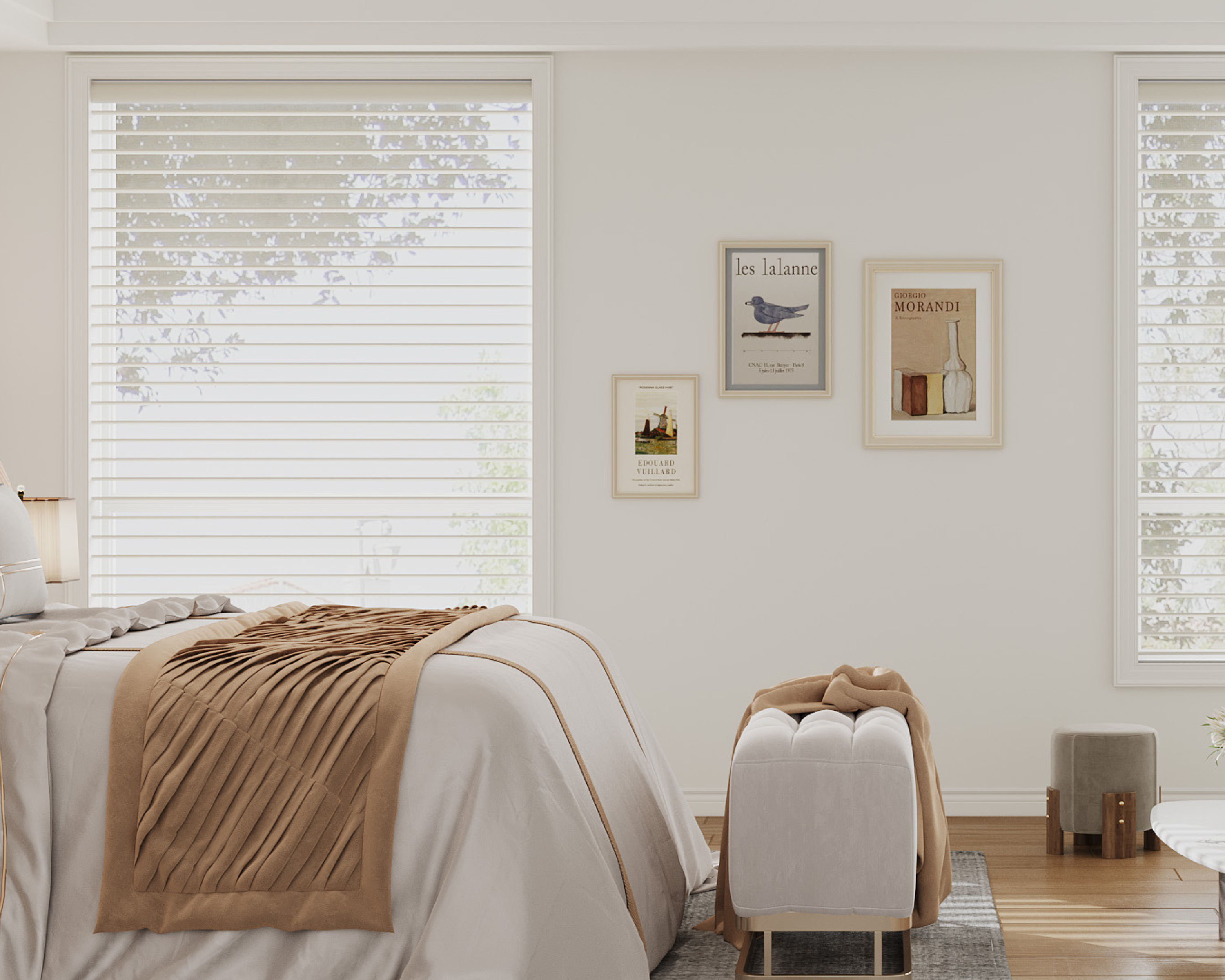
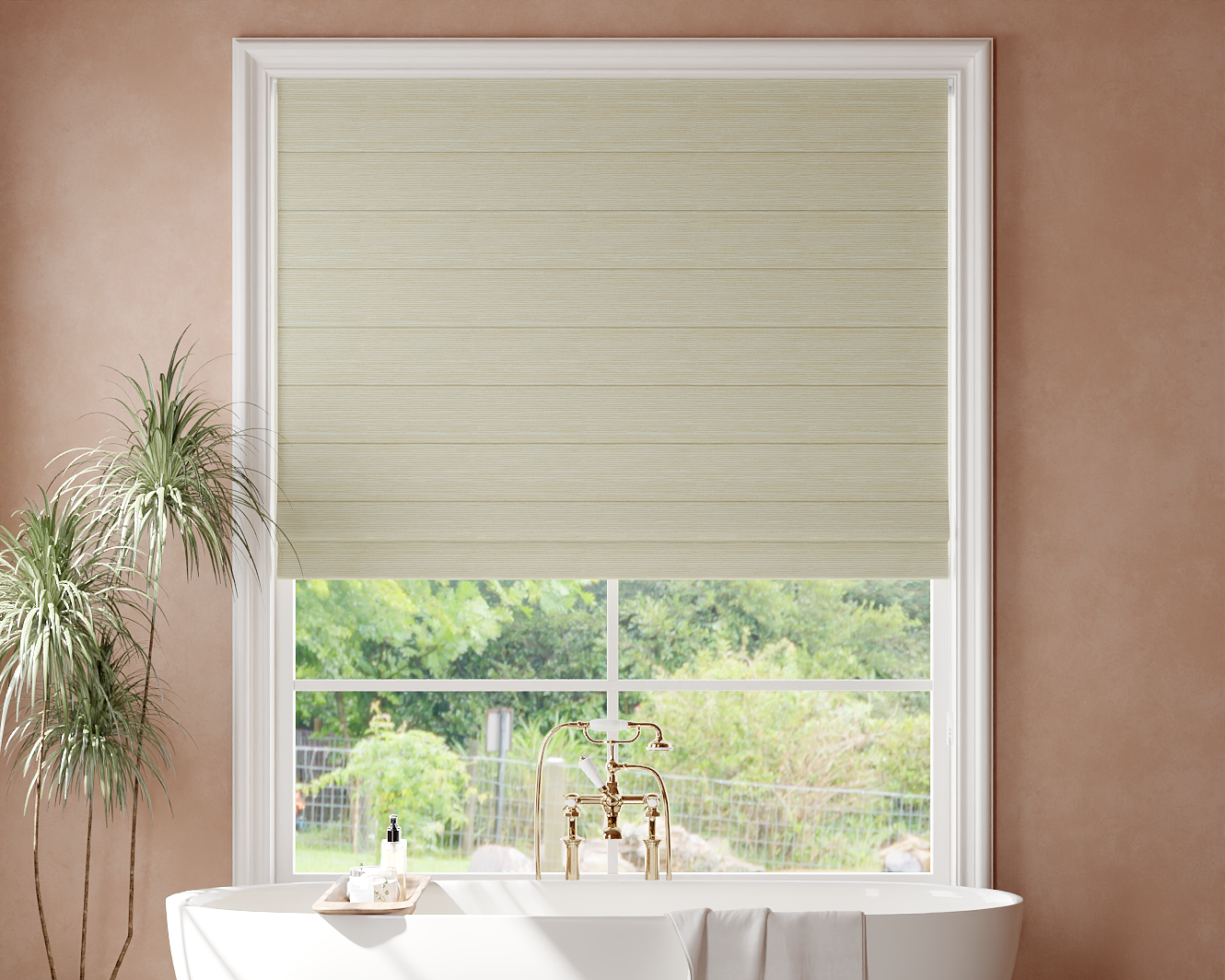
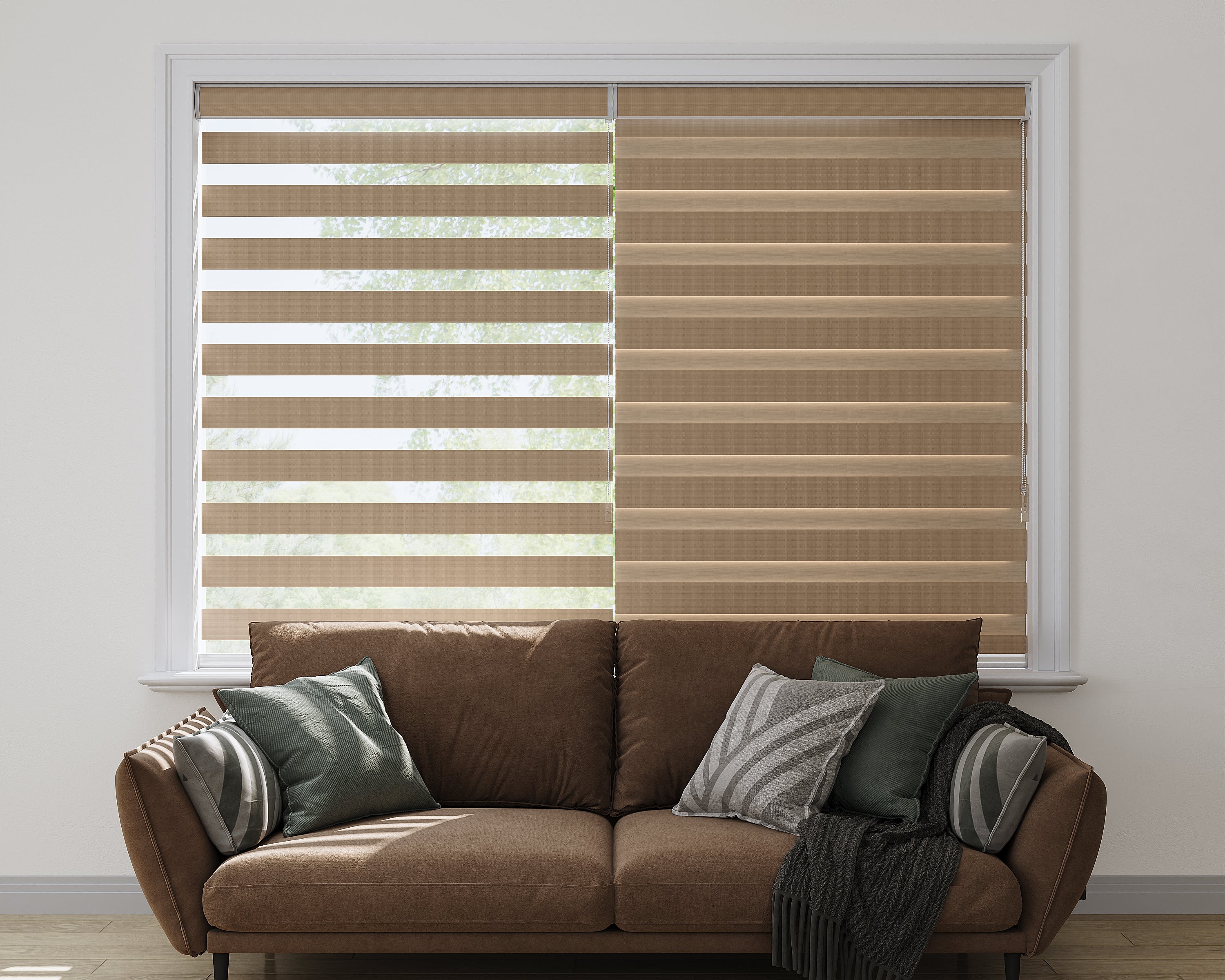
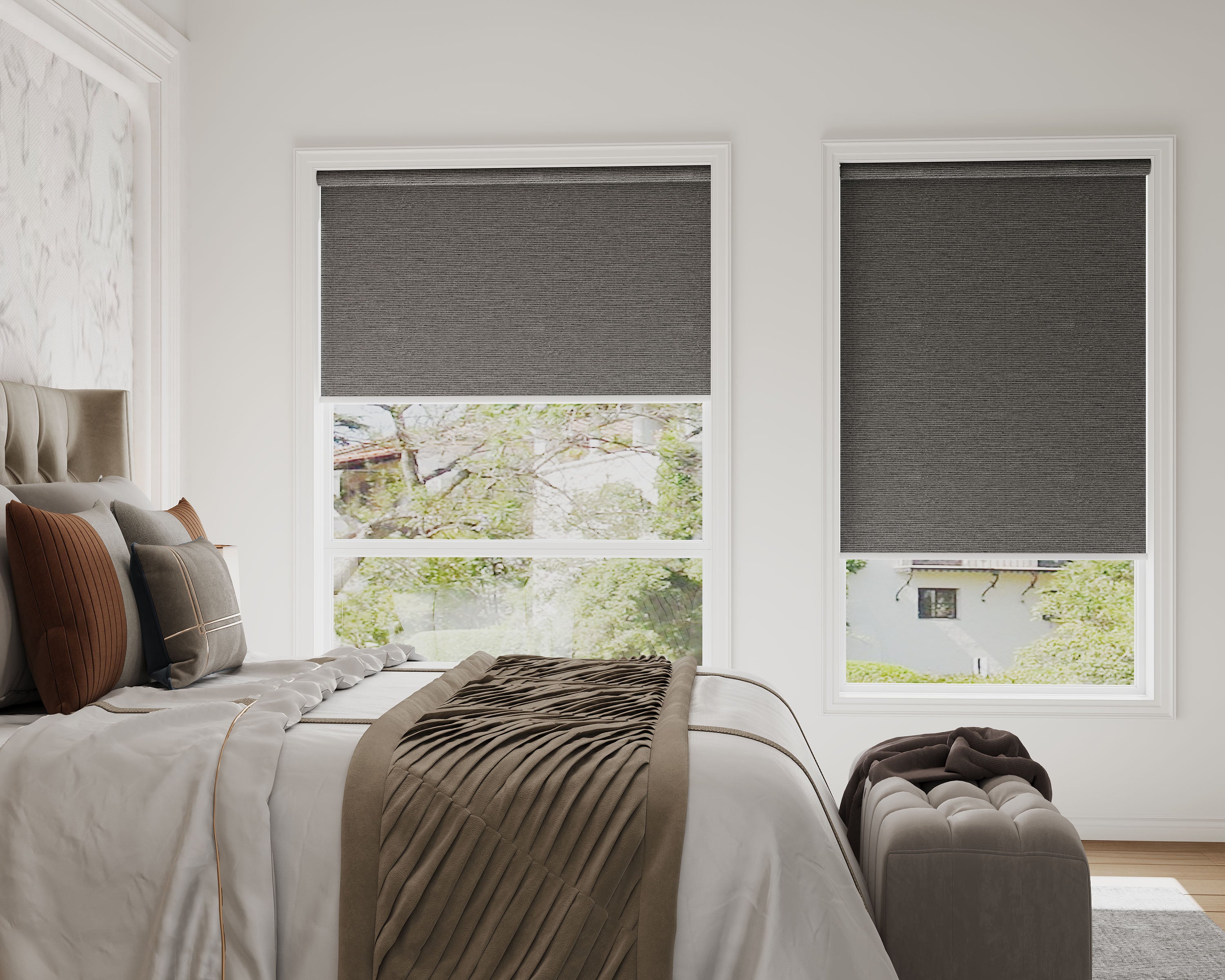
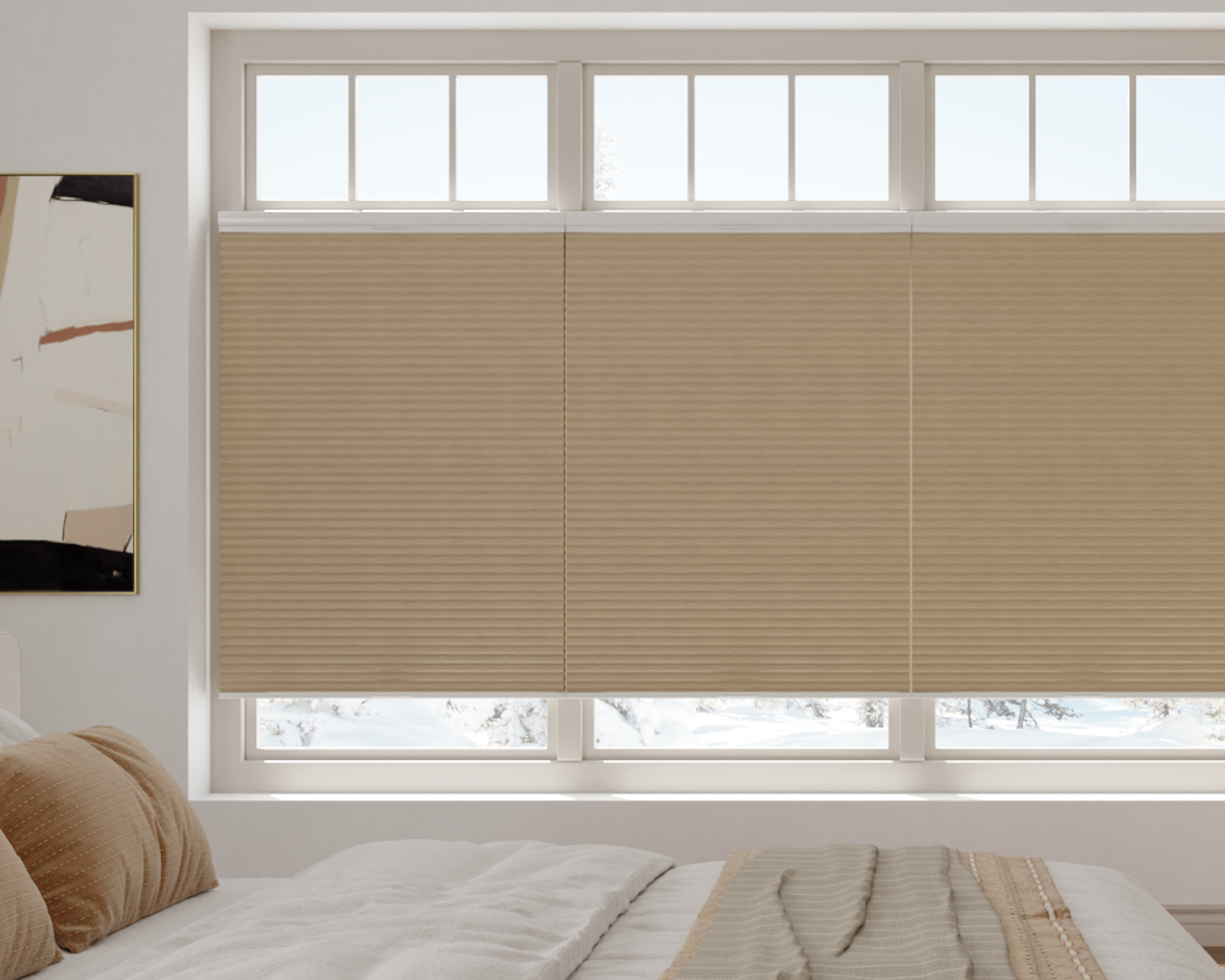







The choice between custom and standard-size sheer shades ultimately comes down to one question: What are you willing to compromise on? Custom shades eliminate compromise on fit, fabric, and function but require a greater budget and patience. Standard shades ask you to compromise on precise sizing and material selection in exchange for significant cost savings and instant gratification. For those prioritizing a flawless, tailored appearance, investing in custom sheer shade designs is the definitive choice.
This guide will equip you to make a confident decision by clearly defining the trade-offs.
-
A detailed side-by-side comparison of custom vs. standard shades across five key decision factors.
-
A simple step-by-step guide to instantly direct you to the right choice for your windows.
-
Practical tips for successful shopping in either category, ensuring you get the best value.
-
Clear guidance on when the splurge on custom is non-negotiable and when standard sizes are a perfectly savvy solution.
The Core Trade-Off: Understanding What You Gain and Give Up
The decision isn't just about price; it's about priorities. Custom shades are a bespoke product, while standard shades are a retail commodity.
-
Custom (Made-to-Order): You are paying for a product engineered for your exact window. This includes precise dimensions, your choice from a vast material library, and integrated special features. The process involves professional consultation, precise measurement, and a fabrication period.
-
Standard (Ready-Made): You are selecting from a limited array of pre-manufactured sizes and styles. The value proposition is convenience, affordability, and immediacy. Success depends on how closely your window aligns with these pre-set options.
Direct Comparison: Custom vs. Standard Sheer Shades
This table breaks down the key differences to show where each option excels and falls short.
| Decision Factor | Custom Sheer Shades | Standard (Ready-Made) Sheer Shades | The Verdict |
|---|---|---|---|
| Fit & Coverage | Perfect. Made to your window's exact width, height, and depth. Eliminates light gaps and ensures clean lines. | Approximate. You must choose the nearest standard size, which can lead to gaps, overhang, or an uneven look. | Custom wins decisively. Fit is its primary advantage. |
| Design & Materials | Unlimited. Full access to designer fabric libraries, textures, linings, and trim details. | Very Limited. Typically a small selection of basic colors and polyester fabrics. Few, if any, lining options. | Custom wins. This is where personal expression happens. |
| Function & Features | Full Integration. Easily accommodates motorization, smart home connectivity, and cordless safety systems. | Basic. Generally limited to manual operation with standard lift mechanisms. Advanced features are rare. | Custom wins. For modern convenience and safety, it's essential. |
| Cost & Timeline | Higher Investment & Longer Wait. Significant upfront cost and lead times of 4-8 weeks are typical. | Budget-Friendly & Immediate. Low cost and available for pickup or quick shipping. | Standard wins. The core advantage of ready-made options. |
| Quality & Longevity | Built to Last. Higher-grade materials and construction for durability, often with strong warranties. | Variable. Materials are cost-optimized; longevity depends on brand and use. May need replacing sooner. | Custom wins. Higher quality justifies the long-term value. |
Your Step-by-Step Decision Guide
Follow this straightforward logic to find your best path. Ask yourself these questions in order:
-
Is your window a standard size and a simple rectangle?
-
If NO: Your path is clear. Choose custom shades. Odd-sized, arched, or angled windows require a made-to-measure solution to look right and function properly.
-
If YES: Proceed to the next question.
-
-
Is your absolute top priority instant, low-cost coverage?
-
If YES: For a rental, a temporary solution, or a room with many standard windows, standard shades are a good, practical fit.
-
If NO: Proceed to the next question.
-
-
Do you need special features like motorization, smart home control, or top-down operation?
-
If YES: To get these integrated features reliably, you should choose custom shades. For a detailed look at what's possible, see our guide to smart home compatibility for window shades.
-
If NO: Proceed to the final question.
-
-
Is achieving a perfect, gap-free fit with a specific designer fabric important to you?
-
If YES: If you have a clear vision and dislike visible light gaps, the splurge on custom is worth it. This is where understanding the different materials like linen, vinyl, and bamboo for sheers becomes especially valuable.
-
If NO: If you are flexible on fabric and can tolerate small imperfections, a standard shade will serve you well and save you money.
-
How to Succeed with Your Choice: Pro Tips for Each Path
If You Choose Custom: Maximizing Your Investment
-
Professional Measurement is Key: Even for DIY-inclined individuals, consider paying for professional measurement. The perfect fit you're investing in starts with perfectly accurate numbers, which you can learn more about in our foolproof guide to measuring for inside-mount shades.
-
Think Long-Term & Holistically: Custom shades are a 10+ year decision. Choose neutral, versatile fabrics for main areas and consider using the same style throughout your home for a cohesive look.
-
Explore All Lining Options: The right lining can dramatically enhance functionality without sacrificing the sheer aesthetic.
If You Choose Standard: Getting the Best Result
-
Measure Meticulously: You are fitting your window to the shade, not the other way around. Measure your window's width and height in three places, and choose the nearest size down for width and up for height to minimize major gaps.
-
Elevate with Installation: Install standard shades high and wide—mount the bracket several inches above and beyond the window frame. This makes the window appear larger and the shade look more intentional, a key principle for achieving a clean, minimalist window design.
-
Layer for Luxury: Compensate for limited fabric options by layering a standard sheer shade with decorative drapery panels. This adds depth, texture, and a high-end look.
Conclusion and Key Highlights
The "right" choice between custom and standard sheer shades is deeply personal and situational. By understanding the fundamental trade-offs, you can allocate your budget where it matters most to you.
Key Highlights:
-
Splurge on Custom when: You have non-standard windows, desire specific high-end fabrics or features, or will not compromise on a perfect, gap-free fit. It is a long-term investment in your home's form and function.
-
Save with Standard when: Your windows are truly standard-sized, your priority is quick and affordable coverage, and you are comfortable with limited design choices. With smart styling, they can look great.
-
The biggest differentiators are Fit and Features. If light gaps or basic functionality bother you, lean custom. If not, standard offers tremendous value.
-
Success is possible with either path, but requires different strategies: careful specification for custom, and creative installation and styling for standard.
By applying this framework, you can move beyond price alone and make a choice that delivers satisfaction for years to come.
Shop Sheer Shades by Light Control


Frequently Asked Questions (FAQ)
Are custom shades worth it for a house I might sell?
Yes, quality custom shades can be a valuable selling point. They are considered a permanent, upgraded fixture of the home. Buyers appreciate the high-end look, perfect fit, and included features like motorization, which can make your home stand out in the market.
Can I add smart features to standard shades later?
You can add aftermarket retrofit motors to some standard roller shades. However, integration is often less sleek, reliable, or quiet than a motor built into a custom shade from the start. For a seamless, high-performance smart home experience, custom with integrated motorization is superior.
What if I have standard windows but want a specific fabric?
This is a strong case for semi-custom or "cut-down" services offered by some retailers. You may be able to select a custom fabric that is then applied to a standard-sized shade, offering a middle ground in price and selection.
How much does professional installation for custom shades cost?
Installation is often included in the total quote from a custom window treatment specialist. If billed separately, it can range from $75 to $200 per window, depending on complexity and location. While ready-made shades are DIY-focused, professional installation for custom ensures flawless operation and fulfills warranty requirements.
Do custom sheer shades offer better energy efficiency?
Yes, indirectly. The perfect fit of a custom shade minimizes air infiltration around the edges. Furthermore, you can select specific linings that, when paired with a sheer fabric, provide additional insulation. A ready-made shade with gaps allows for much more thermal transfer.
