
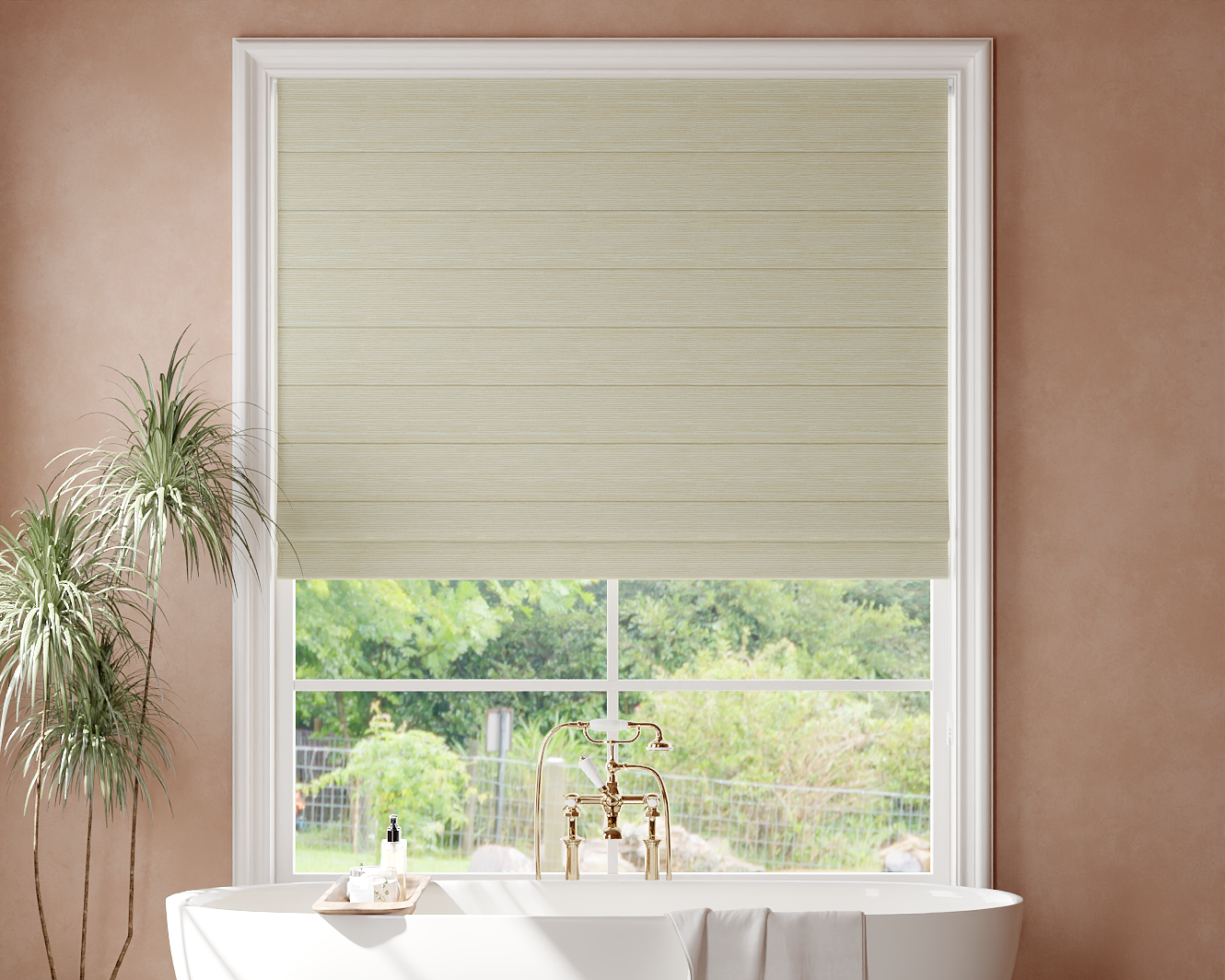
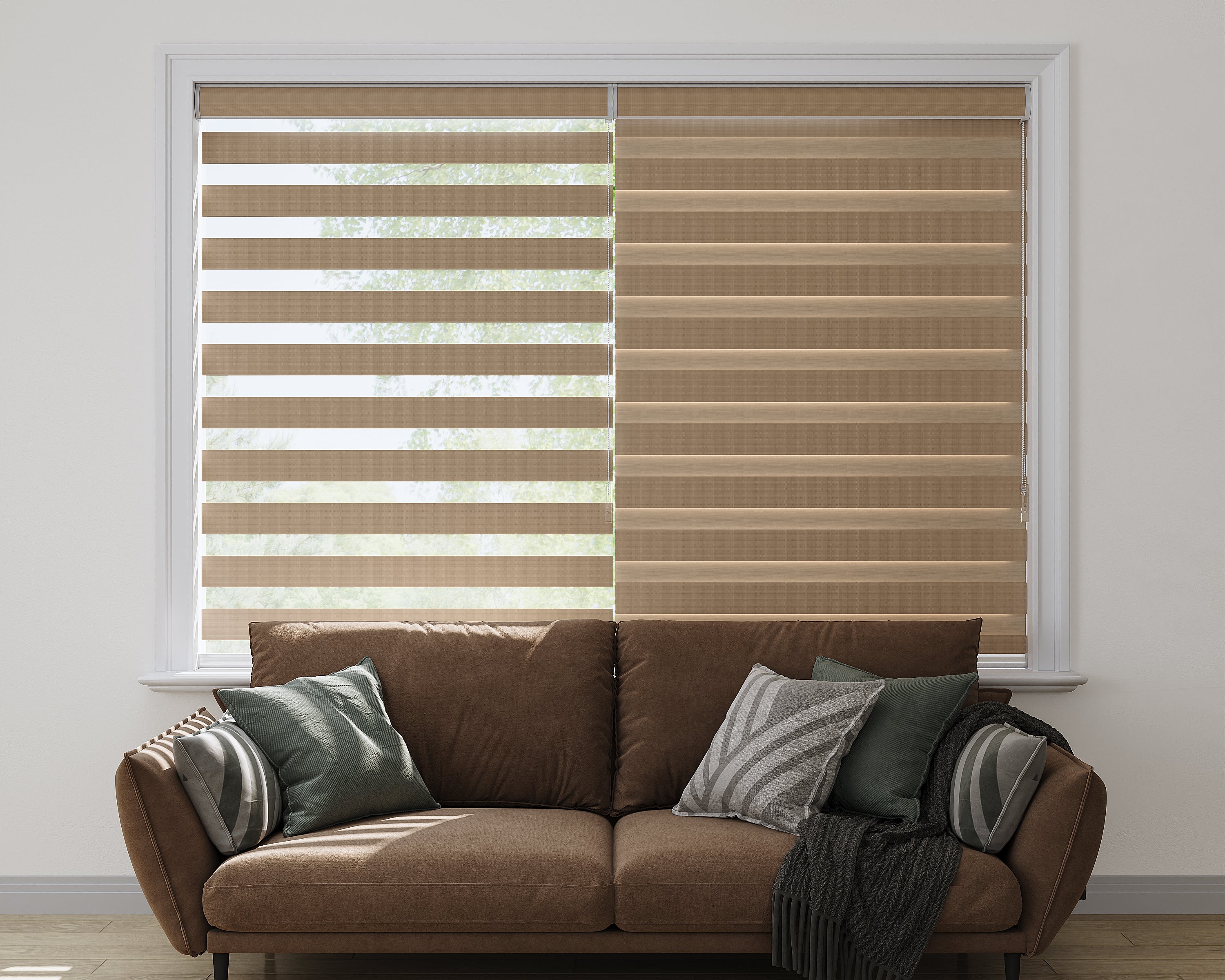
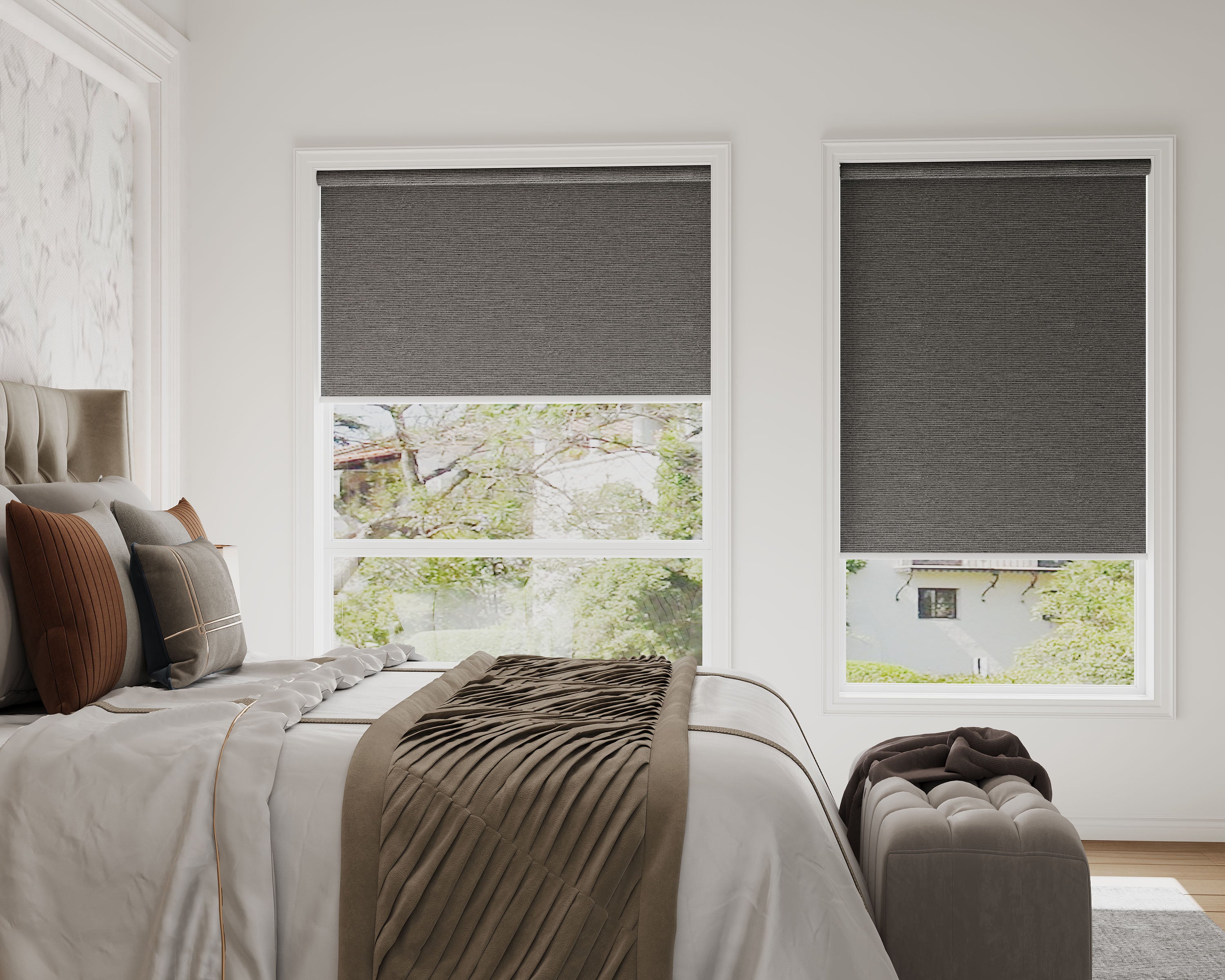
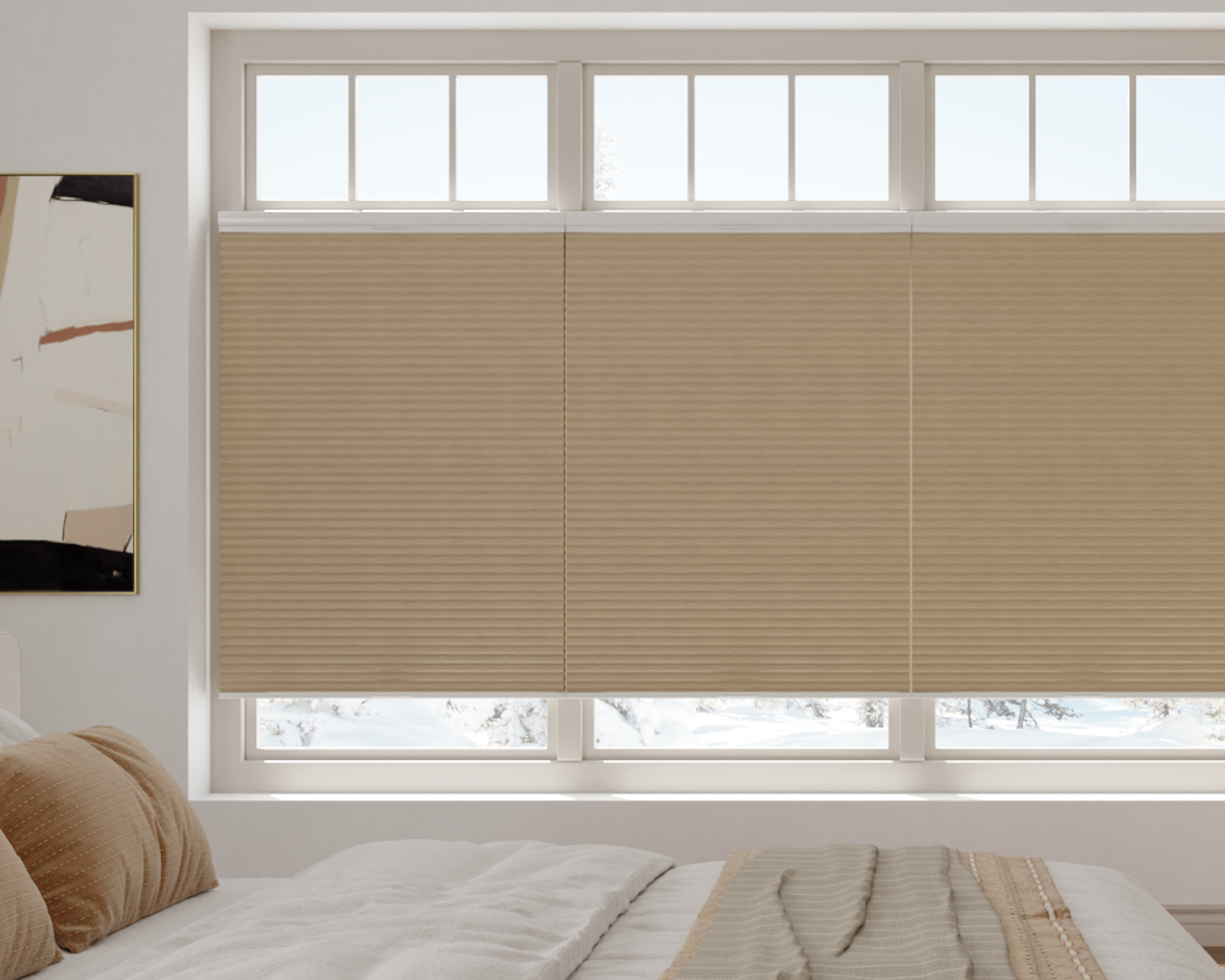





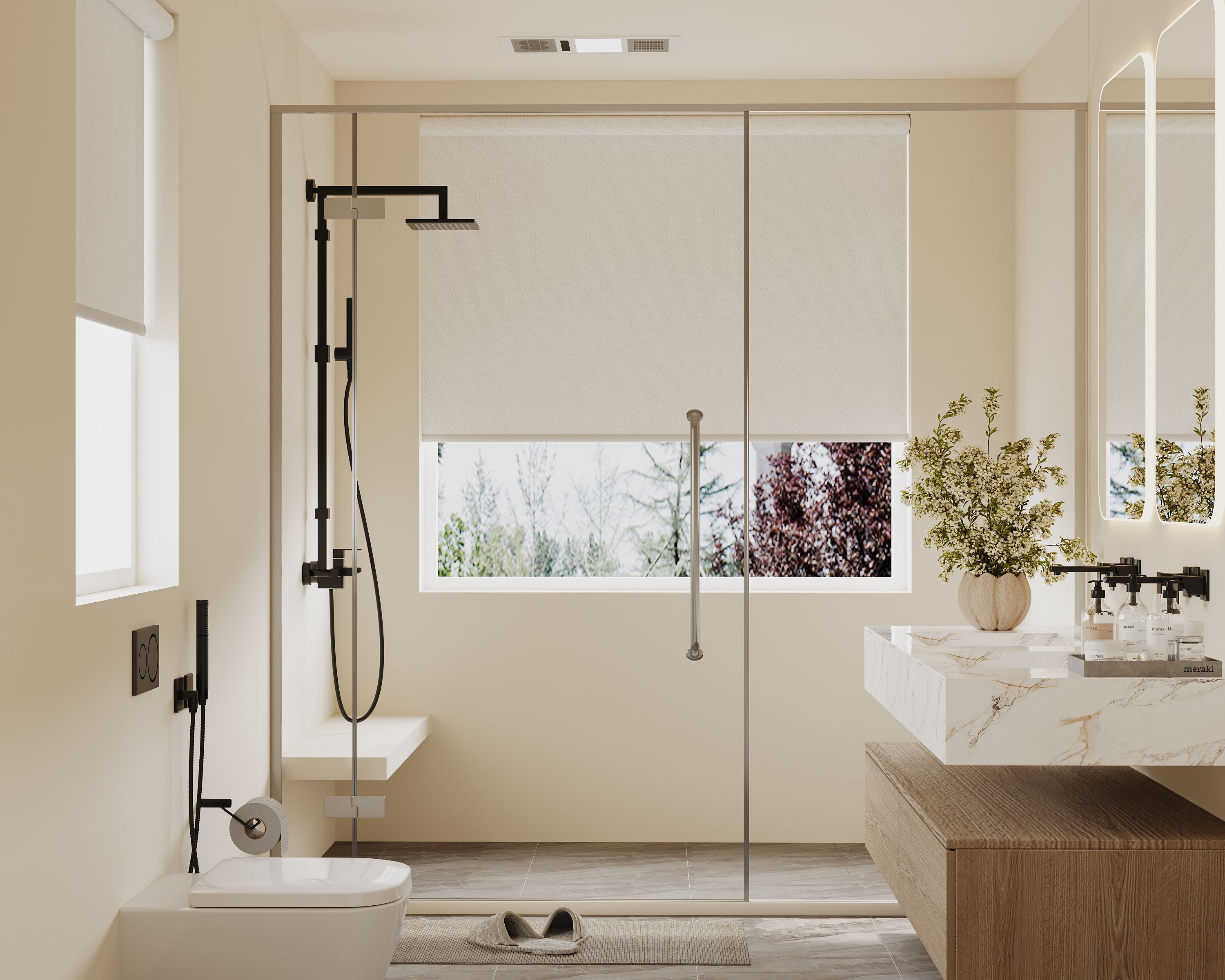


Yes, you can use sheer shades in a bathroom, but success hinges on making informed choices about materials, installation, and operation to manage the dual challenges of humidity and privacy. With careful selection and strategy, you can achieve a light, airy spa-like aesthetic without sacrificing function. For this application, prioritizing sheer shades made with performance fabrics designed for damp environments is the essential first step.
Installing window treatments in a bathroom requires a specialized approach. This guide provides your roadmap to doing it right.
-
A clear breakdown of the specific challenges bathrooms pose for fabric shades.
-
A detailed guide to selecting moisture-resistant fabrics and protective treatments.
-
Smart strategies for ensuring privacy while still allowing light, including the use of specialized shade styles.
-
Practical installation and maintenance tips to ensure longevity and prevent mold or mildew.
The Bathroom Challenge: Moisture, Privacy, and Space
Bathrooms present a unique set of conditions that standard window treatments aren't designed for. Understanding these is key to finding a solution.
-
High Humidity & Condensation: Daily showers and baths create a moist environment that can be absorbed by natural fibers, leading to fabric warping, lingering odors, and the growth of mold and mildew on the shade and within the window recess.
-
Intense Privacy Needs: Bathrooms require absolute visual privacy, often at specific times of day. A standard sheer shade that provides daytime privacy becomes translucent at night when interior lights are on.
-
Proximity to Water Sources: Windows in showers, above tubs, or near sinks can be directly splashed, requiring materials that can withstand occasional direct water contact without being damaged.
-
Space Constraints: Bathroom windows are often smaller or placed in awkward positions, making the operation and style of the shade an important consideration.
Material Selection: Choosing Fabrics That Can Handle Humidity
The fabric choice is your primary defense against moisture. Avoid natural fibers like cotton or linen, which are highly absorbent.
| Material Type | Moisture Resistance | Key Features & Best For |
|---|---|---|
| Synthetic Sheers (Polyester, Vinyl, Acrylic) | Excellent. Non-absorbent, quick-drying, and inherently resistant to mold. | The top recommended choice. Look for tightly woven fabrics. Ideal for all bathrooms, especially those with showers. |
| Woven Wood / Bamboo | Moderate to Good. Natural fibers are treated, but gaps in the weave promote airflow and drying. | Best in well-ventilated half-baths or powder rooms without a shower. Avoid direct, sustained moisture. |
| Fabric with Protective Treatment | Varies. Depends on the base fabric and quality of treatment. | Look for fabrics labeled "moisture-resistant," "mildew-resistant," or with an anti-microbial coating. Always check the core material. |
For a comprehensive overview of the best options, our guide to moisture-resistant fabrics for damp rooms is an essential read. For the highest level of protection, especially in full bathrooms, exploring products with dedicated anti-microbial coatings can provide added peace of mind.
Privacy Strategies for Bathroom Sheer Shades
Privacy in a bathroom is non-negotiable. Sheer shades alone are not sufficient for full coverage, but they can be part of a smart, layered system.
1. The Top-Down/Bottom-Up Solution:
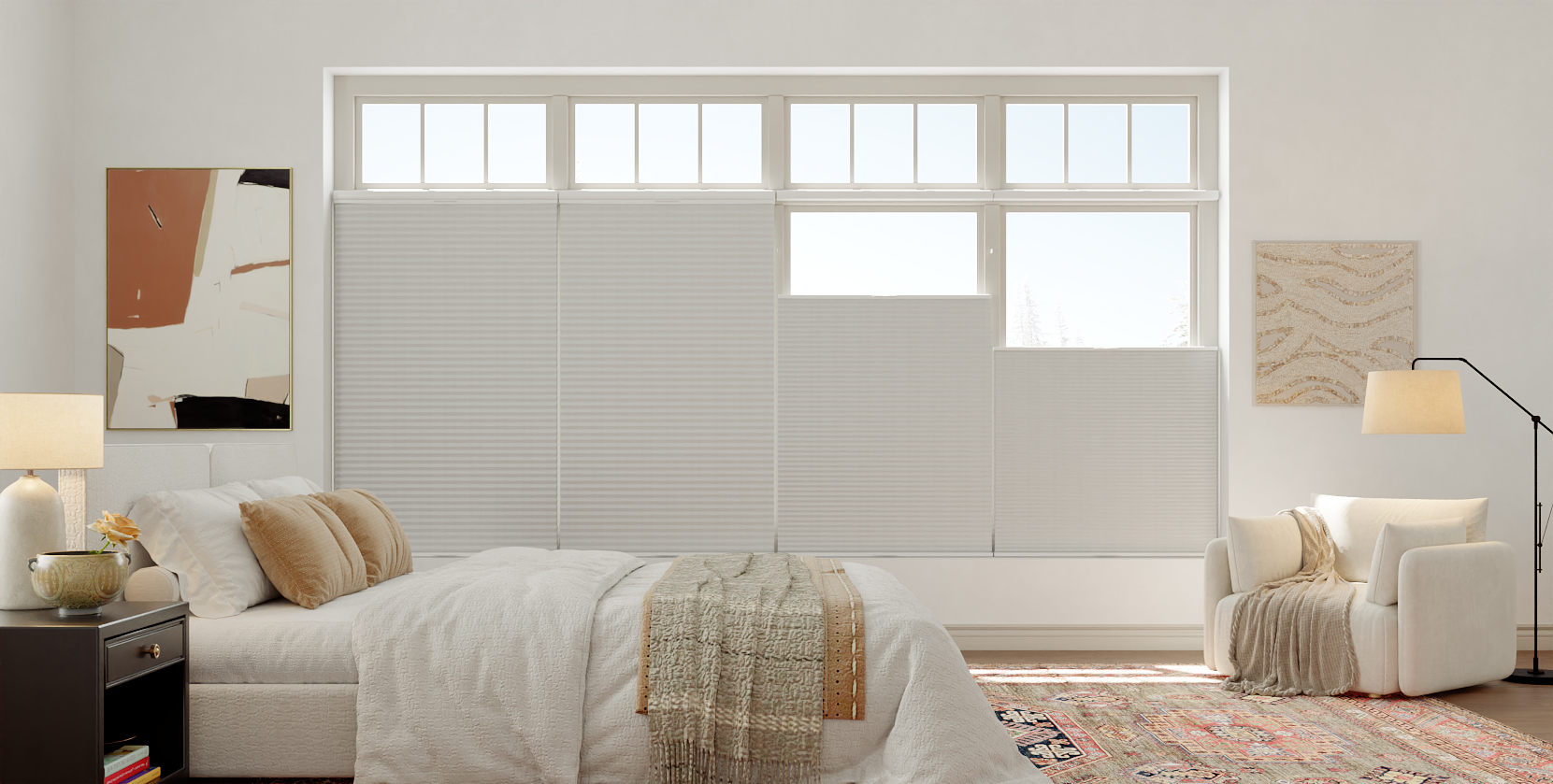
This is arguably the most effective strategy for bathroom sheers. This style allows you to lower the shade from the top, covering the lower, most critical part of the window for privacy while leaving the top open for light and ventilation. It perfectly solves the problem of wanting light without exposure. To understand this versatile mechanism, see our explainer on what a top-down bottom-up sheer shade is and how it works.
2. Strategic Layering:
-
Sheer Shade + Opaque Pull-Down Shade: Install a moisture-resistant sheer shade closest to the glass. On a separate bracket or a dual-track, install a vinyl or PVC privacy shade that can be pulled down over the sheer for complete coverage during use or at night.
-
Sheer Shade + Frosted Window Film: Apply a static-cling or permanent frosted film to the window glass itself. This provides constant privacy. Then, add a sheer shade purely for soft light diffusion and aesthetic appeal, which can be left open or closed as desired.
3. Consider Opacity Level:
Within sheer fabrics, some are more opaque than others. A "room-darkening" sheer or a solar shade with a very low openness factor (1-3%) will provide more blur and shadow than a standard voile sheer, increasing daytime privacy.
Installation & Maintenance for Longevity
How and where you install the shade is as important as what you install.
Installation Best Practices:
-
Promote Airflow: Choose an outside mount where possible, so the shade and its mechanism sit outside the window recess. This allows air to circulate behind the shade, preventing moisture from being trapped against the cold window glass—a prime spot for condensation and mold.
-
Keep Clear of Direct Water: If the window is in a shower stall, the shade must be installed on the outside of the shower enclosure, not inside where it will be constantly drenched.
-
Choose the Right Operation: Cordless or motorized operation is ideal for bathrooms. Cords can absorb moisture and become dirty, while motorized shades eliminate this issue and can be programmed for daily privacy routines.
Ongoing Maintenance is Crucial:
-
Ventilate: Always run the bathroom exhaust fan during and for 20-30 minutes after showers to remove humid air.
-
Wipe Down Condensation: If condensation forms on the window or shade, gently wipe the moisture away with a dry, soft cloth to prevent absorption.
-
Regular Cleaning: Follow fabric-specific guidelines. For synthetic sheers, this typically involves gentle vacuuming with a brush attachment and spot cleaning with a mild solution. For detailed steps, refer to our guide on safely cleaning sheer shades without damage.
Bathroom Feasibility Guide: Which Setup is Right For You?
Your specific bathroom layout dictates the best solution.
| Bathroom Type | Window Location | Recommended Solution | Key Reason |
|---|---|---|---|
| Powder Room / Half-Bath | Any wall. | Synthetic sheer shade (standard or TDBU). | Low humidity means less risk; focus is on aesthetic and mild privacy. |
| Full Bath (with tub/shower) | On a wall away from direct shower spray. | Synthetic TDBU sheer shade or Layered system (sheer + opaque shade). | Manages humidity from the room while providing flexible privacy control. |
| Full Bath (Shower/Tub) | In the shower or directly above the tub. | Frosted privacy film first, with an optional sheer shade mounted outside the wet area. | The film guarantees constant privacy and protects the fabric from direct soaking. |
| Poorly Ventilated Bathroom | Any. | Avoid fabric shades if possible. Consider faux wood or vinyl shutters. | High, trapped humidity poses a significant risk of mold growth on any fabric. |
Conclusion and Key Highlights
Sheer shades can bring a serene, spa-like quality to a bathroom, but they require a thoughtful, strategic approach to overcome the room's environmental challenges. Success lies in respecting the conditions and planning accordingly.
Key Highlights:
-
Material choice is critical: Opt for synthetic fabrics (polyester, vinyl) and avoid absorbent natural fibers like cotton or linen.
-
Privacy requires a strategy: A top-down/bottom-up style is the most elegant solution, allowing light in from above while keeping the lower window private. Layering with an opaque shade or frosted film is another effective tactic.
-
Installation promotes durability: An outside mount improves airflow and reduces condensation risk. Keep shades clear of direct water spray from showers.
-
Maintenance is non-negotiable: Good ventilation, prompt cleanup of condensation, and regular gentle cleaning are essential to prevent mildew and ensure your shades last.
-
Assess your bathroom honestly: A well-ventilated powder room is low-risk, while a window inside a shower stall presents a high-risk scenario that may require alternative solutions.
By combining the right materials with smart design and care, you can successfully enjoy the beautiful, soft light of sheer shades in your bathroom for years to come.
Shop Sheer Shades by Light Control


Frequently Asked Questions (FAQ)
Can I use regular roller shades in a bathroom?
You can, but with the same material cautions. A standard fabric roller shade is at high risk in a humid bathroom. If choosing a roller shade, ensure it is made from a 100% synthetic, moisture-resistant fabric and preferably has a PVC or vinyl coating for added protection. Always check the manufacturer's specifications for bathroom suitability.
What about cellular (honeycomb) shades in bathrooms?
Cellular shades can work in well-ventilated bathrooms if they are made from synthetic materials. However, their honeycomb structure can trap moist air inside the cells, creating a potential breeding ground for mold if the room is consistently humid. They are not recommended for bathrooms with poor ventilation or frequent, heavy steam.
How do I prevent mold on my bathroom window shades?
Prevention is the only effective strategy. This means: 1) Choosing mold-resistant synthetic fabrics, 2) Ensuring excellent bathroom ventilation (use that exhaust fan!), 3) Wiping away condensation promptly, and 4) Allowing shades to be open periodically to let the window and fabric dry out completely.
Are there truly "waterproof" sheer shades?
Truly waterproof fabrics (like those used in outdoor umbrellas) are typically not sheer. You will find highly water-resistant synthetic sheers, often used in marine or outdoor settings, but they may have a different aesthetic. For most bathrooms, a water-resistant and mold-resistant synthetic sheer is perfectly adequate, as direct, constant soaking shouldn't occur if installed correctly.
What is the easiest sheer shade to clean in a bathroom?
A smooth, synthetic roller shade is the easiest. Its flat, non-textured surface can be quickly wiped down with a damp cloth and a mild, non-abrasive cleaner. Avoid shades with heavy textures, folds (like Romans), or cellular structures, as they have more crevices where moisture and soap scum can accumulate, making them harder to clean thoroughly.
