
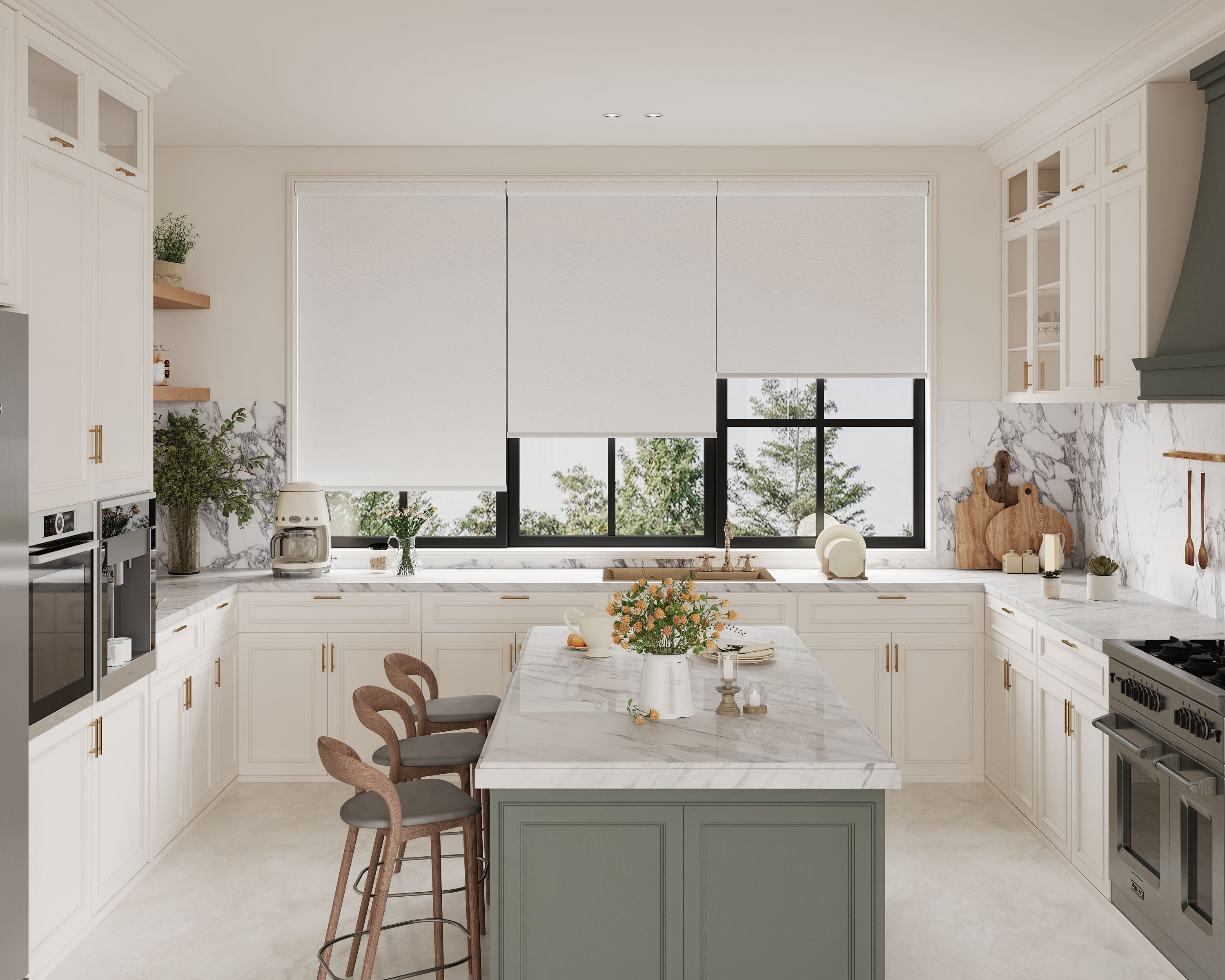
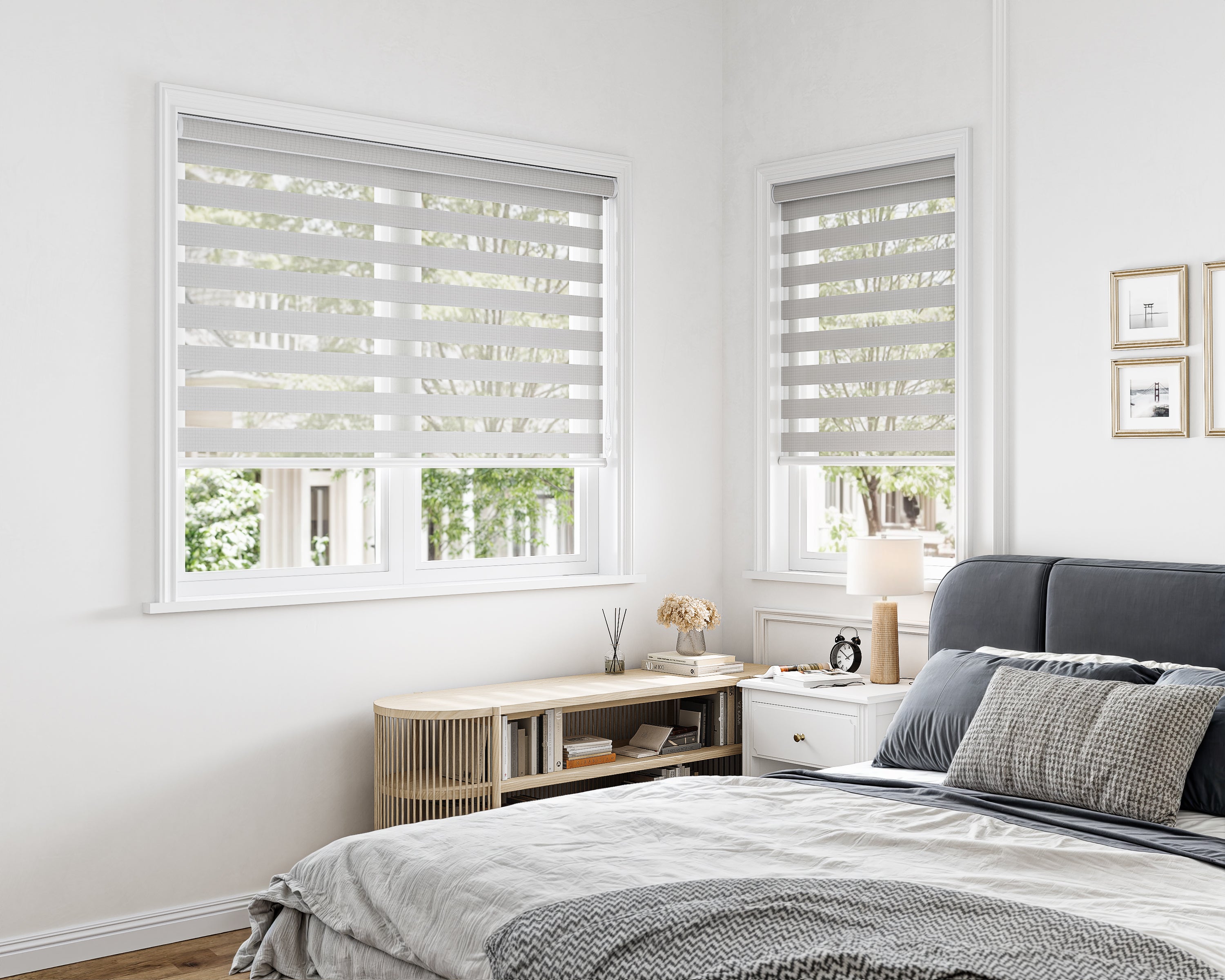
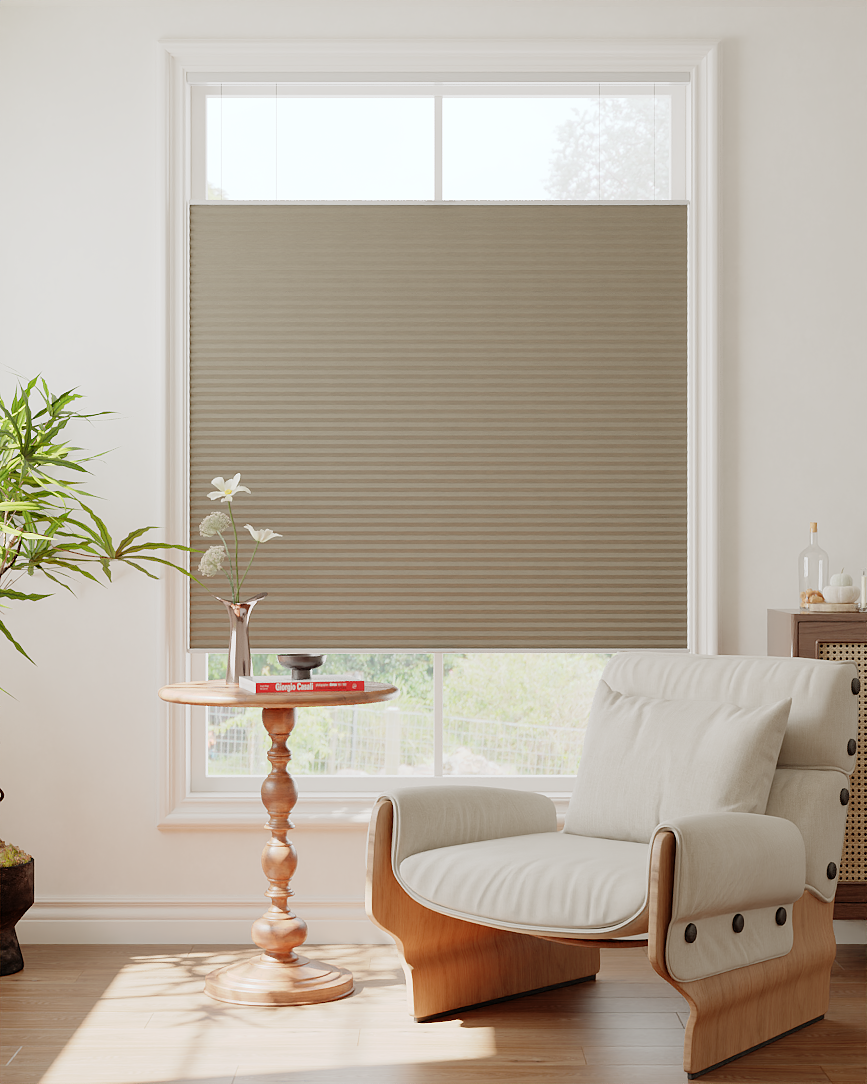
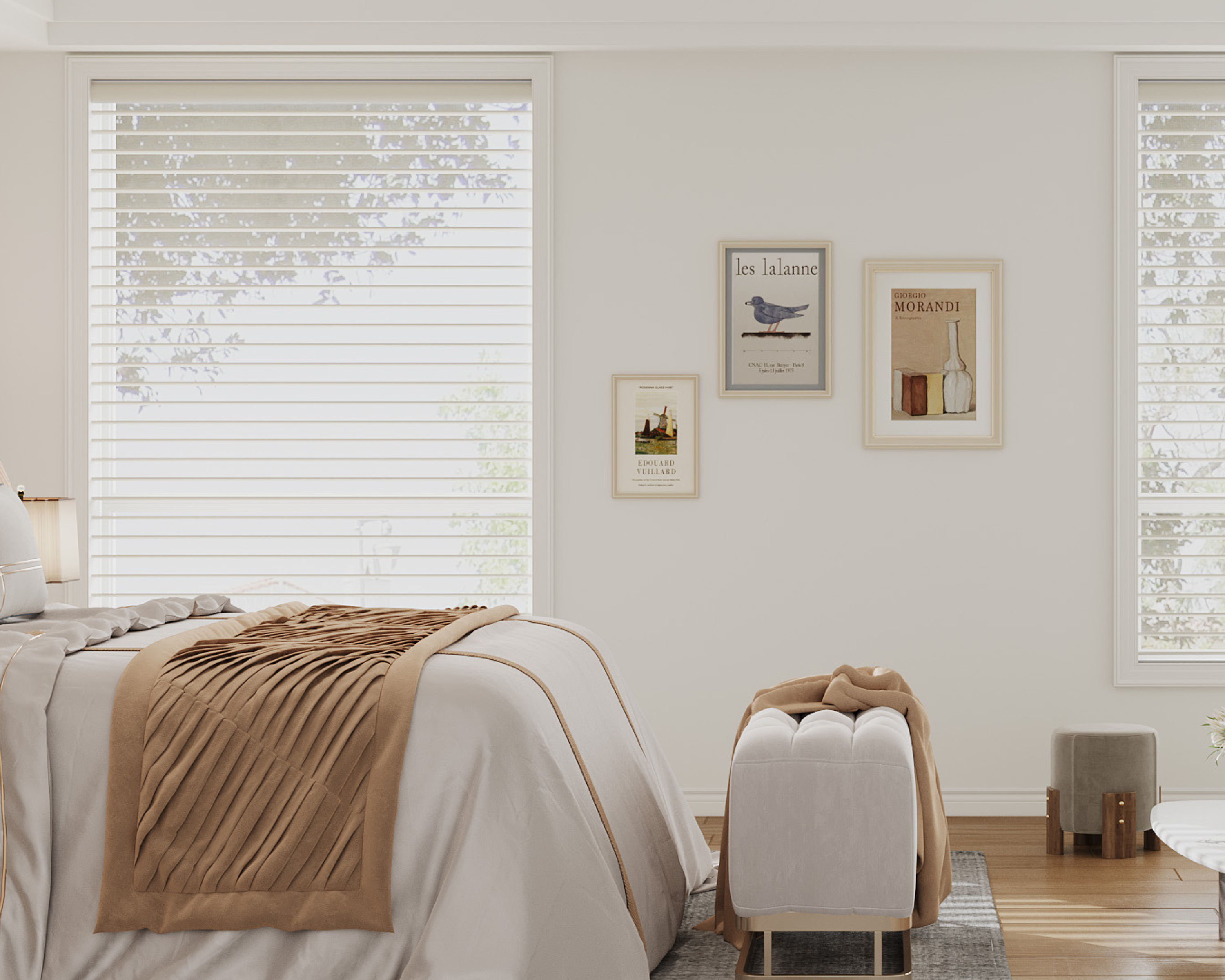
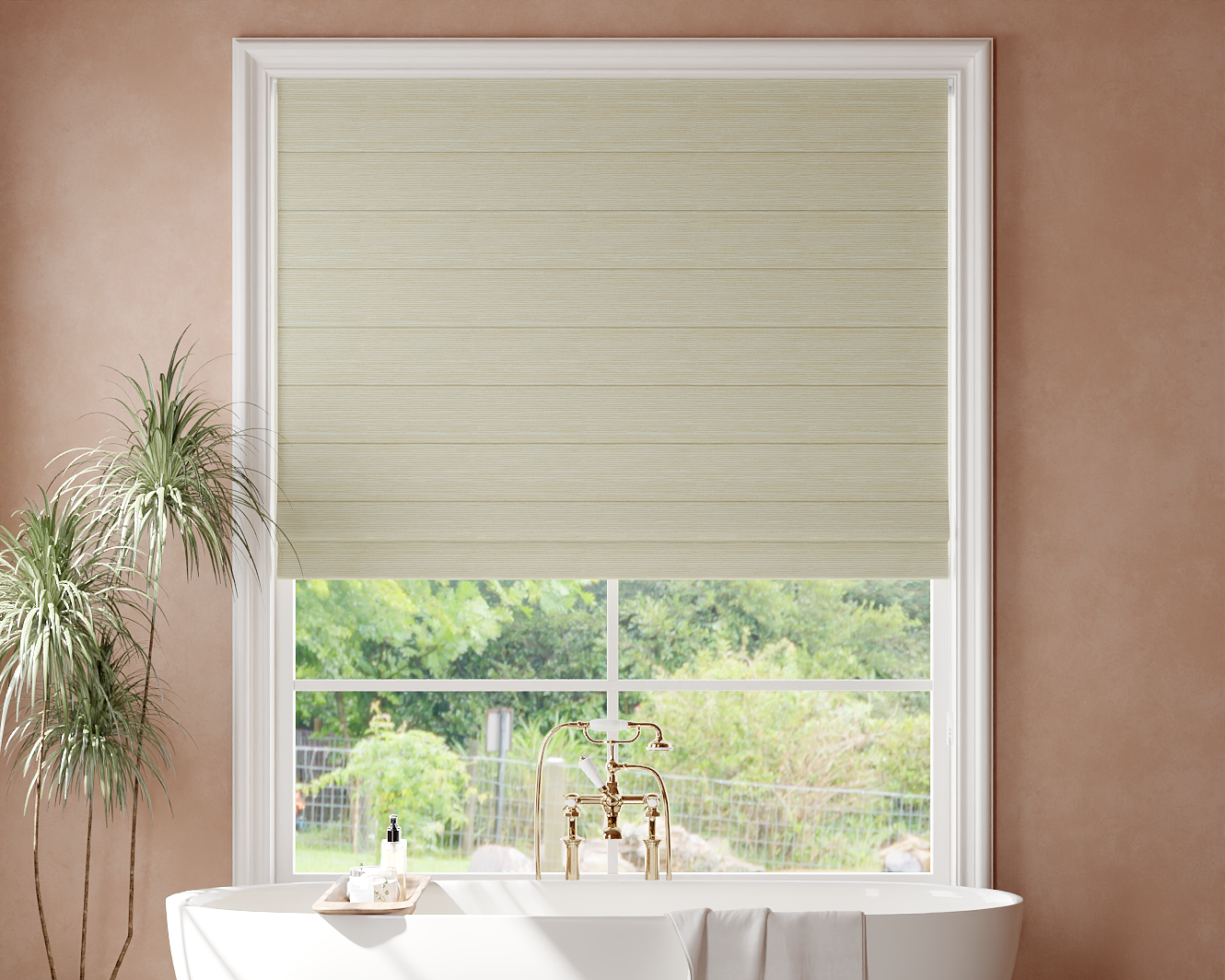
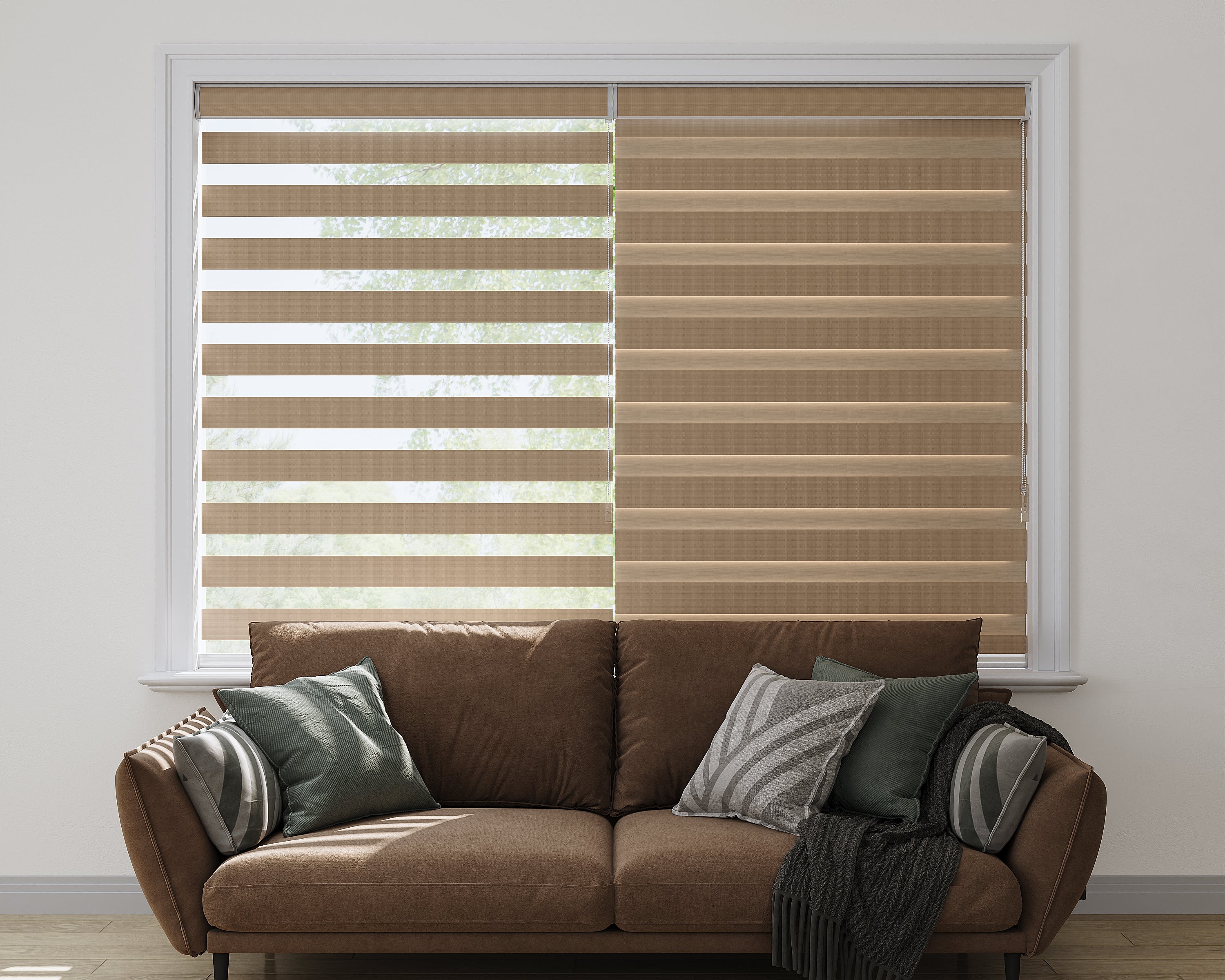
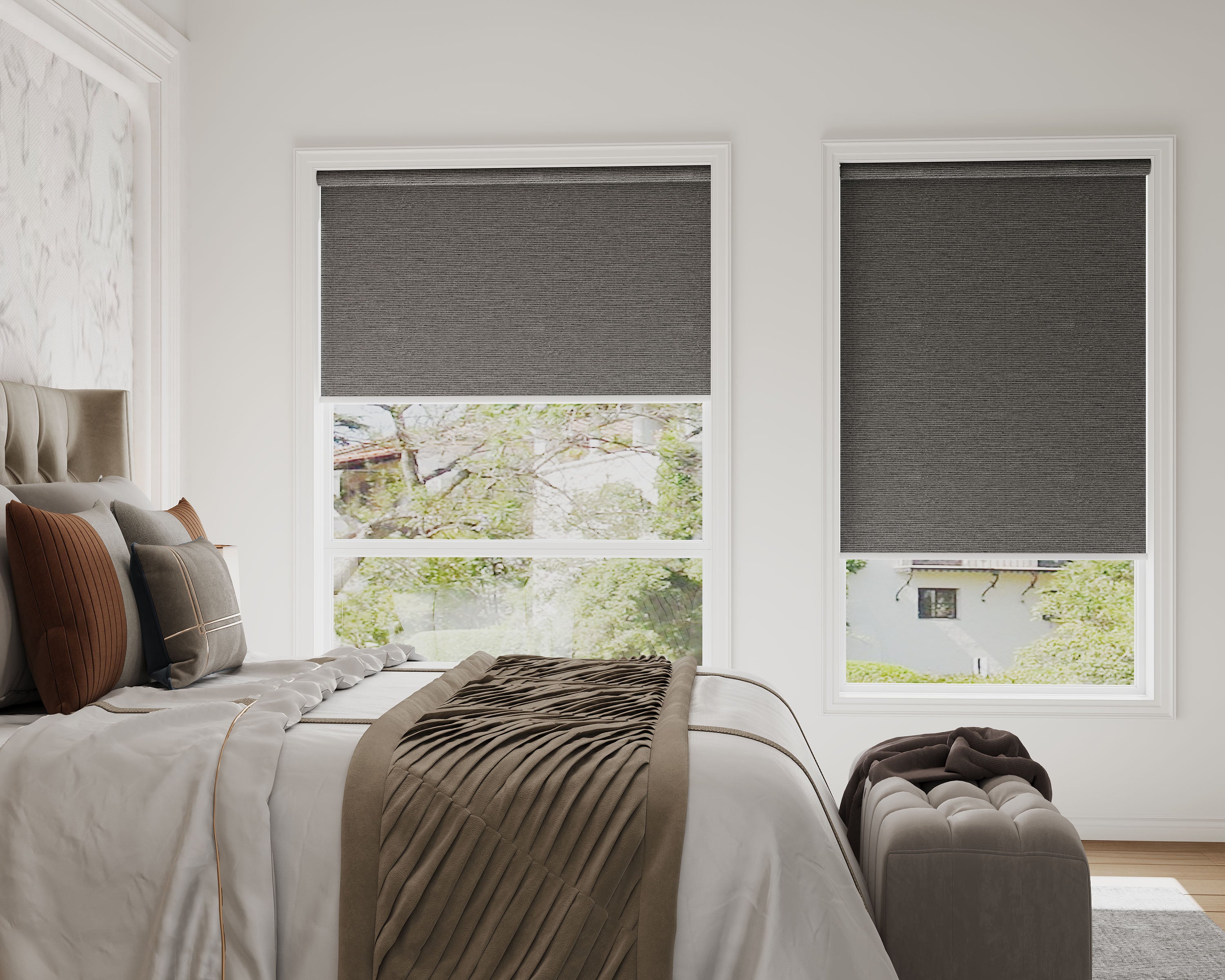
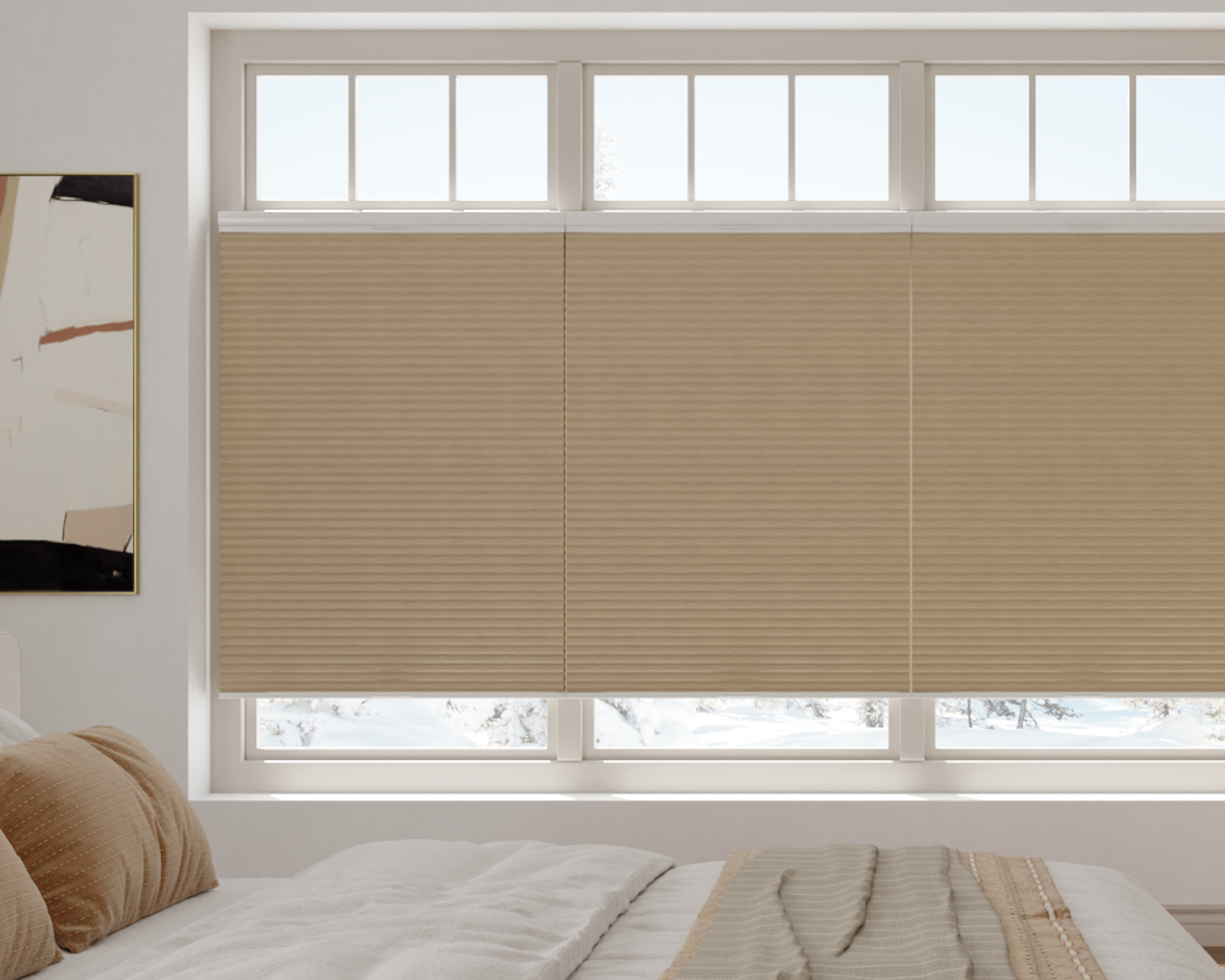
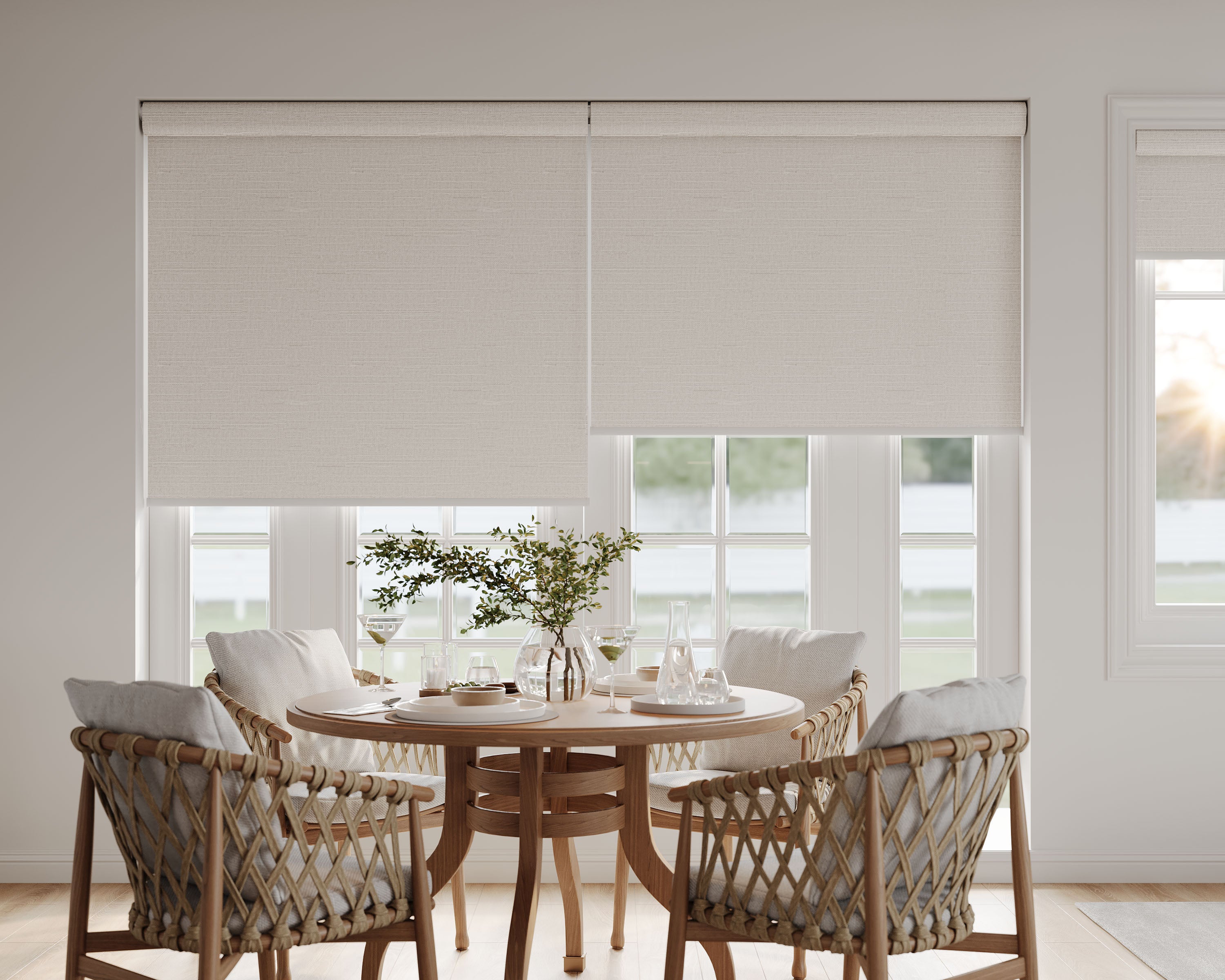


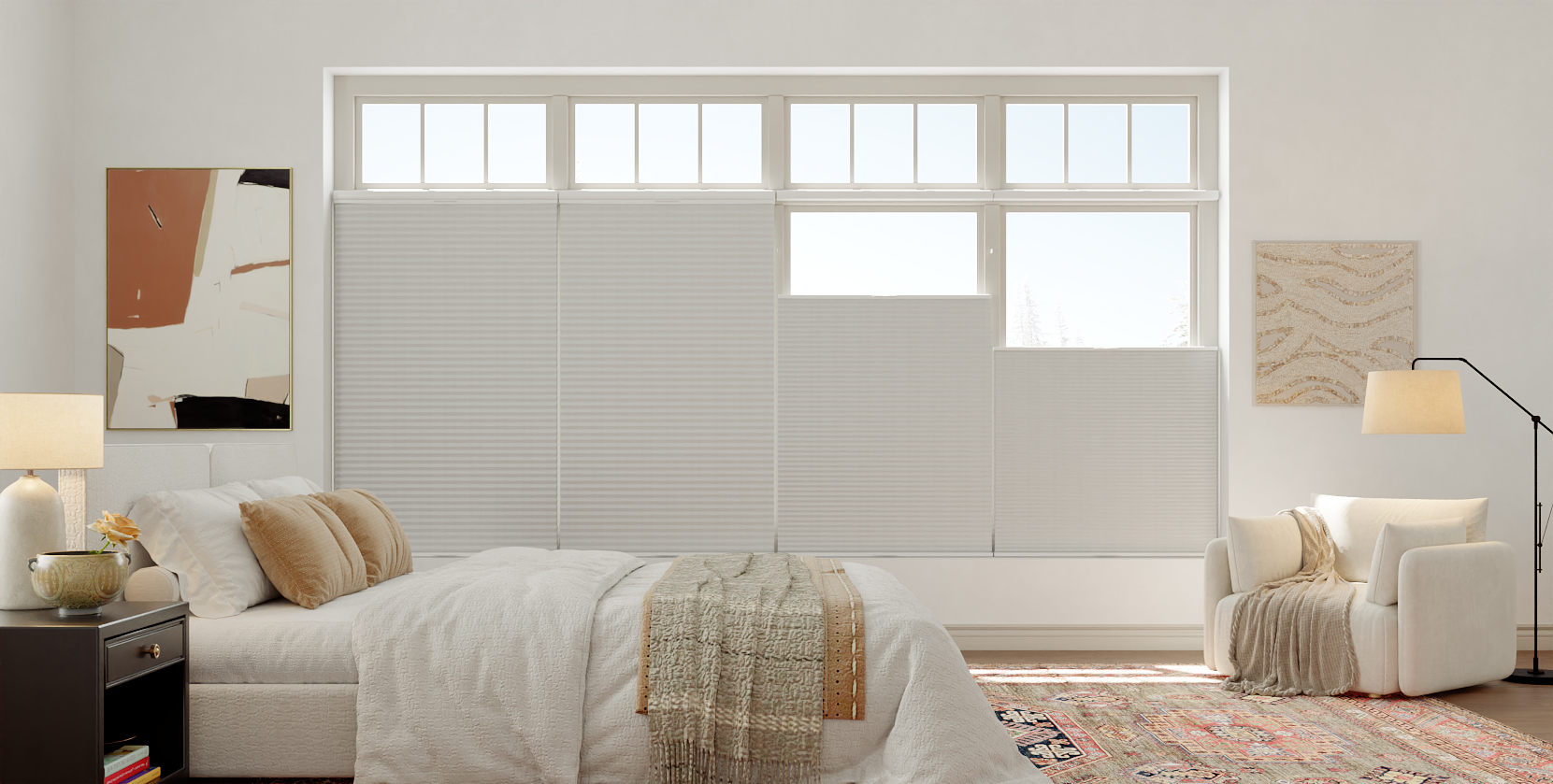


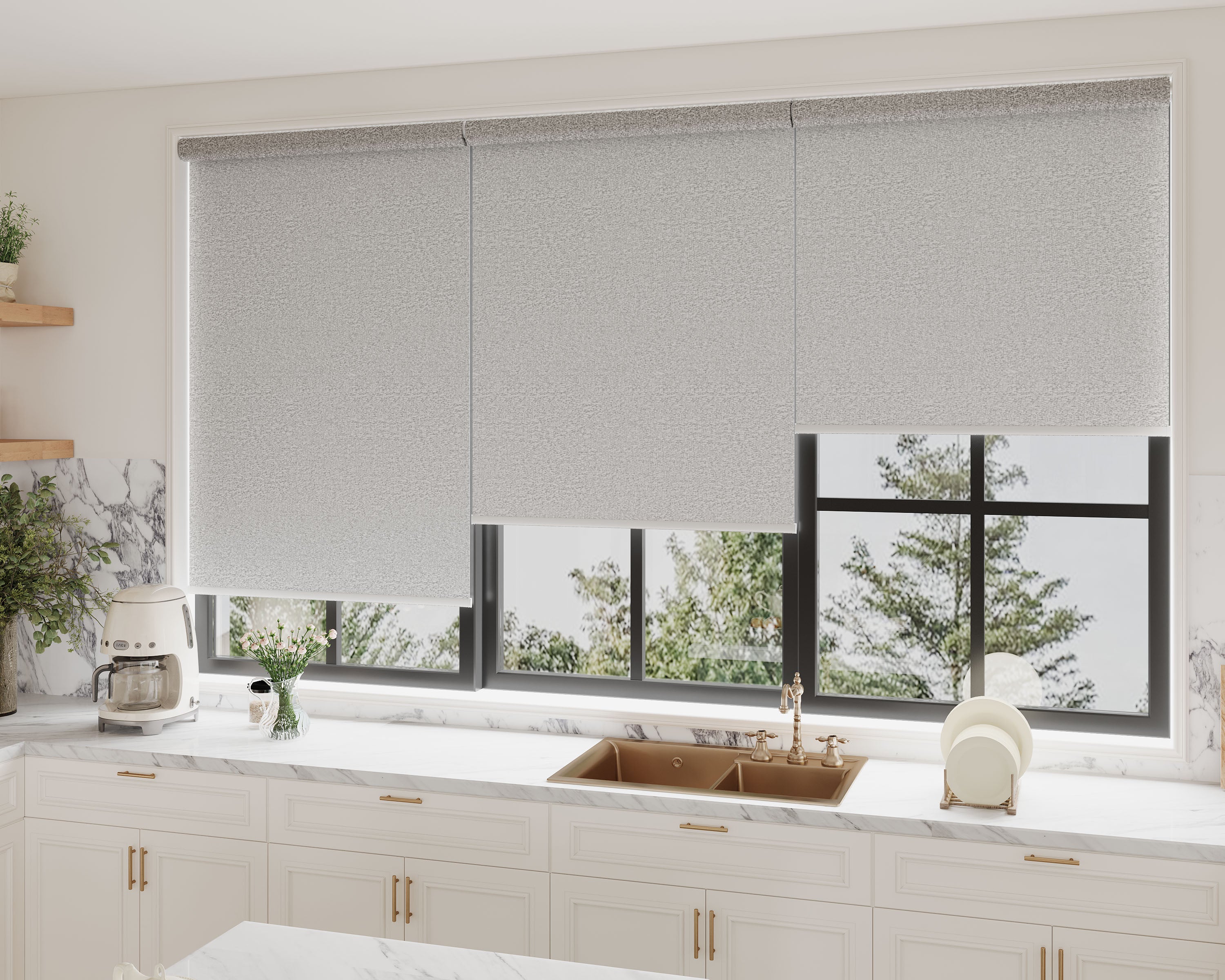

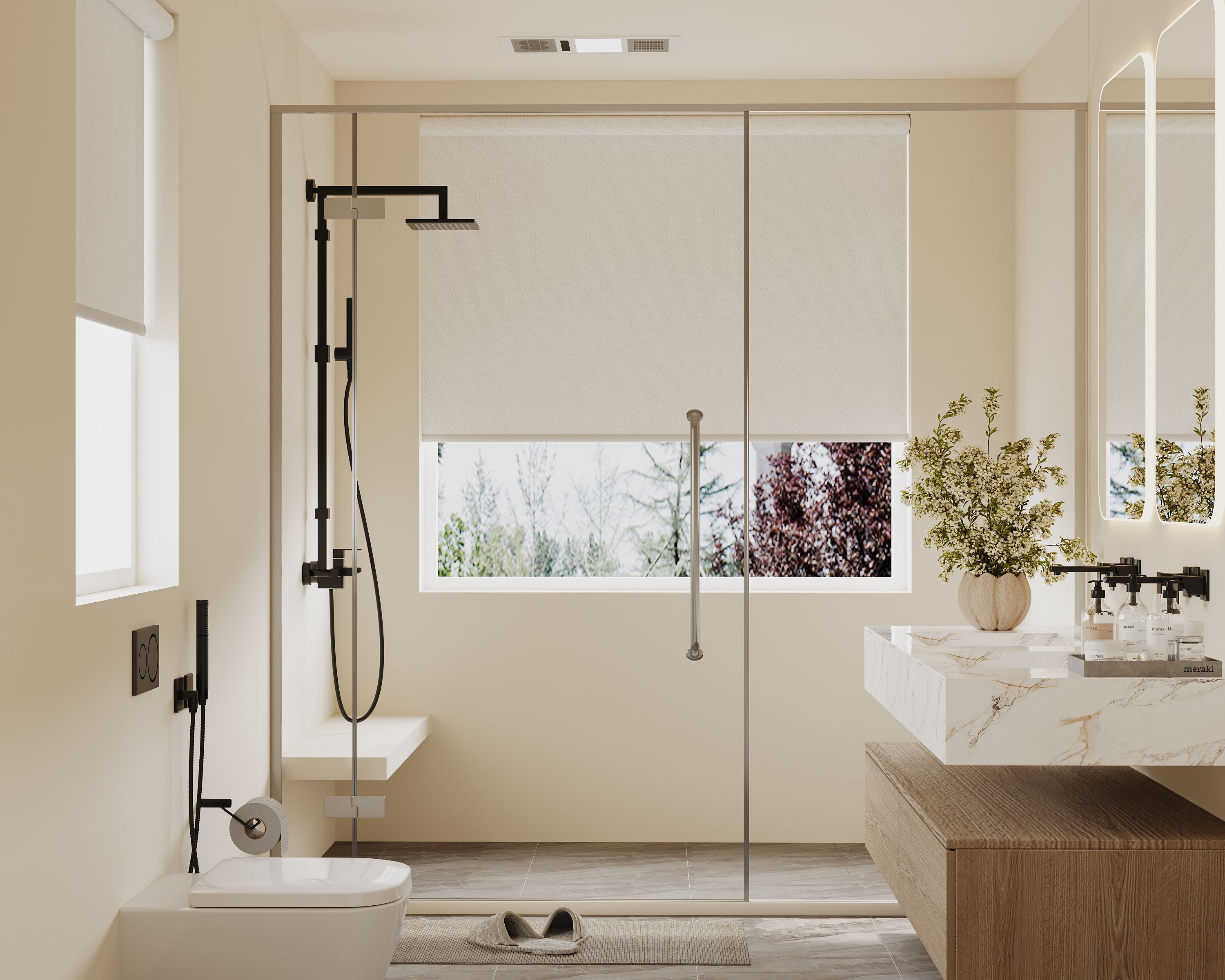


A top-down bottom-up sheer shade is a versatile window treatment that can be independently adjusted from both the top and the bottom of the window, not just from the bottom like a traditional shade. This innovative design uses two sets of controls to move a middle "floating" rail and the bottom rail, allowing you to create a customized opening anywhere on the window. For homeowners seeking the ultimate in adaptable light filtering, this functionality makes sheer shades with top-down bottom-up control a sophisticated solution for challenging windows.
If you're tired of choosing between natural light and privacy, this unique mechanism is your answer. Here’s what you’ll learn in this guide:
-
A clear breakdown of how the dual-operation mechanism works, using simple terms.
-
The key benefits and practical scenarios where this feature shines brightest in your home.
-
The different styles and control options available, from cordless to motorized.
-
How to decide if this added functionality is the right investment for your needs.
How It Works: The Mechanics of Dual Control
Imagine a standard roller shade has one control that only moves the bottom rail up and down. A top-down bottom-up (TDBU) shade adds a second, independent control system.
The core mechanism involves three main rails: a fixed headrail at the top, a movable bottom rail, and a critical middle "floating" rail. The shade fabric is attached to both the headrail and the bottom rail, but the middle rail can slide up and down between them. One control lowers this middle rail from the top, while the other control raises the entire fabric panel from the bottom.
This design gives you three fundamental positioning options that a traditional shade cannot achieve:
-
Lowered from the Top: You can pull down the middle rail to cover the lower part of the window while leaving the top open for light.
-
Raised from the Bottom: You can raise the bottom rail to cover the top part of the window while leaving the bottom open.
-
Open in the Center: You can move both rails to meet in the middle, creating a clear view band while covering the top and bottom for privacy.
Top-Down Bottom-Up vs. Traditional Shades: A Functional Comparison
The difference is a leap from basic on/off control to precise, zoned management of your window.
This level of control is particularly valuable for achieving the perfect balance of privacy and natural light in open living areas.
Where Top-Down Bottom-Up Functionality Shines: Room-by-Room Applications
This feature isn't necessary for every window, but in specific scenarios, it is transformative.
Styles, Controls, and Customization
The top-down bottom-up mechanism is not a style itself but a functional feature available across various shade types.
-
Compatible Styles: You can find this feature in Cellular/Honeycomb Shades (where it's very common), Roller Shades, Roman Shades, and Woven Wood Shades. Sheer fabrics are a popular choice as they maximize the light-filtering benefit.
-
Control Options: You can choose corded, cordless, or motorized systems. Cordless operation is highly recommended for safety and a clean look. Motorization takes convenience further, allowing you to program precise positions or integrate with smart home systems.
-
Opacity Levels: The feature works with any fabric, from light-filtering sheers to room-darkening and total blackout materials. This allows you to pair ultimate control with your desired level of light blockage.
Is the Top-Down Bottom-Up Feature Worth It?
Whether this feature is a valuable upgrade depends on your specific windows and priorities.
Consider TDBU shades if:
-
Your windows are at street level or face neighbors.
-
You have a room where glare is a constant battle (e.g., home office, media room).
-
You want to maximize natural light without sacrificing all privacy.
-
You have high or hard-to-reach windows where motorized dual control adds significant convenience.
The feature typically adds to the cost compared to a standard single-operation shade. However, for the right window, the long-term benefit of perfect, effortless light control often justifies the investment by eliminating daily compromises.
Conclusion and Key Highlights
Top-down bottom-up sheer shades represent a smarter approach to window management, replacing a binary choice with nuanced control. By understanding the simple yet ingenious dual-rail mechanism, you can unlock new ways to brighten, privatize, and enjoy every room in your home.
Key Highlights:
-
Top-down bottom-up shades operate with two independent controls, moving a middle rail and a bottom rail to create openings anywhere on the window.
-
The primary benefit is breaking the link between privacy and darkness. You can block a view at eye level while still welcoming light from above.
-
This feature is ideal for street-facing rooms, bathrooms, home offices, and bedrooms where balancing light and privacy is a daily challenge.
-
It is available in multiple shade styles (cellular, roller, Roman) and control types (cordless, motorized), offering wide customization.
-
While an investment, the functionality provides tangible, daily value for windows where standard shades force an unsatisfactory compromise.
By choosing this flexible option, you move from simply covering your windows to actively curating the light and atmosphere in your living space.
Shop Sheer Shades by Light Control


Frequently Asked Questions (FAQ)
Can top-down bottom-up shades be fully opened?
Yes, high-quality top-down bottom-up shades can fully retract to expose the entire window. Both the middle (top-down) rail and the bottom rail can be stacked neatly at the top of the window, clearing the view completely.
Are they difficult to operate?
No, they are designed for easy use. Cordless models simply require you to gently pull or push the middle and bottom rails to your desired position. Corded models have two separate cords. Motorized versions offer the simplest operation of all via remote or app.
What's the difference between "top-down" and "top-down bottom-up"?
This is a common point of confusion. "Top-down" alone usually refers to a shade that only lowers from the top and cannot be raised from the bottom. "Top-down bottom-up" (TDBU) means the shade has both functions: it can lower from the top and raise from the bottom independently. TDBU offers complete flexibility.
Can I use them on all window types?
They work best on standard, rectangular windows like double-hungs and casements that provide a flat mounting surface. They can be more challenging or require customization for arches, angled bays, or windows with extremely shallow depth that can't accommodate the dual mechanisms.
Do they cost much more than regular shades?
There is a price premium for the added mechanism and hardware. The increase is often most reasonable when adding the feature to a style you're already considering, like cellular shades. The cost should be weighed against the functional benefit for that specific window's challenges.
