
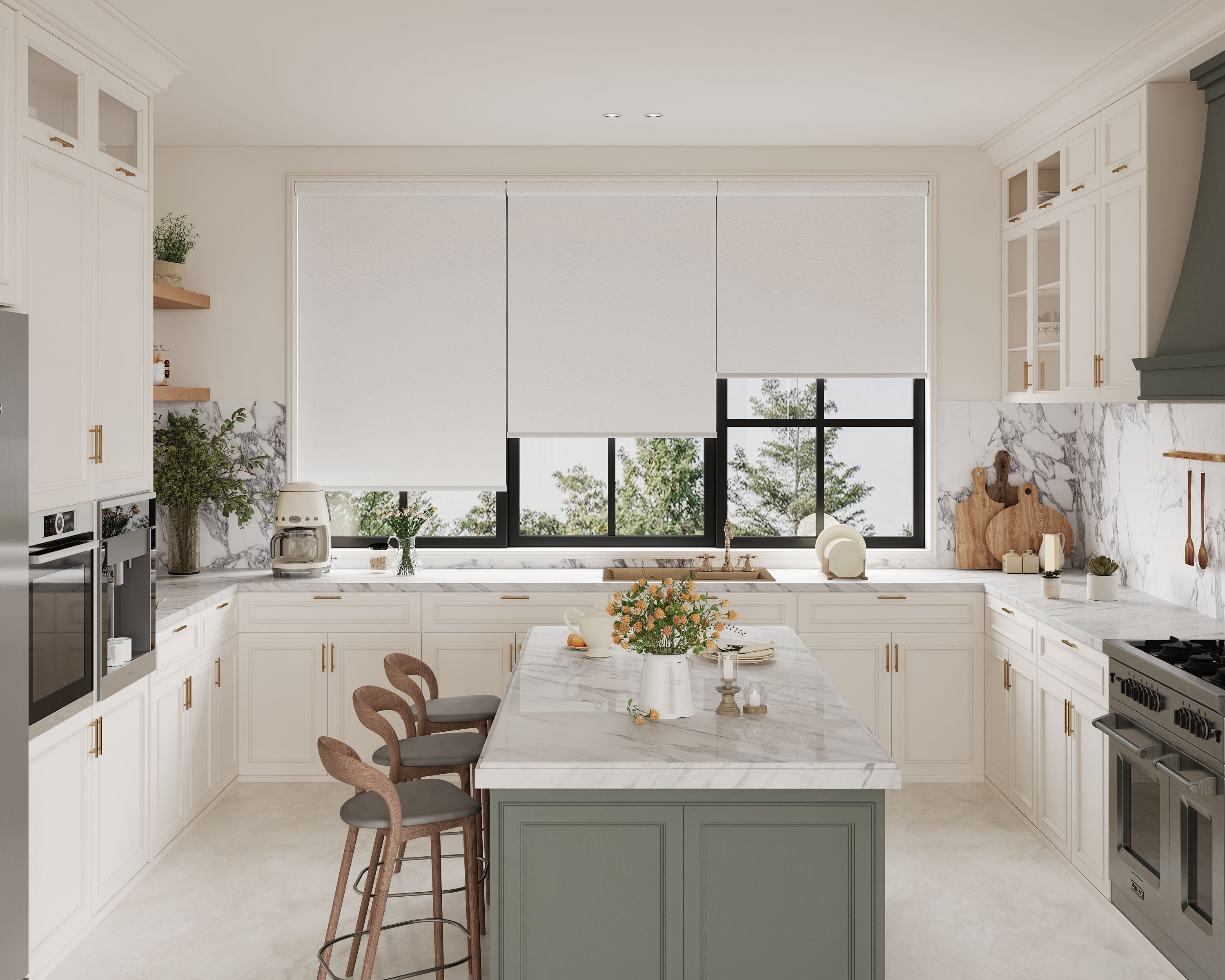
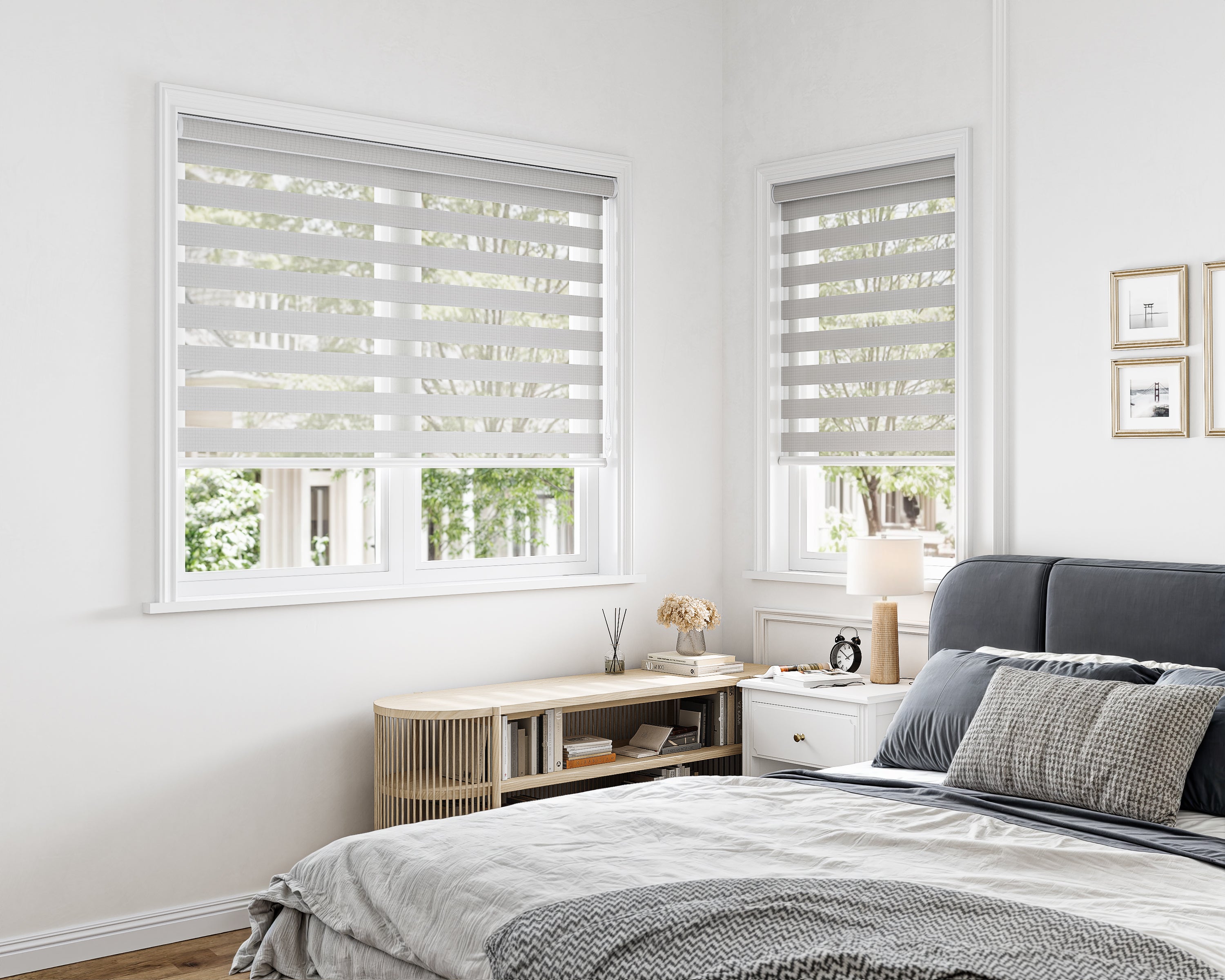
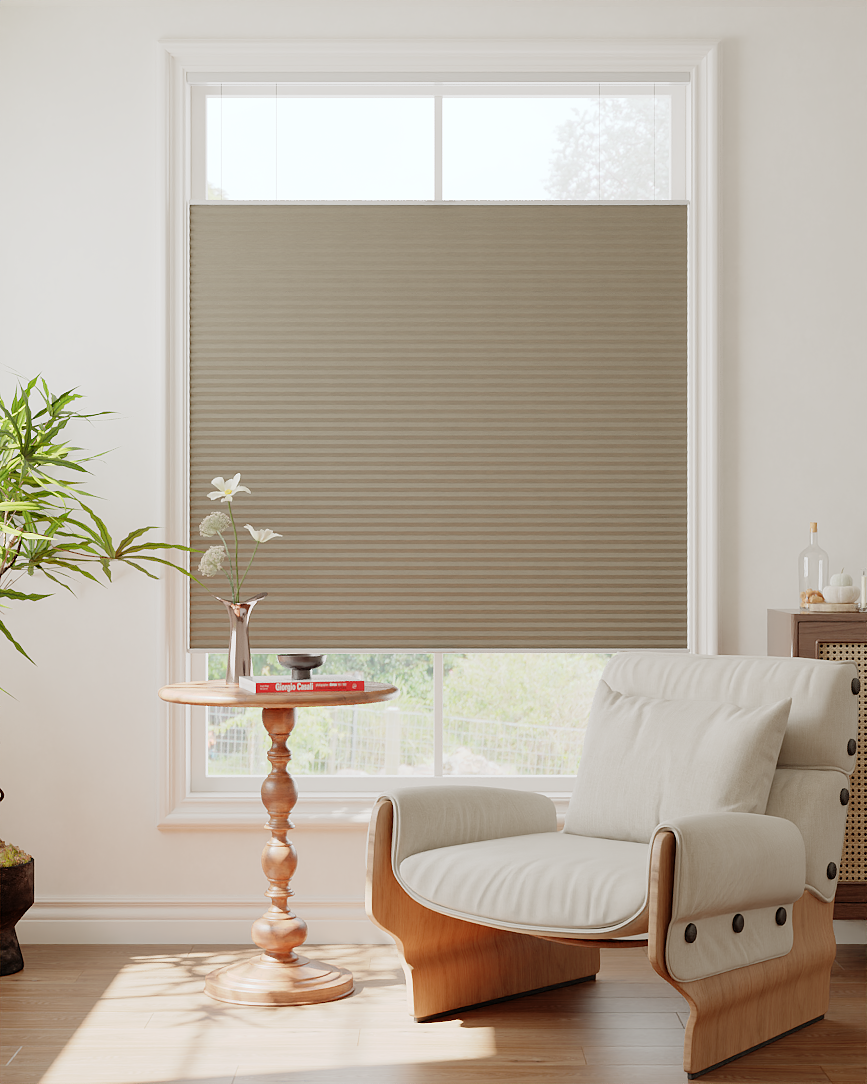
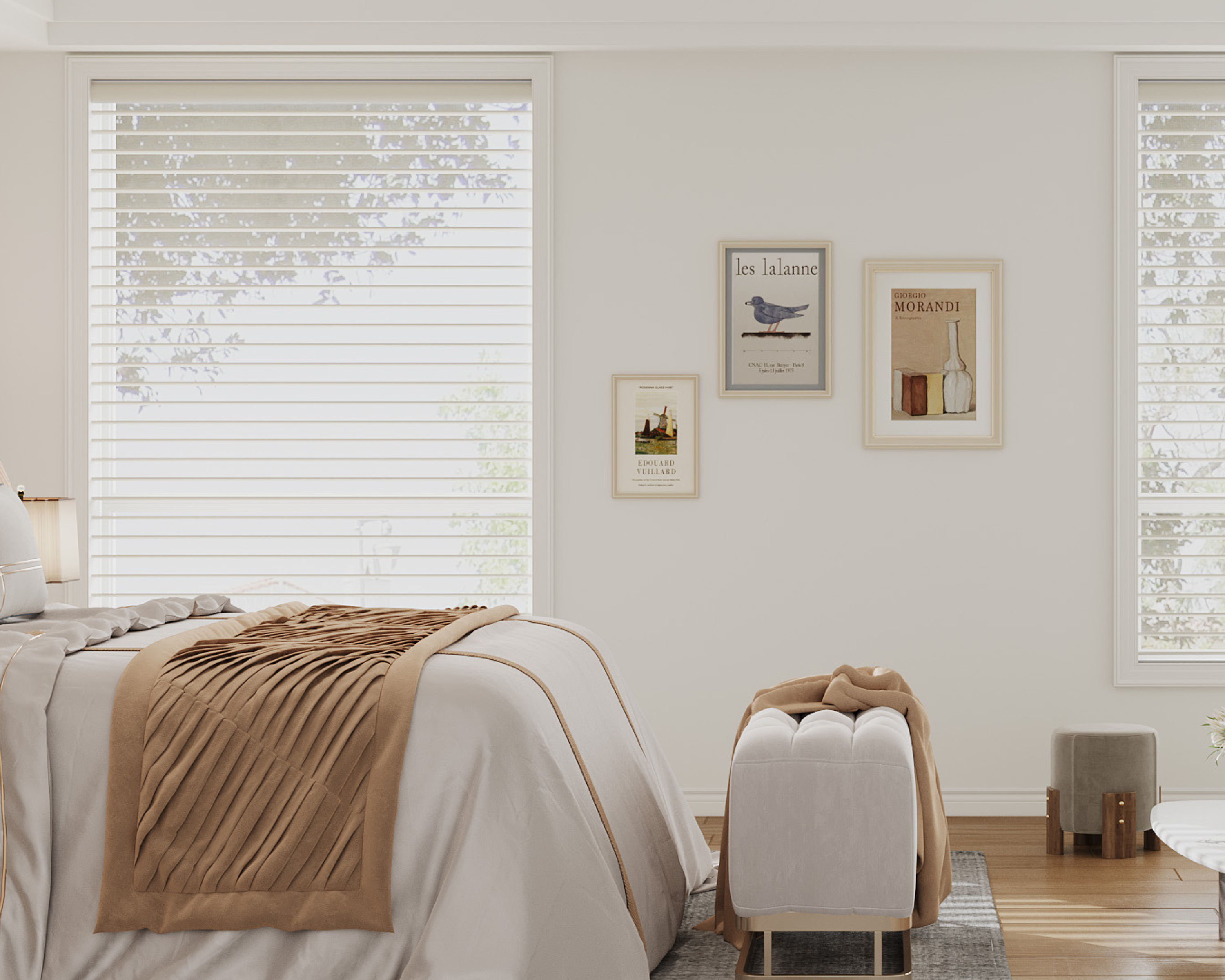
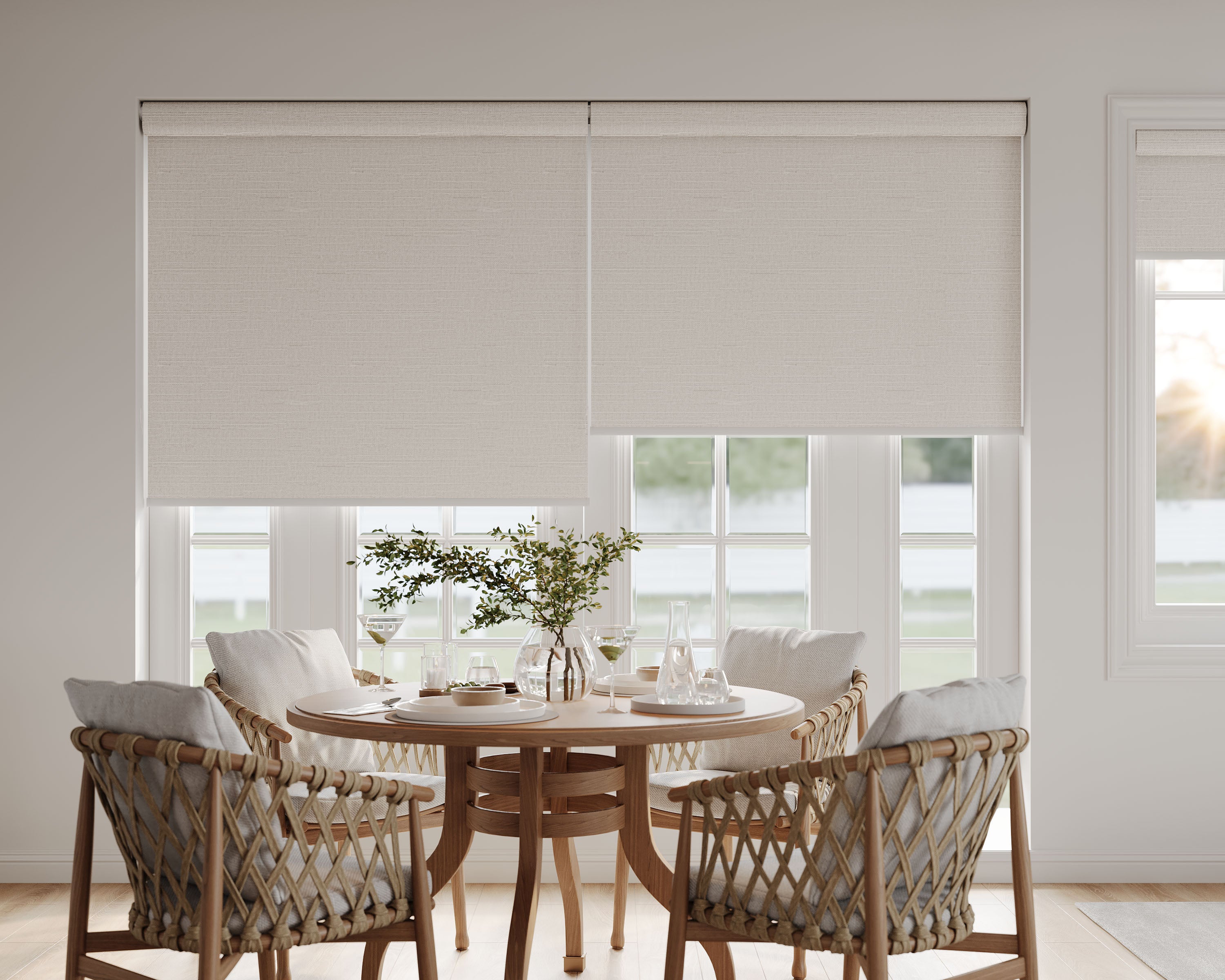


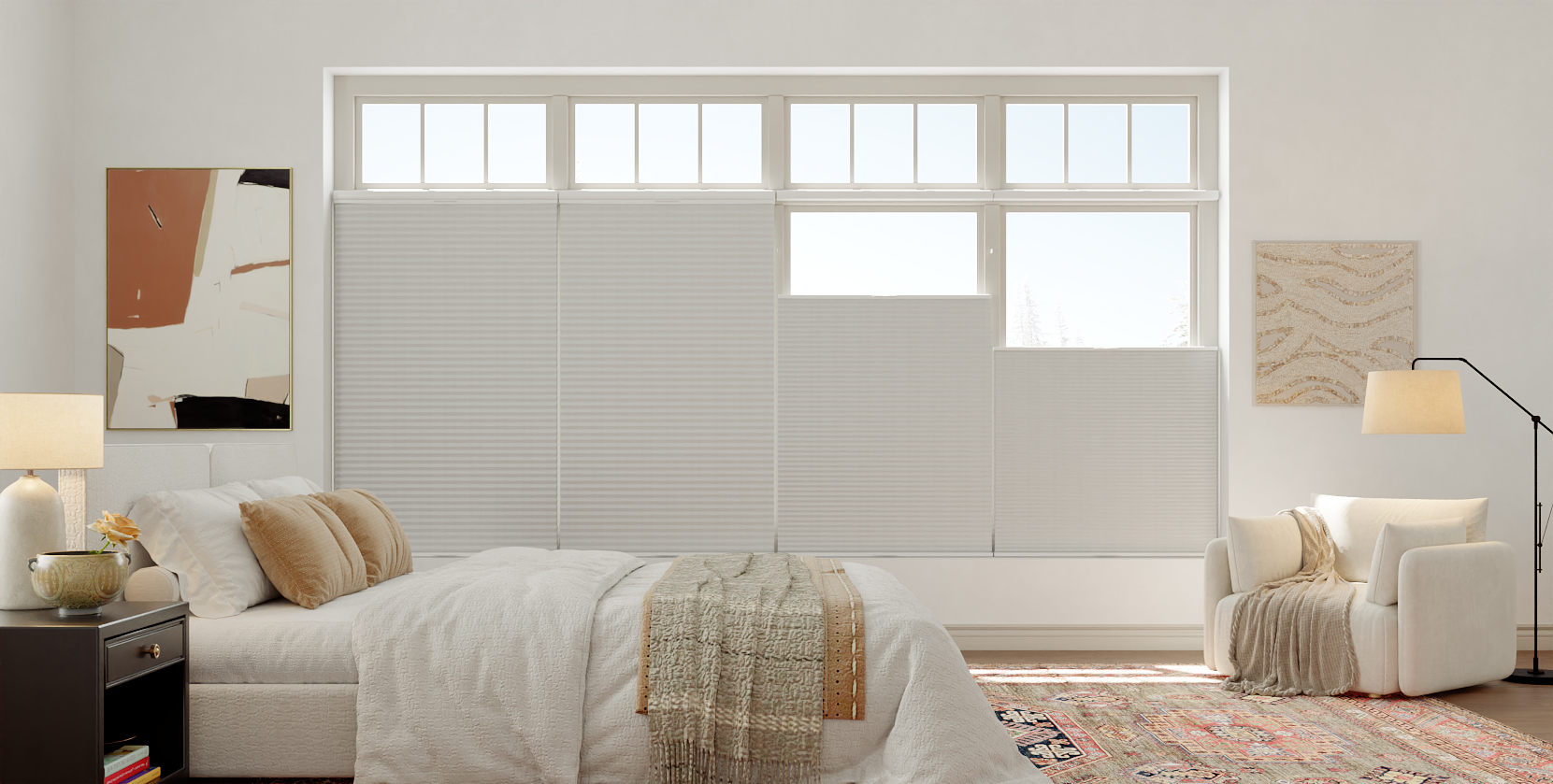


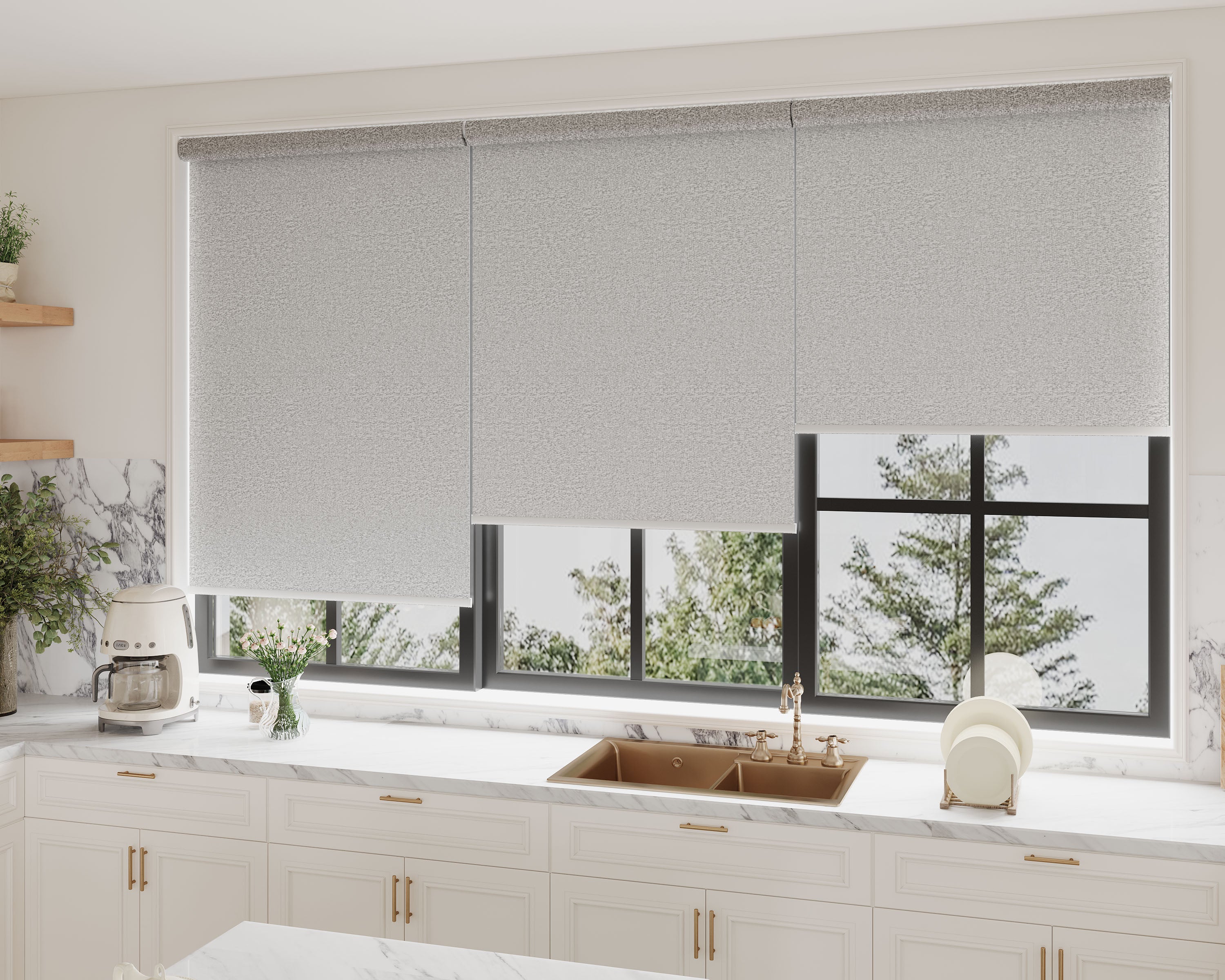

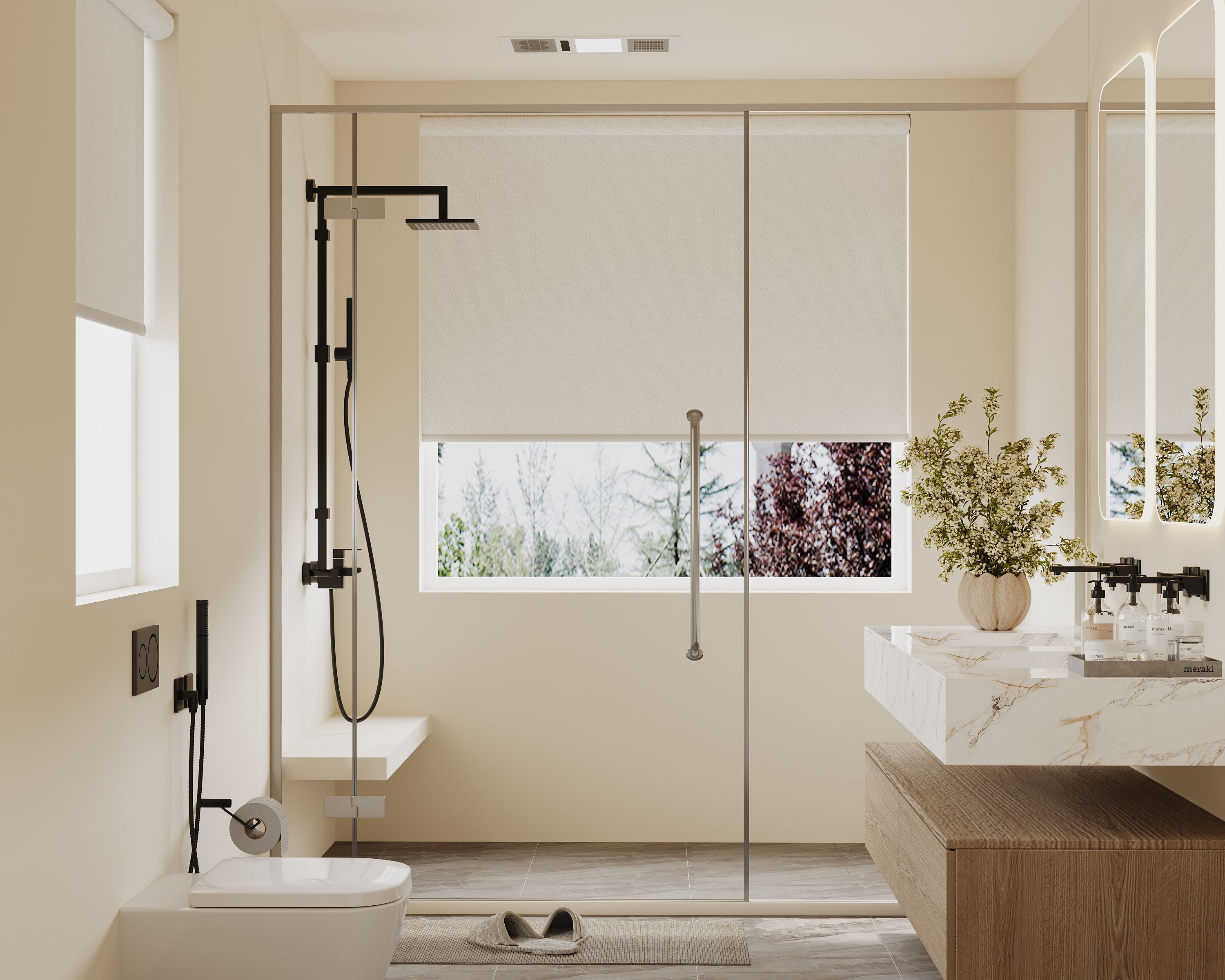


Light-filtering shades and solar shades are designed for distinctly different primary purposes: light-filtering shades are designed to softly diffuse incoming visible light for ambiance and privacy, while solar shades are engineered to block the sun's infrared heat and reduce glare while preserving outward views. Choosing the right one depends on whether your top priority is creating a beautiful, softened light in a room or actively fighting solar heat gain and intense brightness. For managing glare without sacrificing all outdoor connection, exploring versatile solar shade options is a strategic starting point.
This guide will cut through the confusion and provide you with a clear, actionable framework for your decision.
-
The fundamental design and material differences that define each shade type.
-
A detailed side-by-side comparison of their performance across key metrics like glare control, heat rejection, and privacy.
-
An explanation of the crucial Openness Factor (OF) specification for solar shades.
-
A practical room-by-room application guide and a simple "if-then" decision flowchart.
Core Design & Purpose: Two Different Tools
Understanding the "why" behind each product is the first step to choosing correctly.
-
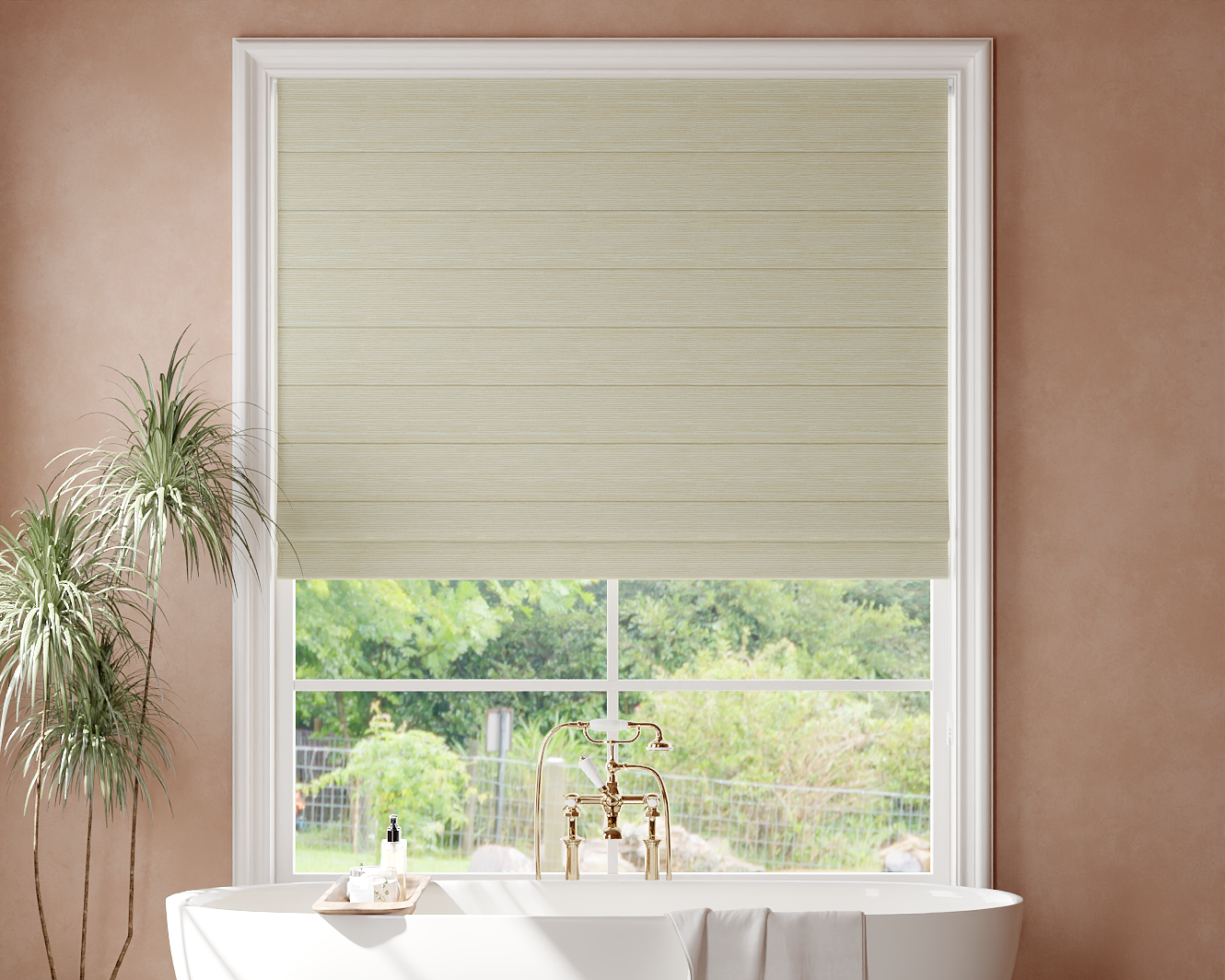
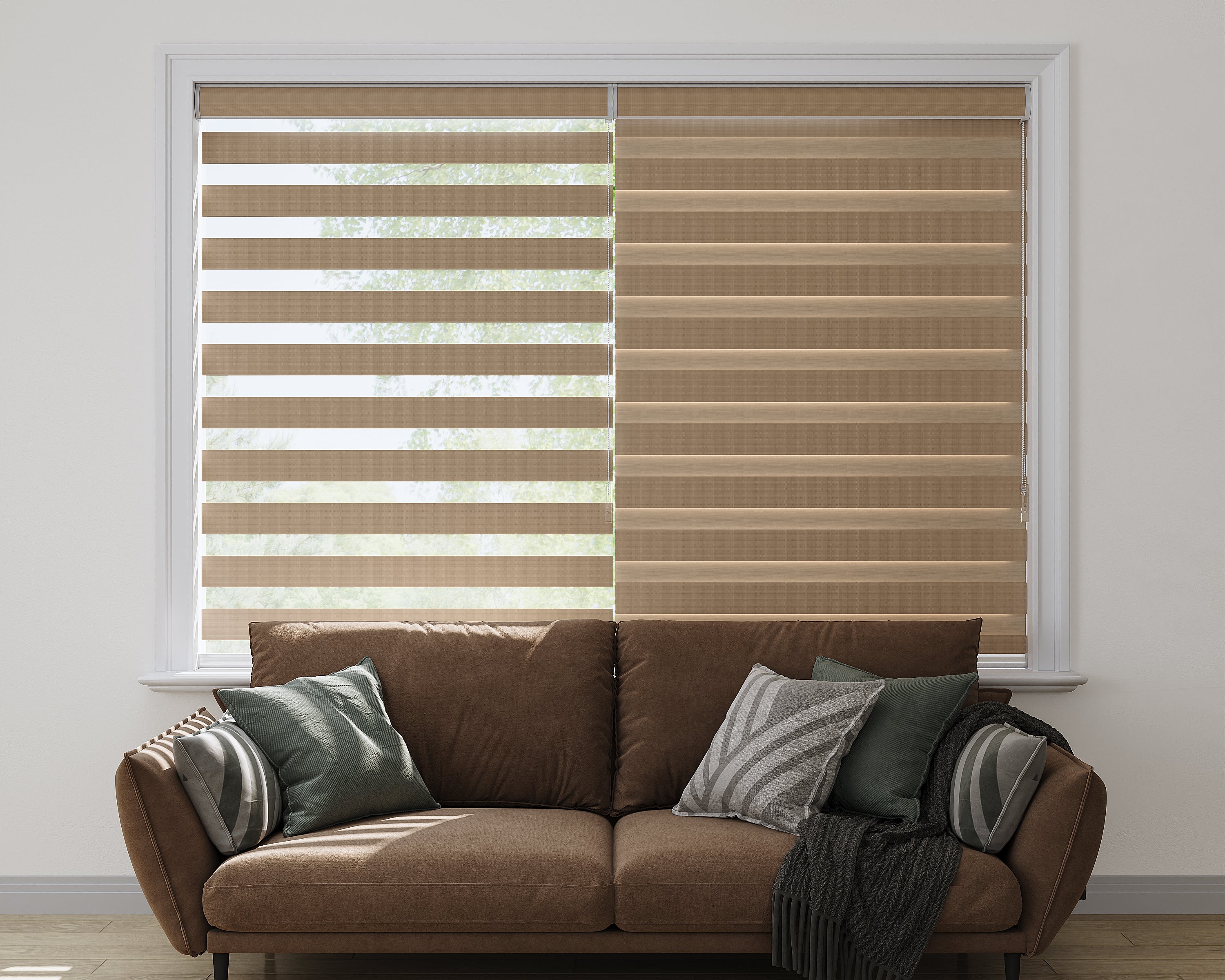
Light-Filtering Shades (Typically Sheer): These are made of woven or knitted translucent fabrics like polyester, linen, or cotton. Their primary function is aesthetic and ambient. They scatter harsh direct sunlight, transforming it into a soft, even glow that eliminates glare while preserving a hazy view to the outside. They add texture and privacy to a room but are not designed as a thermal barrier.
-
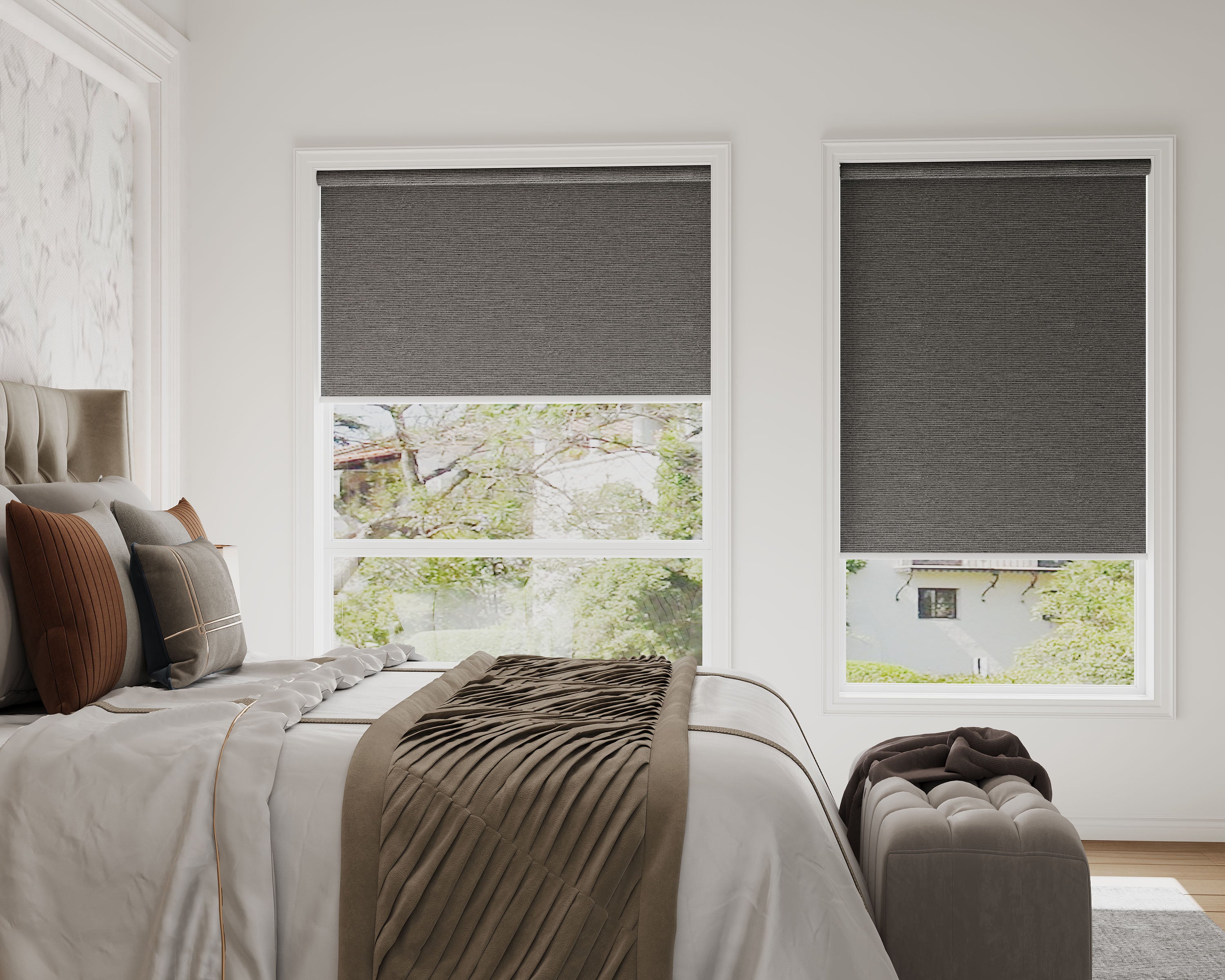
Solar Shades (or Sun Shades): These are made from a specially engineered screen fabric, often incorporating vinyl-coated polyester or fiberglass yarns with a light, open weave. Many have a subtle metallic component. Their primary function is practical and protective. They are designed to reflect and absorb a significant portion of the sun's infrared radiation (heat) and block ultraviolet (UV) rays before they enter the room, while still allowing you to see out clearly, similar to sunglasses.
Direct Comparison: Light-Filtering vs. Solar Shades
This table highlights how their different designs lead to opposite performance strengths.
| Feature | Light-Filtering (Sheer) Shades | Solar Shades | Who Wins? |
|---|---|---|---|
| Primary Goal | Create soft, diffused ambiance; add privacy. | Reject solar heat & reduce glare; preserve clear view. | Different tools. |
| Glare Reduction | Excellent. Eliminates harshness by scattering light. | Superior. Reduces brightness intensity while maintaining view clarity. | Solar Shades |
| Heat Rejection | Low to Moderate. Reduces some heat as a byproduct of diffusion. | High. Designed specifically to block infrared solar thermal energy. | Solar Shades |
| UV Protection | Moderate. Blocks a portion of UV rays. | Very High. Often blocks 99% of UV rays, protecting furnishings. | Solar Shades |
| View Through (Day) | Soft, diffused, and blurred. | Clear and maintained, though with a slight gray or bronze tint. | Solar Shades |
| Daytime Privacy | Excellent. Obscures interiors while allowing light in. | Low to None. From outside, you can see shadows/ shapes, especially at night with lights on. | Light-Filtering |
| Best Description | A "soft-focus filter" for your window. | "Sunglasses" for your window. | N/A |
For a deeper dive into the functional choice between these two for managing problematic glare, our comparison of solar shades versus sheer shades for glare management offers more specific scenarios.
Understanding Openness Factor: The Key to Solar Shade Performance
For solar shades, the most important specification is the Openness Factor (OF). This percentage indicates how much visible light passes directly through the fabric. It ranges from 1% (very dense, more private) to 15%+ (very open, clearer view).
-
Lower OF (e.g., 1%-5%): Blocks more heat, glare, and UV rays. Provides more privacy from a distance but can slightly darken the room. The view is more muted.
-
Higher OF (e.g., 10%-14%): Allows more light and heat to pass through. Offers a clearer, brighter view but provides less solar protection and very little privacy.
Selecting the right OF is a balance. A 3-5% OF is often ideal for west-facing windows with intense afternoon sun, while a 10% OF might be perfect for a north-facing window where heat isn't the main concern. Understanding how openness factors and reflective fabrics work for summer heat control is crucial for this decision.
Application Guide: Which Shade for Which Room?
Your room's orientation, primary use, and your top priority should guide your choice.
| Room & Priority | Recommended Shade Type | Why It's the Best Fit |
|---|---|---|
| South/West-Facing Windows (Heat & Glare) | Solar Shades (3-7% OF) | Their core function is to combat intense solar gain and blinding glare while letting you enjoy the view. |
| Home Office (Screen Glare) | Solar Shades (5-10% OF) | Effectively cuts monitor glare without making the room feel dark or closed in. |
| Living/Dining Room (Ambiance & Privacy) | Light-Filtering Sheer Shades | Creates a soft, inviting atmosphere and provides perfect daytime privacy from the street. |
| Bedroom (Sleep & Morning Light) | Light-Filtering or Layered System | Sheers provide gentle light; for sleep, layer with blackout shades. Solar shades offer little privacy at night. |
| Media Room | Layered System or Solar Shades + Drapes | Use solar shades by day to reduce glare on the TV. For movie time, add blackout drapes for darkness. |
For rooms where both solar control and privacy are needed, a layered approach using smart scheduling for automated shade positions can provide the perfect balance throughout the day.
The Decision Flowchart: How to Choose
Follow this simple logic to arrive at your best choice:
-
Is blocking solar heat gain your #1 concern? → YES = Choose Solar Shades. (Consider OF between 1-7%).
-
Is preserving a clear, undistorted view your #1 concern? → YES = Choose Solar Shades. (Consider OF between 5-14%).
-
Is creating soft, private ambiance your #1 concern? → YES = Choose Light-Filtering Sheer Shades.
-
Do you need both heat/glare control AND nighttime privacy? → YES = Consider layering Solar Shades with light-filtering drapes or using a dual-shade system.
Conclusion and Key Highlights
Light-filtering and solar shades are specialized tools that solve different problems. By understanding that one is an "ambiance creator" and the other is a "solar defense system," you can invest in the right solution for your specific windows.
Key Highlights:
-
Light-filtering shades soften light and provide privacy using translucent fabrics; they are about improving interior ambiance.
-
Solar shades block heat and reduce glare using engineered screen fabrics; they are about exterior solar defense while keeping the view.
-
The Openness Factor (OF) is the critical specification for solar shades, balancing view clarity with sun protection.
-
For heat and glare: Choose solar shades. For soft light and privacy: Choose light-filtering sheers.
-
For complex needs: Don't be afraid to layer treatments (e.g., solar shade for day, opaque drape for night) to achieve multiple goals.
By applying this clear framework, you can move beyond confusion and select the window treatment that will deliver exactly the performance and aesthetic you desire for your space.
Shop Sheer Shades by Light Control


Frequently Asked Questions (FAQ)
Can solar shades be blackout?
No, true solar shades cannot be blackout by definition. Their design is based on an open weave to allow visibility. If you need blackout performance, you would need a separate blackout shade (like a roller shade with a solid, opaque fabric) or choose a dual-layer shade system that combines a solar screen with a blackout layer.
Are light-filtering shades the same as room darkening?
No, they are different levels on the opacity scale. Light-filtering fabrics allow the most light to pass through, creating a soft glow. Room-darkening fabrics are more opaque and significantly dim a room but may not create total darkness. Blackout fabrics are designed to block nearly all light.
Do solar shades work for privacy?
Solar shades provide very limited daytime privacy and almost no nighttime privacy. During the day, from the outside, you can see shadows and movement. At night, with interior lights on, they become transparent. If privacy is a primary need, light-filtering shades or a layered solution are necessary.
Which is more energy-efficient, solar or light-filtering shades?
Solar shades are significantly more energy-efficient for reducing cooling costs in summer. By blocking infrared heat at the window, they prevent it from entering the room and adding load to your air conditioner. Light-filtering shades have a minimal impact on thermal performance, as discussed in our analysis of whether sheer shades effectively block heat.
Can I get top-down bottom-up functionality in these shades?
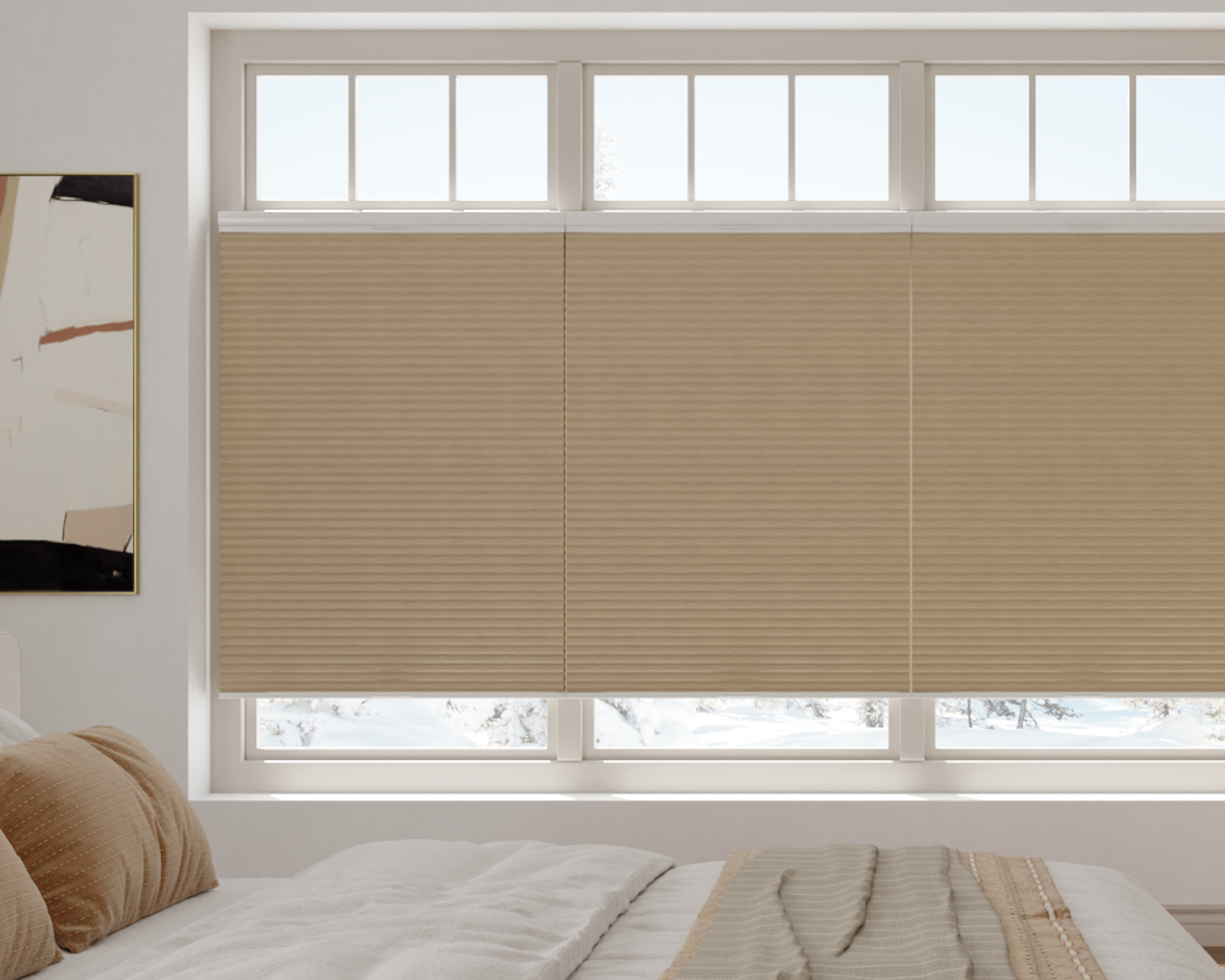
Yes, both light-filtering and solar shades are commonly available with top-down bottom-up operation. This is especially valuable for solar shades, as it allows you to lower just the top portion to block high sun or glare while keeping the lower section open for view. It's a premium feature that adds great flexibility.
