
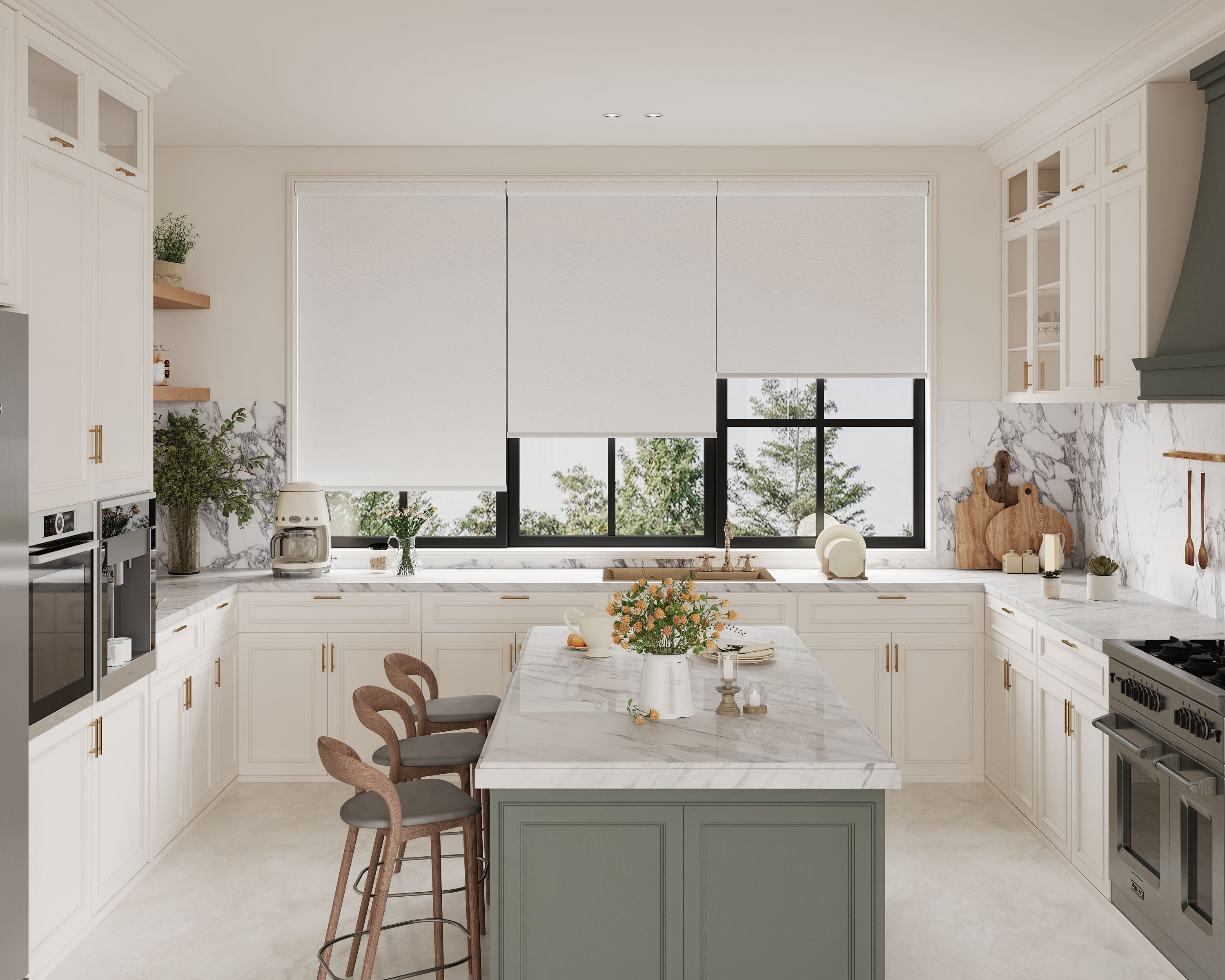
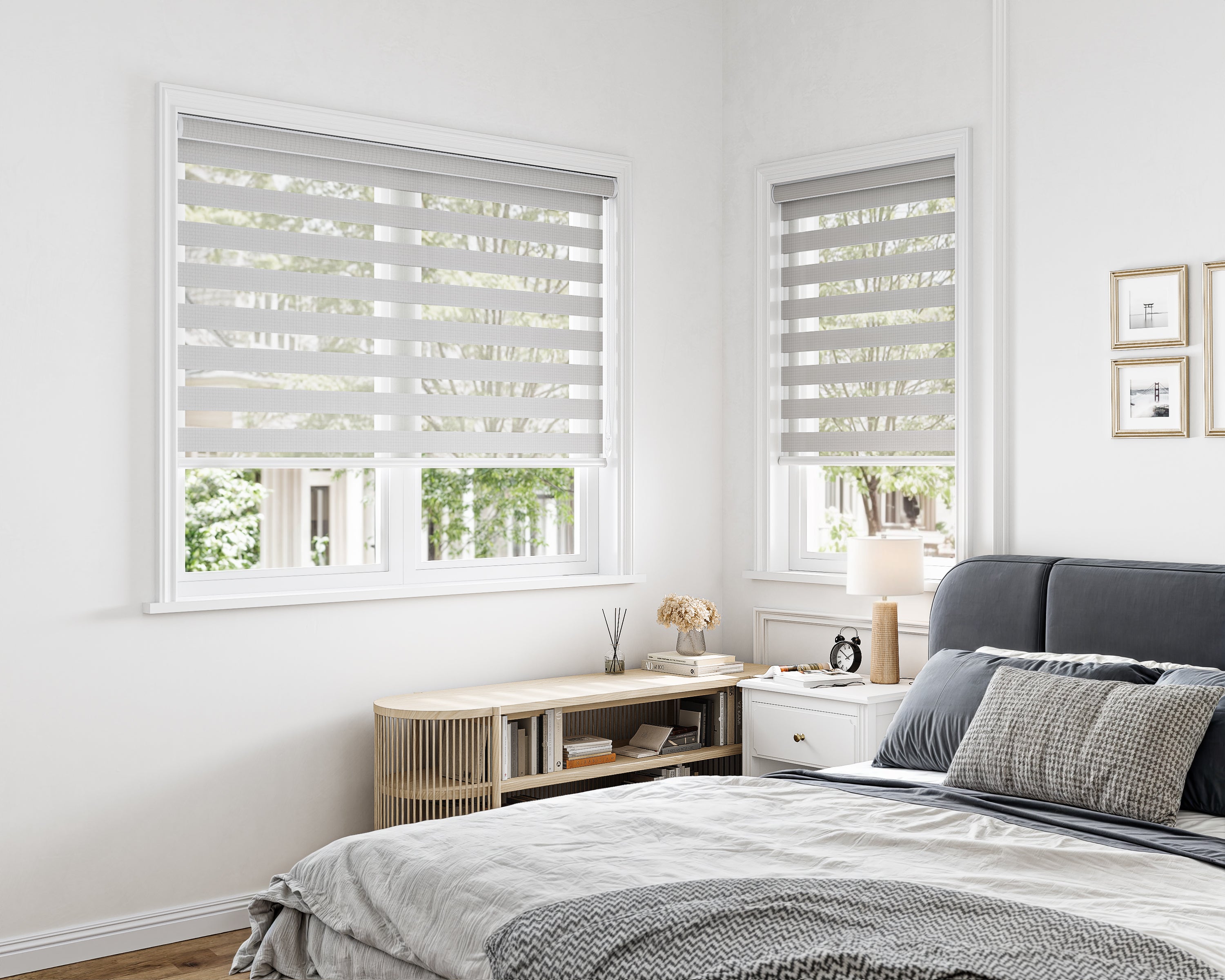
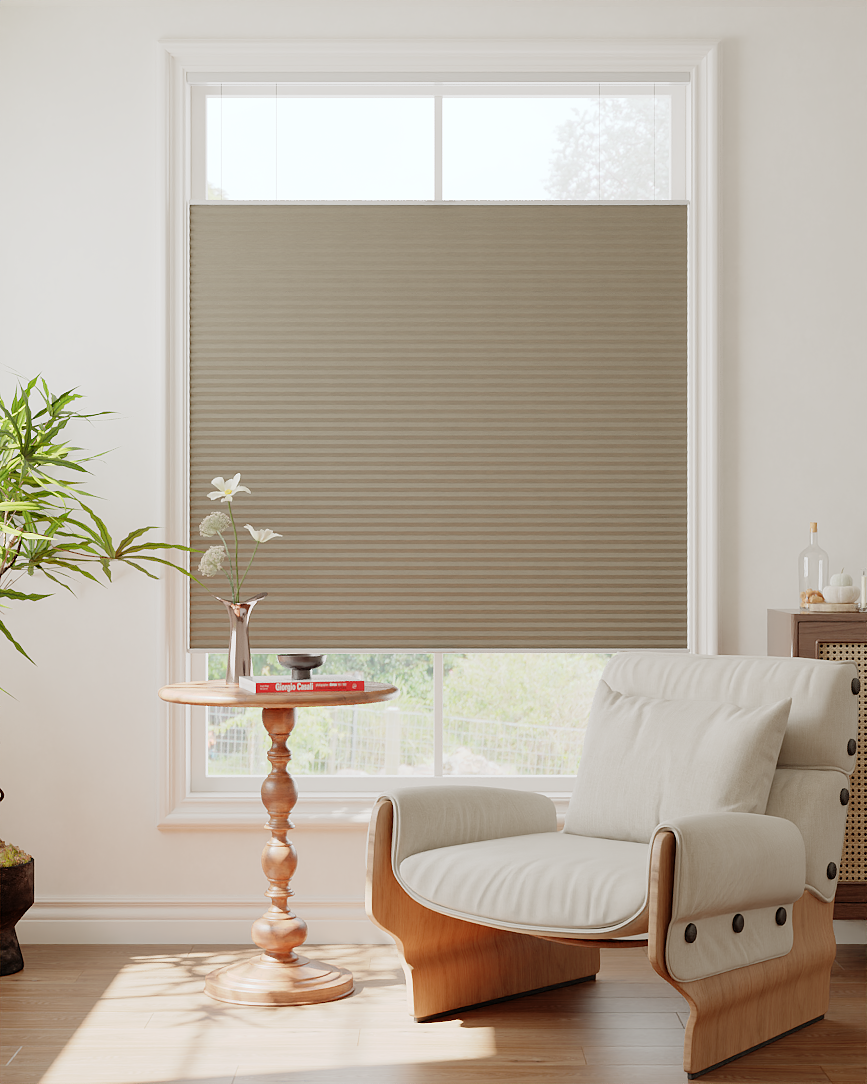
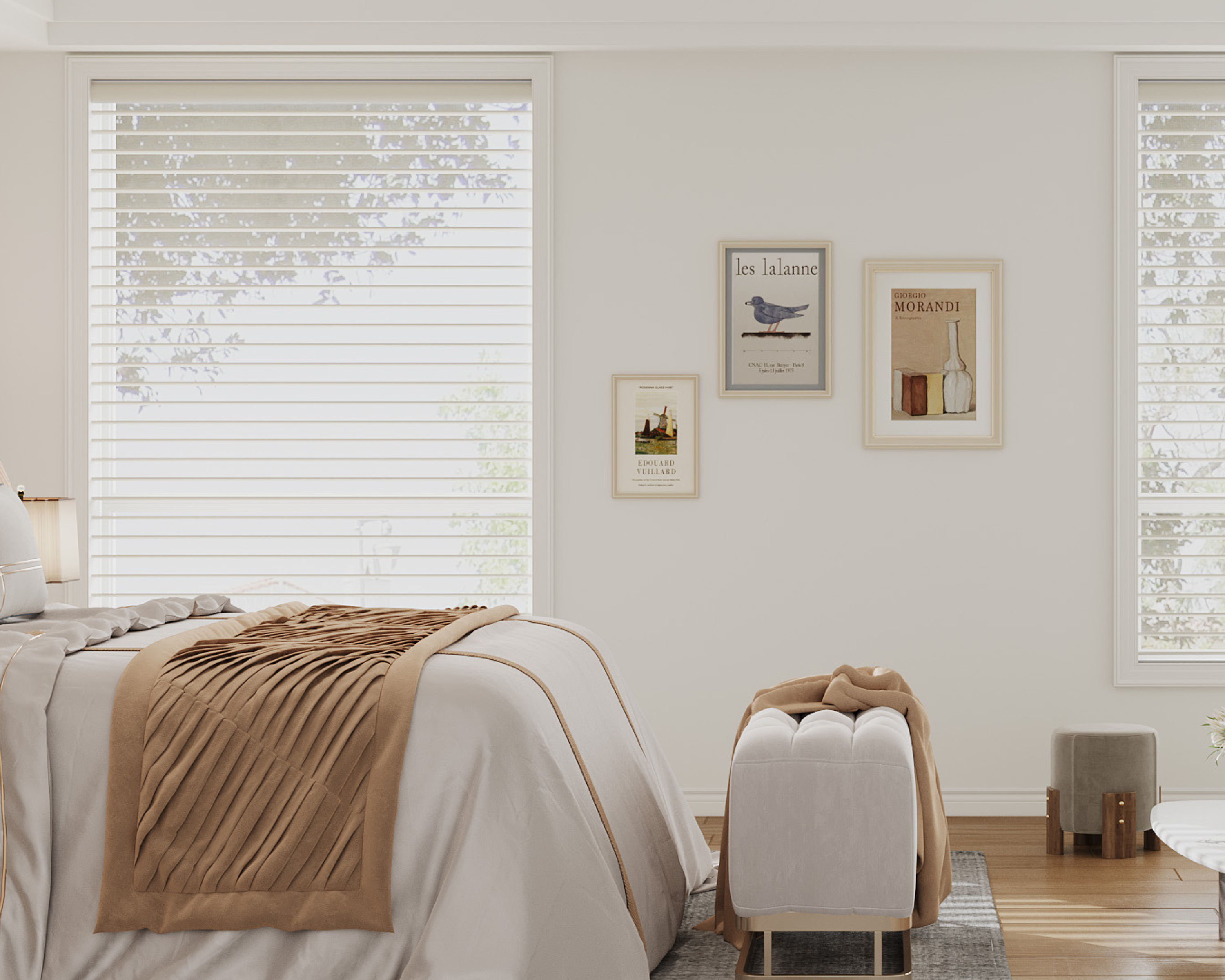
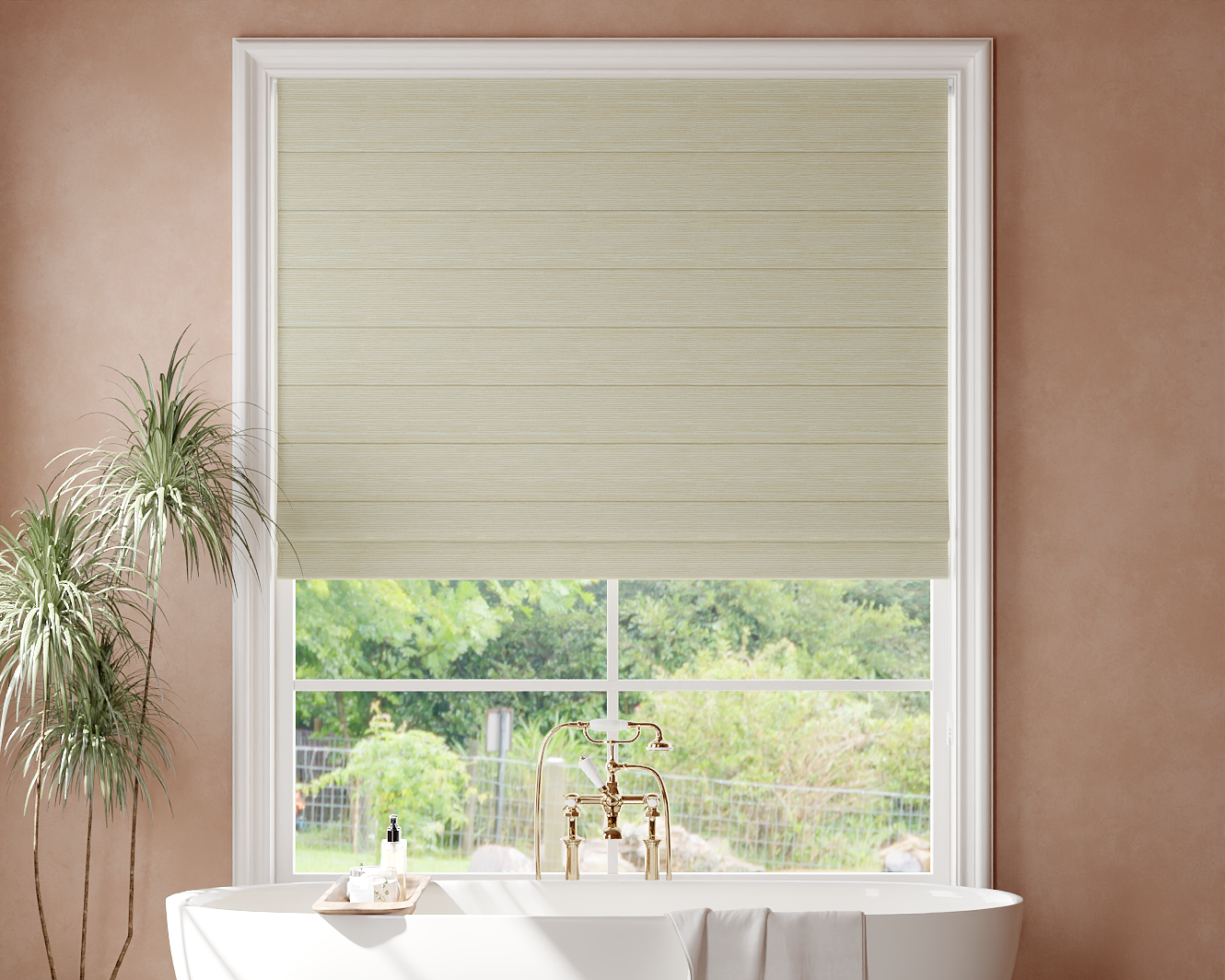
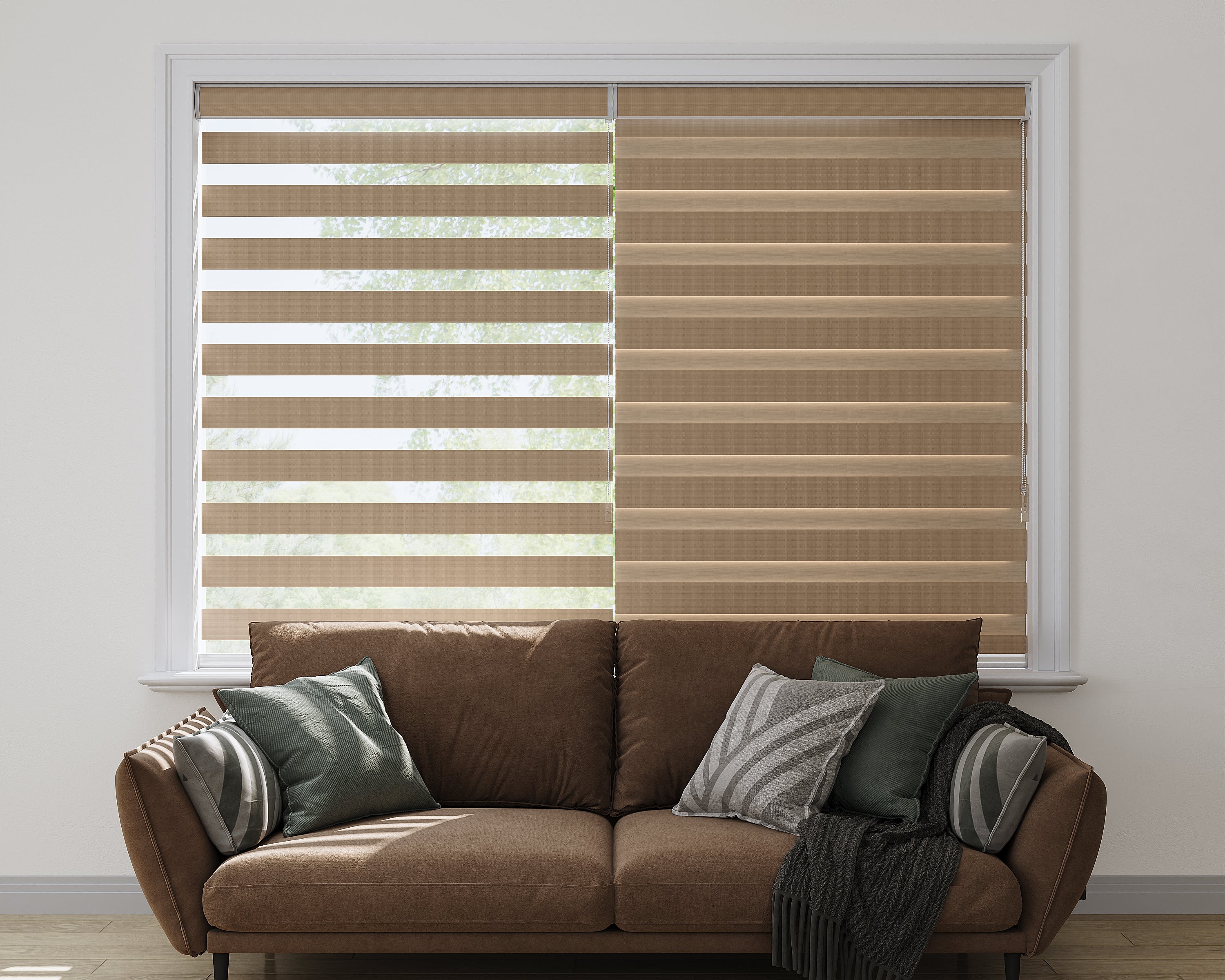
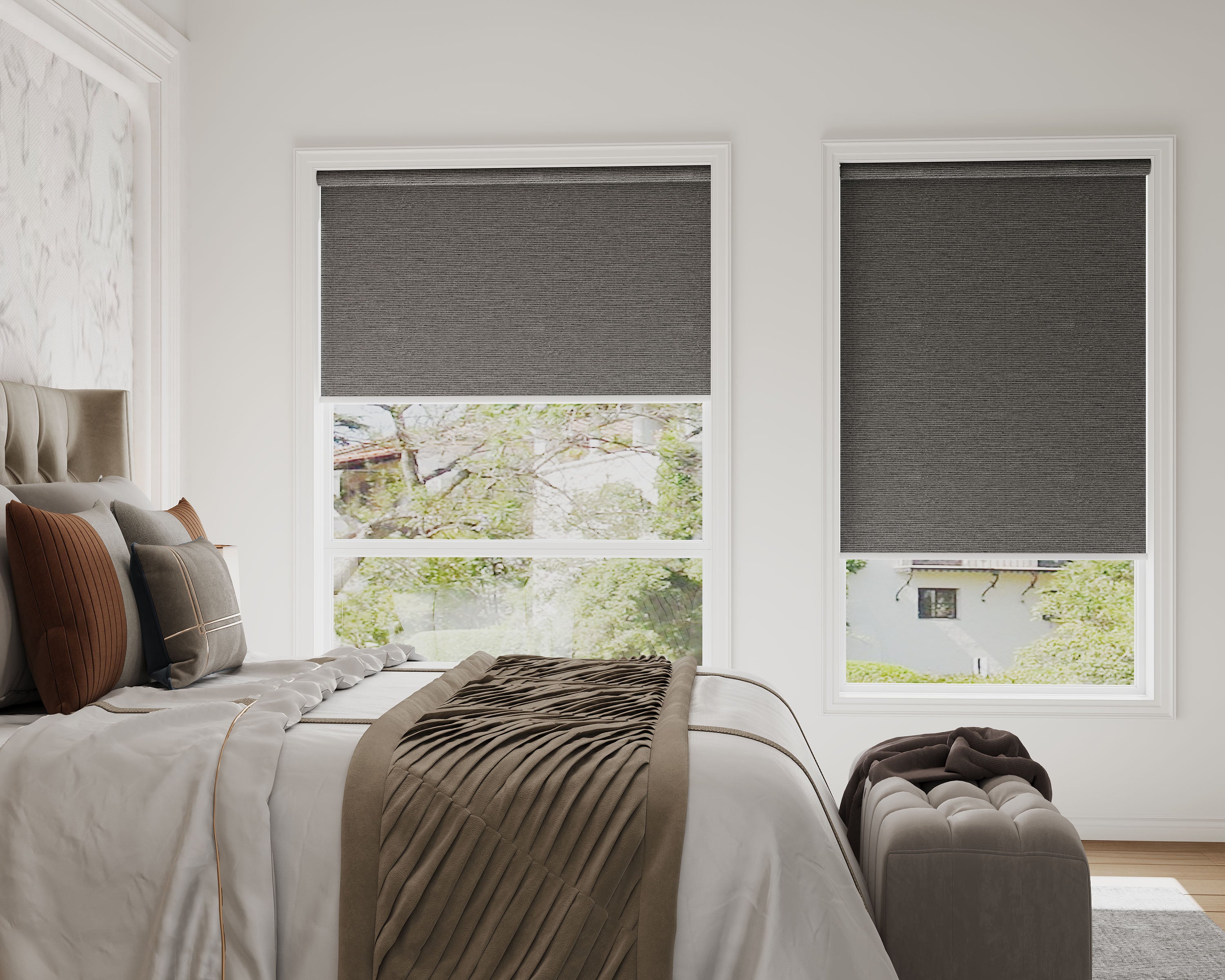
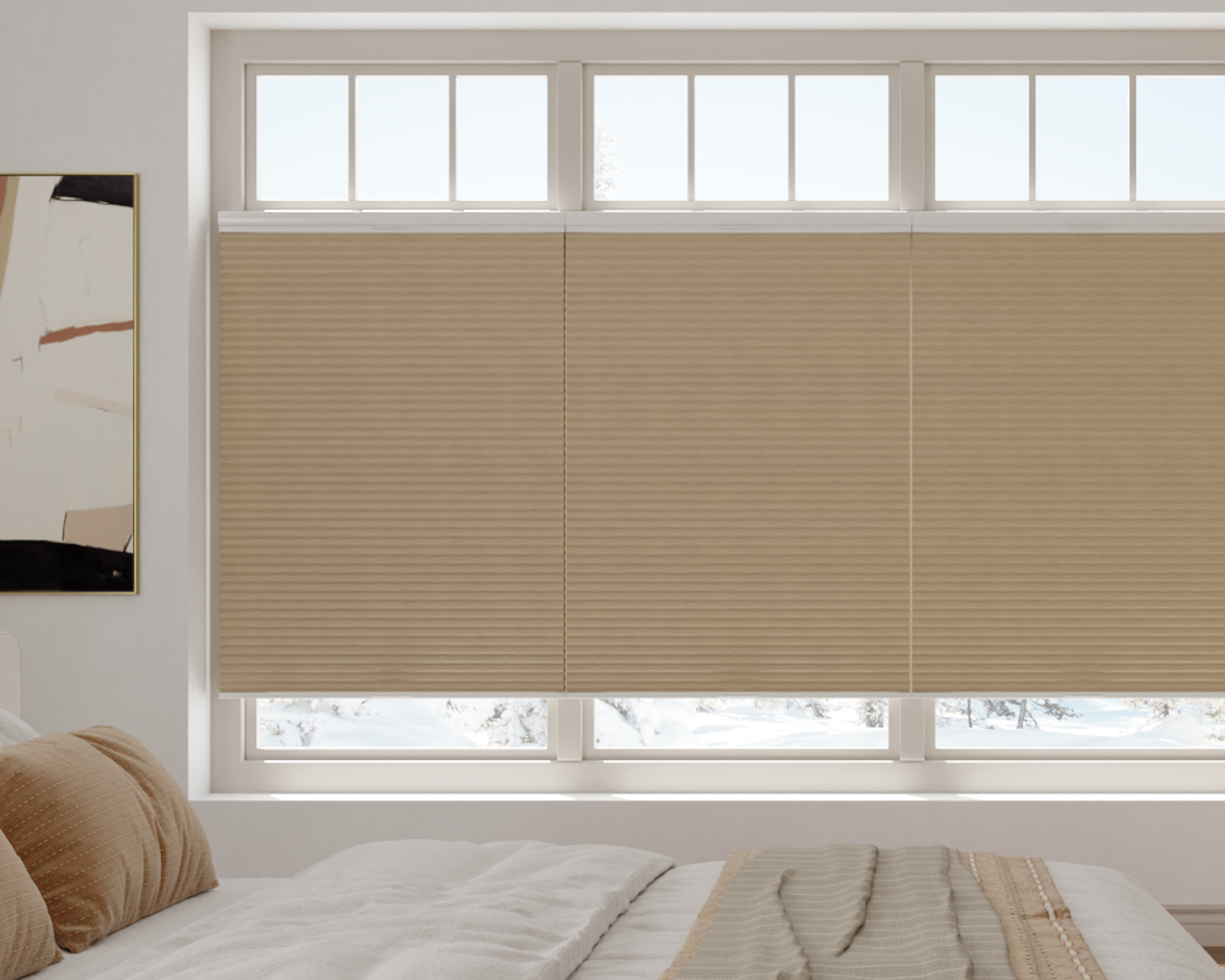
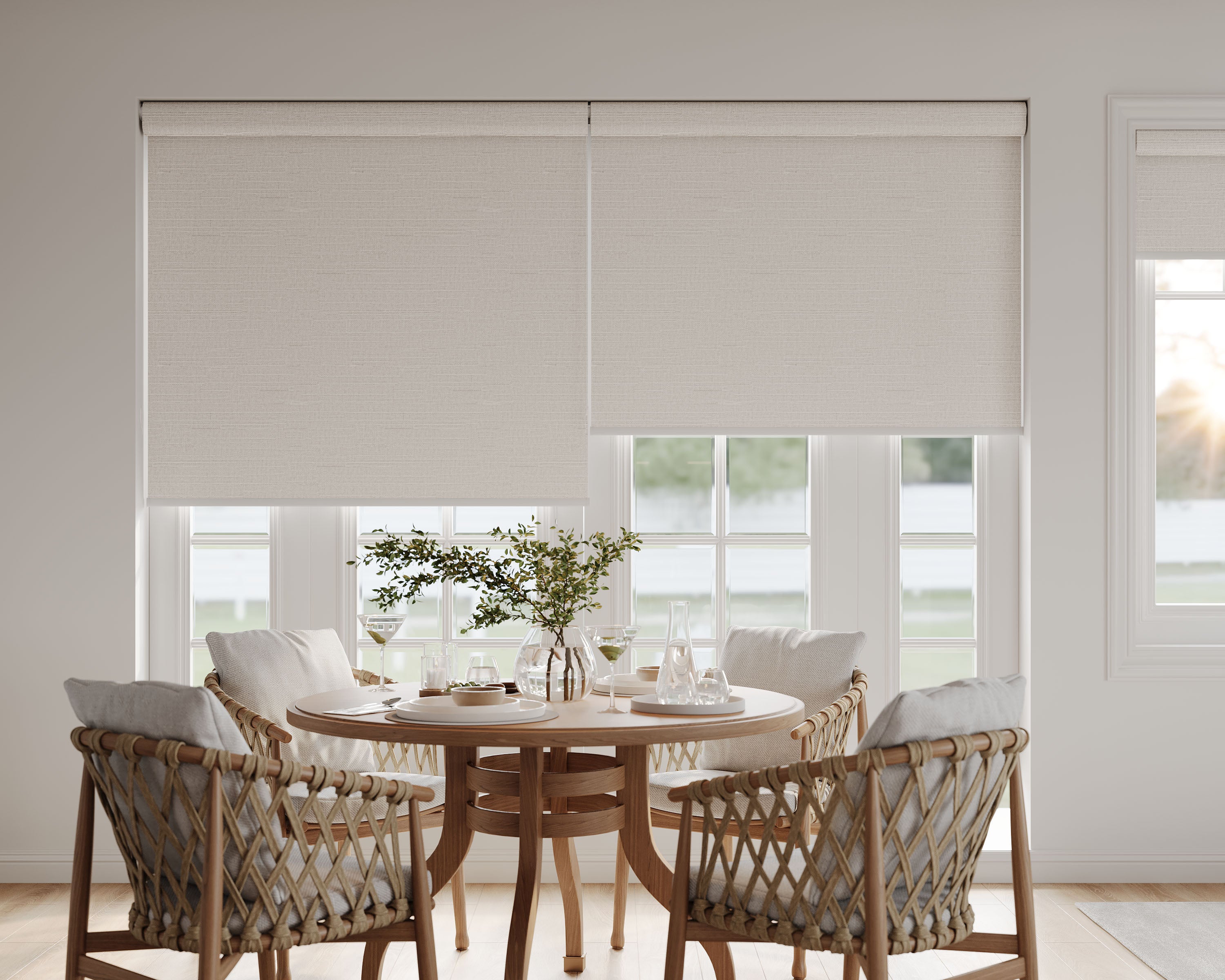


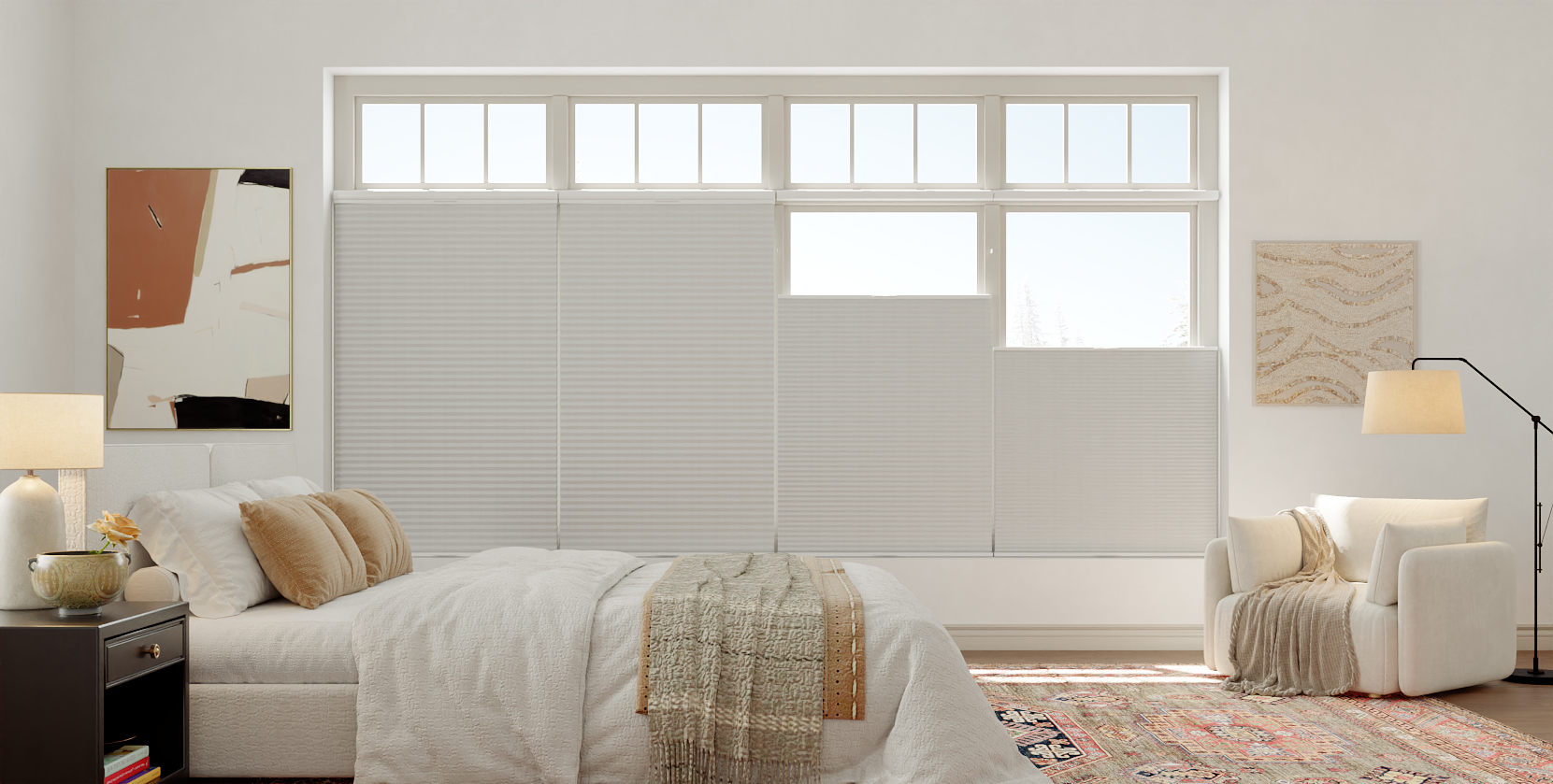


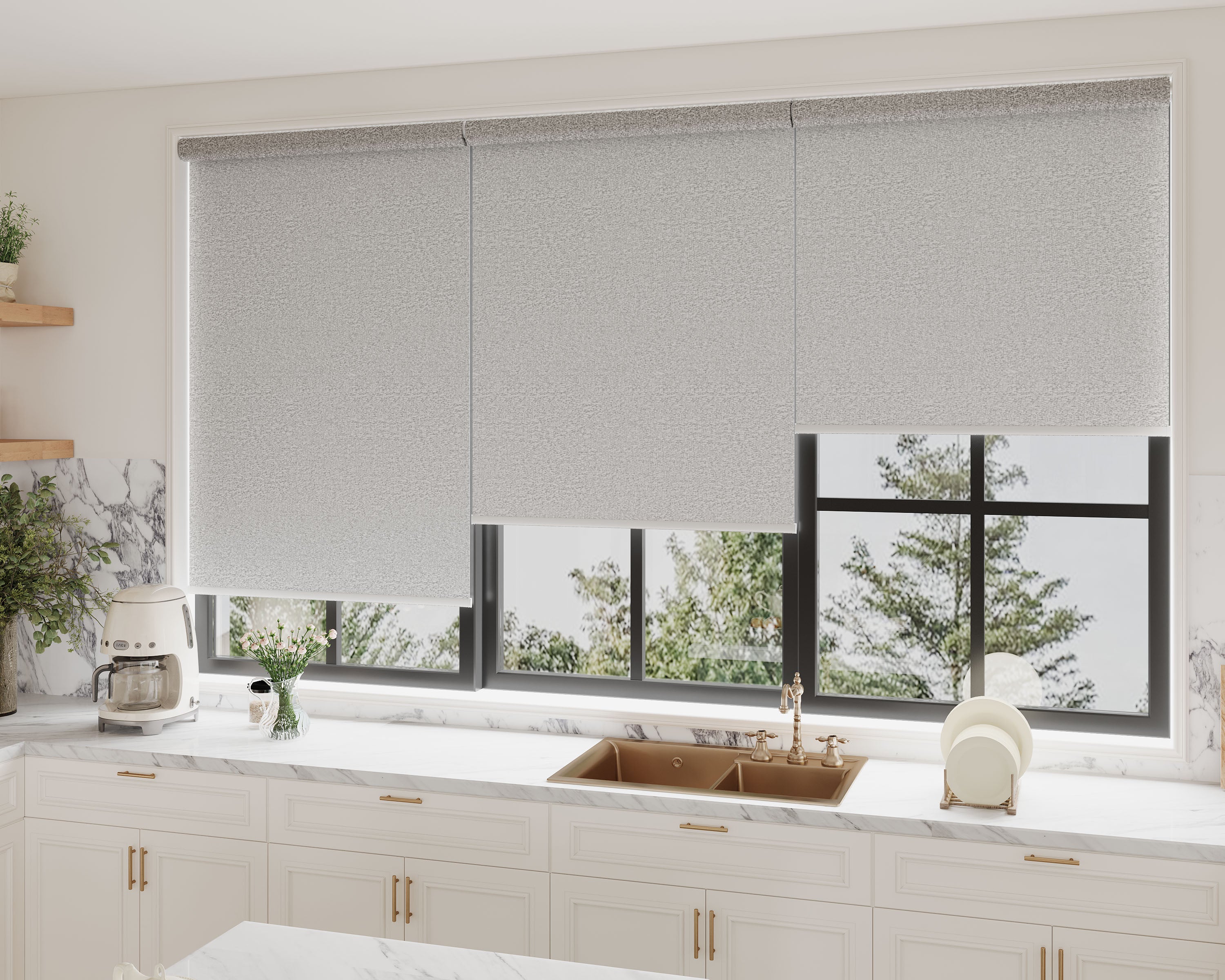

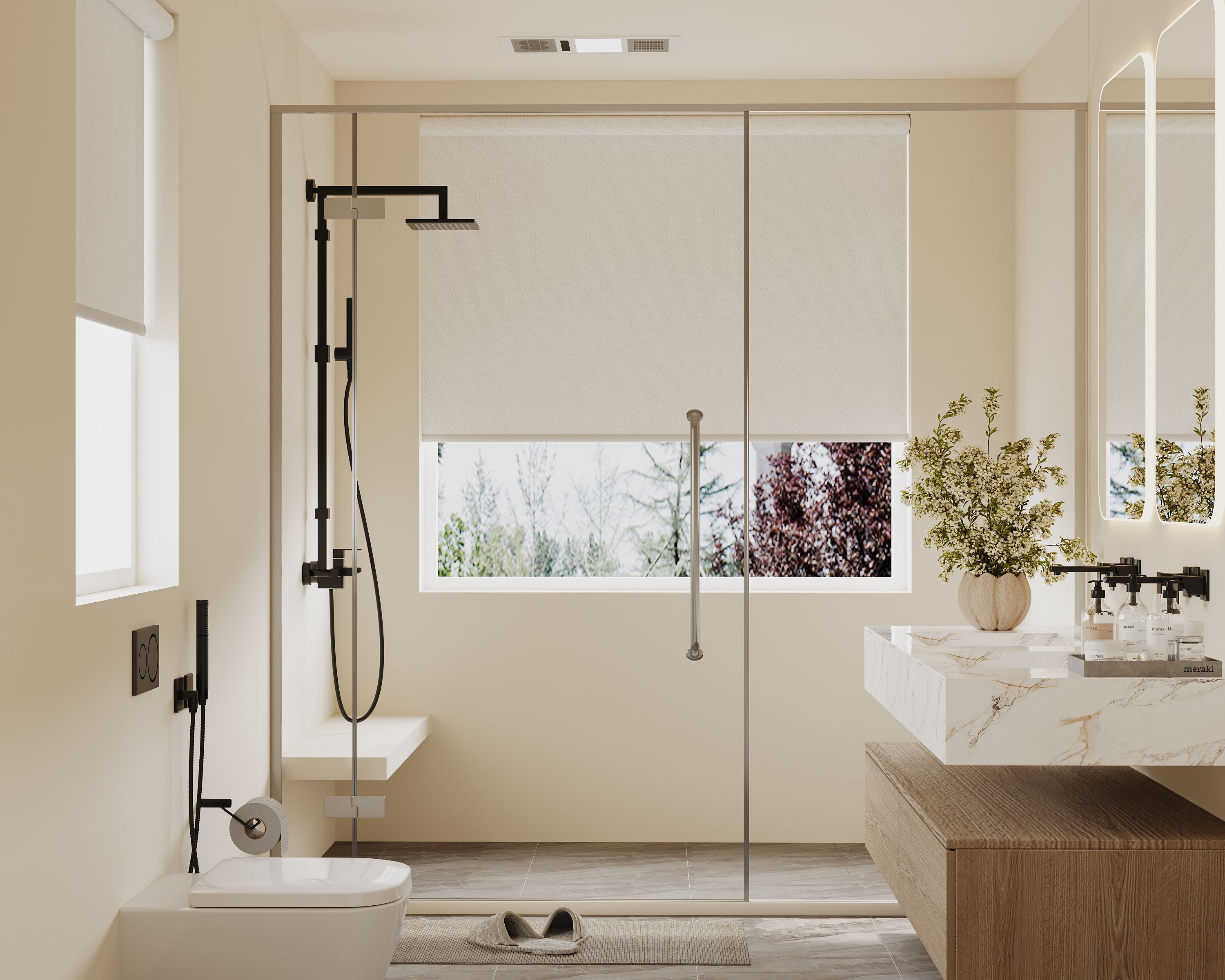


Sheer shades are designed first and foremost to soften light and preserve views, but they do provide a moderate level of solar heat reduction—typically blocking between 10% to 30% of the sun's thermal energy. They are not the most powerful tool for outright heat blocking, but they are a valuable component of a holistic strategy for managing light, privacy, and energy comfort. For homeowners looking to balance a bright, airy aesthetic with practical comfort, exploring modern sheer shade designs and materials is an excellent starting point.
If you're evaluating window treatments specifically for their ability to keep a room cool and reduce air conditioning load, it's crucial to understand what sheer shades can and cannot do. Here’s what you’ll learn in this guide:
-
The science of solar heat gain and how sheer fabrics interact with different types of solar energy.
-
A clear, honest comparison of sheer shades versus other types like solar shades, blackout, and cellular shades for thermal performance.
-
Actionable factors—like color, material, and installation—that influence a sheer shade's effectiveness.
-
Practical strategies to enhance the energy efficiency of your sheer shades through automation and complementary techniques.
How Window Treatments Intercept Solar Energy
To understand sheer shades, you must first understand the sunlight hitting your window. Solar energy comprises three components: visible light, infrared radiation (heat), and ultraviolet rays (UV). While UV rays cause fabric fading, it's primarily visible light and infrared radiation that contribute to heat gain.
Sheer shades are woven from fine, translucent fabrics. Their primary function is to diffuse and scatter visible light, eliminating harsh glare while maintaining outward visibility and a sense of connection to the outdoors. As a byproduct of this diffusion, they also reflect and absorb a portion of the incoming infrared radiation. However, because the weave is open, a significant amount of solar energy still passes through. This is the fundamental trade-off: maximum view preservation with moderate heat and glare reduction.
Sheer Shades vs. Other Window Treatments: A Heat Blocking Comparison
Placing sheer shades in context against other common options is the best way to gauge their role. Performance can vary by specific product, but the general hierarchy for solar heat rejection is as follows.
| Feature | Sheer Shades | Solar Shades | Blackout/Cellular Shades | Primary Design Goal |
|---|---|---|---|---|
| Solar Heat Reduction | Moderate (10%-30%) | High (40%-70%+) | Very High (60%-80%+) | Varies by type |
| Glare Reduction | High | Very High | Maximum (Complete) | Varies by type |
| View Through | Clear, Unobstructed | Slightly Tinted, Maintained | None | View Preservation |
| Visible Light Entry | High, Softened | Medium to High | None (Blackout) or Low | Light Control |
| Best For | Living rooms, rooms where view & light are priorities | Home offices, media rooms, south/west-facing windows | Bedrooms, media rooms, maximum energy efficiency | Managing priorities |
As the table shows, if heat rejection is your singular, overriding goal, a dedicated solar shade or an insulating cellular shade will be more effective. The choice becomes about balancing priorities. For a deeper dive into the functional differences between two popular light-managing options, our comparison of solar shades versus sheer shades breaks down the specifics of openness factors and glare management.
Maximizing the Efficiency of Your Sheer Shades
You are not limited to the baseline performance of the fabric. Several factors and strategies can enhance the energy-saving potential of your sheer shades.
-
Color and Material: Darker-colored sheer fabrics absorb more solar energy at the window surface than lighter, reflective colors. A sheer shade in a charcoal gray will provide slightly better heat reduction than an identical white one, though the white may make a room feel brighter and cooler. Material also matters; a tighter polyester weave may block slightly more heat than a more open linen weave.
-
Installation and Sealing: Efficiency is lost around the edges. An outside mount that overlaps the window frame significantly reduces the "light gap" leakage that allows hot air to seep in. For inside mounts, ensuring a snug fit is key. Learn simple professional tricks to eliminate light gaps and prevent unwanted sun streaks around your shades.
-
Automation and Timing: This is the most powerful multiplier. Using a smart motor to close sheer shades automatically during the peak heat hours of the day (e.g., from 10 a.m. to 4 p.m. on west-facing windows) can dramatically reduce the solar load on your AC. You can explore various smart scheduling strategies for shade automation based on the sun's path to maximize this benefit without sacrificing your view in the morning and evening.
-
Layering (The "Best of Both Worlds" Approach): For ultimate flexibility, pair sheer shades with a second layer. This could be energy-efficient curtains or, in a dual-track system, a second set of blackout or cellular shades. This allows you to enjoy the view and soft light from the sheers most of the time while deploying a heavier, more insulating layer during extreme temperatures or for total privacy at night.
Key Application Guide: Where to Use Sheer Shades for Best Effect
Your home's orientation and room function should guide where sheer shades will be most successful as part of an energy-conscious design.
| Room / Window Scenario | Efficacy for Heat Control | Recommended Use Case & Tips |
|---|---|---|
| North-Facing Windows | High | Excellent choice. Light is indirect and non-glare, so sheers provide perfect soft light with minimal heat gain to manage. |
| East-Facing Windows (Morning Sun) | Moderate to High | Very effective. Close sheers during the bright, cooler morning sun to manage glare; open in the afternoon. |
| Living/Dining Rooms | Moderate | Ideal where ambiance and view are top priorities. Pair with smart scheduling to close during hot, unused afternoon hours. |
| West & South-Facing Windows (Intense PM/All-Day Sun) | Low to Moderate | Challenged during peak heat. Strongly consider pairing with a secondary layer (curtains, solar shades) or prioritizing a dedicated solar shade. |
| Home Office (Glare Control) | Moderate | Effective for eliminating screen glare while keeping the room feeling open. For intense sun, a solar shade may be better. |
Conclusion and Key Highlights
Sheer shades should be viewed as controllers of light and ambiance first, and moderators of heat second. They are a superb choice for enhancing comfort and livability in sun-drenched rooms where losing the view is not an option. While they shouldn't be relied upon as the sole solution for extreme heat gain on south- or west-facing windows, their true value shines when they are strategically deployed, automated, and potentially layered with other treatments.
Key Highlights:
-
Sheer shades provide moderate solar heat reduction (approx. 10-30%) as a beneficial side effect of their primary light-diffusing function.
-
They are less effective at blocking heat than purpose-built solar shades or insulating cellular shades, which prioritize thermal performance over view preservation.
-
You can enhance their efficiency through strategic use of color, tight outside-mount installation, and, most effectively, smart automation to close them during peak sun hours.
-
For the best results, use sheer shades on north- and east-facing windows or in rooms where view and light quality are the highest priorities, considering a layered approach for windows with intense, direct sun exposure.
By setting realistic expectations and employing smart strategies, you can enjoy the beautiful, soft light of sheer shades while making them a thoughtful part of your home's overall energy efficiency plan.
Shop Sheer Shades by Light Control


Frequently Asked Questions (FAQ)
Do sheer shades help keep a room cooler?
Yes, sheer shades can help keep a room cooler by diffusing direct sunlight and absorbing/reflecting a portion of solar thermal energy. They prevent the intense "greenhouse" effect of direct sun on surfaces, making the room feel more comfortable. However, for significantly lowering room temperature or reducing AC costs in very sunny exposures, they are less effective than darker or more opaque shades.
Are sheer shades or solar shades better for heat?
Solar shades are definitively better for blocking heat. They are manufactured with a specialized, often micro-thin, screen fabric designed to reject a higher percentage of infrared radiation while still preserving some view. Sheer shades are better for creating a soft, bright ambiance with a completely clear view. The choice depends on whether your top priority is heat rejection (solar shades) or view preservation (sheer shades).
Can sheer shades provide insulation in the winter?
Sheer shades provide minimal insulating value (R-value) against cold. Their open weaves do not trap a significant layer of still air at the window like honeycomb cellular shades do. Their main winter benefit is that on sunny days, they can be left open to allow passive solar heating. At night, closing them provides a marginal buffer against cold window glass, but a heavier layered treatment would be far more effective for winter insulation.
Does the color of my sheer shade affect its energy performance?
It does, but the effect is more nuanced than with opaque fabrics. A darker sheer shade will absorb more solar energy at the window plane, potentially blocking slightly more heat from entering the room's living space. A light-colored sheer will reflect more energy back outward. However, the difference in performance due to color alone is generally less significant than the differences caused by fabric openness, material, or the use of automation.
