







The soft, diffused glow of sheer shades during the day provides a sense of privacy, leading many to wonder if that privacy holds after dark. The realistic answer is a qualified no—with interior lights on, sheer shades typically offer insufficient privacy at night. Understanding the "why" behind this is key to making informed choices and implementing effective solutions to ensure your comfort and security. This guide provides a clear, detailed explanation of visibility through sheer shades after sunset and the definitive strategies to achieve complete privacy.
Here’s what you’ll learn:
-
The core scientific principle that determines visibility through any window treatment.
-
A detailed breakdown of what silhouettes, shapes, and details can be seen from outside at night.
-
How factors like fabric openness, interior lighting, and exterior darkness affect what is visible.
-
Practical, effective solutions to maintain daytime benefits while ensuring nighttime privacy.
-
How to assess your specific situation to choose the right strategy for your home.
To explore shades that balance light filtration with privacy solutions, start with our collection of versatile sheer shades designed for layered light control.
The Core Principle: Light Contrast is Everything
Privacy through any translucent material, including sheer shades, is governed by a simple rule of light physics: you see into the darker space from the lighter space.
-
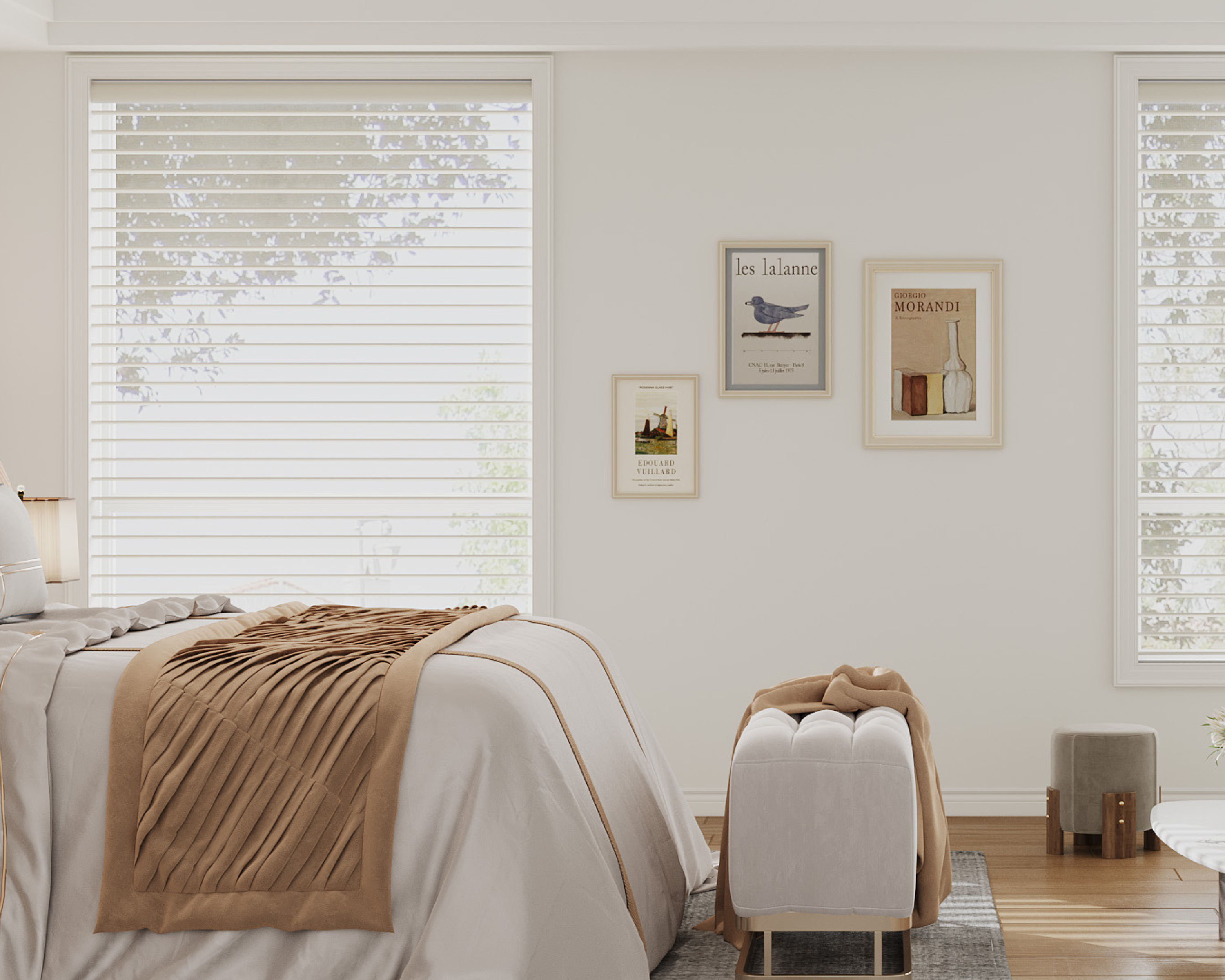
Daytime Privacy (Effective): During the day, the outdoors is typically brighter than your indoor space. The sheer fabric diffuses the bright exterior light, which overpowers the softer interior light. From outside, you see a softly glowing panel, not detailed images of the room's interior.
-
Nighttime Privacy (Compromised): At night, this dynamic flips. When you turn on indoor lights, your home becomes the brighter space. The exterior is dark. From the darker outside, the sheer fabric acts like a screen, making the illuminated interior activity visible as shadows and silhouettes. This principle is why daytime and nighttime privacy function so differently.
A Realistic Look: What Can Actually Be Seen?
The level of detail visible from outside depends on several factors, but here is a realistic spectrum:
-
With Interior Lights On (Typical Scenario):
-
Clear Silhouettes: The shapes of people, furniture, and pets moving in the room are distinctly visible.
-
Activity: Any movement—walking, sitting down, watching TV—is easily discernible as shadowy motion.
-
Limited Detail: Fine details like facial features, text on a screen, or the pattern on a shirt are typically blurred but the general forms are clear.
-
-
With Only a Single Dim Light (e.g., a nightlight):
-
Visibility is reduced but not eliminated. Faint, vague silhouettes may still be perceptible from close proximity.
-
-
In a Pitch-Black Room:
-
If no interior lights are on, the room is as private as it is during the day, as there is no light contrast to create visibility.
-
Factors That Influence Nighttime Visibility
While the light-contrast rule is fundamental, a few specific choices can slightly modulate the effect.
-
Fabric Openness Factor: A shade with a 1% openness (tighter weave) will obscure more detail than one with a 10% openness (looser weave), but neither will block distinct silhouettes when the room is lit. The vanes must be fully closed to provide the maximum obscurity the fabric can offer.
-
Interior Lighting Intensity and Placement: A single overhead light will cast the strongest, most defining shadows. Multiple lamps or indirect lighting can soften shadows but will not eliminate the visibility of the room's occupancy.
-
Exterior Ambient Light: A well-lit street or a close neighbor's porch light can reduce the contrast slightly, but it does not restore the daytime privacy effect.
Proven Solutions for Complete Nighttime Privacy
If you love sheer shades for their daytime benefits but require privacy at night, implementing a dedicated solution is necessary and straightforward. The most effective approach is a layered system.
Solution 1: The Layered Blackout System
This is the most versatile and reliable method, favored by designers for its flexibility.
-
Primary Layer: Your beautiful sheer shades remain in place for daytime light diffusion and privacy.
-
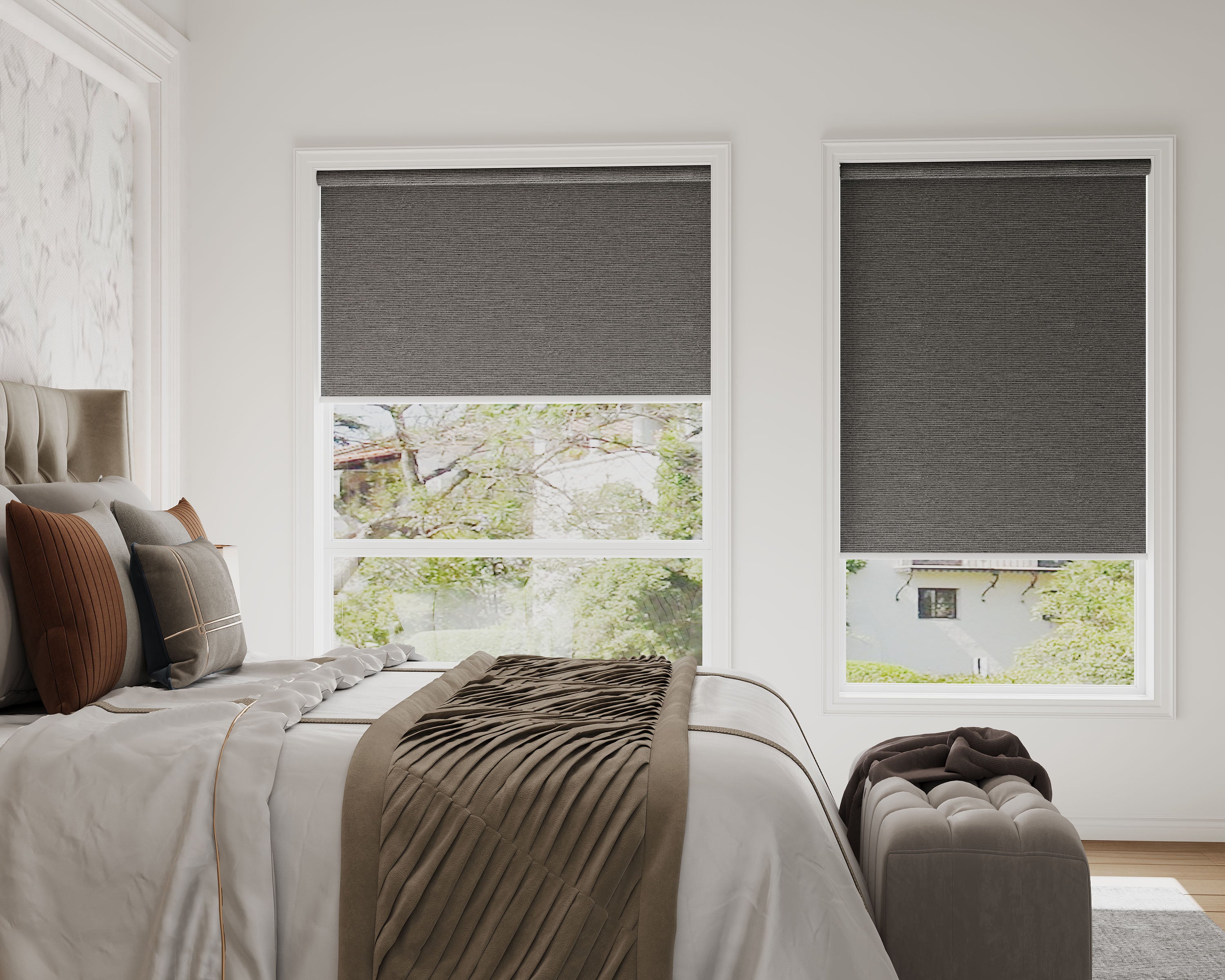
Secondary Blackout Layer: Install a dedicated opaque roller shade (in a blackout fabric) on a separate track inside the window frame. Alternatively, use opaque drapes or curtains on a separate rod.
-
Result: You enjoy perfect, adjustable light and view during the day. At night, you simply lower the blackout shade or draw the drapes to achieve instant, total privacy and light blockage. This layered concept is also the gold standard for creating a sleep-conducive bedroom environment.
Solution 2: Specialty Dual-Fabric Shades
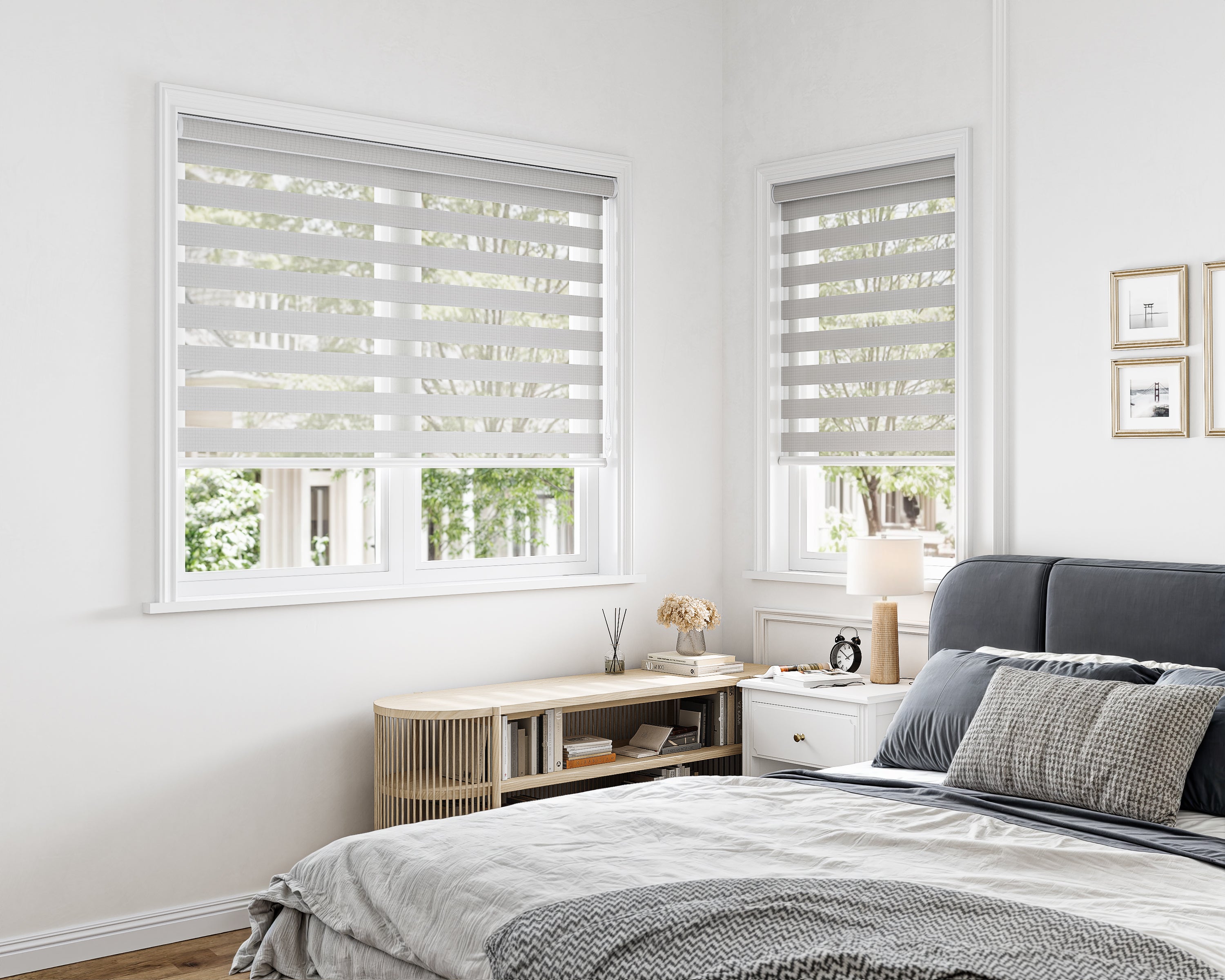
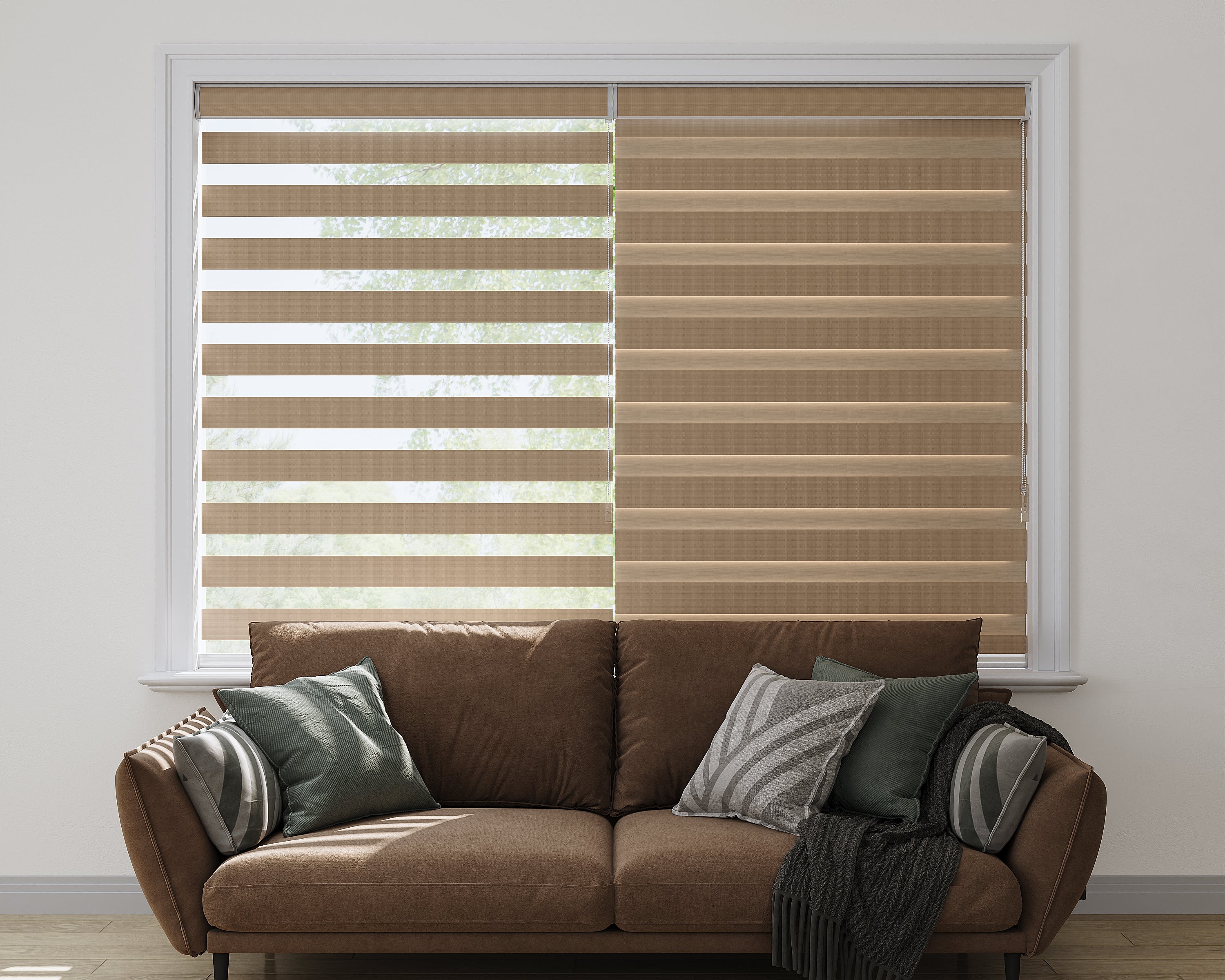
Some manufacturers offer shades with two different fabrics on a single roller—a sheer fabric and an opaque fabric. With a simple adjustment, you can switch between the two looks. While convenient, they are a specialized product and may offer less flexibility in fabric choice.
How to Assess Your Specific Needs
Your course of action depends on your home's layout and your habits.
-
You need a layered solution if:
-
The room is on the ground floor or faces a street, sidewalk, or close neighbor.
-
You regularly use the room with lights on after dark.
-
The room is a bedroom where privacy is expected.
-
You desire true blackout conditions for sleep or media viewing.
-
-
Sheer shades alone might suffice if:
-
The room is on an upper floor with no directly opposing windows.
-
You rarely use overhead lighting in the room at night, relying only on dim, indirect lamps.
-
The room is a sunroom or formal living space used primarily during daylight hours.
-
Conclusion: Embracing Reality with Smart Design
Sheer shades are exceptional for managing daylight, but they are not designed to be a standalone solution for visual privacy after dark. The physics of light contrast means that illuminated interiors will be visible through them. This isn't a flaw in the product, but a characteristic of their design.
Key Highlights:
-
The Rule of Contrast: Sheer shades provide privacy when it's brighter outside than inside (daytime). They compromise privacy when it's brighter inside than outside (nighttime with lights on).
-
Realistic Visibility: With interior lights on, distinct silhouettes and movements are clearly visible from the outside, even with vanes closed.
-
The Layered Solution is Key: To guarantee nighttime privacy, you must pair sheer shades with a separate opaque layer, such as a blackout roller shade or drapes.
-
Your Situation Dictates Need: Assess your room's exposure and usage. For most living spaces and all bedrooms, planning for a layered system is the prudent choice.
-
No Compromise on Benefits: A layered approach allows you to enjoy the beautiful, soft light of sheers all day long while having absolute control over privacy and darkness at night.
By understanding this dynamic and planning accordingly, you can confidently incorporate sheer shades into your home, enjoying their full range of benefits without any unexpected compromises on your after-dark comfort and security.
Shop Sheer Shades by Light Control


Frequently Asked Questions
If I keep my vanes closed, does that make them private at night?
Closing the vanes increases the fabric density, which will blur details slightly more than open vanes. However, it does not make the shade opaque. With interior lighting, closed vanes will still show clear, defined silhouettes and movement. Vanes control light direction, not the fundamental translucency of the fabric.
Do "room-darkening" sheer shades solve the nighttime privacy problem?
Not entirely. Room-darkening fabrics are designed to block more ambient light, creating a dimmer room. They are more opaque than standard sheers but are still typically translucent. While they provide better privacy than standard sheers—often obscuring more detail—they are not a guaranteed solution for complete visual privacy at night and should be tested with a sample.
What about closing my sheer shades and just using very dim lights?
Using only dim, indirect lighting (like a floor lamp in a corner) can significantly reduce visibility from outside. You may appear as a faint, unidentifiable shadow at best. This can be a workable compromise in certain low-exposure situations, but it is not a reliable method for ensuring privacy in a normally lit room.
Are there any sheer shade fabrics that are truly private at night?
True privacy requires opacity. Any fabric that is truly opaque at night would also block most light during the day, defeating the primary purpose of a sheer shade. For genuine night privacy, you need a separate layer with a different function, which is why the layered system is the standard and recommended solution.
How do I talk to a professional about this for my home?
When consulting with a designer or window treatment specialist, be direct about your need for 24-hour privacy. A good professional will immediately recommend a layered approach. You can discuss the aesthetic of combining your chosen sheer shade fabric with a complementary blackout roller or drapery panel to create a cohesive, high-functioning design for any room.
