
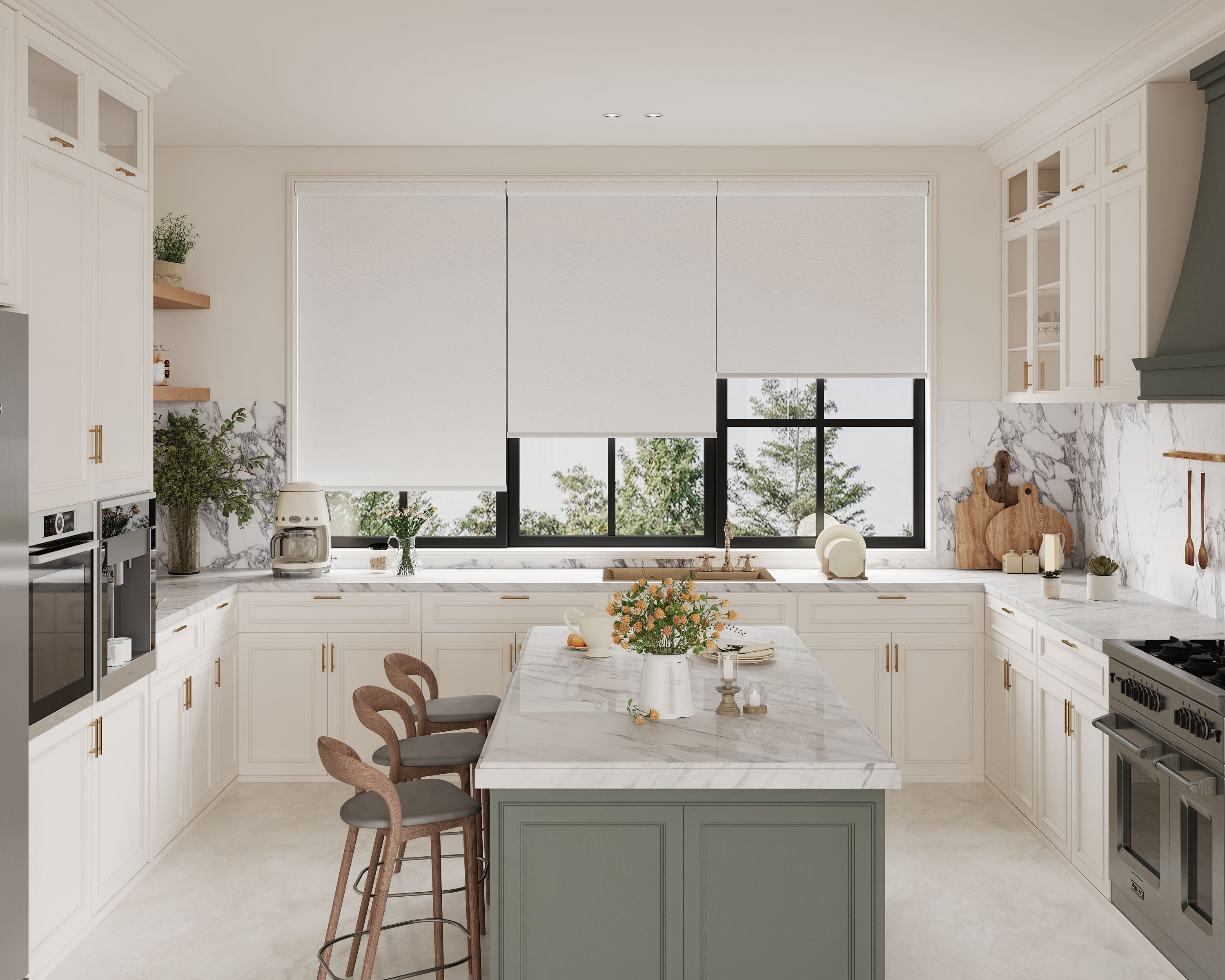
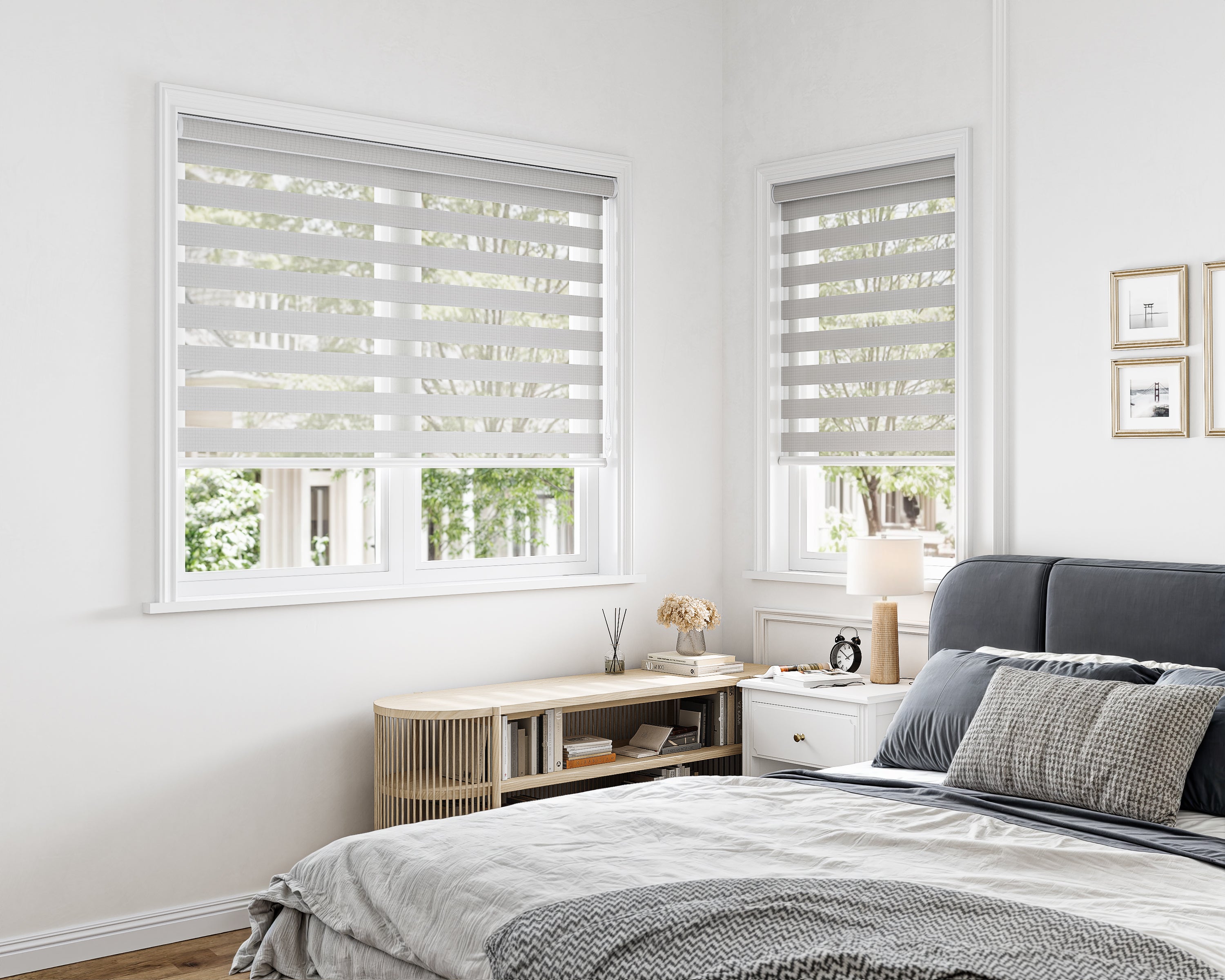
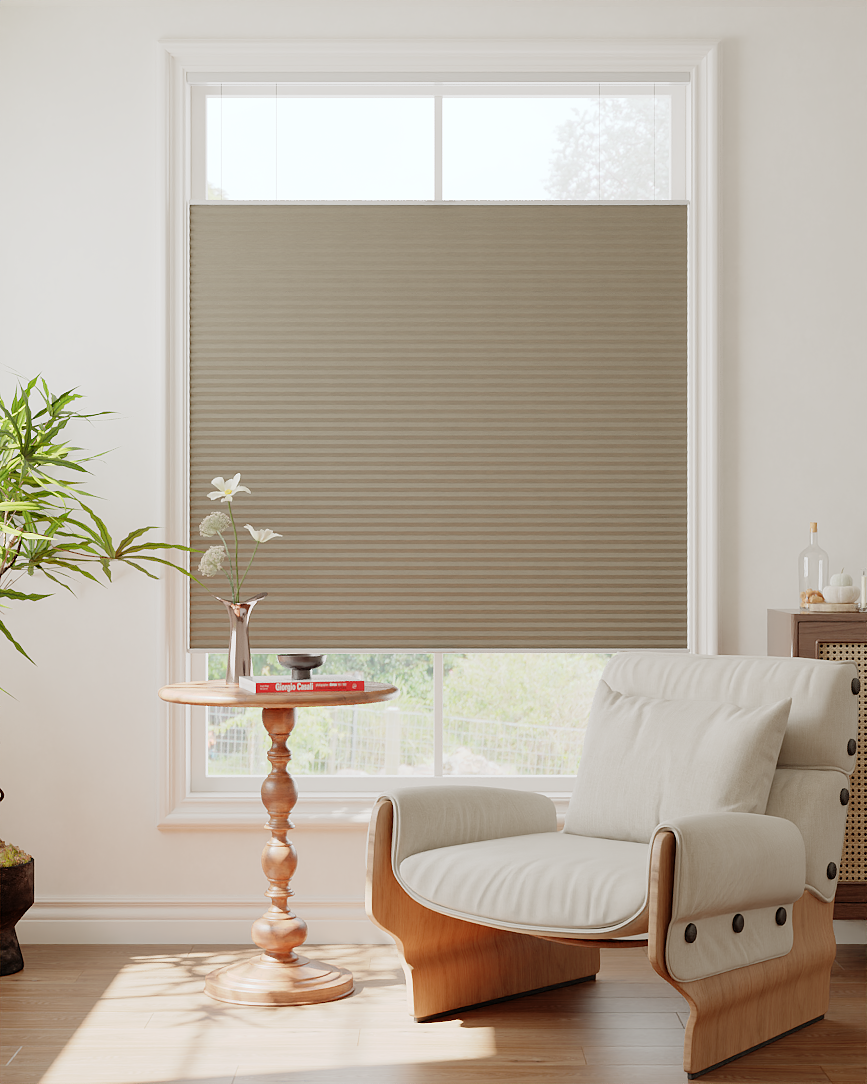
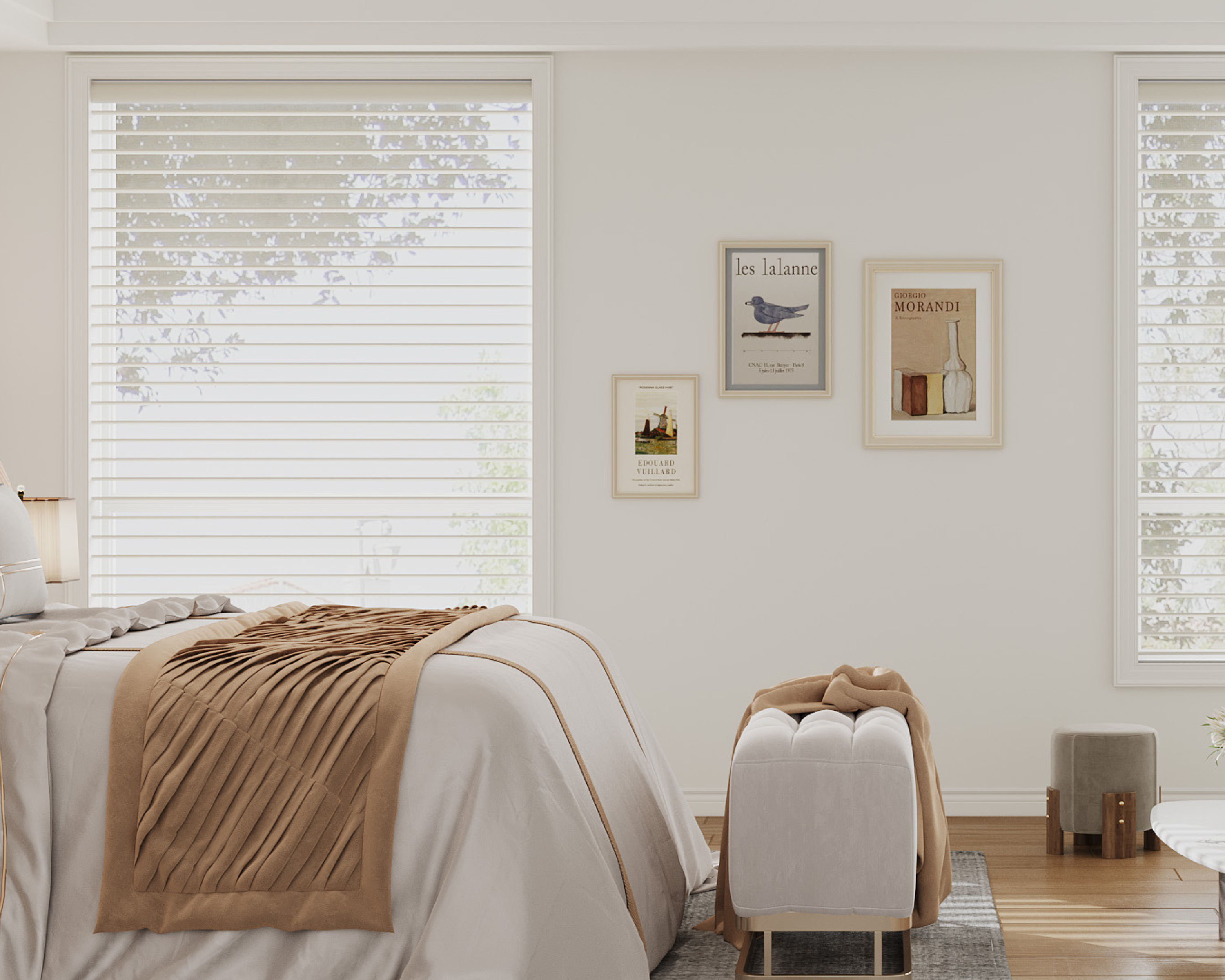
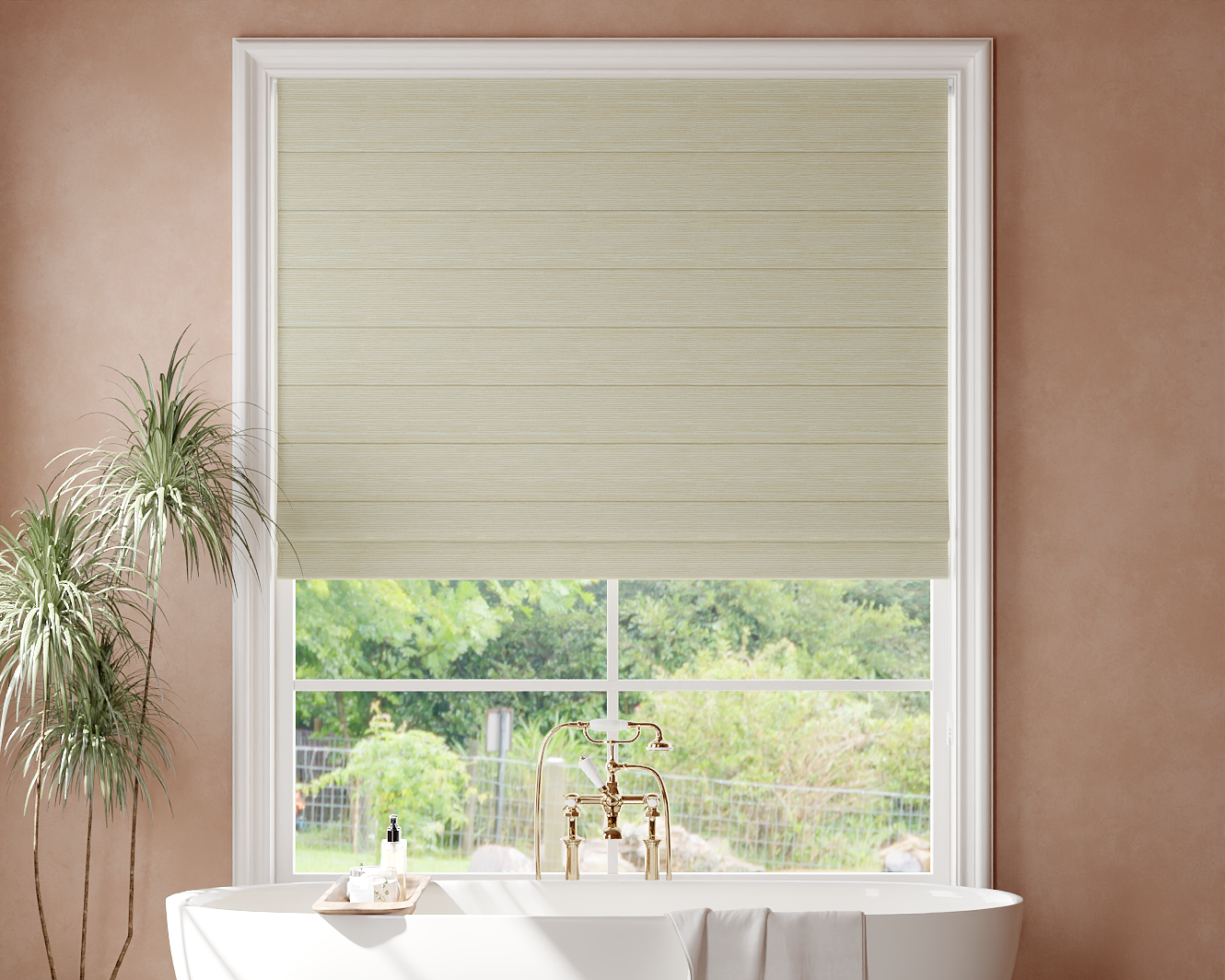
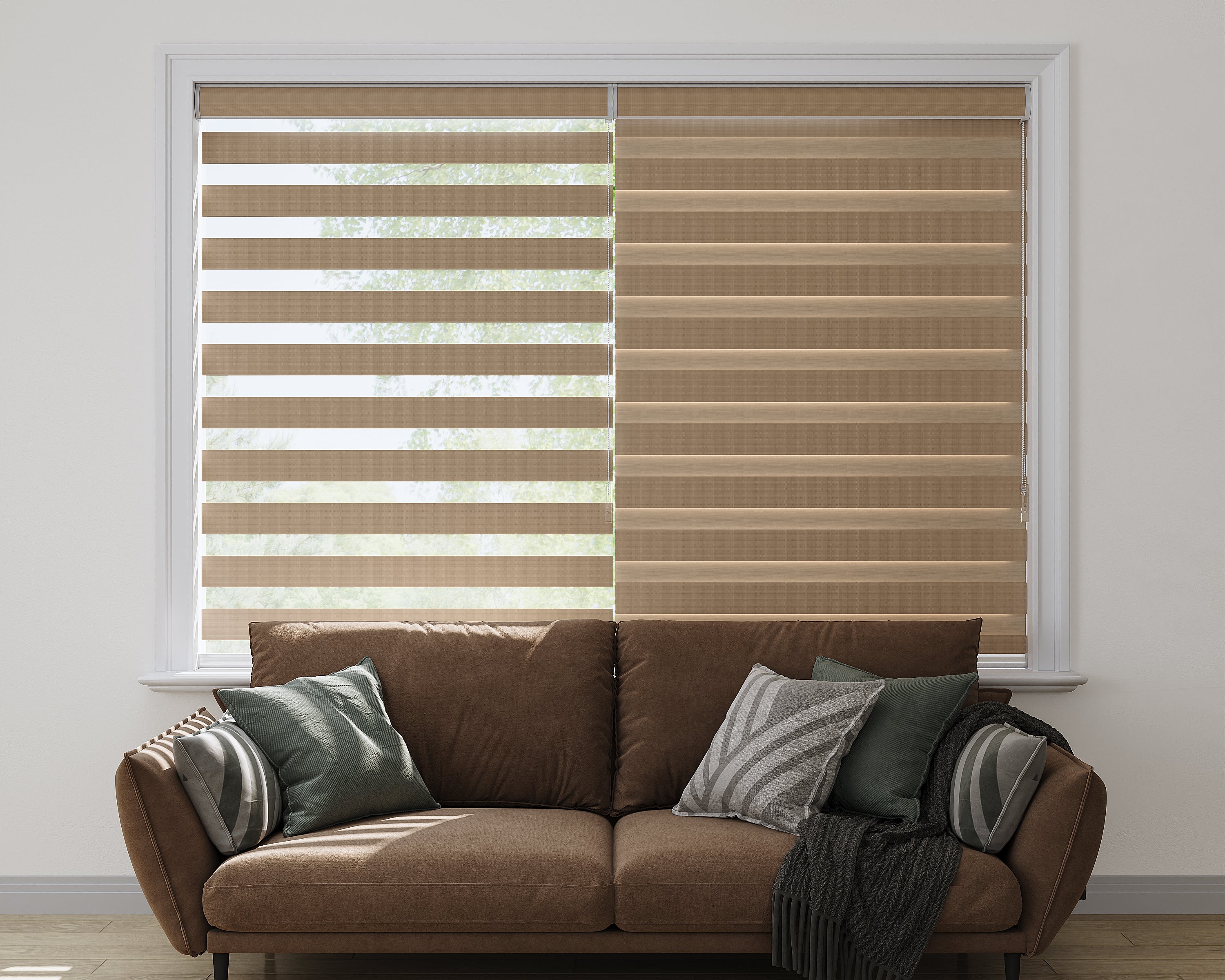
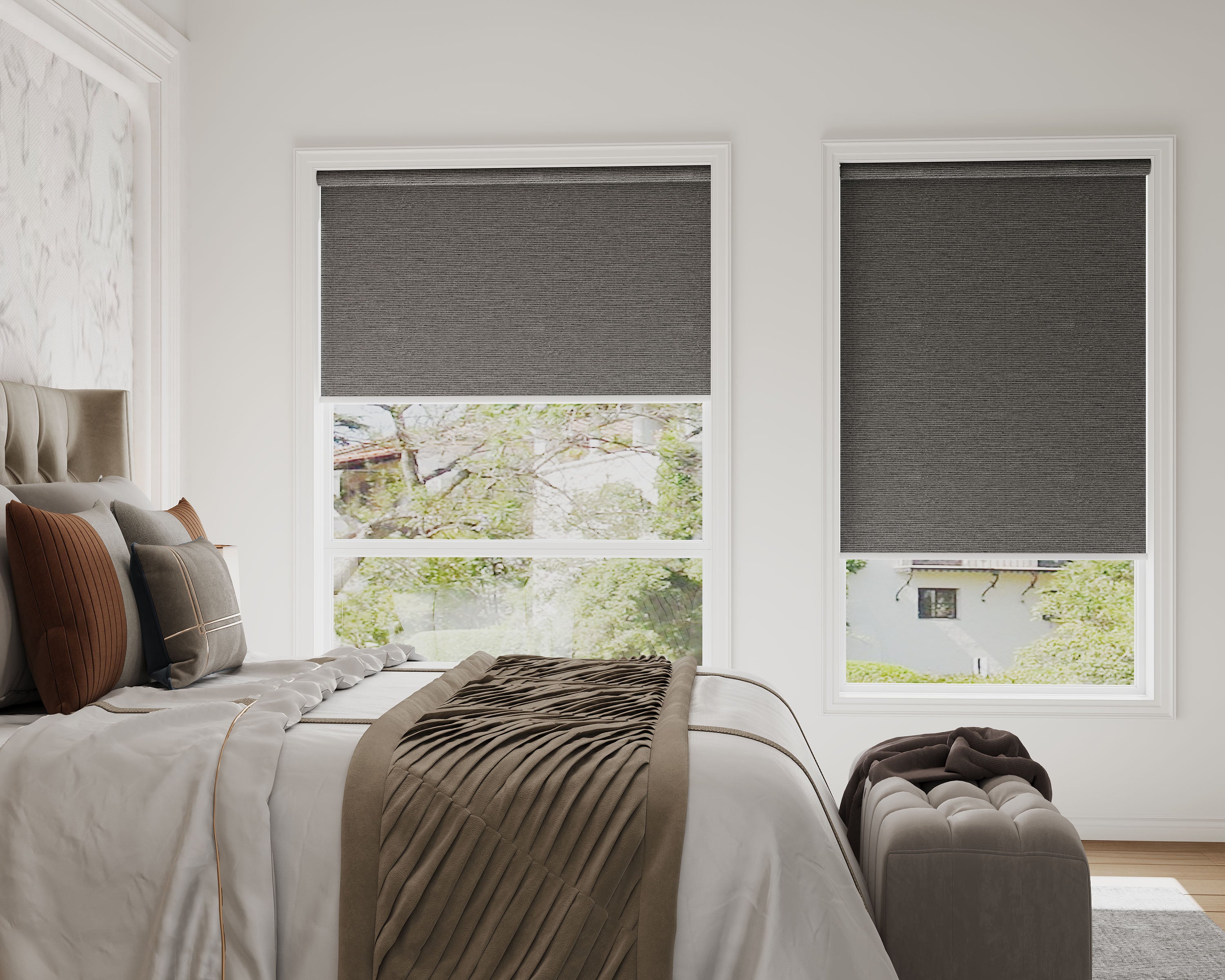
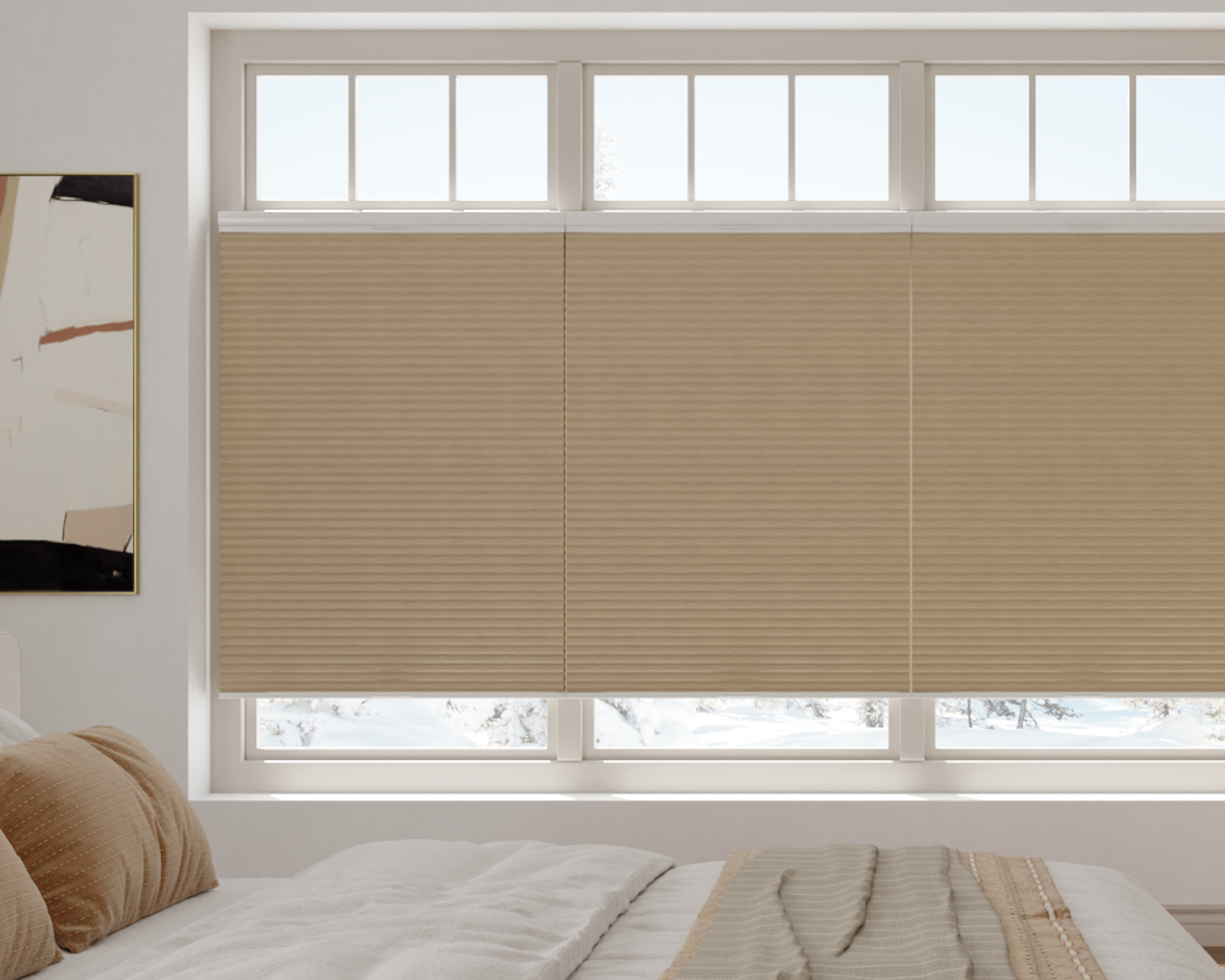
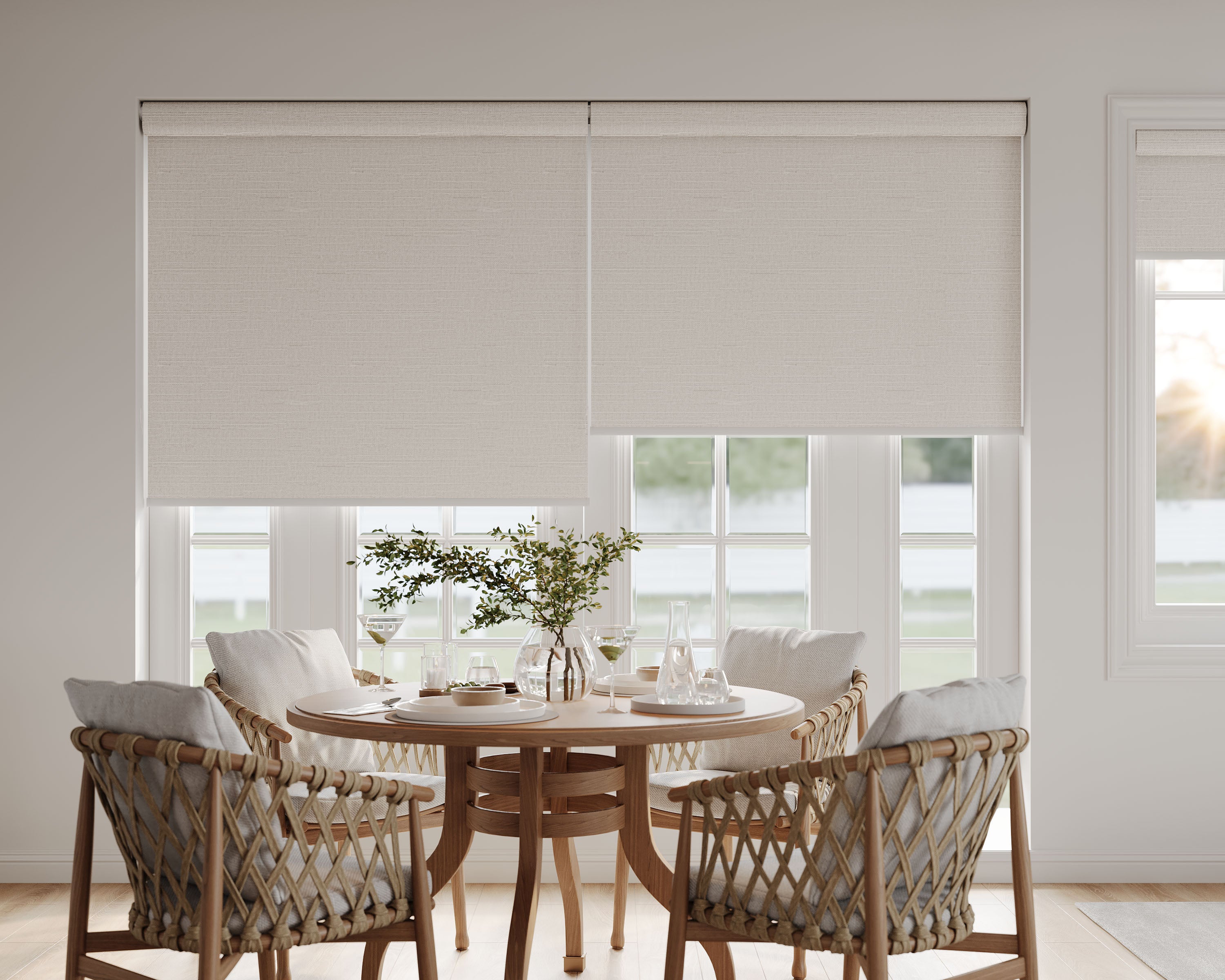


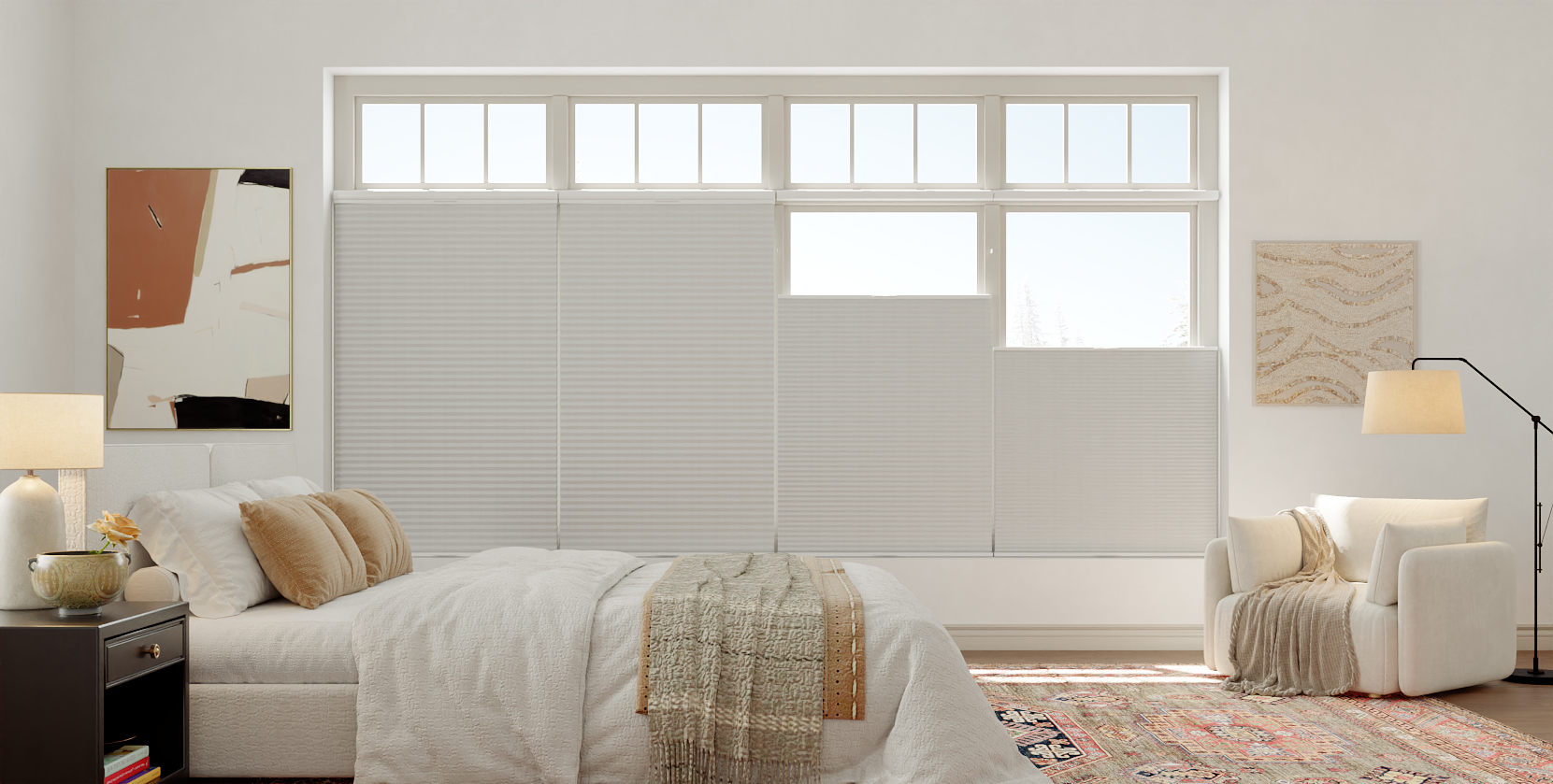


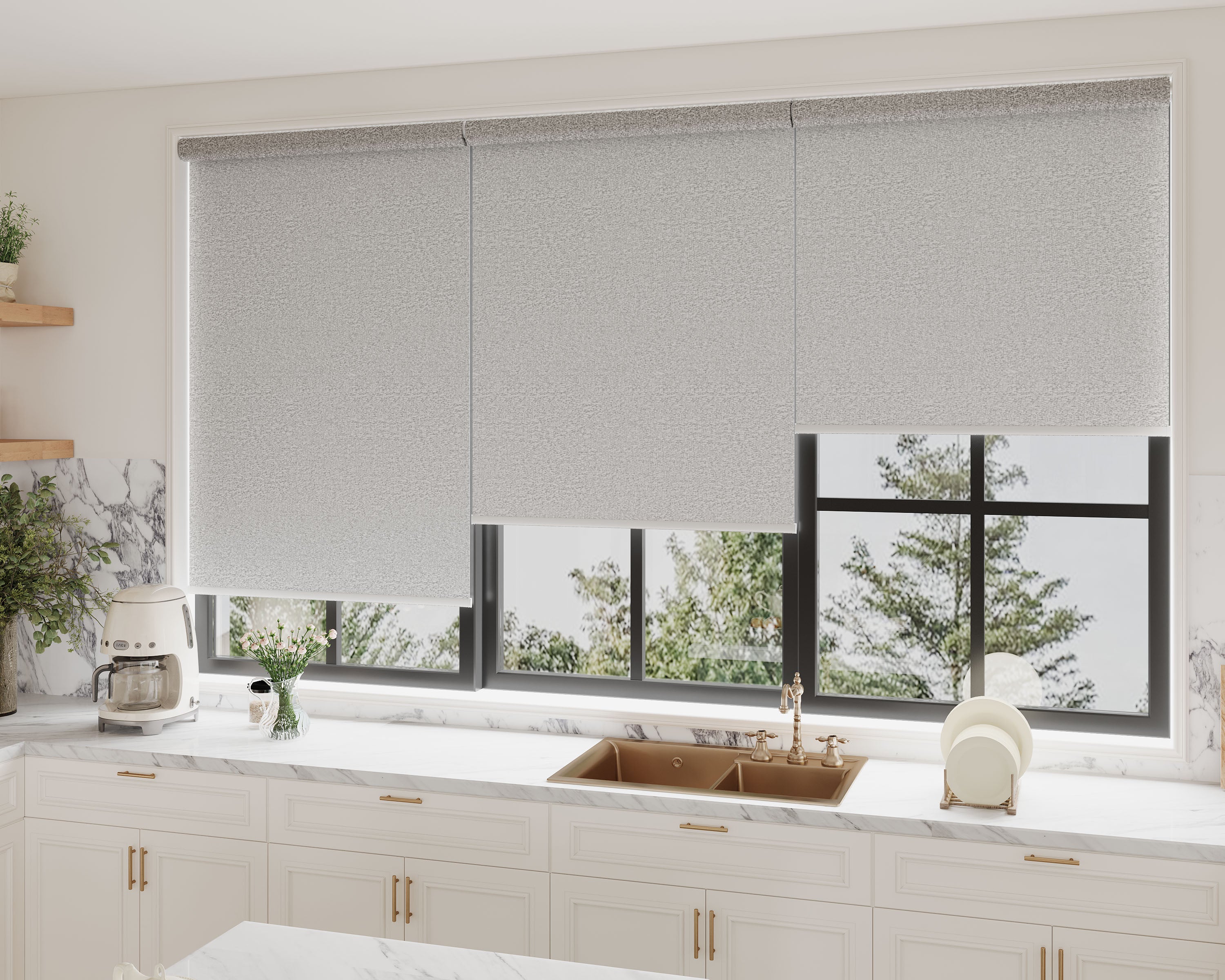

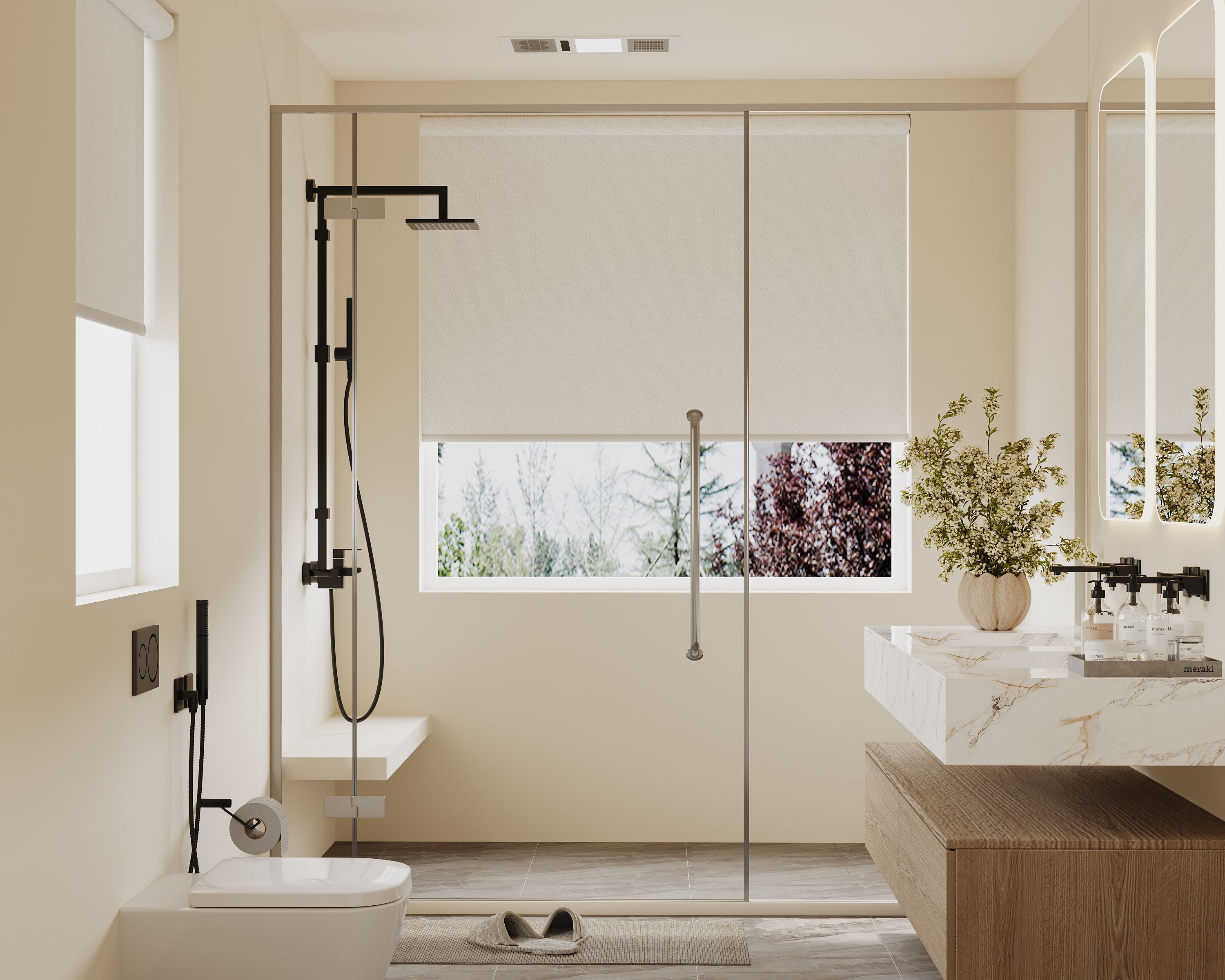


Investing in custom sheer shades means paying for a perfect fit, personalized style, and engineered performance tailored to your specific windows. Unlike ready-made options, there's no single price tag—cost is built from a combination of choices that you control. This transparent pricing guide details every factor that influences the final cost, providing realistic price ranges and a clear understanding of what you're investing in, so you can budget effectively and make confident decisions for your home.
Here’s what you’ll learn:
-
A realistic price spectrum for custom sheer shades, from standard to premium configurations.
-
A detailed breakdown of how size, fabric, mechanism, and professional services each contribute to the total cost.
-
How motorization and smart features impact your investment.
-
A step-by-step guide to getting and understanding an accurate, line-item quote.
-
Smart strategies for prioritizing your budget and planning a phased project.
To begin designing your custom shades and understanding their value, start with our main collection of bespoke sheer shades.
Understanding the Price Range: What to Expect
Given the number of variables, providing one flat price is impossible. However, most quality custom sheer shades fall within a predictable spectrum. These are estimated price ranges for a single shade of average size (approximately 36 inches wide by 48 inches high), excluding installation.
-
Standard Tier: $300 - $500 per shade
-
Includes: A standard size in a durable in-stock fabric (e.g., solution-dyed polyester), a cordless lift mechanism, and a standard sheer fabric with a mid-range openness factor.
-
-
Premium Tier: $500 - $900+ per shade
-
Includes: Larger sizes, premium fabric upgrades (e.g., textured linens, designer patterns), advanced features like top-down/bottom-up operation, and room-darkening fabric options.
-
-
Motorized/Smart Tier: $800 - $1,500+ per shade
-
Includes: All the features of a premium shade, plus a quiet, integrated motor, battery pack, and control via remote, app, or smart home integration. Very large or specialty-shaped windows also fall into this range.
-
The Cost Breakdown: Where Your Money Goes
A custom sheer shade is a composite product. Understanding each cost layer demystifies the final quote and shows where you can make value-based decisions.
1. Fabric: The Largest Variable
The fabric is typically the single biggest cost driver, influenced by:
-
Material & Source: In-stock polyester blends are most affordable. Natural fibers (linen, cotton), textured weaves, and fabrics from design houses command higher prices.
-
Performance Features: Fabrics with enhanced UV protection, fade resistance, or moisture resistance often come at a premium. The choice of fabric type directly influences both aesthetics and cost.
-
Openness Factor: This is usually a design choice rather than a major cost driver, but specialized solar fabrics may have different pricing.
2. Size & Construction: The Foundation Costs
Every shade has base costs for materials and labor that scale with its dimensions.
-
Square Footage Pricing: Cost increases with the overall area of the shade (width x height). Larger shades use more fabric, lining, and require more labor to construct.
-
Minimum Order Fee: Most companies have a minimum charge that covers small windows, ensuring the project is viable.
-
Style Complexity: A shade with top-down/bottom-up operation requires a more complex mechanism than a standard lift-only model, adding to the cost.
3. Operating Hardware & Motorization
-
Manual Systems: A reliable cordless lift is often included in the base price. A continuous cord loop may be a minor upgrade.
-
Motorization: This is a significant added cost but transforms functionality. You pay for the motor, battery system, and controls (remote, wall switch, smart hub). The long-term value of convenience and integration is explored in our motorized vs. cordless comparison.
4. Professional Measuring & Installation
These are separate but critical line items in a responsible budget.
-
Professional Measuring: A small fee for an expert to measure ensures your investment fits perfectly. Errors in self-measuring for custom products can lead to costly, non-returnable mistakes.
-
Installation: Costs vary by the number of shades, window type, and wall material. For complex installations (large shades, motorized systems, specialty windows), professional installation is strongly recommended and often required to validate the product warranty. The value proposition is detailed in our DIY vs. professional installation analysis.
How to Get an Accurate Quote: A Step-by-Step Guide
To move from a price range to a firm quote, you'll need to provide specific details.
1. Measure Your Windows Precisely (or Schedule a Professional).
Have exact width and height measurements for each window. For the most reliable quote, especially for specialty windows, professional measurement is recommended.
2. Select Your Specifications.
Be prepared to choose for each window:
-
Mount Type: Inside or outside mount?
-
Operation: Cordless or motorized? If motorized, what control method (remote, app, voice)?
-
Fabric: Select from samples and note names/numbers.
-
Special Features: Top-down/bottom-up? Room-darkening liner?
3. Request a Formal, Line-Item Quote.
Provide all details to a reputable manufacturer. A transparent quote will break out costs for fabric, hardware, motorization, shipping, and installation separately.
Smart Budgeting Strategies and Final Considerations
-
Prioritize Your Windows: Install shades where they matter most first (e.g., home office for glare control, street-facing bedrooms for privacy). Phase your project over time.
-
Understand the "Custom Premium": You are paying for perfect fit, a vast material selection, quality hardware, and construction that off-the-shelf products cannot match. This translates to better performance, durability, and aesthetics.
-
Ask About Promotions: Inquire about seasonal sales or package deals, especially on motorization or whole-home projects.
Conclusion: Investing in Value and Performance
The cost of custom sheer shades is an investment in tailored quality that addresses your specific functional needs and design vision. While the initial outlay is higher than ready-made alternatives, the value lies in longevity, perfect operation, and daily satisfaction.
Key Highlights:
-
Cost is Variable: Expect a range, typically $300-$900+ per shade, based on your selections of size, fabric, and features.
-
Fabric is the Primary Driver: Your choice of material is the largest lever for cost and directly impacts the look and performance of the shade.
-
Motorization is a Value Multiplier: It adds significant cost but also significant convenience, smart home integration, and accessibility.
-
Professional Services are Part of the Cost: Factoring in expert measuring and installation from the start prevents budget surprises and protects your investment.
-
A Detailed Quote is Essential: It demystifies pricing, allows for informed trade-offs, and ensures you understand exactly what you are purchasing.
By approaching your project with this knowledge, you can make strategic choices that align with your budget and your goals for beautiful, functional light control.
Frequently Asked Questions (FAQ)
Why are custom sheer shades more expensive than ones I can buy off the shelf at a home store?
Custom shades are made-to-order for your exact window dimensions and style preferences. You pay for precise engineering (no light gaps, perfect operation), access to hundreds of premium fabrics, higher-quality mechanisms, and skilled construction labor. Ready-made shades are mass-produced in limited sizes and materials, often sacrificing perfect fit, durability, and design options.
Is there a cheaper time of year to order custom shades?
The window treatment industry may offer seasonal promotions, often in late fall or around New Year's. However, for true custom work, sales are more likely to be on specific fabric collections or motorization packages rather than across-the-board discounts. It's always worth asking a consultant about current offers.
Can I save money by installing them myself?
You can save on installation labor costs, which is a viable option for standard windows if you are highly skilled at DIY. For motorized shades, very large/heavy shades, or complex mounts (like bay windows), professional installation is strongly recommended to ensure safety, proper function, and warranty protection. The potential risks of DIY are outlined in our installation guide.
How long do custom sheer shades typically last?
With proper care, high-quality custom sheer shades can last 10-15 years or more. Their durability depends on fabric quality (especially sun resistance), usage frequency, and maintenance. The mechanism (particularly motors) may require service before the fabric itself wears out, making the long-term cost-per-year of a quality product very favorable.
Do custom window treatments like sheer shades increase home value?
While not as directly quantifiable as a kitchen remodel, high-quality, attractive window treatments are noted by home appraisers and buyers as a premium finish. They enhance immediate appeal, perceived quality, and modern functionality (especially if motorized), which can contribute to a faster sale and potentially a higher offering price.
