
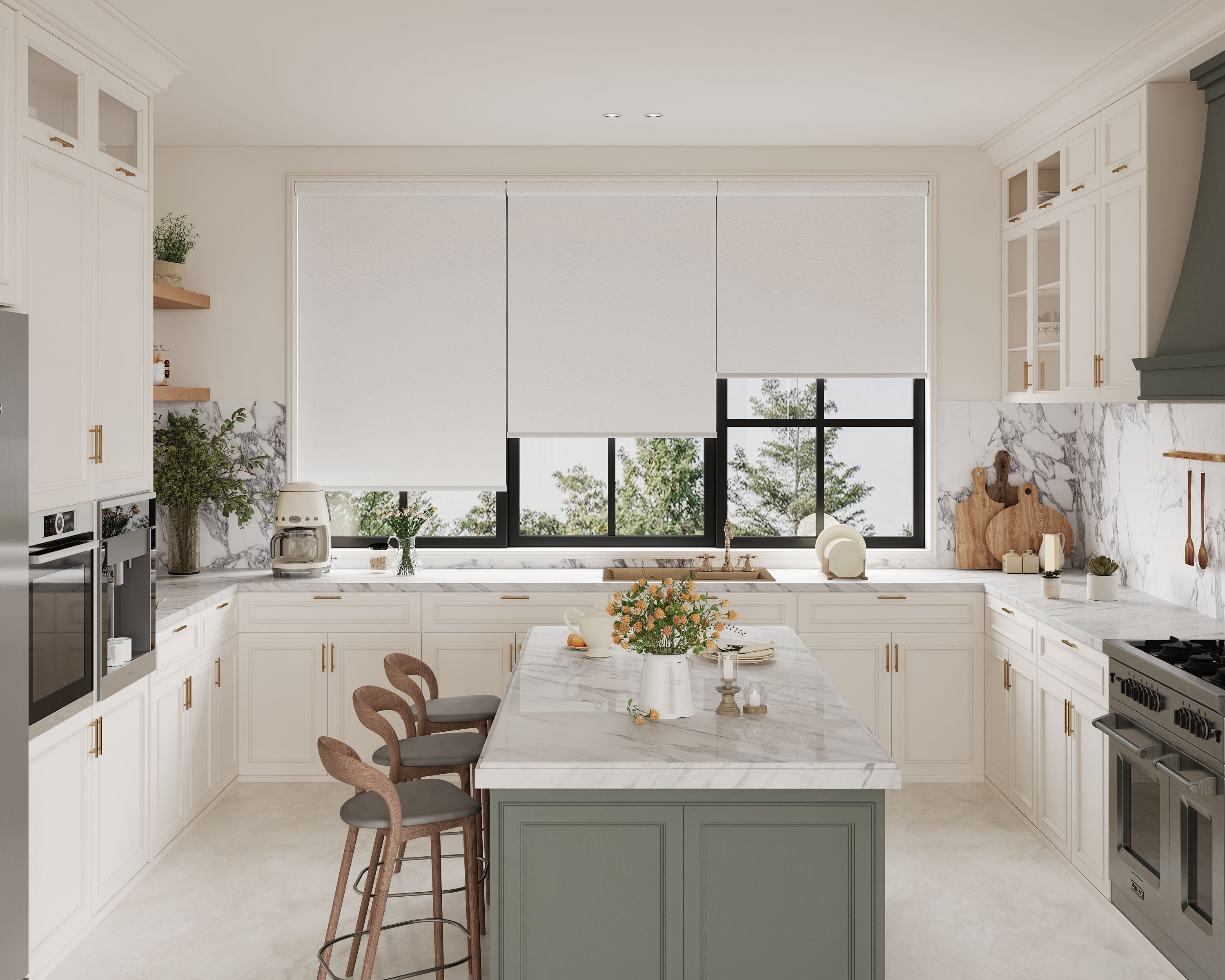
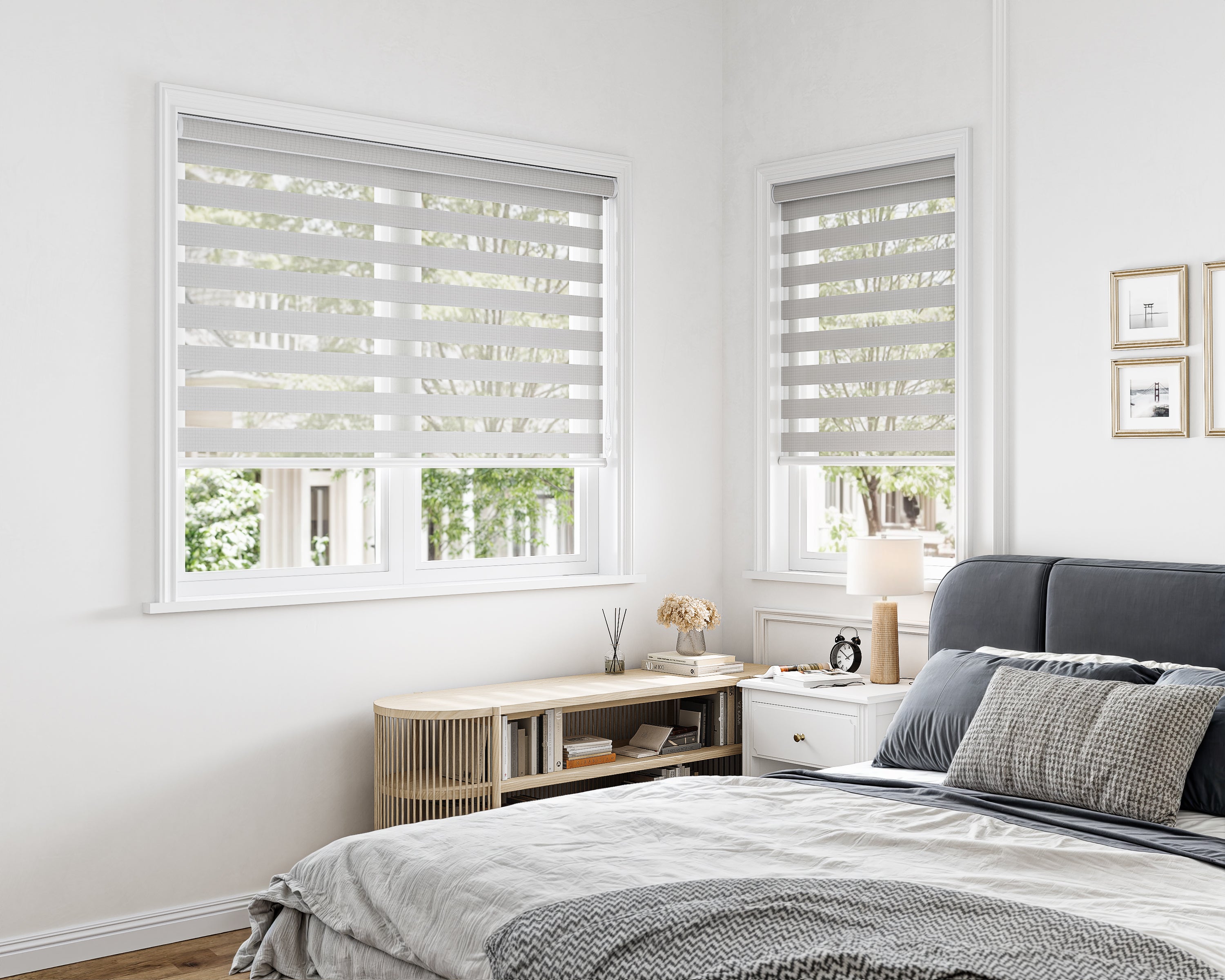
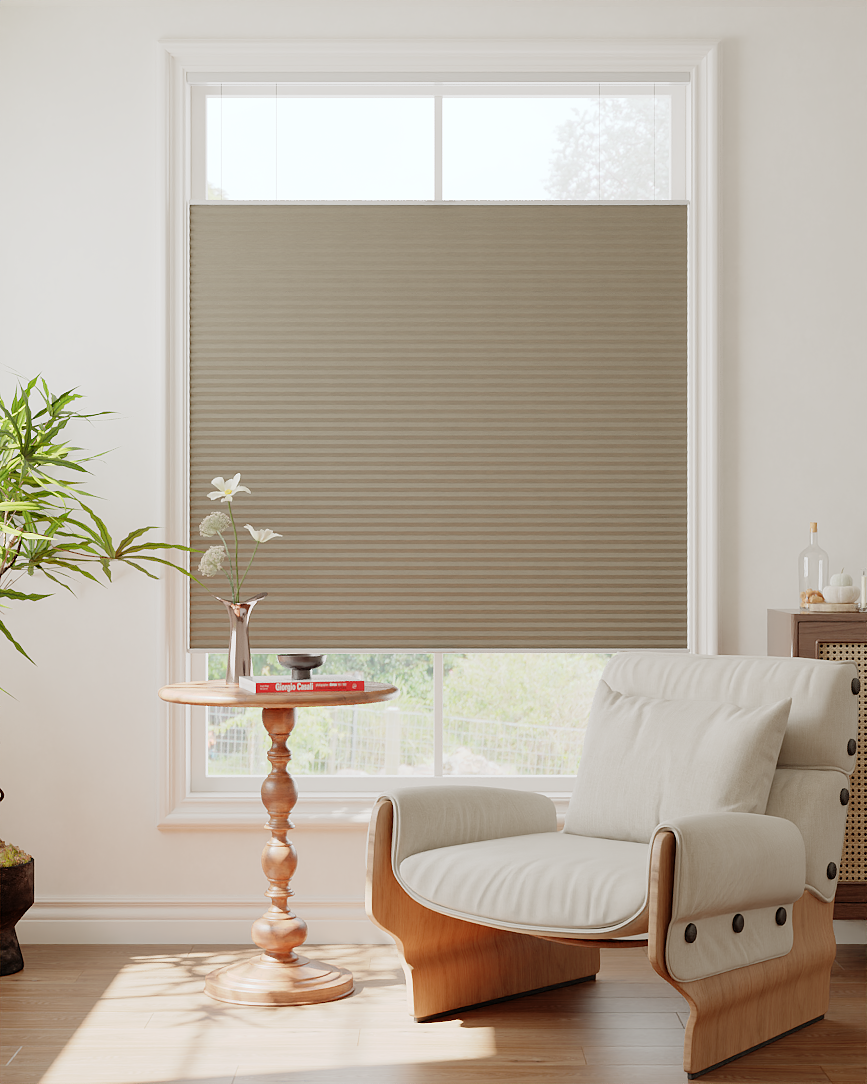
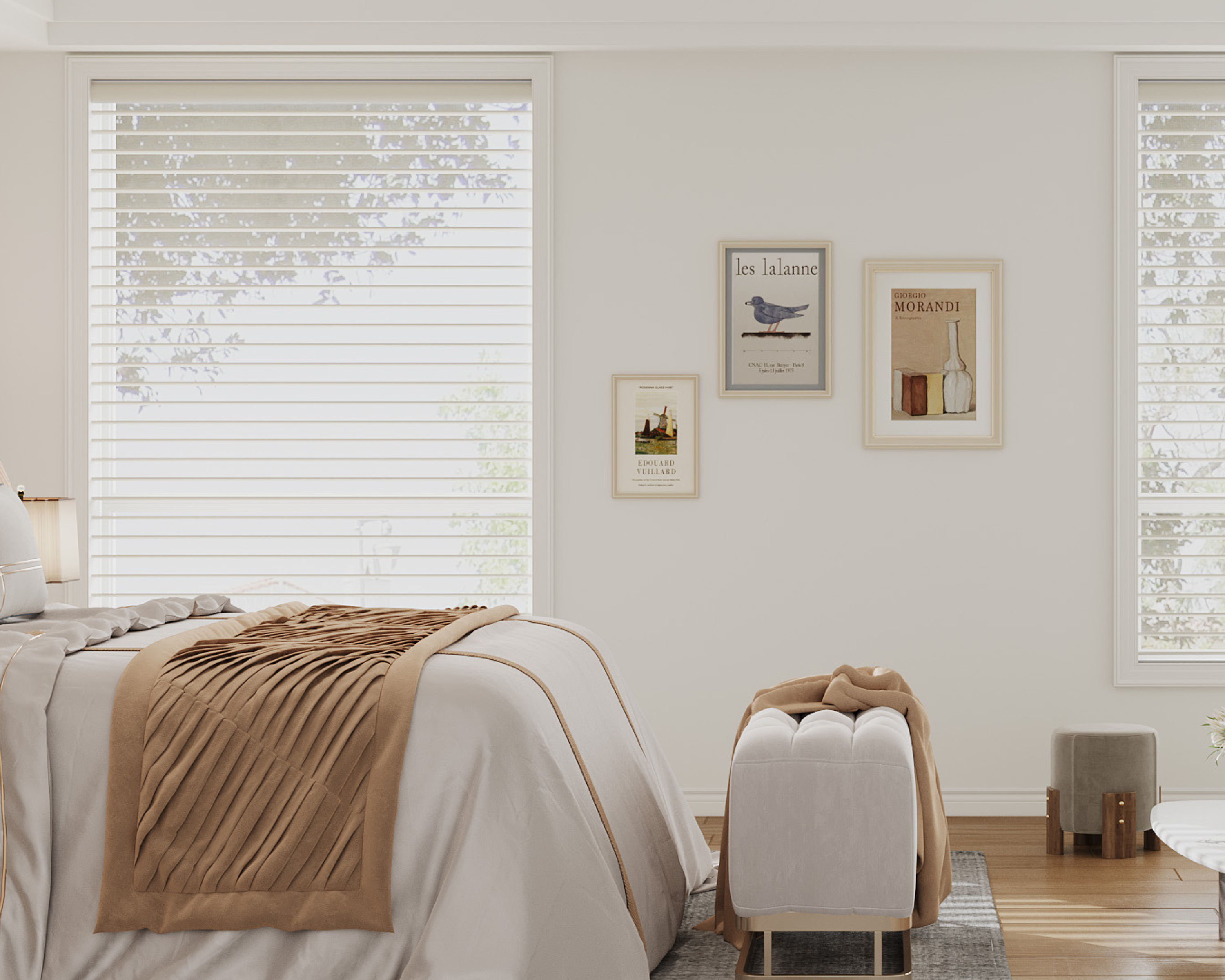
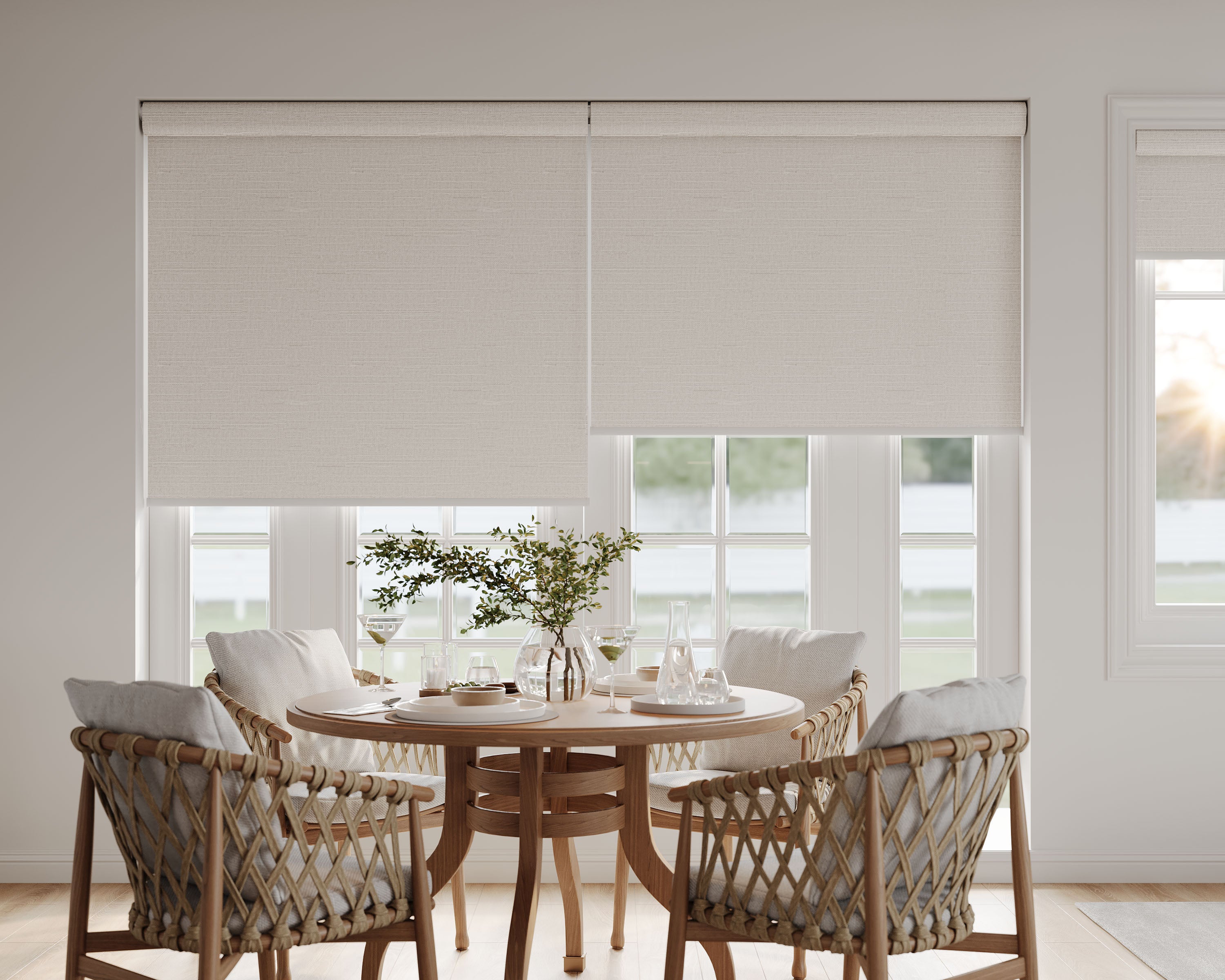


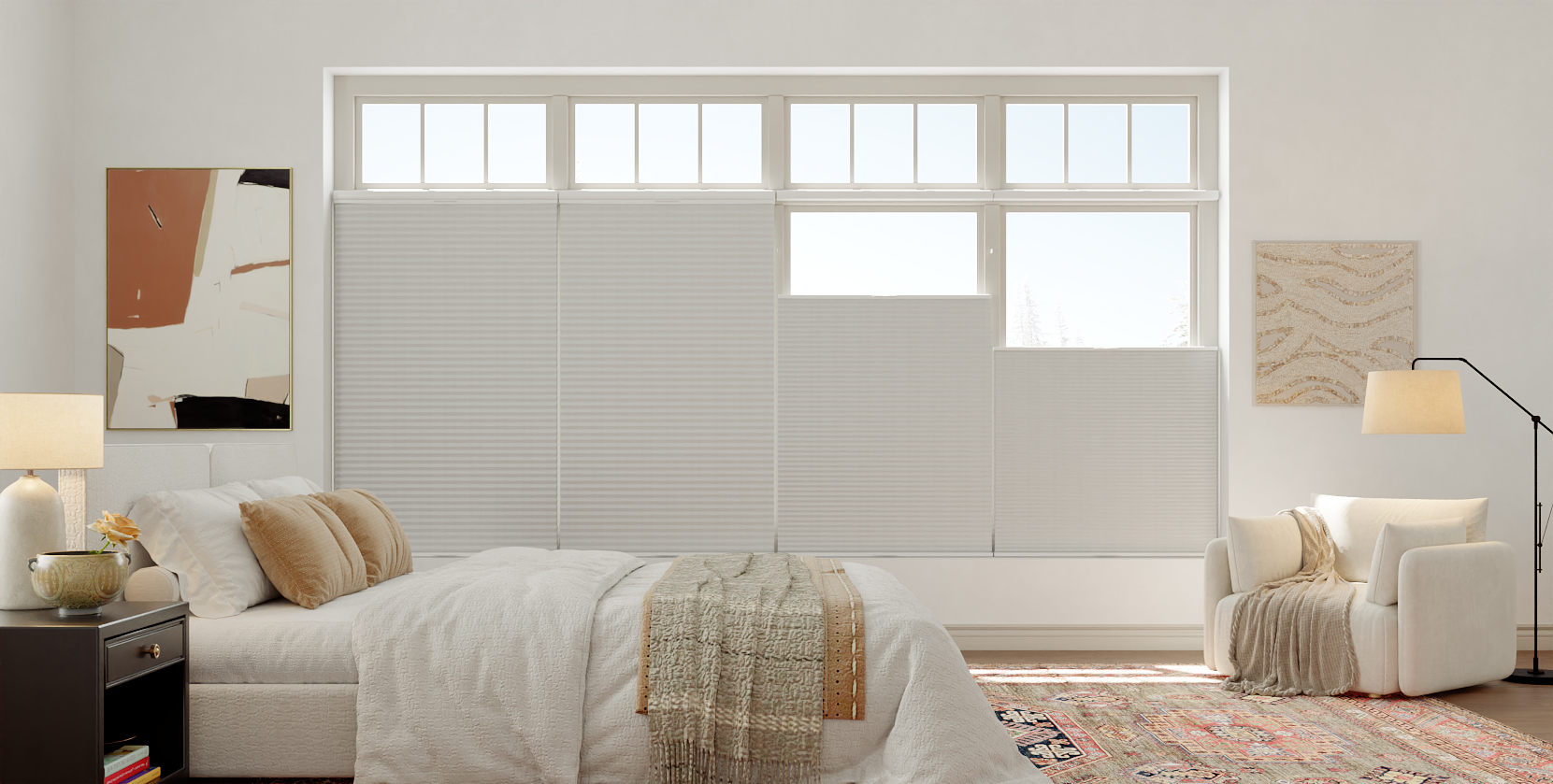


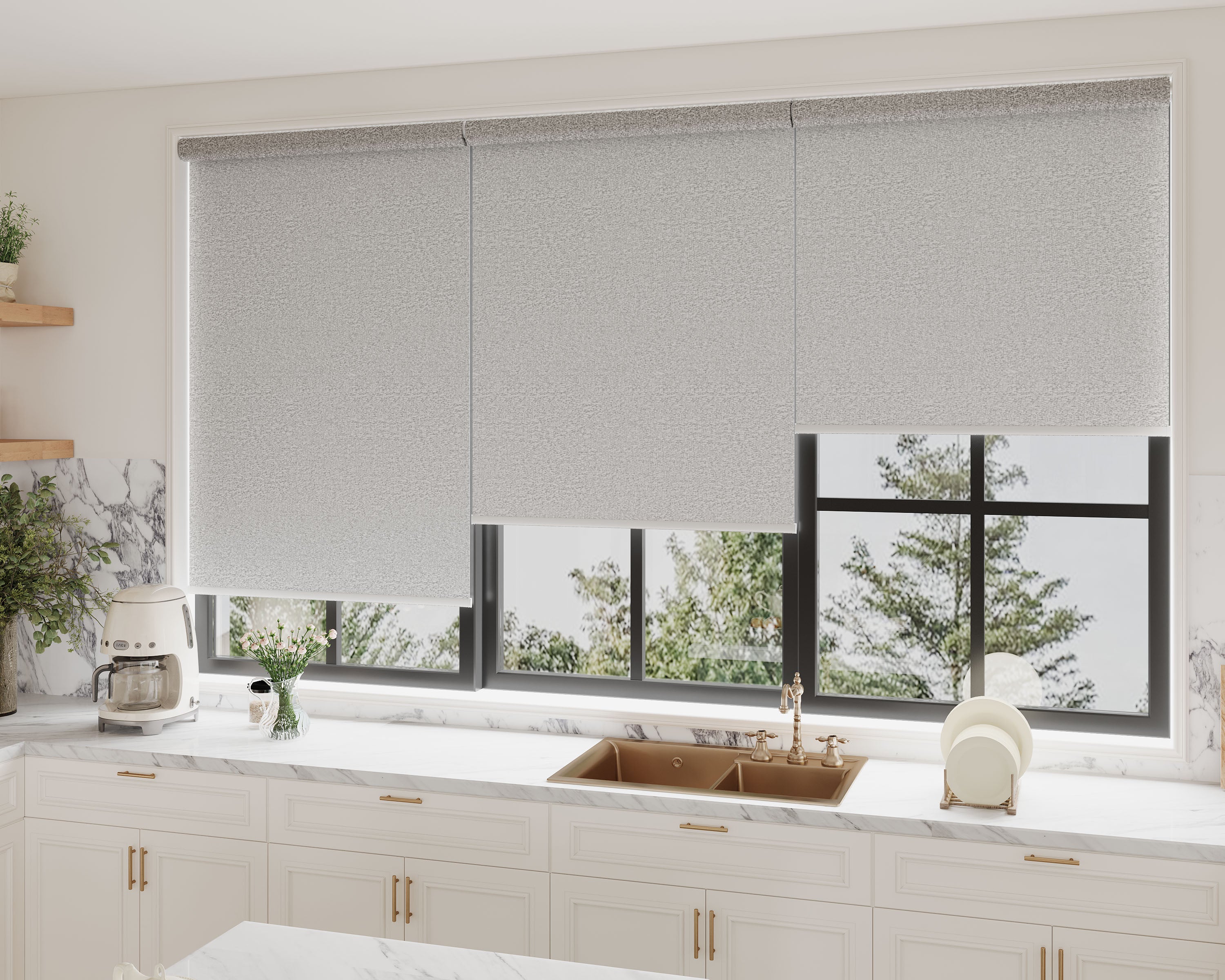

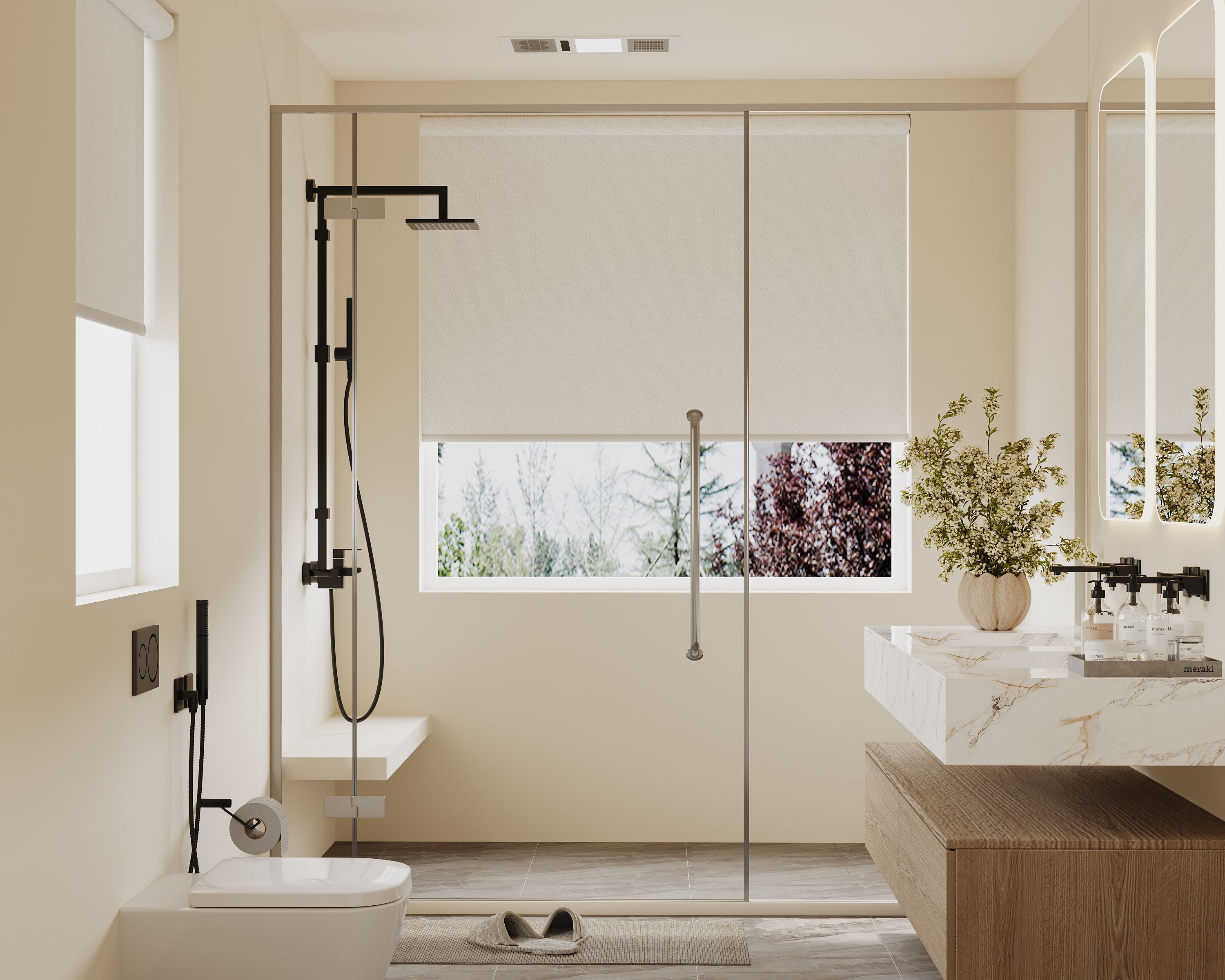


Sliding glass doors present a unique challenge and a fantastic opportunity: they are large sources of light and connection to the outdoors that also require intelligent treatment for privacy, glare control, and style. Sheer shades, with their soft light diffusion and adjustable privacy, are an excellent choice. However, their successful application on doors requires navigating specific options for mounting, operation, and safety. This definitive guide details every viable option to help you achieve a beautiful, functional result that complements your doors and lifestyle.
Here’s what you’ll learn:
-
The two primary mounting methods for sliding doors and why one is often superior.
-
How top-down/bottom-up operation becomes a critical feature for doors.
-
Why motorization transitions from a luxury to a highly practical recommendation.
-
Key considerations for safety, durability, and handling door hardware.
-
How to measure and plan for a seamless installation that doesn't interfere with door function.
To begin exploring custom solutions designed for large openings, view our collection of sheer shades engineered for sliding doors and expansive windows.
Core Challenge: Mounting and Clearance for Door Operation
The foremost consideration is ensuring your sheer shades do not obstruct the sliding or swinging operation of the door. The mounting solution must provide adequate clearance for handles and allow the door to travel freely.
Inside Mount on the Door Frame
This involves mounting the shade within the interior frame of the sliding glass door panel itself.
-
How It Works: Brackets are installed at the top inside edge of the stationary door panel's frame. The shade hangs within the frame, independent of the moving door.
-
Pros: Creates a very clean, built-in look. The shade moves with the stationary door panel, so there is never an obstruction. It fully preserves access to the door handle and locking mechanism.
-
Cons: Requires a frame with sufficient depth (typically 2 inches or more) to accommodate the shade's headrail and allow it to hang without touching the glass. Not all door frames are constructed with this depth.
Outside Mount on the Wall or Header
This method involves mounting the shade on the wall or ceiling above the door, covering the entire door unit.
-
How It Works: Brackets are installed on the wall above the door trim. The shade is wide enough to cover the glass when lowered.
-
Pros: Works with any door frame, regardless of depth. Can be used to make the door unit appear larger and more grand. Offers superior light gap coverage.
-
Cons: Can create a more prominent visual profile. It is crucial to ensure the shade's bottom rail, when lowered, clears any door handles by at least 1-2 inches to prevent collision.
Essential Feature: Top-Down/Bottom-Up Operation
For sliding glass doors leading to patios or yards, preserving the view is often a top priority. A standard shade that only lowers from the top can completely block this connection.
-
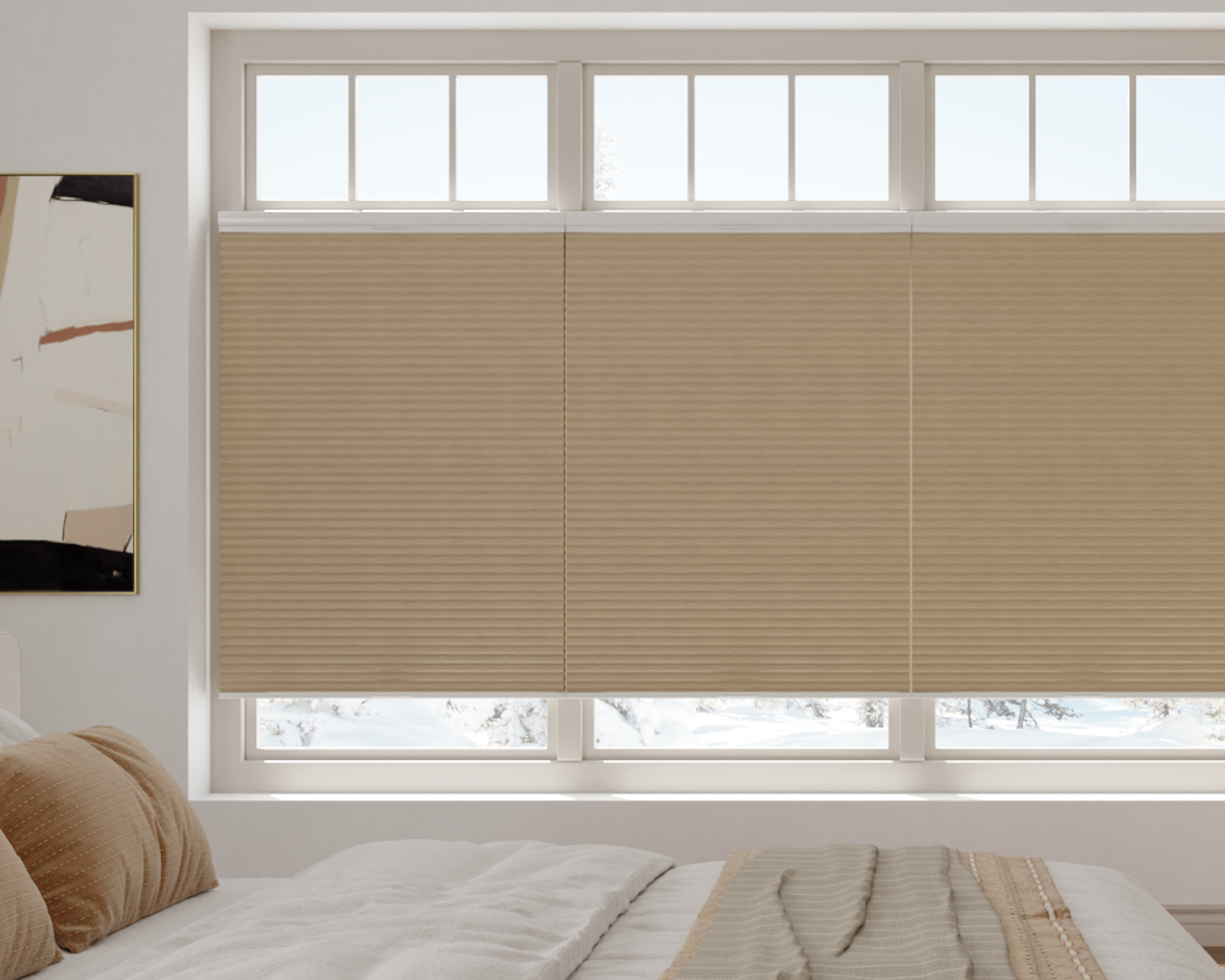
How It Benefits Doors: A top-down/bottom-up sheer shade allows you to lower the shade from the top. You can cover the upper portion of the glass to block glare from the high sun or gain privacy from second-story neighbors, while leaving the lower portion of the shade up to maintain your view of the garden, pool, or backyard. This flexibility is unmatched for door applications.
The Operational Imperative: Motorization
While cordless sheer shades are safe and clean, motorization is particularly compelling for sliding glass doors.
-
Convenience at Scale: Large shades can be heavy and cumbersome to operate manually multiple times a day. A remote or voice command allows effortless adjustment.
-
Preserving the Flow: Motorization eliminates the need to walk to the door and physically adjust the shade, which is especially valuable if furniture is placed near the door.
-
Smart Integration: You can program the shades to lower at sunset for privacy or raise in the morning as part of a "good day" scene. This high level of automation and the convenience it brings is a major reason many homeowners opt for motorized window treatment systems.
Safety, Durability, and Fabric Considerations
Sliding doors are high-traffic areas and may be exposed to more sunlight and activity.
-
Safety First: Any treatment for a sliding door must be cordless or motorized. Dangling cords pose a significant entanglement and strangulation hazard, especially in pathways to the outdoors.
-
Durability and Sun Exposure: Choose durable fabrics. For doors with intense sun exposure, prioritize solution-dyed polyester or other fade-resistant materials. The fabric should withstand frequent operation.
-
Fabric Openness Factor: Consider a mid-range openness (3-5%) for a balance of UV protection for your interior furnishings, glare reduction, and maintained outward visibility. For a deeper understanding of this specification, our guide on how sheer shades protect your furniture is helpful.
Planning and Measurement: The Keys to Success
Precision is non-negotiable for a functional installation on sliding doors.
Critical Measurement Steps:
-
For Inside Mount: Measure the inside width and height of the door frame at multiple points. You must also meticulously note the location and projection of the door handle to ensure the shade's bottom rail will clear it when the door is in use.
-
For Outside Mount: Determine the desired coverage area on the wall. The shade should be wide enough to fully cover the glass when viewed from the front. Height is measured from the top mounting point to where you want the bottom rail to rest, ensuring handle clearance.
-
Professional Assessment: Given the cost of the shades and the complexity of ensuring perfect door clearance, seeking professional measuring and installation services is a highly recommended investment for sliding door projects.
Conclusion: Integrating Form and Function
Equipping sliding glass doors with sheer shades successfully requires choosing the right combination of technical options to enhance both the door's function and the room's atmosphere. The optimal solution addresses mounting, view preservation, and effortless operation in one cohesive package.
Key Highlights:
-
Mounting is Foundational: An inside mount on the door frame offers the cleanest, most interference-free installation if frame depth allows. An outside mount on the wall is a reliable universal solution.
-
Operation Defines Usability: Top-down/bottom-up functionality is highly recommended for doors to maintain views, and motorization provides the utmost convenience for daily use of large shades.
-
Safety is Non-Negotiable: Cordless or motorized operation is essential to eliminate hazards in a high-traffic doorway.
-
Precision is Paramount: Accurate measurement that accounts for door handles and hardware is critical to avoid functional conflicts and ensure a smooth operation.
-
Professional Expertise Pays: For an installation of this importance and scale, expert consultation and installation can prevent costly errors and guarantee a flawless result.
By prioritizing these factors, you can transform your sliding glass door from a simple portal to an integrated design element that masterfully controls light and privacy while preserving your connection to the outdoors.
Shop Sheer Shades by Light Control


Frequently Asked Questions
Can I install a standard-width sheer shade on my extra-wide sliding door?
For very wide doors (often over 96 inches), a single shade may become too heavy and cumbersome, risking sagging and operational strain. The standard solution is to use two or more separate shade panels installed on a continuous track or with a small overlap. This maintains manageability and allows for more flexible light control.
What if my sliding door has a screen door on the outside?
The presence of an exterior screen or storm door adds a layer of complexity. You must ensure the sheer shade, its mounting hardware, and its bottom rail do not interfere with the track or seal of the screen door. An inside mount on the door frame is often the only viable solution in this scenario, and clearances must be checked meticulously.
Are sheer shades a good insulating option for sliding glass doors?
Sheer shades provide some solar heat gain reduction by diffusing sunlight, which can help keep a room cooler. However, they are not significant thermal insulators against cold like cellular shades or heavy drapes. Their primary energy benefit is glare control and reducing the need for artificial lighting during the day.
How do I clean sheer shades on a high-traffic sliding door?
The enclosed design of sheer shades helps. Regular gentle vacuuming with a brush attachment is key to managing dust and pet dander tracked in from the door. For spot cleaning, use a mild detergent and damp cloth, testing first on an inconspicuous area. Their position by the door may require more frequent dusting than shades on interior windows.
Is a valance or cornice recommended for sheer shades on sliding doors?
Typically, no. Adding a valance at the top of a sliding door can visually shorten the height of the doorway and may interfere with the installation or operation of the shade headrail. The clean, streamlined look of the shade without additional trim is usually most appropriate for the modern, functional aesthetic of a sliding glass door.
