
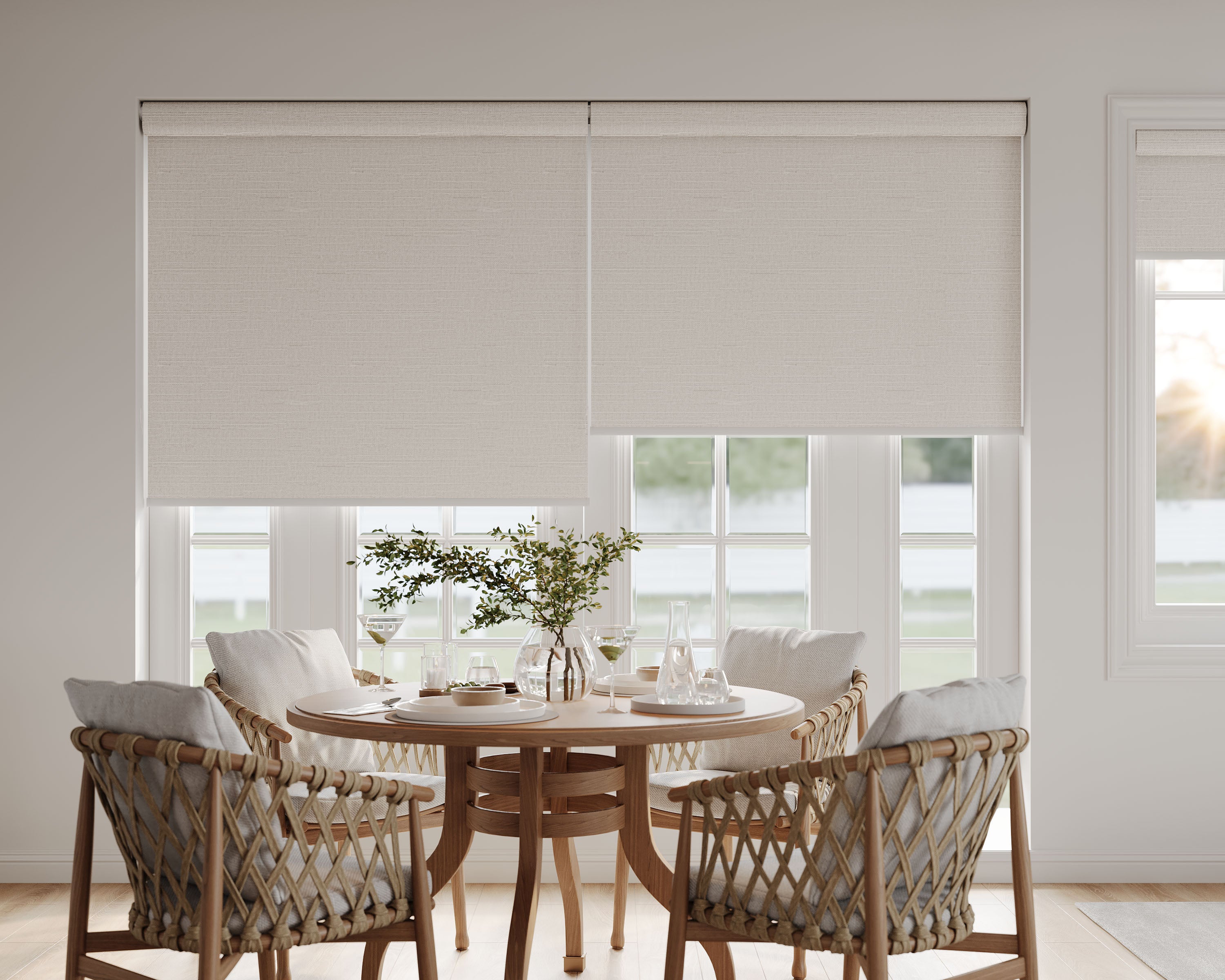


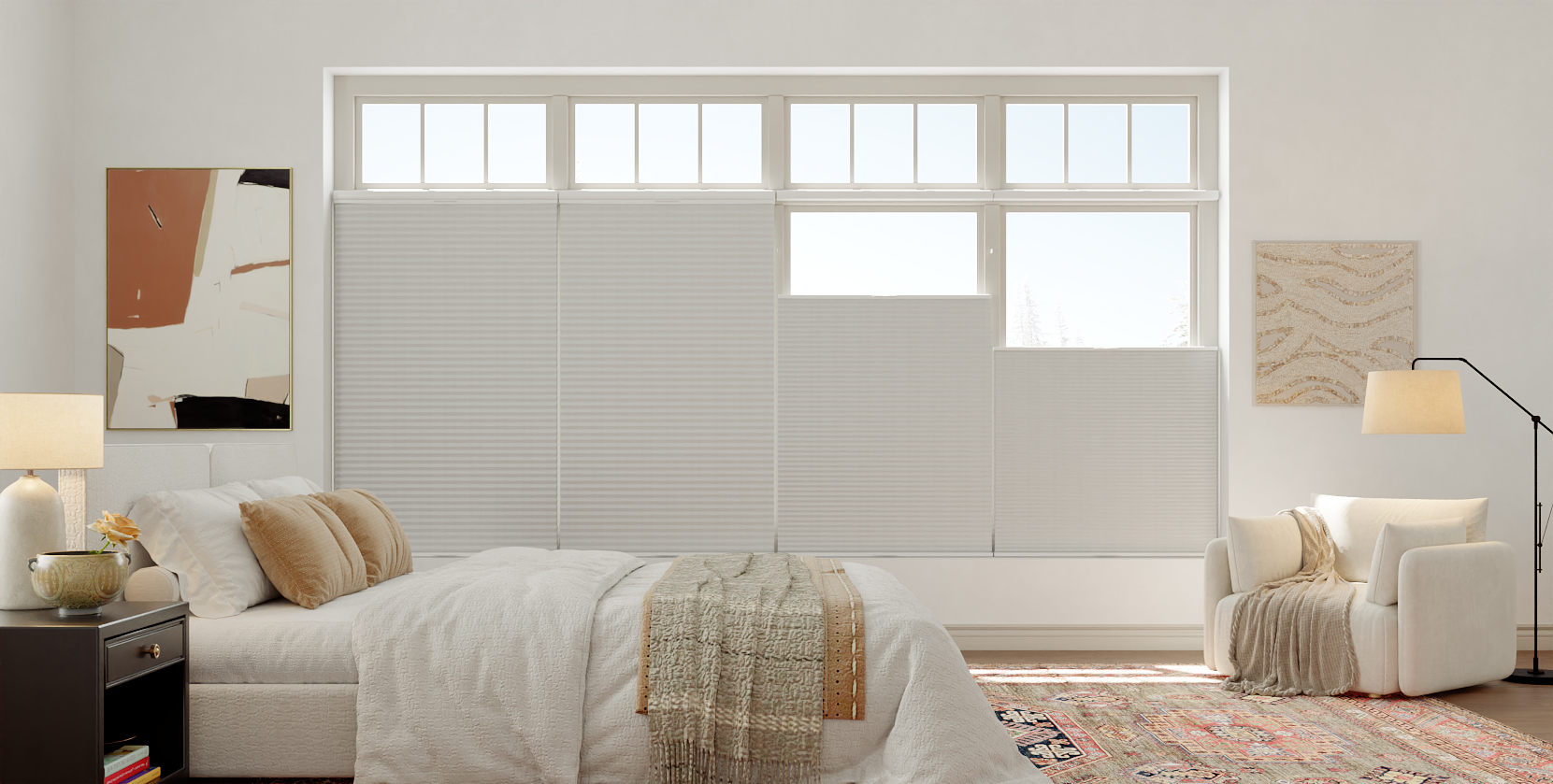


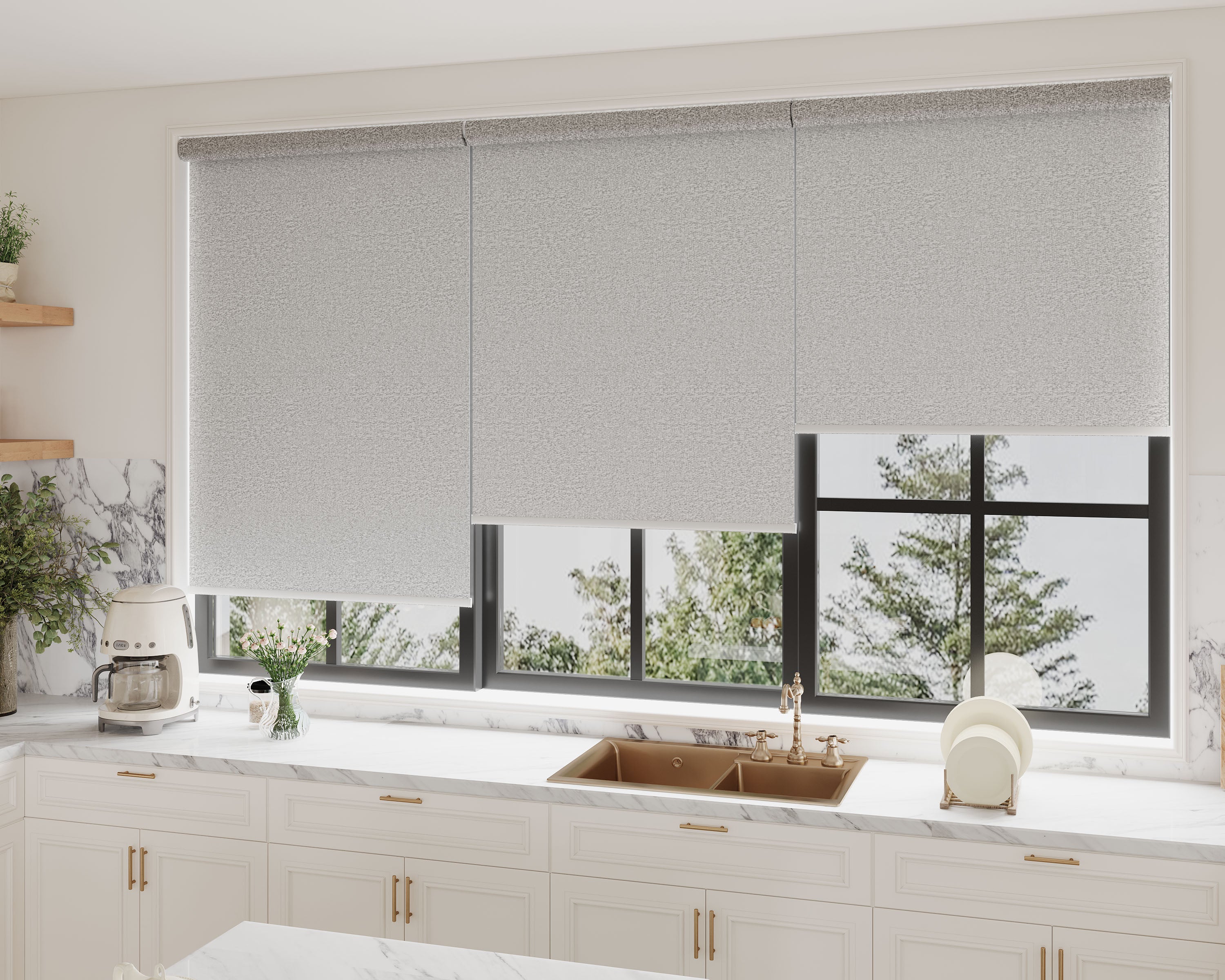

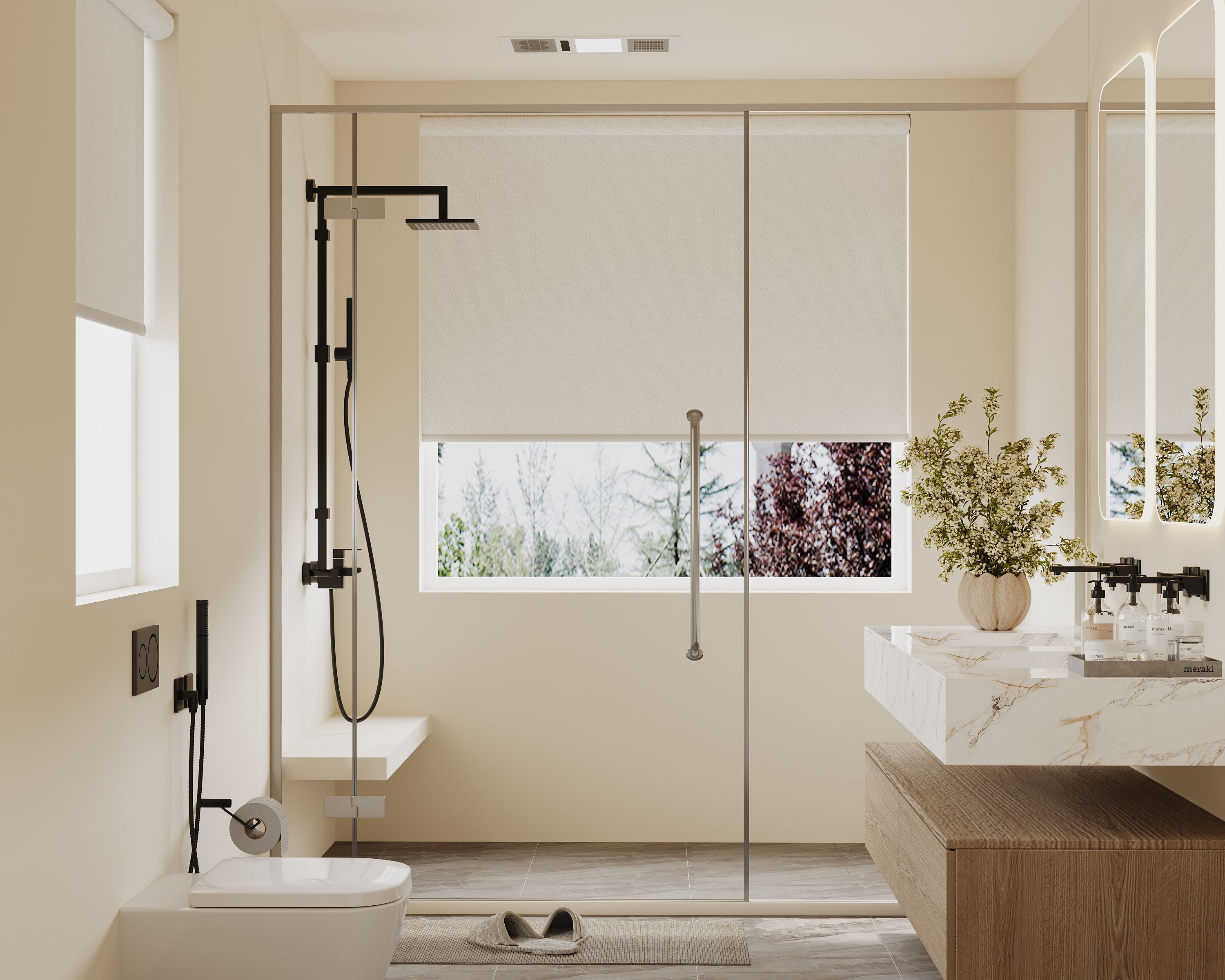


The choice between cordless and motorized operation is one of the most practical decisions you'll make when selecting sheer shades. It determines how you interact with your windows every day. While both options eliminate hazardous cords for a clean, safe look, they offer fundamentally different experiences in convenience, control, and capability. This comprehensive guide breaks down the pros, cons, and ideal applications of each system to help you invest in the right operation for your home, budget, and daily routine.
Here’s what you’ll learn:
-
A clear explanation of how cordless and motorized lift systems actually work.
-
A detailed comparison of cost, convenience, installation, and long-term value.
-
How smart home integration and automation work with motorized shades.
-
Key factors to consider based on your windows, lifestyle, and household.
-
Room-by-room recommendations and scenarios where one system clearly outshines the other.
To explore both operation styles, begin with our main collection of custom sheer shades available in cordless and motorized configurations.
Understanding Your Operating Options
At their core, both systems are designed to raise, lower, and adjust your sheer shades safely and smoothly. The difference lies in how that power is delivered.
Cordless Sheer Shades use a clever, spring-loaded mechanical system housed within the shade's headrail. To operate, you simply grasp the bottom rail and gently push it up to raise the shade or pull it down to lower it. A precision clutch holds the shade securely at any height. Tilting the vanes is typically done with a separate, unobtrusive wand. The system is entirely manual but engineered for smooth, effortless motion.
Motorized Sheer Shades feature a quiet, low-voltage motor embedded in the headrail. This motor is powered by a rechargeable battery pack (discreetly hidden in the headrail) or, less commonly, by a hardwired connection. Operation is via remote control, wall-mounted keypad, smartphone app, or voice command through a smart home system. Motorization can control both the lift of the shade and the tilt of the vanes.
Cordless vs. Motorized: A Detailed Feature Comparison
The right choice depends on how you value convenience, technology, and budget. The table below provides a side-by-side analysis.
| Feature | Cordless Sheer Shades | Motorized Sheer Shades |
|---|---|---|
| Primary Operation | Manual push/pull on the bottom rail. | Remote control, app, voice, or wall switch. |
| Convenience & Ease of Use | Simple and intuitive. Requires physical access to each window. | Ultimate convenience. Control single or multiple shades from anywhere in the room or home. |
| Smart Home Integration | None. Purely manual operation. | Full integration possible. Connects with systems like Apple Home, Google Home, Amazon Alexa, or Savant for scenes, schedules, and voice control. |
| Upfront Cost | Lower. No motor, battery, or electronic components to pay for. | Higher. Includes cost of the motor, power system, and control interfaces. |
| Installation | Simpler; identical to installing a standard shade. | More involved; requires programming and battery setup/hardwiring. Professional install is recommended. |
| Ideal for Hard-to-Reach Windows | Poor. Physically challenging for windows above stairs, behind furniture, or in tall, floor-to-ceiling applications. | Excellent. The best and safest solution for any window that is difficult to access. |
| Child & Pet Safety | Excellent. No dangling cords of any kind. | Superior. No physical interaction required; operation is completely out of reach. |
| Long-Term Maintenance | Very low. A mechanical system with few failure points. | Low, but involves battery management. Quality motors last for years; batteries need recharging or replacement every 2-5 years. |
Key Decision Factors for Your Home
Look beyond the basic features to consider how each system fits into your specific living situation.
Lifestyle and Convenience Needs
-
The Case for Motorization: If you have multiple shades in a room, the ability to adjust them all simultaneously with one button is a game-changer. Scheduling shades to lower at sunset for privacy or rise at sunrise is a luxury that becomes a daily joy. For those who value cutting-edge home technology, motorization is the clear path. The automation benefits are similar to those explored in our guide on motorized vs. manual Roman shades.
-
The Simplicity of Cordless: If you have a few easily accessible windows and prefer a tactile, direct interaction with your home, cordless is wonderfully straightforward. It's a reliable, "set-it-and-forget-it" solution with no batteries to manage.
Window Accessibility and Home Layout
This is often the deciding factor. Motorized shades are virtually essential for:
-
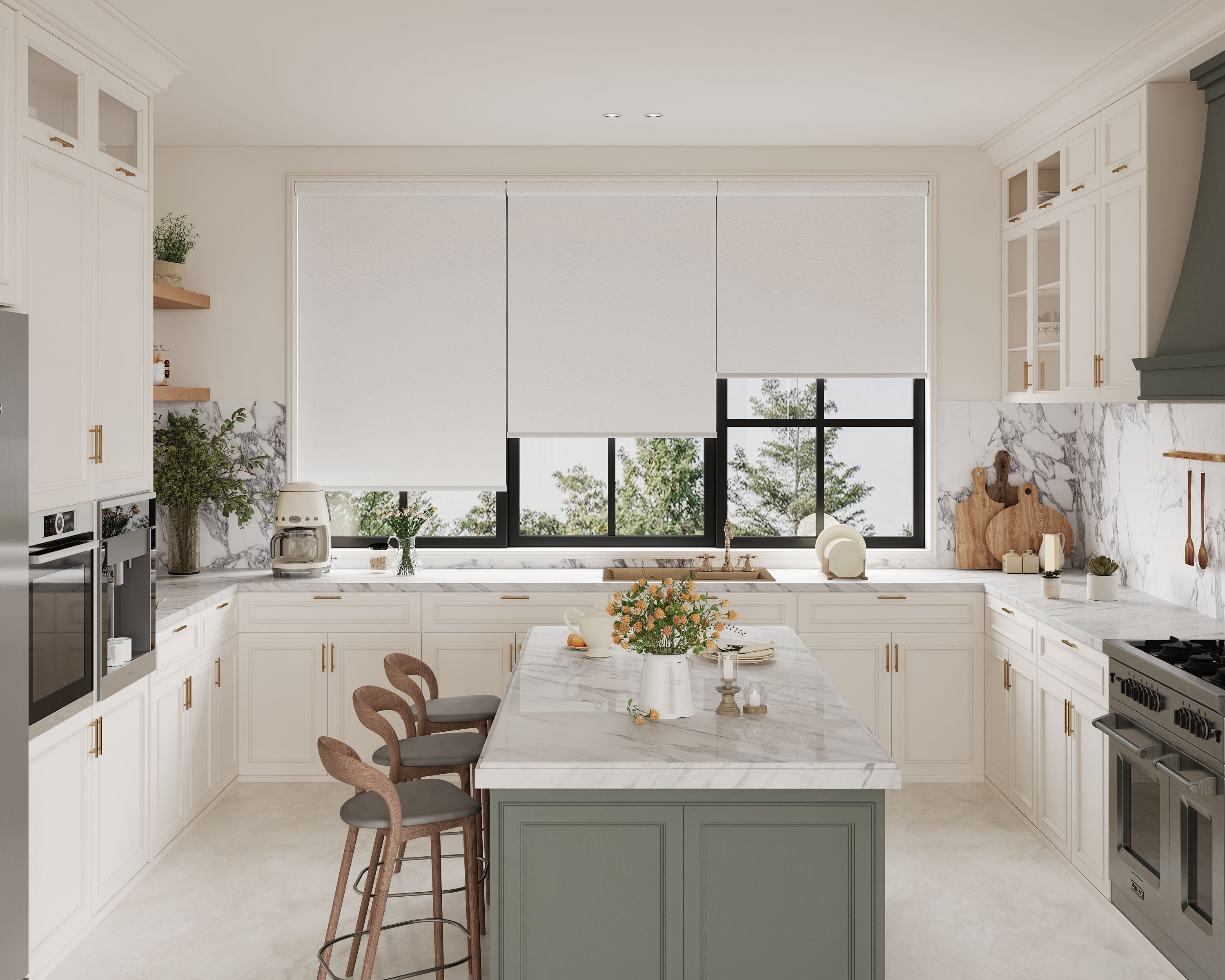
Windows above kitchen counters or behind large furniture.
-
Tall or expansive windows (e.g., great rooms, floor-to-ceiling glass).
-
Groups of three or more windows where unified control is desired.
-
Homes with elderly residents or individuals with mobility challenges.
For standard windows at arm's length, cordless operation is perfectly adequate and cost-effective.
Smart Home Goals and Energy Efficiency
Motorization unlocks true home automation. You can create "scenes" (e.g., "Good Morning" raises all bedroom shades) or use geofencing to have shades adjust automatically when you leave or arrive home. This can also contribute to energy savings by automating shades to close during the hottest part of the day to reduce cooling costs. This smart integration is a key reason designers increasingly specify motorized treatments.
Room-by-Room Recommendations
Living Rooms & Great Rooms
For these central spaces, especially with multiple or large windows, motorization offers the best experience. It allows you to easily adjust light and privacy for different activities (TV time, entertaining, relaxing) without moving around the room. Controlling a wall of windows as one unit looks and feels impressive.
Bedrooms
The choice here is personal. Cordless is simple and effective for a standard bedroom. However, motorization adds a touch of luxury—especially if paired with a scheduling feature for a gentle wake-up with rising shades. For hard-to-reach windows or skylights in a bedroom, motorized is the only practical choice.
Home Offices
Motorized shades are highly recommended. The ability to fine-tune light and glare on your screens without interrupting your workflow from your desk is a significant productivity and comfort boost. You can find more on optimizing a workspace in our home office window treatment guide.
Hard-to-Reach & Specialty Windows
For skylights, windows above staircases, or angled dormers, motorized operation is not just a luxury—it's a necessity. It makes these windows functional and convenient rather than decorative-only.
Conclusion and Final Recommendations
The choice between cordless and motorized ultimately hinges on your valuation of convenience versus cost, and the physical realities of your windows.
Choose Cordless Sheer Shades If:
-
Your budget is a primary constraint.
-
All your windows are easily accessible.
-
You prefer simple, manual operation without technology.
-
You are treating only one or two windows in a room.
Choose Motorized Sheer Shades If:
-
Convenience and effortless control are top priorities.
-
You have hard-to-reach, very large, or multiple windows.
-
You want to integrate with a smart home system for automation and voice control.
-
You are investing in long-term accessibility and modern home features.
Pro Tip: You don't have to choose one for your entire home. A hybrid approach is both common and sensible. Use motorized shades in the main living areas and master bedroom for maximum impact and convenience, and install cordless shades in secondary bedrooms, hallways, or bathrooms to manage costs effectively.
Shop Sheer Shades by Light Control


Frequently Asked Questions (FAQ)
How long do the batteries last in motorized sheer shades?
With typical use (once or twice daily), a high-quality rechargeable lithium battery pack in a sheer shade can last 3 to 5 years before needing replacement. Some systems offer solar-powered recharging options to extend battery life indefinitely.
Can I convert my existing cordless sheer shades to motorized later?
Yes, in many cases. Retrofit motorization kits are available from major manufacturers. These kits include a motor that replaces the internal cordless mechanism. The process requires careful disassembly and reassembly of the shade, so professional installation is strongly recommended to ensure proper function.
Are motorized shades reliable? What if the power goes out?
Modern motorized shade systems are very reliable. They operate on low-voltage DC power from batteries, so a home power outage will not affect them. In the rare event of a complete system failure, most motorized shades have a manual override feature, often a discreet pull cord on the motor, allowing you to raise or lower the shade by hand.
Is professional installation required for motorized shades?
While it's possible for a very skilled DIYer, professional installation is highly recommended for motorized systems. Installers ensure the motor is properly calibrated, the limits are correctly set, the system is integrated with your controls, and everything functions smoothly. This protects your significant investment. For more, see our DIY vs. professional installation analysis.
Do motorized shades increase home value?
While not as quantifiable as a kitchen remodel, smart home features like automated window treatments are increasingly valued by buyers for their convenience, energy efficiency, and luxury appeal. They are considered a premium upgrade that enhances the functionality and modern appeal of a home.
