
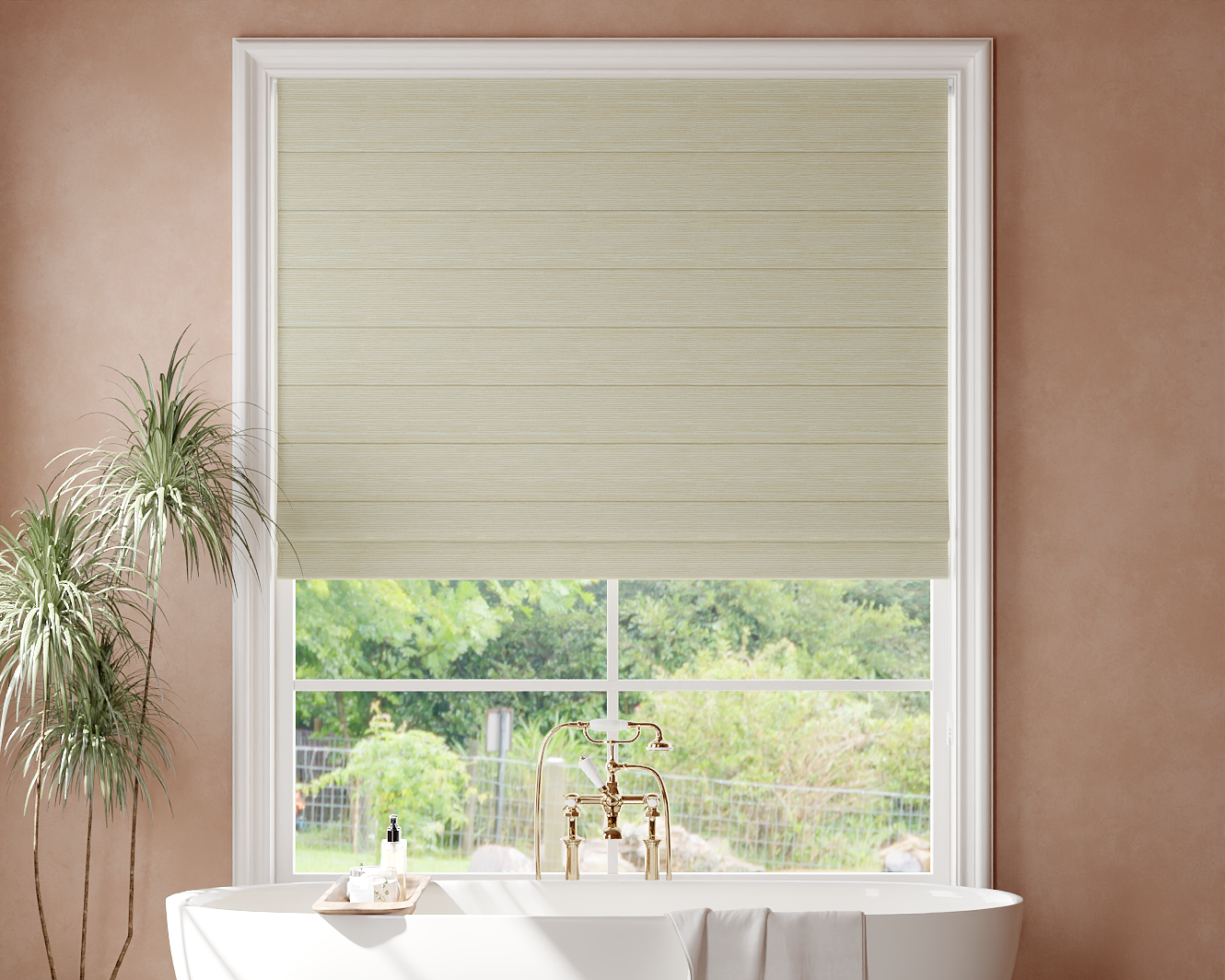
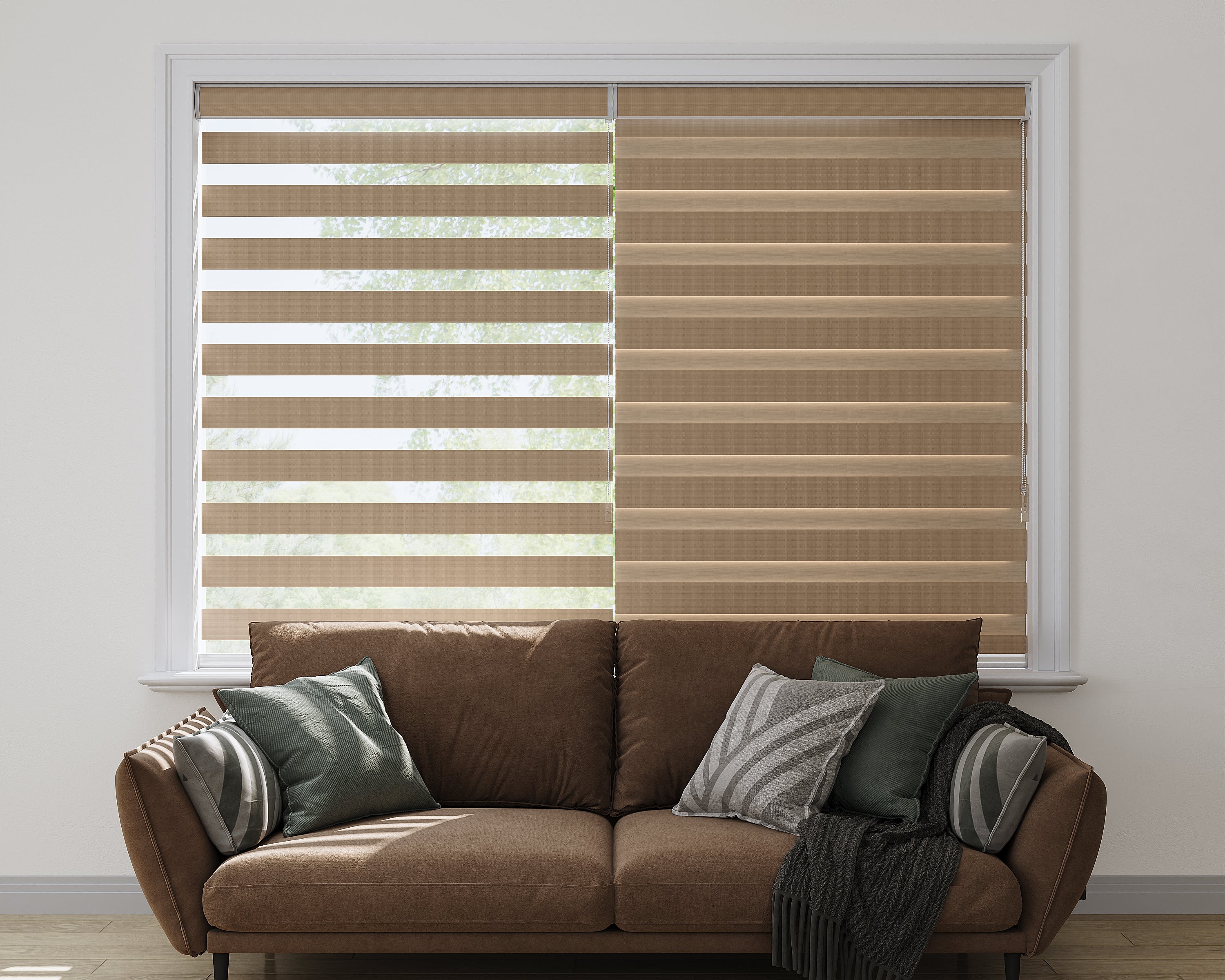
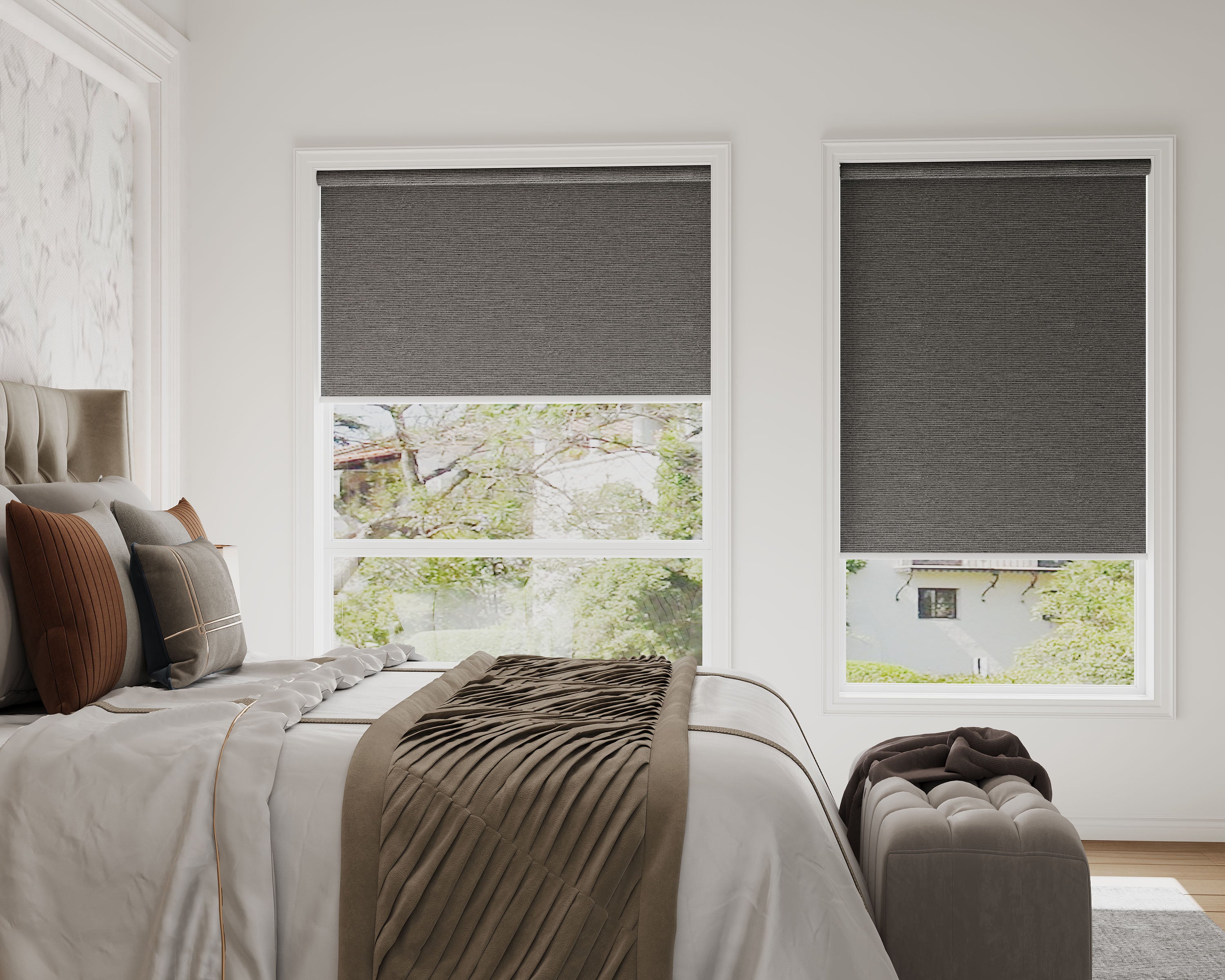
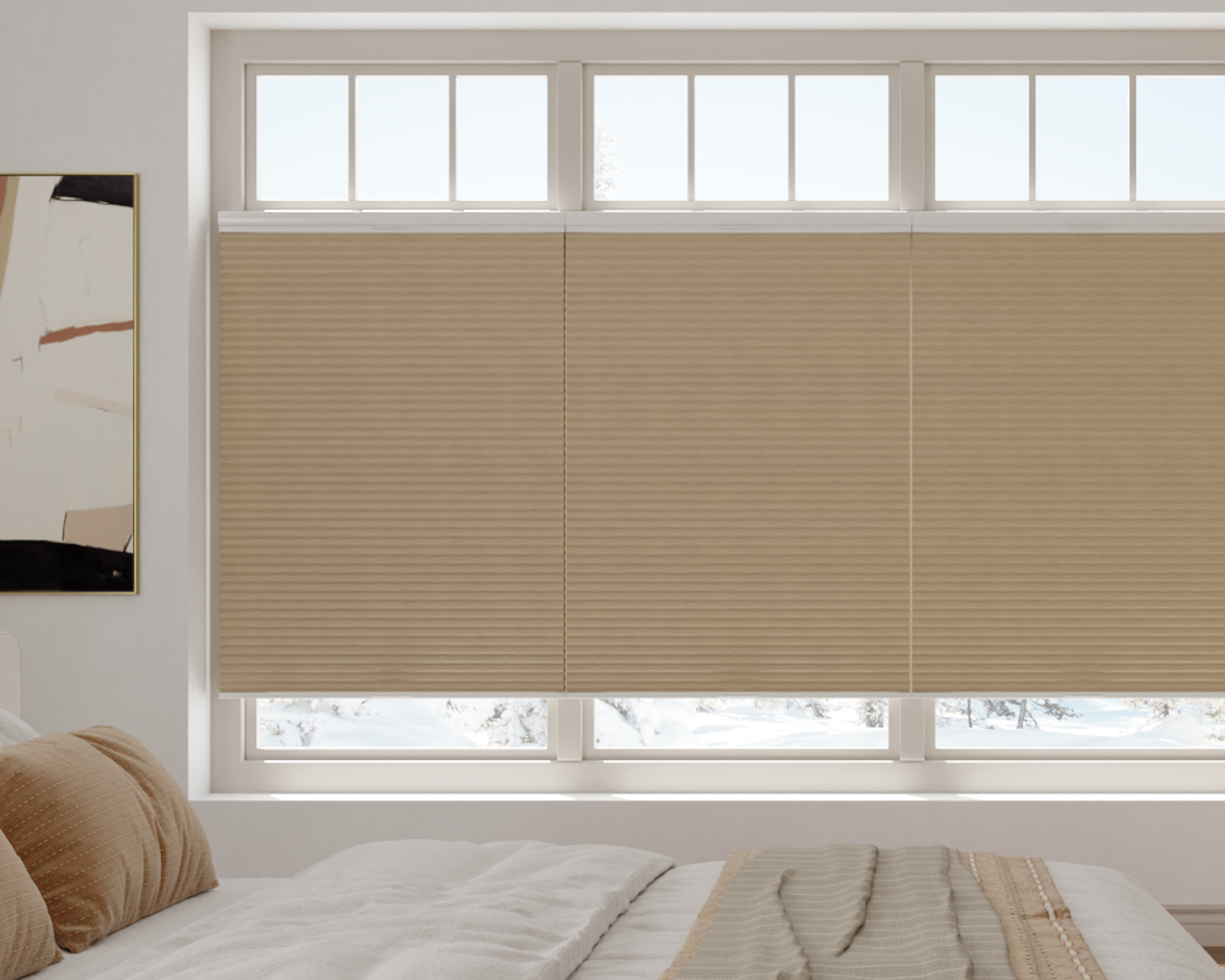







For the light-sensitive sleeper, the bedroom window treatment is not a decorative afterthought—it's a critical tool for sleep quality. Sheer shades, celebrated for their soft, beautiful light diffusion, often prompt the question: are they suitable for a bedroom where darkness is paramount? The answer is nuanced. While standard sheer shades are not designed for total blackout, they can be an excellent component of a layered sleep sanctuary when chosen and implemented with specific strategies. This guide directly addresses light sensitivity, detailing where sheer shades excel, where they fall short, and how to adapt them for a truly restful environment.
Here’s what you’ll learn:
-
A realistic assessment of how much light sheer shades actually block for light-sensitive individuals.
-
The defining difference between light-filtering, room-darkening, and true blackout performance.
-
Strategic solutions, including layering and specialized fabrics, to enhance darkness.
-
How to leverage the daytime benefits of sheer shades for a better bedroom ambiance.
-
A clear framework to decide if sheer shades alone are sufficient or if a layered approach is necessary for your sleep needs.
To explore shades that balance daytime beauty with sleep support, begin with our main collection of serene bedroom-ready sheer shades and complementary treatments.
Understanding Light Control: Filtering vs. Blocking
The first step is to align expectations with functionality. Sheer shades are engineered primarily for light filtering and diffusion, not light blocking.
-
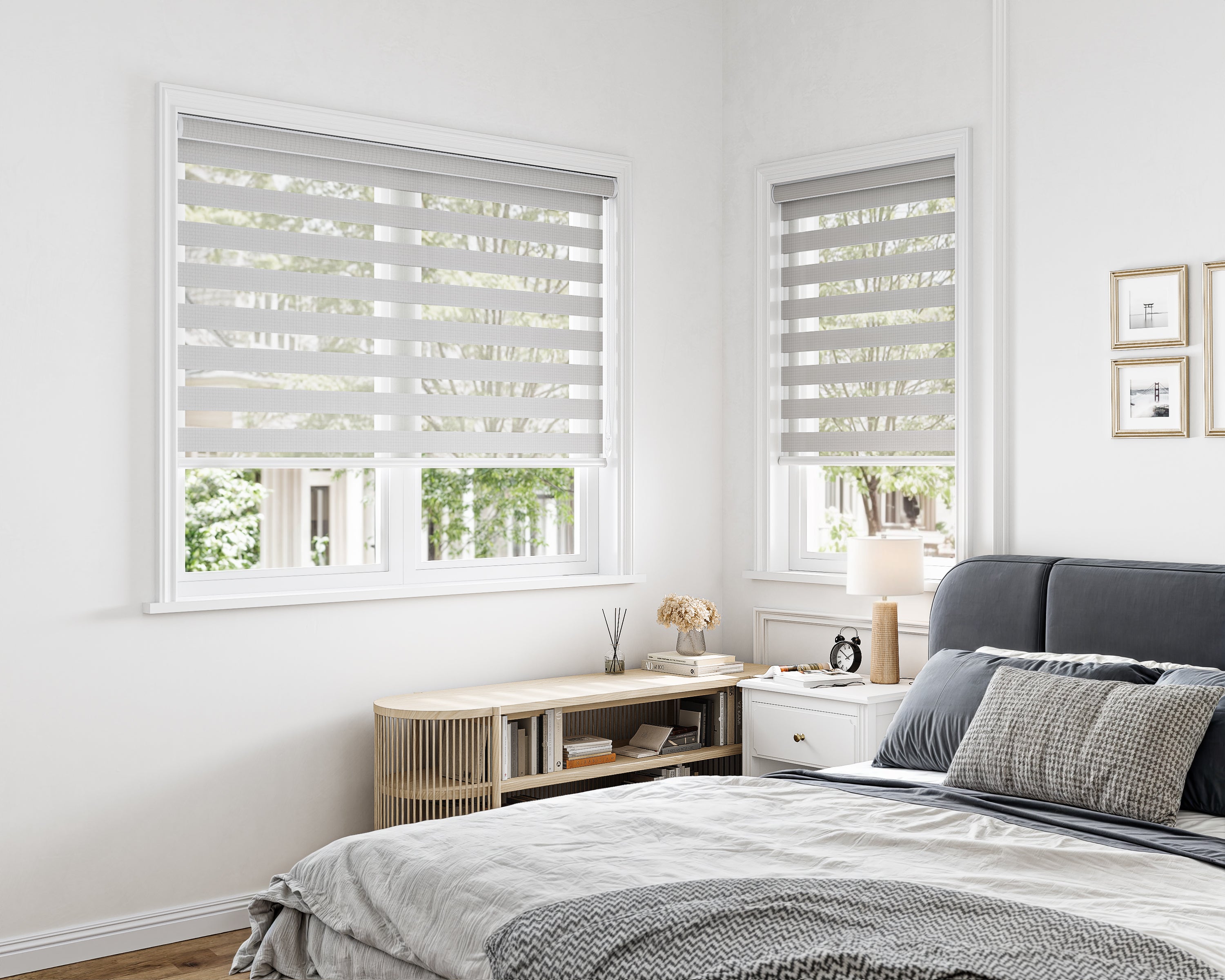
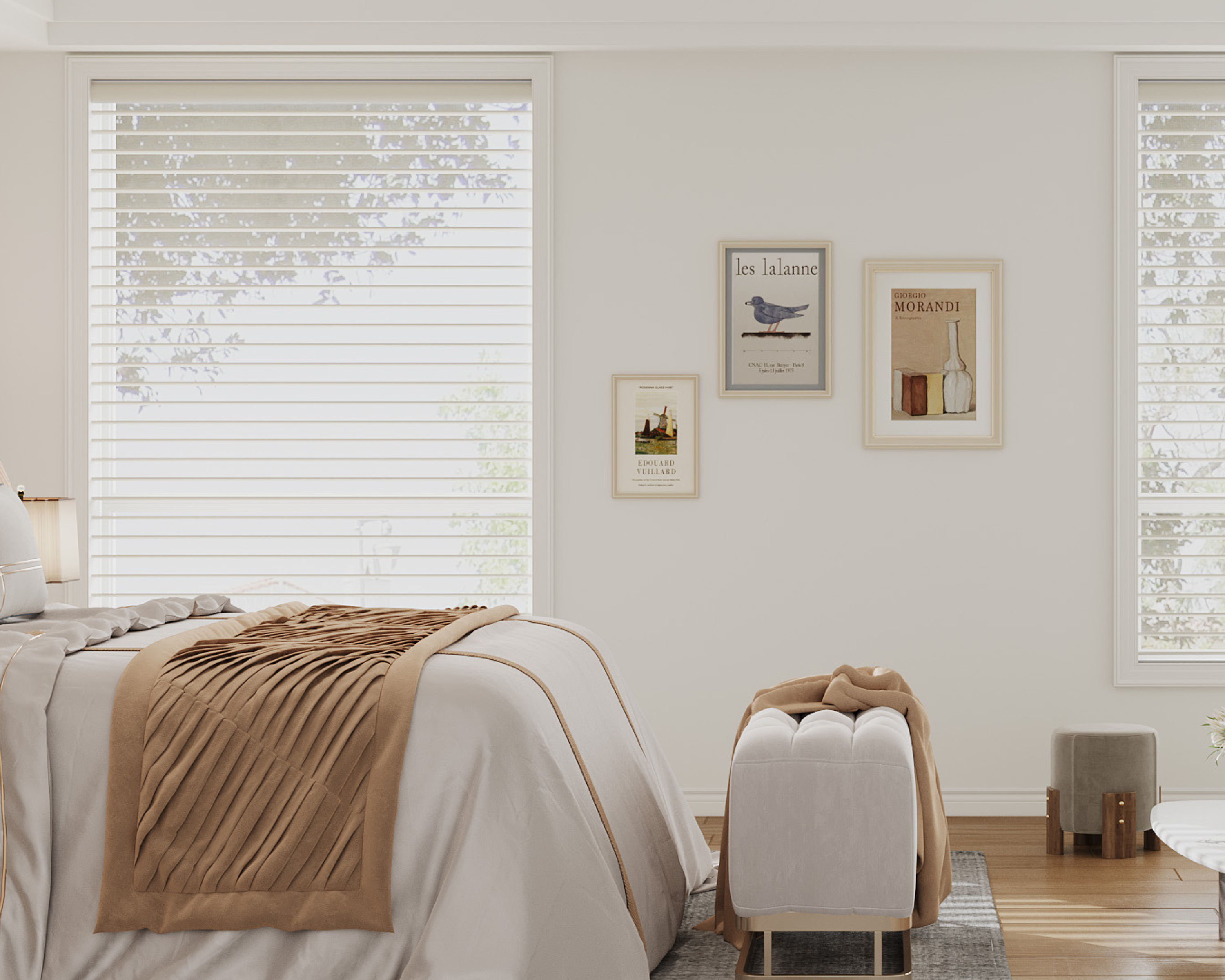
The Mechanism: Their construction—adjustable fabric vanes between two sheer layers—transforms harsh sunlight into a soft, ambient glow. This eliminates glare and hotspots but allows a substantial amount of light to permeate the room.
-
The Reality for Sleep: Even with the vanes fully closed, a standard sheer shade will not create a pitch-dark environment. A noticeable, soft glow will remain, which can be sufficient for some but problematic for those with high light sensitivity, shift workers, or anyone trying to sleep past sunrise.
The Sheer Shade Dilemma: Daytime Benefits vs. Nighttime Needs
Evaluating sheer shades for a bedroom requires weighing their superb daytime advantages against their limitations for sleep.
Advantages for the Bedroom Environment
-
Glare-Free Mornings & Relaxation: They create a wonderfully soft wake-up environment, gently diffusing morning light without the harsh intrusion of direct sunbeams. This can support a more natural circadian rhythm for those not requiring absolute darkness.
-
Privacy with a View: They provide excellent daytime privacy while maintaining a soft connection to the outdoors, preventing the closed-in feeling of opaque treatments during the day.
-
Aesthetic Serenity: Their clean, airy look contributes to a calm, uncluttered, and serene bedroom aesthetic, which is beneficial for relaxation.
Limitations for Light-Sensitive Sleepers
-
Insufficient Darkness: The core issue is translucency. For those who need total darkness to initiate or maintain sleep, the inherent light passage of sheer fabrics is a significant drawback.
-
Nighttime Privacy Concerns: As covered in our guide on how sheer shades provide privacy, the dynamic flips at night. With interior lights on, silhouettes can be visible from the outside if no additional layer is used.
-
External Light Sources: Streetlights, porch lights, or a bright moon will easily penetrate a sheer shade, potentially disrupting sleep.
Strategic Solutions for Enhanced Darkness
If you love the look and daytime function of sheer shades but need more darkness for sleep, strategic layering is the effective and popular solution.
Solution 1: The Layered System with Blackout
This is the most reliable method for combining aesthetics with function.
-
Primary Layer: Install your chosen sheer shades for daytime light control, privacy, and style.
-
Secondary Blackout Layer: Add a dedicated blackout roller shade or opaque blackout drapes on a separate track. This layer is deployed only at bedtime.
-
Result: You enjoy beautiful filtered light all day and achieve total, customizable darkness at night. This approach is endorsed by designers for its flexibility, as highlighted in our analysis of modern window treatment strategies.
Solution 2: Opt for Room-Darkening Sheer Shades
Some manufacturers offer "room-darkening" or "light-blocking" sheer shades. These use tighter-weave fabrics and sometimes a subtle backing to block significantly more light than standard sheers.
-
What to Expect: They can reduce light transmission by 80-95%, creating a twilight-like gloom rather than pitch black. They are a good middle ground but should not be confused with true blackout.
-
Pro Tip: Always request a fabric sample to hold against a bright light source to test its true opacity before purchasing.
Solution 3: Prioritize Installation and Coverage
Maximize the performance of any shade by ensuring a tight fit.
-
Use an Outside Mount: Installing the shade on the wall, extending beyond the window frame on all sides, minimizes light leakage from the edges—a common flaw with inside mounts. The importance of this technique is explained in our guide to mounting options.
-
Side Channels: For a premium installation, metal or fabric side channels can be added to guide the shade and seal light from the sides completely.
Making the Decision: Is Your Bedroom a Good Candidate?
Your specific sleep habits and bedroom environment will determine the right path.
Sheer shades may be sufficient if:
-
You are a moderately light-sensitive sleeper who can sleep with a dim glow in the room.
-
Your bedroom faces north or is heavily shaded by trees or other structures, minimizing direct morning sun.
-
Your primary goal is a soft, natural wake-up and a beautiful daytime ambiance, and you generally sleep during nighttime hours.
You should plan a layered system if:
-
You have high light sensitivity, are a shift worker sleeping during the day, or suffer from insomnia exacerbated by light.
-
Your bedroom has east-facing windows with intense morning sun or is exposed to significant external artificial light at night.
-
You and your partner have different sleep schedules and one needs darkness while the other gets up earlier.
Conclusion: Crafting a Personalized Sleep Sanctuary
The suitability of sheer shades for a bedroom hinges on a clear understanding of their purpose as masterful light diffusers, not light eliminators. For the light-sensitive individual, they are rarely a standalone solution but become exceptionally powerful when integrated into a layered approach designed for both day and night.
Key Highlights:
-
Manage Expectations: Standard sheer shades filter and soften light beautifully but will not create the total darkness required by many light-sensitive sleepers.
-
Layering is the Key: The most effective strategy pairs sheer shades for daytime ambiance with a separate blackout roller shade or drapes for nighttime sleep, offering complete flexibility and control.
-
Specialized Fabrics Help: Room-darkening sheer shades offer a middle-ground option, blocking significantly more light than standard versions while maintaining a soft look.
-
Installation Affects Performance: An outside mount that overlaps the window frame is crucial for minimizing edge light gaps and maximizing the shade's inherent light-control capabilities.
-
Your Habits Decide: The final choice should be guided by your specific sensitivity level, sleep schedule, and the unique light conditions of your bedroom.
By applying this framework, you can move beyond a one-size-fits-all solution. Whether you choose specialized room-darkening sheers or a sophisticated layered system, you can design a bedroom environment that supports both restorative sleep and daily tranquility.
Shop Sheer Shades by Light Control


Frequently Asked Questions
Can I make my existing sheer shades blackout?
You cannot alter the fabric of an existing sheer shade to become blackout. However, you can easily add a blackout solution behind them. The most discreet method is to install a blackout roller shade inside the window frame, behind your sheer shades. This allows you to lower the blackout layer independently at bedtime.
What about sheer shades for a child's or baby's nursery?
For nurseries, optimal sleep is paramount. While sheer shades can create a lovely soft light for playtime, it is strongly recommended to pair them with a reliable blackout solution for naps and nighttime. Always ensure any window treatment in a nursery is cordless or motorized for ultimate safety.
Do "blackout liners" for sheer shades exist?
True blackout liners that attach directly to a sheer shade are uncommon due to the different operating mechanisms. The standard and more effective approach is to use two separate treatments: the sheer shade and a dedicated blackout roller or panel that operates independently behind it. This preserves the functionality of both.
How does light from electronics (TV, phone) interact with sheer shades at night?
Sheer shades do not block interior light from escaping or affecting the room's darkness. The glow from electronic devices will be clearly visible in a room with only sheer shades. For a truly dark sleep environment, you need an opaque blackout layer to contain all interior light sources as well as block exterior light.
Are there any smart features that help with light-sensitive sleep?
Yes. Motorized shading systems integrated with smart home automation can be programmed on a schedule. Your blackout shades can be set to close automatically at your bedtime and open slightly after your wake-up time, ensuring consistent darkness. This removes the variable of manually closing them and can be combined with motorized operation for ultimate convenience.
