
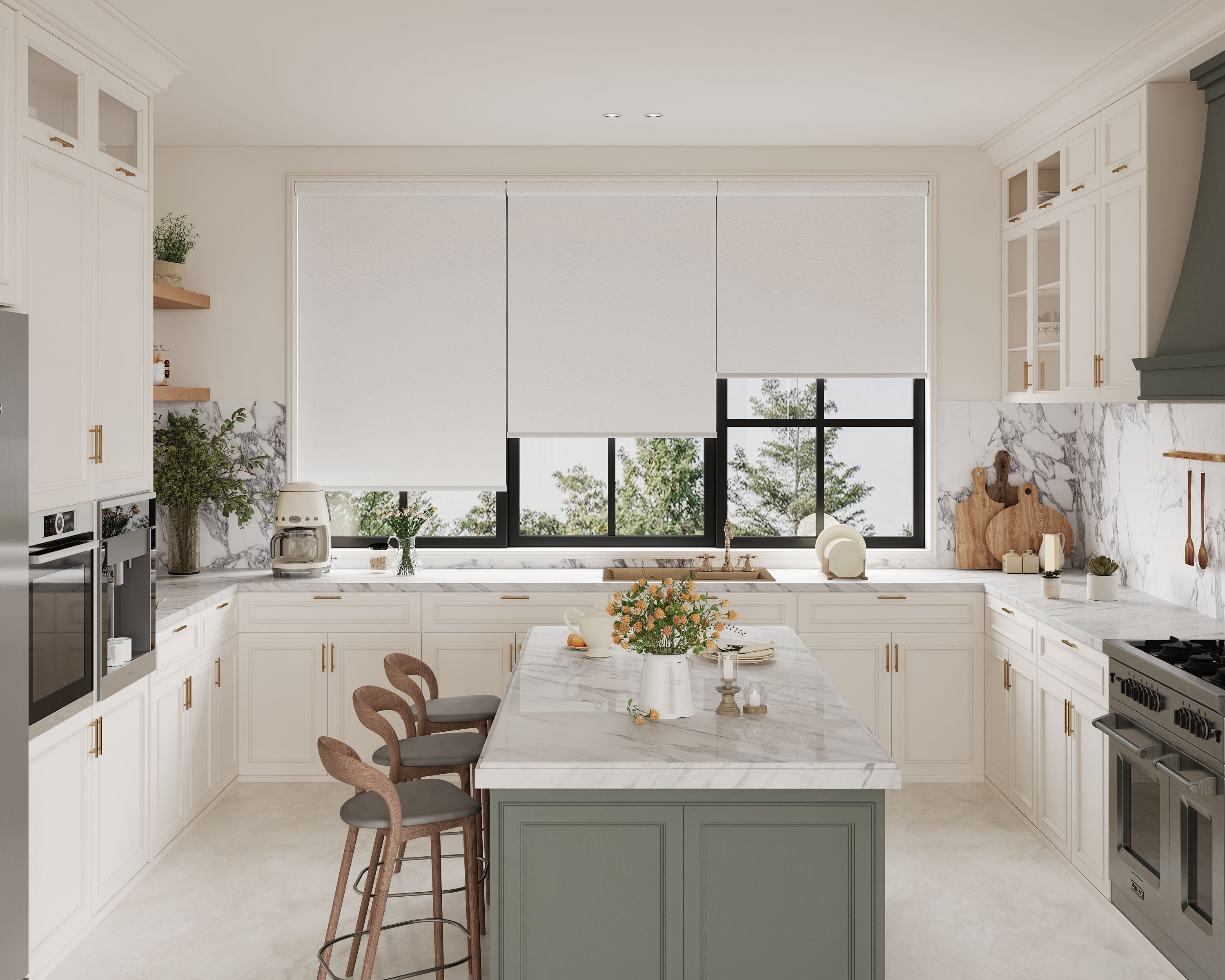
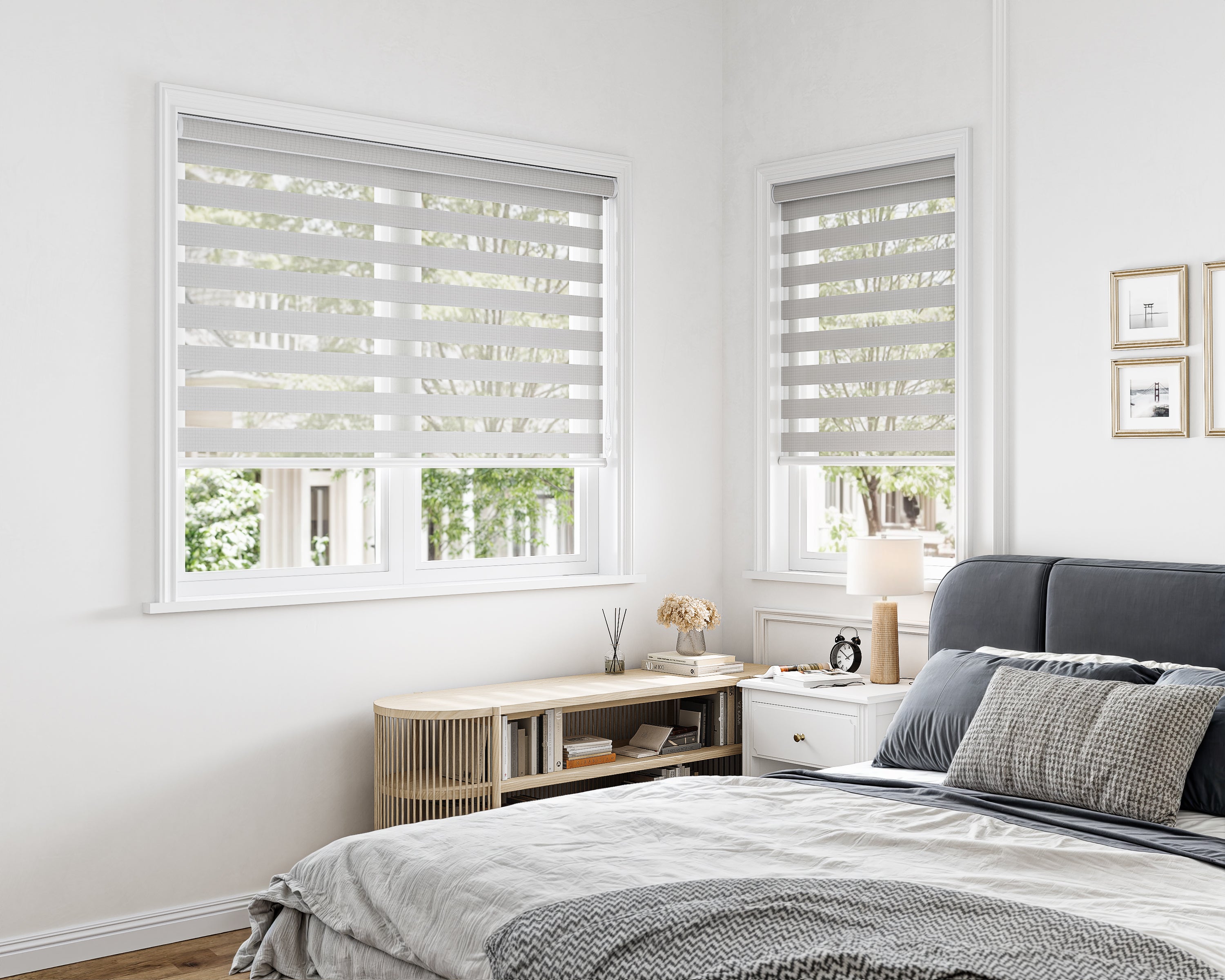
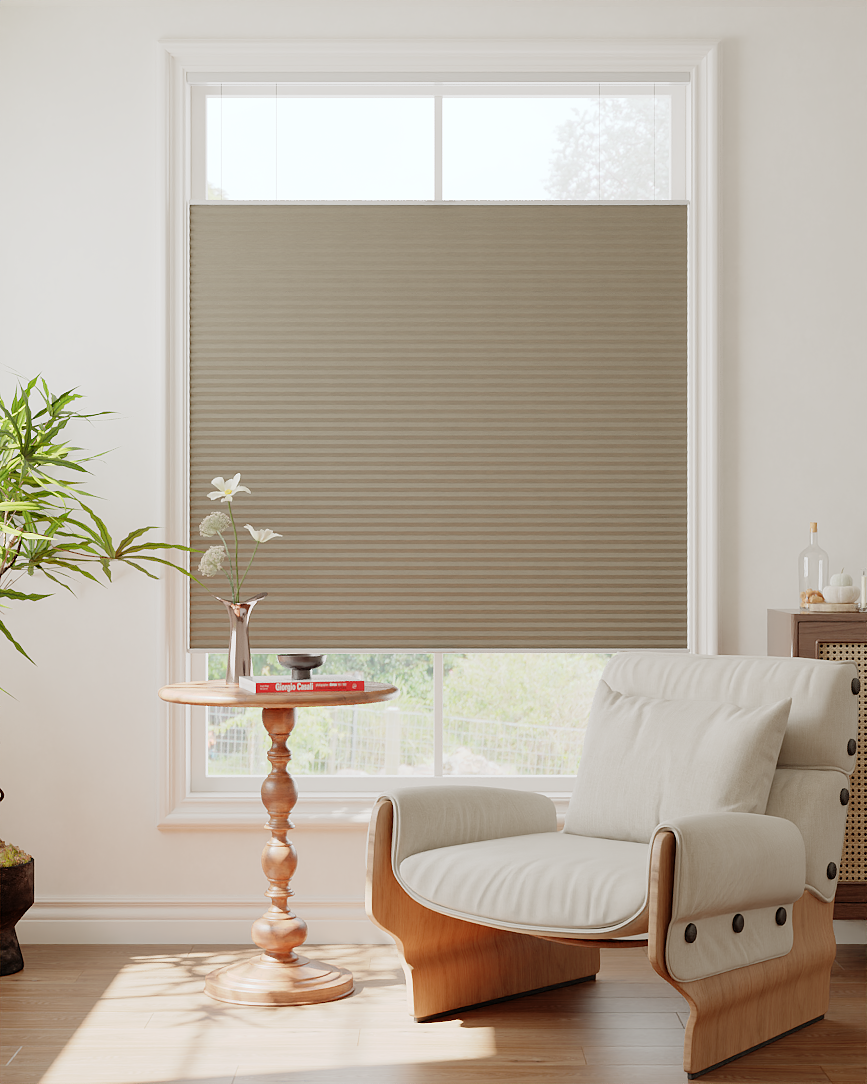
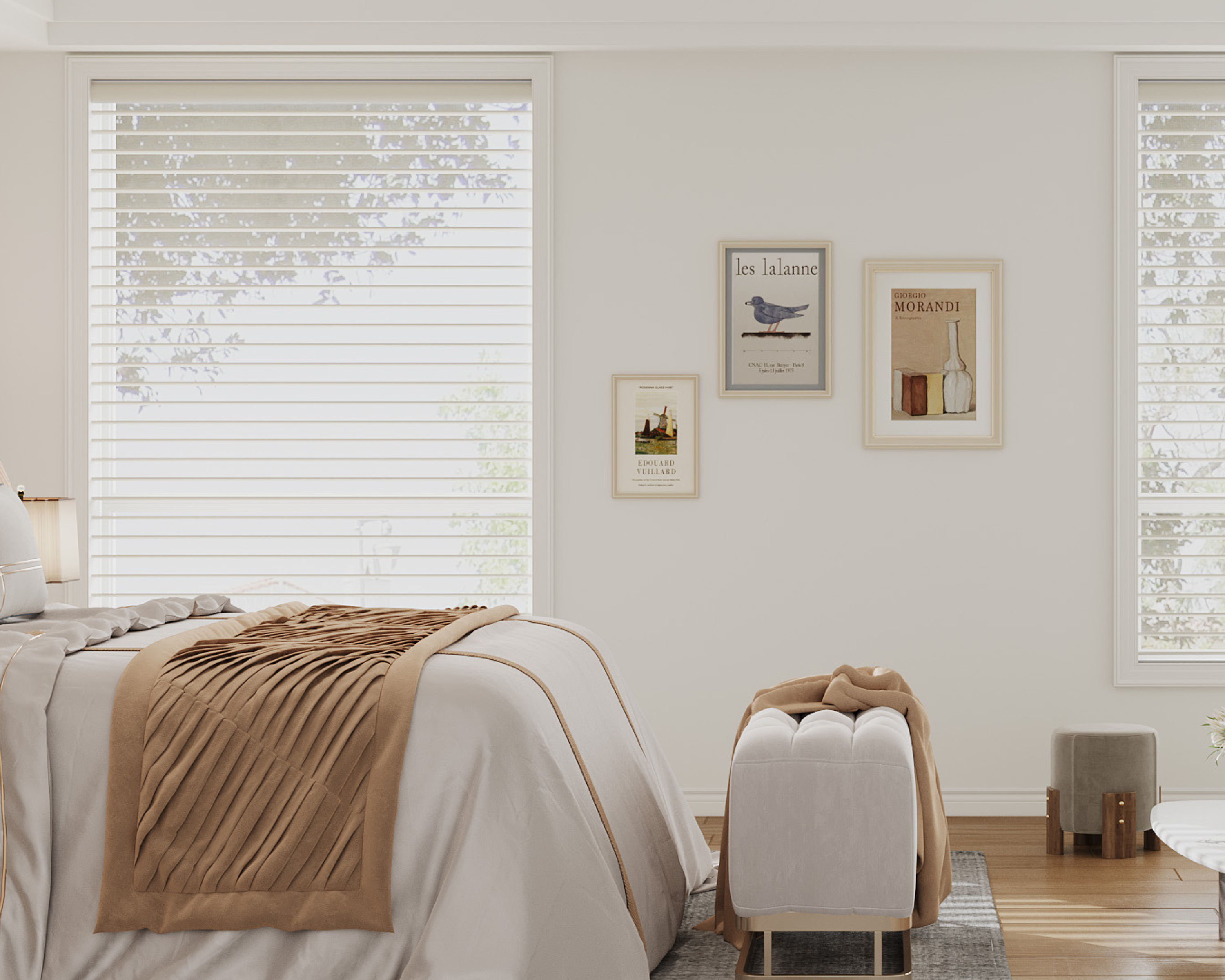
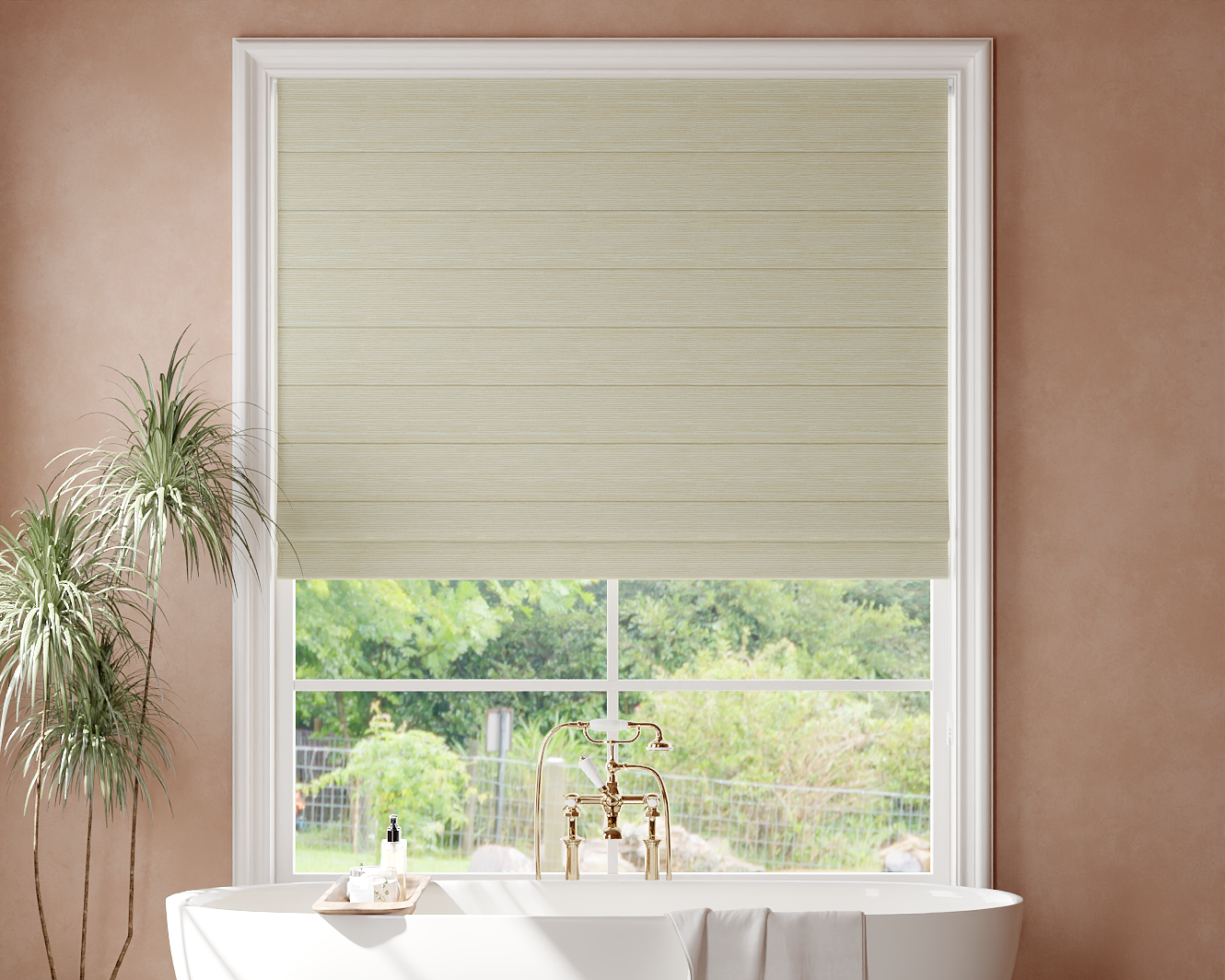
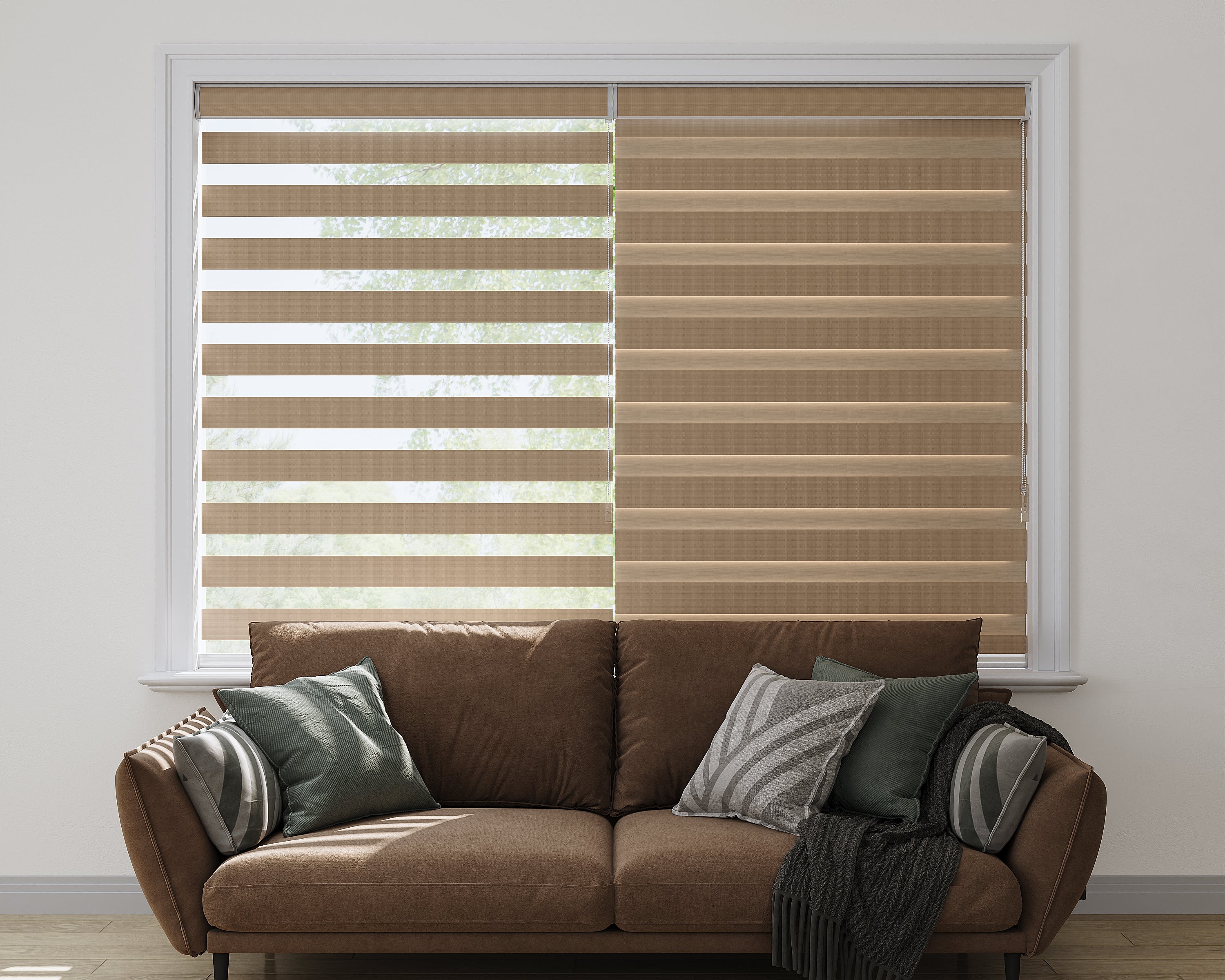
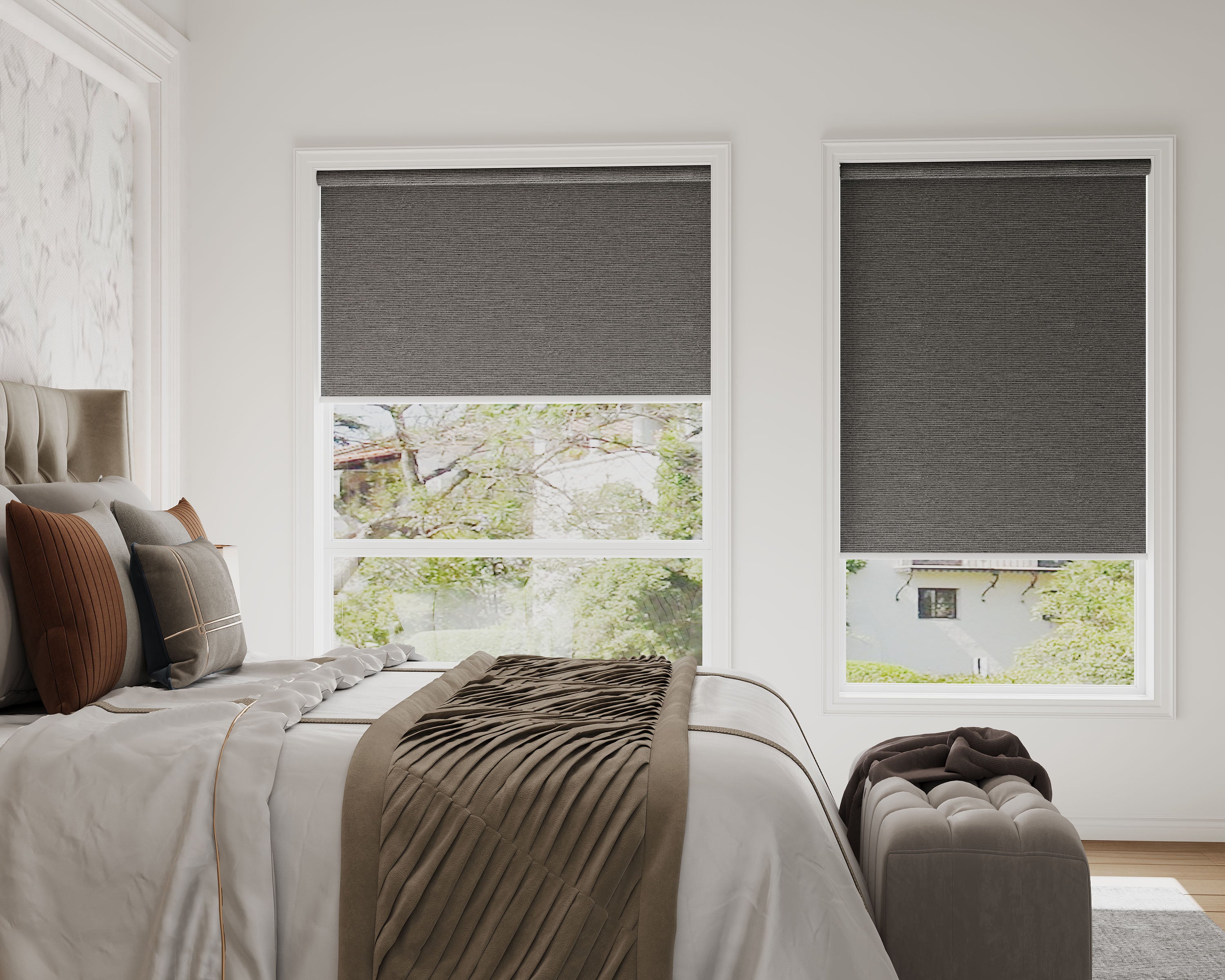
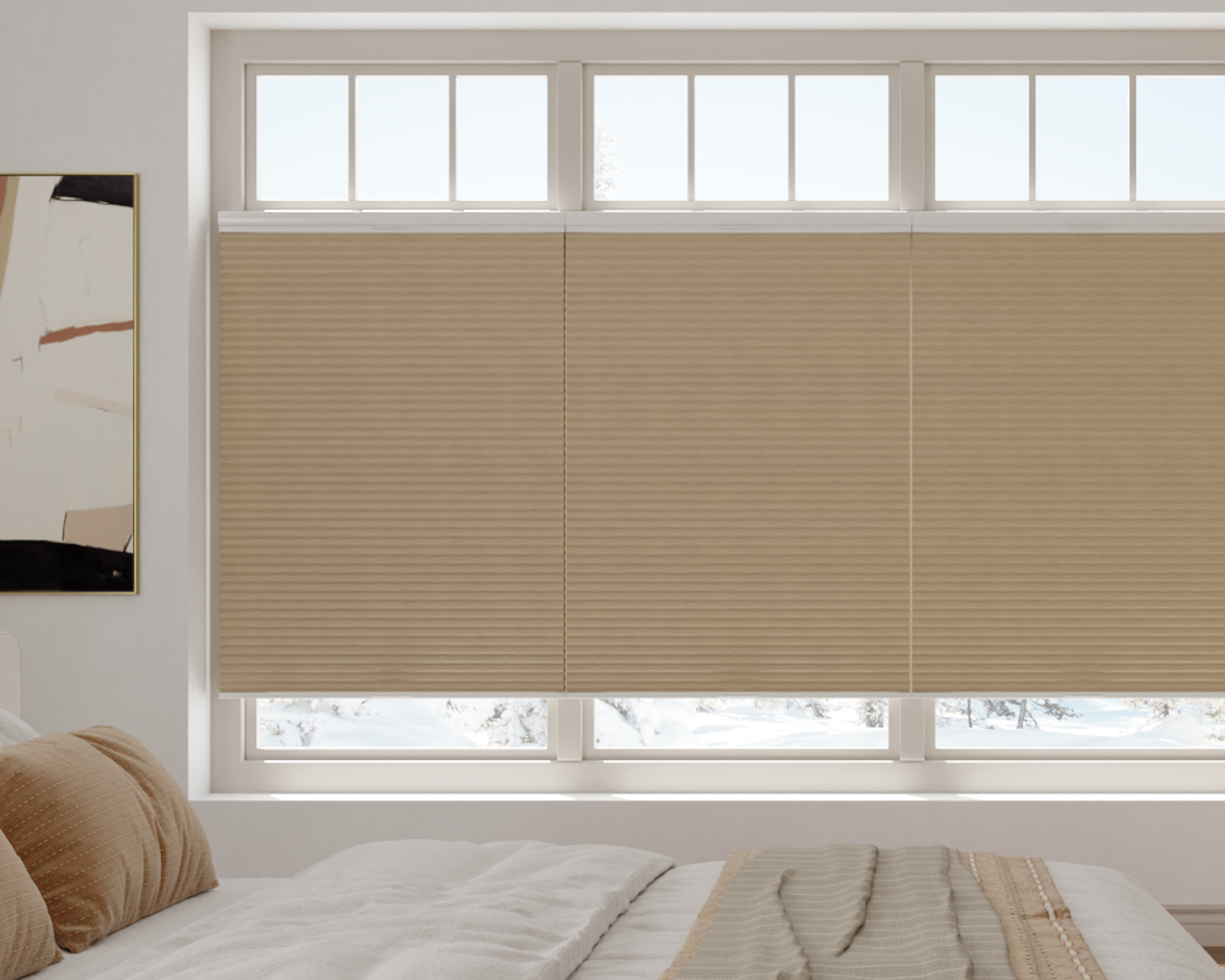







Choosing how to mount your Roman shades—inside the window frame or outside on the wall—is a critical decision that affects their look, function, and fit. It’s not just an installation detail; it defines the shade's relationship to your window and room. This guide breaks down the pros, cons, and key considerations for each method to ensure you achieve your desired aesthetic and performance.
Here’s what you’ll learn:
-
The clear definitions and visual differences between inside and outside mounts.
-
How each mounting style impacts light control, privacy, and perceived window size.
-
The specific measurement requirements and precision needed for each option.
-
How to match the mount type to your window’s architecture, shade style, and functional goals.
-
Solutions for common window challenges like trim, handles, and uneven walls.
To see these mounting options in context and begin planning your installation, explore our full range of customizable inside and outside mount Roman shades.
Defining Inside Mount and Outside Mount
The core difference lies in where the shade’s brackets are installed, which dictates how the shade sits in relation to the window frame.
Inside Mount: The Recessed, Built-In Look
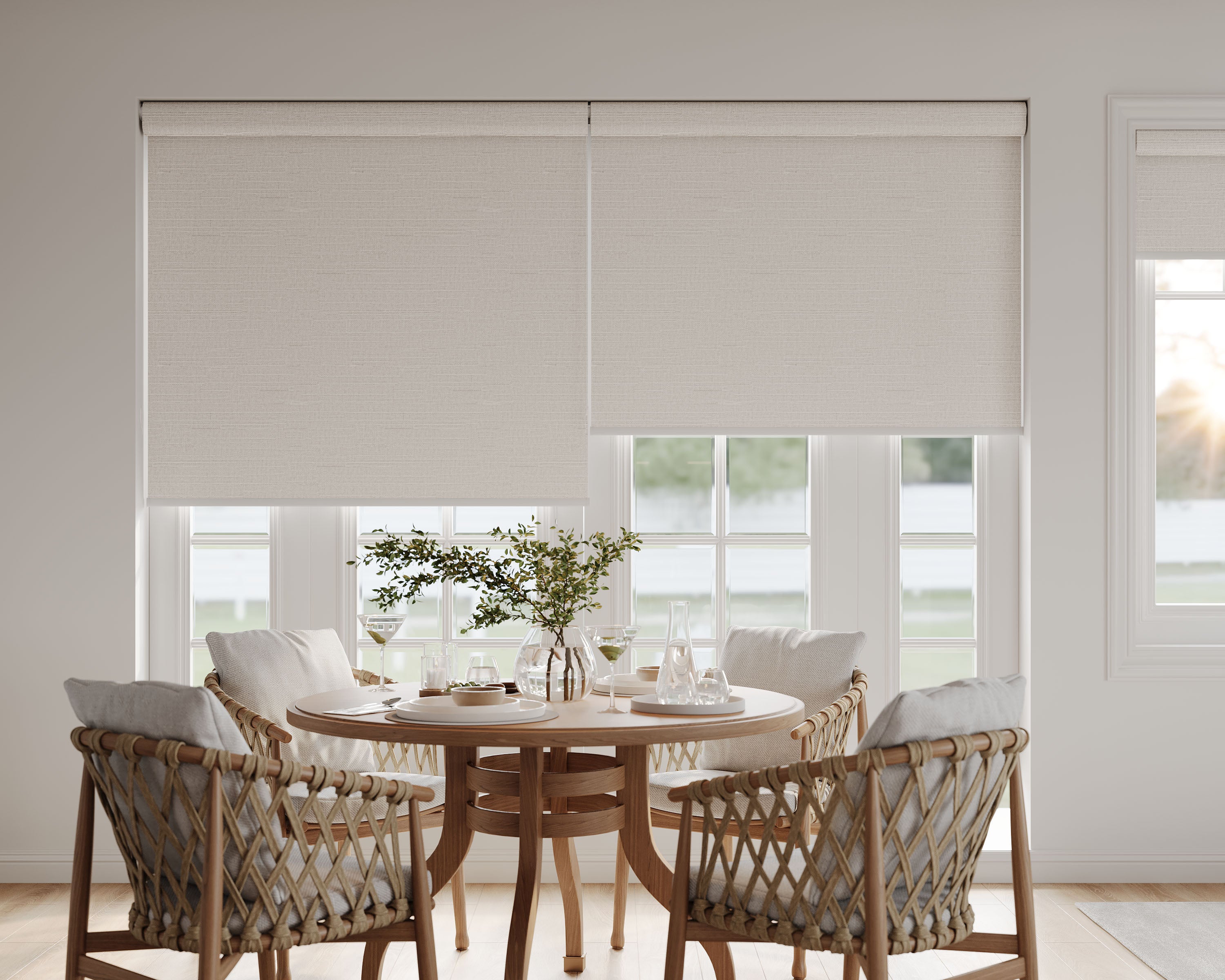
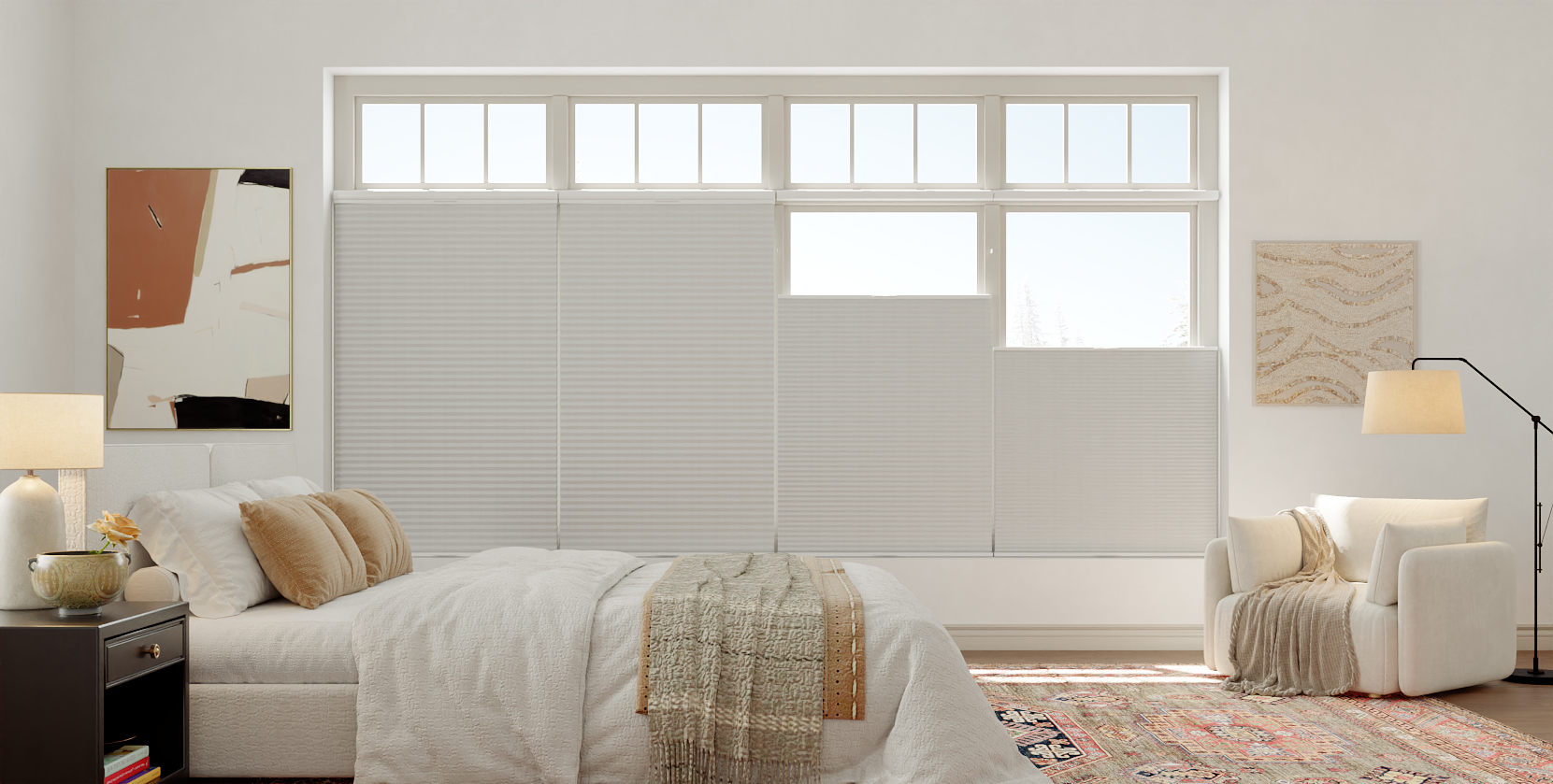
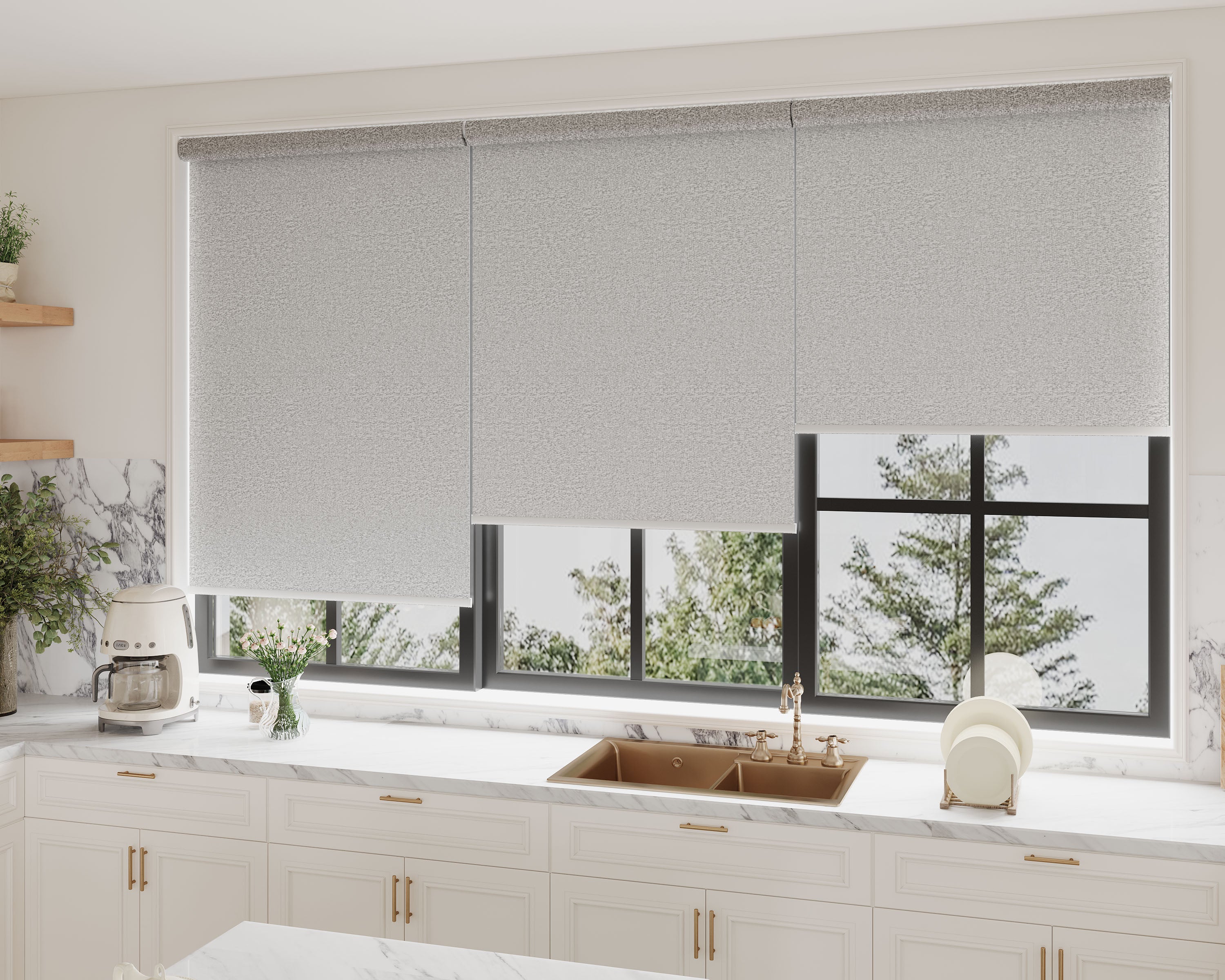
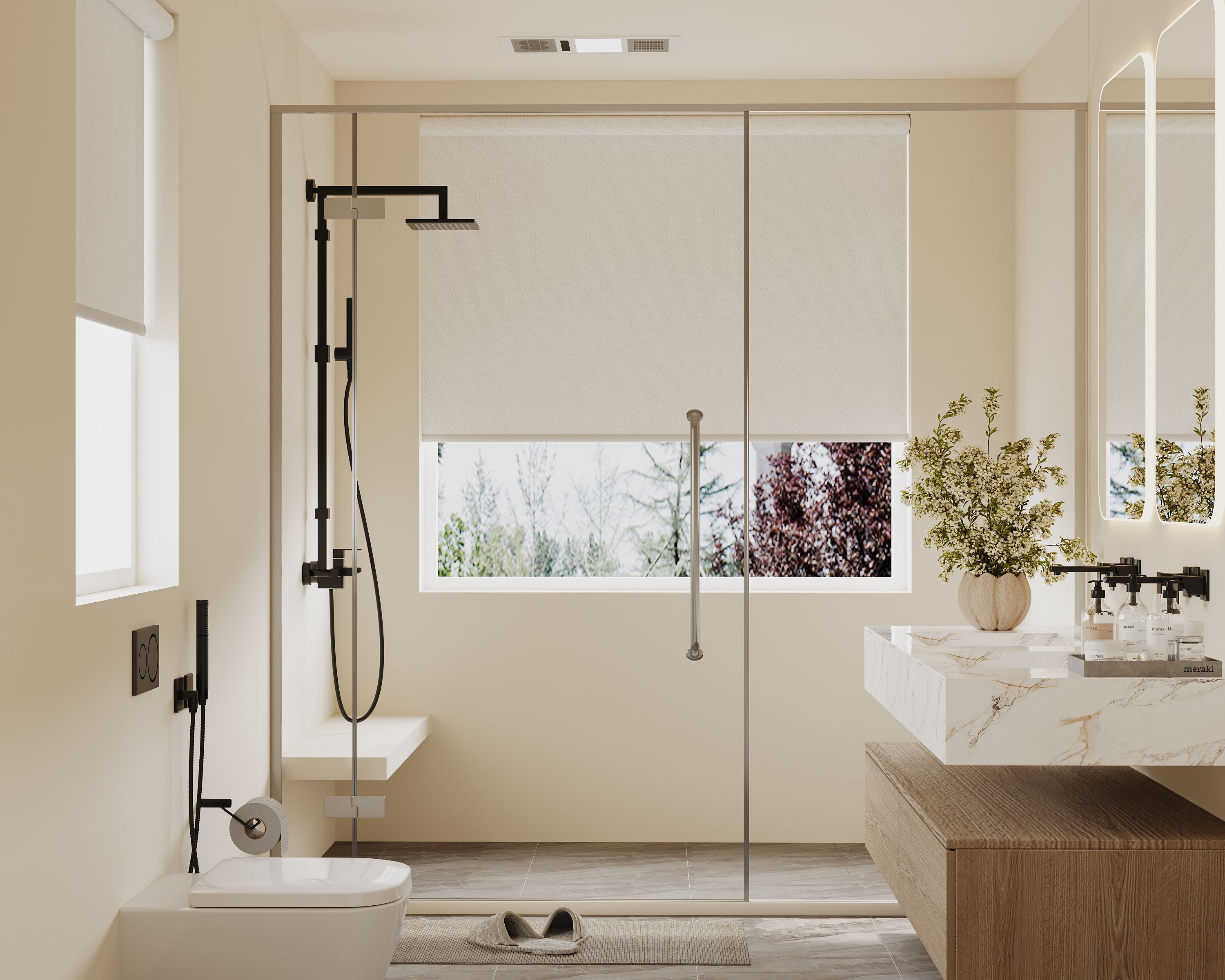
An inside mount (or recessed mount) means the Roman shade is installed within the window opening, with the brackets fixed to the top inside edge of the window frame (the “jamb”). The shade hangs down within the recess, leaving the window trim fully exposed. This creates a neat, built-in look that showcases your casing and trim.
Outside Mount: The Framing, Full-Coverage Look
An outside mount (or face mount) means the shade’s brackets are installed on the wall or molding above and outside the window frame. The shade hangs down, covering the glass and typically some of the trim. This method frames the window and is used to alter its perceived proportions or ensure complete coverage.
Head-to-Head Comparison: Aesthetics, Function, and Fit
To make an informed choice, it’s essential to see how the two methods compare across key categories. The following table outlines the primary trade-offs.
| Feature | Inside Mount | Outside Mount |
|---|---|---|
| Primary Aesthetic | Clean, built-in, minimalist. Highlights window trim. | Bold, framing, traditional. Can make a window appear larger. |
| Light Control & Privacy | Potential for light “leaks” on the sides if not perfectly measured. | Superior. Covers the entire window area, minimizing side gaps. |
| Space Perception | Maintains the full visibility of the window trim and architecture. | Can make a window appear taller and wider by covering the frame. |
| Ideal Window Conditions | Deep, square, and accessible window recess with minimal obstructions. | Shallow frames, non-square windows, or windows with obstructions (like door handles). |
| Measurement Complexity | High precision required. Must measure the exact width and height at multiple points within the recess. | More forgiving. Measure the area you want to cover on the wall. |
| Best for Blackout Goals | Challenging. Even small frame irregularities can allow light in. | Highly recommended. The shade overlaps the frame, creating a better light seal. |
Key Factors to Guide Your Decision
Choosing the right mount involves assessing your window’s architecture, your functional needs, and your design vision.
Assessing Your Window’s Architecture
The physical structure of your window is the most objective deciding factor.
-
Frame Depth: You need a minimum of 2.5 to 3 inches of front-to-back depth inside the frame to recess an inside-mount shade and allow it to hang cleanly without touching the glass. Our guide on ensuring you have proper frame depth for shades covers this critical measurement.
-
Window Obstructions: Common issues like window cranks, locks, or door handles will physically block an inside-mounted shade. An outside mount clears these obstructions by placing the shade in front of them.
-
Window Squareness: Old or settling homes often have windows that are not perfectly square. An inside mount will highlight these irregularities with uneven gaps, while an outside mount can conceal them.
Matching Mount to Functional Goals
Your priority for the room should heavily influence your choice.
-
For Maximum Light Blockage & Privacy: Outside mount is superior. By overlapping the window frame, it significantly reduces gaps where light can enter, making it the only practical choice for achieving a true blackout effect in a bedroom.
-
For Showcasing Beautiful Trim: If you have detailed, Craftsman, or historically significant window casing you want to highlight, an inside mount preserves and frames that feature.
-
For Making Windows Appear Larger: Mounting a shade on the wall several inches above the window frame draws the eye upward, making the window seem taller. Using a wider shade can make it seem wider, an effect only possible with an outside mount.
Considering Shade Style and Operation
The style of Roman shade you choose can also play a role.
-
Shade Style: A crisp flat fold Roman shade lends itself beautifully to the clean lines of an inside mount. The cascading folds of a hobbled shade can work with either, but an outside mount may better accommodate its fuller profile.
-
Motorization: If you are planning for motorized Roman shades, consider bracket placement and power sources. An outside mount offers more flexibility for hiding hardwired power or battery packs within a built-out top board (a “cornice”).
Installation and Measurement Essentials
Proper execution is everything. A beautiful shade can be ruined by incorrect mounting.
The Critical Importance of Accurate Measurement
This is the most crucial step and differs greatly between mounts.
-
For Inside Mount: You must measure the inside width and height of the window recess at three different points (left, center, right for width; top, middle, bottom for height). You provide the smallest of these measurements to ensure the shade will fit. This meticulous process is detailed in our guide on how to measure for Roman shades correctly.
-
For Outside Mount: You decide how much of the wall and window you want to cover. Typically, brackets are placed 3-6 inches above the window frame and 3-6 inches to each side. You then measure this desired coverage area for width and height.
Professional vs. DIY Installation
-
Inside Mounts: Require precision drilling into the often-wood window jamb. Ensuring the brackets are level and square within the recess is critical for smooth operation.
-
Outside Mounts: Often involve drilling into drywall or plaster, which may require anchors. The process can be more forgiving, but ensuring brackets are perfectly level over a wide span is key. For complex walls or valuable shades, professional installation is often the safest choice.
Conclusion and Final Recommendations
The “right” mounting method is the one that best solves for your specific window’s constraints and your design priorities.
Choose an Inside Mount if: Your window has sufficient depth (≥3”), you love your trim and want to show it off, you prefer a streamlined, built-in look, and absolute blackout conditions are not required.
Choose an Outside Mount if: Your window frame is shallow, uneven, or has obstructions; your top priority is maximizing light control and privacy (especially for blackout); you want to make the window appear larger; or you need to cover problematic drywall or tile around the window.
Key Highlights:
-
Function First: Let your need for light control/privacy and your window’s physical depth guide you before aesthetics.
-
Outside Mount for Blackout: It is the only reliable method to minimize side-light gaps for true darkness.
-
Measurement is Paramount: The rules for measuring inside vs. outside mount are completely different and must be followed exactly.
-
It’s Not Purely Aesthetic: Mounting affects the shade’s functionality, operation, and how it interacts with the window’s architecture.
-
When in Doubt, Consult a Pro: An experienced installer can assess tricky windows and help you avoid costly measurement or installation errors.
Shop Roman Shades by Light Control


Frequently Asked Questions (FAQ)
Can I switch from an inside mount to an outside mount later?
Yes, but it may require purchasing a new shade. Outside mount shades are typically wider than the window frame, while inside mount shades are made to fit within it. You cannot simply remount an inside-mount shade as an outside mount, as it would be too narrow and look incorrect.
Which mount is better for a modern, minimalist look?
An inside mount is typically associated with a modern, clean aesthetic. It creates a flush, built-in appearance that aligns with minimalist design principles by keeping the window trim visible and the lines tight.
How do I handle an outside mount on uneven plaster walls?
This is a common challenge. The solution is to use shims behind the mounting brackets. By placing washers or wood shims between the bracket and the wall at the screw points, you can make the bracket sit perfectly level even if the wall surface is wavy. Our article on leveling shades on uneven walls explains this technique.
Is an outside mount necessary for all blackout Roman shades?
While not absolutely necessary, it is highly recommended. The effectiveness of a blackout lining can be completely undermined by light leaking in around the sides of an inside-mounted shade. An outside mount provides the overlapping coverage needed to create a proper light seal.
Can I do an outside mount if I have very narrow wall space next to the window?
Yes, but the shade’s width will be limited by the available flat wall space. You typically need at least 1.5 to 2 inches of flat surface on either side of the window to securely mount the bracket. If wall space is extremely limited, a specialist may recommend a ceiling mount or a different treatment.
