







The timeless elegance of Roman shades lies in their graceful fabric folds, but their true function is determined by a critical choice: blackout or light-filtering fabric. This decision impacts everything from your sleep quality to your energy bill and the very ambiance of your room. This guide cuts through the confusion, providing a comprehensive comparison tailored specifically to Roman shades to help you select the perfect fabric for your needs and style.
Here’s what you’ll learn:
-
The fundamental construction differences between blackout and light-filtering fabrics.
-
A detailed, room-by-room analysis of which type performs best for sleep, privacy, and living areas.
-
How the style of your Roman shade (flat, hobbled, relaxed) interacts with light control.
-
Essential tips on installation and measurement to maximize performance.
-
The role of linings, motorization, and smart features in enhancing your shades.
To explore the full range of customizable designs and fabrics discussed in this guide, visit our main collection of custom Roman shades.
How Blackout and Light-Filtering Fabrics Actually Work
The choice between blackout and light-filtering starts at the textile level, dictating how light travels through the material.
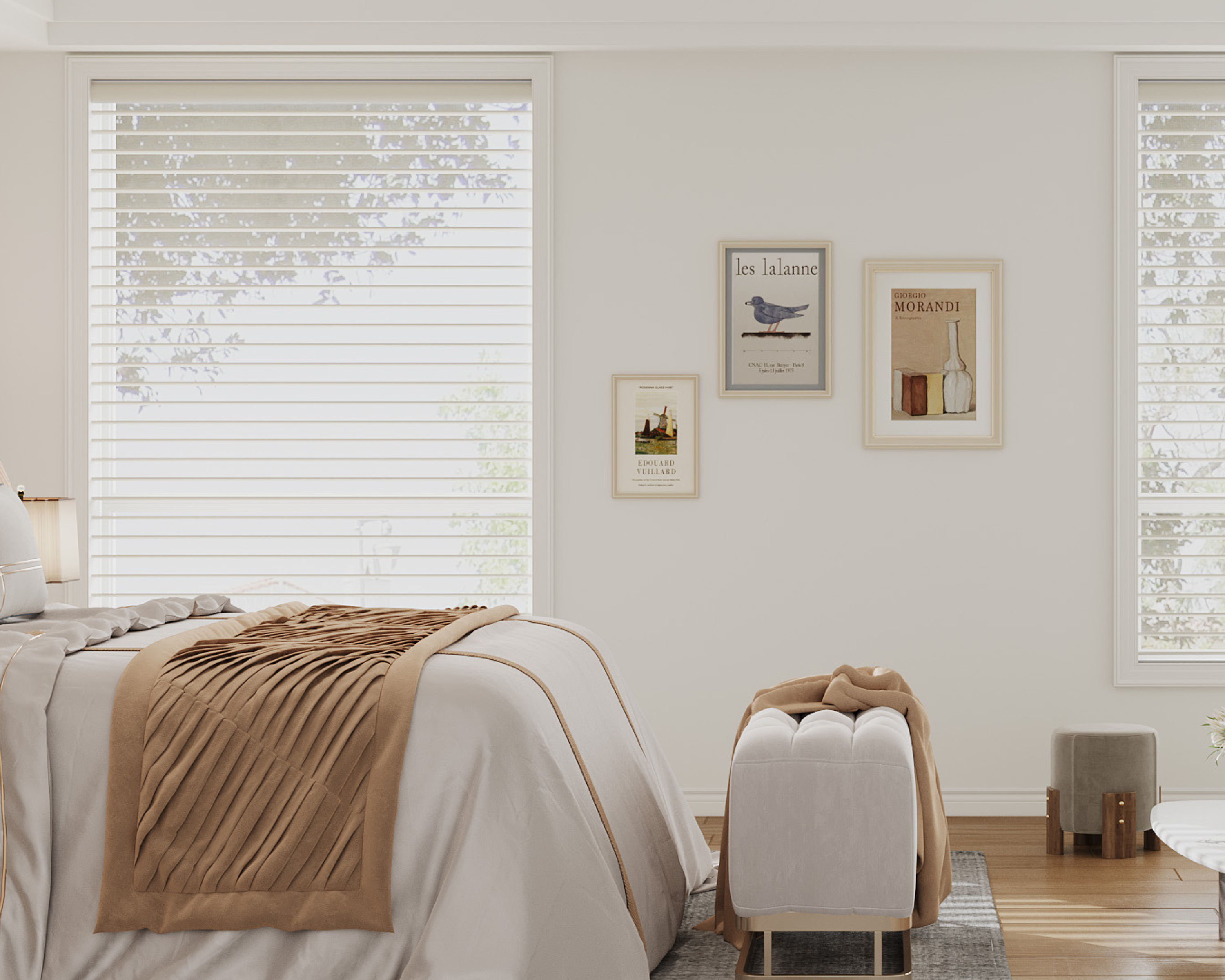
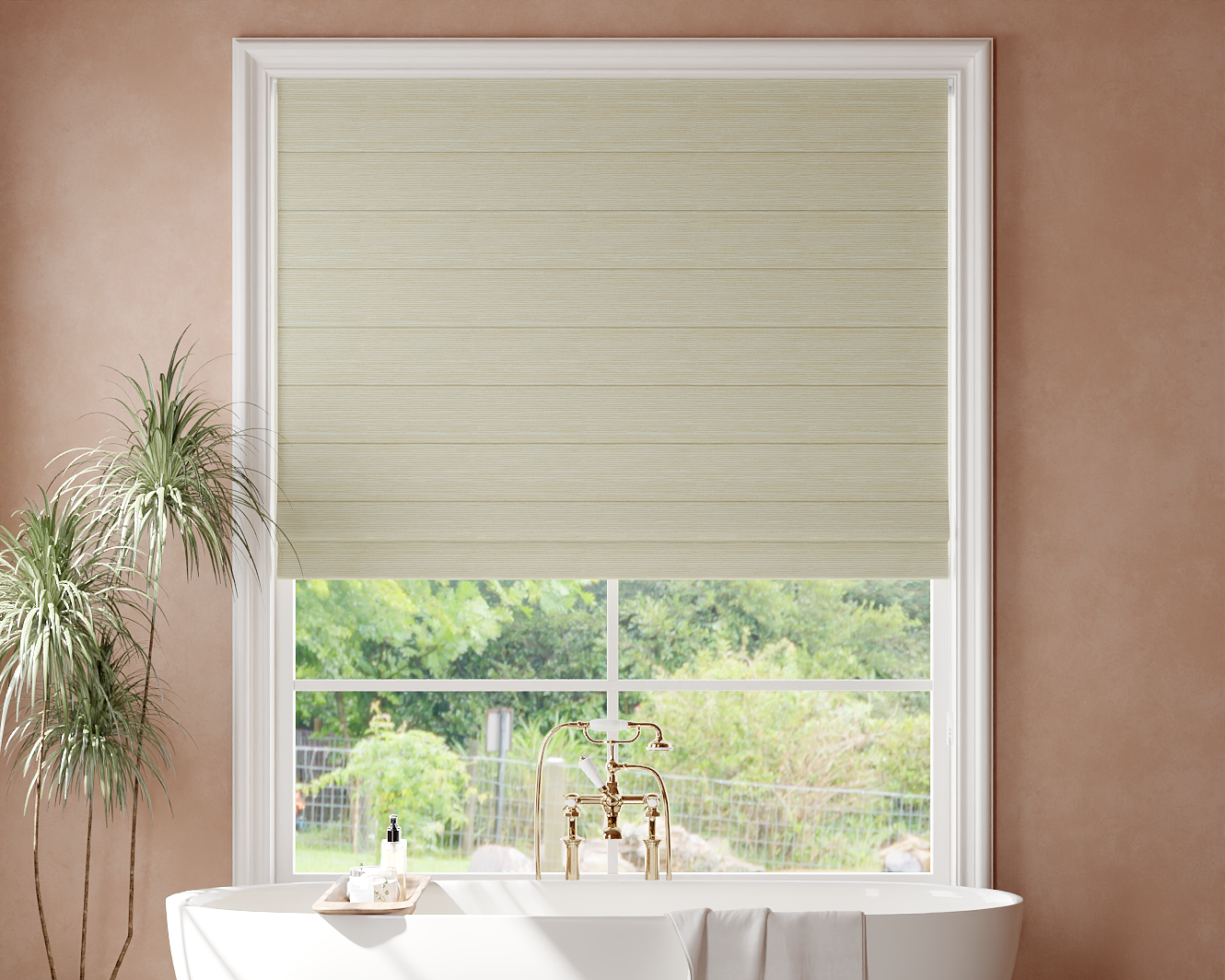
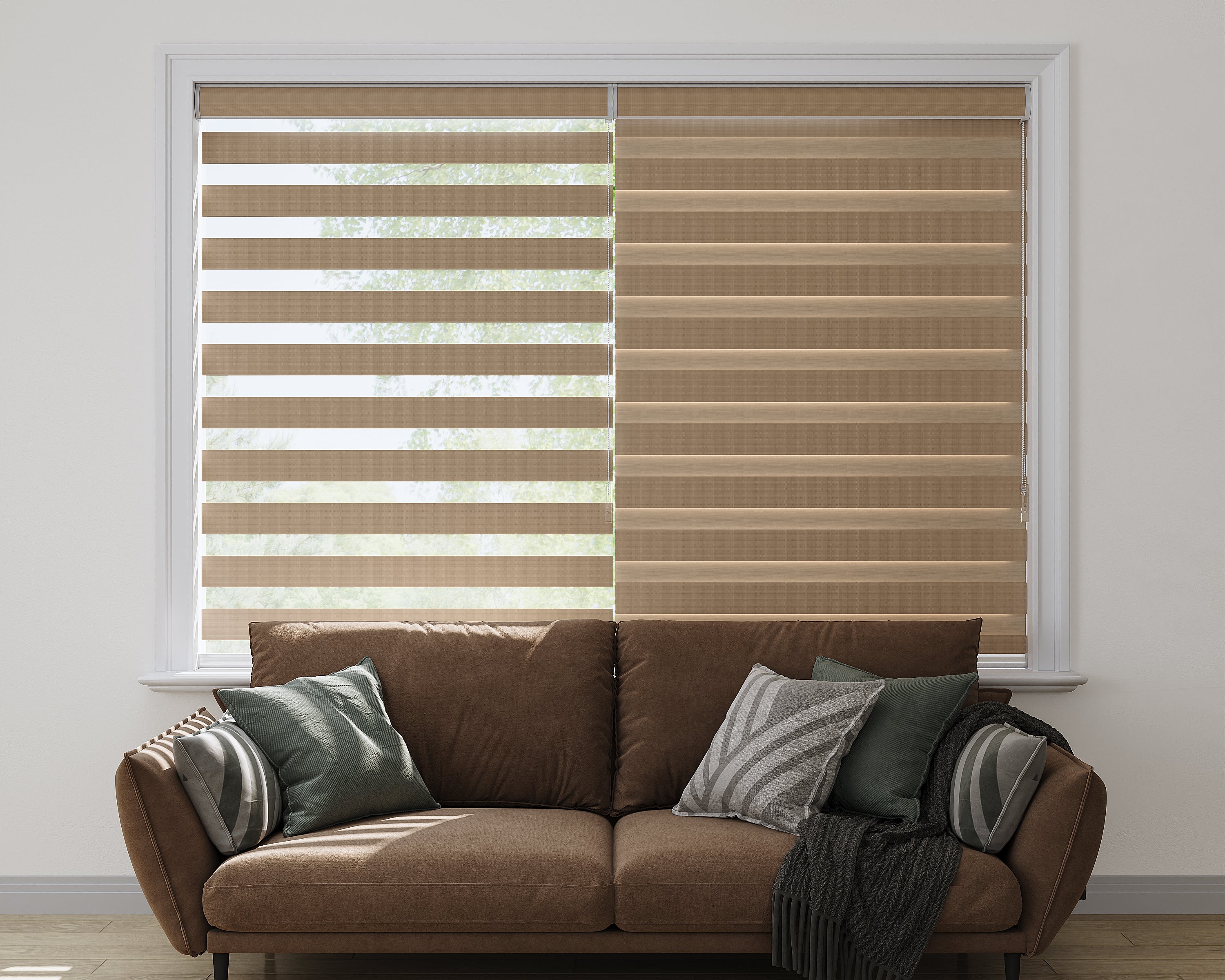
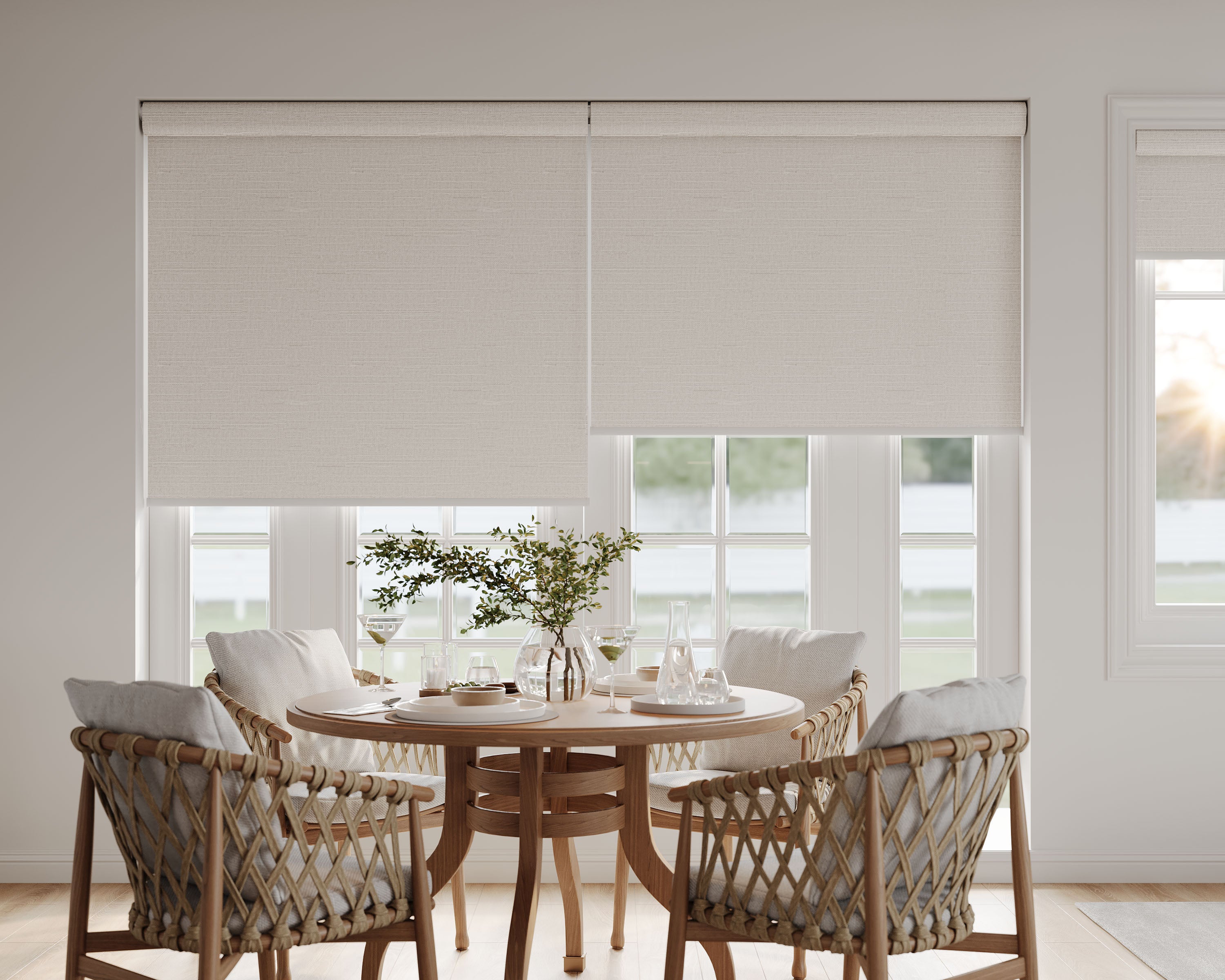
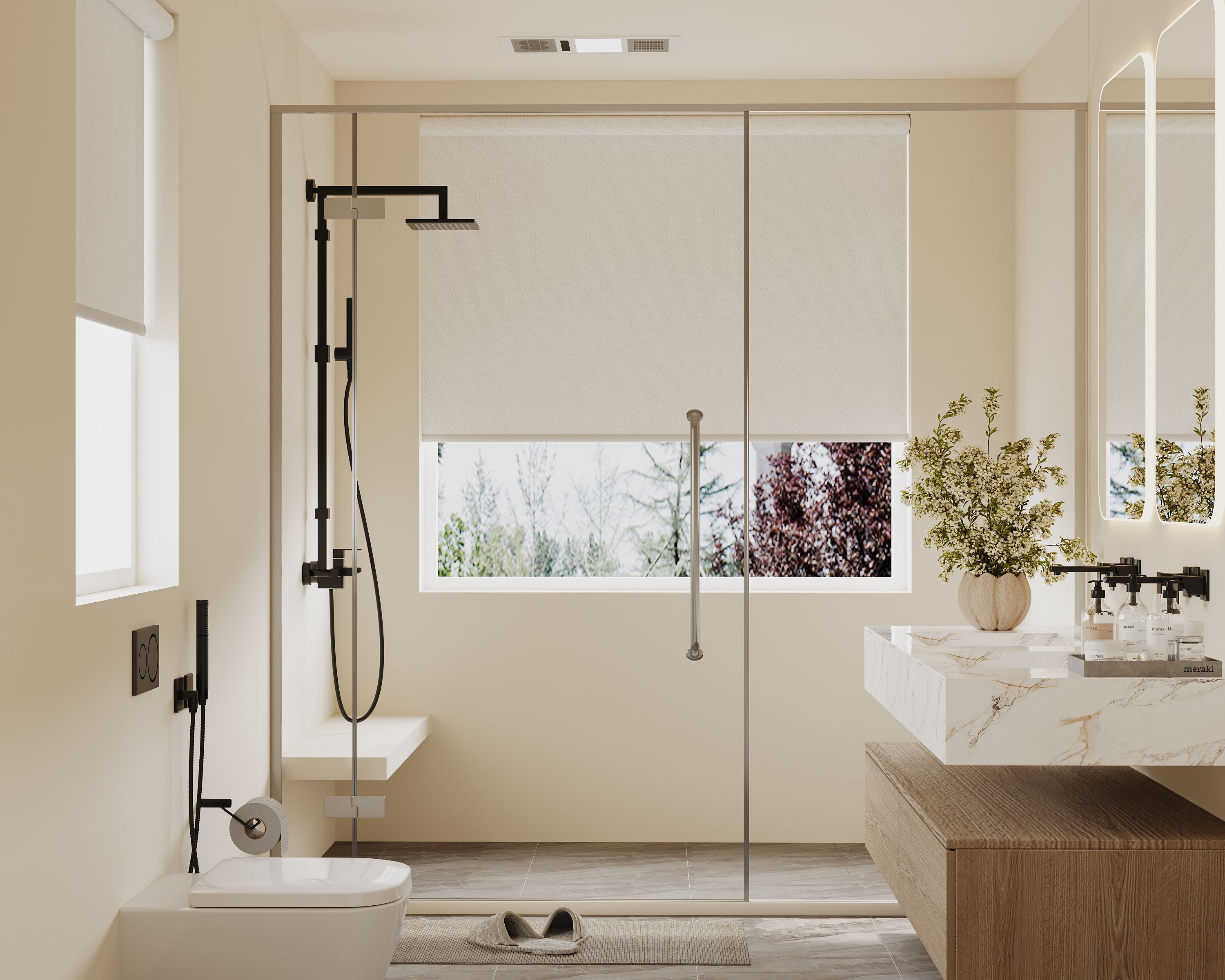
Light-Filtering Roman Shades utilize translucent or semi-opaque fabrics like linens, cottons, or synthetic blends. These weaves are designed to diffuse harsh sunlight, transforming it into a soft, ambient glow that illuminates a room without the harsh glare. They provide excellent daytime privacy, though at night with lights on, interior silhouettes may become visible from the outside.
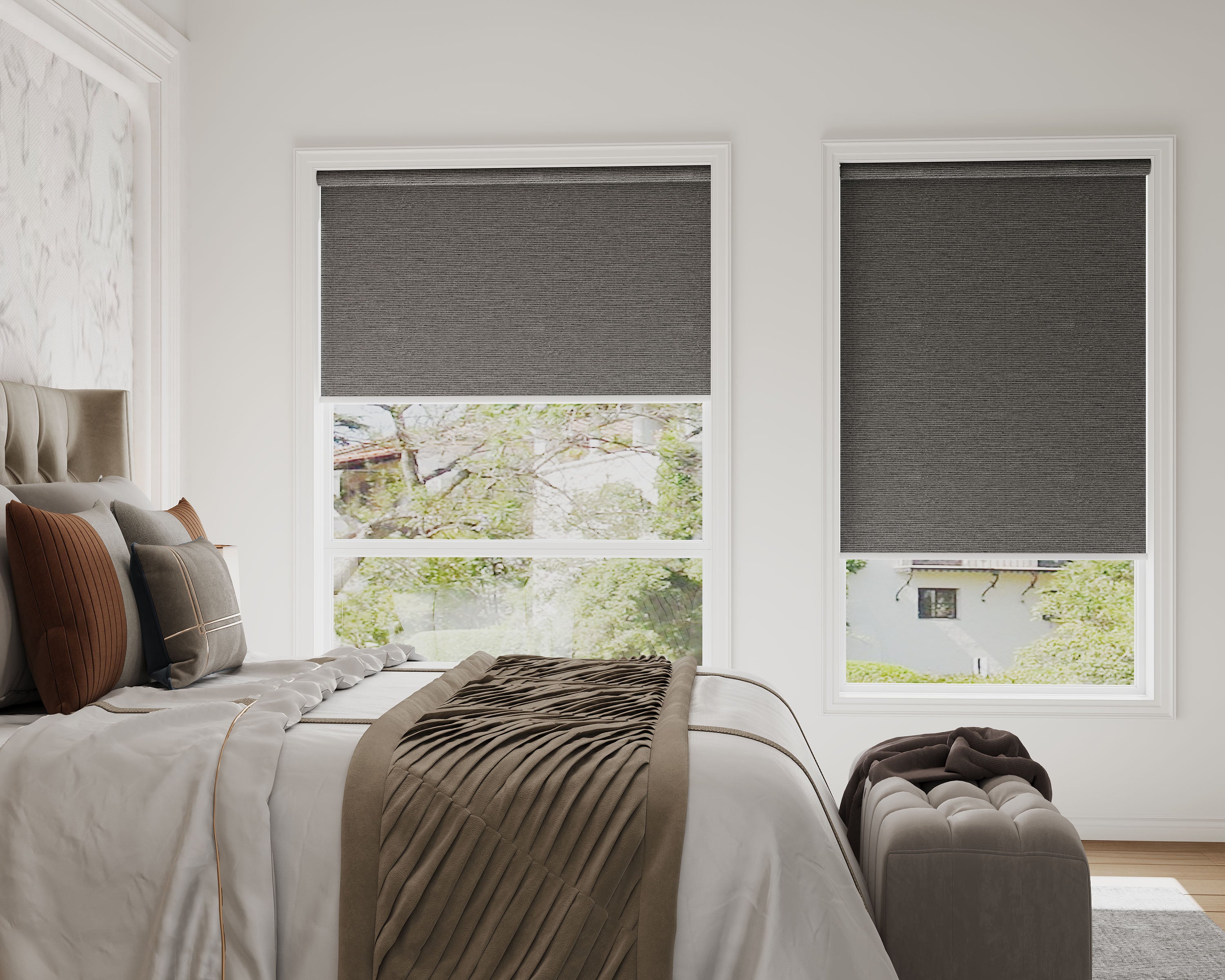
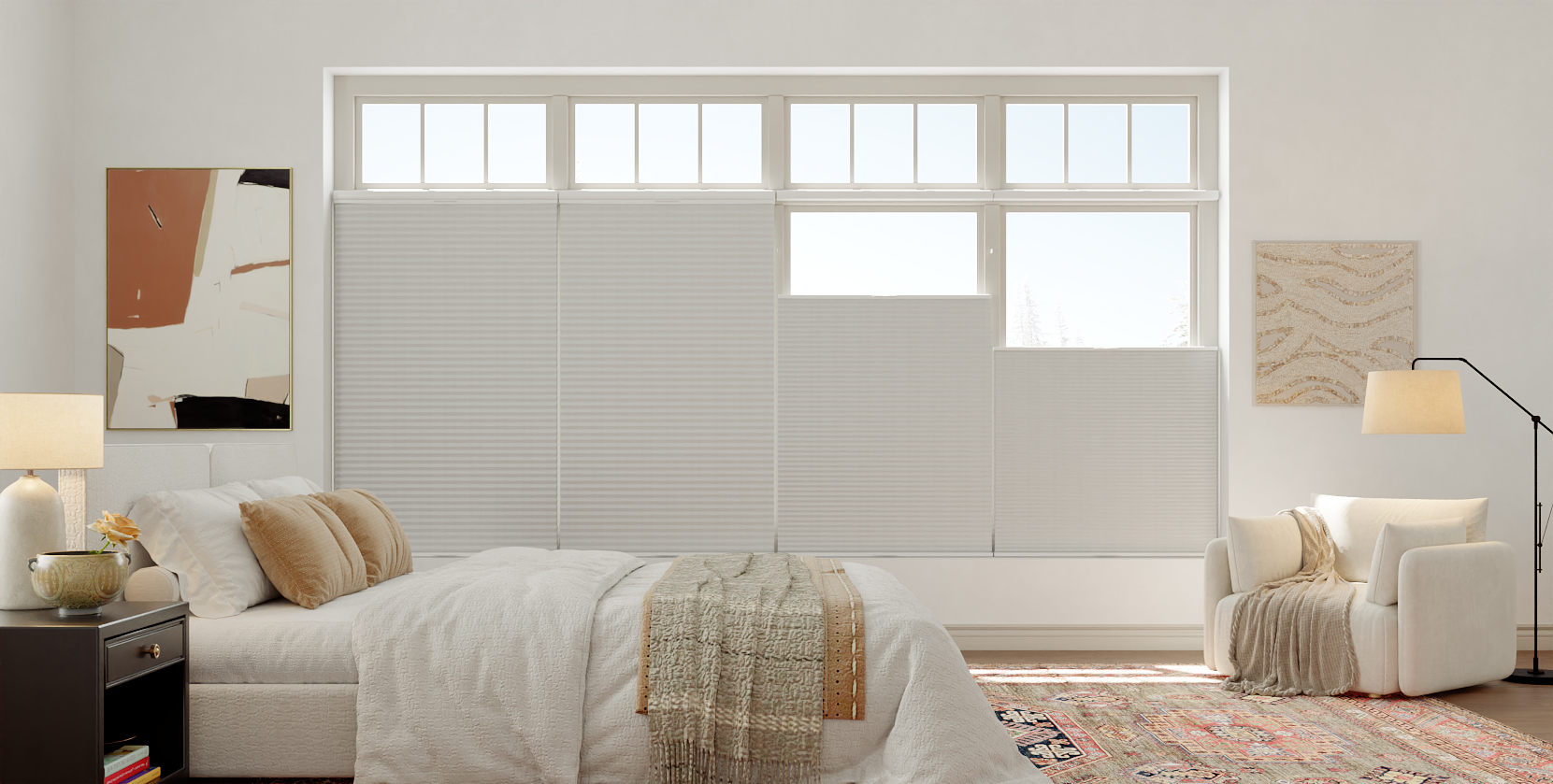
Blackout Roman Shades are engineered for total light obstruction. They typically feature a dense, tightly woven face fabric backed by a layer of opaque, often rubberized or acrylic, coating. Some achieve their effect through a multiple-layer construction with a thick, separate blackout liner. The goal is to block 99-100% of incoming light, creating a dark environment conducive to sleep or media viewing and ensuring absolute privacy at all hours.
Performance Comparison: Blackout vs. Light-Filtering
| Feature | Blackout Roman Shades | Light-Filtering Roman Shades |
|---|---|---|
| Light Control | Blocks ~99-100% of light; creates near-total darkness. | Diffuses and softens light; allows a visible glow to pass through. |
| Privacy | Complete privacy, day and night. | Good daytime privacy; nighttime privacy decreases when interior lights are on. |
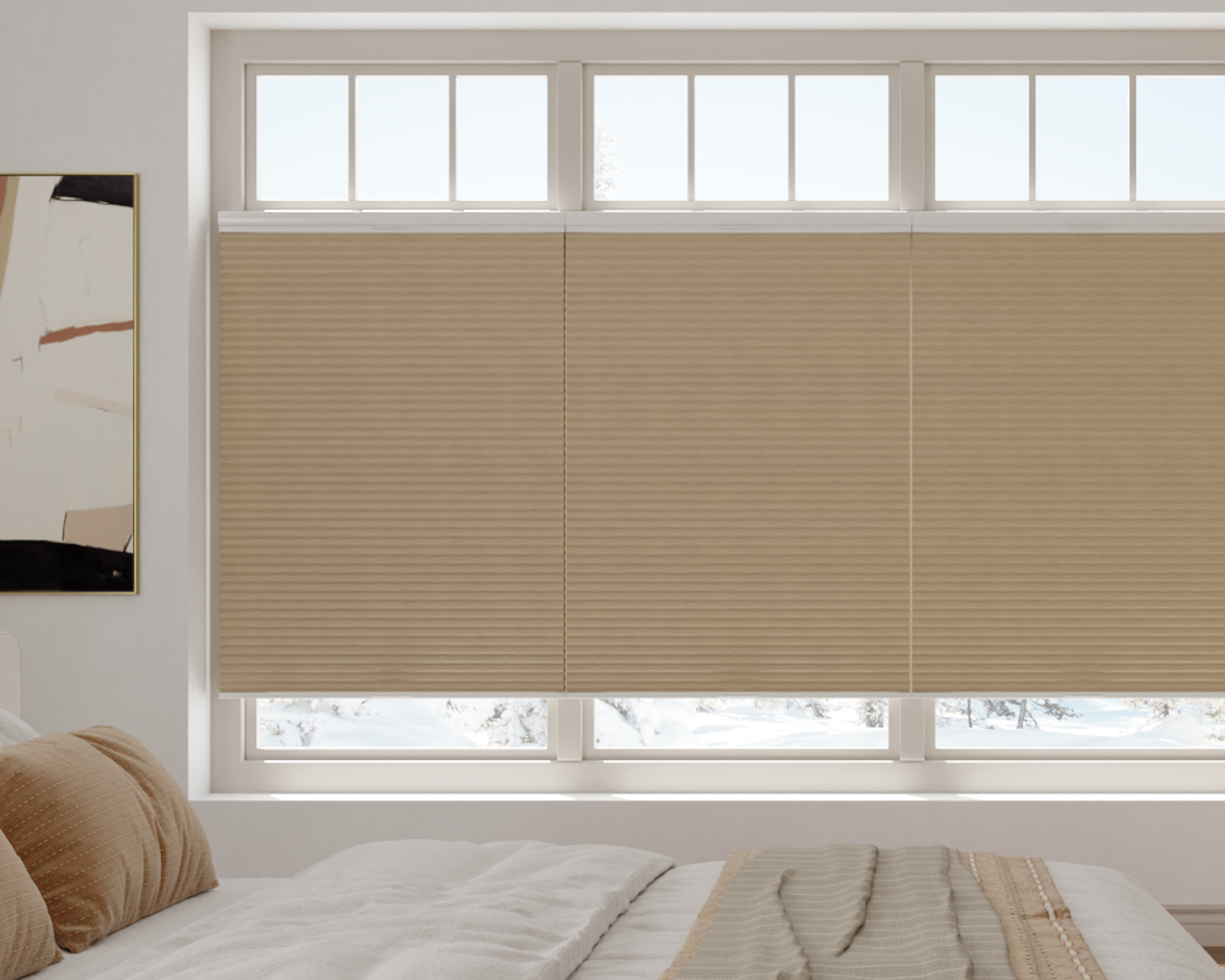
| Energy Efficiency | Excellent. Dense fabric and air pockets provide a strong thermal barrier, reducing heat transfer. | Good. Provides basic insulation and helps manage solar heat gain to reduce cooling loads. |
| Ideal Room Placement | Bedrooms, nurseries, media rooms, home theaters. | Living rooms, dining rooms, kitchens, home offices, sunrooms. |
| Aesthetic & Mood | Creates a cozy, dramatic, and cocoon-like atmosphere. | Promotes an airy, bright, and naturally illuminated feel. |
Choosing the Right Shade for Every Room in Your Home
The function of the room should be the primary guide for your fabric choice. A one-size-fits-all approach doesn't work, as the needs of a bedroom are fundamentally different from those of a living room. For a deep dive into how Roman shades perform in the most critical room for sleep, our analysis of whether Roman shades are a good fit for bedrooms covers essential factors like sleep quality and creating the right ambiance.
For Bedrooms & Nurseries: The Blackout Standard
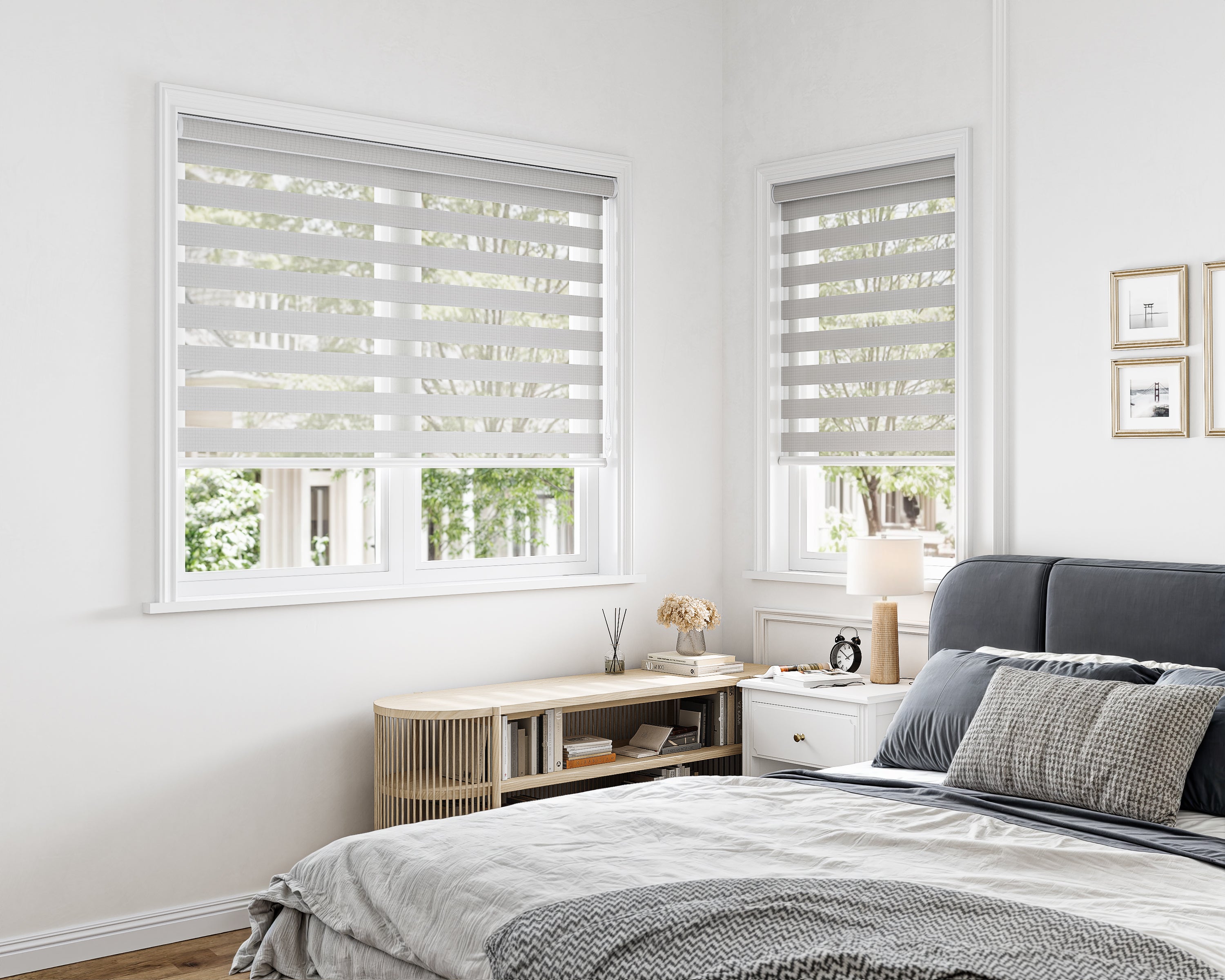
The primary goal here is sleep support. Blackout Roman shades are unparalleled for creating the darkness that signals your body to produce melatonin, essential for deep, uninterrupted sleep. This is vital for adults, children, and especially infants whose sleep cycles are developing. They are a non-negotiable for shift workers, those sensitive to early morning light, or anyone living in an area with streetlights.
For Living Rooms, Kitchens & Dining Rooms: The Light-Filtering Advantage
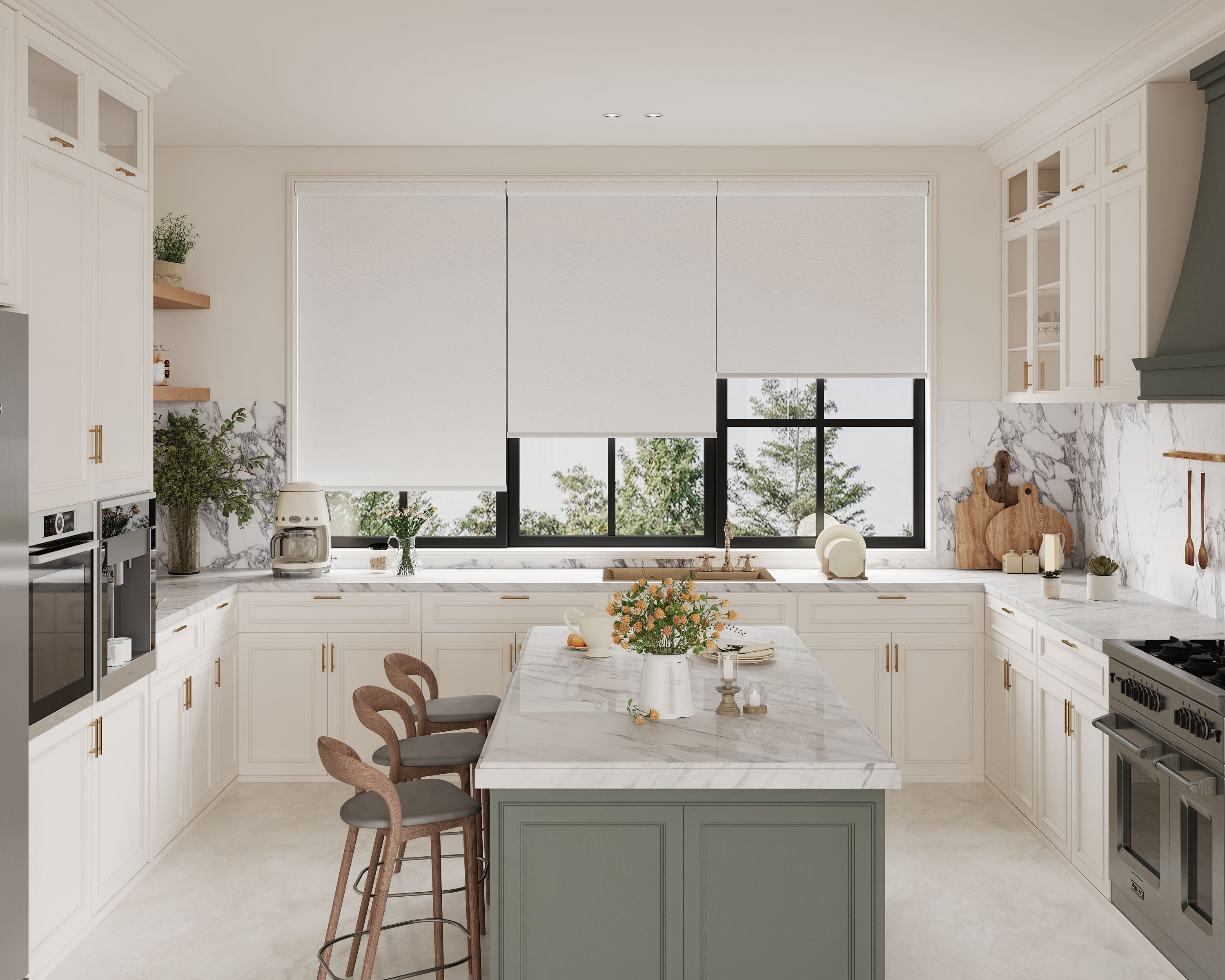
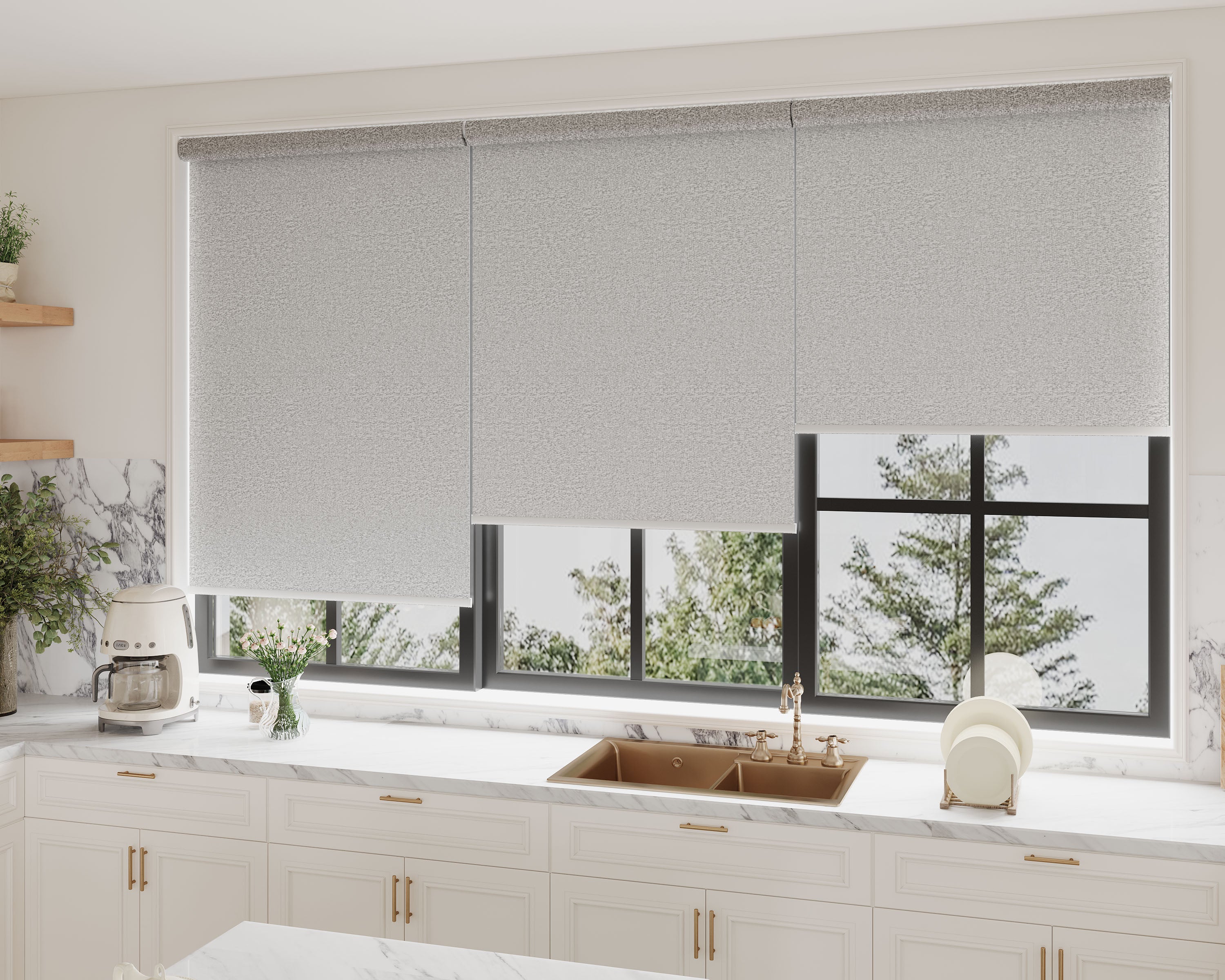
These social and active spaces thrive on natural light. Light-filtering shades excel here by eliminating harsh glare on TVs, computer screens, and countertops while protecting furnishings from UV fading. They maintain a soft, welcoming connection to the outdoors and enhance the feeling of spaciousness, making rooms feel larger and more inviting.
For Home Offices & Media Rooms: A Task-Dependent Choice
The choice here is dictated by the primary activity. A dedicated media room or home theater demands the absolute darkness of blackout shades for an immersive viewing experience without screen glare. For a home office, light-filtering fabrics often strike the ideal balance by reducing monitor glare and boosting mood with natural light, though positioning the desk away from direct window alignment is often necessary.
How Style, Installation, and Features Affect Your Choice
Your decision extends beyond a simple fabric label. The physical design of the shade, how it's installed, and added features are critical to achieving the desired effect and functionality.
Roman Shade Styles and Their Impact on Light Control
The style of the fold is not just an aesthetic choice; it significantly impacts performance. A sleek flat fold Roman shade offers the most uniform surface for blackout fabric, minimizing potential light gaps between folds. In contrast, the cascading seams of a hobbled style add beautiful texture but can create micro-gaps where light peeks through, which is an important consideration if achieving total blackout is your primary goal.
The Critical Role of Proper Installation and Measurement
Proper mounting is perhaps the most overlooked factor in achieving perfect light control. For absolute darkness with blackout shades, an outside mount (where the shade is installed on the wall or molding above the window frame) is vastly superior. It covers the entire window trim and seals potential light leaks from the sides. Understanding the key differences between inside mount and outside mount installations is essential to making an informed decision. Accurate measurement is paramount to this process, and our detailed guide on how to measure your windows for Roman shades will ensure you get the precise fit required for optimal performance and aesthetics.
Enhancing Convenience with Motorization
Both fabric types can be seamlessly upgraded with motorized operation. This adds a layer of convenience and can significantly boost energy efficiency. You can program blackout shades to lower at bedtime automatically or schedule light-filtering shades to lower during peak afternoon heat to reduce cooling costs. For a detailed breakdown of the benefits, integration options, and considerations, explore our guide that answers the question, can Roman shades be motorized, and is it worth the investment?
Key Takeaways and Final Recommendations
Choosing between blackout and light-filtering Roman shades is a balance of practical necessity and aesthetic desire. Blackout fabrics are the functional champions for sleep, privacy, and insulation. Light-filtering fabrics are the masters of ambiance, cultivating warm, inviting spaces filled with soft, natural light.
The most effective approach for a whole home is typically room-specific. Use blackout shades where darkness is non-negotiable, and employ light-filtering fabrics where connection to the natural world is key. Remember to consider the interaction of fabric with fold style, prioritize correct installation—especially using outside mounts for blackout goals—and consider motorization for long-term convenience and efficiency. By weighing all these factors, you can select a Roman shade that delivers both beautiful form and perfect function for years to come.
Shop Roman Shades by Light Control


Frequently Asked Questions (FAQ)
Can I get a true blackout effect with a hobbled Roman shade style?
While you can order hobbled Roman shades with a blackout lining, the very nature of the cascading folds can create small gaps between fabric layers when the shade is down. For the absolute highest level of light blockage, a flat fold Roman shade is recommended, as it presents a smoother, more continuous surface.
Are light-filtering Roman shades sufficient for street-facing bedroom windows?
During the day, light-filtering shades provide excellent privacy. However, at night, the dynamic reverses: with your interior lights on, you become visible from the darker outside as a silhouette. For street-facing bedrooms where nighttime privacy is a concern, blackout shades are the more reliable choice.
Which type of Roman shade is better for energy savings?
Blackout Roman shades generally offer superior energy efficiency. Their thicker, denser fabric and the air pockets trapped within their folds create a more significant thermal barrier at the window. This helps keep heat out in the summer and retain warmth in the winter, potentially reducing your heating and cooling costs more effectively than light-filtering options.
How do I clean and maintain Roman shades?
Roman shades require careful maintenance. The best practice is regular, gentle vacuuming with a soft brush attachment to prevent dust from settling into the fabric folds. Most are spot-clean only with a mild detergent; always check the manufacturer's care instructions. They are not typically submersible or machine-washable due to their lining and structural components.
Is professional installation recommended for Roman shades?
While DIY installation is possible, professional installation is highly recommended, especially for larger shades, expensive custom orders, or complex mounting situations (like bay windows or plaster walls). A professional ensures the brackets are securely mounted, the shade is perfectly level, and operates smoothly, which is crucial for both safety and longevity.
