
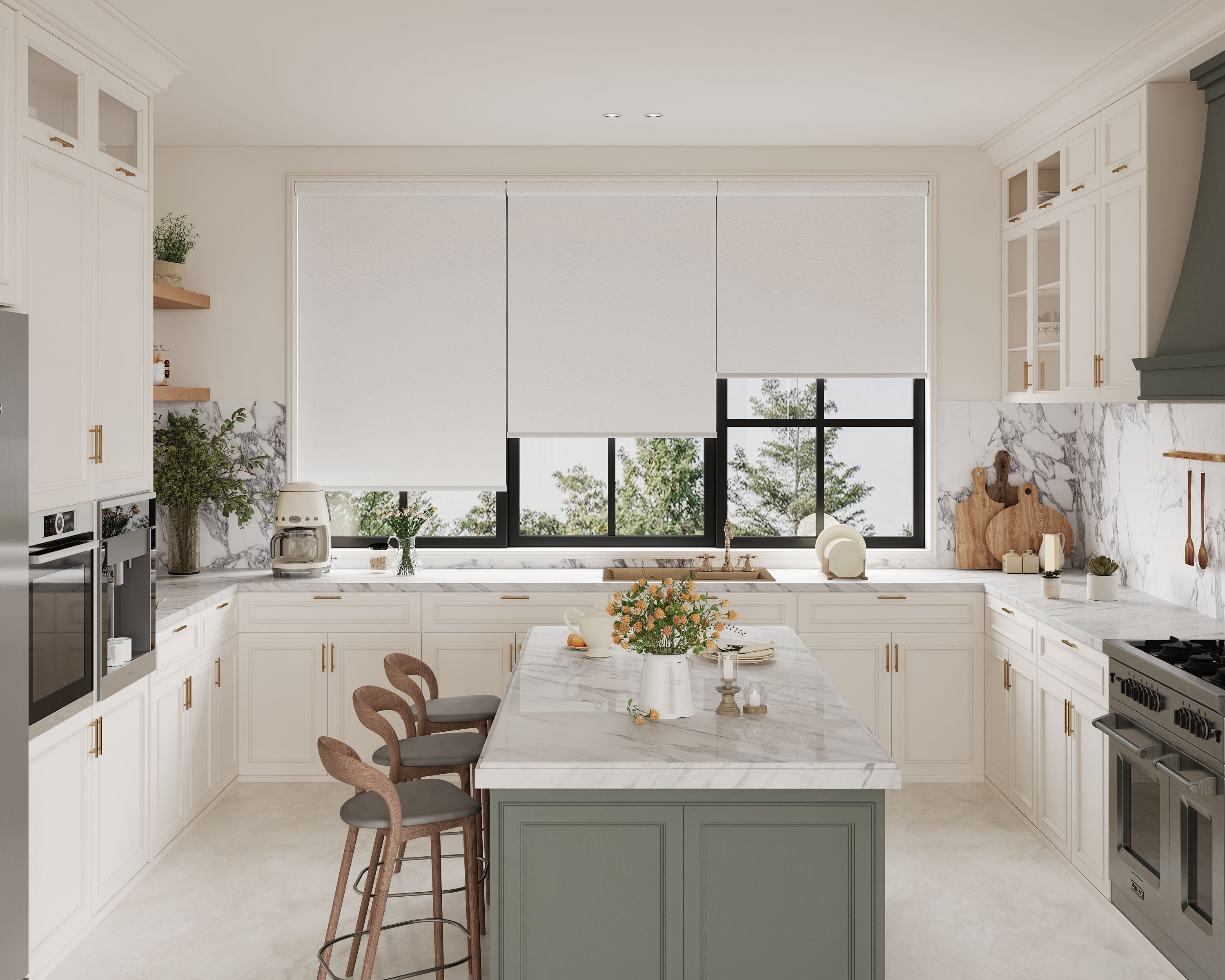
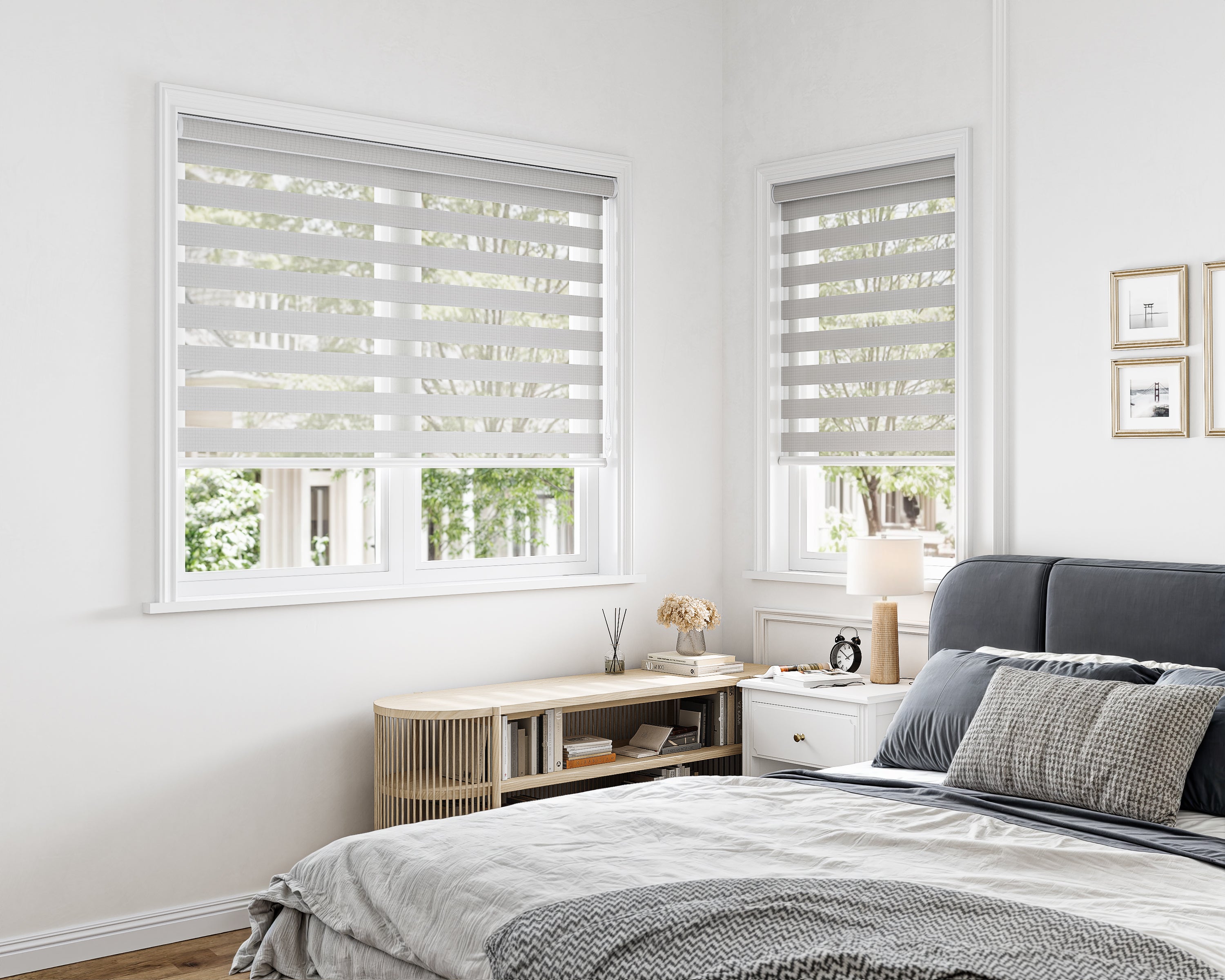
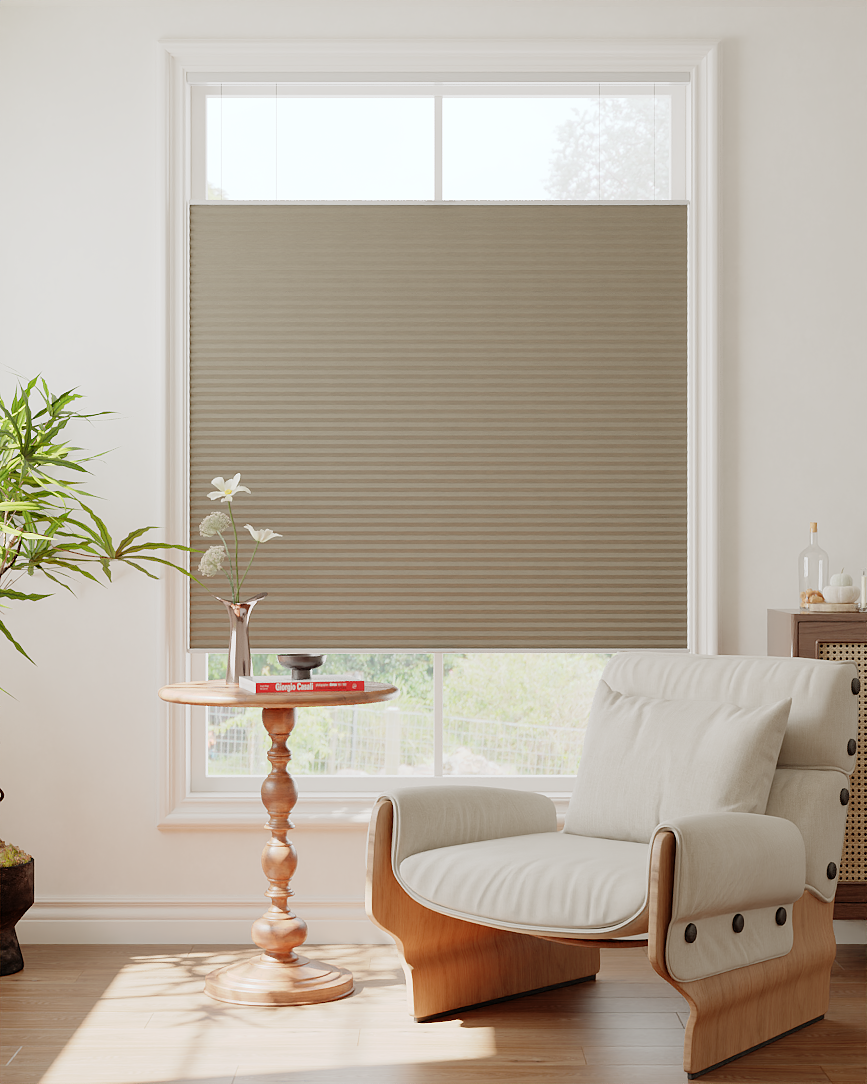
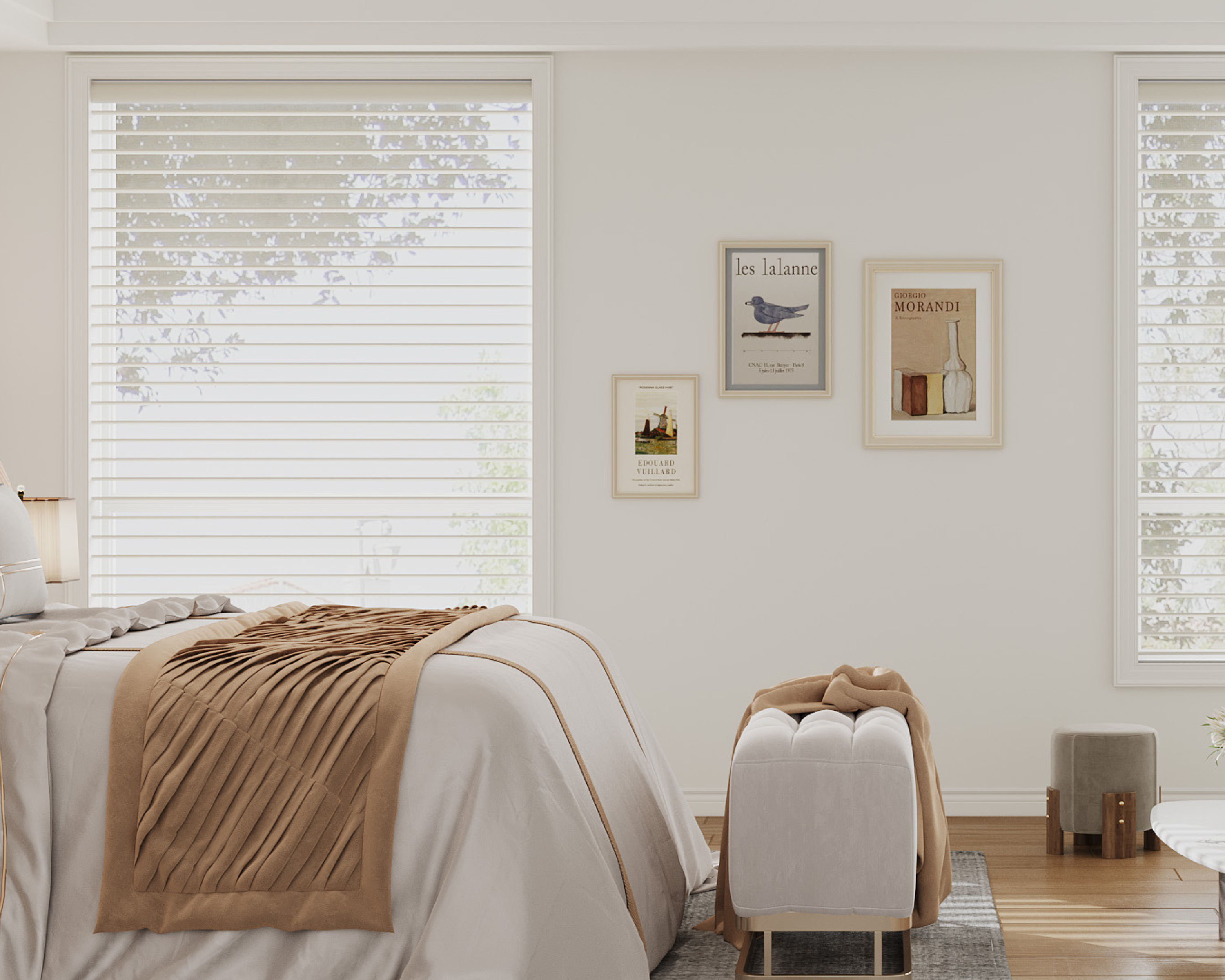
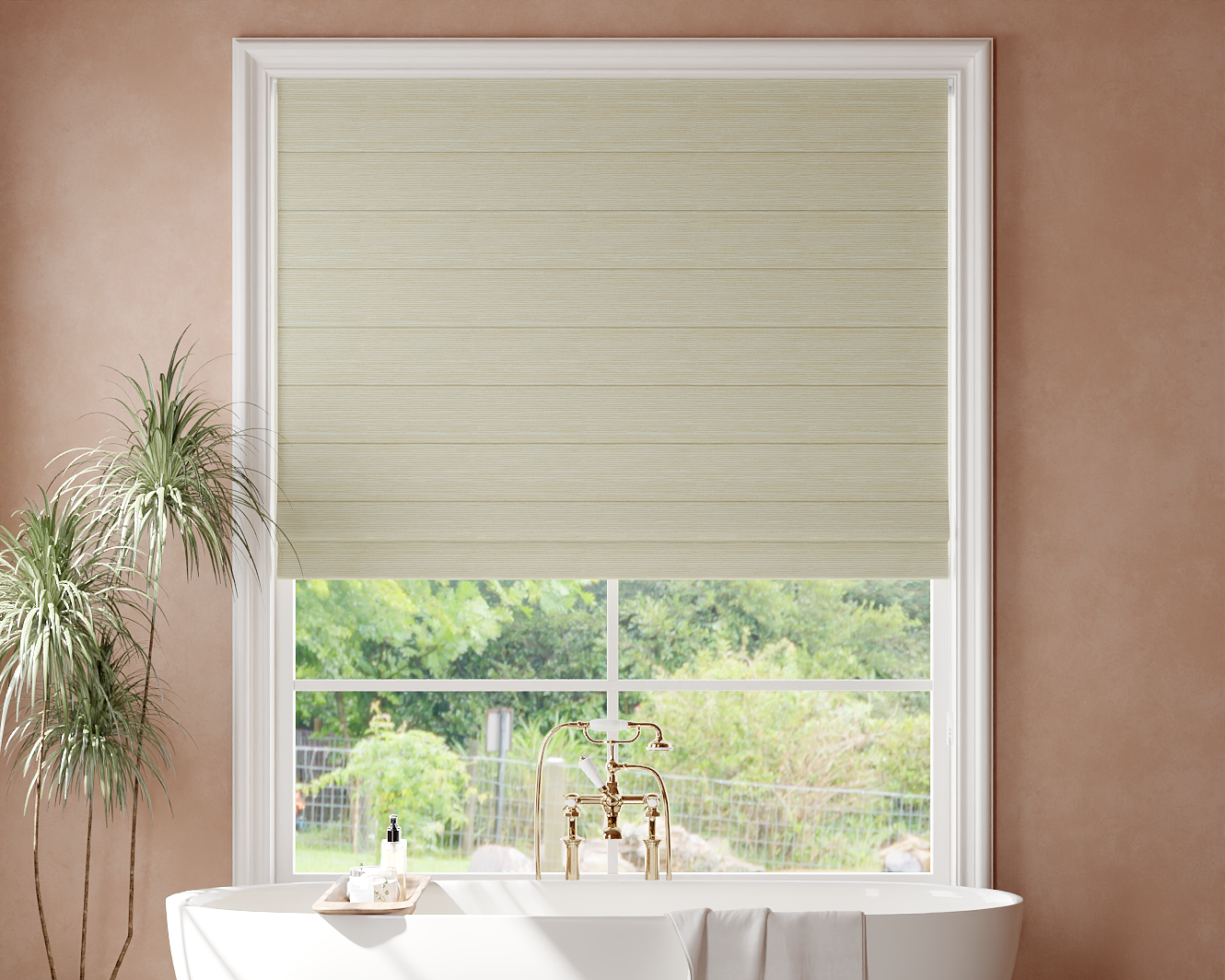
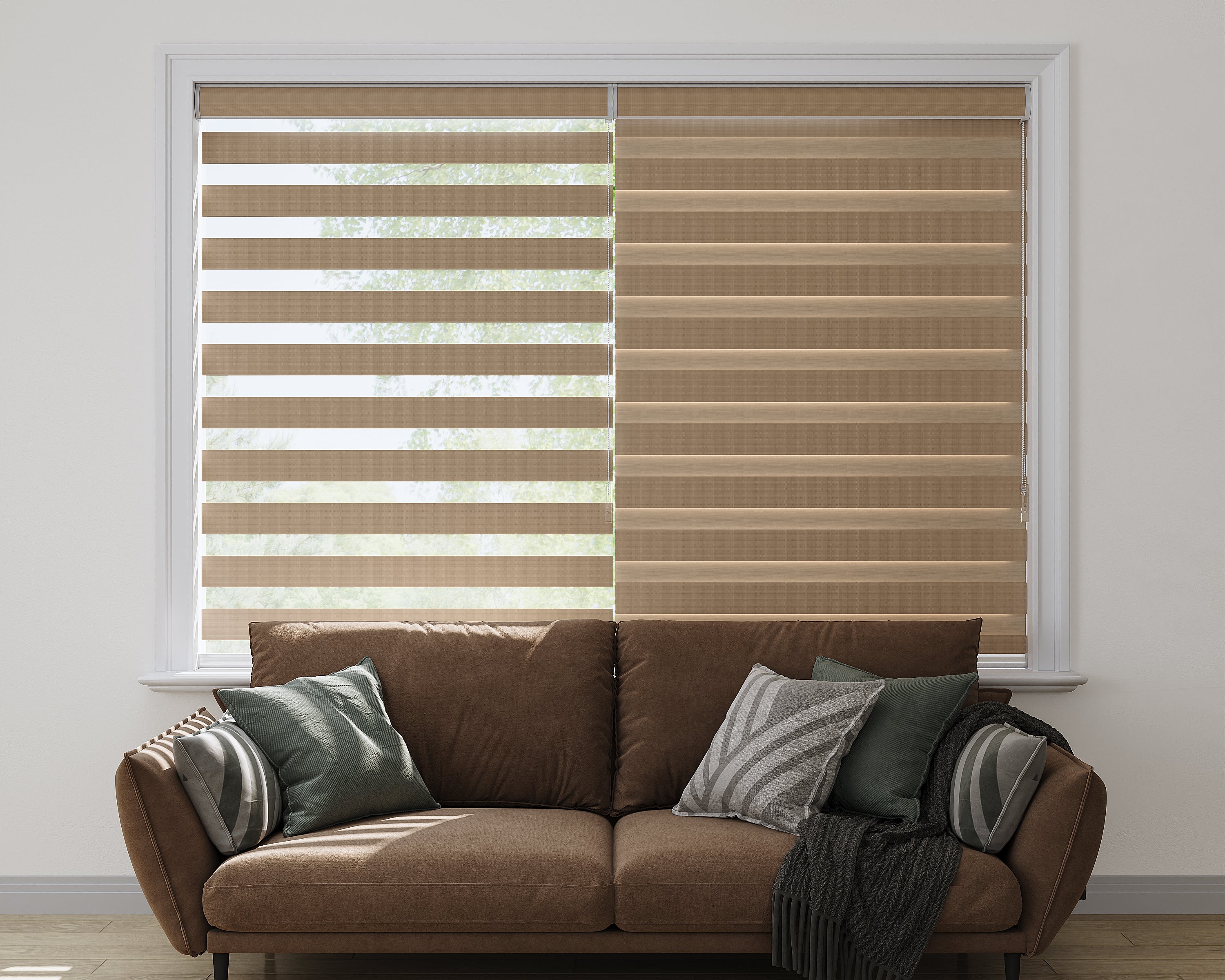
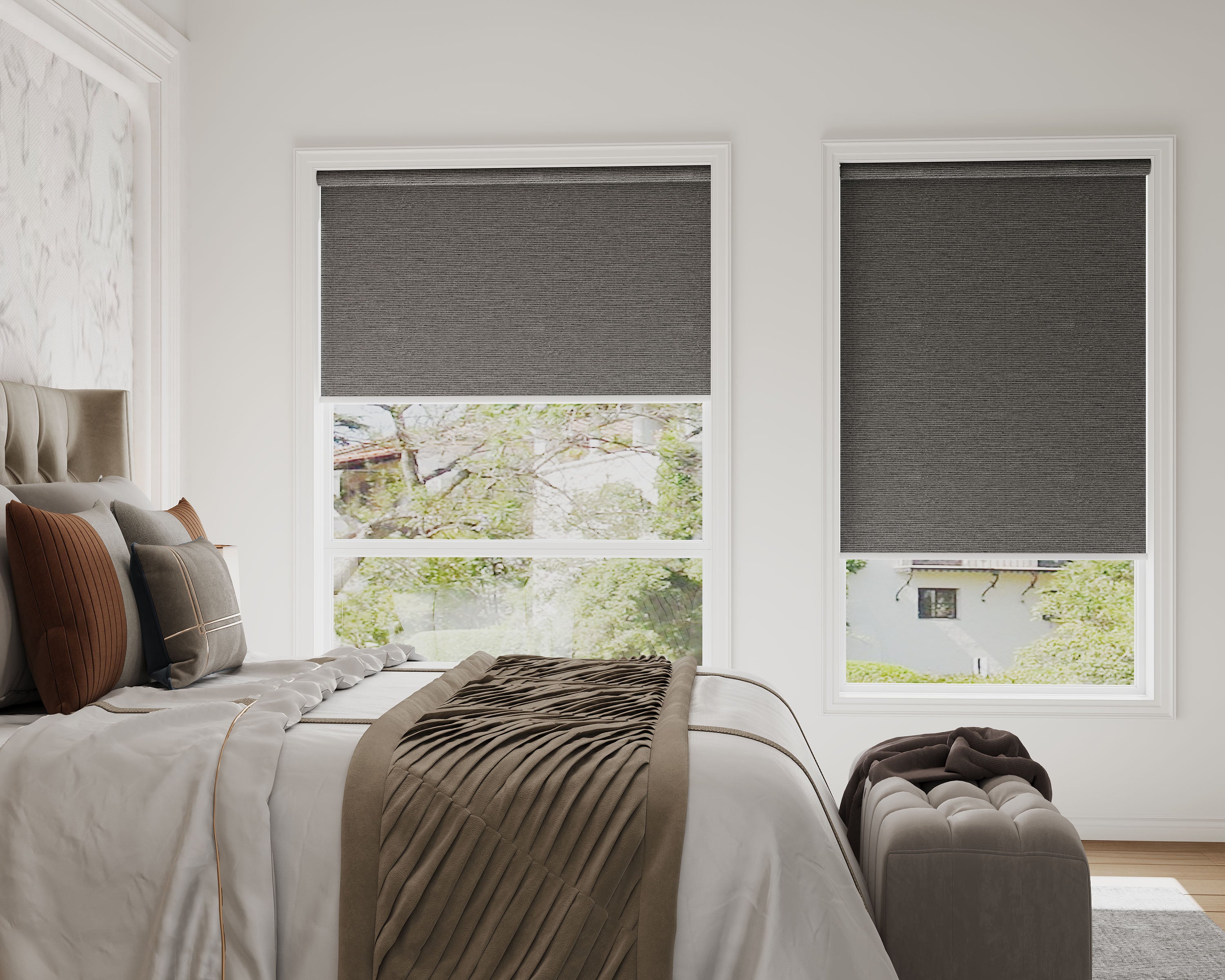
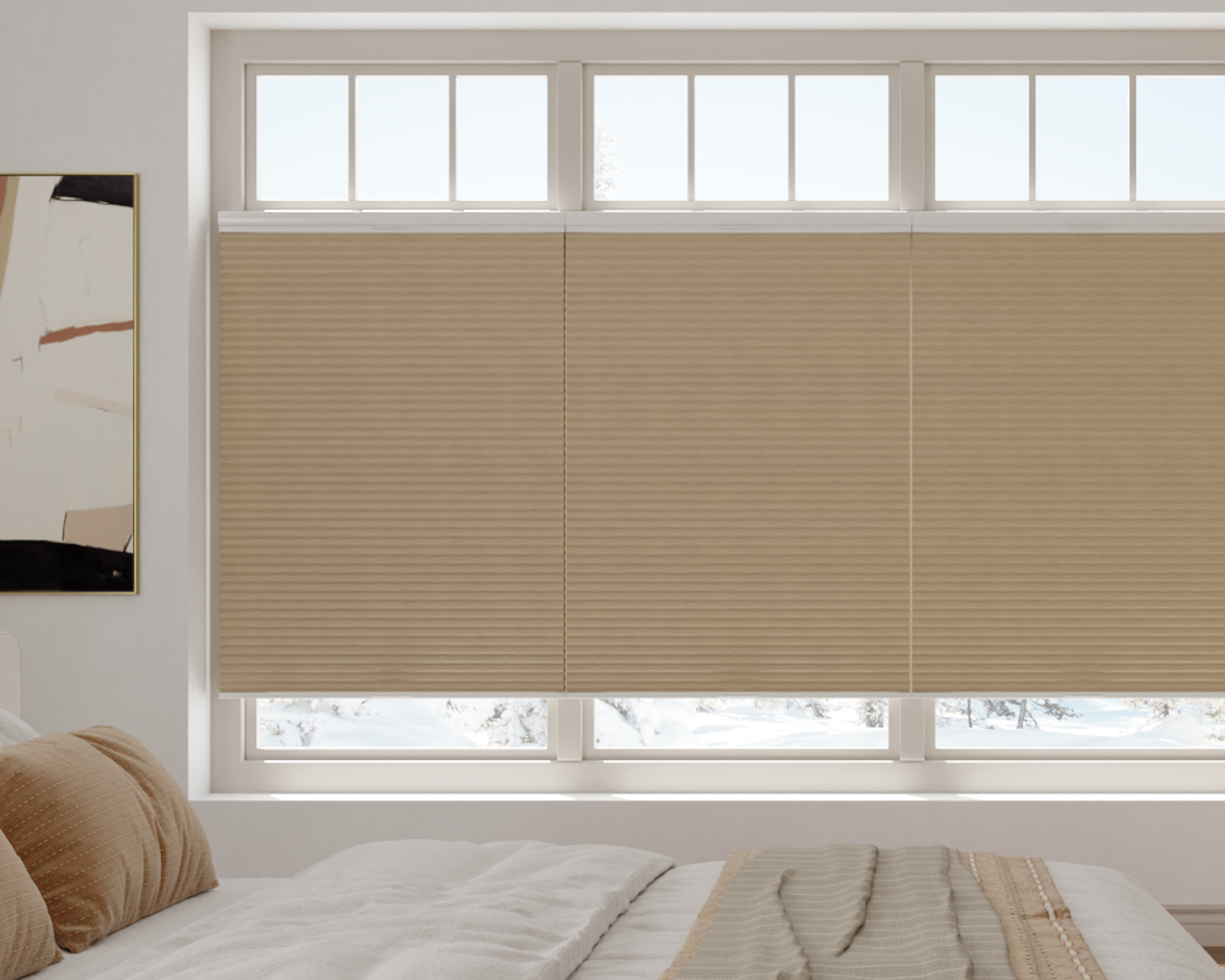
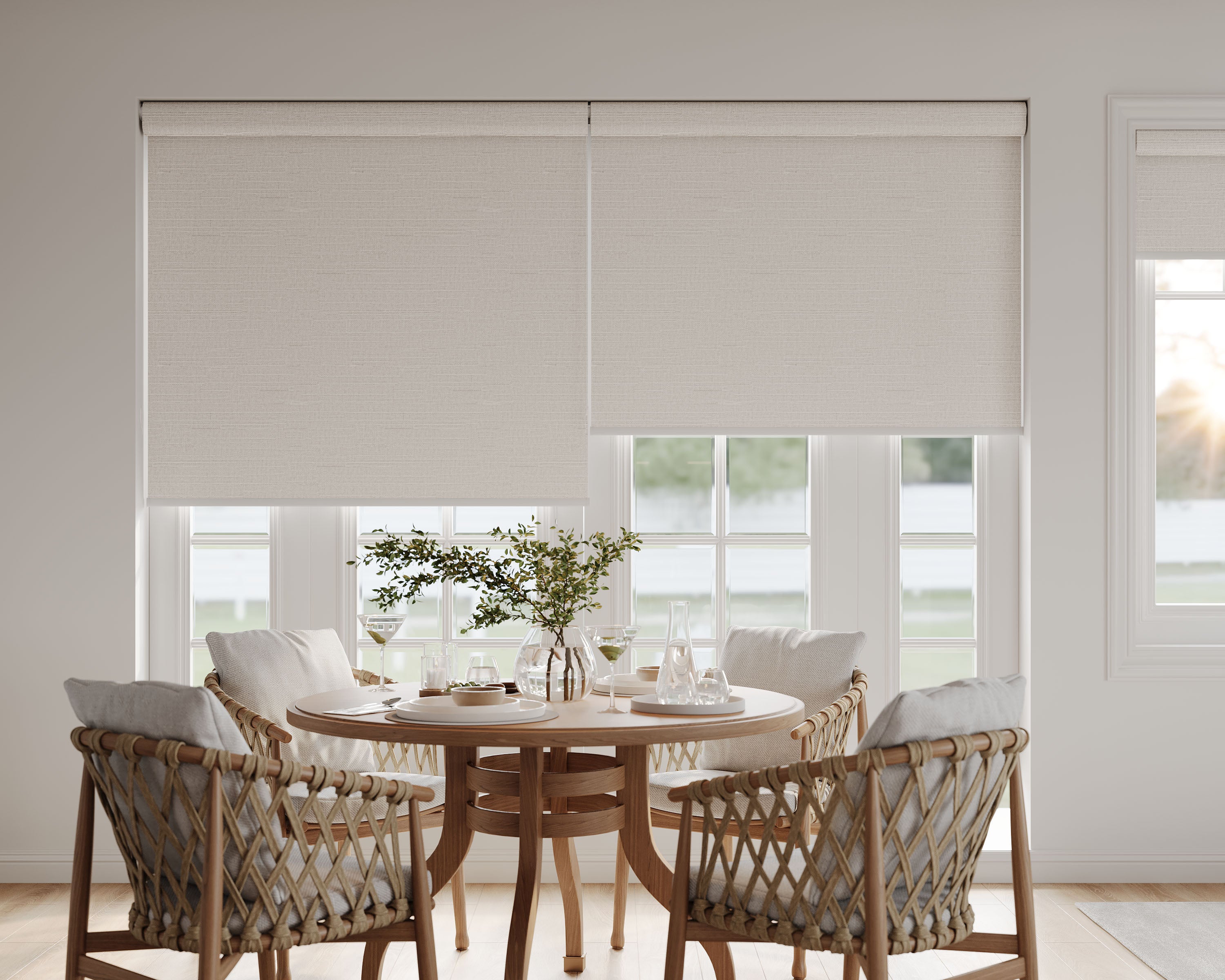


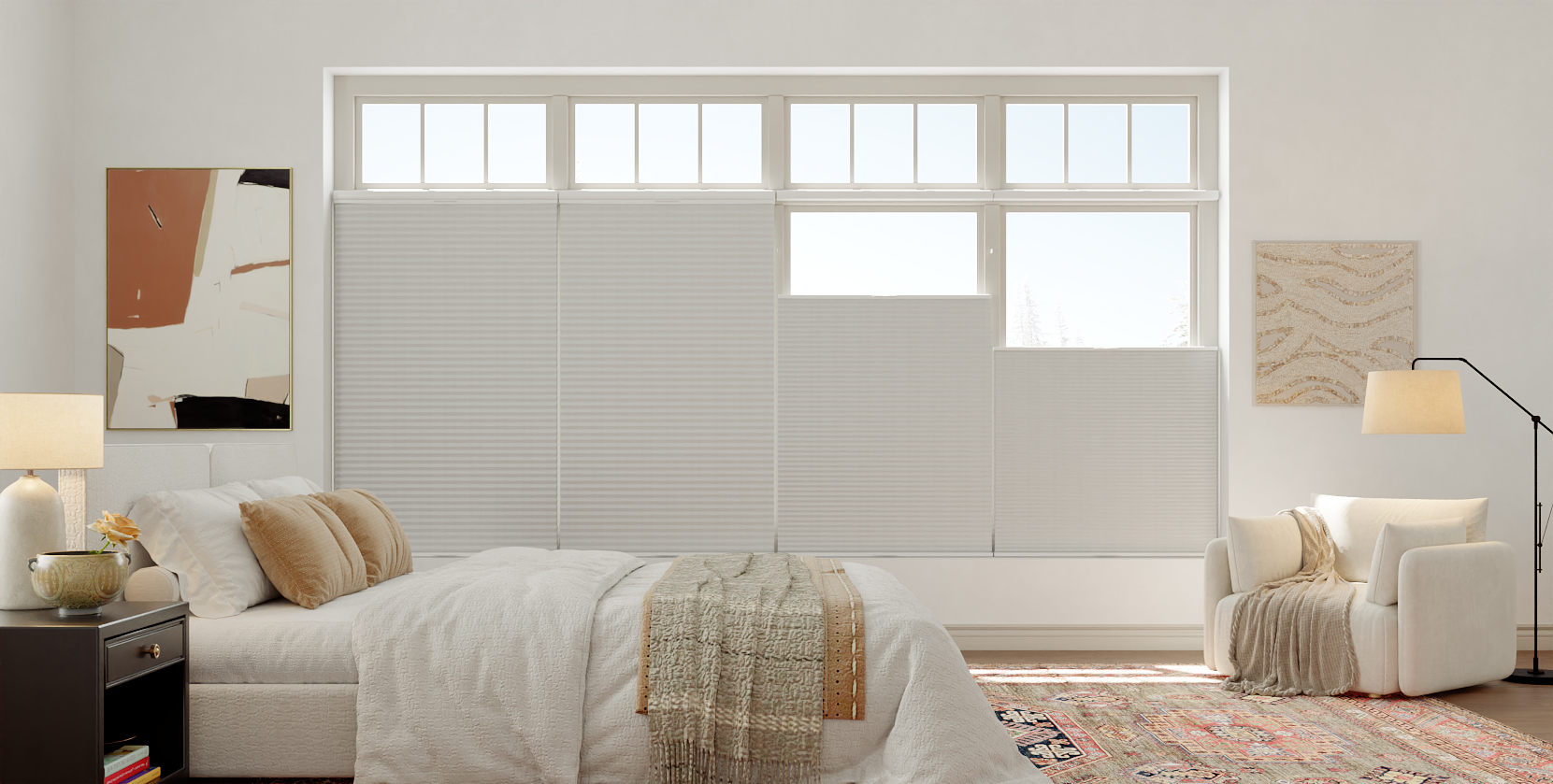


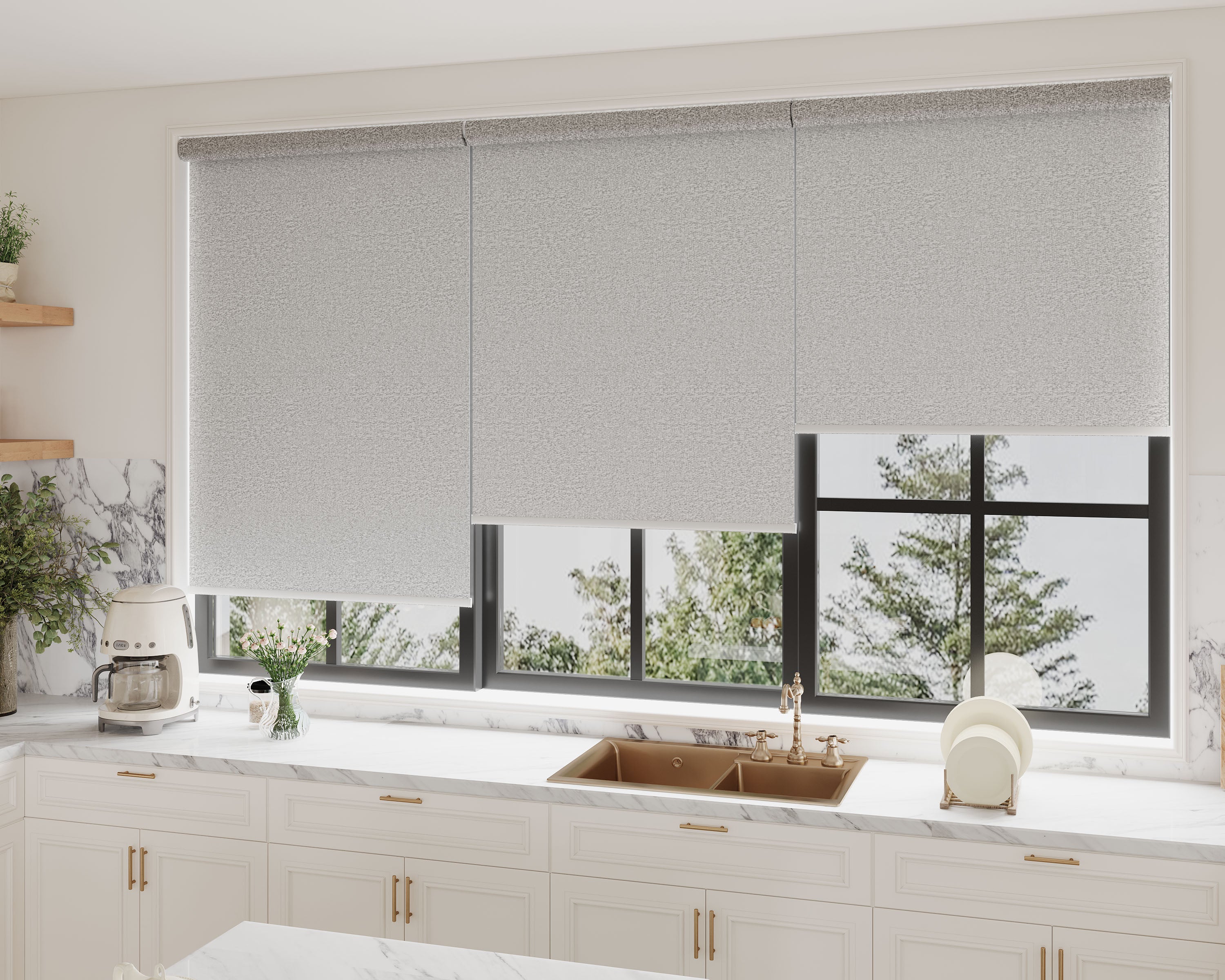

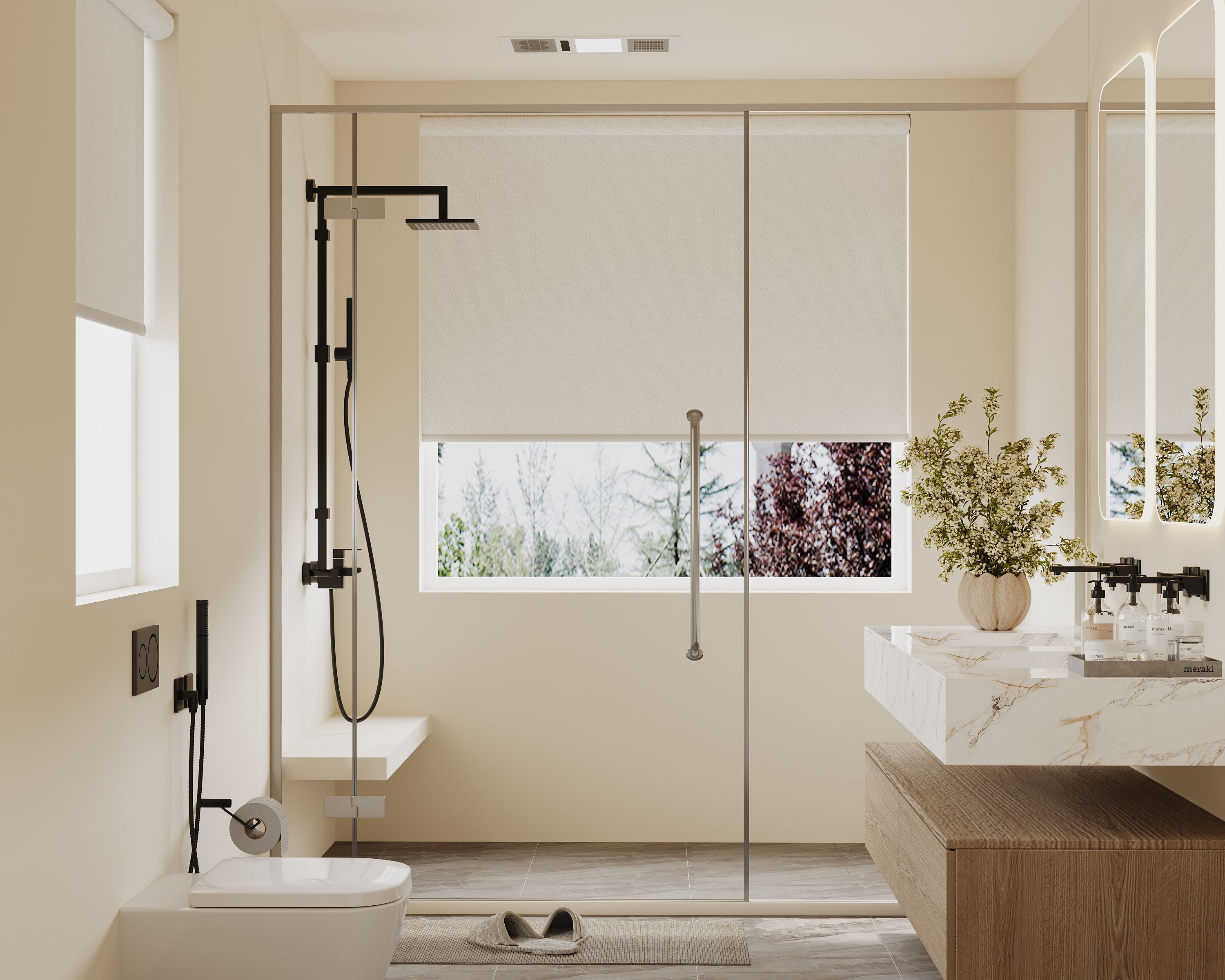


Choosing the fabric for your Roman shades is the decision that defines their look, feel, and function for years to come. With evolving trends and innovations, what are the best fabrics to consider in 2026? The answer lies in a blend of timeless natural textures, advanced performance synthetics, and a strong emphasis on sustainable and healthy materials. The "best" fabric is not a single choice, but the perfect match for your room's light, lifestyle, and design aesthetic.
This guide will navigate the wide world of textiles to help you select a fabric that is both beautiful and built to last. Here’s what you’ll learn:
-
The key 2026 trends in color, texture, and material innovation for Roman shades.
-
A detailed comparison of natural vs. synthetic fabrics, including their durability, feel, and care.
-
How to match opacity and performance features to your specific needs for light control, privacy, and energy efficiency.
-
Room-by-room fabric recommendations to ensure your shades look great and perform perfectly.
Your journey begins with exploring the possibilities within a curated collection of Roman shade fabrics, where you can see and feel the differences that define quality.
The 2026 Fabric Landscape: What's Trending
This year, fabric choices are driven by a desire for authenticity, comfort, and conscious living. Key trends include:
-
Organic Texture & Warm Neutrals: The move toward biophilic design continues, favoring undyed, textured linens, cottons, and woven grasses in earthy, warm neutral palettes (oatmeal, clay, mossy green).
-
Performance Meets Style: Homeowners want fabrics that are as durable and easy to care for as they are beautiful. Expect growth in solution-dyed acrylics and stain-resistant finishes that don't sacrifice aesthetic appeal.
-
Sustainable & Healthy Materials: Transparency is key. Fabrics made from recycled materials (like RPET), GOTS-certified organic cotton, and those with low-VOC or Greenguard certifications for indoor air quality are increasingly important.
-
Matte & Textured Finishes: High-gloss and perfectly smooth fabrics feel dated. The demand is for fabrics with a matte finish, slubbed textures, bouclé weaves, and subtle, tone-on-tone patterns that add depth.
Fabric Deep Dive: Comparing Your Core Options
Your primary choice is between natural and synthetic fiber families, each with distinct advantages.
| Fabric Type | Characteristics & Aesthetic | Best For... | Care & Considerations |
|---|---|---|---|
|
Natural Fibers (Linen, Cotton, Hemp) |
Breathable, organic, textured. Offers a relaxed, lived-in elegance with beautiful natural variation. Linen is the gold standard for a casual, sophisticated look. | Living rooms, bedrooms, sunrooms, and spaces aiming for a casual, organic, or coastal aesthetic. | Can wrinkle (part of the charm) and may fade in direct sun unless treated. Generally requires more delicate care (light steaming, professional cleaning for stains). |
|
Synthetic & Blended Fibers (Polyester, Acrylic, Olefin) |
Durable, colorfast, and often wrinkle-resistant. Can expertly mimic the look of linen or cotton with greater practicality and fade resistance. | High-traffic areas, homes with children/pets, sunny rooms, and where easy maintenance is a priority. | Easier to clean, more resistant to fading and stains. Offers excellent value and longevity with less upkeep. |
|
Performance & Specialty Fabrics (Sunbrella-style, coated, antimicrobial) |
Engineered for specific needs: Extreme UV/fade resistance, moisture repellency, antimicrobial properties, or enhanced acoustics. | Rooms with intense sun, kitchens, bathrooms, media rooms, or homes where health/allergies are a concern. | Check specific care labels. These fabrics prioritize function alongside form and often carry longer warranties. |
|
Woven Woods & Natural Textures (Bamboo, Grasses, Rattan) |
Distinctive, organic, and light-filtering. Creates a warm, tropical, or Zen-like ambiance with beautiful shadow play. | Sunrooms, dining areas, spaces with an organic or Asian-inspired design theme. | Can be brittle; not suitable for high-humidity areas. Dusting requires care; professional cleaning is often needed. |
For a foundational understanding of how classic materials behave, our deep dive into linen, vinyl, and bamboo provides crucial detail.
Choosing Based on Function: Opacity & Lining
The "best" fabric must also perform its primary job: managing light.
-
Sheer & Light-Filtering: Creates a soft, glowing effect. Ideal for living areas where privacy isn't critical. Linen, voile, and light cottons excel here.
-
Room-Darkening: Blocks most light for media viewing or naps. Achieved with tighter weaves, darker colors, or a standard lining.
-
Blackout: For true darkness in bedrooms. This is a lining, not a fabric. You can have any decorative face fabric you love paired with a separate blackout lining, giving you total design freedom.
-
Thermal Efficiency: For energy savings, a reflective thermal lining can be added behind your chosen fabric to reflect heat in summer and retain it in winter.
Your Decision Framework: Matching Fabric to Room
Bring all the factors together with this practical guide.
| Room | Priority | Recommended Fabric Types | Style & Opacity Tips |
|---|---|---|---|
| Living Room | Aesthetics & Durability | Linen-look synthetics, performance cottons, textured wovens. | Choose light-filtering for ambiance. A textured fabric adds depth. Neutral colors offer longevity. |
| Bedroom | Light Control & Comfort | Soft cottons, matte-finish synthetics, any fabric with a blackout lining. | Prioritize feel. Room-darkening or blackout is essential for sleep. Calming colors work best. |
| Home Office | Glare Reduction | Light-filtering synthetics, tighter-weave fabrics. | Avoid high-gloss materials that reflect screen light. Mid-tone colors reduce eye strain. |
| Kitchen / Dining | Cleanability & Moisture Resistance | Performance synthetics, acrylics, coated fabrics. | Choose easy-to-wipe materials. Light-filtering or solar shades help manage daytime heat and glare. |
| Bathroom / High Humidity | Mold & Mildew Resistance | Moisture-resistant synthetics or vinyls only. Avoid natural fibers. | Ensure the fabric is specifically rated for dampness. Good ventilation is non-negotiable. |
For spaces where texture is a key design element, our guide on using texture as a design tool offers excellent guidance.
The Sustainable Choice: Eco-Friendly Fabrics in 2026
If environmental impact is a priority, look for these options:
-
Recycled Materials: Fabrics made from post-consumer recycled polyester (RPET) perform identically to virgin synthetics but with a lower carbon footprint.
-
Organic Natural Fibers: GOTS-certified organic cotton or linen ensures environmentally and socially responsible farming and production.
-
Low-Impact Production: Seek out brands that use water-saving dye processes and have commitments to reducing chemical use.
The industry is moving steadily in this direction, as explored in our article on eco-friendly and recycled fabrics.
Conclusion: The Perfect Fabric for Your Home Story
The best fabric for your Roman shades in 2026 successfully balances your personal style with the practical demands of your daily life. It’s a choice that feels good to the touch, looks beautiful in your light, and stands up to the test of time.
Here are the key highlights for choosing the best fabric:
-
Trends Favor Authenticity: Natural textures, warm neutrals, and matte finishes are leading style directions, but always prioritize what you love over fleeting trends.
-
Let Lifestyle Guide You: Be honest about maintenance. The luxurious look of linen may not suit a busy family room, where a high-performance linen-look synthetic offers similar beauty with rugged durability.
-
Function is Foundational: Never choose a fabric for looks alone. Match its opacity and performance features (like moisture or fade resistance) to the room's core needs first.
-
Sustainability is Accessible: Eco-friendly options in both synthetic and natural fiber families are more available than ever, allowing you to make a choice that aligns with your values.
-
The Lining Completes the Picture: Remember that a blackout or thermal lining can be added behind almost any fabric, separating the functional need for darkness or insulation from your decorative fabric choice.
By thoughtfully considering texture, performance, and purpose, you can select a fabric that makes your Roman shades a cherished and functional part of your home for years to come.
Shop Roman Shades by Light Control


Frequently Asked Questions (FAQ)
Is linen still a good choice for Roman shades in 2026?
Linen remains a top choice for its timeless, organic beauty. However, its care requirements are significant. It wrinkles naturally and can fade in direct sun. For a more practical alternative, high-quality linen-look synthetic fabrics (often made from polyester or acrylic) have improved dramatically, offering the same textured aesthetic with far greater fade resistance, durability, and easier cleaning.
How do I know if a fabric will fade in a sunny window?
Look for a fabric's "lightfastness" rating. Solution-dyed fabrics (where color is embedded in the fiber) have the highest fade resistance. For natural fibers, ask if the fabric has been treated with a UV protectant. When in doubt, request a sample and place it in your sunny window for a few weeks to see how it holds up.
Can I use a patterned fabric for Roman shades?
Yes, but consider the scale carefully. A large, bold pattern can look stunning when the shade is down but may create a disjointed look when folded up. Smaller, all-over patterns, textured weaves, or tone-on-tone designs (like a damask) often work better as they maintain visual cohesion in both raised and lowered positions.
What is the most durable fabric for homes with pets?
For pet-friendly homes, prioritize tightly woven synthetic fabrics like solution-dyed acrylic or polyester. They are more resistant to scratches, stains, and fading. Avoid loose weaves or silks that claws can easily snag. Performance fabrics with stain-resistant treatments are also an excellent investment.
Should the fabric on all my Roman shades match throughout the house?
Not necessarily. Using the same fabric can create harmony, but you can also successfully coordinate different fabrics. Maintain a common thread, such as a consistent color palette or similar texture. For example, you might use a light-filtering linen-look fabric in living areas and a room-darkening version of the same color in bedrooms for functional variety within a unified look.
