








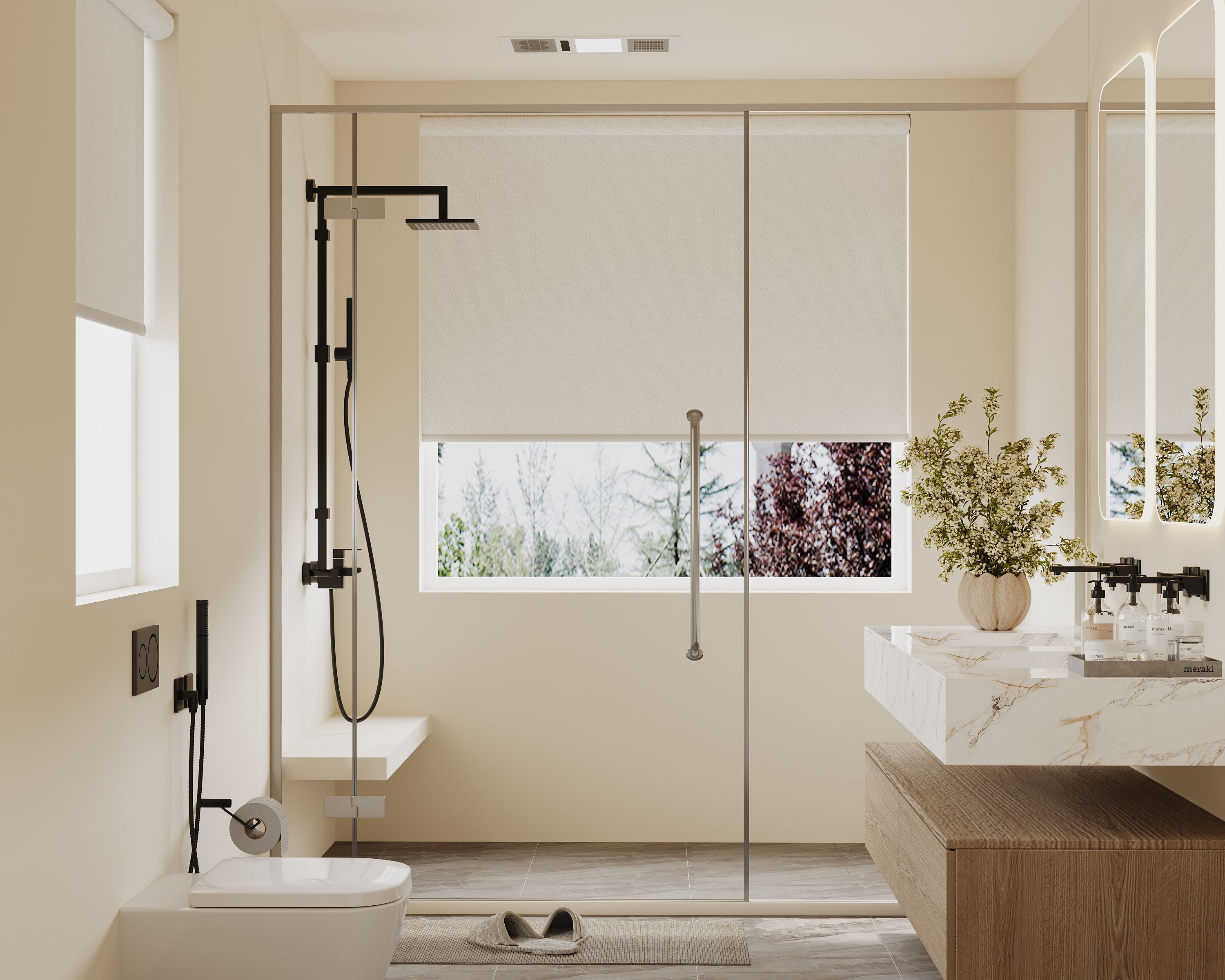


Roman shades bring softness and style to any window, but their fabric construction naturally raises questions about humidity. Can they withstand the steam of a bathroom, the moisture of a kitchen, or the dampness of a laundry room? The answer is cautiously yes, but with critical caveats. Standard Roman shades made from natural, unlined fabrics are a poor choice for damp environments. However, Roman shades specifically engineered with moisture-resistant materials and proper features can perform beautifully and durably in humid spaces.
This guide cuts through the confusion with clear, actionable advice for using Roman shades where moisture is a factor. Here’s what you’ll learn:
-
The specific risks humidity poses to different shade materials and components.
-
How to identify moisture-resistant fabrics, backings, and hardware that make humidity suitability possible.
-
A room-by-room assessment of where Roman shades can work (and where they should be avoided).
-
Essential maintenance routines to prevent mold, mildew, and fabric damage over time.
Selecting the right base material is the most important decision. Begin by exploring options within a range of custom Roman shades, focusing on performance textiles.
The Challenge: How Humidity Affects Roman Shades
Understanding the risks helps you mitigate them. In high-humidity environments, the wrong shade can experience:
-
Mold & Mildew Growth: Organic fabrics (cotton, linen, silk) absorb moisture, creating a breeding ground for mold spores within the folds and on the backing.
-
Fabric Distortion: Moisture can cause natural fibers to swell, stretch, or warp, leading to uneven hanging, wrinkled folds, or misalignment.
-
Liner Separation: The adhesive bonding a fabric to a blackout or thermal liner can degrade in constant humidity, causing bubbles or delamination.
-
Hardware Corrosion: Metal components in the headrail, brackets, or lift system may rust over time if not properly finished for damp conditions.
The Solution: Choosing Humidity-Suitable Roman Shades
You can confidently use Roman shades in humid areas by insisting on these specifications:
1. Select the Right Fabric
The face fabric is your first line of defense. Avoid absorbent natural fibers.
| Fabric Type | Suitability for Humidity | Key Reason |
|---|---|---|
| 100% Natural Fibers (Linen, Cotton, Silk) | Poor. Highly absorbent; prone to mold, mildew, and water spots. | Not recommended for full bathrooms, kitchens near sinks, or laundry rooms. |
| Synthetic Fibers (Polyester, Acrylic, Olefin) | Good to Excellent. Naturally hydrophobic (water-repelling); resist moisture absorption and dry quickly. | The best overall choice. Look for tightly woven textiles. |
| Coated or Vinyl Fabrics | Excellent. Provide a completely waterproof or highly water-resistant surface that can be wiped clean. | Ideal for high-splash zones like showers or poolsides. May have a different aesthetic. |
| Solution-Dyed Acrylics | Excellent. Color is embedded in the fiber, making them fade-resistant and often treated for moisture and mildew resistance. | A top-tier performance fabric for challenging environments. |
For a dedicated overview of the best options, our guide to moisture-resistant fabrics for baths and kitchens is essential.
2. Demand a Suitable Lining & Construction
-
Avoid Traditional Fabric Linings: Standard blackout linings can trap moisture. If you need a lining, inquire about acrylic or vinyl-based backings that won't absorb water.
-
Consider Unlined or Lightly Lined Shades: Often, a durable synthetic fabric without a separate lining is the simplest and most effective choice for humid spaces, as it allows for better air circulation.
-
Ensure Water-Resistant Hardware: Brackets and components should have a corrosion-resistant finish (e.g., powder-coated, stainless steel, or aluminum).
3. Prioritize Ventilation & Smart Features
-
Cordless or Motorized Operation: This is crucial. Cordless lifts eliminate fabric loops that can trap moisture and are easier to keep clean. Motorization is the premium choice, allowing you to adjust shades without touching them and to raise them fully to promote air circulation behind the shade.
-
Promote Airflow: Whenever possible, leave shades open or partially open to allow moisture to dissipate, especially after showers or cooking.
Room-by-Room Guide: Where Roman Shades Can Work
| Room | Humidity Level | Suitability & Key Recommendations |
|---|---|---|
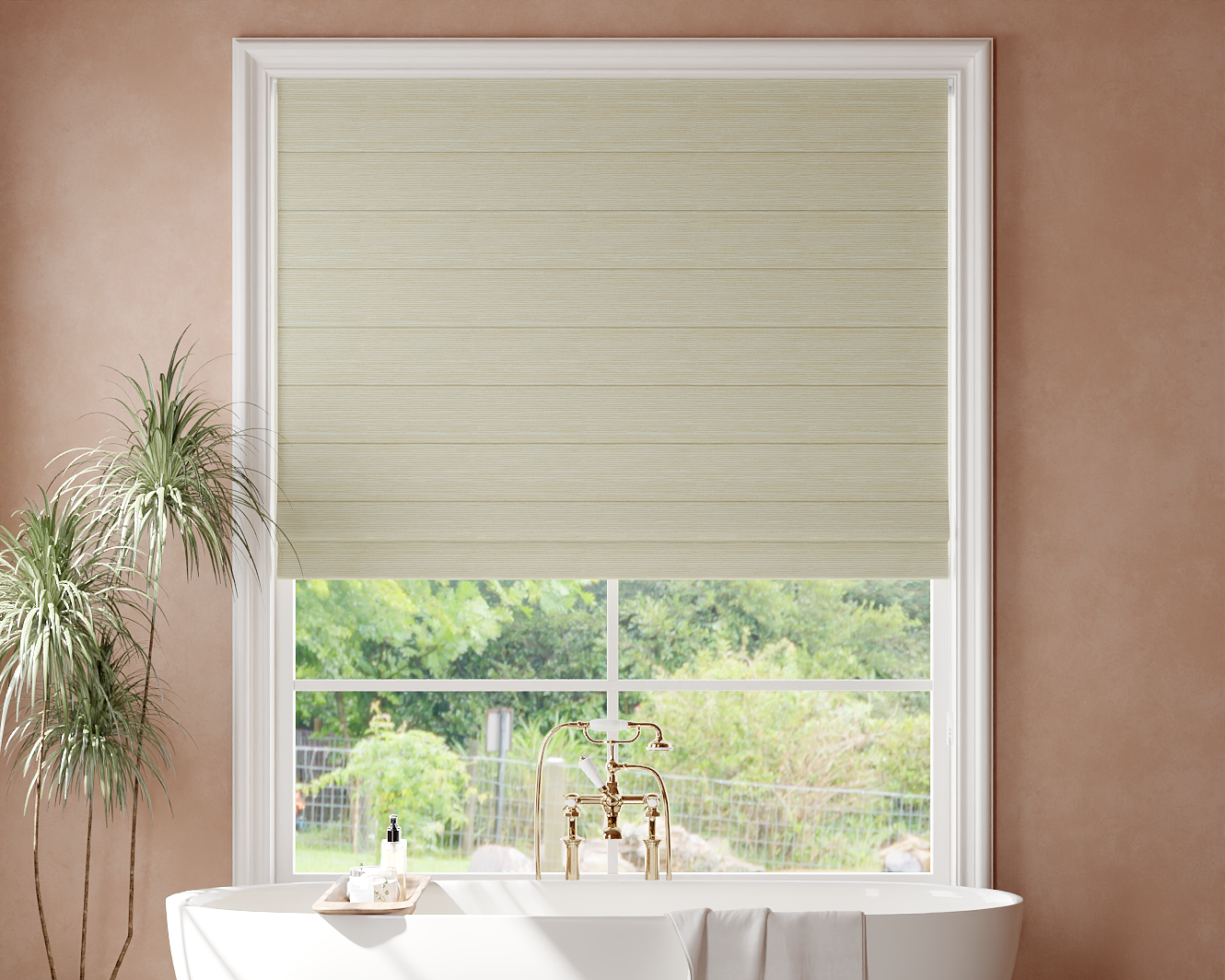
| Full Bathroom (with shower/tub) | Very High. Constant steam and splash potential. | Proceed with extreme care. Only use shades made from 100% waterproof vinyl or coated synthetic fabrics. Ensure excellent bathroom ventilation (fan). An outside mount is preferred to keep the shade away from direct spray. |
| Half-Bath / Powder Room | Low to Moderate. Less steam, no direct shower spray. | Good candidate. A high-quality synthetic fabric (polyester, acrylic) should be sufficient. Maintain normal room ventilation. |
| Kitchen | Variable. High near sink/dishwasher/steam from cooking; low elsewhere. | Good candidate with zoning. Use moisture-resistant synthetics. Avoid mounting shades directly above the stovetop or sink splash zone. Easy-to-clean fabrics are a plus for grease and grime. |
| Laundry Room | Moderate to High. Steam from dryers and dampness. | Fair candidate. Use synthetic fabrics and ensure the room is well-ventilated. Keep shades away from direct dryer vent exhaust. |
| Sunroom / Pool Room | High. Can have condensation and pool humidity. | Good candidate with the right fabric. Solution-dyed acrylics or coated fabrics designed for outdoor/sunroom use are ideal. They resist moisture and UV fading. |
For a different perspective, see how a simpler treatment is often chosen for wet areas in our guide to roller shades for bathrooms.
Maintenance: The Key to Longevity in Humidity
Even the best materials require proper care in a damp environment.
-
Wipe Down Surfaces: Periodically wipe the fabric with a dry, soft cloth to remove surface condensation or dust.
-
Activate Ventilation: Always run exhaust fans during and for 15-20 minutes after showering or cooking.
-
Inspect for Mildew: Check the folds and the side facing the window periodically for any signs of dark spotting or musty odors. Early detection is critical.
-
Deep Cleaning: Follow the manufacturer's instructions. Most synthetic fabrics can be spot-cleaned with a mild detergent and damp cloth. Never saturate.
Proper cleaning is part of a holistic care strategy, as detailed in our guide on how to clean Roman shades properly.
Conclusion: A Conditional Yes with the Right Specs
Roman shades can be suitable for humid environments, but this is not a universal truth—it is a conditional achievement based on intelligent product selection and diligent care.
Here are the key highlights for success in humid areas:
-
Material is Non-Negotiable: Standard cotton or linen shades will fail. You must select synthetic, coated, or vinyl fabrics that are inherently hydrophobic and moisture-resistant.
-
Ventilation is Your Co-Pilot: Even the best shade will struggle in a perpetually damp, stagnant environment. Proper airflow from exhaust fans is an essential partner to any moisture-resistant window treatment.
-
Simplify the Construction: Often, an unlined shade made from a single layer of performance fabric is more reliable than a multi-layer construction where adhesives and linings can trap moisture.
-
Choose Safe, Cleanable Operation: Cordless or motorized lifts prevent the added complication of fabric cords and make the shades easier to operate and maintain in damp conditions.
-
Match the Treatment to the Threat: Be realistic about the environment. A full, steamy shower room demands a waterproof material, while a powder room can comfortably host a quality synthetic.
By respecting the challenges of humidity and selecting shades engineered to meet them, you can enjoy the soft, tailored look of Roman shades in more areas of your home without compromising on performance or durability.
Shop Roman Shades by Light Control


Frequently Asked Questions (FAQ)
Can I use Roman shades in a bathroom with a window in the shower?
This is the most demanding scenario. It is only advisable with a 100% waterproof shade (like vinyl) installed as an outside mount to keep it as far from direct water spray as possible. Even then, exceptional bathroom ventilation is mandatory. For most homes, a waterproof roller shade or shutters are simpler, more reliable choices for this specific location.
Will a "water-resistant" fabric treatment spray protect my existing linen Roman shades in a bathroom?
No, it is not a reliable solution. These sprays create a surface barrier that can wear off and may not protect the inner layers of fabric or the lining. They do not prevent moisture from eventually being absorbed, especially at the seams and folds. For a humid environment, the fabric must be inherently moisture-resistant from the start, not retrofitted.
How do I prevent mold on the window glass behind my Roman shade?
Mold grows on the window, not the shade, due to condensation. Promote air circulation. Regularly raise the shade fully, especially in daylight hours. Wipe down window condensation when you see it. Ensure your window seals are not failing. The shade itself should be mounted with a small gap (using an outside mount) to allow some air flow between the shade and the glass.
Are there Roman shades specifically labeled for "bathroom use"?
Some manufacturers offer collections marketed for bathrooms or "wet areas." Look for these, but always verify the material specifications. Key terms to look for are "water-resistant," "mold/mildew resistant," "vinyl," "coated polyester," or "solution-dyed acrylic." Don't rely on the room name alone; check the fabric content.
If a Roman shade gets wet, what should I do?
Act quickly. Fully lower the shade to its full length to allow for even drying and to prevent water marks. Gently blot excess moisture with a clean, absorbent towel. Do not use heat (like a hair dryer) to speed drying, as it can set stains or damage fibers. Allow it to air dry completely in a well-ventilated room, and operate it up and down a few times once dry to ensure the mechanism is not affected.
