
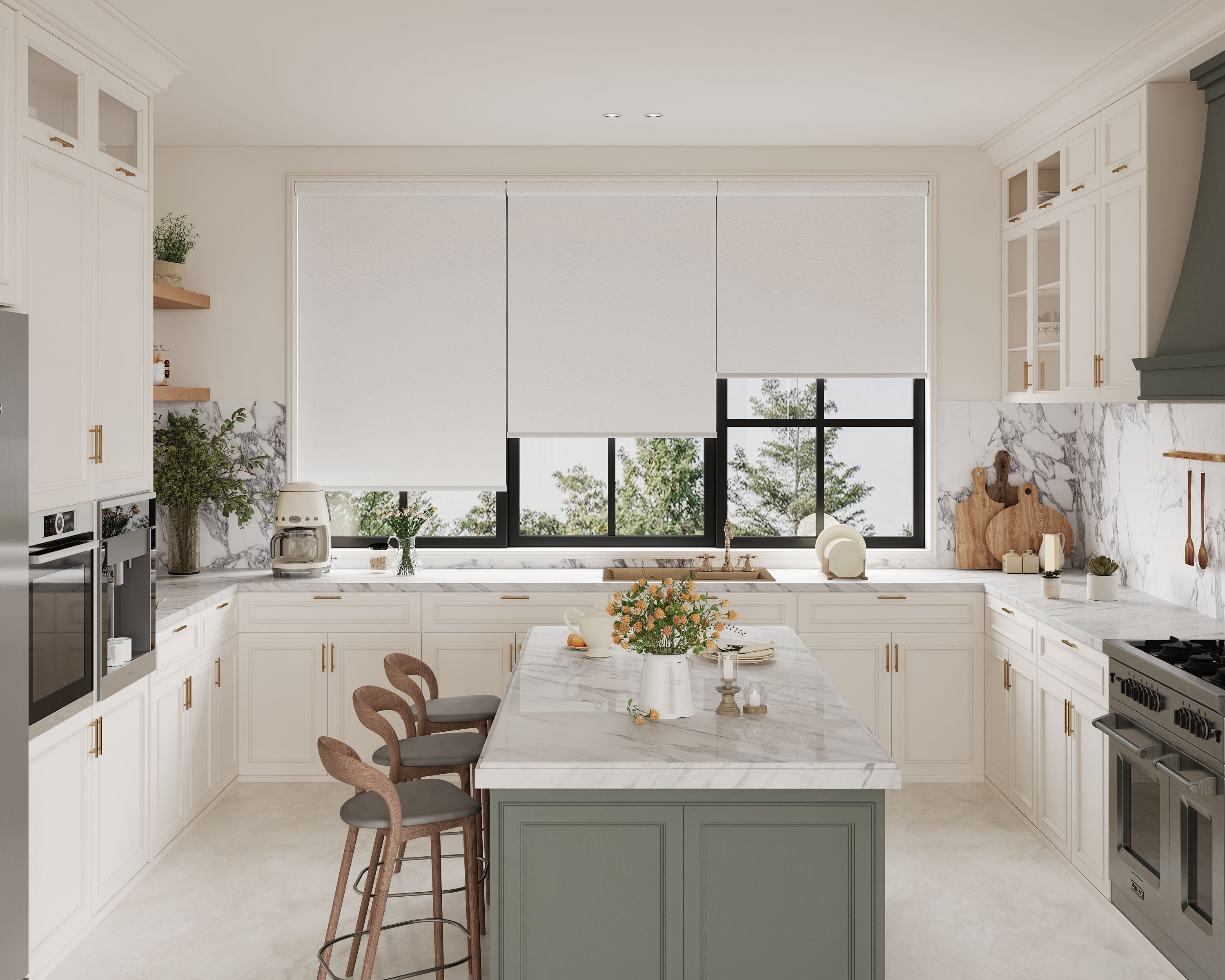
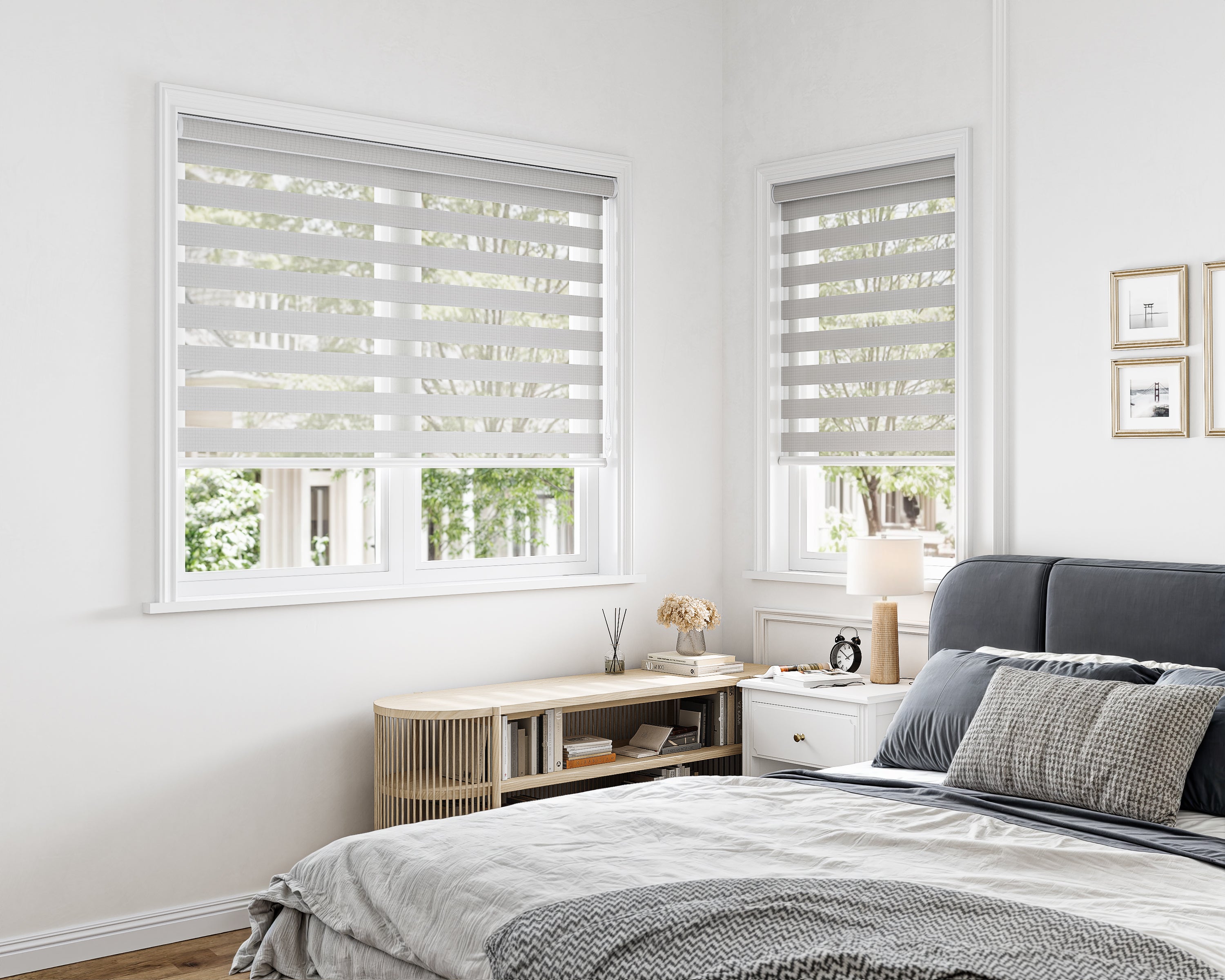
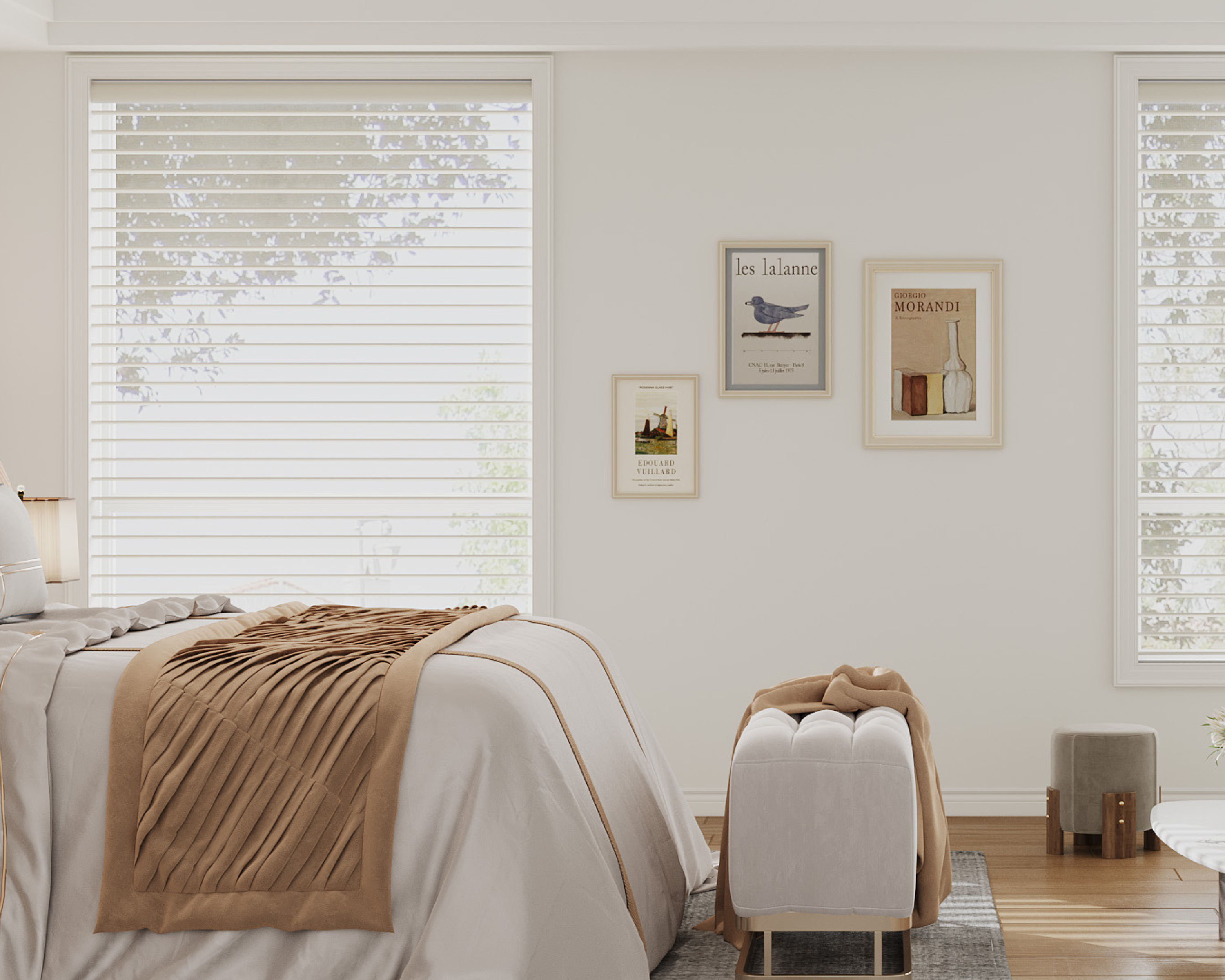
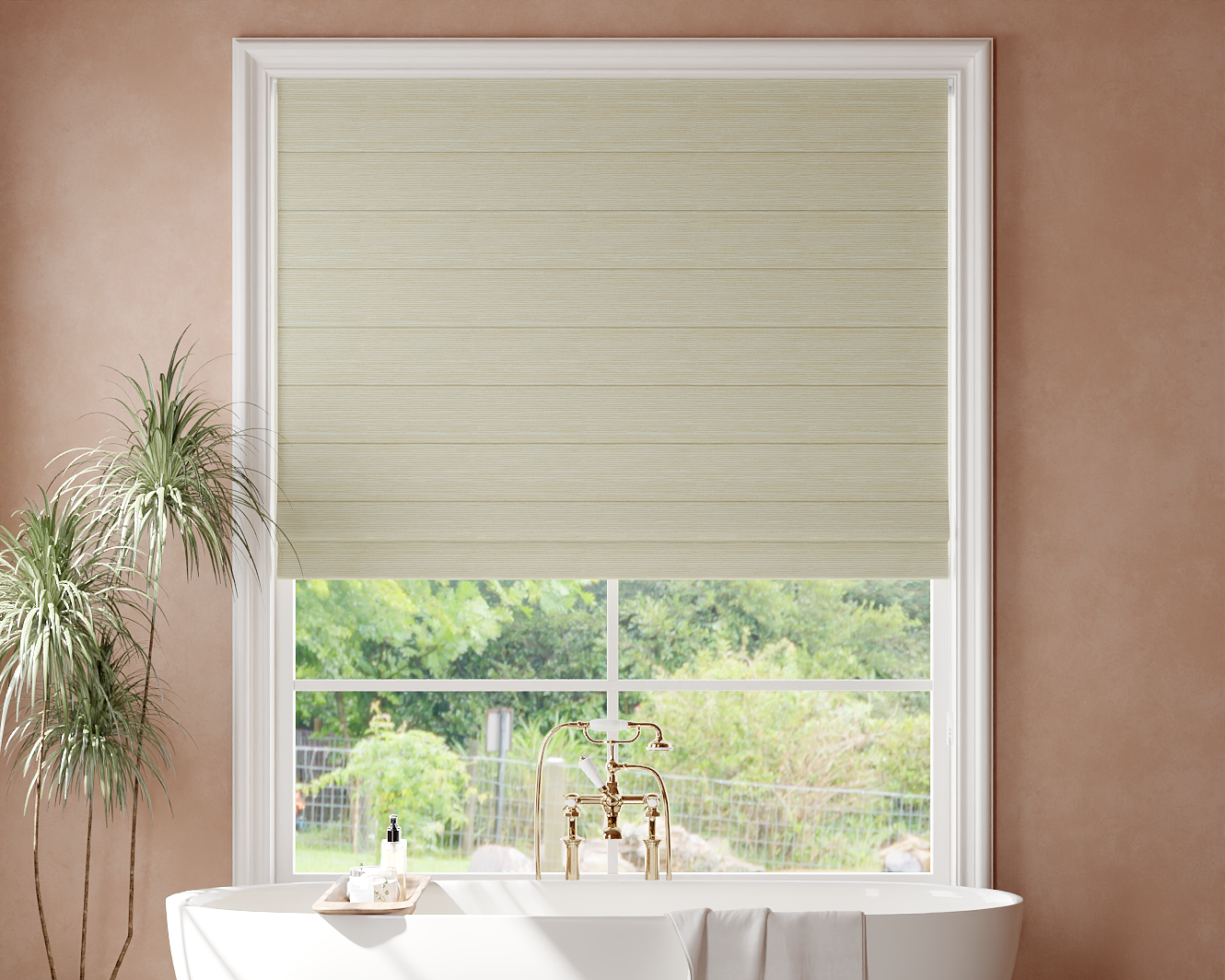







Choosing window treatments for a bathroom is a unique design challenge. You need a solution that balances privacy with precious natural light, withstands constant humidity and occasional splashes, and complements a space that is both utilitarian and a personal sanctuary. Standard roller shades often fail here, but the right specialty roller shades excel.
Selecting durable and stylish roller shades for humid bathroom environments requires focusing on materials and mechanics built for the task. This guide will walk you through every critical consideration—from deciphering fabric codes to smart installation choices—to ensure your bathroom shades are beautiful, functional, and long-lasting.
Why the Bathroom Environment Demands Special Attention
Bathrooms create a perfect storm of conditions that can ruin unsuitable window treatments:
-
High Humidity & Condensation: Daily showers create moisture that can be absorbed by fabrics, leading to warping, mildew, and unpleasant odors.
-
Temperature Fluctuations: Rapid changes from hot showers to cooler air can stress materials and adhesives.
-
Direct Water Exposure: Windows near showers, tubs, or sinks risk direct splashes and steam bombardment.
-
Privacy vs. Light Dilemma: Bathrooms often need maximum privacy but can't afford to feel dark and closed-in.
A roller shade built for this environment directly addresses each point with engineered solutions.
The #1 Decision: Choosing the Right Moisture-Resistant Material
This is the most critical choice. The wrong fabric will fail quickly. Your primary options fall into two categories:
1. Synthetic & Coated Fabrics (Most Recommended):
-
Vinyl/PVC Roller Shades: Often considered the gold standard for wet areas. They are inherently waterproof, easy to wipe clean, and highly resistant to mold and mildew. They offer excellent privacy and come in various colors and textures, including faux-linen looks.
-
Polyester with PVC or Acrylic Backing: These fabrics offer more aesthetic variety (patterns, weaves) while the backing provides a moisture barrier. They are water-resistant and perform well in steamy environments.
-
Faux Wood & Composite Materials: These offer a different aesthetic and are typically very moisture-resistant.
2. Natural Fabrics (Proceed with Caution):
-
Natural Linens, Cottons, or Bamboo: While beautiful, these are absorbent and not recommended for full bathrooms with showers/tubs. They may be suitable for a half-bath or powder room with excellent ventilation. Always inquire about moisture-resistant treatments.
For a detailed breakdown of how different textiles perform, our guide to moisture-resistant fabrics for kitchens, baths, and laundry rooms is essential reading.
Material Selection at a Glance
| Material Type | Moisture Resistance | Best For | Key Consideration |
|---|---|---|---|
| Vinyl/PVC | Excellent (Waterproof) | Full bathrooms, windows in showers, high-humidity areas. | Ensure adequate ventilation to prevent heat buildup against the window. |
| Coated Polyester | Very Good (Water-Resistant) | Bathrooms with good ventilation, away from direct shower spray. | Provides more design flexibility than pure vinyl. |
| Faux Wood | Very Good | Bathrooms desiring a warm, natural aesthetic. | Can be heavier; ensure mounting is secure. |
| Natural Fibers | Poor to Fair (with treatment) | Half-baths/powder rooms only, with exceptional airflow. | Requires diligent cleaning and monitoring for humidity damage. |
Balancing Privacy, Light, and Style
Bathrooms benefit from a layered approach to light control:
-
Privacy-First Fabrics: For windows facing neighbors, a room-darkening or blackout vinyl shade provides total privacy. A lighter color on the room-side can help keep the space bright.
-
Light-Filtering & Sheer Options: For obscured-glass windows or those not facing direct sightlines, a light-filtering shade allows soft, diffused light to enter while maintaining a glow of privacy. This can make a small bathroom feel larger and more inviting.
-
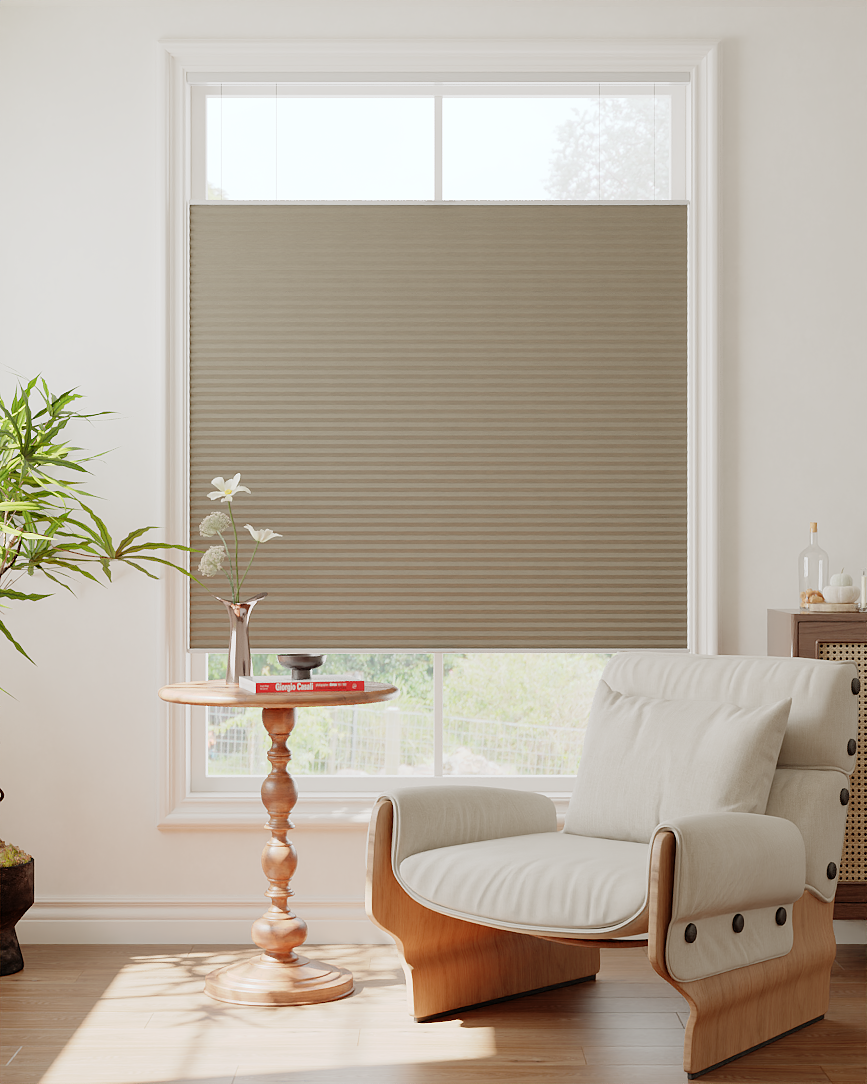
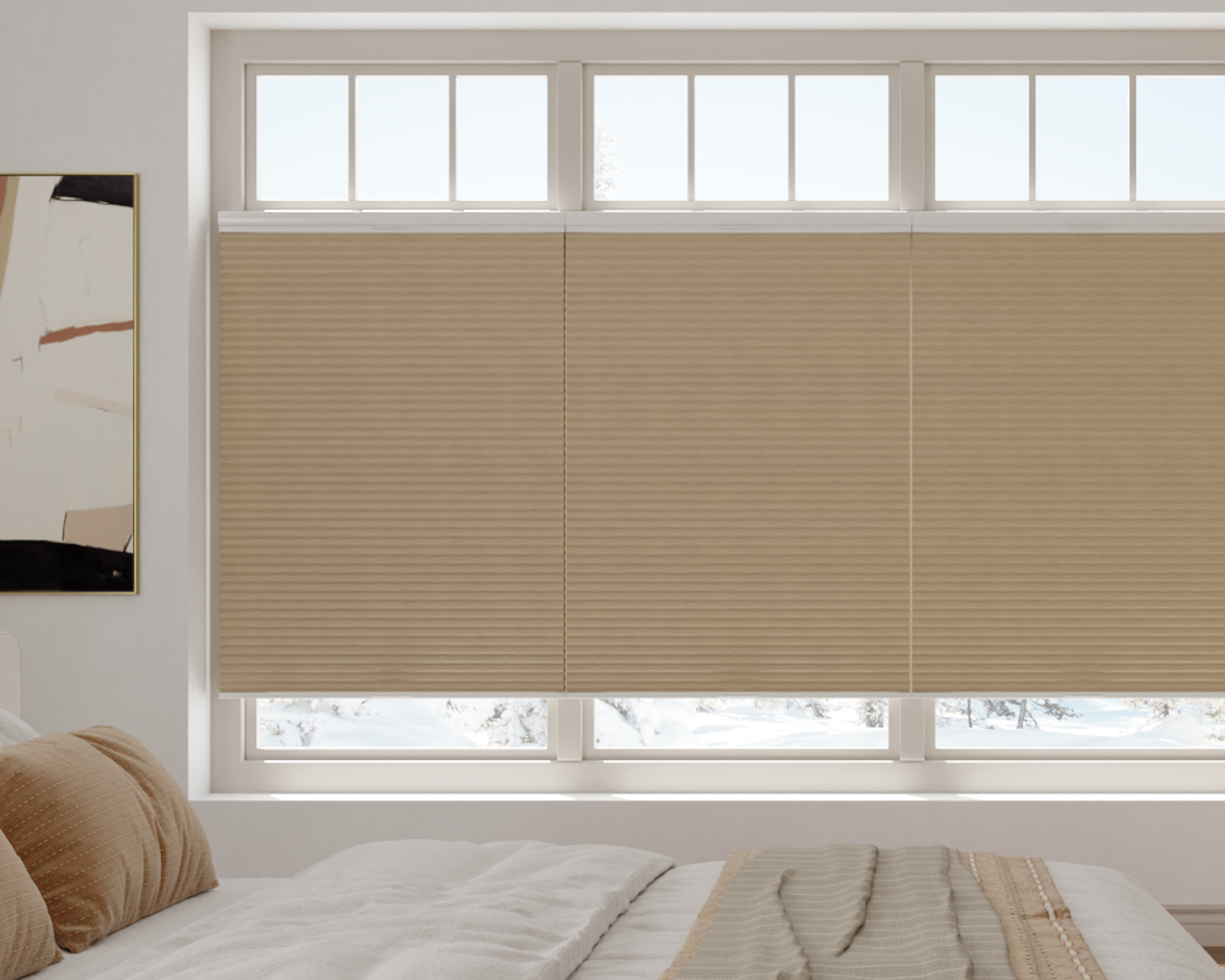
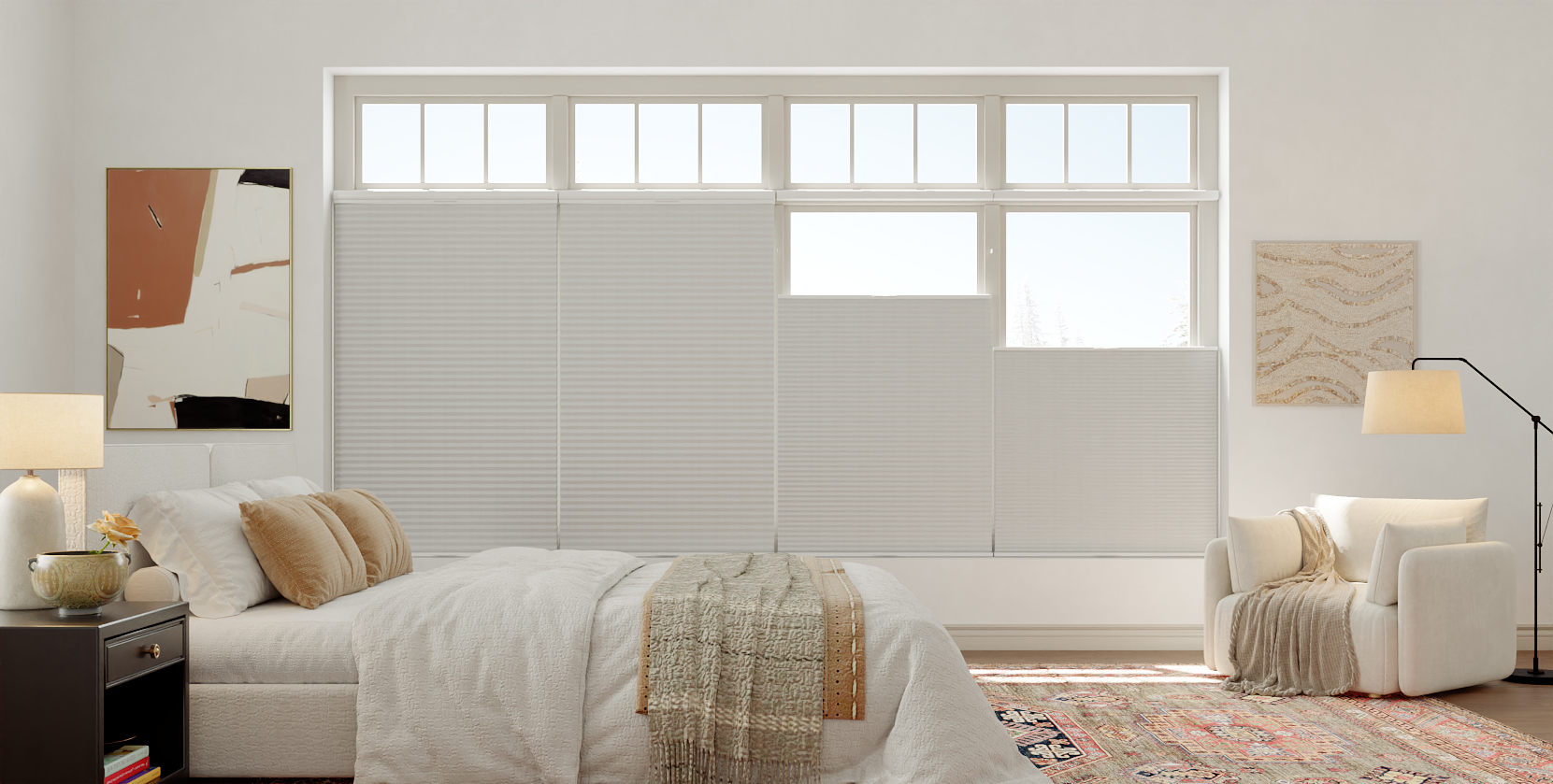
Top-Down/Bottom-Up Option: This innovative lift system allows you to lower the shade from the top. You can maintain privacy at eye level while opening the top portion to let in sky light and air—a perfect solution for many bathroom layouts.
Installation & Mounting: Building in Longevity
How and where you install your shade is as important as the material.
-
Outside Mount is Often Safer: Mounting the bracket on the wall or trim above and outside the window frame keeps the shade mechanism and fabric further from direct steam and condensation on the glass. It also helps block more light for privacy. Understanding the critical decision between an inside or outside mount is vital for bathroom planning.
-
Mind the Gaps: In a bathroom, light gaps on the sides of a shade can be a bigger privacy concern. For inside mounts, consider shades with side channels (or "wrap") for a tighter seal.
-
Motorization & Cordless Options: Motorized roller shades are an excellent, albeit premium, choice for bathrooms. They eliminate all cords or chains (enhancing safety and cleanability) and allow you to adjust the shade without touching it with wet hands. A cordless clutch system is a more affordable alternative that also offers a clean, safe look.
Explore Custom Roller Shades


Bathroom-Specific FAQs and Solutions
Can I put a roller shade in a window inside my shower?
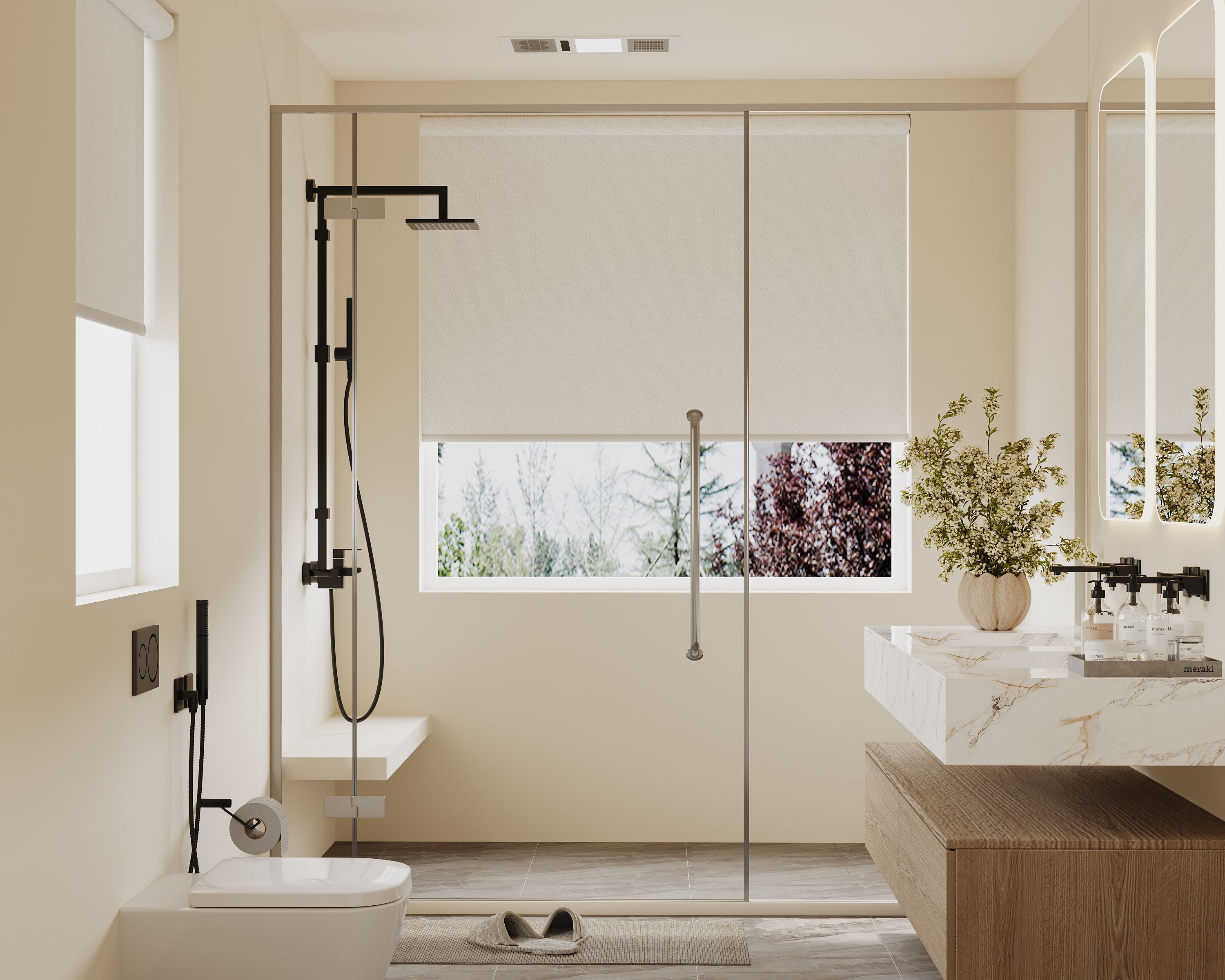
Yes, but you must take extreme care. Choose a 100% waterproof material like vinyl, ensure it is an outside mount to keep it away from direct water spray, and confirm your bathroom has a high-quality ventilation fan to remove steam quickly. Regular cleaning of the shade and surrounding area is crucial.
How do I clean my bathroom roller shades?
For vinyl and coated fabrics, simply wipe down with a soft cloth dampened with a mild soap-and-water solution. Avoid abrasive cleaners or excessive water. Regular dusting or vacuuming (with a brush attachment) will prevent soap scum or dust buildup.
What if my bathroom has no window but I want the look?
Roller shades can be installed on blank walls or over mirrors to create the aesthetic of a window and add soft texture to the room. This is a popular design trick.
How important is ventilation?
Critically important. Even the best moisture-resistant shade will benefit from a bathroom fan that runs during and for 15-20 minutes after a shower. This protects your window, shade, and walls from long-term moisture damage.
Maintenance Checklist for Bathroom Roller Shades
-
Weekly: Run the bathroom exhaust fan during and after showers.
-
Monthly: Wipe down shade fabric with a dry or lightly damp cloth to remove dust and surface moisture.
-
Quarterly: Inspect brackets and mechanisms for any signs of corrosion or loosening.
-
As Needed: Clean more thoroughly with a mild detergent solution for any splashes or buildup.
-
Always: Avoid leaving the shade in a fully down position against a wet or condensation-covered window pane for extended periods.
Choosing the perfect roller shade for your bathroom means starting with the right, moisture-ready material and supporting it with smart installation and care. By prioritizing performance alongside style, you can enjoy a beautiful, private, and bright bathroom for years to come. For specific product insights, our comparison of waterproof versus water-resistant roller shades for bathrooms dives deeper into the specifications.
