
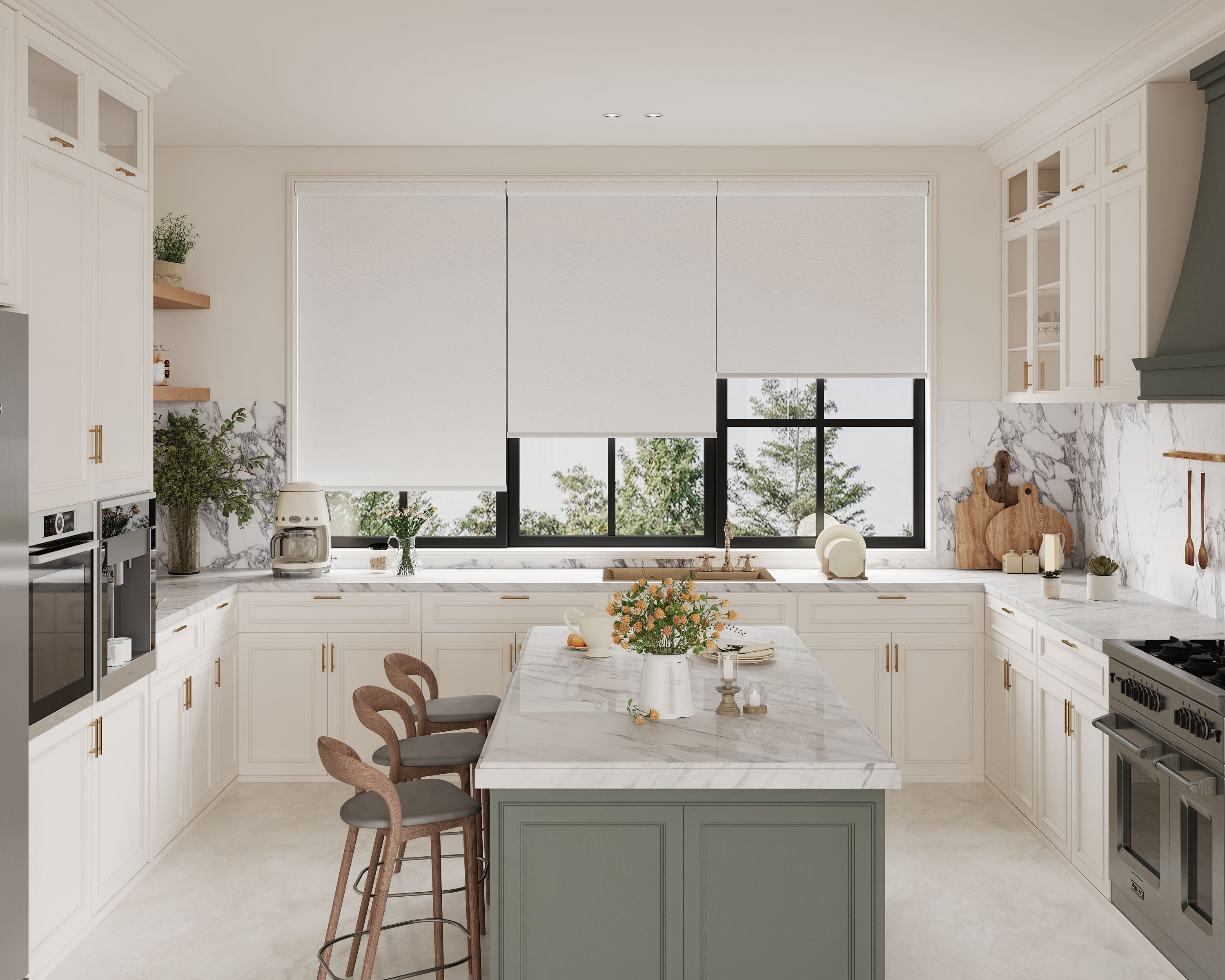
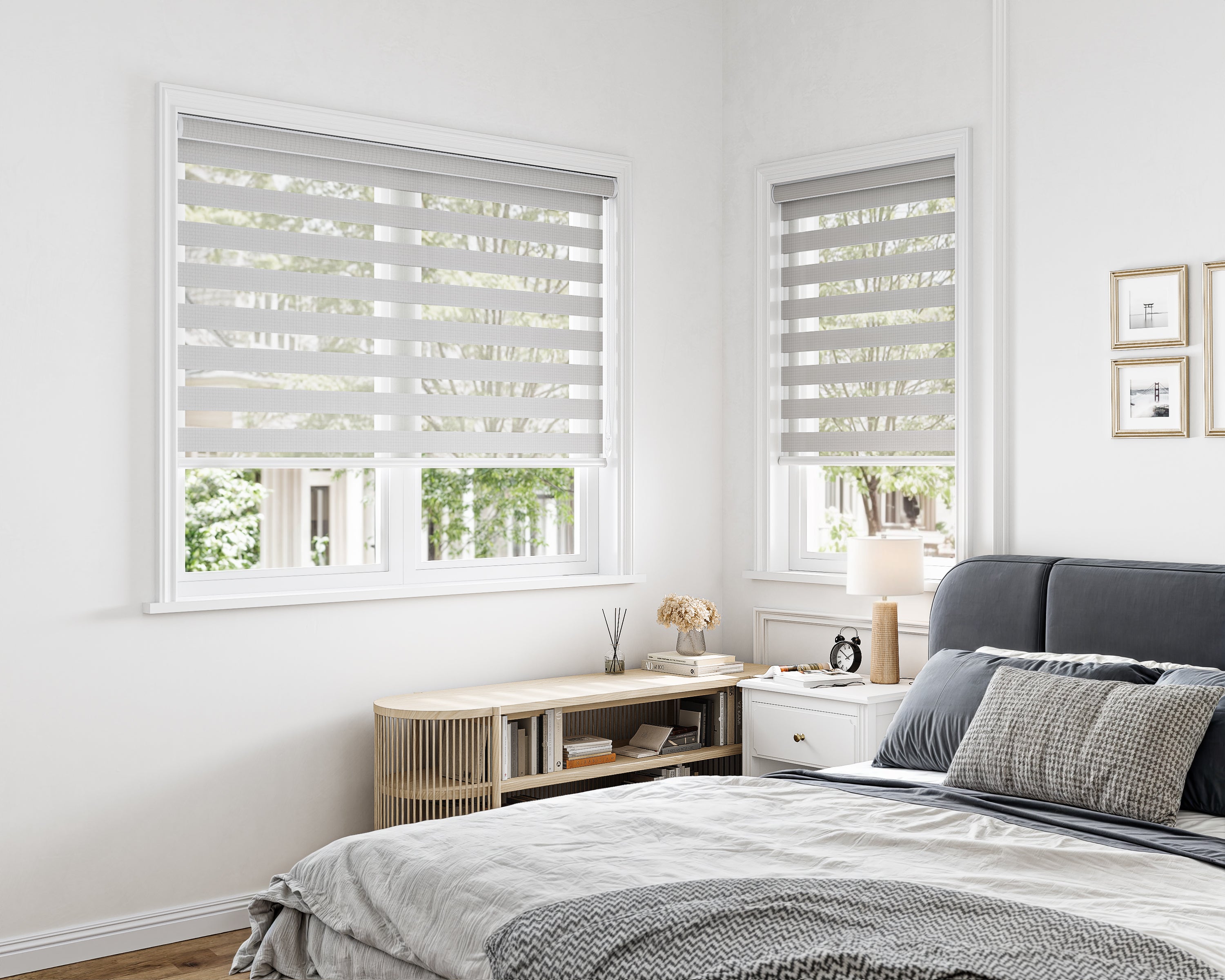
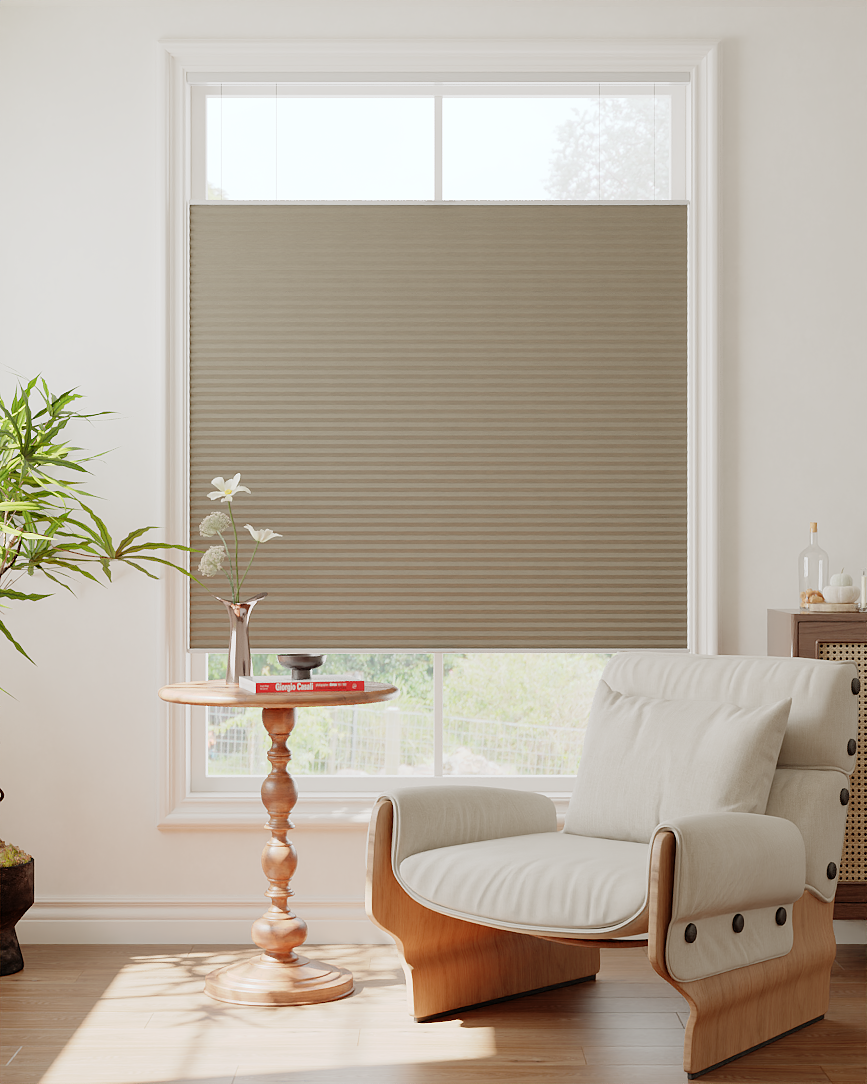
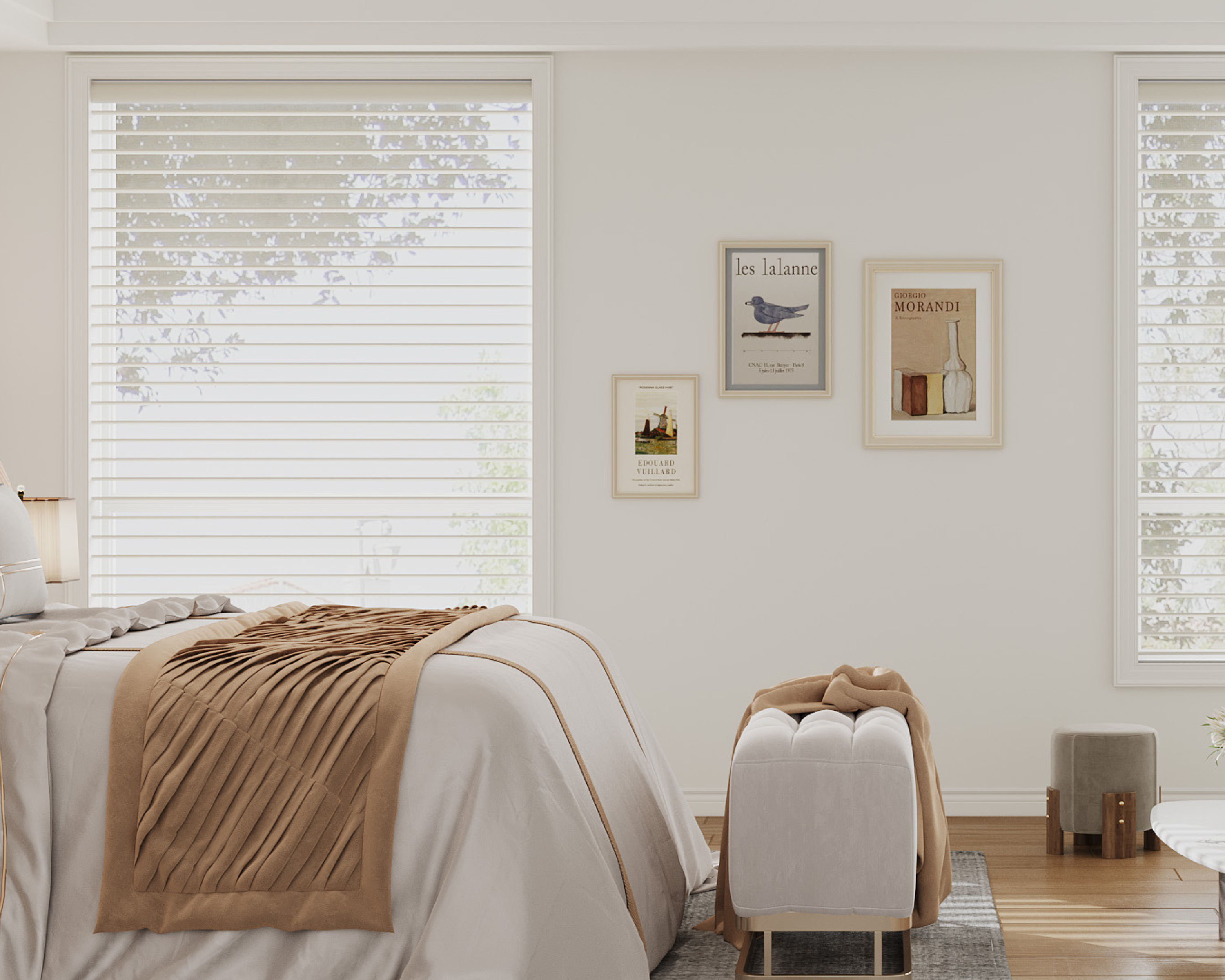
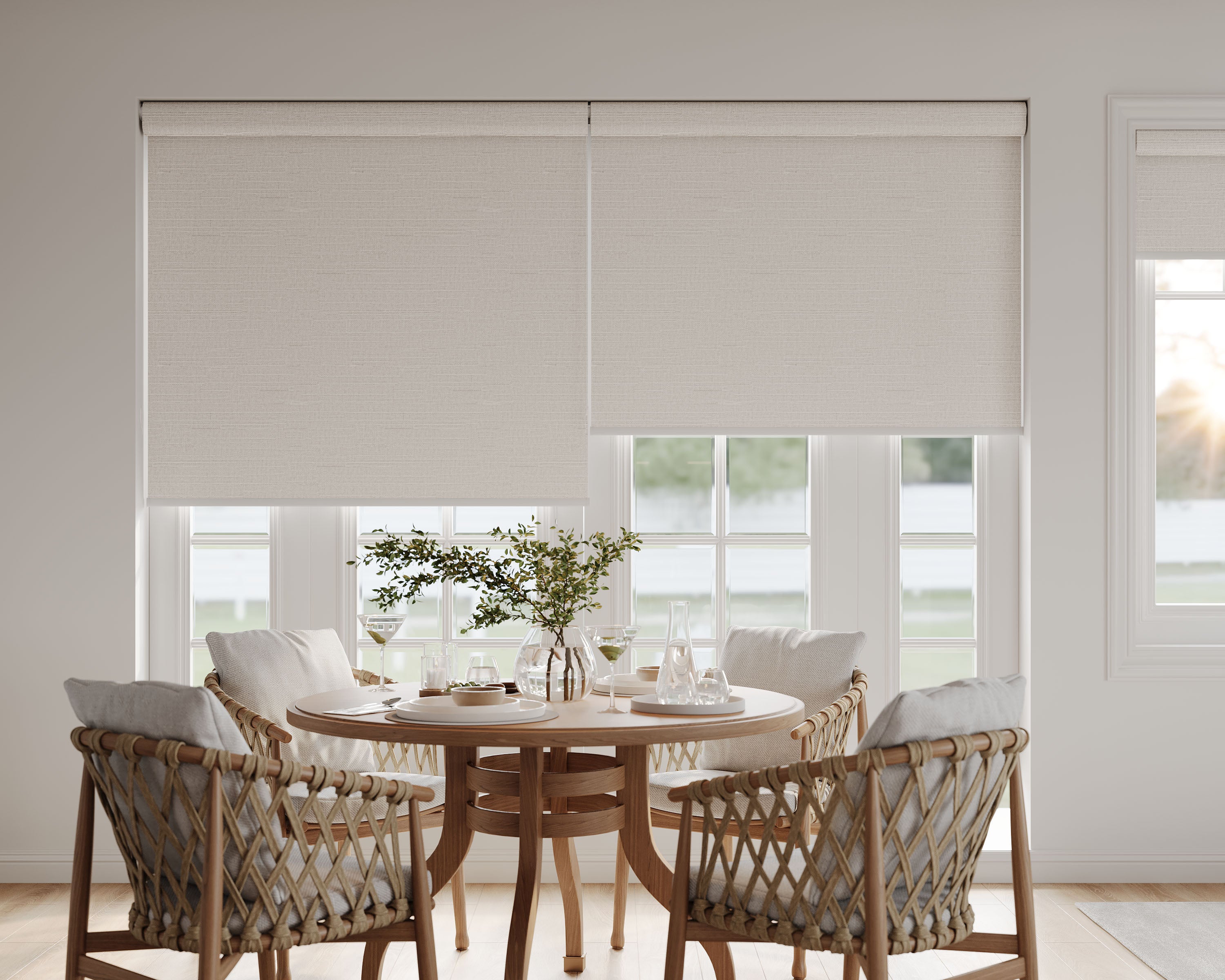


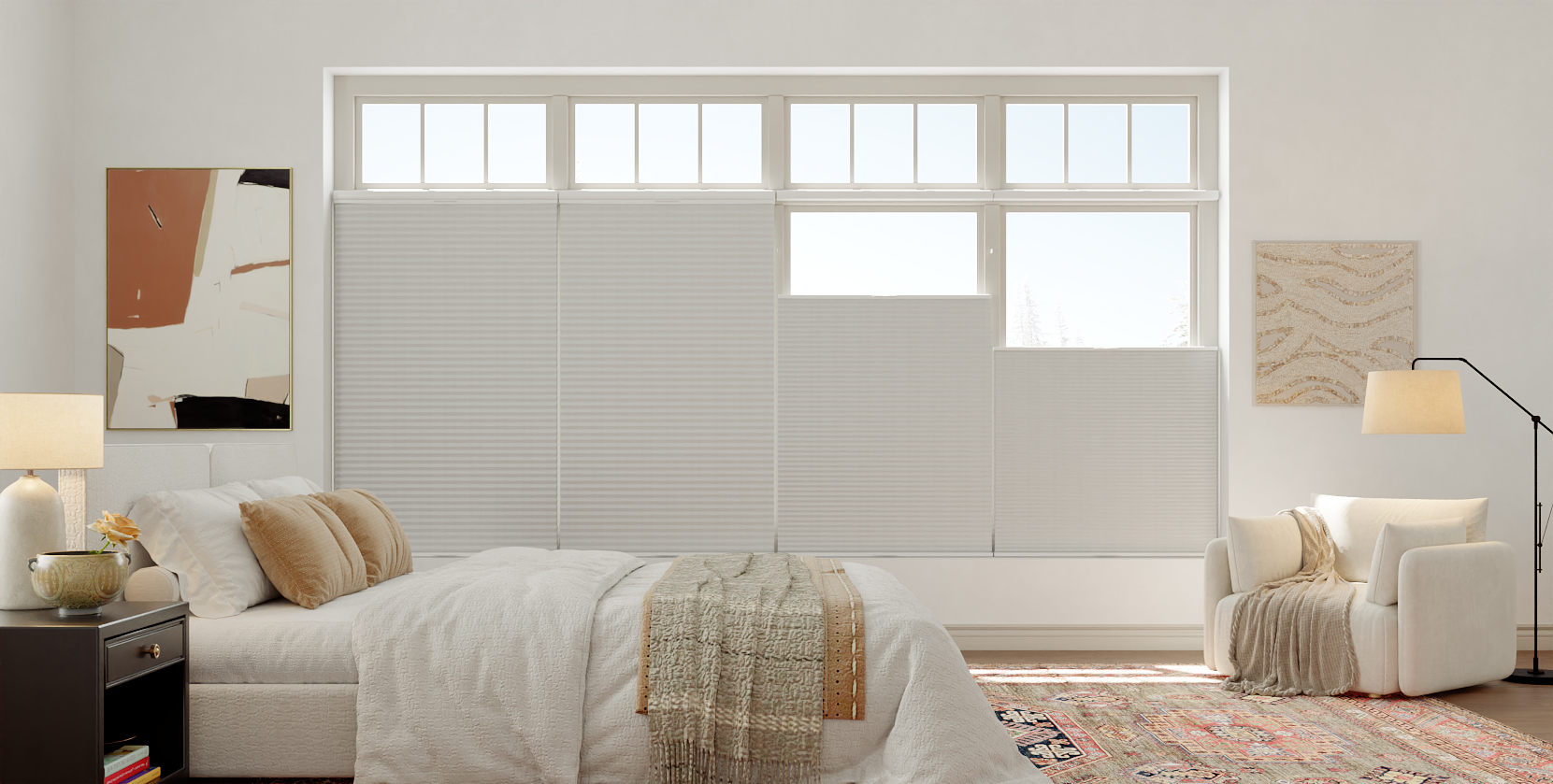


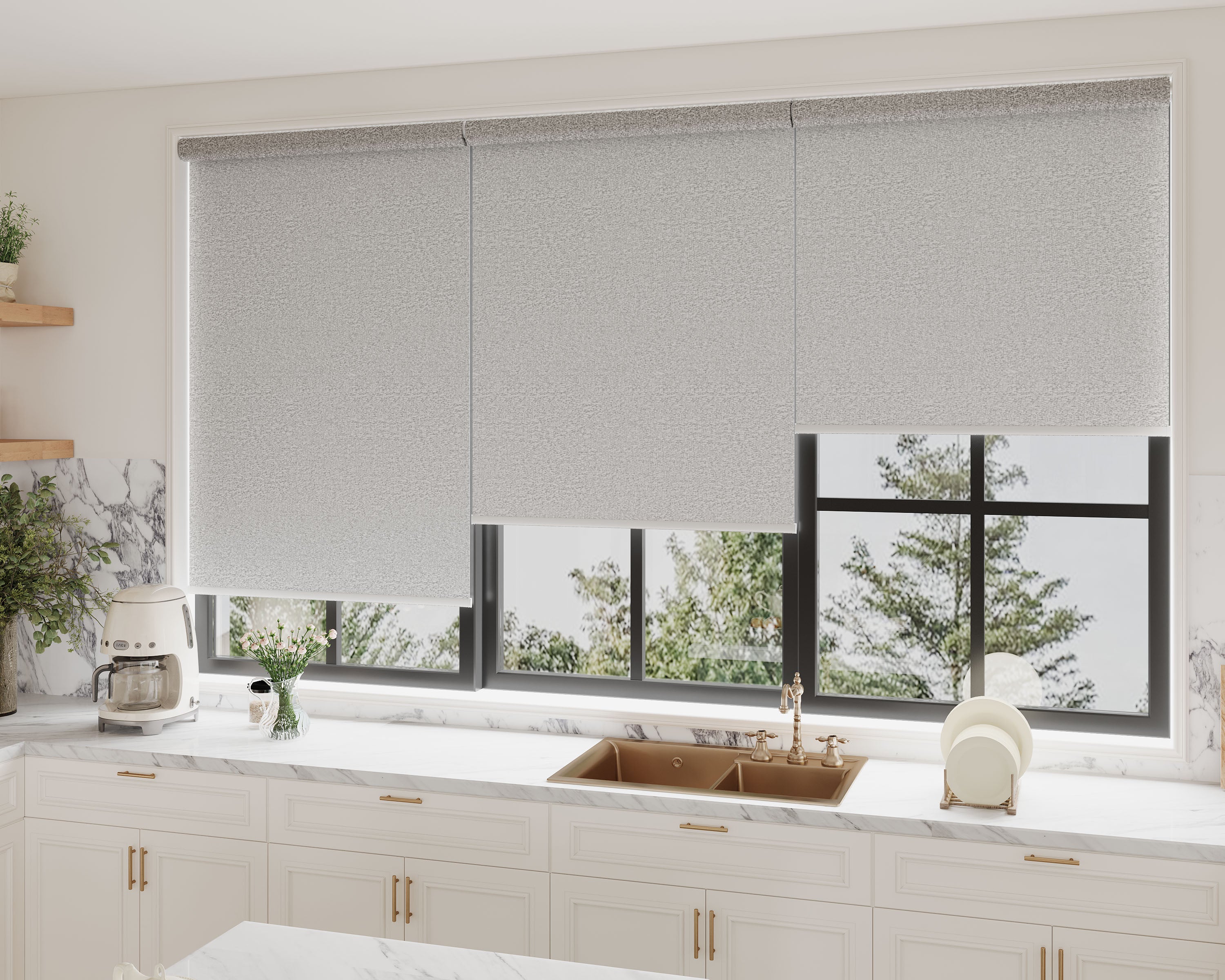

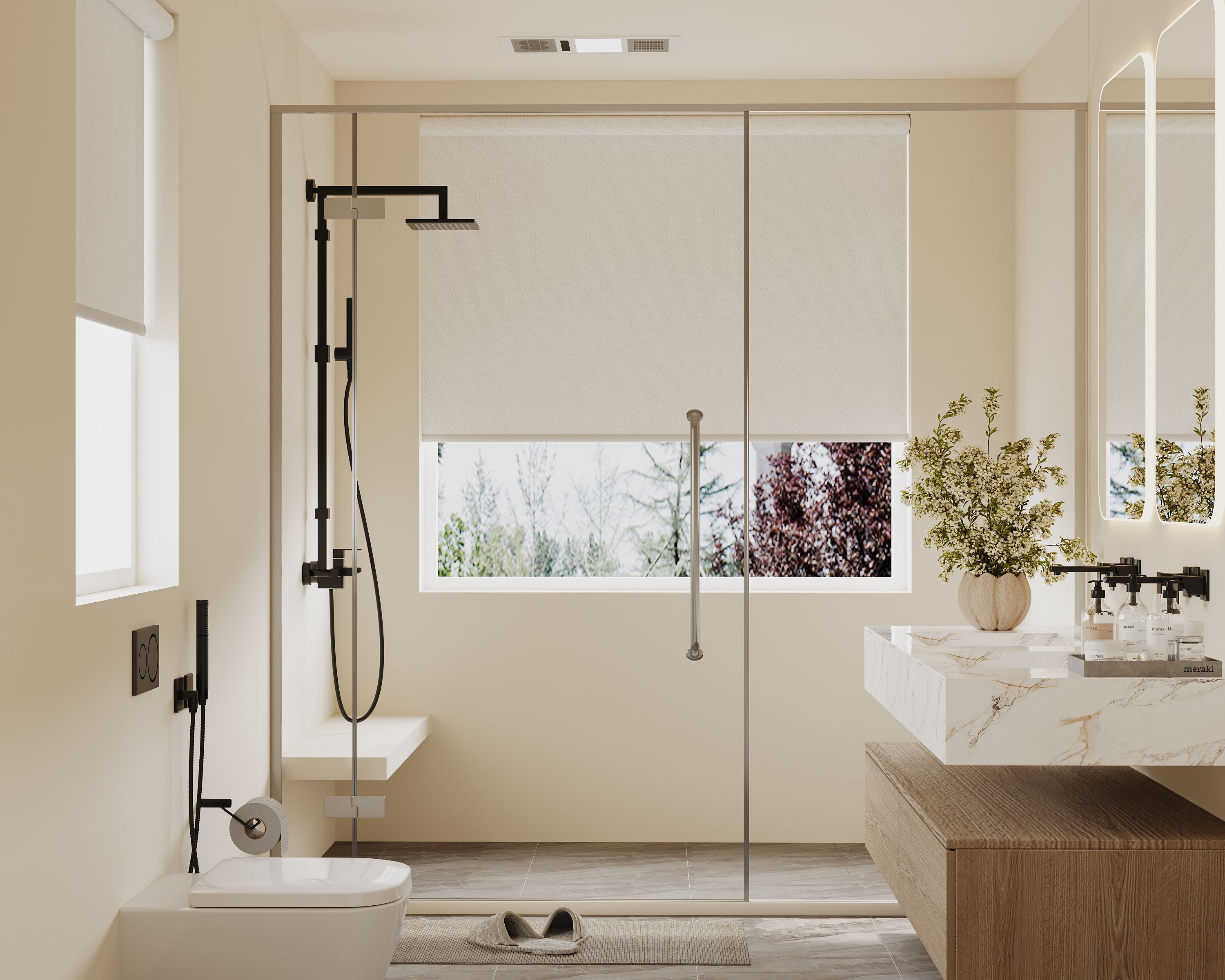


Choosing a window treatment for a bathroom means navigating a humid, splash-prone environment where standard fabrics can fail. You’ve likely seen the terms "waterproof" and "water-resistant" for bathroom roller shades, but what do they actually mean for your space? The difference isn't just marketing—it's a fundamental distinction in protection that determines whether your shade will survive steamy showers or succumb to moisture damage. This guide cuts through the fog to clearly define each term, show you how they perform in real bathroom scenarios, and provide a simple, decisive method to choose the right shield for your window.
We’ll clarify:
-
The Core Difference: The science behind waterproof barriers versus water-resistant coatings.
-
Real-World Bathroom Testing: How each type handles steam, splashes, and condensation.
-
The Selection Algorithm: A straightforward question (involving your shower) that reveals your best choice.
-
Care & Maintenance: How to clean and protect your shade for the long term.
Defining the Terms: Barrier vs. Coating
Understanding this distinction is the key to making a smart purchase.
Waterproof: The Impermeable Shield
-
Analogy: A rubber raincoat or a glass jar. It is designed to prevent water from passing through the material entirely.
-
How It Works: True waterproof fabrics, like certain vinyls (PVC) or laminated synthetics, are non-porous. They have a sealed surface that causes water to bead up and roll off.
-
The Realistic Promise: A waterproof fabric is designed to resist water penetration and moisture absorption. For bathroom windows exposed to direct shower spray, choose a product specifically designed for wet-zone use rather than relying on the fabric label alone.
Water-Resistant: The Protective Layer
-
Analogy: A nylon windbreaker or waxed cotton. It can handle a light drizzle for a while but will soak through under sustained or heavy exposure.
-
How It Works: A water-resistant fabric (like many polyesters) has a protective coating (e.g., a durable water repellent or DWR) applied to its fibers. This coating causes water to bead up initially.
-
The Realistic Promise: It provides protection against light splashes, spills, and humidity for a period of time. However, under prolonged exposure or direct pressure (like a shower spray), water will eventually penetrate.
Performance in the Bathroom: Steam, Splashes & Humidity
How do these definitions translate to your daily routine?
| Bathroom Challenge | Waterproof Roller Shade | Water-Resistant Roller Shade |
|---|---|---|
| High-Humidity Steam (from a hot shower) | Excels. The non-porous surface resists moisture absorption and is easy to wipe dry, making it well suited to humid bathroom conditions. | Good, with limits. Beads moisture initially. If constantly saturated by steam, the coating can be overwhelmed, allowing dampness that may promote mildew over time. |
| Direct Water Splashes (from sink or shower) | Best matched to the exposure. Standard waterproof roller shades are well suited to humidity and occasional splashes. For windows inside or immediately beside the shower zone, choose a premium waterproof model designed for frequent wet exposure. | Handles light splashes. May stain or spot if water sits. Heavy splashes can soak through. |
| Condensation on the Window | Excellent. The shade facing the cold window won't absorb the condensation, remaining dry. | Fair. May absorb condensation if in constant contact, leading to potential water marks or fabric weakening at the bottom edge. |
| Ease of Cleaning | Very Easy. The smooth waterproof surface is easy to wipe clean. Follow the care instructions for the exact product; SenseBlinds waterproof roller shades are designed for gentle cleaning with a soft, damp cloth. | Requires Care. Should be cleaned with a damp (not wet) cloth to avoid saturating the fabric. May require specific cleaners. |
The Deciding Factor: A Simple Selection Guide
Forget complex charts. The most important question for your bathroom is:
"Is the window inside the shower or bathtub splash zone, or directly adjacent to it?"
-
If YES → Choose a waterproof shade designed for wet-zone use. For a window inside or immediately beside the shower, choose a product specifically designed for frequent water exposure. SenseBlinds Premium Waterproof Blackout Roller Shades use a 60% PVC + 40% fiberglass fabric and are designed for shower and wet-zone windows.
-
If NO → A standard waterproof or water-resistant shade may be sufficient. For bathroom windows outside the direct shower zone, SenseBlinds Waterproof Blackout Roller Shades are made from 80% PVC + 20% polyester and are a practical choice for humidity, condensation, and occasional splashes.
Considerations for Specific Bathroom Types:
-
Powder Room / Half-Bath: No shower means minimal humidity. A water-resistant shade is perfectly adequate and offers more fabric/style choices.
-
Primary Bath with a Tub/Shower Combo: Focus on actual water exposure rather than distance alone. If the window stays outside the direct splash path, a standard waterproof or water-resistant shade may be sufficient. If it is exposed to regular shower spray, choose a wet-zone product.
-
Ensuite Bath with a Walk-In Shower: If the shower is glass-enclosed and the window is outside the enclosure, water-resistant may suffice. If the window is part of the shower wall, it must be waterproof.
Beyond Material: Features for Bathroom Longevity
The fabric is the first defense, but these features complete your bathroom-ready shade.
-
Anti-Microbial Treatment: This is a crucial add-on for any bathroom shade. It inhibits the growth of mold, mildew, and bacteria on the fabric itself, which is vital in a damp environment. Learn more about how anti-microbial coatings protect bathroom shades.
-
Cordless or Motorized Operation: Eliminates fabric loops that can trap moisture and become dirty. It's also a critical safety feature. Motorized shades offer the ultimate convenience and lack of physical contact.
-
Easy-Clean Surface: A smooth, non-textured fabric (like a faux-linen vinyl) is much easier to wipe clean than a heavily textured weave that can trap moisture and grime.
-
Proper Installation: A small gap for air circulation between the shade and the window (easier with an outside mount) can help reduce condensation buildup compared to a shade pressed tightly against the glass.
Maintenance & Care for a Healthy Bathroom Shade
Even the best shade needs proper care. Regular maintenance prevents problems.
-
Regular Wipe-Downs: Every few weeks, wipe your shade with a dry or slightly damp microfiber cloth to remove dust and mineral deposits from evaporated water.
-
Deep Cleaning: For waterproof shades, start with a soft, damp cloth and follow the care instructions for the exact product. For water-resistant shades, avoid saturating the fabric. Our general guide on cleaning roller shades safely provides a safe framework.
-
Ventilation is Key: Always run the bathroom exhaust fan during and for 15-20 minutes after a shower to remove humid air from the room, protecting not just your shade but your walls and ceiling.
Final Decision Checklist
Answer these questions to lock in your choice.
| Question | If Your Answer is... | Your Best Shade Type |
|---|---|---|
| 1. Will the shade get hit with shower spray? | Yes | PREMIUM WATERPROOF ROLLER SHADE |
| 1. Will the shade get hit with shower spray? | No | Proceed to Question 2. |
| 2. Is the window inside or immediately beside the shower splash zone? | Yes | Choose PREMIUM WATERPROOF. |
| 2. Is the window inside or immediately beside the shower splash zone? | No | Proceed to Question 3. |
| 3. Is this for a high-humidity bathroom (steamy showers daily)? | Yes | STANDARD WATERPROOF or suitable WATER-RESISTANT. |
| 3. Is this for a high-humidity bathroom (steamy showers daily)? | No | WATER-RESISTANT is sufficient. |
Your Next Steps:
-
Assess Your Bathroom: Use the checklist above to determine your needed level of protection.
-
Explore Moisture-Resistant Options: Read our dedicated guide to the best fabrics for kitchens, baths, and laundry rooms.
-
Select Your Shade: Browse suitable materials in the roller shades collection.
-
Plan for Care: Understand how to clean your new shade without causing damage.
-
Consider Extra Protection: For high-humidity areas, look into shades featuring anti-microbial coatings.
Choose the Right Waterproof Roller Shade for Your Bathroom
Both options provide blackout privacy, but they are designed for different bathroom locations. Choose based on whether your window sits outside the shower zone or inside a wet area.


A practical waterproof option for bathroom and kitchen windows exposed to humidity and occasional splashes.
- 80% PVC + 20% polyester fabric
- Blackout privacy
- Easy-clean waterproof surface
- Ideal for humid bathrooms outside the direct shower zone

The stronger choice for windows installed inside or near shower areas where frequent splashes and wet conditions are expected.
- 60% PVC + 40% fiberglass fabric
- Blackout privacy
- Fiberglass-reinforced waterproof construction
- Designed for shower-adjacent and wet-zone windows
Frequently Asked Questions
Can I use a "water-resistant" shade in a bathroom with no exhaust fan?
It is risky. Without an exhaust fan, humidity lingers much longer, dramatically increasing the chance that moisture will eventually penetrate a water-resistant coating. In this scenario, choosing a waterproof shade or installing a fan is strongly advised to prevent mold and fabric damage.
I already have a fabric shade in my bathroom. Can I make it waterproof?
You cannot transform a standard fabric shade into a truly waterproof one. You can apply a fabric protector spray, which will add a layer of water resistance, but this is a temporary solution and will not make it impervious to direct water or sustained humidity. For a wet environment, replacement with a properly rated shade is the most reliable solution.
Are there any natural materials that are waterproof?
Genuinely waterproof natural materials for roller shades are very rare. Some woven woods or bamboo shades may have a synthetic coating that offers water resistance, but they are generally not suitable for high-moisture areas. For bathroom reliability, synthetic materials like vinyl or coated polyester are the standard and most effective choices, as noted in our deep dive on material properties.
How do I remove mold or mildew spots from my bathroom shade?
Start with the care instructions for your exact shade. For SenseBlinds waterproof roller shades, use a soft, damp cloth for routine cleaning. Do not assume bleach, vinegar, disinfectant wipes, or stronger cleaners are safe unless the product instructions specifically allow them. If mold or mildew keeps returning, review the room's ventilation and moisture exposure as well as the shade itself.
