


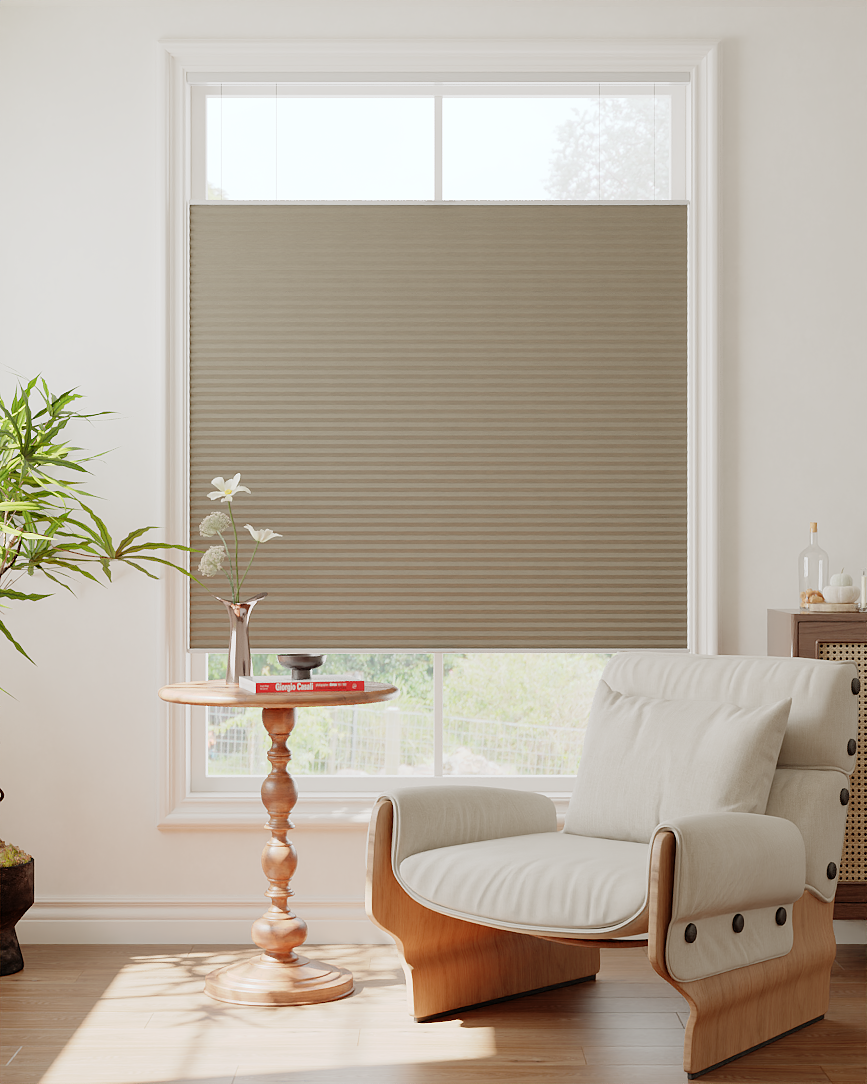
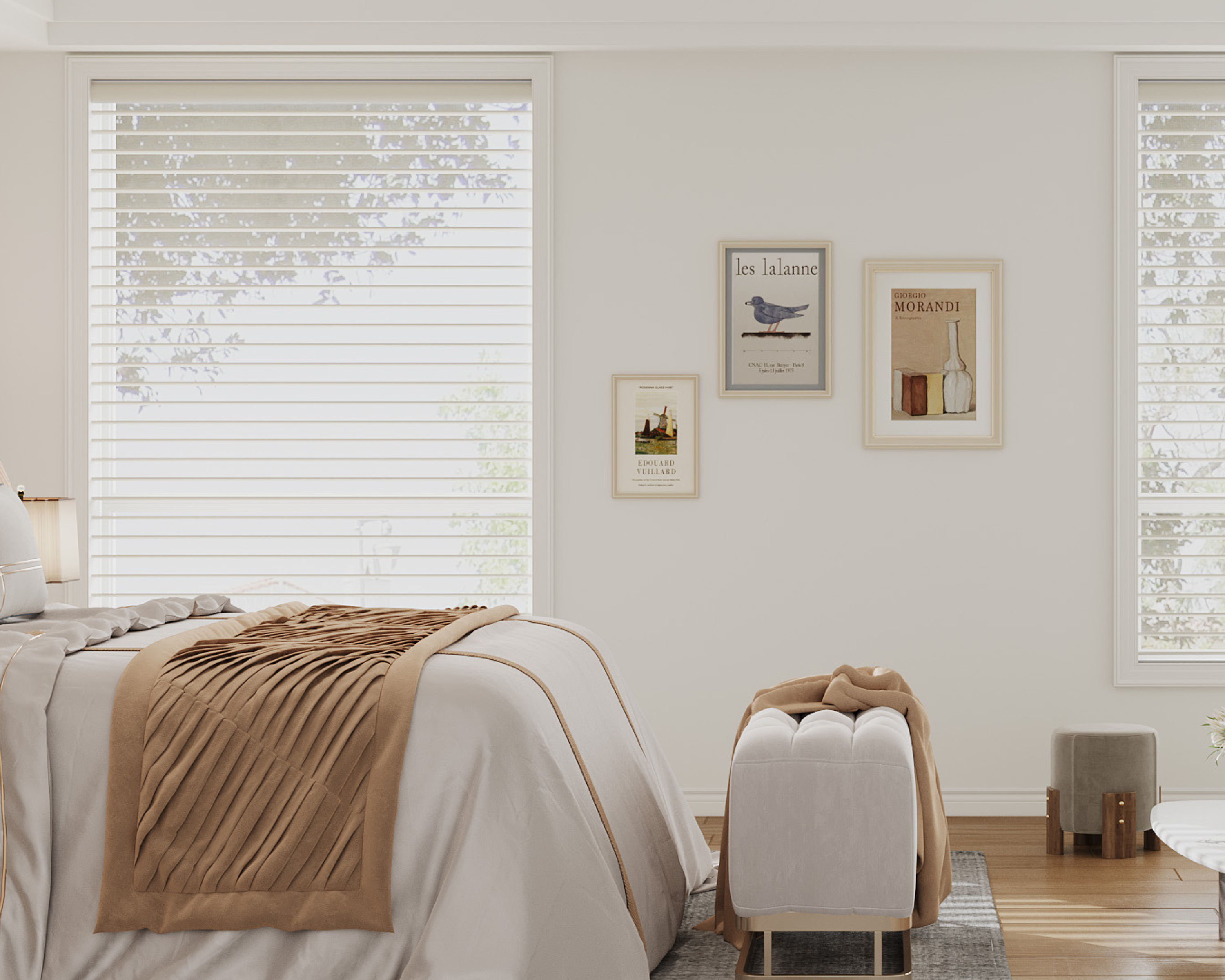
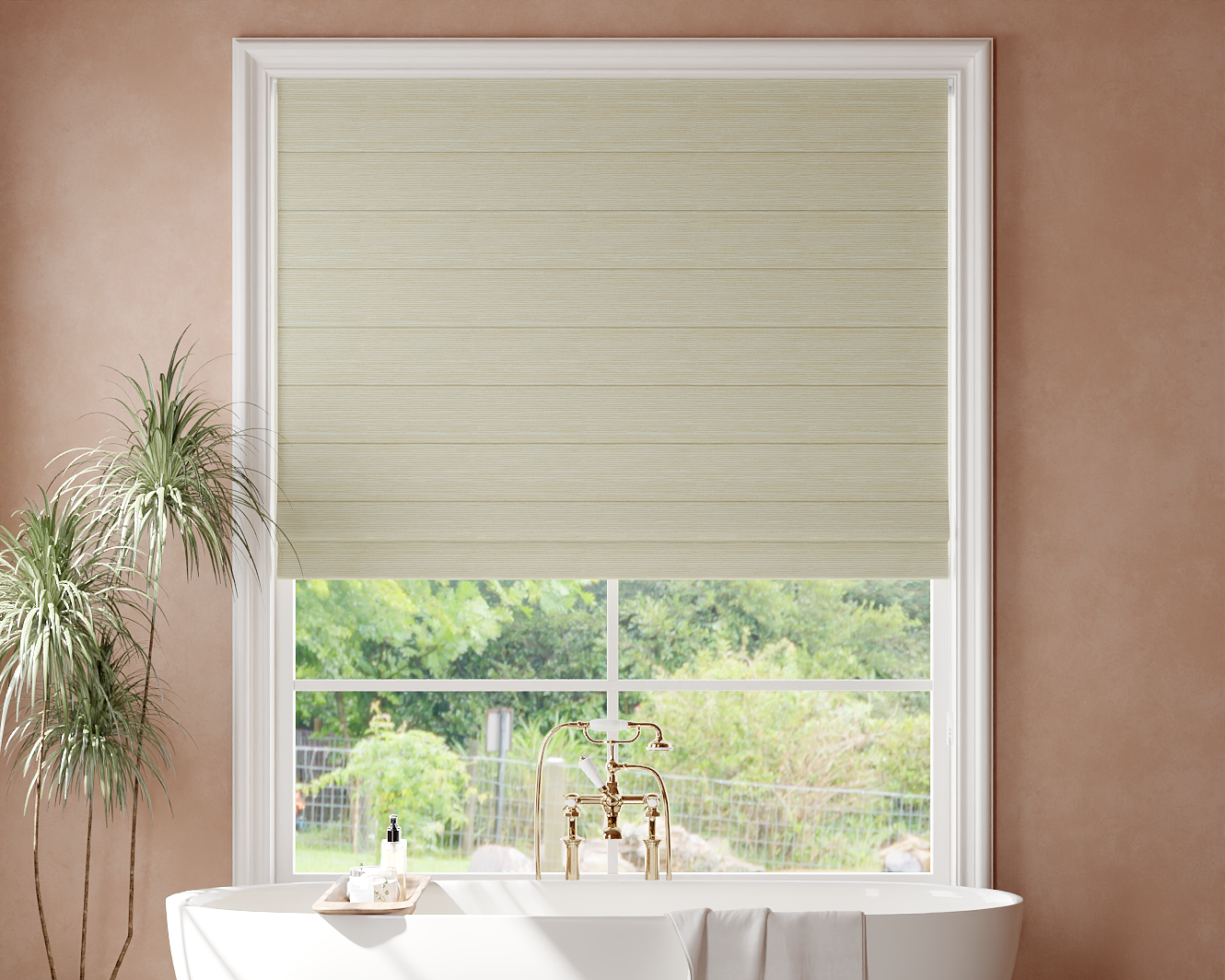
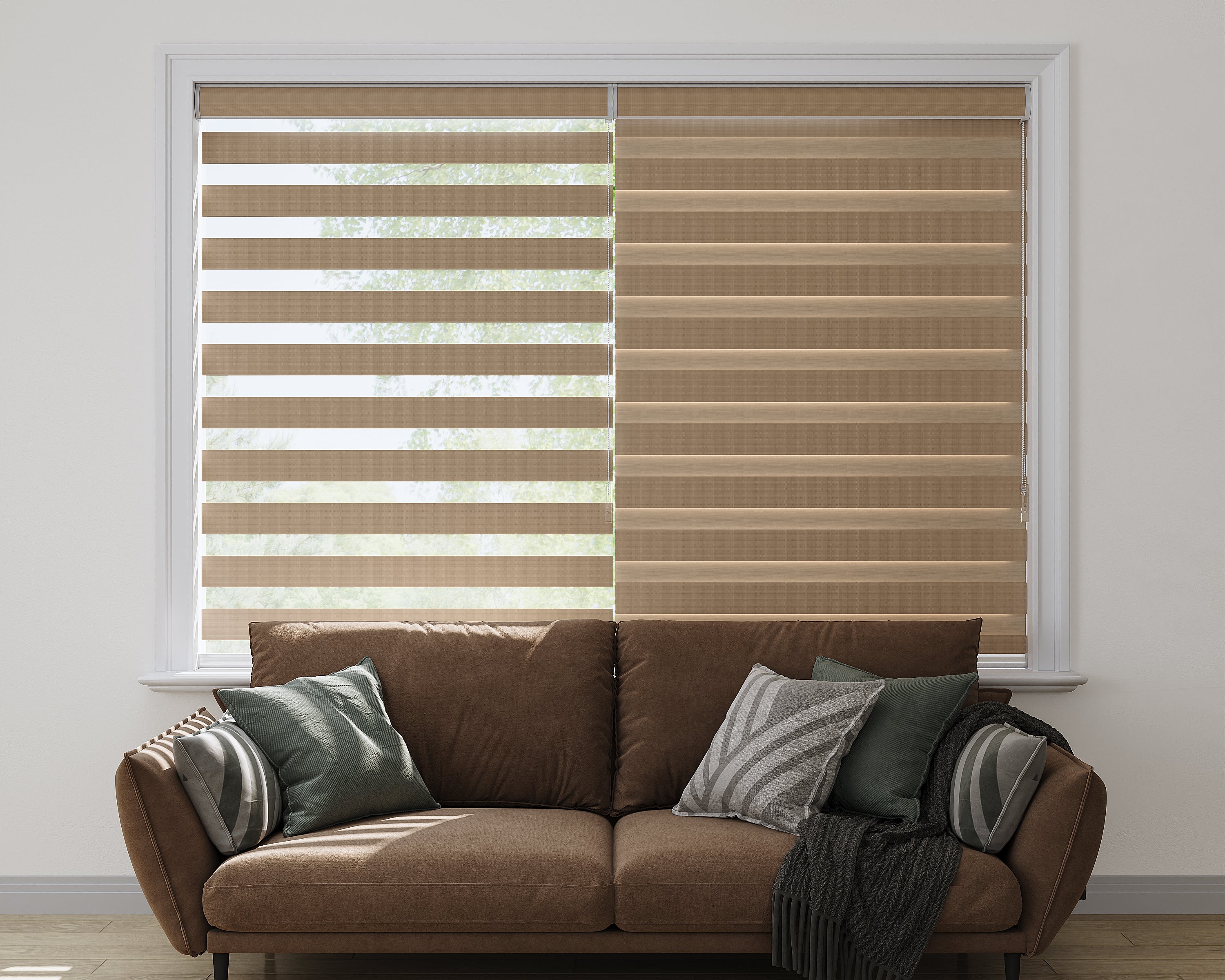









A layer of dust, a mysterious spot, or everyday grime can dim the beauty of your roller shades. The instinct to grab a cleaner and wipe them down is strong, but that's the fastest way to cause permanent damage. The single rule for cleaning roller shades is this: the fabric type dictates the method. Cleaning a vinyl kitchen shade is worlds apart from cleaning a linen living room shade. This guide cuts through the confusion with a simple fabric-first approach, giving you the confidence to clean effectively, safely, and keep your shades looking their best for years.
We’ll cover:
-
The Golden Rule of Fabric Identification: How to know what you're cleaning.
-
The Universal First Step: Safe, regular maintenance for all shades.
-
Fabric-Specific Deep Cleaning: Tailored methods for vinyl, polyester, linen, and woven wood.
-
Stain Troubleshooting & Hardware Care: Tackling spots and cleaning non-fabric parts.
The First Step: Identify Your Fabric
You must know your shade's material before applying any liquid or cleaner. If you no longer have the tag or order information, our deep dive into materials like linen, vinyl, and bamboo can help you identify common traits.
-
Vinyl/Faux Leather: Feels plastic-like, smooth, often used in bathrooms and kitchens. The most water-tolerant.
-
Polyester & Synthetic Blends: Most common. Feels like a typical fabric, often with a slight sheen. Generally durable.
-
Natural Fibers (Linen, Cotton, Wool): Has a natural, often textured feel. Can be prone to shrinking, water spots, and fading.
-
Woven Wood (Bamboo, Grasses, Jute): Natural, rigid slats woven with threads. Very sensitive to moisture.
Universal Maintenance: The "No-Risk" Regular Clean
For general dust and allergens, this method is safe for all roller shade fabrics and should be your go-to monthly routine.
What You'll Need: A vacuum cleaner with a brush attachment, a soft microfiber cloth, and, for higher reaches, a sturdy ladder.
The Process:
-
Fully lower the shade to access the entire surface.
-
Set your vacuum to its lowest suction setting and attach the soft brush tool.
-
Gently vacuum the fabric in long, vertical strokes from top to bottom, holding the back of the shade with your free hand to stabilize it. This prevents the fabric from being pulled into the vacuum.
-
Wipe the hardware: Use a dry microfiber cloth to dust the top roller, side brackets, and bottom rail. For cordless mechanisms, ensure no dust is clogging the movement points.
Fabric-Specific Deep Cleaning Guide
When vacuuming isn't enough, refer to this table for targeted cleaning. Always test any cleaner on a small, inconspicuous area first (like the very bottom back) and let it dry completely to check for discoloration.
| Fabric Type | Safe Cleaning Method | What to AVOID |
|---|---|---|
| Vinyl / Faux Leather | Damp cloth with mild soap (dish soap) & warm water. Wipe, then rinse with a clean damp cloth. Dry with a towel. | Abrasive scrubs, bleach, ammonia (Windex), which can degrade the vinyl. |
| Polyester & Synthetics | Light spotting with a damp cloth. For overall cleaning, consider a fabric-safe upholstery cleaner used sparingly. | Soaking the fabric. Excess water can seep into the roller tube, causing rust or mildew inside the mechanism. |
| Linen, Cotton, Wool | Dry methods only. Use a fabric-specific dry cleaning sponge or a slightly damp (wrung-out) microfiber cloth for spot treatment. Blot, don't rub. | Liquid water, steam cleaners. This will cause water rings, shrinkage, and may warp the fabric on the roller. |
| Woven Wood / Bamboo | Dry dusting only. Use the vacuum brush attachment or a soft, dry cloth. For stuck-on grime, a barely-damp cloth immediately followed by a dry cloth. | Saturating the wood/grass, which will cause warping, swelling, and mold. |
General Process for Damp Cleaning (Vinyl/Polyester Spotting):
-
Mix a few drops of mild dish soap into a bowl of lukewarm water.
-
Dampen a soft, white cloth (color-safe) and wring it out thoroughly. The cloth should be damp, not wet.
-
Gently dab or wipe the soiled area, working from the outside of the stain inward.
-
"Rinse" by dabbing with a cloth dampened with clean water.
-
Dry immediately and completely with a clean, absorbent towel.
Troubleshooting Stains & Cleaning Hardware
Even with care, accidents happen. The principle of "less is more" still applies.
Common Stain Tips:
-
Grease/Food (Kitchen): For vinyl, a mild degreaser diluted in water may work. For other fabrics, a dry cleaning sponge is safest.
-
Water Spots/Minerals: On vinyl, a 50/50 mix of white vinegar and water can help. Test first! On other fabrics, this is very difficult to remove without spreading; gentle dabbing with distilled water may help.
-
Ink/Marker: Rubbing alcohol on a cotton swab can work on vinyl. For other fabrics, a specialty fabric stain remover applied minimally is the only hope.
Cleaning Non-Fabric Parts:
-
Roller Tube & Brackets: Dust with a dry cloth. For grease or grime on the mechanism, a tiny amount of isopropyl alcohol on a cotton swab can clean metal parts without dripping onto the fabric.
-
Bottom Rail: Wipe with a damp cloth and dry. Check if it's removable for easier cleaning.
-
Cordless Clutch: Keep dust-free with a dry cloth. Avoid forcing liquid into the clutch mechanism.
Prevention & Care Schedule
The best cleaning is the one you rarely need. Integrate shade care into your seasonal home maintenance checklist.
-
Weekly/Monthly: Light dusting with a microfiber duster or vacuum brush attachment.
-
Seasonally: Perform the full universal vacuum clean.
-
As Needed: Spot-clean using your fabric-specific guide.
-
Pro Tip: In high-splash zones like kitchens, choosing moisture-resistant fabrics from the start makes cleaning a simple wipe-down.
Final Checklist: Cleaning Roller Shades Safely
Before you start any cleaning beyond dusting, run through this list.
| Step | Action | ✅ |
|---|---|---|
| 1. Identify | I have determined my shade's fabric type (vinyl, polyester, linen, woven wood). | |
| 2. Test | I have tested my cleaning solution on a hidden area and it dried without damage. | |
| 3. Use Gentle Tools | I am using a soft cloth, low suction, and mild cleaners. | |
| 4. Avoid Soaking | My cleaning cloth is damp, not wet, and I will dry the area immediately. | |
| 5. Protect Mechanism | I am preventing water or cleaner from running into the top roller tube. |
Your Next Steps:
-
Identify Your Fabric: If unsure, use our material guide for clues.
-
Start with Vacuuming: Perform the universal dry clean for a quick refresh.
-
Address Spots Carefully: Use the fabric-specific table above for targeted cleaning.
-
Plan for the Future: Consider fabric cleanability when selecting new roller shades for high-traffic areas.
Explore Custom Roller Shades


Frequently Asked Questions
Can I take my roller shades down to wash them in the bathtub or shower?
Almost never. Submerging a roller shade can destroy it. Water will seep into the roller tube mechanism, causing rust and mold, and will likely warp or shrink the fabric and backing. The only possible exception might be a fully waterproof vinyl shade removed from its roller, but this is risky and not recommended by manufacturers.
Is it safe to use a steam cleaner on roller shades?
No. Steam introduces intense heat and moisture, which can shrink fabrics, loosen adhesives in layered shades (like blackout liners), and warp components. The risk of irreversible damage is very high.
How do I clean white or light-colored roller shades that have yellowed?
Yellowing on synthetic fabrics is often due to UV degradation or tobacco smoke and can be difficult to reverse. On vinyl, a paste of baking soda and water gently applied can help. For fabric shades, yellowing is typically permanent. Prevention via UV-protective fabrics or regular dusting to prevent dirt buildup is key.
Can I use furniture polish or dusting sprays on my shades?
Do not use furniture polish, as it can leave a sticky residue that attracts more dust. For dusting, a dry microfiber cloth is most effective. If you want a light scent, you can spray a very small amount of a fabric freshener onto the cloth first, not directly onto the shade.
How do I clean roller shades that are mounted inside a window frame (inside mount)?
The process is the same, but access can be trickier. You may need to fully extend the shade and clean one section at a time, being careful not to push against the shade too hard where it's close to the window glass. A vacuum brush attachment is especially useful here.
