






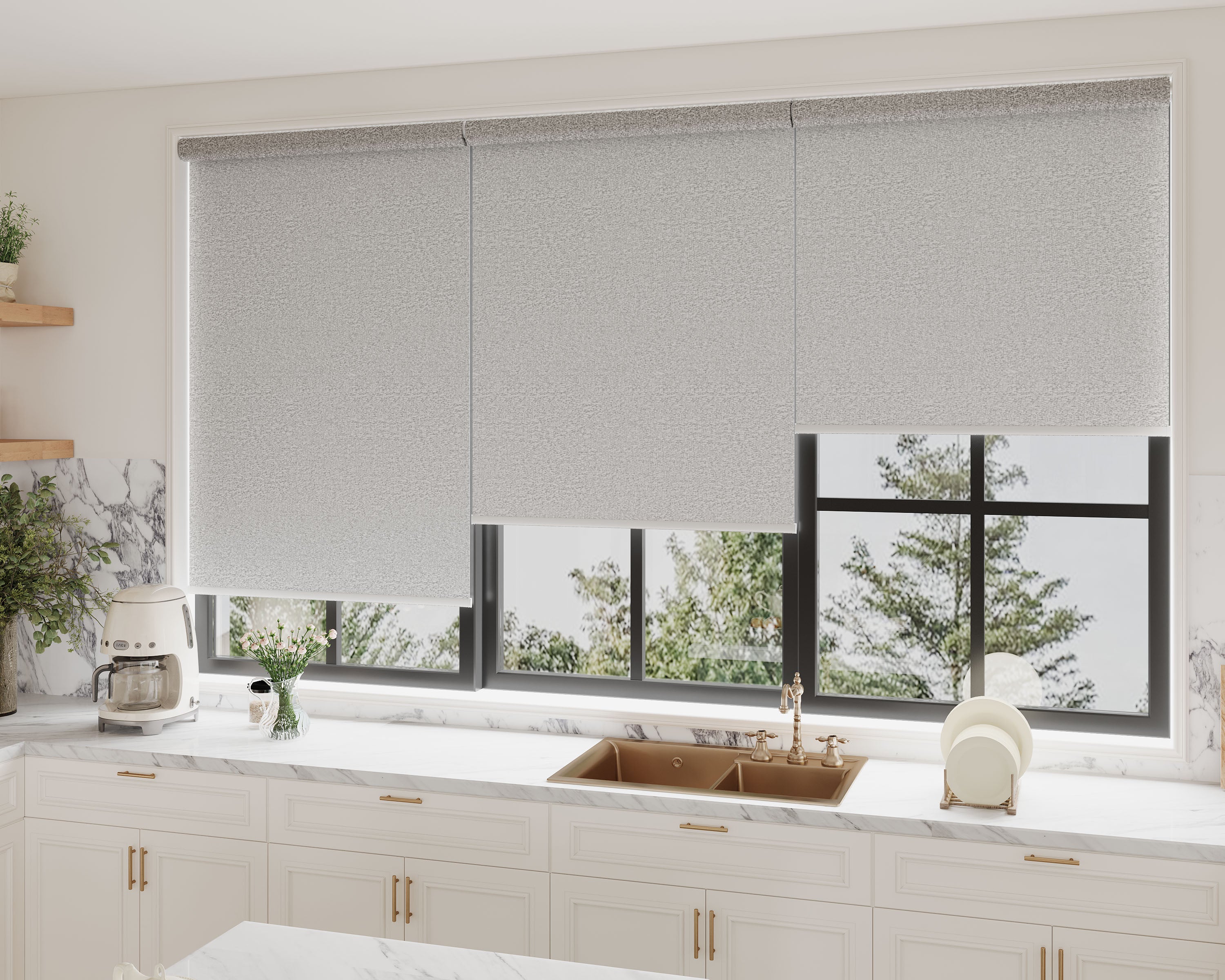

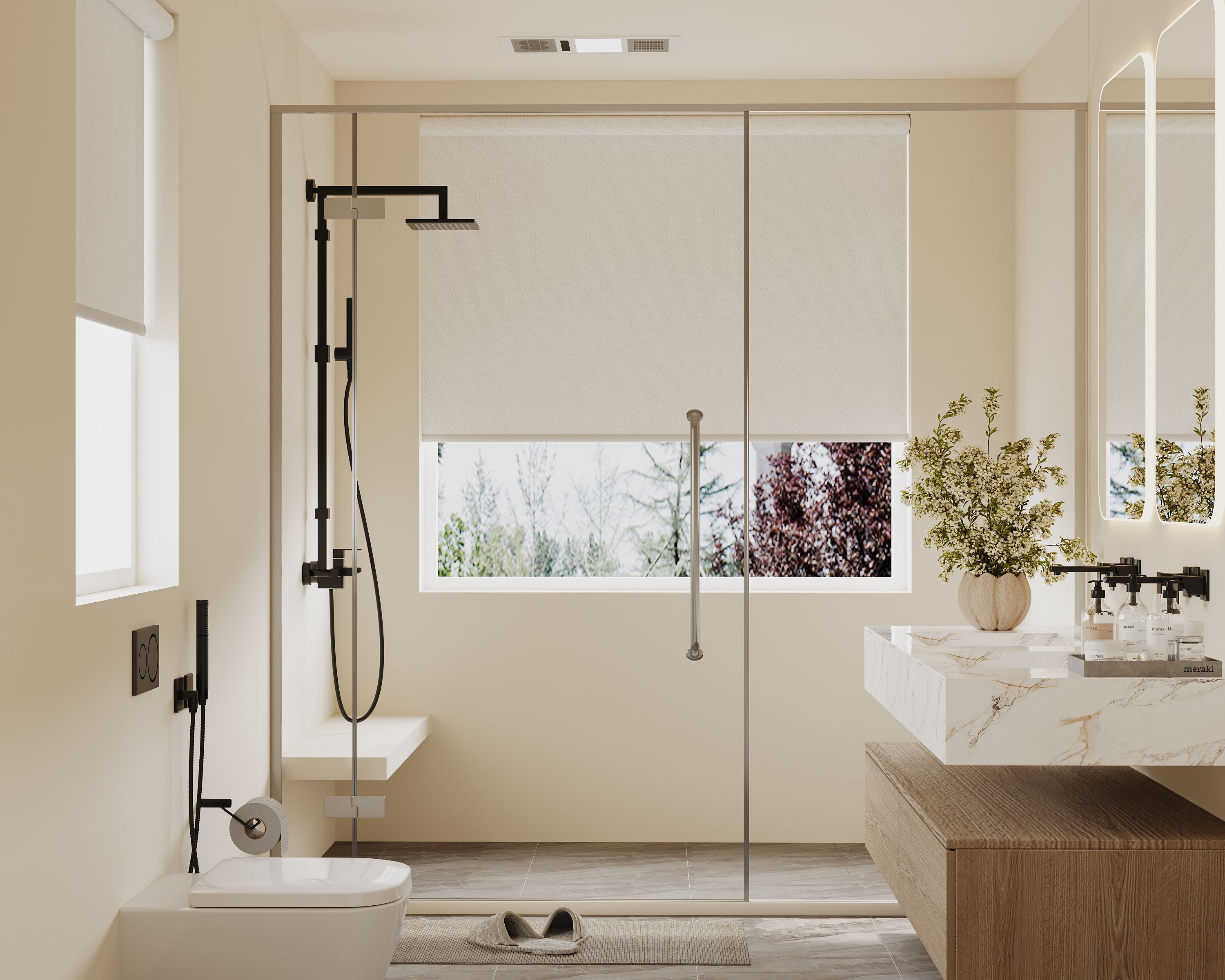


Unboxing your new cordless roller shades brings you one step closer to a refreshed room. The final step—installation—might seem daunting, but with the right guidance, it’s a straightforward DIY project that saves you time and money. The secret to a flawless install isn’t just about turning screws; it’s about precise preparation and understanding a few key techniques. This guide will walk you through the entire process, from gathering your tools to making the final micro-adjustments, ensuring your shades hang perfectly, operate smoothly, and look professionally installed.
Here’s what we’ll cover:
-
Pre-Installation Check: Verifying your tools and the most important prerequisite.
-
Bracket Placement & Leveling: The foundational step for a straight shade.
-
Master Mounting Techniques: How to install securely on drywall, trim, or tile.
-
Hanging & Testing: Attaching the shade and fine-tuning its operation.
-
Troubleshooting: Quick fixes for common post-install issues.
Pre-Installation: The One Thing You Must Get Right
You cannot install a shade correctly if it’s the wrong size. Before you pick up a drill, confirm this:
Your Shades Were Ordered for the Correct Mount and Size.
This entire process is determined by one decision you made when ordering: inside mount or outside mount. If you’re unsure why you chose one or need clarity, reviewing our guide on choosing between an inside or outside mount is essential. Your brackets and instructions are specific to this choice.
Gather Your Tools & Hardware:
You likely have most of these:
-
Tools: A power drill, drill bits, a Phillips screwdriver, a steel tape measure, a pencil, and a 4-foot level (a small level is not accurate enough for this job).
-
Hardware: The brackets, screws, and wall anchors provided in your kit. Have a few extra drywall anchors on hand just in case.
Step 1: Dry-Fit & Mark Bracket Placement
Do not drill immediately. Always test and mark first.
For an INSIDE MOUNT:
-
Hold the bracket up inside the top of the window recess (the inside top of the frame).
-
Use your level placed across the bracket mounting tabs (not the window sill) to ensure it is perfectly horizontal. The window frame itself may not be level.
-
Once level, lightly mark the screw holes with a pencil. Mark both left and right bracket positions.
For an OUTSIDE MOUNT:
-
Decide how high above the window you want the shade to be. For full coverage, 2-3 inches above is standard.
-
Hold the bracket against the wall or window trim. Use your long level to align the brackets perfectly with each other, left to right.
-
Mark the screw holes. Accuracy here is critical for a straight shade.
Step 2: Drill Pilot Holes & Install Brackets
This is where you ensure a secure, long-lasting hold.
Choosing the Right Fastener:
-
Into a Wooden Window Frame or Wall Stud: Use the provided wood screws. Drill a small pilot hole slightly smaller than the screw diameter to prevent splitting.
-
Into Drywall (No Stud): You must use the provided plastic wall anchors. Drill a hole the exact size specified for the anchor, tap it in gently until flush, then drive the screw into the anchor.
-
Into Tile, Brick, or Masonry: You will need a specialty drill bit (masonry bit) and appropriate anchors (like toggle bolts). Drill slowly to avoid cracking tile.
The Installation Process:
-
Drill your pilot holes at the marked points.
-
Start each screw by hand to ensure it’s straight, then use the drill/driver to secure it. Do not over-tighten, as this can warp the bracket.
-
Double-check that both brackets are solid and do not wiggle.
Step 3: Hang the Shade & Engage the Mechanism
With brackets secure, this step is satisfyingly simple.
-
Tilt the Shade: Most cordless roller shades have a spring-loaded mechanism. Tilt the top of the shade (the roller tube) toward you.
-
Insert One Side: Slide the pin or hook on one end of the shade into its corresponding bracket. You should feel it seat securely.
-
Compress and Insert the Other Side: Gently push the opposite side of the shade inward to compress the mechanism, and slide that pin into its bracket. Release slowly.
-
Test the Engagement: Give the shade a gentle tug downward. It should stay locked in the brackets. The bottom bar should hang freely.
Step 4: Test Operation & Make Final Adjustments
Installation isn’t complete until the shade operates perfectly.
-
Test the Lift: Gently pull down on the bottom rail to lower the shade. To raise it, give the bottom rail a slight upward push and release—it should retract smoothly. The cordless mechanism relies on this gentle touch.
-
Check for Level: Look at the bottom bar across the room. If it’s noticeably crooked, you may need to adjust the bracket height on one side. Minor adjustments can often be made by placing a thin shim (like a washer) behind one bracket. For solutions, see our guide on leveling a crooked shade after install.
-
Cycle Fully: Lower and raise the shade completely 3-4 times to ensure smooth operation from top to bottom.
Troubleshooting Common Installation Issues
Even with careful work, you might encounter one of these. Don’t worry—they’re all fixable.
| Problem | Likely Cause | Quick Solution |
|---|---|---|
| Shade is crooked. | Brackets are not level with each other. | Loosen one bracket, place a level across both, re-tighten. Use shims if the wall is uneven. |
| Shade doesn't roll up smoothly or drifts down. | The mechanism isn't fully engaged in the bracket, or it needs a slight adjustment. | Remove and re-hang the shade, ensuring both ends click in. For persistent drift, the spring tension may need a minor adjustment (see manufacturer guide). |
| Bracket feels loose. | Screw hit drywall without an anchor, or anchor isn’t set. | Install a larger or more robust wall anchor in a new hole nearby. |
| Shade rubs against window frame. | For inside mount, width measurements were too tight, or window isn't square. | Verify you used the smallest of three width measurements. A slight rub may wear in; a major rub may require remounting brackets slightly outward. |
Safety & Final Checklist
Cordless shades are a fantastic safe choice for homes with kids and pets. Ensure your install is just as safe.
Before you consider the job done, run through this final check:
| Task | Checkpoint | ✅ |
|---|---|---|
| Security | All brackets are firmly attached with no movement. | |
| Level | The bottom bar of the lowered shade appears level from across the room. | |
| Operation | The shade raises and lowers smoothly with the cordless mechanism. | |
| Clearance | The shade doesn't catch or drag on the window sill or frame at any point. | |
| Hardware | All extra screws and parts are stored with the manual for future reference. |
Your Next Steps:
-
Measure Twice: If you haven't ordered yet, guarantee a perfect fit with our fool-proof measuring guide.
-
Choose Your Mount: Decide on the look and function with our inside vs. outside mount comparison.
-
Select Your Shade: Find the perfect style and fabric for your room in our collection of cordless roller shades.
Explore Custom Roller Shades


Frequently Asked Questions
Can I install cordless roller shades by myself, or do I need a helper?
You can absolutely install them solo. The shades are lightweight. The trickiest part for one person is often holding the bracket level while marking. Using painter’s tape to temporarily hold the bracket in place after leveling can free up both hands to mark the holes.
What if I drill a hole in the wrong place?
It’s a common hiccup. If the hole is close to where you need it, you can often use a larger wall anchor that will grip the enlarged hole. If it’s far off, fill the mistake with a dab of spackle, let it dry, and drill a new hole in the correct location. The shade bracket will cover the old hole.
How do I install shades on a window with very deep trim or a recess?
For very deep recesses (like some bay windows), an inside mount is still possible, but you may need extension brackets (sometimes called “recess brackets”) that bring the shade forward so it clears the depth and operates without rubbing. Check with your manufacturer for compatible hardware.
My shade goes up too fast or too slowly. Can I adjust the spring tension?
Most consumer-grade cordless roller shades have a pre-set spring tension that is not user-adjustable. The speed is determined by the weight of the shade. If it’s dramatically misbehaving (slamming up or not staying down), contact the manufacturer, as the mechanism may need service or replacement. Proper measuring for the correct size and weight prevents this from the start.
With your shades now expertly installed, you can enjoy the clean look and safe, convenient operation. If you're considering motorization for your next project, exploring the differences between power options can help you plan ahead.
