
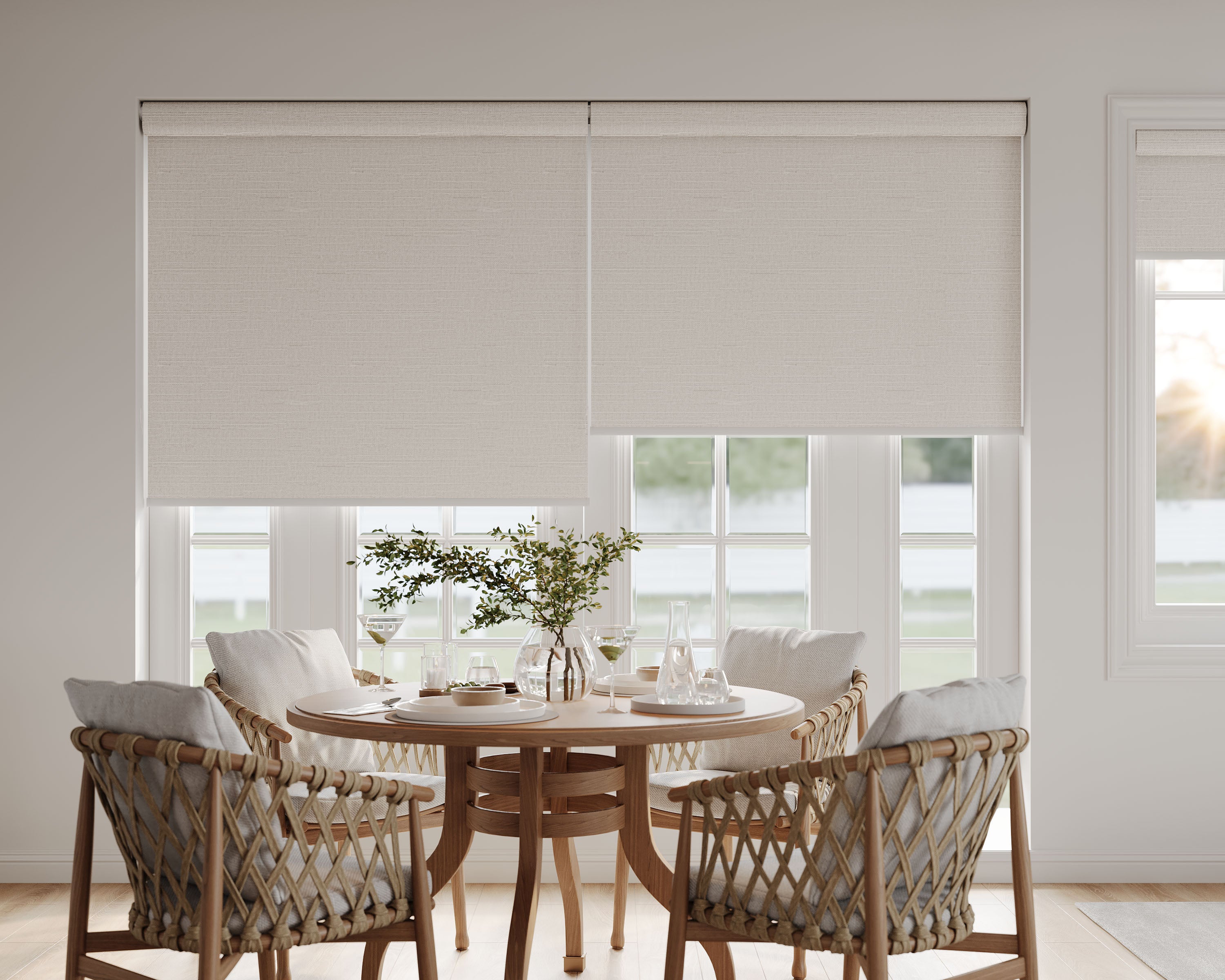


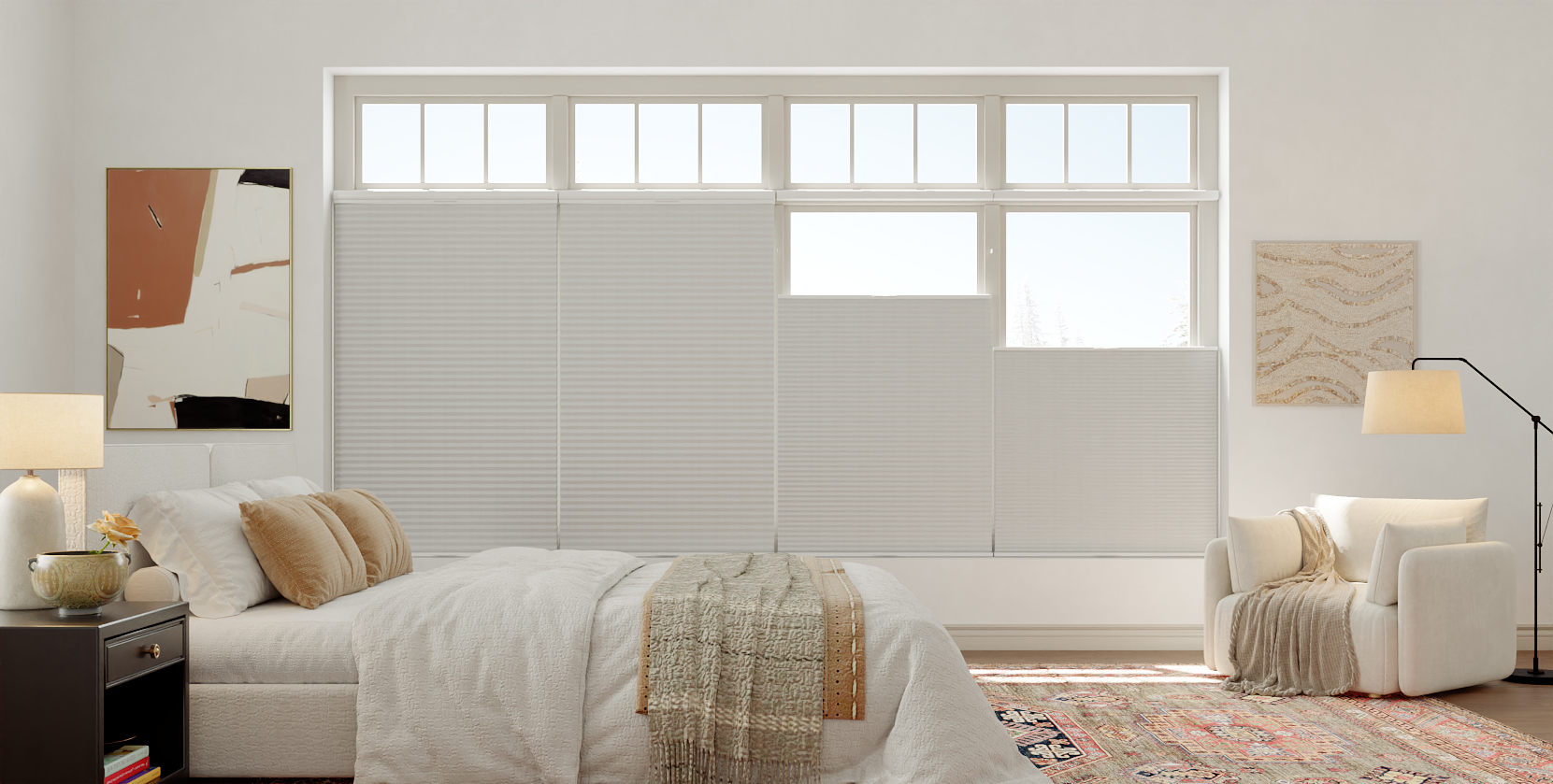


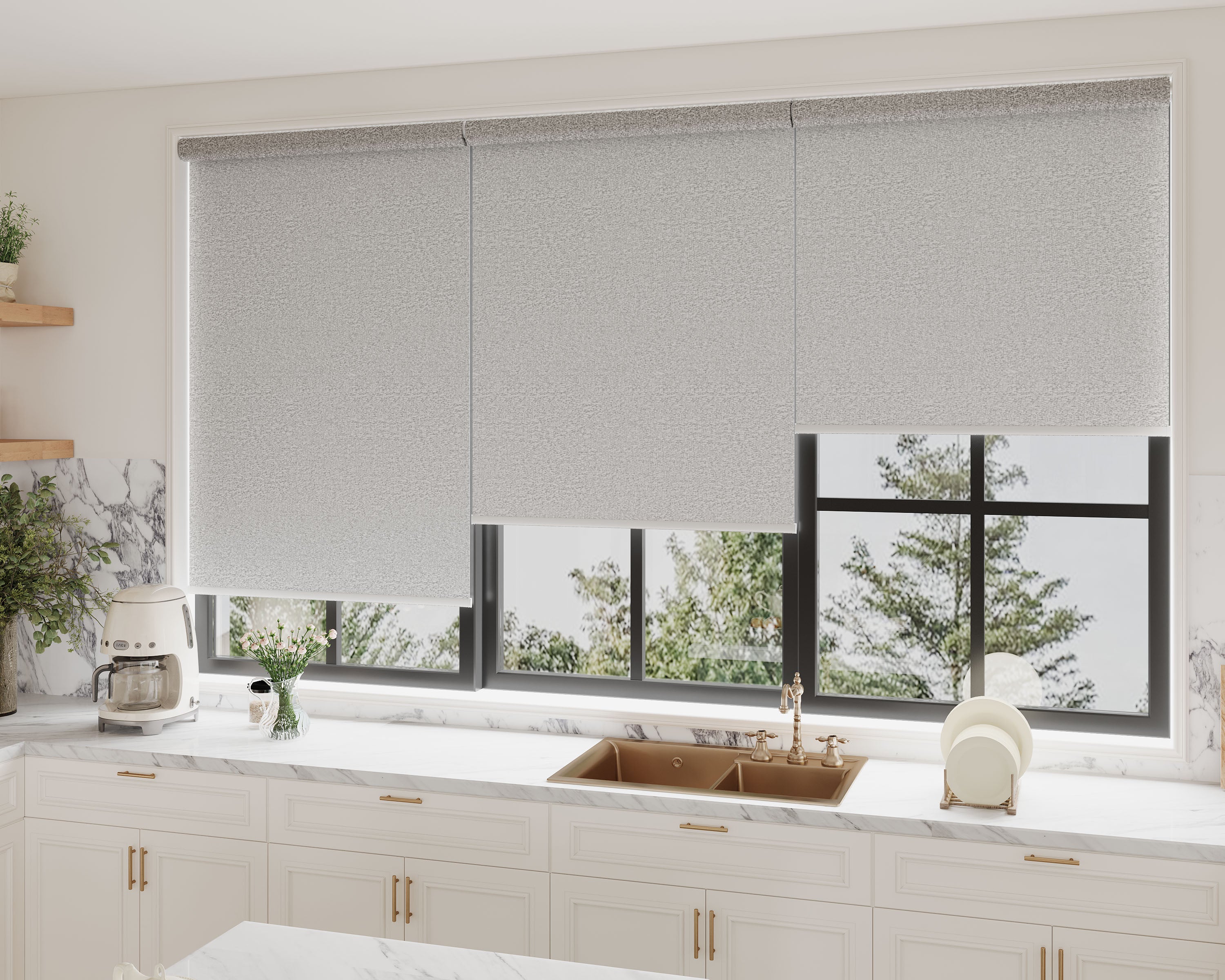

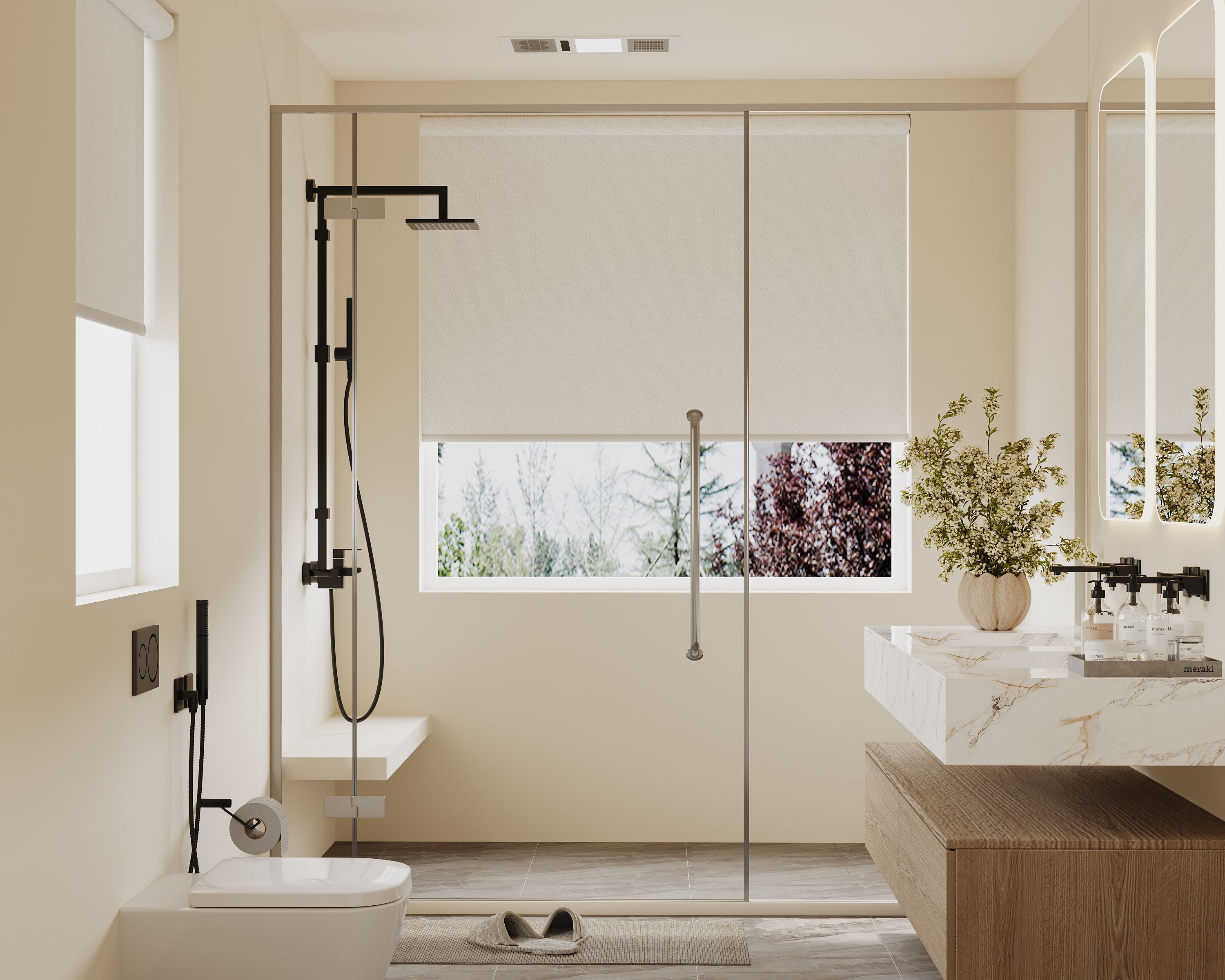


The roller shade is undergoing a quiet revolution. Once considered a simple, utilitarian window covering, it has emerged as a central tool in the modern designer's kit. For 2026, the evolution accelerates, driven by a demand for cleaner aesthetics, smarter technology, and conscious material choices. Modern roller shade designs are no longer just about covering a window; they are about integrating seamless functionality, expressing personal style, and enhancing architectural space.
Today's leading custom roller shade solutions embody this shift, focusing on hidden mechanics and curated fabrics. This guide explores the key trends defining the next generation of roller shades, helping you translate these innovative concepts into your own contemporary space.
The Defining Trends of 2026
Modern design is moving away from ornamentation and toward integration, intelligence, and authenticity. Roller shades perfectly mirror this shift through several interconnected trends:
| Trend | Core Idea | Design Impact | Key Feature |
|---|---|---|---|
| The Invisible Shade | Technology and mechanics recede from view. | Ultra-clean, minimalist spaces; the window treatment emphasizes the view or architecture, not itself. | Hidden headrails, ultra-slim profiles, fully recessed motorized systems. |
| Material Authenticity | Celebrate natural texture and sustainable provenance. | Warm, tactile, and organic interiors that feel grounded and intentional. | Woven woods, linen-textured synthetics, recycled fabrics, and visible, beautiful weaves. |
| Adaptive Light Control | Dynamic, user-responsive adjustment throughout the day. | Spaces that actively respond to environmental conditions for comfort and efficiency. | Motorized scheduling, smart home integration, hybrid shades like zebra/sheer styles. |
| Bold Graphic Expression | Using the shade as a focal art element. | Dramatic, personalized interiors with high visual impact. | Large-scale patterns, striking color blocking, and custom digital prints on shade fabric. |
1. Minimalism Perfected: The Rise of the "Invisible" Shade
The pinnacle of modern roller shade design is achieving a look of effortless simplicity. This is made possible by technological refinement focused on concealment and quiet operation.
-
Motorization as a Design Element: The growth of integrated motorized roller shade systems isn't just about convenience—it's the key to a clutter-free window. With no chains or cords, and control via app or voice, the shade itself becomes a pure, flat plane of fabric. For 2026, motors are becoming smaller, quieter (often below 35 decibels), and more reliable, allowing them to be tucked into ever-slimmer headrails or even fully recessed into the window header for a truly built-in, architectural look. Battery technology has also improved, with efficient lithium-ion cells offering years of operation on a single charge, eliminating the need for unsightly power cords.
-
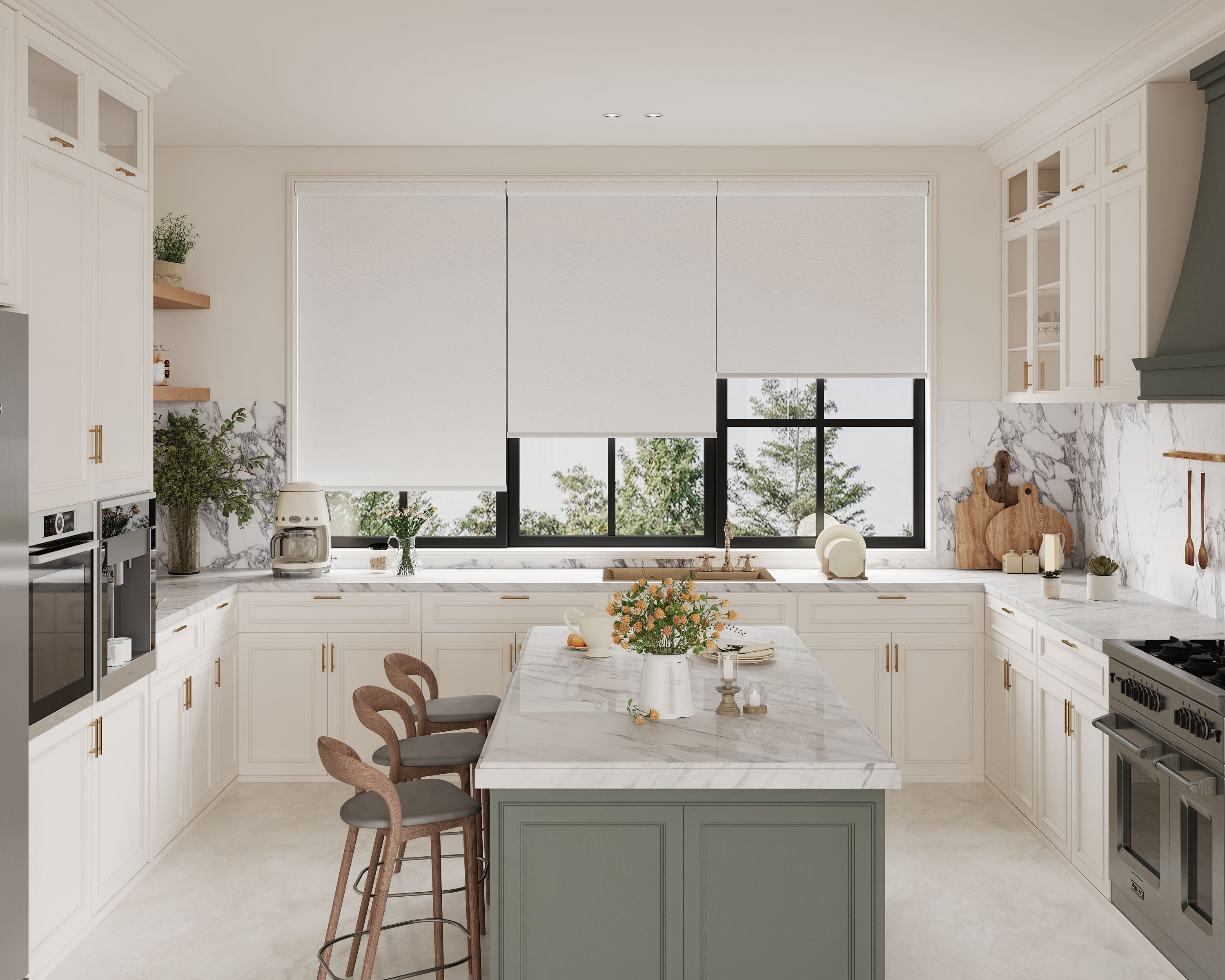
Ultra-Slim Profiles & Hidden Headrails: The hardware is shrinking and smarter. Modern roller systems feature headrails that are sometimes less than one inch tall, often finished in matte black, brushed nickel, or custom-painted to match the ceiling or trim, making them visually disappear. This commitment to achieving clean lines with low-profile roller shades is fundamental to minimalist and contemporary architecture, where every detail contributes to an uninterrupted visual flow.
2. Material Innovation: Texture, Sustainability & Craft
Fabric is the soul of the shade. 2026 sees a move toward materials with a story, a sensation, and a smaller environmental footprint.
-
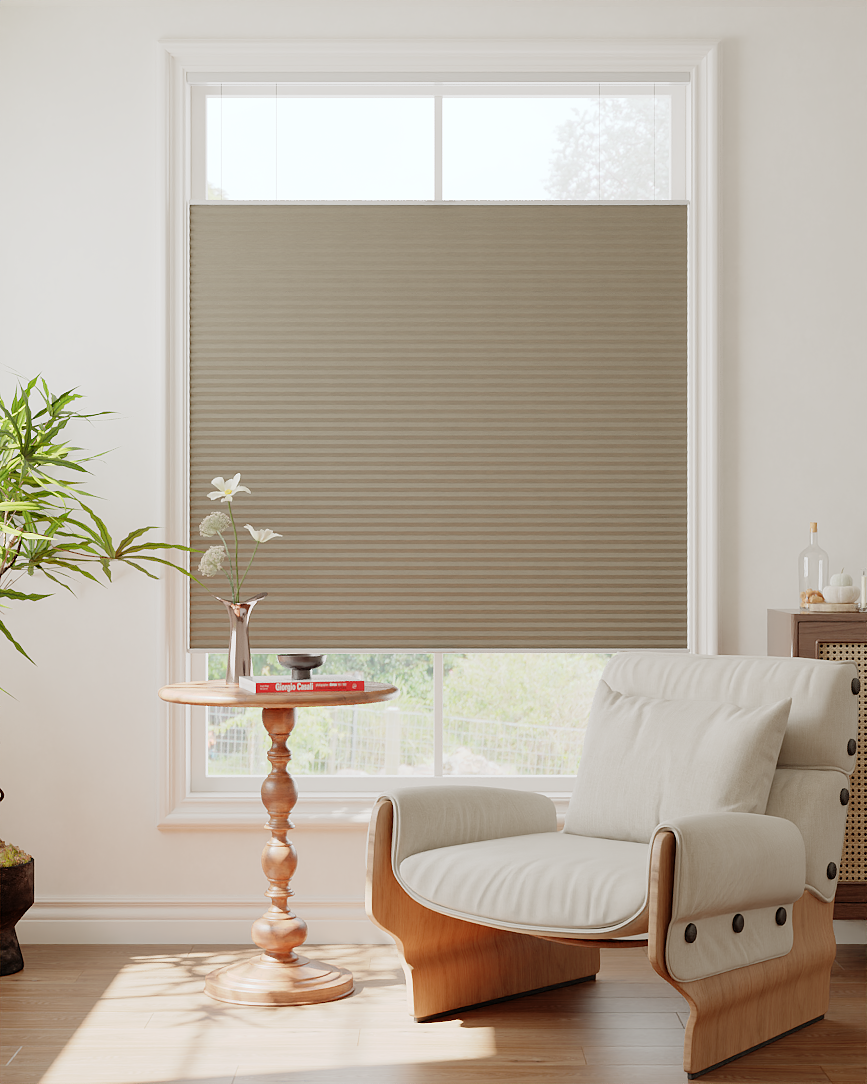
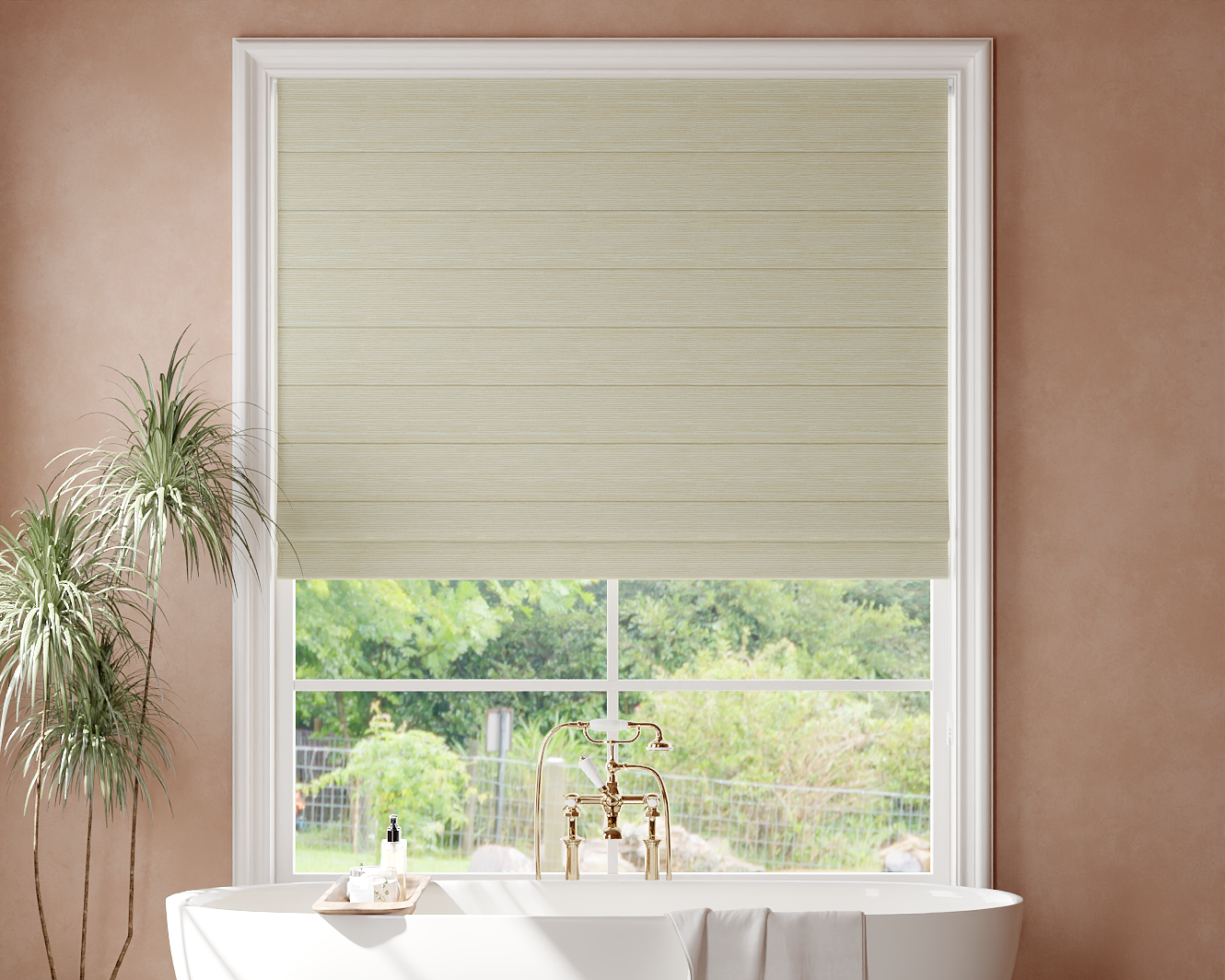
Nature-Inspired Textures: The strong desire for biophilic design—connecting interiors to nature—brings materials like woven bamboo, jute, rattan looks, and authentic linen-look fabrics to the forefront. Even high-performance synthetic fabrics are now expertly textured to mimic natural weaves and slubby yarns, offering easy maintenance and durability with undeniable organic warmth. For a deeper understanding of how material choices affect a room's character, our deep dive into linen, vinyl, and bamboo explores their unique benefits.
-
The Sustainable Choice: Eco-conscious design is now a primary consideration, not an afterthought. The market is responding with fabrics made from recycled plastics (RPET), GOTS-certified organic cotton, and rapidly renewable resources. This significant shift toward recycled and organic fabrics moving the industry forward allows for beautiful, high-design choices that align with personal and planetary values. Look for transparency in supply chains and certifications.
-
Performance Textiles: Modern materials are engineered to do more without sacrificing style. This includes top-tier sunscreen fabrics that block over 99% of UV rays to protect furnishings while maintaining clear outward views, acrylic-coated textiles for superior moisture resistance in kitchens and baths, and advanced blackout weaves that incorporate noise-dampening and thermal insulating properties.
3. Adaptive & Hybrid Light Control Systems
Static light control is outdated. The modern home is dynamic and responsive, and its window treatments are following suit with intelligent, layered solutions.
-
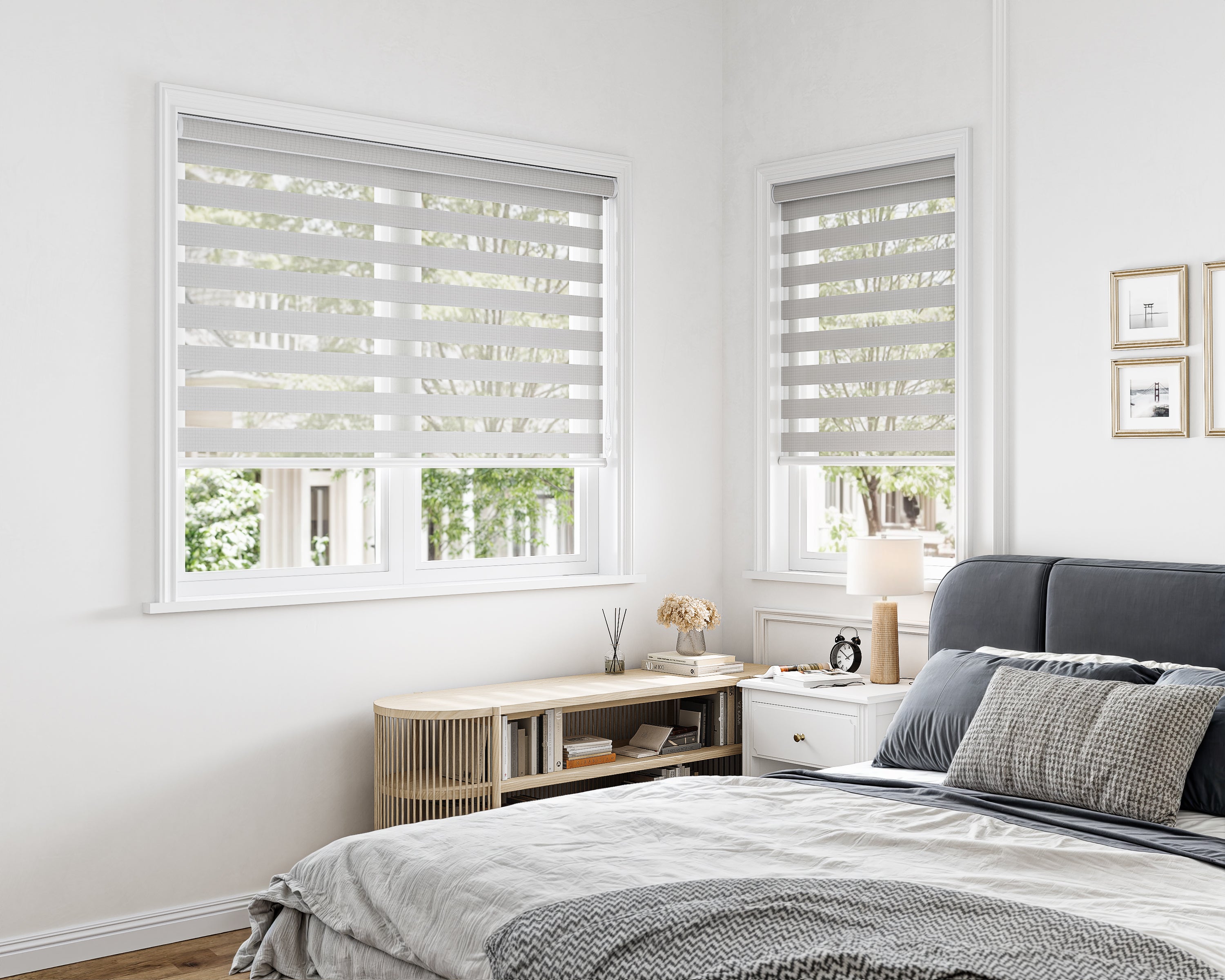
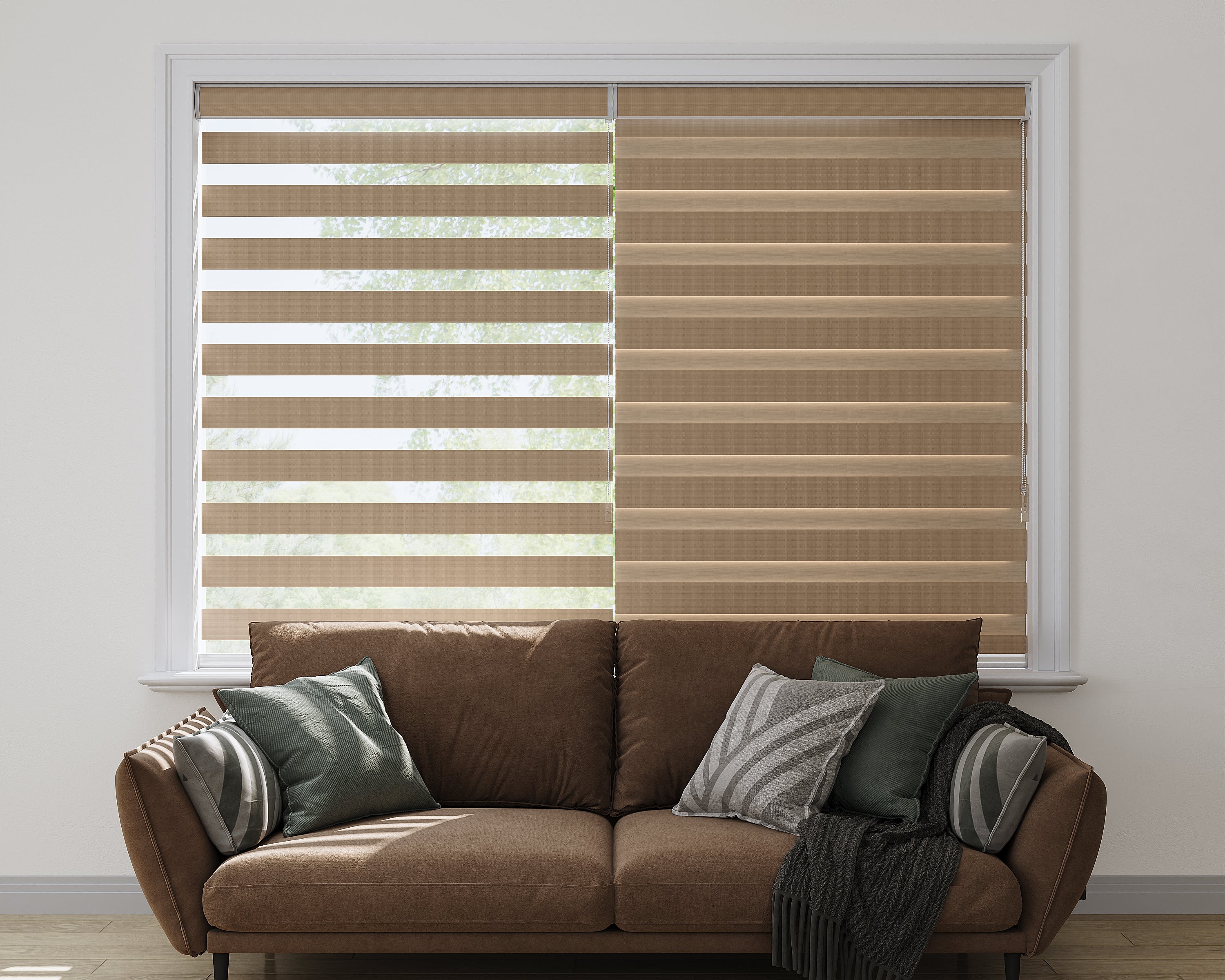
The Sheer-Shade Hybrid: Shades like zebra shades (also called dual roller shades) represent a massive leap in functionality and form. They combine alternating strips of sheer and opaque fabric on a single roll, allowing infinite, precise adjustment between soft, filtered light and full privacy. This innovative approach to day-night light control in a single fabric layer offers unparalleled versatility in a sleek, uncluttered package, making it a favorite for open-plan living areas and bedrooms alike.
-
True Smart Integration & Automation: Modern motorized shades have evolved into intelligent home components. Beyond simple timers, they now integrate seamlessly with ecosystems like Google Home, Apple HomeKit, and Amazon Alexa. They can be programmed to adjust based on the sun's position (using geofencing or built-in sun tracking), room temperature, or as part of complex scenes like "Movie Night" or "Morning Wake-up." This transforms them from passive coverings into active agents in your home's energy management, security, and personal comfort system. Consider integrating them with smart thermostats and lighting for holistic environmental control.
Integrating Modern Roller Shades into Your Design Style
-
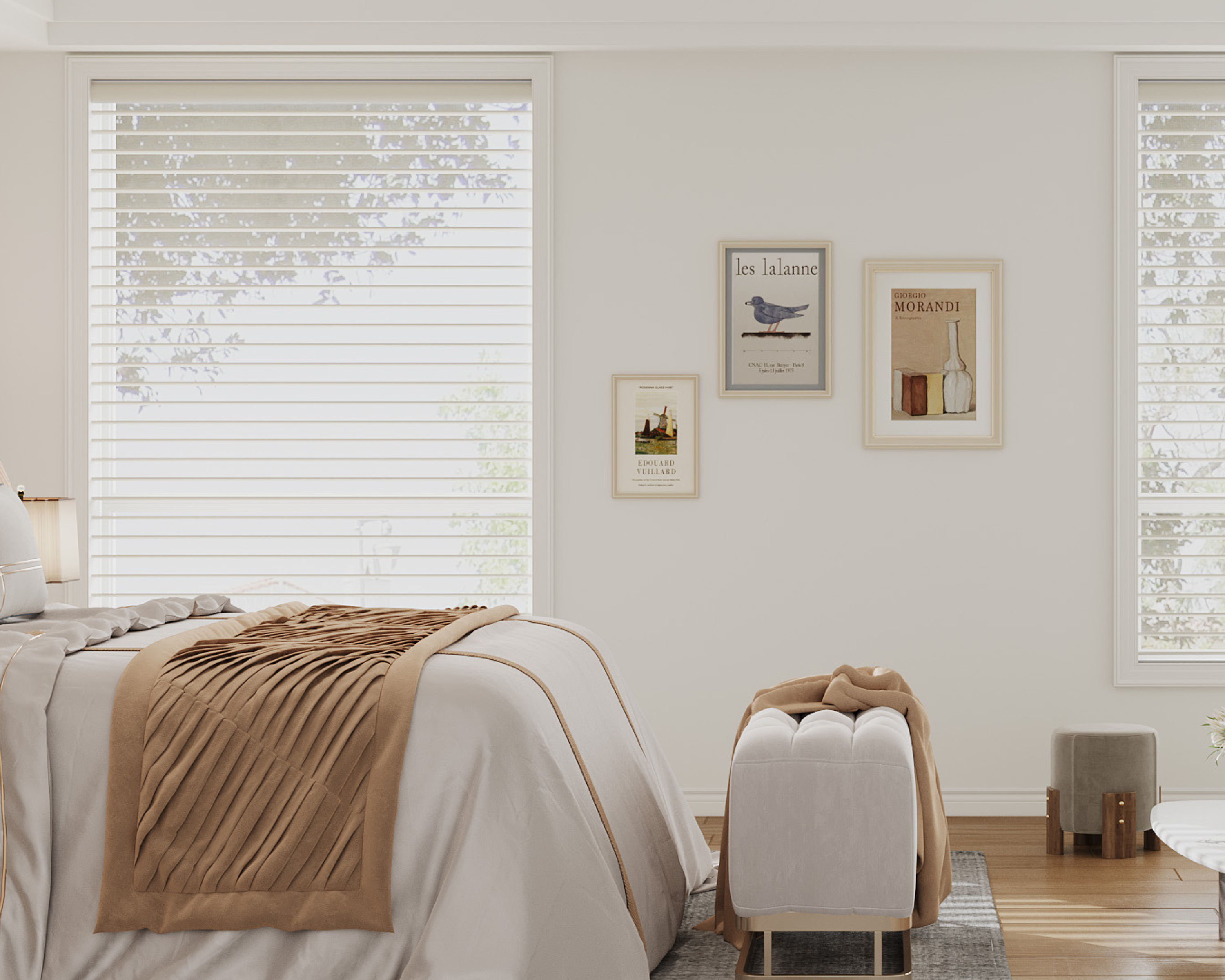
Minimalist/Scandinavian: Stick to a muted, monochromatic palette (soft whites, warm grays, earthy beiges) in light-filtering or sheer fabrics. Prioritize a hidden headrail, motorization, and simple roller mechanisms. The goal is to maximize natural light and maintain a sense of visual calm and spaciousness. Avoid patterns; let texture be the subtle detail.
-
Organic Modern: This is where textured, natural materials truly shine. Choose a woven wood or a high-quality linen-look shade in natural, undyed tones. Pair with warm woods, raw stone, and clean-lined furniture for a space that feels both contemporary and warmly grounded. Layering a sheer roller shade under textured drapery can add depth.
-
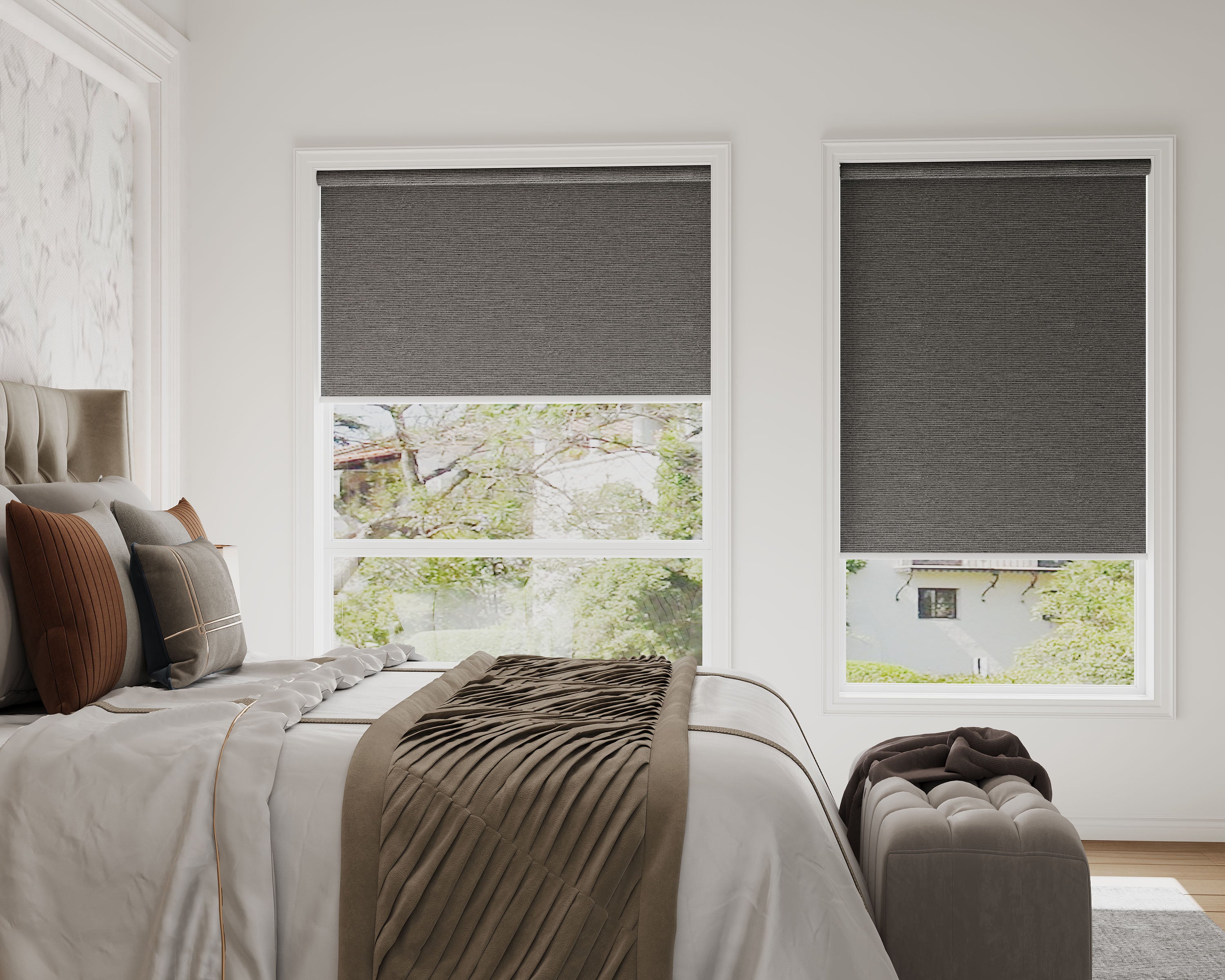
Industrial: Embrace the mechanics as part of the aesthetic. A matte-black metal headrail with exposed brackets against exposed brick or concrete can be a striking, intentional design feature. Consider darker, room-darkening fabrics in charcoal or navy for contrast in lofts and converted spaces. Cordless or motorized operation maintains the clean look.
-
Eclectic/Bold: This is your canvas for graphic expression and personalization. Use a roller shade as a statement piece with a large-scale geometric pattern, a bold solid color (like terracotta, emerald green, or deep blue), or even a custom-printed design to create an instant focal point wall. Don't be afraid to mix eras and styles—a modern graphic shade can look fantastic in a traditional room frame.
Looking Ahead: The Future is Integrated
The trajectory for 2026 and beyond is clear: the most modern roller shade designs will be those you notice the least until you need them. They are becoming intelligent, architectural components—programmable layers that actively manage light, privacy, temperature, and well-being while expressing material beauty and environmental responsibility. The focus is on creating harmonious environments where advanced technology serves thoughtful design, and thoughtful design enhances daily life in tangible ways.
By understanding these converging trends of invisibility, authenticity, and intelligence, you can select roller shades that feel not just of-the-moment, but thoughtfully ahead of the curve, adding lasting value and style to your home.
Frequently Asked Questions (FAQ)
Are motorized roller shades reliable, and what happens during a power outage?
Modern motorized systems are highly reliable and designed for daily use. Most residential systems use efficient battery-powered motors (with batteries lasting 3-5 years per charge) or a low-voltage plug-in transformer. In a power outage, battery-operated shades will continue to work. Many systems also include a manual override option, such as a discreet pull cord or the ability to gently push/pull the shade to move it, ensuring you're never locked out of control.
Can I have modern roller shades on very large or uniquely shaped windows?
Absolutely. Custom fabrication is a hallmark of modern roller shades. They can be engineered for extra-wide spans (often requiring a heavy-duty roller tube and motor), floor-to-ceiling heights, and even arched, trapezoidal, or circular windows. For unusually large or heavy shades, working with a specialist to engineer the appropriate support and motor is crucial for safety and smooth operation.
How do I clean textured or woven roller shades?
Regular, gentle maintenance is key. For most textured synthetic and woven wood shades, use the brush attachment on your vacuum cleaner weekly to prevent dust buildup. For spot cleaning, use a dry, soft cloth or a slightly damp cloth. Avoid harsh chemicals, excessive moisture, or abrasive brushes that can fray natural fibers. Always refer to the manufacturer's specific care instructions.
Is the "invisible" or recessed mount possible in any home?
Recessed (or "in-ceiling") mounts require adequate depth (typically 2-4 inches) within the window's structural header or a fabricated bulkhead. While it offers the cleanest look, it's not always feasible in existing homes without renovation. An outside mount with an ultra-slim headrail placed flush to the ceiling is an excellent alternative that achieves a very similar, streamlined aesthetic without structural changes.
Are sustainable roller shade materials as durable as traditional ones?
Yes, and often they are more so. High-performance recycled fabrics (like RPET) are exceptionally strong and colorfast. Many natural materials are also treated for durability. The key is selecting a fabric suited to the room's conditions—for example, choosing a solution-dyed acrylic for a sunny room to prevent fading. Sustainable no longer means sacrificing longevity or performance.
Explore Custom Roller Shades


