
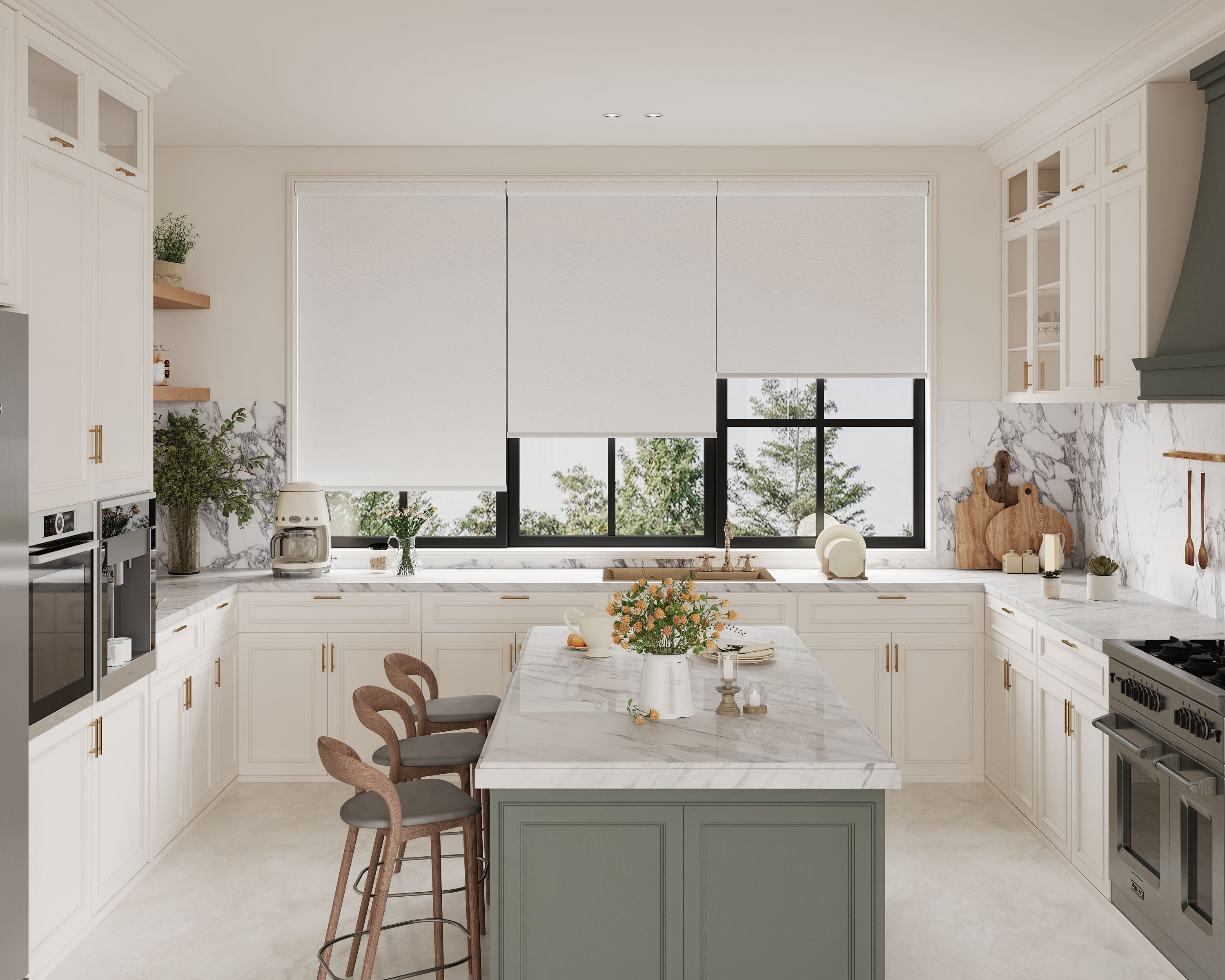
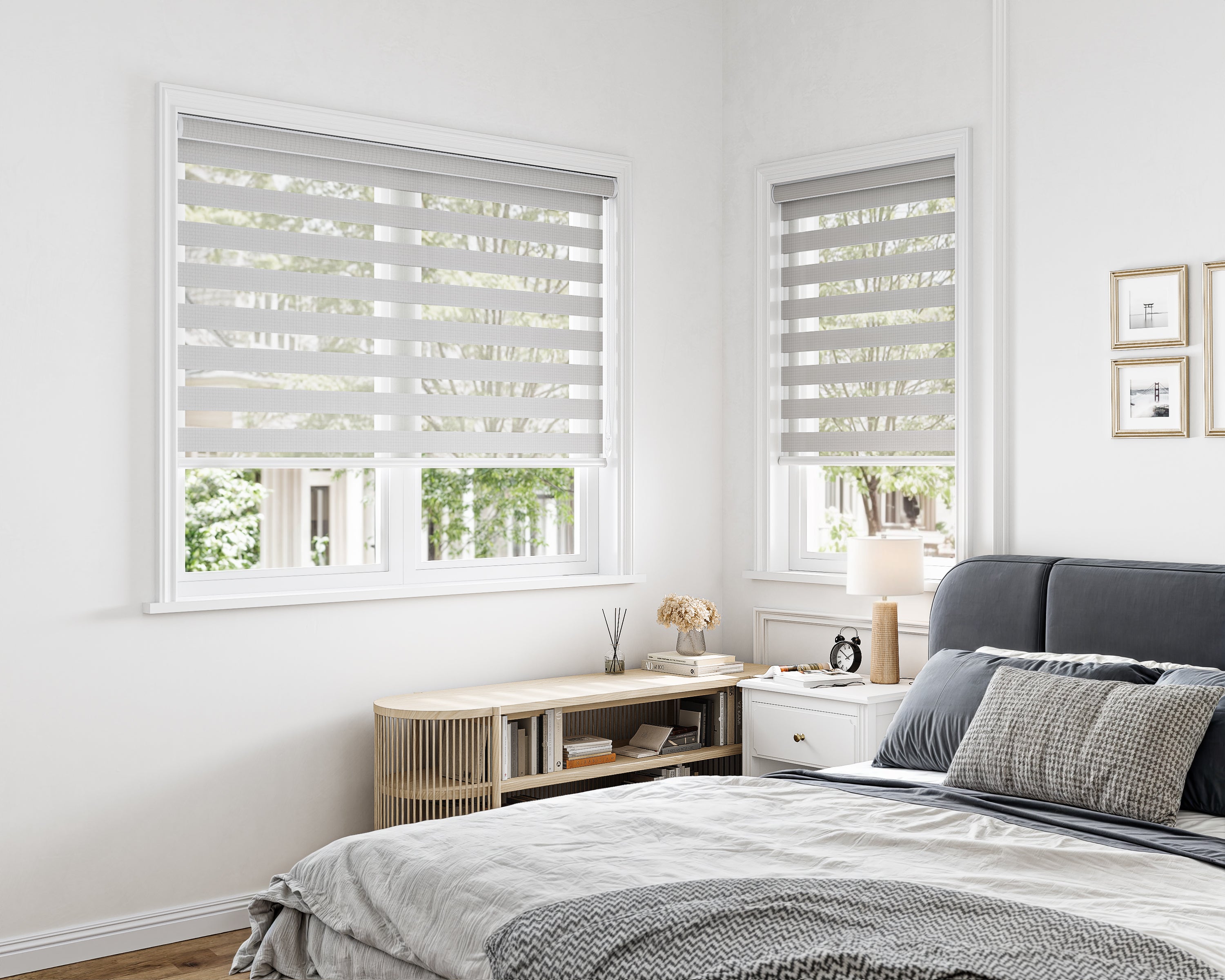
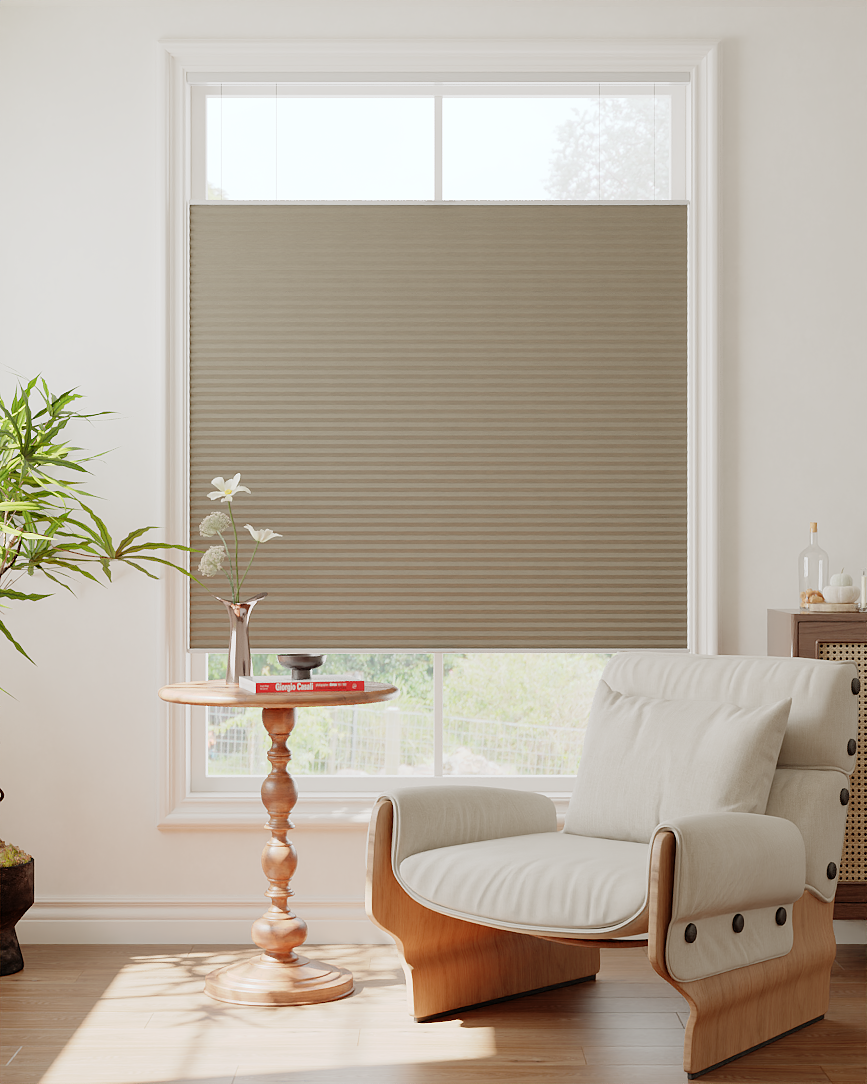
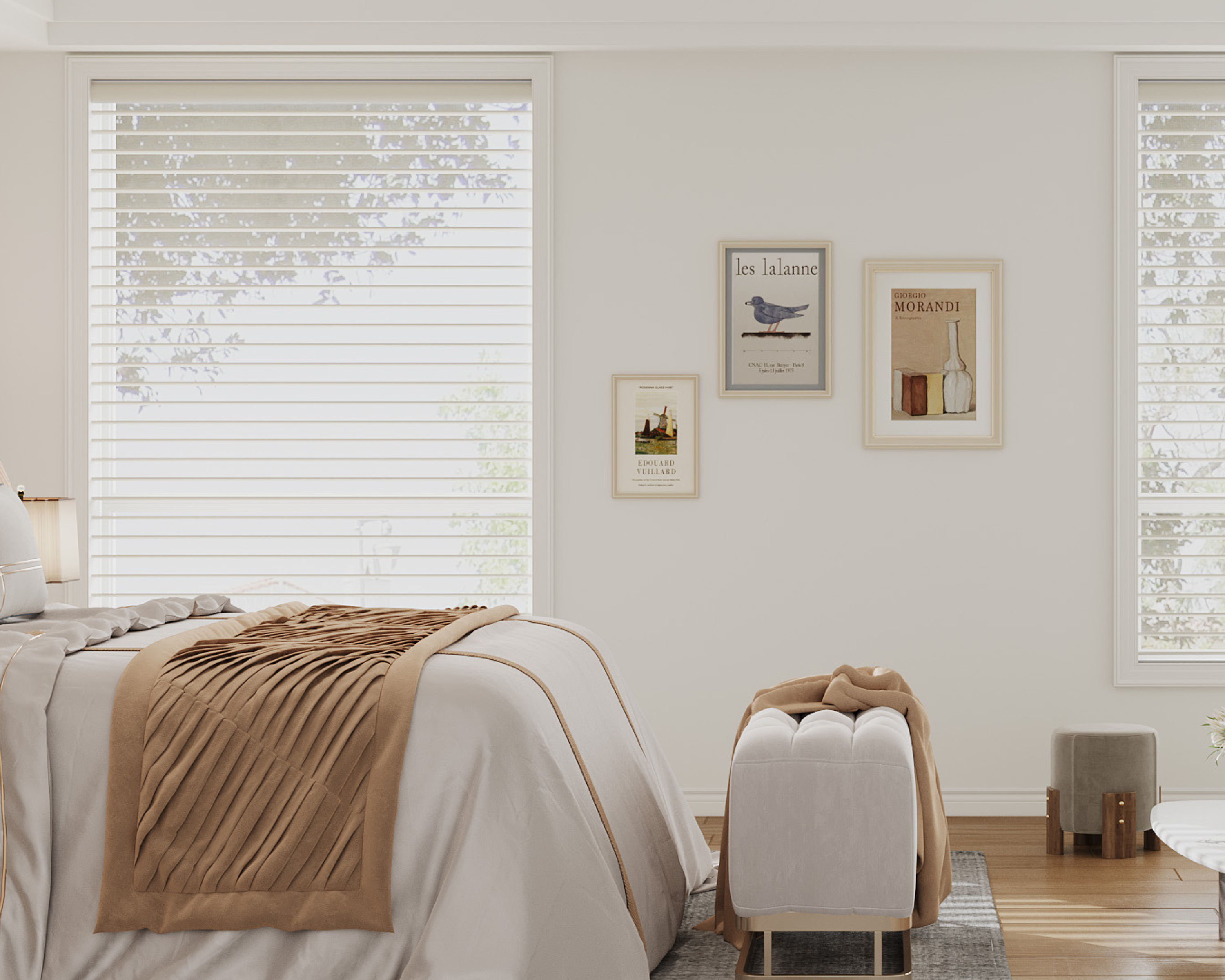
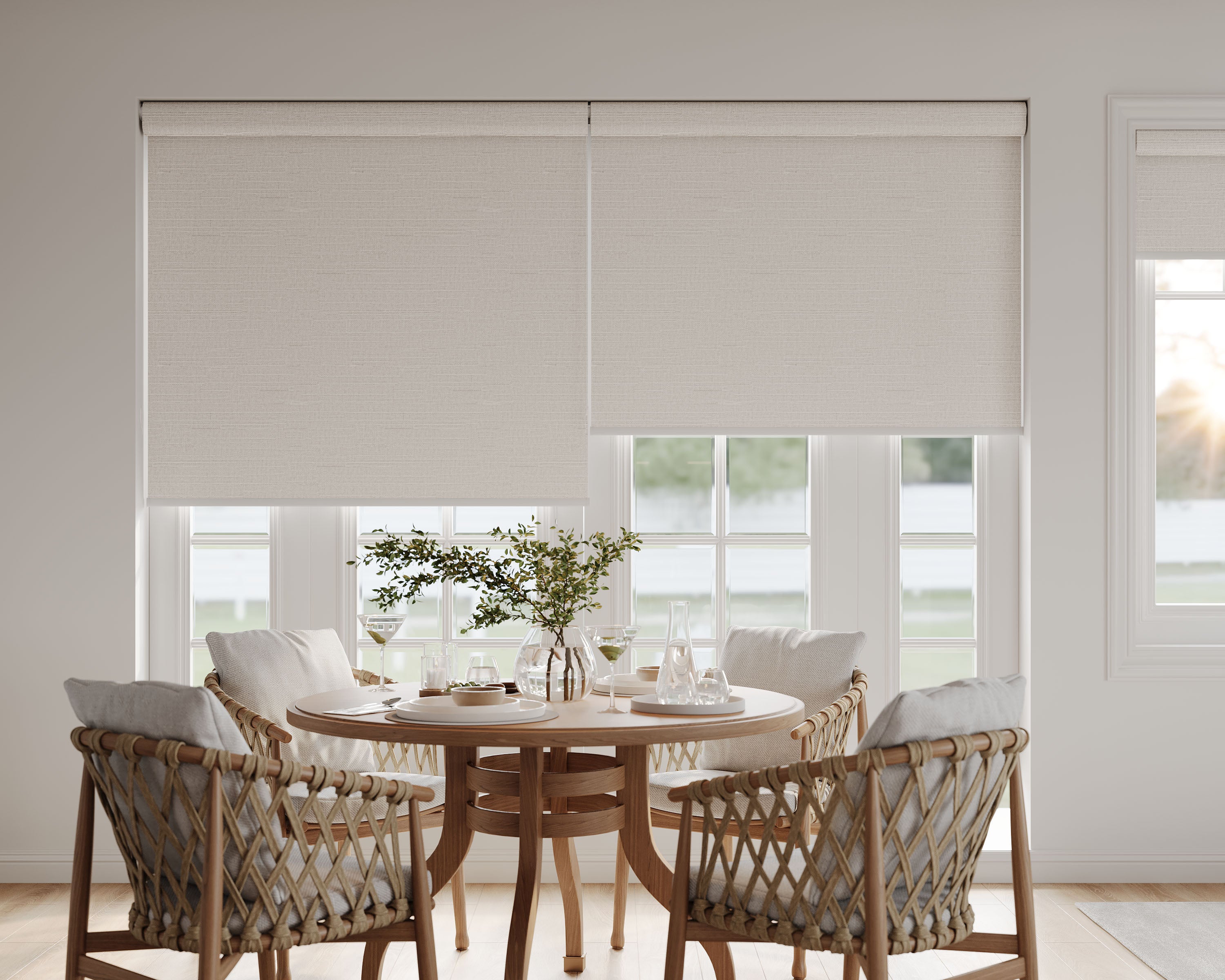


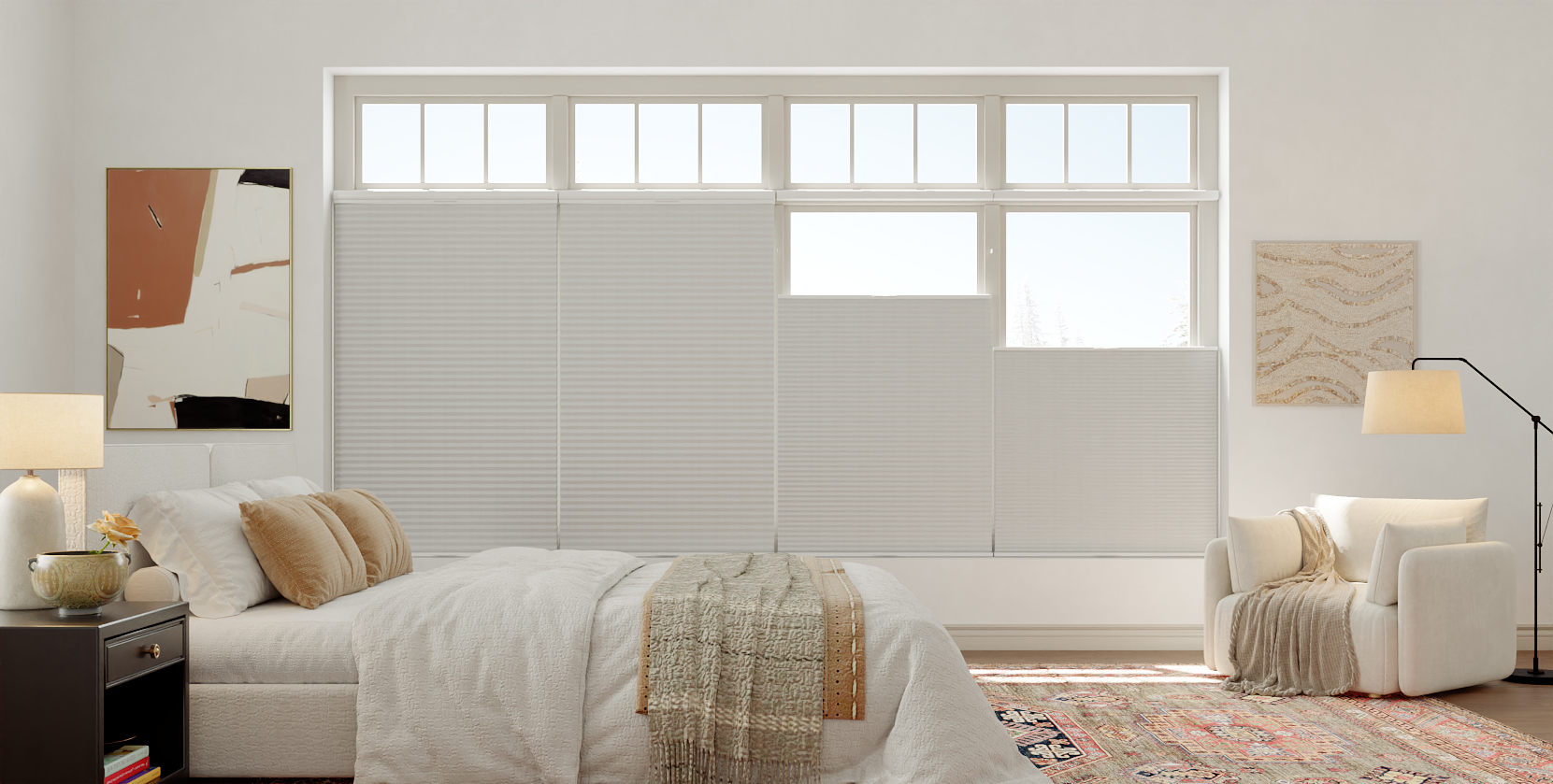


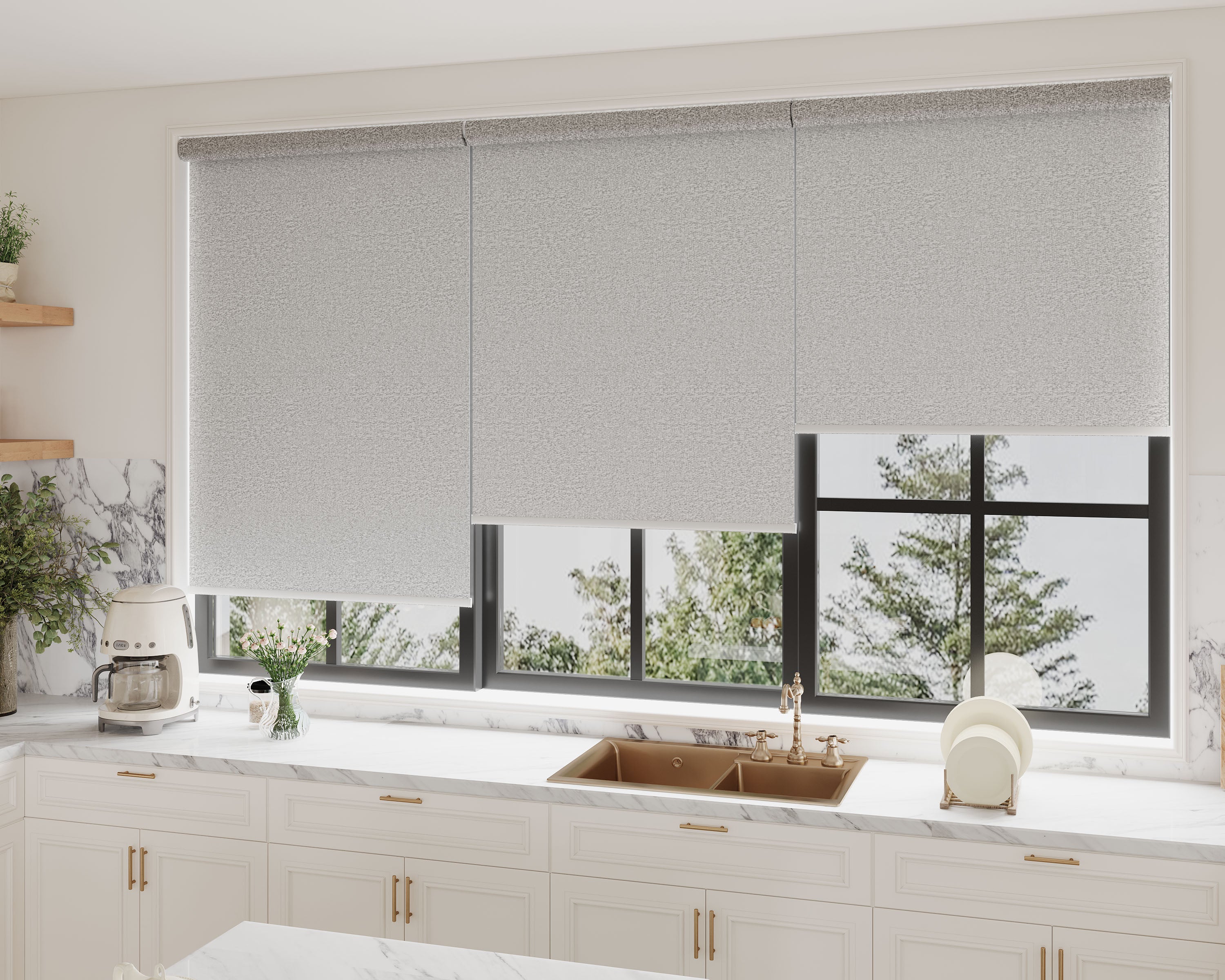

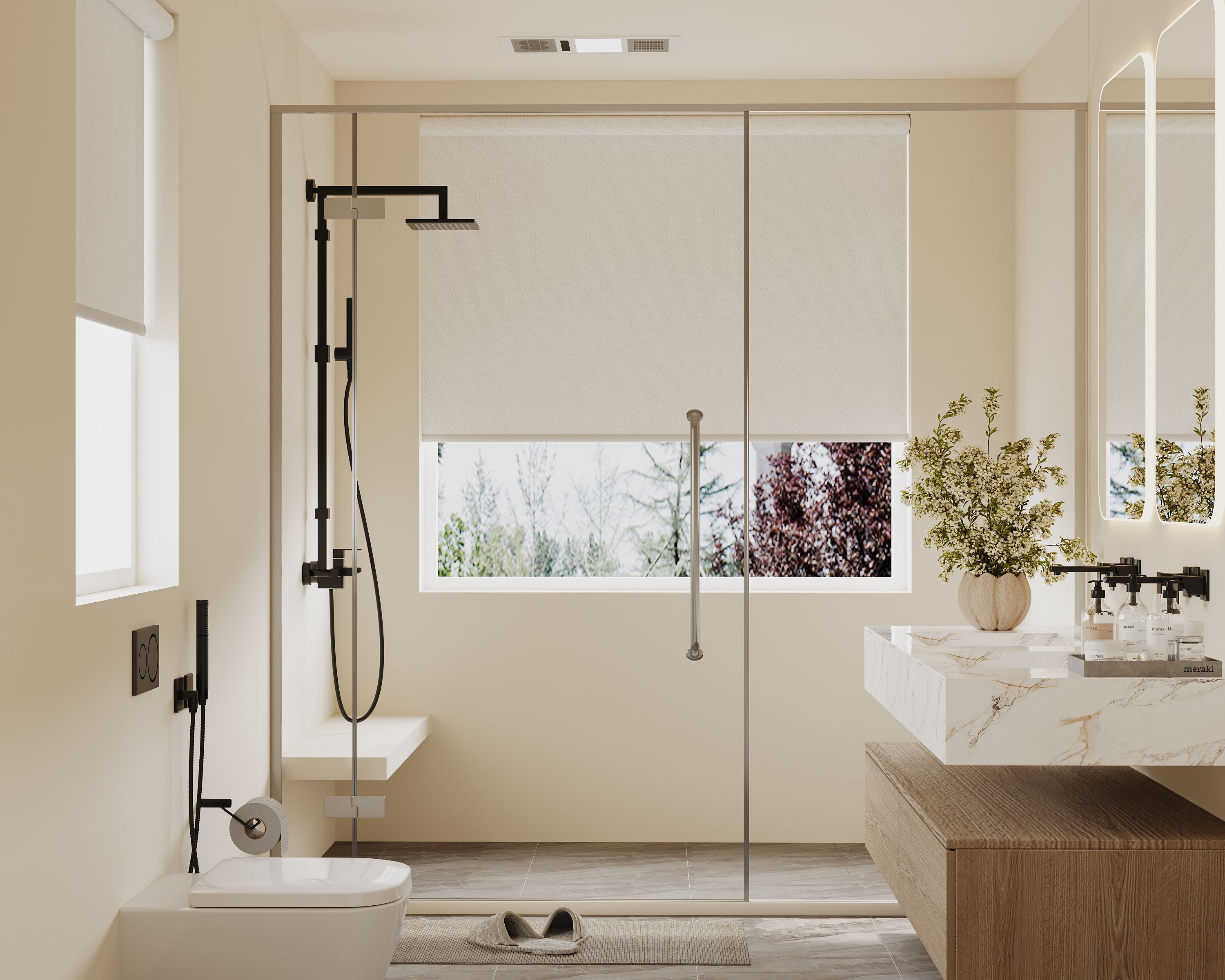


Shopping for roller shades can feel like navigating two different worlds. On one side, affordable, off-the-shelf options promise a quick solution. On the other, designer or premium custom shades come with a higher price tag and claims of superior quality. The core question isn't just "what costs more?" but "where does the money go, and is it worth it for me?"
The difference between affordable and designer roller shades lies in the details of materials, engineering, customization, and service. It's the gap between a commodity and a crafted component for your home. Understanding these distinctions is key to making a choice you'll be happy with for years. Exploring a curated selection of roller shade designs and constructions can make these differences tangible.
Breaking Down the Key Differences: A Side-by-Side Look
The disparity between budget and premium shades isn't a single feature; it's a series of compounding upgrades across every component. The following table outlines where these differences typically manifest.
| Feature | Affordable/Mass-Market Roller Shades | Designer/Premium Custom Roller Shades |
|---|---|---|
| Fabric & Materials | Often thinner, lighter-weight polyester or vinyl. Limited color/opacity selection. May be prone to fading, stretching, or off-gassing. | Higher-density weaves, solution-dyed acrylics, textured linens, performance textiles. Vast selection of colors, textures, and opacities. Better UV and fade resistance. |
| Construction & Mechanism | Lighter-gauge (thinner) roller tube, basic plastic or low-grade metal components. Standard spring or clutch that may wear out or become uneven. | Heavy-duty, larger-diameter roller tube for stability. All-metal, precision-engineered clutch or motorized system. Smother operation and consistent roll-up. |
| Customization & Fit | Limited to standard sizes; may require trimming. "Inside mount" only, with potential for light gaps. Few control options (typically cord or basic clutch). | Made-to-measure for exact width and height. Choice of inside or outside mount with precision brackets. Options for cordless, motorized, top-down/bottom-up, and side-track systems. |
| Aesthetic Details | Visible seams, simpler hem bar, limited finish options (often white or silver). Headrail may be bulky or flimsy. | Clean, seamless fabric panels, streamlined hem bars, low-profile headrails in multiple finishes (e.g., matte black, brushed nickel, custom paint). |
| Warranty & Service | Limited warranty (1-5 years), often prorated. DIY troubleshooting and repair. | Comprehensive, non-prorated warranty (often lifetime on mechanism, 5-10+ years on fabric). Professional consultation, measurement, and installation support. |
| Overall Value Proposition | Low initial cost, functional solution. Best for temporary spaces, rental units, or low-priority windows where perfect fit and long-term durability are secondary. | Higher initial investment, long-term performance. Best for primary living spaces, large windows, homes where aesthetics, precise operation, and longevity are priorities. |
Deep Dive: Where the Money Goes
1. Fabric: The Foundation of Quality
This is the most significant cost driver. Affordable shades often use basic, commodity fabrics. Premium shades invest in higher-grade materials:
-
Durability & Performance: Designer fabrics are often heavier, more dimensionally stable (resist sagging and stretching), and treated for fade resistance. Our guide on why linen costs more than polyester and when it's worth it explains the tangible benefits of material upgrades.
-
Aesthetic Range: From authentic natural weaves to innovative light-filtering textures, the design palette is vastly expanded, allowing for perfect integration with your interior design. Understanding how linen, vinyl, and bamboo each affect light, cost, and longevity provides crucial context for these choices.
2. Engineering & Hardware: The Unseen Performance
You feel this every time you operate the shade.
-
The Roller Tube: A thicker, larger-diameter aluminum tube prevents "cigarette rolling" (where the fabric doesn't roll straight) and supports wider shades without bending.
-
The Mechanism: A high-quality clutch ensures smooth, consistent operation with a satisfying feel. It holds the shade securely at any position without slippage or gradual sinking over time. For the ultimate in performance, the five-year cost-benefit analysis of motorized versus manual shades highlights another layer of premium engineering and its long-term value.
3. The Power of Customization
"Custom" means more than a unique size. It’s a product configured for your specific window and needs.
-
Perfect Fit: A made-to-measure shade eliminates light gaps, fits flush in the frame (or on the wall), and looks like it was always part of the architecture. This is crucial for non-standard windows.
-
Tailored Features: Need a shade for a child's room? A cordless or motorized option adds safety. Have a window in direct sun? You can select a fabric with a high UV rejection rate. This level of tailoring is unavailable in standard products.
4. Service & Peace of Mind
The purchase experience differs greatly. A premium provider offers expert consultation to navigate opacity, material, and mount choices. Professional measurement eliminates costly installation errors, and a robust warranty protects your investment. For a transparent look at what you're paying for, our breakdown of materials, motors, labor, and shipping fees in custom shade pricing demystifies the final cost.
How to Choose: A Decision Framework for Your Project
Not every window needs a designer shade, and not every budget restricts you to basic options. Ask these questions:
-
What is the window's importance? Is it in your main living room or a basement storage room? Prioritize investment in high-visibility, frequently used areas.
-
How long do you plan to live there? For a forever home or long-term hold, the cost-per-year of a premium shade becomes very low. For a short-term rental or flip, affordable may suffice.
-
What are your non-negotiables? Is a specific look, blackout capability, or motorized operation essential? If affordable options can't meet these core needs, looking mid-range or premium is necessary.
-
Can you consider a mixed approach? Many homeowners choose premium shades for key social spaces (living, dining, primary bedroom) and reliable, budget-friendly options for secondary areas (guest rooms, bathrooms, closets).
Finding Value Across the Spectrum
The market isn't just binary. There's a spectrum of value. True value is found when the product's quality, features, and lifespan align with its price and your expectations. A well-constructed shade using durable, mid-range fabrics can offer excellent long-term value for many homes, blending sensible cost with reliable performance.
It's an Investment, Not Just a Purchase
Choosing between affordable and designer roller shades is a decision between initial cost and total cost of ownership. An affordable shade solves an immediate problem but may need replacing sooner, operate poorly, or limit your design. A designer shade is a capital investment in your home's function, comfort, and style, designed to perform beautifully for a decade or more.
By understanding the tangible differences in materials, mechanics, and craftsmanship, you can move beyond price tags and make an informed choice that aligns with your home's needs and your personal definition of value.
Explore Custom Roller Shades


Frequently Asked Questions (FAQ)
Is there a noticeable quality difference as soon as you install them?
Often, yes. The immediate differences can be in the feel and operation. A premium shade typically has a substantial, smooth heft when you hold it, rolls up and down evenly without jerking, and stays perfectly in place when released. The fabric will look richer and lie flatter against the window.
Can I just replace the fabric on a cheap roller shade mechanism later?
Almost never. Affordable shades are integrated units not designed for parts replacement. The fabric is stapled or glued to a specific tube, and the mechanisms are not standardized or serviceable. Upgrading typically means replacing the entire unit.
Do designer shades really improve energy efficiency?
They can, significantly. Premium fabrics often have better insulating properties (especially if paired with a reflective backing), and the exact custom fit eliminates drafts from light gaps. Over time, this can contribute to lower heating and cooling costs, offsetting some of the initial investment.
What's the most common regret with choosing affordable shades?
The most frequent regrets are functional and aesthetic: shades that won't stay up, cords that break, fabrics that fade or sag within a few years, and the persistent presence of light gaps around the edges that cheapen the look of the room. These issues reveal the hidden "cost" of a low initial price.
Are there certain rooms where designer shades are most worth it?
Absolutely. Prioritize rooms where you spend the most time and where light control, aesthetics, and durability matter most: the primary bedroom (for sleep quality), the main living area (for comfort and style), and the home office (for glare control). Secondary spaces like laundries or powder rooms can often utilize more affordable solutions.
