
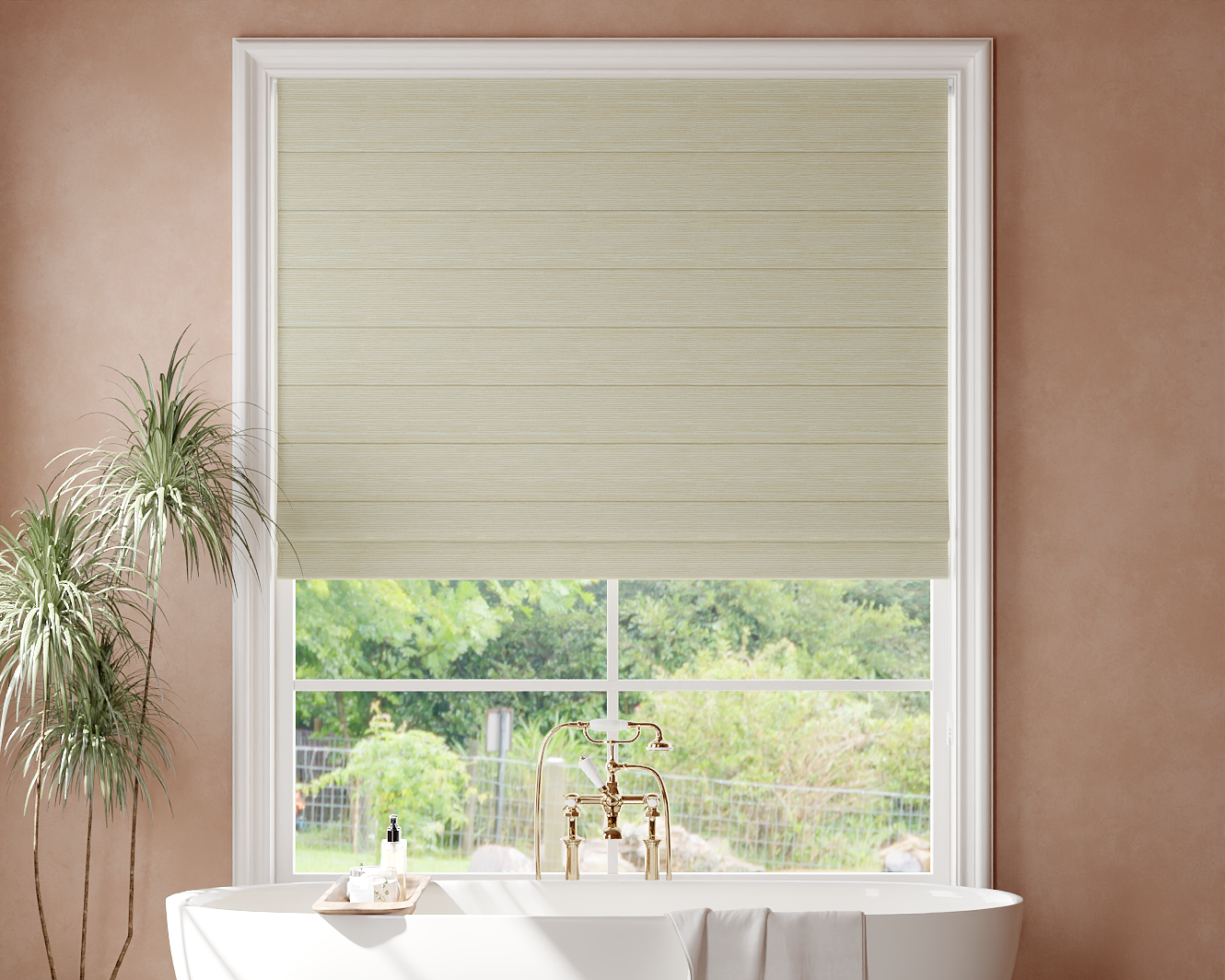
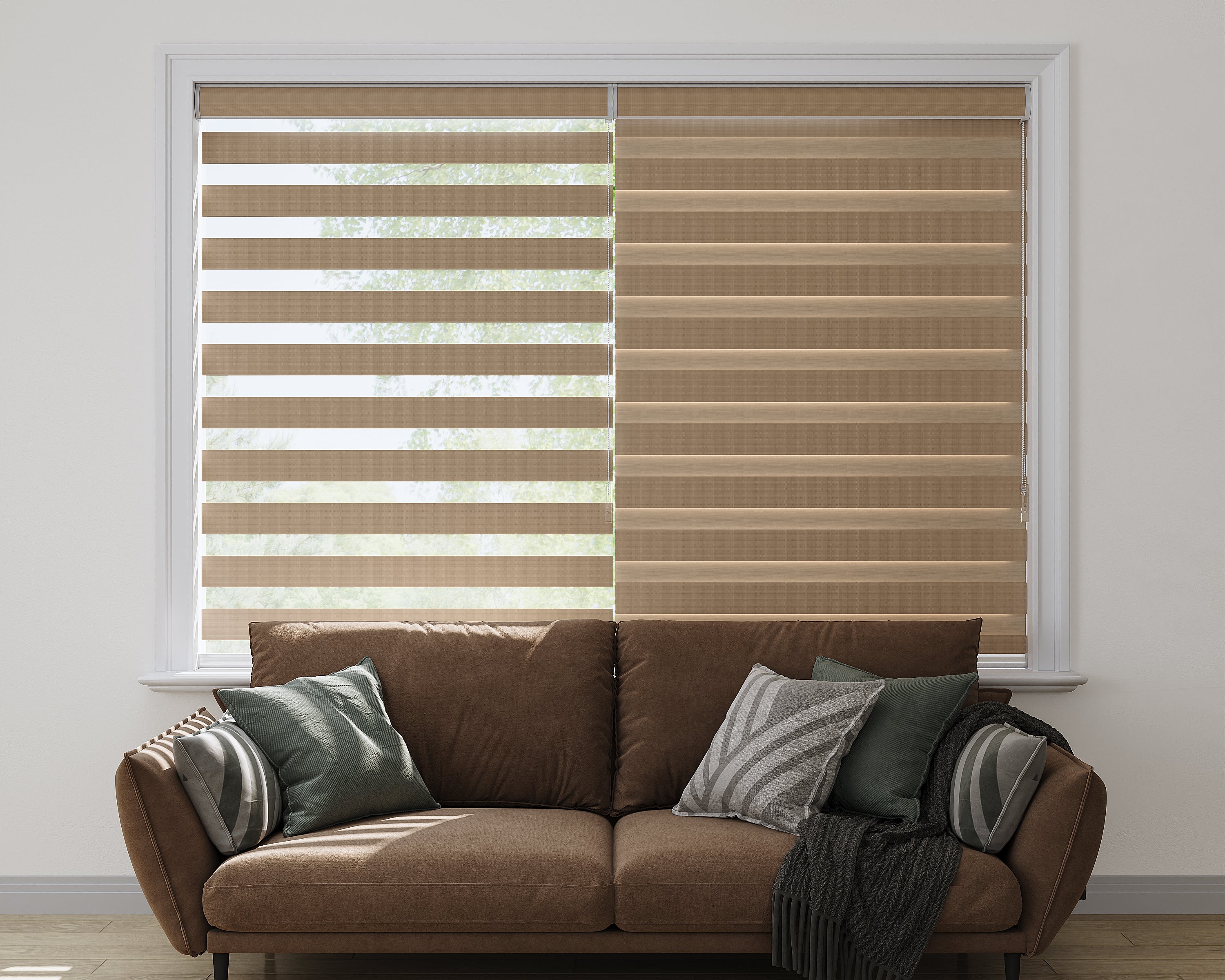
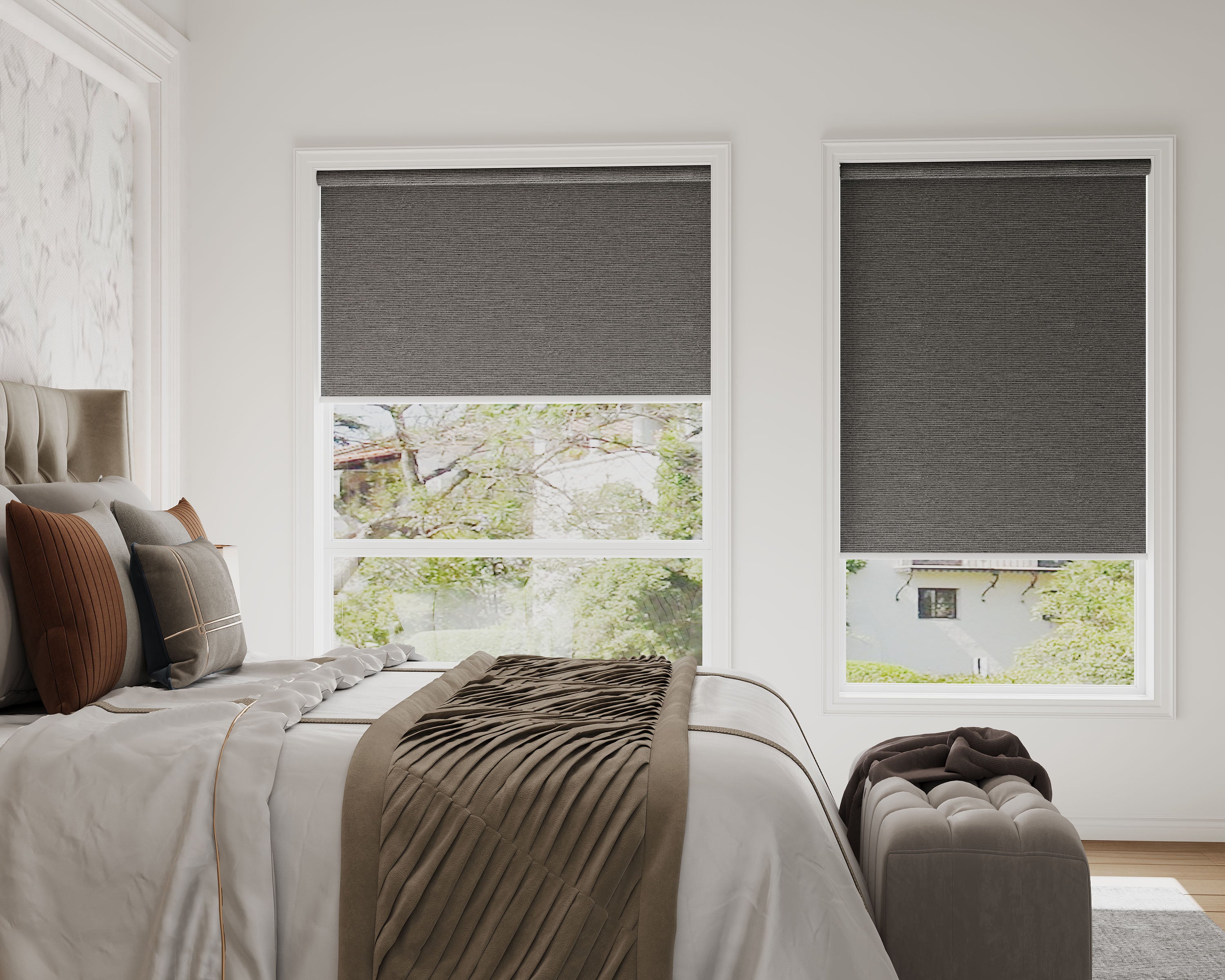
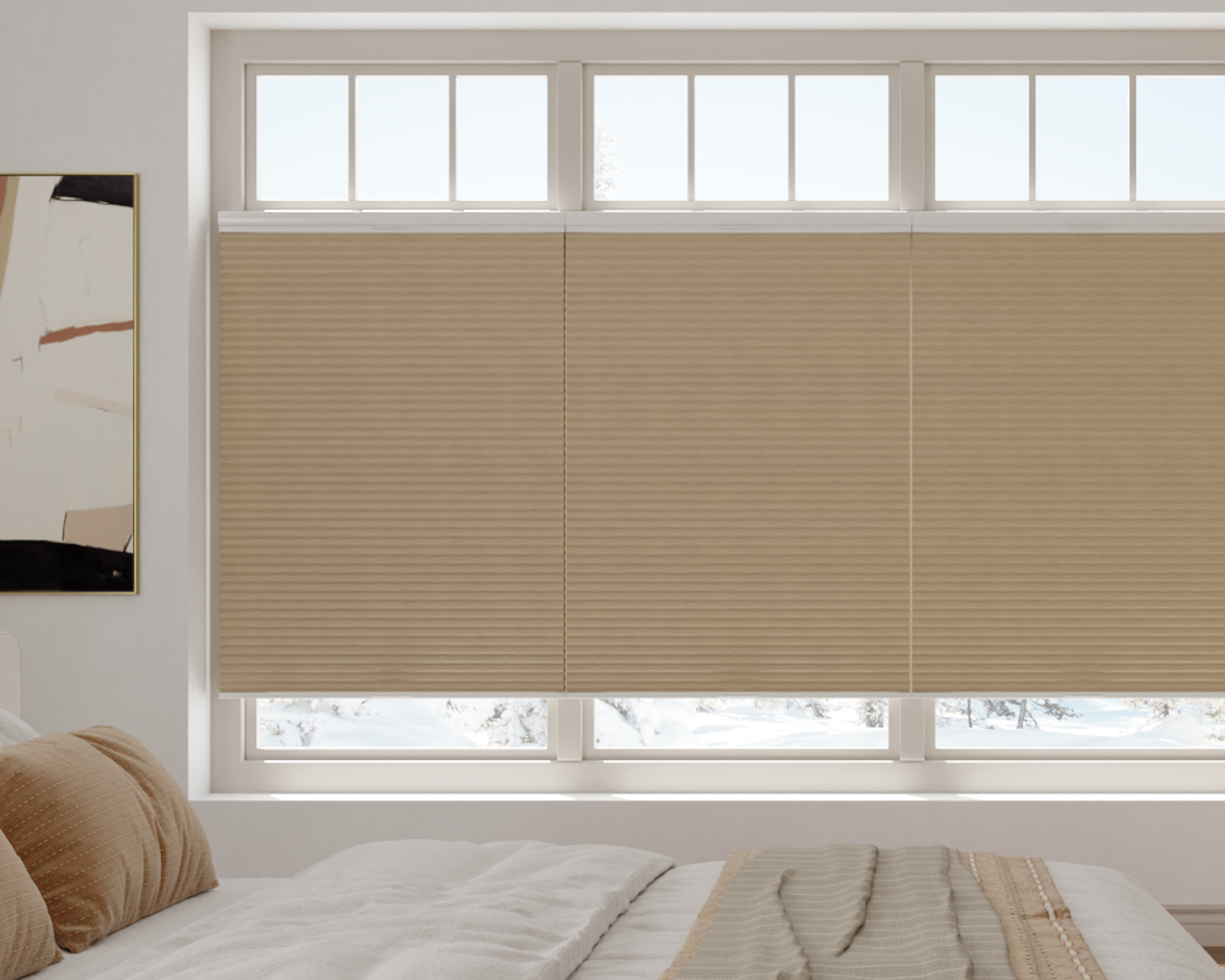
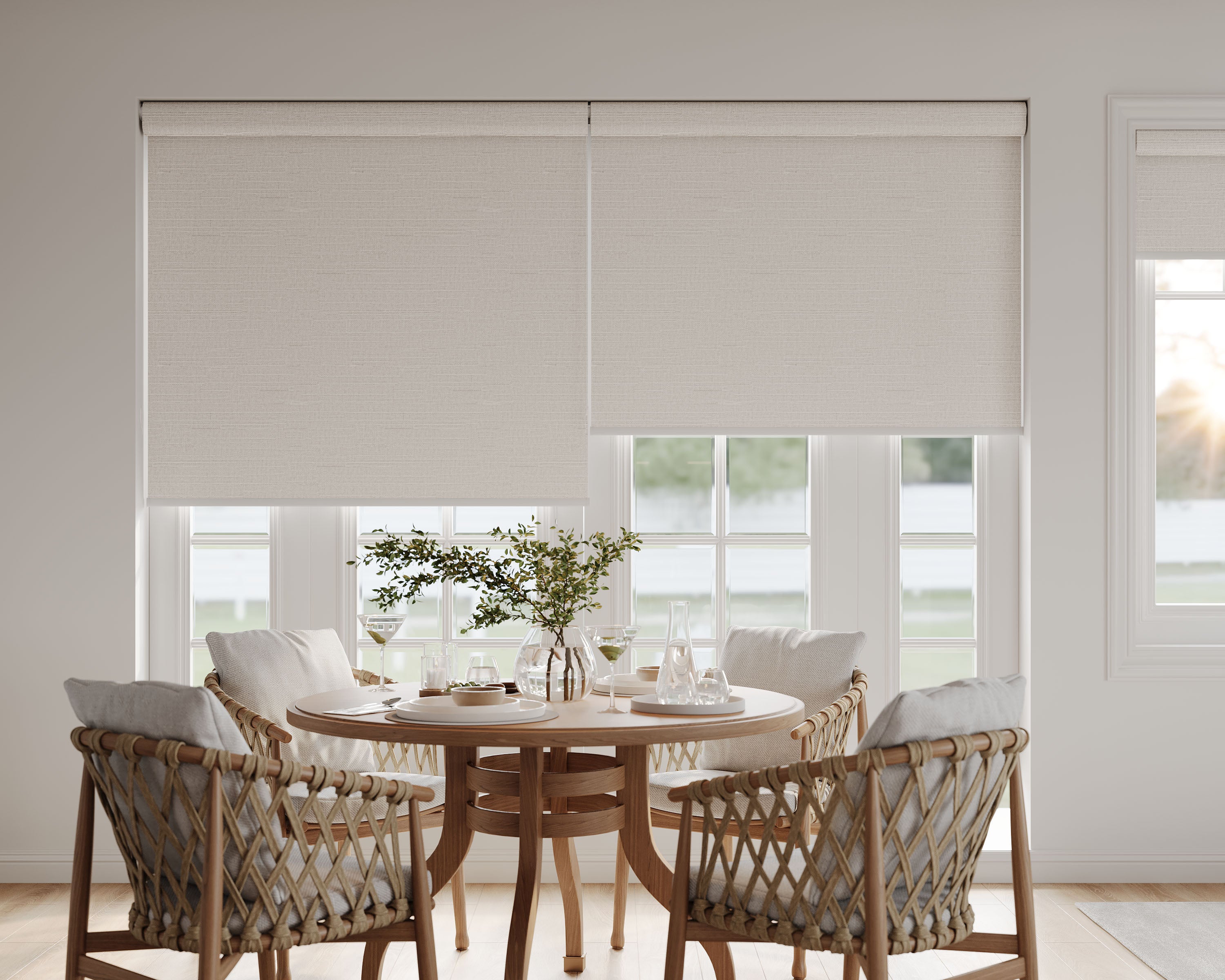


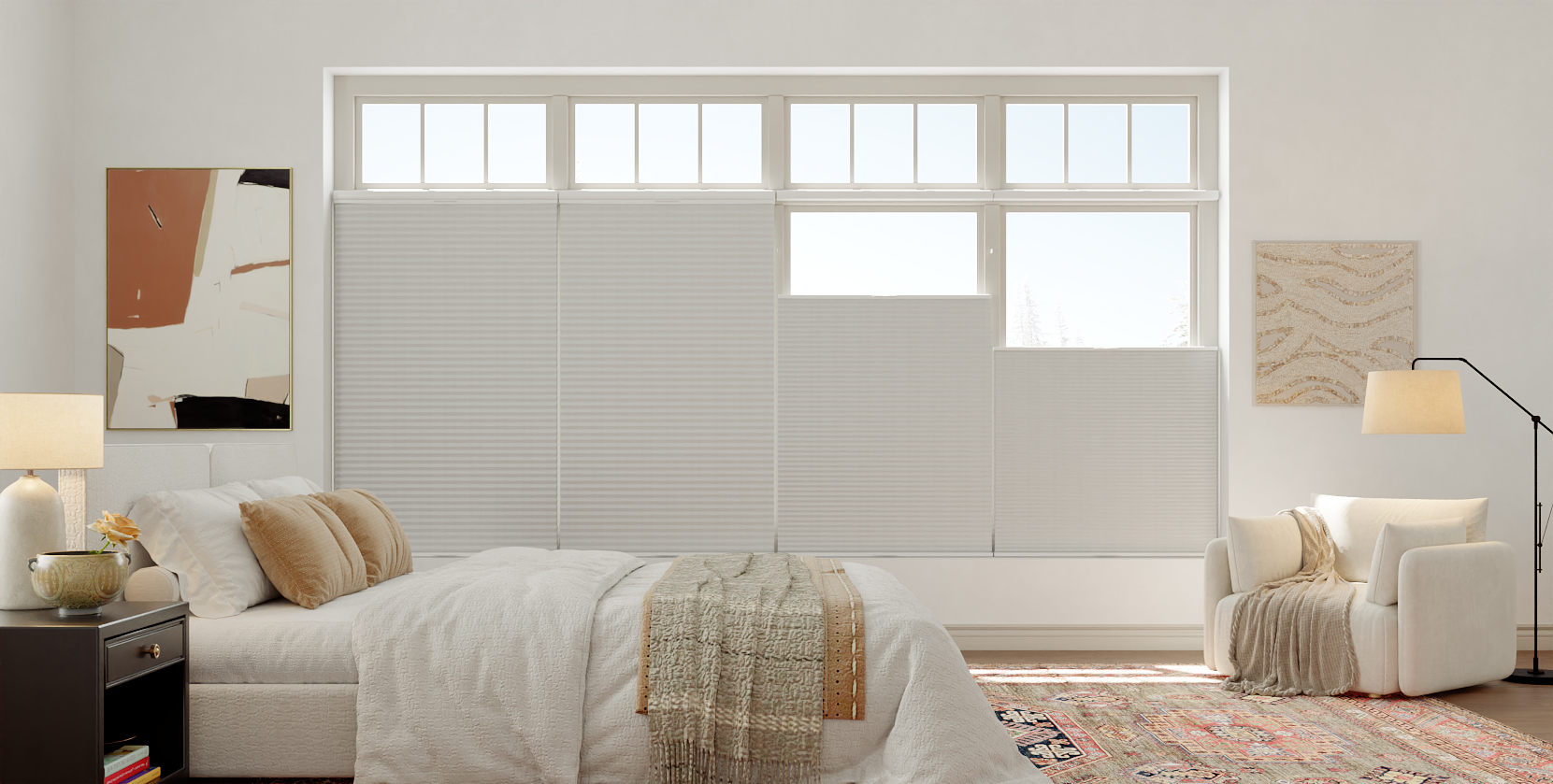


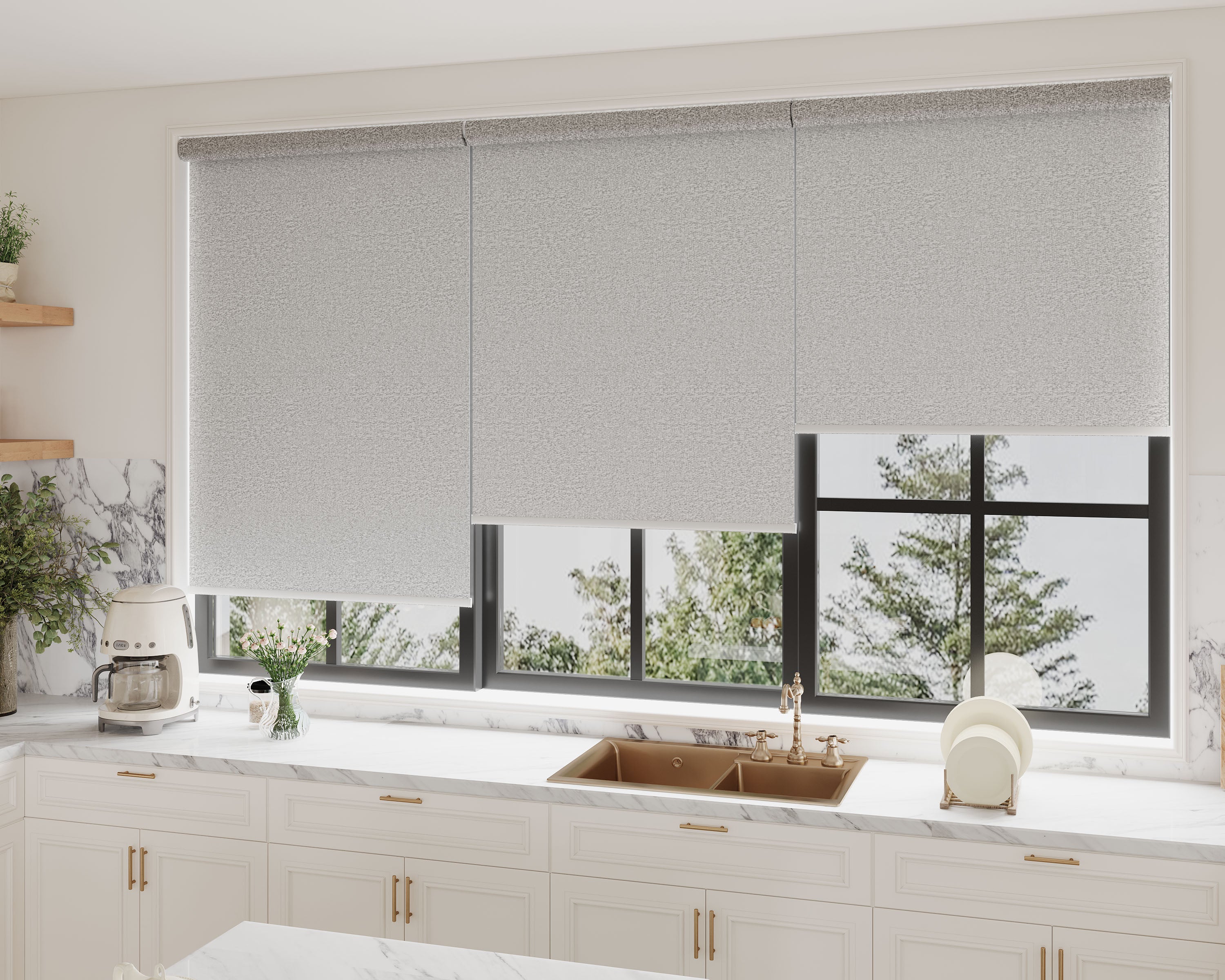

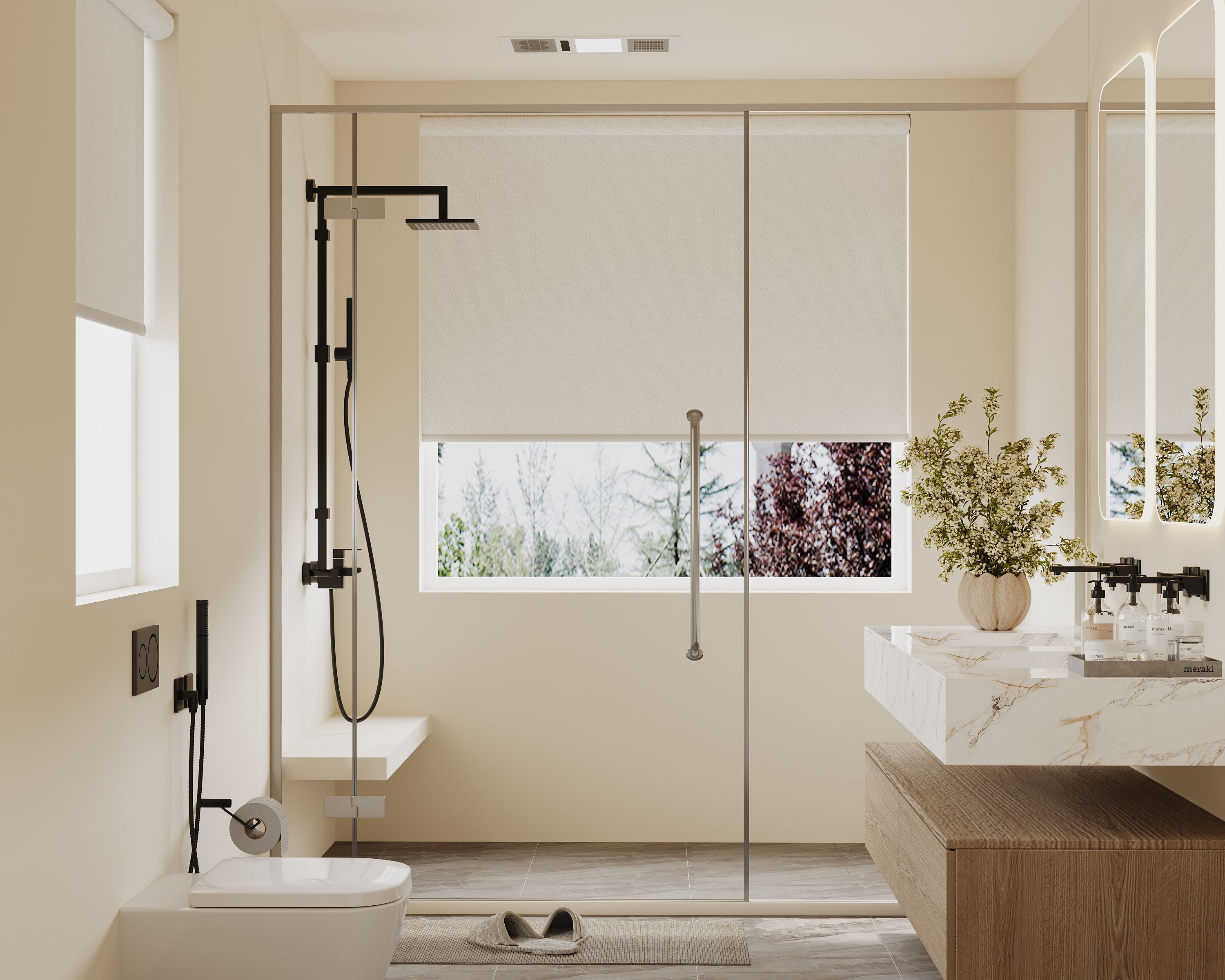


Sliding glass doors are a gateway to your backyard, patio, or balcony, flooding your home with light and creating a seamless indoor-outdoor connection. However, they present a unique window treatment challenge: you need something that provides privacy and light control without interfering with the door's function, handles daily use, and complements the large-scale view.
Roller shades are a premier choice for this task, offering a sleek, flat panel that maximizes the view when open. Selecting the right custom roller shades for expansive openings like sliding doors requires careful planning around mounting, operation, and fabric. This guide walks you through every technical and design consideration to ensure your shades work flawlessly for years.
Why Roller Shades Excel for Sliding Doors
-
Space-Efficient Design: When fully raised, a roller shade condenses into a compact roll housed in a slim headrail (typically 1-3 inches tall). This minimal "stacking height" means it hardly protrudes into your living space or blocks any part of the glass or frame when not in use.
-
Unobstructed Operation: A properly mounted roller shade sits above the door track. This allows the door to slide freely beneath it without any contact or interference, unlike vertical blinds or drapes that can get caught.
-
Clean, Modern Aesthetic: The flat fabric panel offers an uncluttered, minimalist look that doesn't compete with the door or the view. It's an ideal match for contemporary and transitional home styles.
-
Superior Light Control: From sun-filtering to total blackout, roller shades give you complete command over light and privacy for your living area, which is especially valuable for doors leading to busy yards or neighboring homes.
Critical Considerations for Sliding Door Success
1. The Mounting Decision: Inside vs. Outside
This is your first and most crucial choice, dictated by your door's frame and your goals.
-
Outside Mount (Most Common & Recommended): The bracket is installed on the wall above and outside the door frame. This is often the best solution because:
-
It fully clears the door track and handle.
-
It allows you to cover the entire glass area plus the frame, maximizing light blockage and privacy.
-
It can make the door and window appear larger.
-
It doesn't require deep frame depth. For a full analysis, our guide on the critical decision between an inside or outside mount is essential.
-
-
Inside Mount (If Conditions Are Perfect): The shade sits within the door's frame. This offers a built-in, ultra-clean look but has strict requirements:
-
Adequate Depth: The frame must be deep enough to accommodate the headrail and the fabric roll without touching the glass.
-
Cleared Obstructions: You must ensure the mounting position clears any door handles or locks when they are engaged.
-
It may leave slight light gaps on the sides.
-
2. Motorization: From Luxury to Necessity
For sliding doors, motorization transforms the user experience from "functional" to "effortless."
-
Safety & Convenience: Eliminates cords that can be a hazard and a nuisance near a high-traffic doorway.
-
Easy Operation of Large Shades: Sliding door shades are wide and can be heavy. A motor allows you to adjust them with a remote, smartphone, or voice command—no stretching or tugging required.
-
Integration & Scheduling: Sync them with your smart home for routines (e.g., "Good Morning" opens the shades) or set schedules to manage heat gain automatically. For a detailed financial and functional breakdown, see our five-year cost-benefit analysis of motorized versus manual shades.
3. Choosing the Right Fabric for Form and Function
The fabric must perform at a large scale. Key considerations include:
| Fabric Priority | Recommendation | Why It Matters for Sliding Doors |
|---|---|---|
| Stability & Durability | Choose medium to heavy-weight fabrics. Avoid very light, flimsy materials. | Wide shades need stable fabric that hangs flat and doesn't sag or wave. The door area is high-traffic, so durability is key. |
| Opacity & Purpose | Solar/Screen: Reduces glare & heat, preserves view. Light Filtering: Softens light, adds privacy. Room Darkening/Blackout: For media rooms or sleeping areas adjacent to doors. | Doors often connect to living spaces. Decide if you want to preserve the view (solar) or create a darkened room (blackout). Understand the real-world impact with our guide to room-darkening versus blackout shades. |
| Material & Cleanability | Vinyl, polyester, and acrylic-based fabrics are excellent. They are often more moisture-resistant and easier to wipe clean. | Proximity to the outdoors means more dust and potential for fingerprints or smudges. Easy-clean materials are practical. Learn more in our deep dive into how linen, vinyl, and bamboo perform. |
Step-by-Step Planning Guide
-
Measure with Precision: Accuracy is non-negotiable. For an outside mount, you'll measure the width of the area you want to cover (typically the outer frame width plus a few inches on each side for full coverage). For height, measure from the top of your planned headrail location down to the sill or floor. Always measure in multiple places. Follow our foolproof guide to getting width, height, and depth spot-on.
-
Select Hardware & Features: Choose your lift: manual cordless, continuous loop chain (for very wide shades), or motorized. For motorized, decide on battery or hardwired power.
-
Professional Installation Recommended: Given the size, weight, and importance of perfect alignment over the door track, professional installation is highly advised. It ensures secure mounting and optimal operation.
Common Pitfalls to Avoid
-
Ignoring the Handle: Always account for the door handle's protrusion. The shade must be mounted high enough or away from the wall enough so the fully lowered fabric clears it.
-
Underestimating Fabric Weight: A sheer, lightweight fabric on an 8-foot-wide shade may not provide enough tension for a smooth roll-up and may appear wavy.
-
Forgetting About the Lock: If using an inside mount, ensure the locked position of the door handle does not hit the headrail or bracket.
Final Checklist for Ordering
-
Mount Type Confirmed: Outside mount (recommended) or inside mount (if frame depth allows).
-
Measurements Verified: Width and height double-checked, accounting for obstructions.
-
Fabric Selected: Appropriate weight and opacity for your needs (Solar, Filtering, Blackout).
-
Lift Mechanism Chosen: Motorized (highly recommended), cordless, or corded.
-
Installation Planned: Professional installer scheduled or DIY plan confirmed with all tools.
Choosing the best roller shades for your sliding glass door enhances privacy, comfort, and style without sacrificing your access to the outdoors. By prioritizing a motorized system for ease, selecting a stable fabric, and ensuring a precise mount above the door's track, you create a solution that is as functional as it is beautiful.
Frequently Asked Questions (FAQ)
Can a single roller shade cover a double-wide sliding glass door?
Yes, custom roller shades can be manufactured for very wide openings. However, for extra-wide doors (often over 100 inches), discuss with your provider. Extremely wide shades may require a heavy-duty roller tube and motor to ensure smooth, stable operation and prevent sagging in the middle.
How much space does the roller shade take up when it's rolled up?
The "stacking height" is the space occupied by the rolled fabric and headrail. This is typically between 1.5 to 3 inches of vertical space on the wall or frame above the door. Always confirm the exact stacking height of your chosen system.
Are roller shades safe for homes with children and pets near the door?
Cordless or motorized roller shades are the only safe choice for sliding doors in homes with children and pets. They eliminate dangerous dangling cords that pose a strangulation risk. Motorized shades offer the ultimate in safety and convenience.
What if my sliding door opens from the middle? Where do I mount the shade?
For doors that meet in the center, you typically mount one continuous shade above both door panels. The shade will cover the entire opening, and the doors will slide underneath it independently. Ensure the headrail is mounted high enough that the shade clears the door handles in all positions.
Can I use a roller shade on a sliding door that leads to a pool or high-moisture area?
Yes, but material selection is critical. Choose a 100% waterproof or highly water-resistant fabric like vinyl or coated polyester. Ensure the mechanism (especially if motorized) is rated for use in damp locations, and good ventilation is maintained to prevent moisture buildup behind the shade.
Explore Custom Roller Shades


