
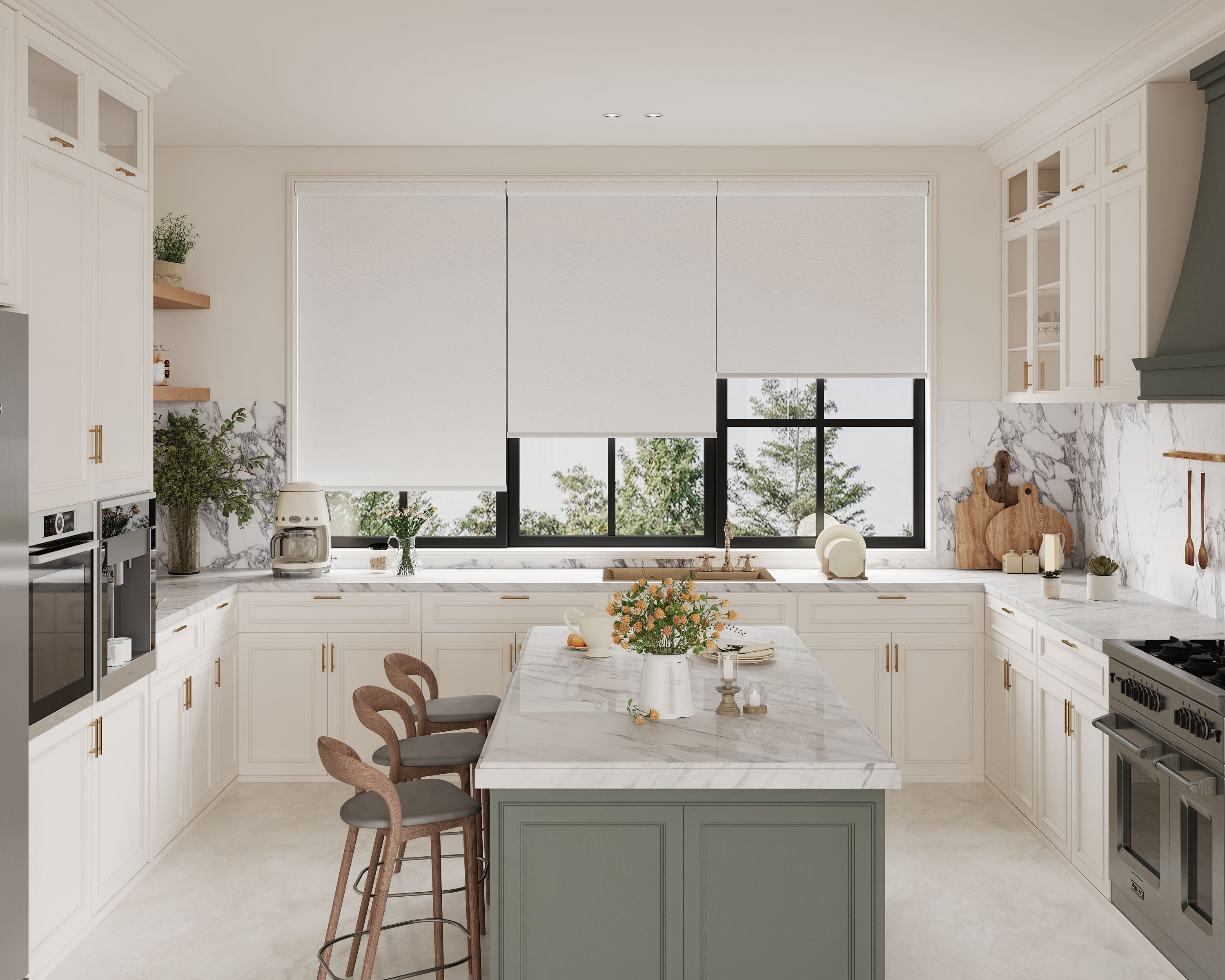
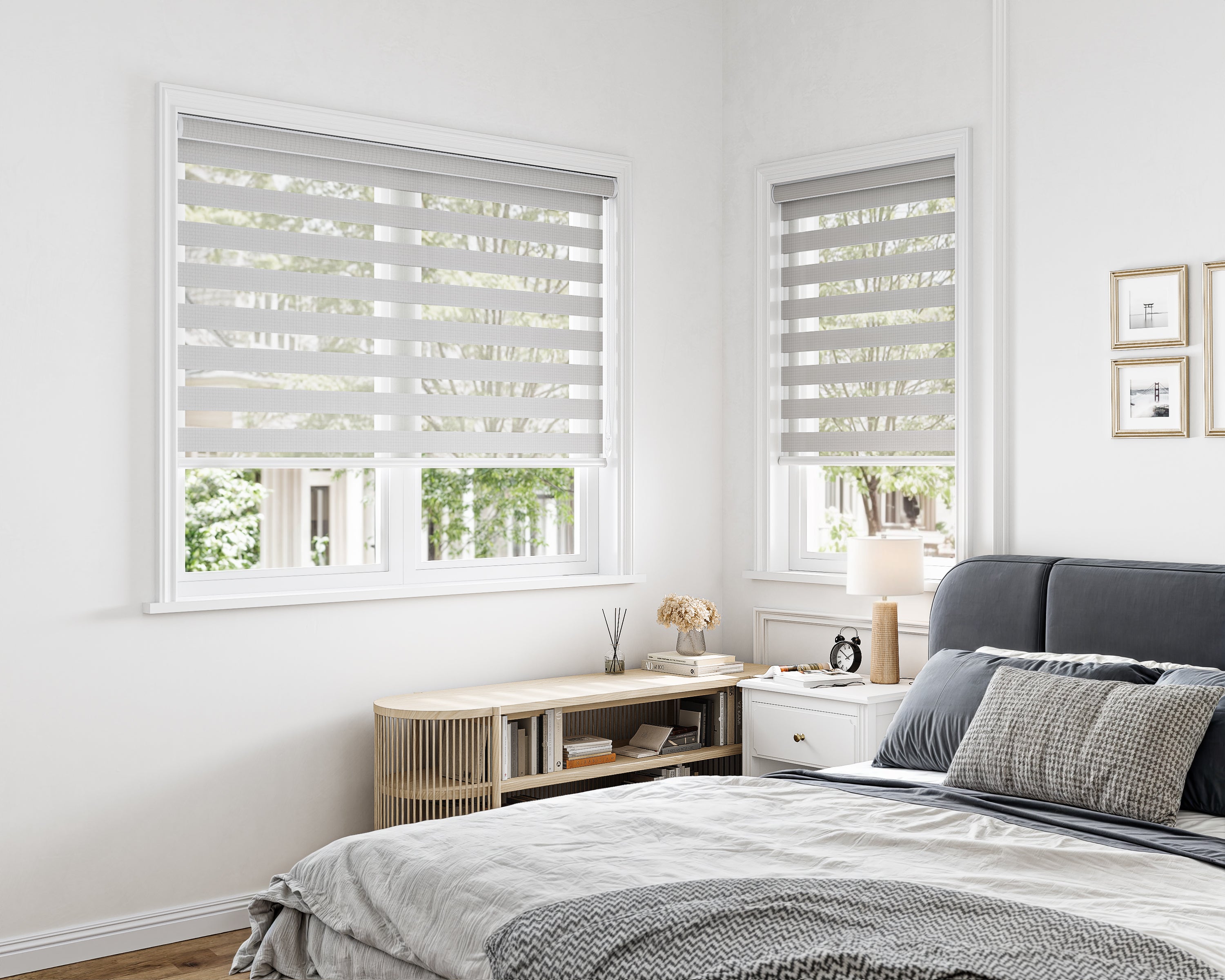
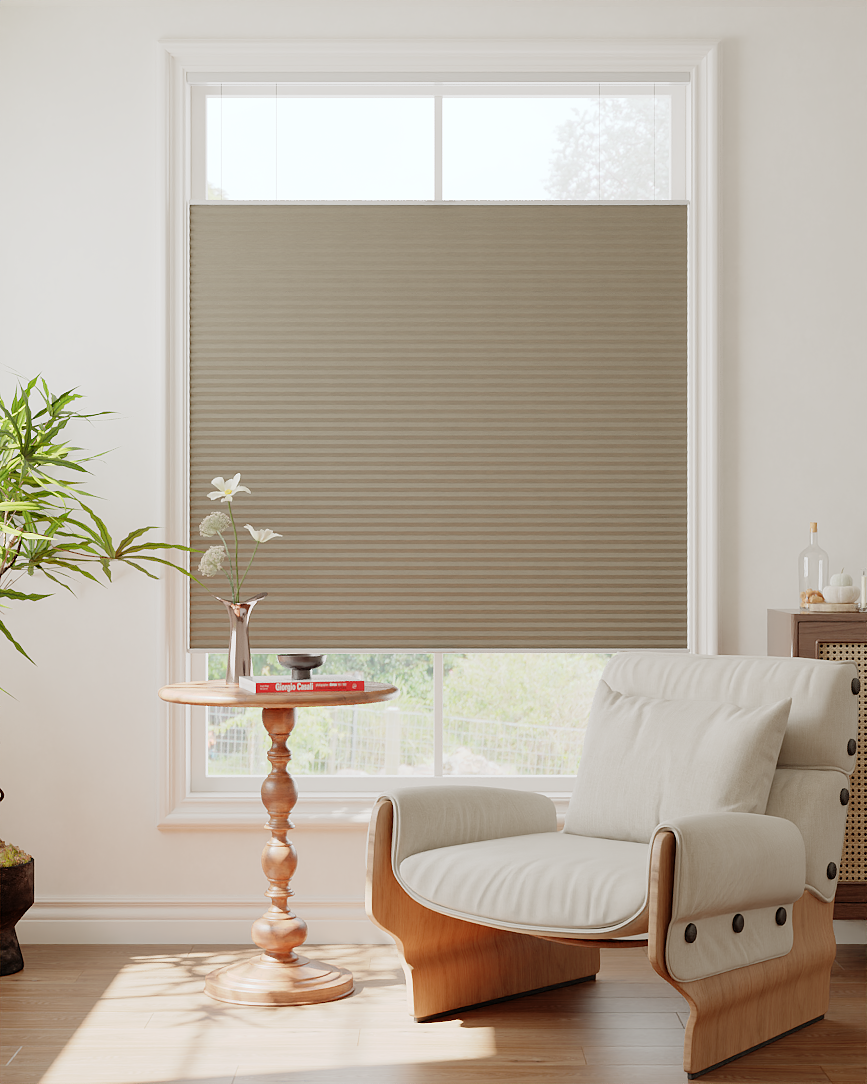
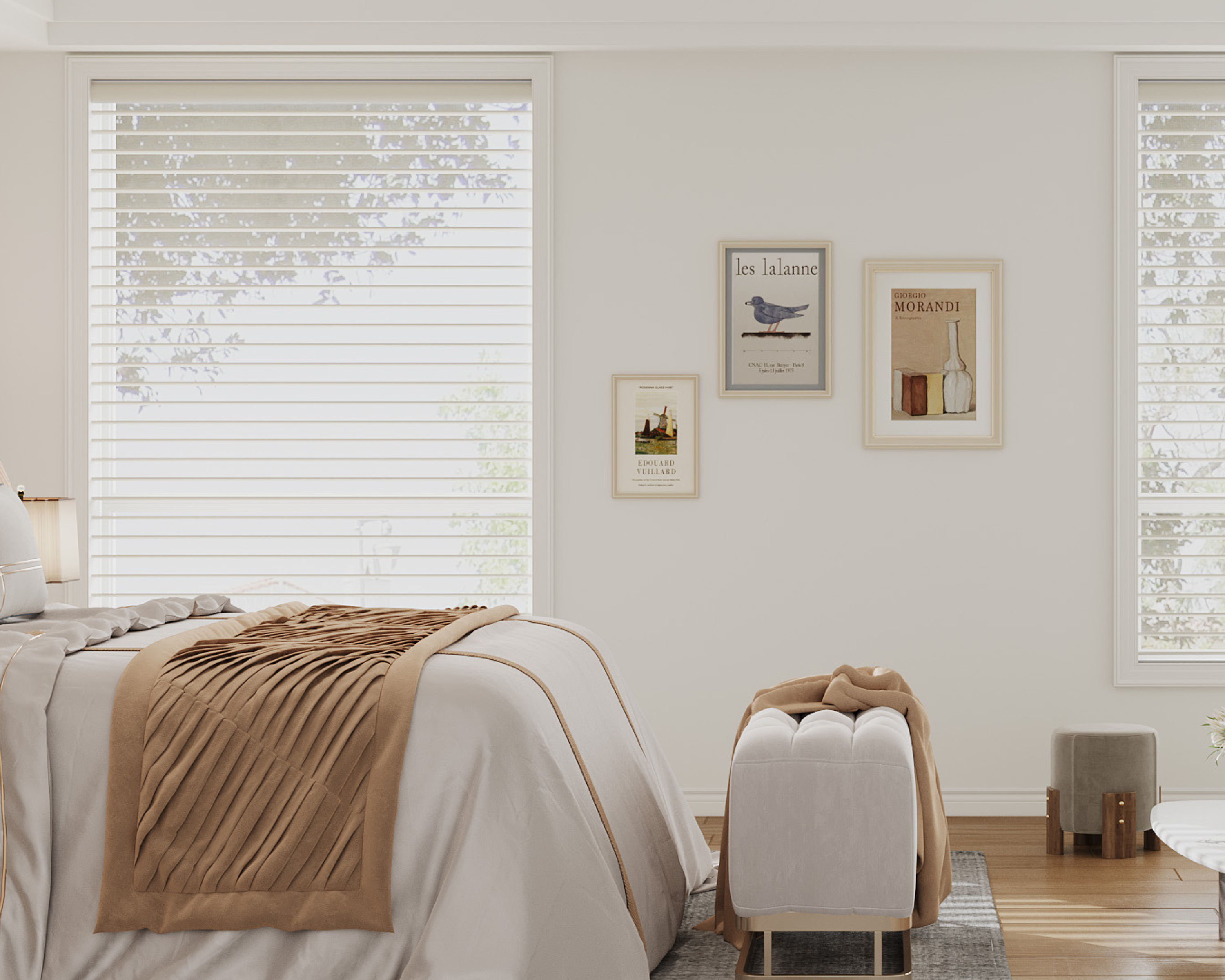
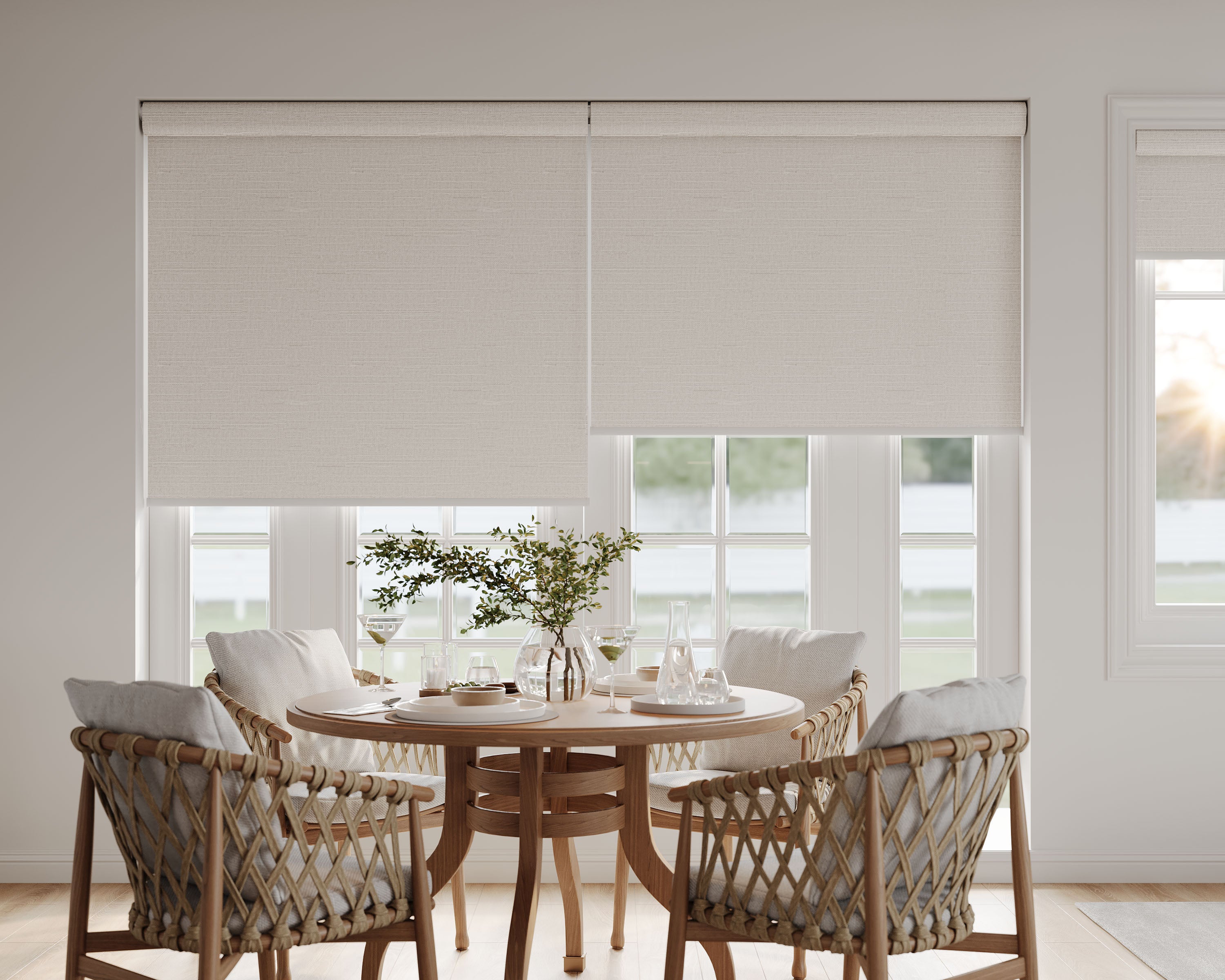


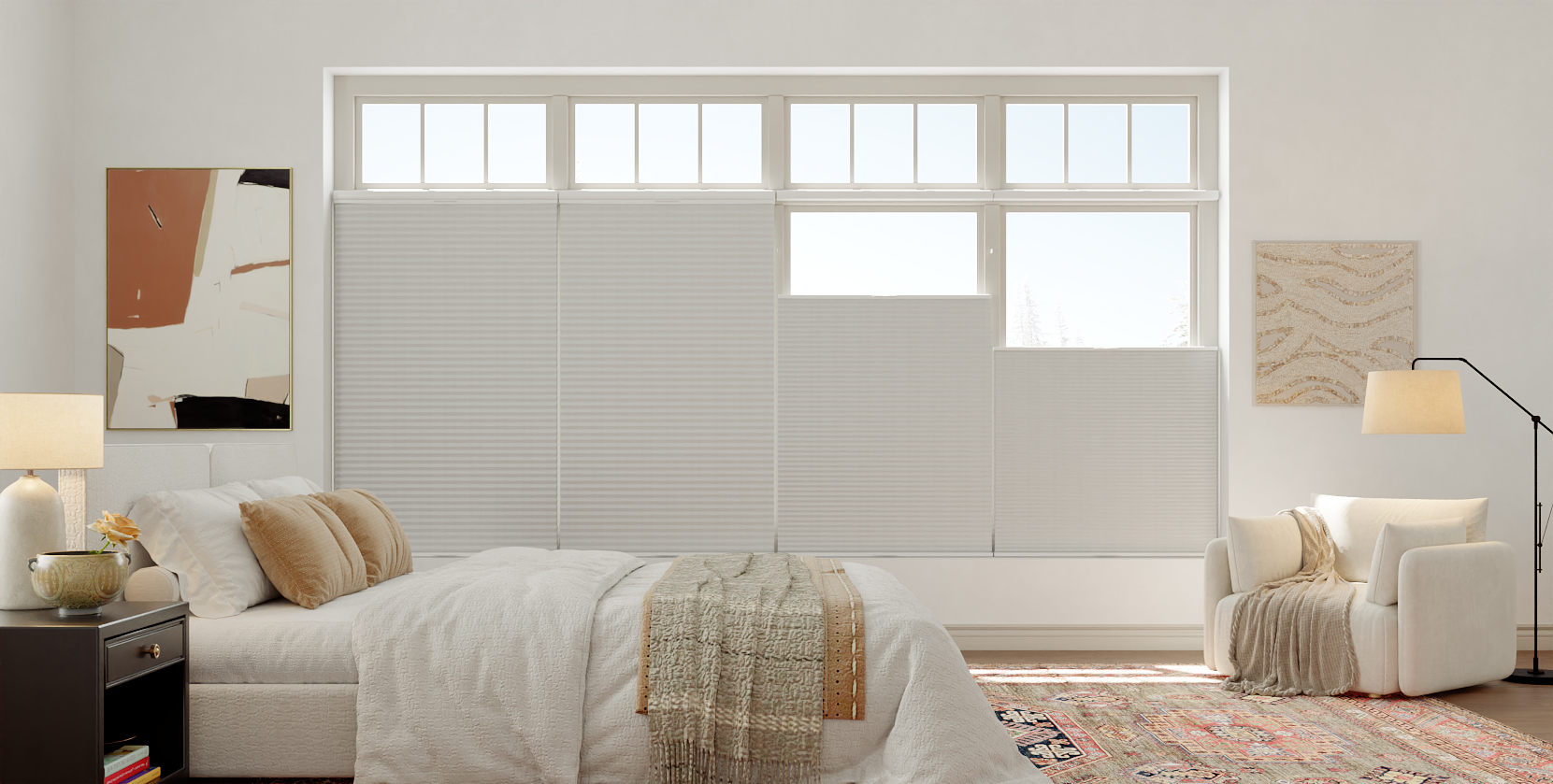


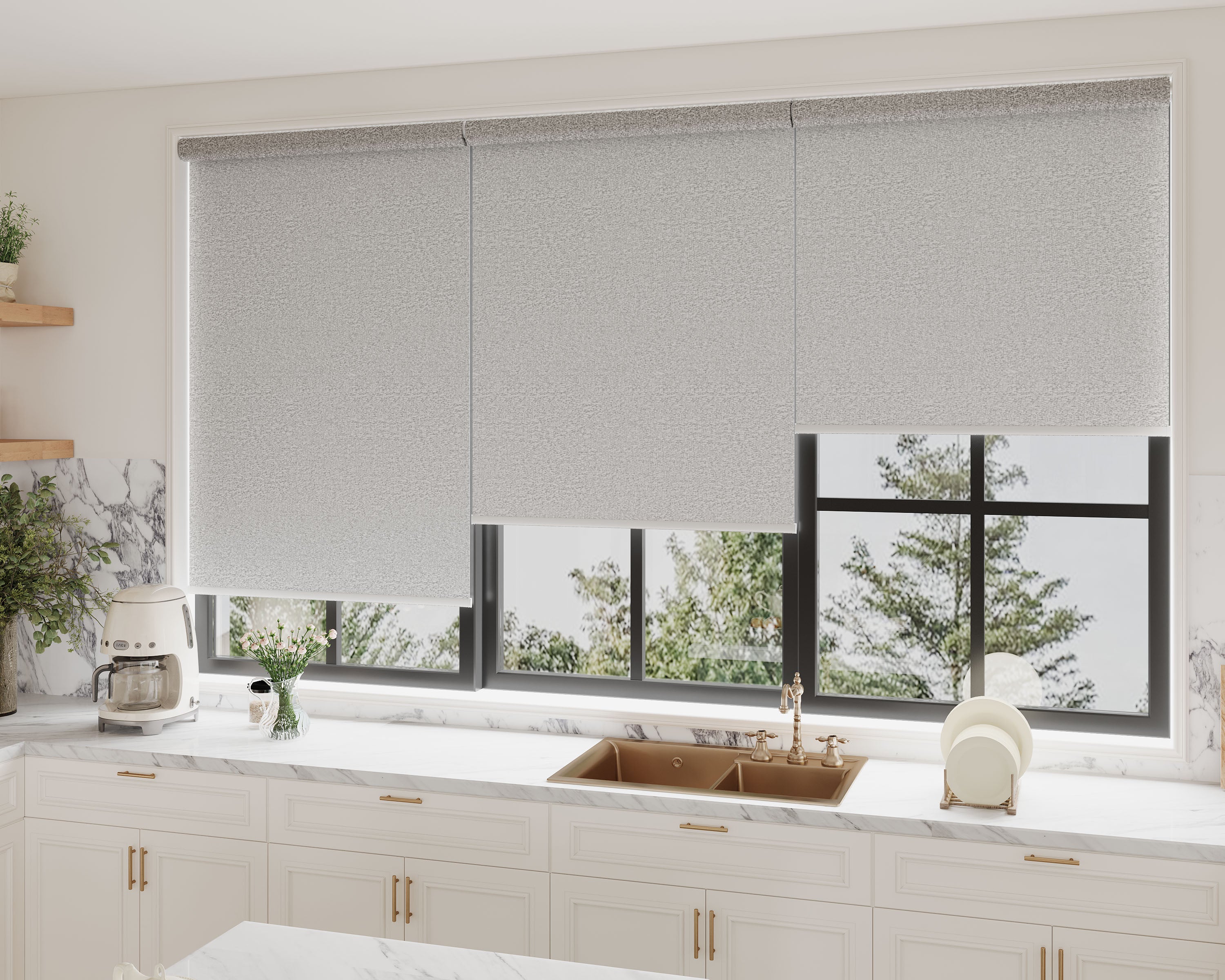

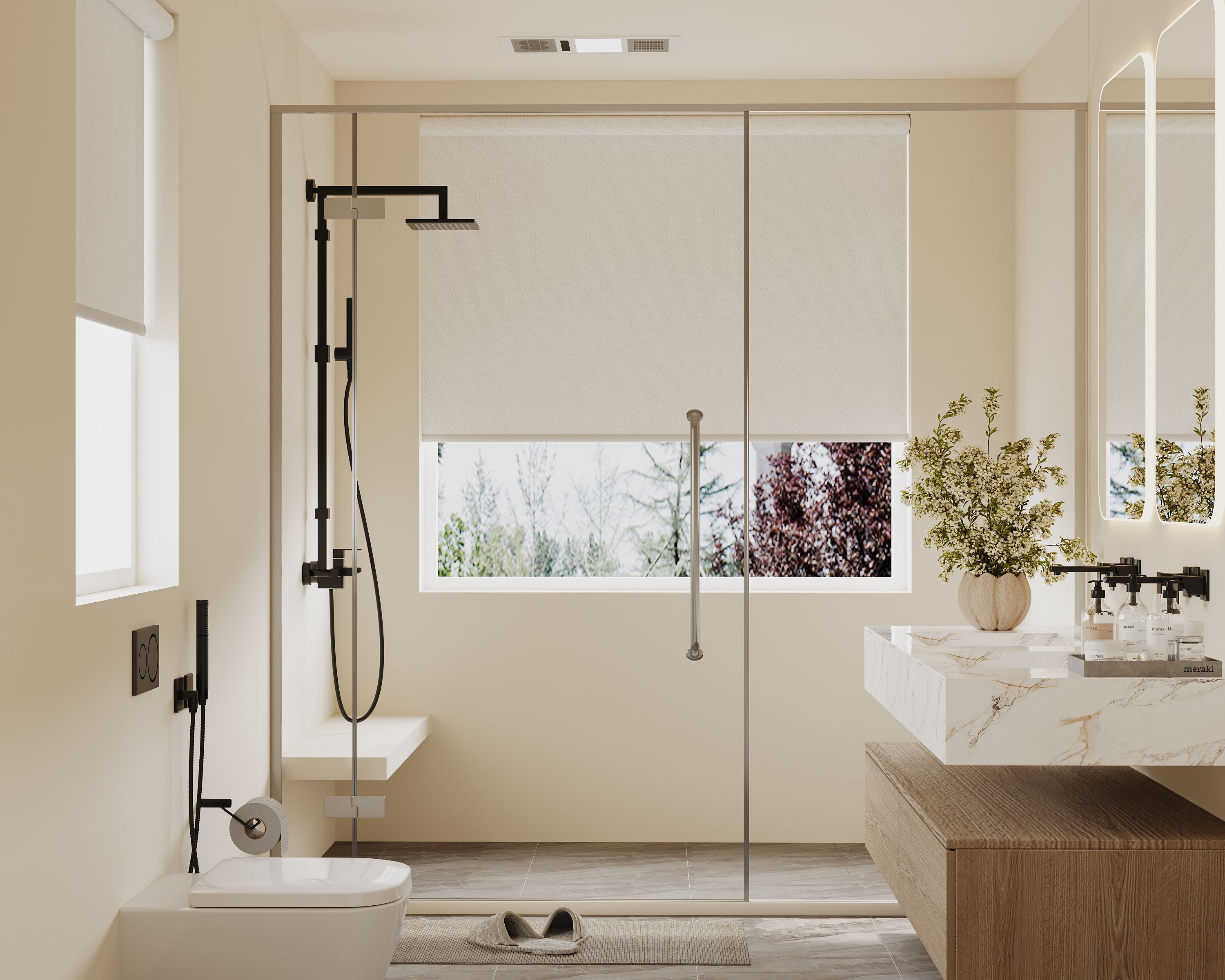


When it's time to dress your windows, the choice often narrows to two classics: the sleek, adjustable slats of blinds or the soft, tailored folds of Roman shades. While both are functional, Roman shades offer a distinct set of advantages that elevate them from a simple window covering to an integral part of your room's design and comfort. The choice ultimately hinges on whether you prioritize pure light adjustment or a blend of light control, insulation, and refined style.
Opting for custom Roman shades means investing in a layered fabric solution that delivers on multiple fronts. This guide breaks down the key differences to help you understand why Roman shades are often the preferred choice for living rooms, bedrooms, and dining areas where aesthetics and atmosphere matter.
Roman Shades vs. Blinds: A Side-by-Side Comparison
| Feature | Horizontal Blinds (Wood/Faux Wood) | Roman Shades |
|---|---|---|
| Primary Material | Rigid slats (wood, aluminum, PVC) | Fabric (linen, cotton, polyester, blends) |
| Light Control | Adjustable by tilting slats. Light gaps between slats are inevitable. | Adjustable by raising/lowering a continuous fabric panel. Offers seamless coverage when down. |
| Privacy | Good privacy when closed, but angled slats can allow viewing from certain angles. | Excellent, uniform privacy when lowered, as fabric provides an unbroken barrier. |
| Insulation & Energy Efficiency | Minimal. Slats offer little barrier to heat transfer; air easily passes through gaps. | Good to excellent. Fabric acts as an insulating layer, and some styles can be lined for enhanced thermal performance. |
| Aesthetic & Style | Clean, linear, and utilitarian. Offers a tailored look but less softness. | Soft, textured, and dimensional. Adds warmth, fabric interest, and a curated, upscale appearance. |
| Dust & Maintenance | Individual slats require frequent dusting with a microfiber cloth or blind vacuum attachment. | Fabric panel can be vacuumed with a brush attachment. Lighter cleaning but may require professional cleaning for stains. |
| Safety | Traditional cords pose a significant strangulation hazard for children and pets. | Modern cordless lift systems are standard, eliminating dangling cords for a safer, cleaner look. |
| View Through | When open, slats obstruct a portion of the view. | When fully raised, fabric stacks at the top of the window, providing a completely clear, unobstructed view. |
The Compelling Reasons to Choose Roman Shades
1. Superior Light Control and Privacy
This is a fundamental advantage. Blinds control light by tilting slats, which always leaves narrow gaps for light to peek through. Roman shades work as a solid fabric panel. When lowered, they provide a uniform barrier that completely blocks sightlines and diffuses or blocks light evenly across the entire window. This makes them ideal for bedrooms where early morning light is an issue or for street-facing rooms where nighttime privacy is paramount. For the ultimate in darkness, explore the options in blackout versus light-filtering Roman shades.
2. Enhanced Insulation and Energy Efficiency
Fabric is a natural insulator. A lined Roman shade creates a pocket of still air at the window, helping to keep rooms warmer in winter and cooler in summer. Horizontal blinds, with their inherent gaps, do very little to slow heat transfer. This insulating property can contribute to lower energy bills and increased comfort, especially for older windows.
3. Aesthetic Versatility and Softness
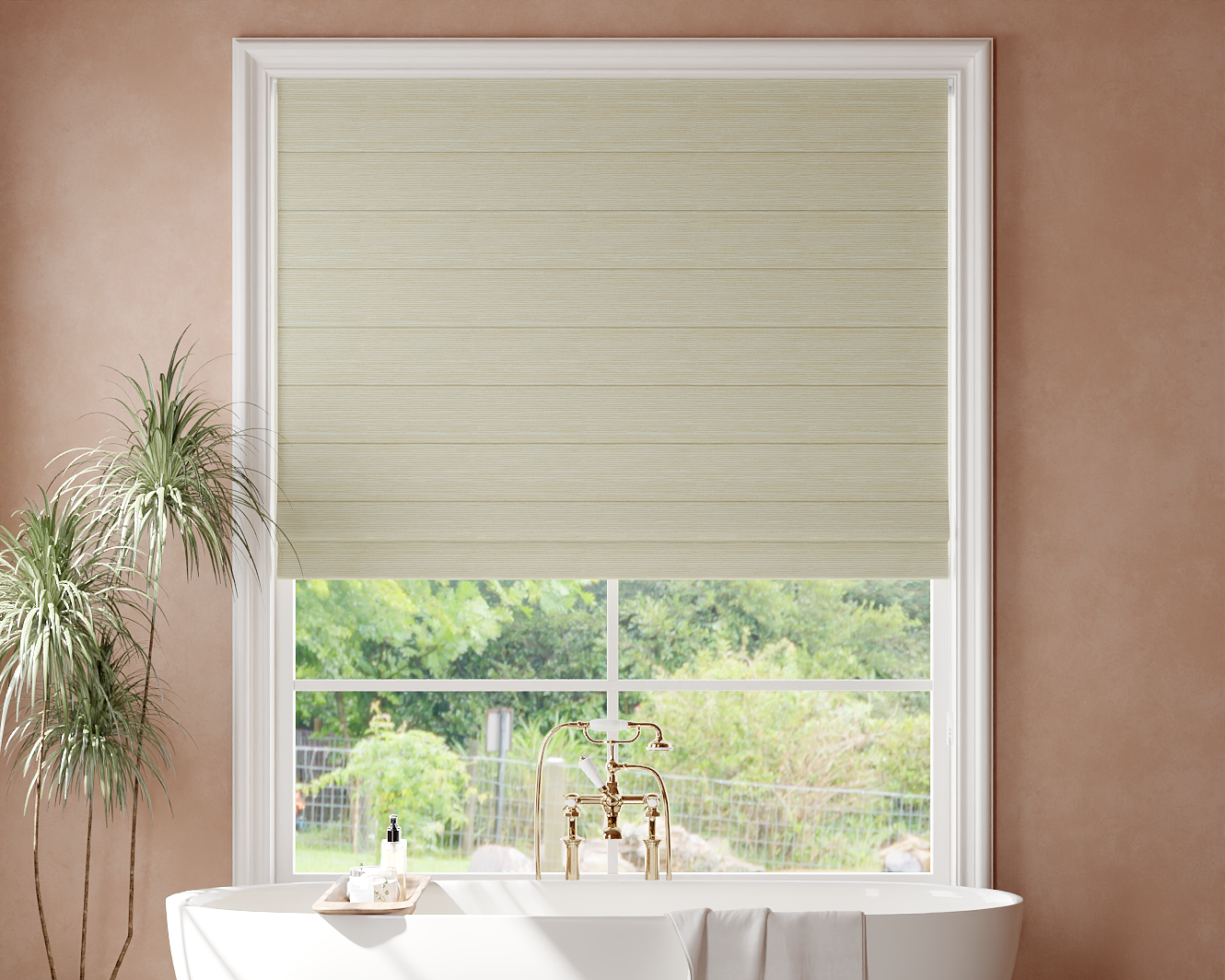
Roman shades introduce texture, pattern, and color in a way that rigid blinds cannot. They have a soft, inviting appearance that makes a room feel more finished and designed. With styles ranging from crisp flat-folds to elegant hobbled folds, they can be tailored to suit any decor, from modern to traditional. The question of whether Roman shades are still in style for 2026 is easily answered by their timeless adaptability.
4. Safer, Cleaner Operation with Cordless Lifts
Modern child safety standards have made cordless window treatments essential in homes with families. While cordless blinds exist, they are not universal. Cordless Roman shades are now a standard and elegant option. A simple push or pull on the bottom hem raises or lowers the shade smoothly, eliminating dangerous cords entirely. Learn more about the mechanics and benefits in our guide to cordless mechanisms for safety and style.
5. Unobstructed Views When Fully Open
When you want to enjoy your view, Roman shades stack compactly at the top of the window in neat, horizontal folds. This clears the entire glass area. In contrast, even when fully open, the horizontal slats of blinds remain visible across the window, segmenting the view.
When Blinds Might Be the More Practical Choice
It’s a balanced comparison. Blinds can be the more suitable option in certain scenarios:
-
Very High-Humidity Areas: Wood blinds can warp in steamy bathrooms. While some moisture-resistant Roman fabrics exist, vinyl or aluminum blinds are often the most practical choice for full bathrooms.
-
Extremely Tight Budgets: Basic aluminum or PVC blinds are generally less expensive than custom fabric Roman shades.
-
The Need for Precise, Gradual Light Adjustment: While Roman shades adjust light in stages as they are raised/lowered, the tilt function of blinds allows for minute, gradual adjustments of light angle throughout the day without changing the shade's height.
Beyond Blinds: Comparing Roman Shades to Roller Shades
It's also common to compare Roman shades to their cousin, the roller shade. While both are fabric-based, they offer different experiences. A roller shade provides a perfectly flat, minimalist panel, while a Roman shade offers soft folds and dimension. For a detailed look at this other key decision, our comparison of Roman shades versus roller shades breaks down their unique strengths.
Making Your Decision: Key Questions to Ask
-
What is the room's primary function? (A bedroom prioritizing darkness favors Roman shades; a utility room may suit blinds).
-
What is my decor style? (Soft, traditional, or textured styles lean Roman; ultra-modern or industrial may lean flat-panel roller or sleek blinds).
-
Are children or pets present? (Cordless Roman shades are a top safety choice).
-
What is my budget for custom versus standard sizes? (Roman shades are typically a custom product, while blinds are widely available in standard sizes).
Ultimately, choosing Roman shades over blinds is an investment in the ambiance and comfort of your home. They offer a unique combination of elegant style, effective light and privacy control, and improved insulation that rigid slats cannot match. By understanding their distinct advantages, you can confidently choose the window treatment that truly elevates your space.
Shop Roman Shades by Light Control


Frequently Asked Questions (FAQ)
Are Roman shades harder to operate than blinds?
Not at all. Modern Roman shades with a cordless clutch system operate with a simple, smooth push or pull on the bottom rail. They are just as easy, if not easier, to use than a corded blind, and significantly safer. Motorized Roman shades offer the ultimate in effortless operation.
Is it true that Roman shades are difficult to clean?
This is a common misconception. Regular maintenance is straightforward: simply use the brush attachment on your vacuum cleaner to remove dust from the fabric folds. For most fabrics, spot cleaning with a mild detergent is effective. Unlike blinds with dozens of individual slats to dust, the single fabric panel of a Roman shade can be quicker to maintain overall.
Can I get a modern look with Roman shades, or are they only traditional?
Absolutely. Roman shades are highly versatile. A flat-fold Roman shade in a neutral, textured linen offers a clean, contemporary look. The style is defined by the fabric and fold. By choosing a solid color with a simple fold and a streamlined headrail, you can achieve a very modern aesthetic. Explore the different flat, hobbled, and relaxed styles to find the modern look you want.
Do Roman shades take up a lot of space when raised?
Roman shades do stack up at the top of the window when fully raised. The "stack height" depends on the fabric thickness and fold style (hobbled folds stack higher than flat folds). Typically, this adds 4 to 8 inches of fabric bulk above the window, which can block a small portion of the top of the glass. This is an important consideration for windows where you want to maximize every inch of visible glass.
Are Roman shades a good choice for a home office?
Yes, they can be excellent. Choose a light-filtering fabric to reduce screen glare while still allowing ambient light. The fabric also helps dampen sound slightly. For complete focus, a blackout Roman shade can eliminate all outside distraction.
