
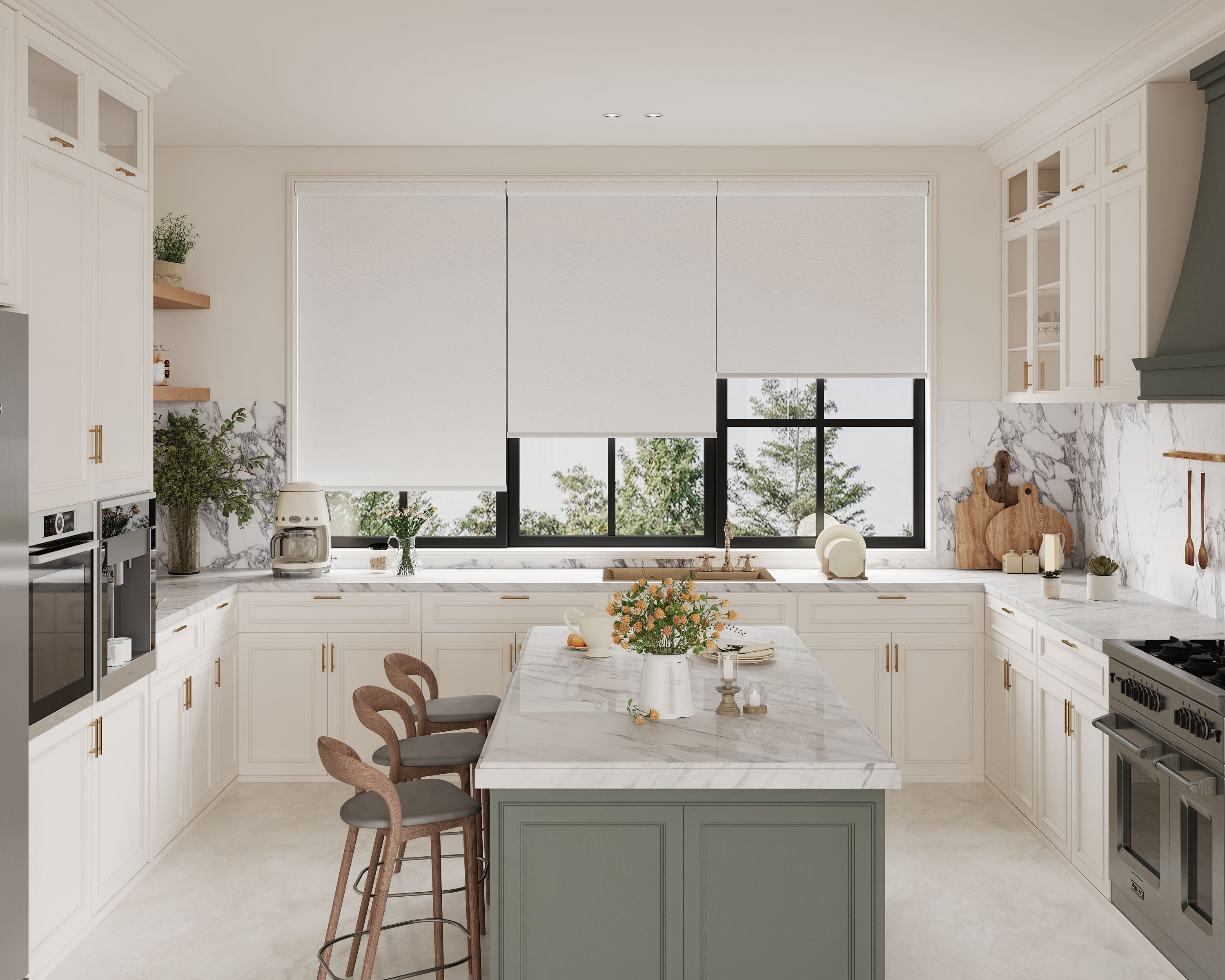
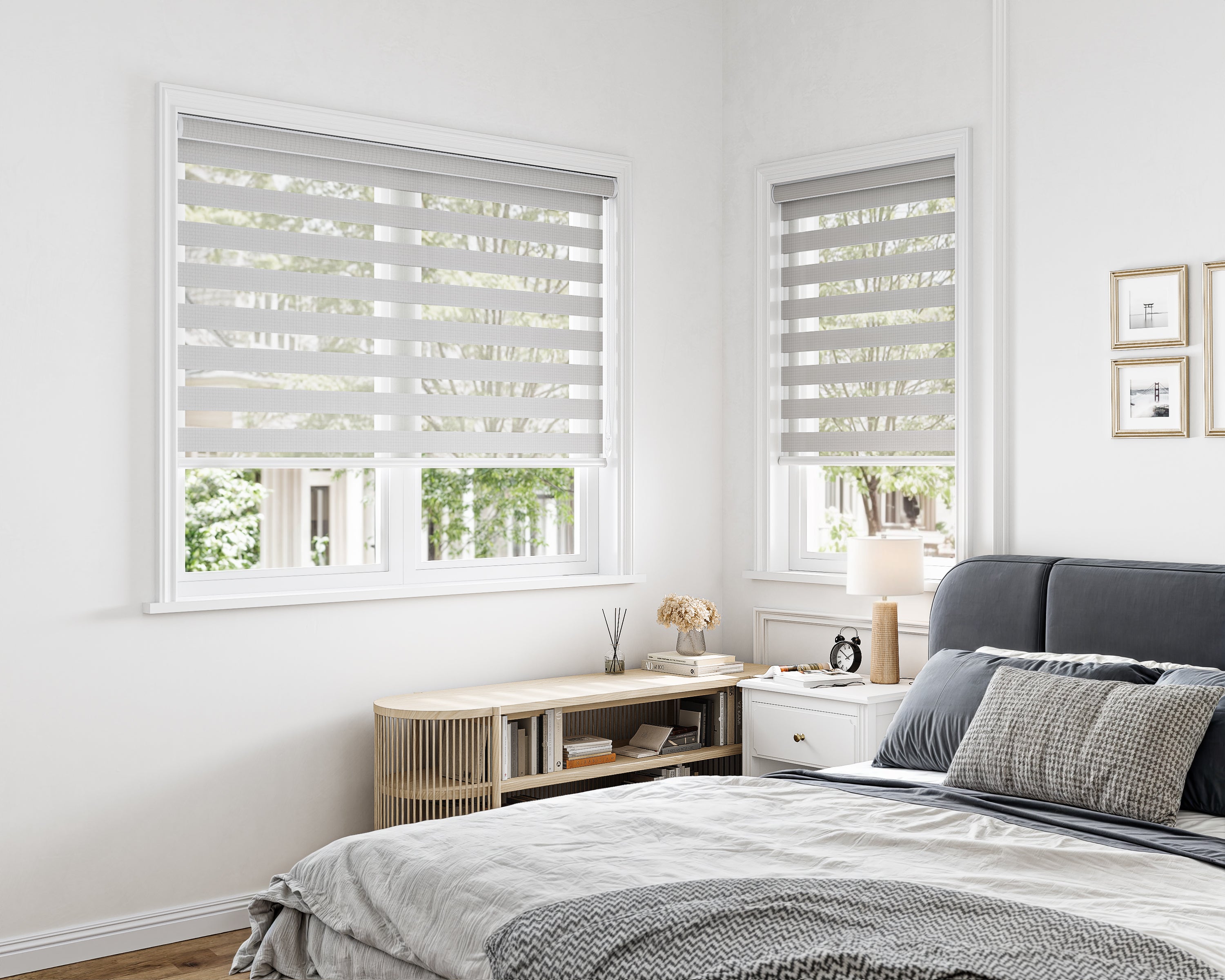
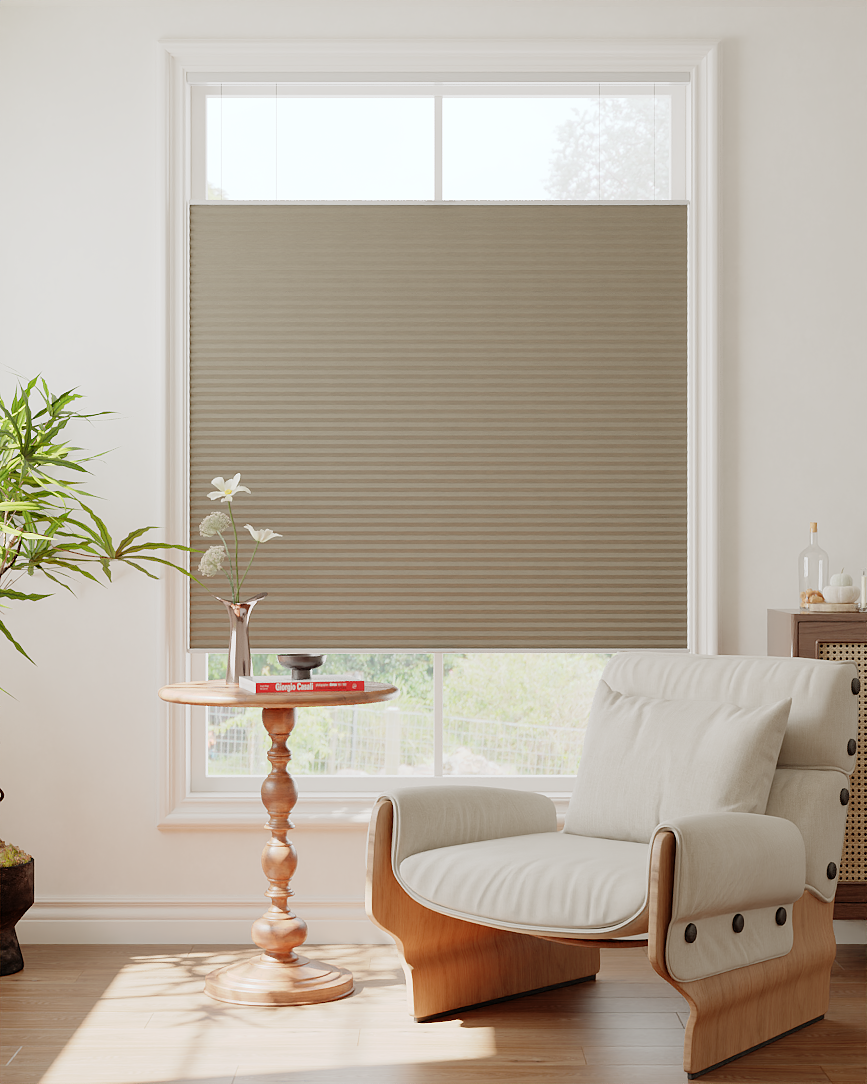
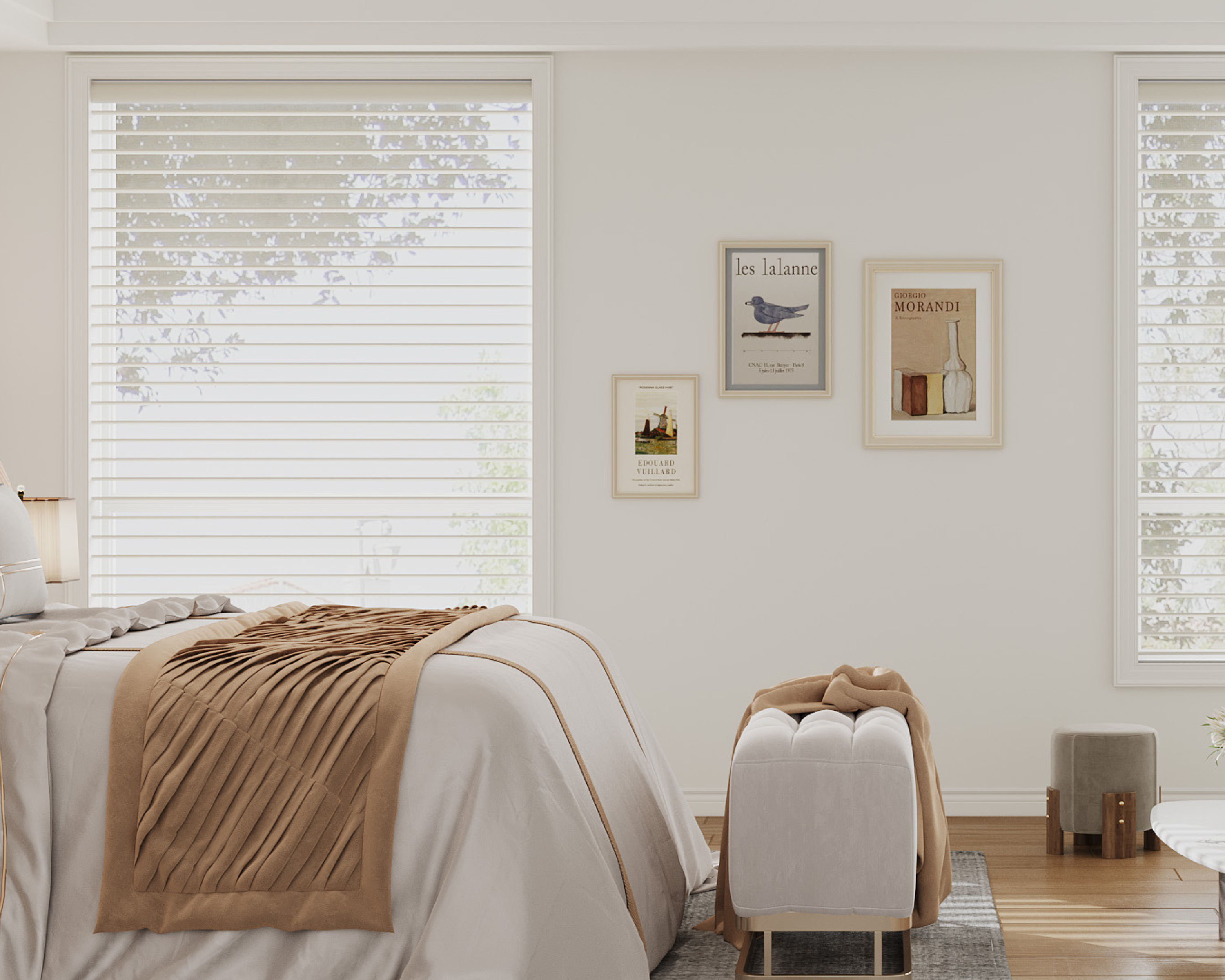
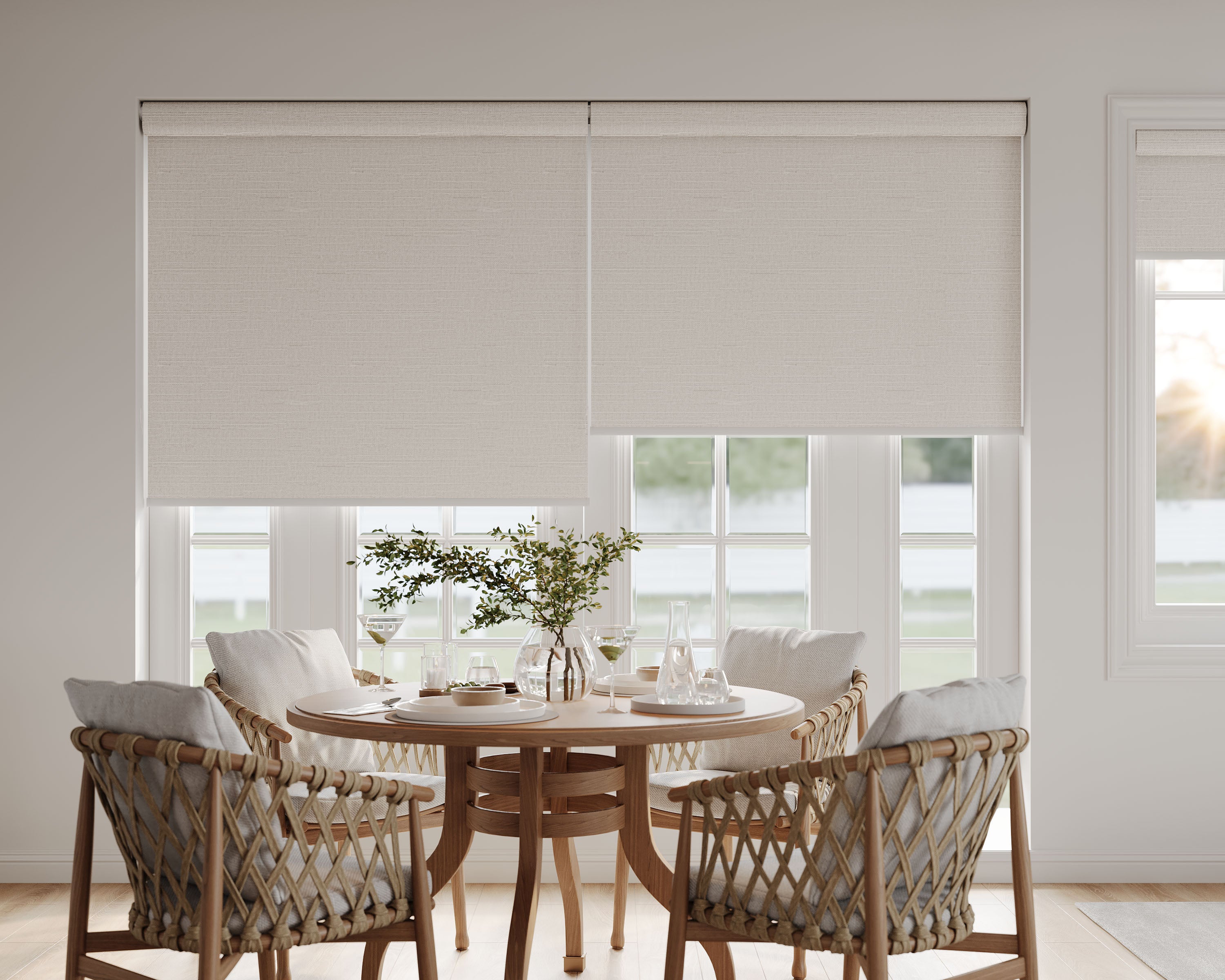


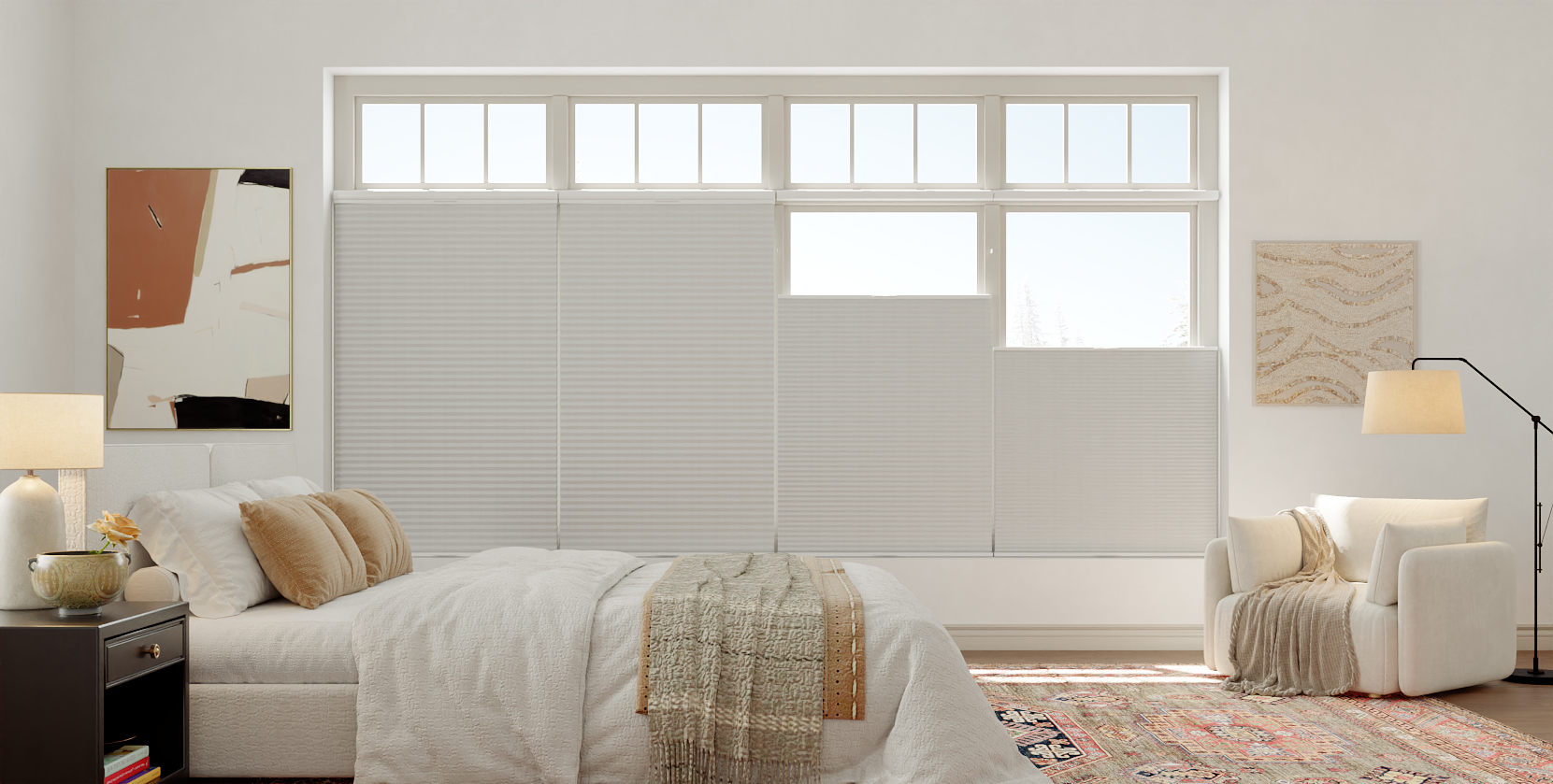


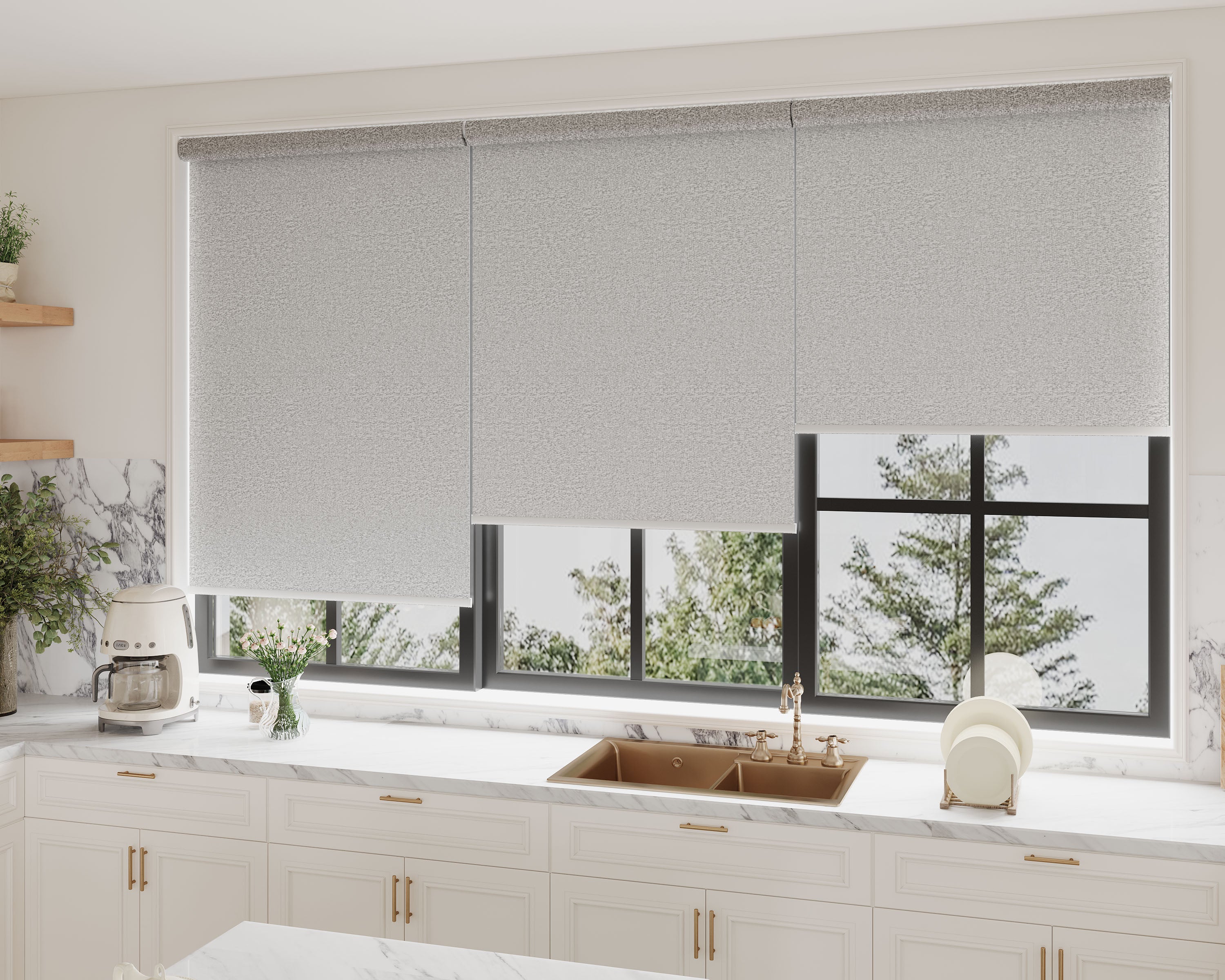

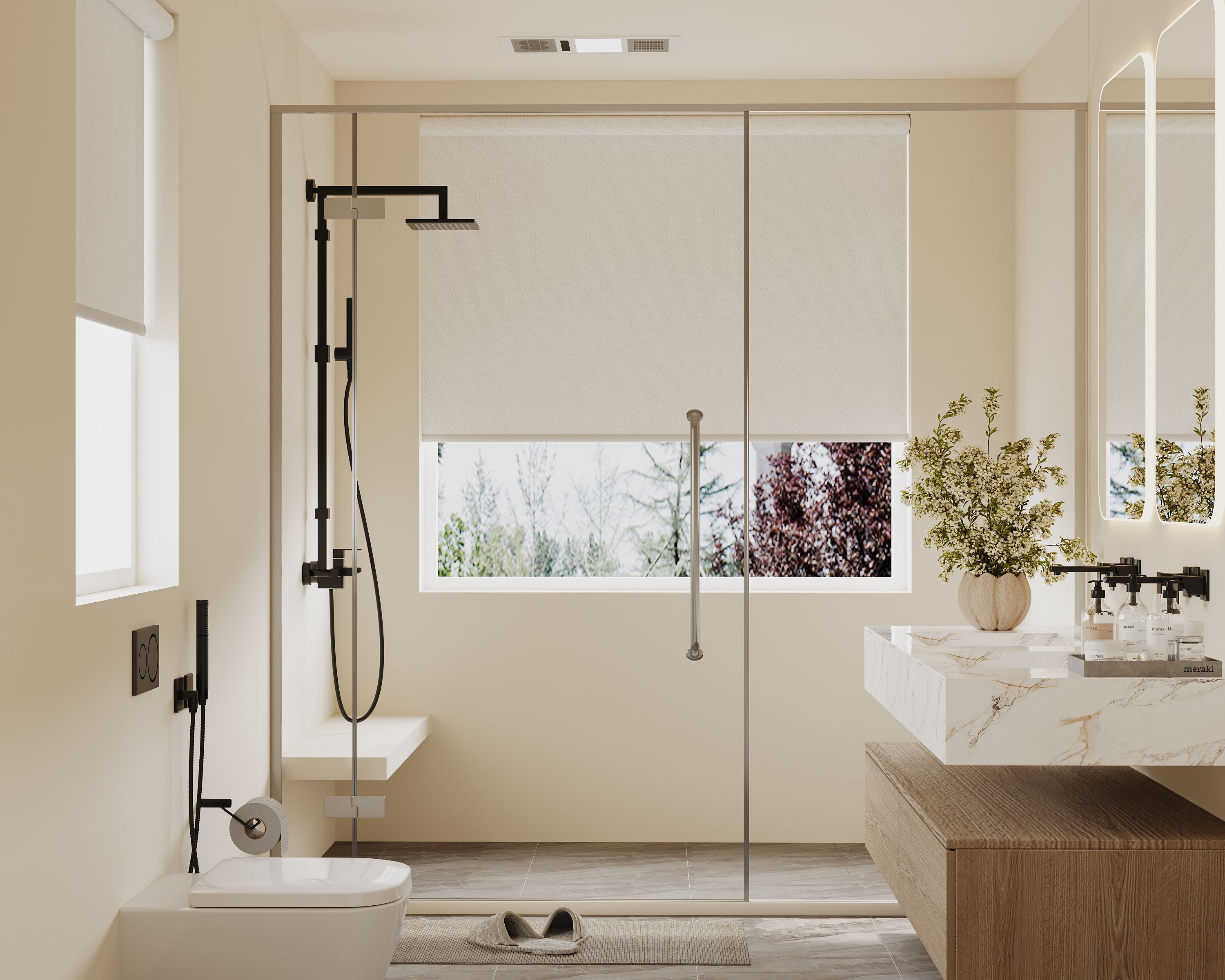


It's a question that surfaces with every design refresh: are certain classic elements still current? When it comes to Roman shades, the short answer is a resounding yes. But the more nuanced and valuable truth is that Roman shades are not merely "still in style"—they are experiencing a renaissance, perfectly aligning with the dominant design philosophies of 2026. The key lies in understanding that their style is not static; it evolves with fabric, fold, and application.
The enduring appeal of custom Roman shades lies in their unique ability to blend softness, structure, and texture. Rather than fading as a trend, they have solidified their status as a timeless foundational piece, much like a well-tailored sofa or a quality area rug. This guide will explain why they remain so relevant and, most importantly, how to style them for a look that is unequivocally fresh and modern.
Why Roman Shades Are Timeless (And More Relevant Than Ever)
Roman shades defy fleeting trends due to their inherent strengths, which align perfectly with where interior design is heading in 2026:
-
The Rise of "Soft" and Textural Interiors: The move away from cold, austere minimalism towards warm, layered, and tactile spaces plays directly to the strength of Roman shades. Fabric at the window adds indispensable softness and dimension that hard window treatments cannot.
-
The Biophilic Design Movement: The desire to connect our interiors to nature fuels the demand for natural materials. Roman shades in linen, cotton, hemp, and woven woods are a direct expression of this trend, bringing organic texture and a sense of calm to a room.
-
Modern Traditionalism: This major 2026 trend is about respecting classic forms but executing them with a contemporary lens. The Roman shade is a classic form that feels entirely new when rendered in a neutral, textural fabric with a clean flat-fold and hidden, cordless operation.
-
Functional Elegance: Today's design values pieces that are both beautiful and practical. Roman shades offer precise light control, privacy, and even insulation in an elegant package, ticking the box for thoughtful, purposeful design.
How to Ensure Your Roman Shades Look Modern, Not Dated
The fear of looking "dated" often stems from associations with specific past styles. Here’s how to avoid pitfalls and embrace a contemporary look:
-
Avoid Dated Looks: Overly formal, fussy fabrics like heavy damasks or shiny brocades; excessively large, puffy hobbled folds; overly contrasting cord and tassel details; dark wood headrails in ornate shapes.
-
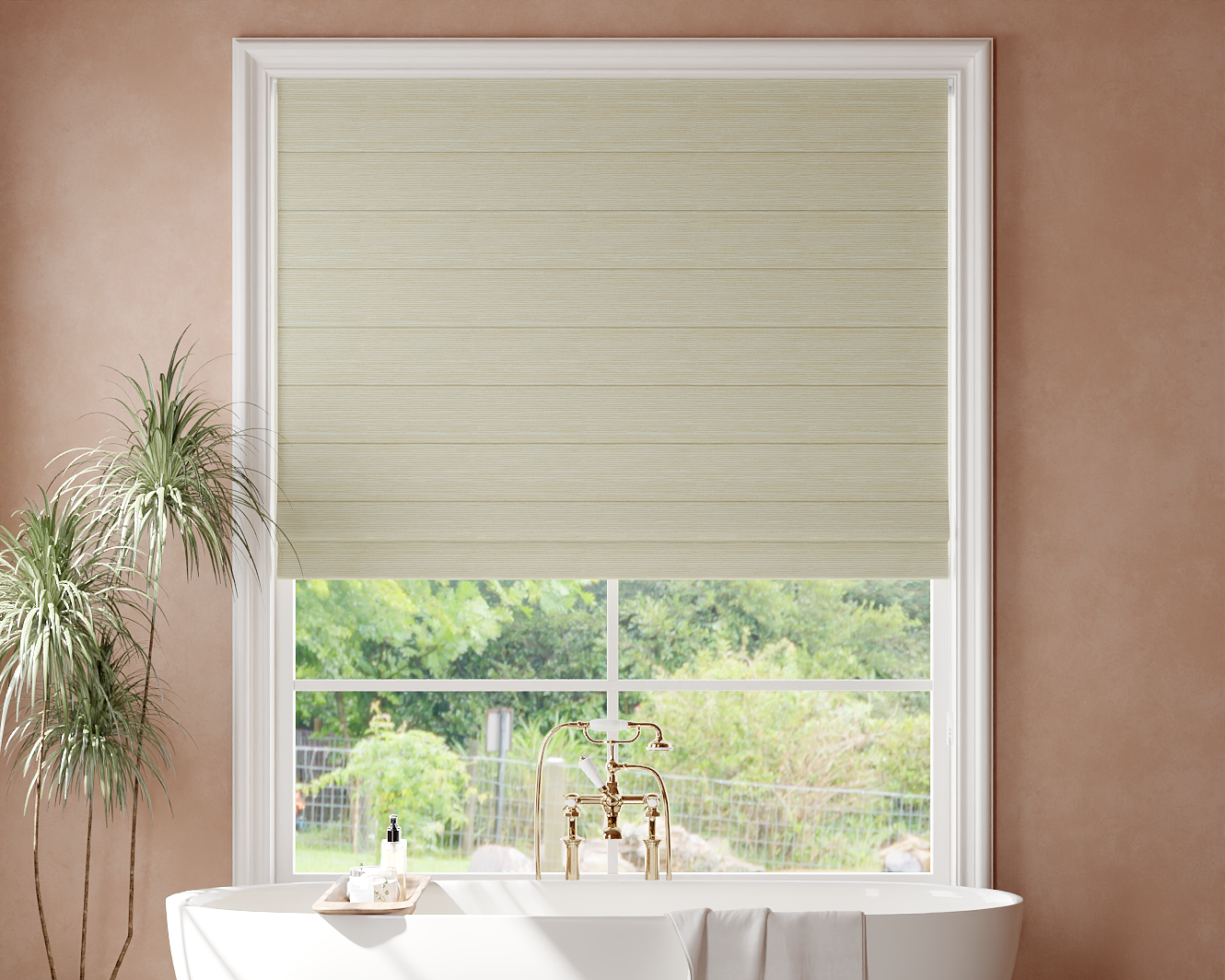
Embrace Modern Cues: Natural, matte-finish fabrics; clean-lined flat or relaxed folds; hidden cordless or motorized lift systems; simple, streamlined headrails (often painted to match the wall or shade).
The 2026 Style Breakdown: Folds, Fabrics & Finishes
| Element | What's In for 2026 (Modern & Fresh) | What's Out (Feels Dated) |
|---|---|---|
| Fold Style | Flat Fold (Classic): Crisp, clean, and architectural. Relaxed Fold: Soft, casual drape at the bottom. Both read as modern and tailored. | Overly Hobbled (Teardrop): Can look formal and heavy if not done sparingly with the right fabric. |
| Fabric Choice | Natural Textures: Linen, cotton canvas, wool blends, and woven grasses. Subtle Texture: Slubbed, bouclé, and washed textures. Understated Patterns: Simple tone-on-tone stripes or small-scale organic motifs. | Glossy silks, stiff formal jacquards, loud large-scale florals, and perfectly smooth, synthetic-looking fabrics. |
| Color Palette | Earthy neutrals (clay, oat, moss), warm whites, deep charcoal, and soft, muted colors drawn from nature. Monochromatic schemes (shade color matches the wall). | Bright whites with cool undertones, stark contrasting trim, and overly saturated primary colors. |
| Operation & Hardware | Cordless lift systems for a clean, safe, minimalist look. Motorized operation for ultimate convenience and a high-tech feel. Sleek, low-profile headrails in matte black, brushed nickel, or custom color-matched. | Visible cords, tassels, and bulky, ornate valances or headrails. |
For a deep dive into the foundational choice, our guide to flat vs. hobbled vs. relaxed Roman shade styles is essential reading.
Styling Roman Shades in Key 2026 Design Aesthetics
-
Minimalist & Scandinavian: Choose a flat-fold Roman shade in an undyed, textural linen or light wool. Let the beautiful, irregular texture be the detail. Match the headrail to the wall color for a seamless, "floating" effect.
-
Organic Modern: This is where Roman shades truly shine. Select a relaxed or flat fold in a woven wood (bamboo, rattan) or a heavily textured linen. Pair with raw wood furniture, stone accents, and a neutral palette for a grounded, serene feel.
-
Coastal: Opt for light-filtering fabrics in creamy whites or light blues. A relaxed fold adds to the casual, airy vibe. Think breezy linen, not stiff canvas.
-
Modern Farmhouse: Blend classic and contemporary with a flat-fold shade in a cotton canvas or denim-weight fabric. Stick to neutral colors like cream, gray, or tan, and avoid anything too fussy.
Beyond Aesthetics: The Functional Advantages Reinventing Their Appeal
Modern Roman shades are not just about looks; technological and safety advancements have made them more relevant than ever:
-
Cordless for Safety & Clean Lines: The industry-wide shift away from dangerous cords has been a design blessing. Cordless Roman shades offer a supremely clean, uncluttered appearance that is inherently modern and safe for families. This functional upgrade is a major style driver.
-
Motorization Meets Luxury: The integration of quiet, reliable motors aligns with the smart home movement and the desire for effortless luxury. Adjusting a large or hard-to-reach shade with a remote or voice command feels undeniably contemporary.
-
Performance Fabrics: Today's materials offer style without compromise. You can get the look of natural linen with a durable, stain-resistant finish, or a gorgeous blackout fabric that doesn't look or feel like traditional bulky liners.
Conclusion: A Confident Choice for a Stylish Home
So, are Roman shades still in style for 2026? Absolutely. They have successfully transitioned from a traditional window treatment to a versatile design element embraced by modern interior designers. Their timeless structure, combined with contemporary fabrics, clean folds, and smart operating systems, ensures they not only remain in style but continue to set a standard for elegant, functional window dressing.
By choosing a Roman shade that emphasizes texture over pattern, simplicity over ornamentation, and natural materials over synthetic forms, you are making a choice that is both current and enduringly chic. For more on why this classic continues to win over alternatives, explore our comparison on the reasons to choose Roman shades over blinds.
Frequently Asked Questions (FAQ)
What is the most popular Roman shade style right now?
For 2026, the flat-fold Roman shade is arguably the most popular for a modern interior. Its clean, crisp, and architectural lines make it incredibly versatile, working seamlessly in minimalist, Scandinavian, organic modern, and even contemporary traditional spaces. It reads as tailored and intentional without any fuss.
Can Roman shades work in a very modern, minimalist home?
Yes, exceptionally well. The key is to treat them as a textural plane, not a decorative element. Select a flat-fold style in a fabric that matches your wall color (a monochromatic scheme) and use a hidden cordless or motorized lift. This makes the shade act as a soft, functional extension of the wall itself, perfectly in keeping with minimalist principles.
I have a traditional home. Will modern Roman shades look out of place?
Not at all. This is where the concept of "modern traditionalism" comes into play. Choose a Roman shade in a classic fabric like a linen or cotton, but opt for a cleaner fold (flat or relaxed over heavily hobbled) and a cordless system. This honors the traditional form while updating the details, creating a fresh, current look that still feels appropriate.
Are there certain rooms where Roman shades are a particularly good choice?
They excel in living rooms, dining rooms, home offices, and bedrooms—any space where you want to combine aesthetic softness with serious light control and privacy. They are generally not recommended for high-humidity areas like full bathrooms unless a specifically treated moisture-resistant fabric is used.
How do I choose between a flat and a relaxed fold?
Consider the mood you want to create. A flat fold is crisp, tailored, and more formal. A relaxed fold has a soft, casual drape at the bottom, creating a more informal, lived-in, and organic feel. For a modern look, you can't go wrong with either; it's a matter of subtle personality.
