







Struggling to choose between Roman shades and roller shades? You're not alone. Both are excellent fabric-based window treatments, but they serve different styles and needs. The right choice isn't about which is universally "better," but which is better for your specific room, lifestyle, and design vision.
This guide cuts through the confusion. We'll directly answer your practical questions about cost, light control, and maintenance, and provide a clear framework to make your decision easy. Here’s what you can expect:
-
A detailed side-by-side comparison table breaking down aesthetics, function, and cost.
-
A deep dive into the core design difference: textured softness vs. clean minimalism.
-
A practical decision framework with key questions to ask about your room and habits.
-
Actionable advice on where each shade type performs best in your home.
By the end, you'll know whether the tailored elegance of custom Roman shades or the streamlined simplicity of a roller shade is the ideal investment for your space.
Head-to-Head Comparison: The Core Differences
| Feature | Roman Shades | Roller Shades |
|---|---|---|
| Primary Aesthetic | Soft, dimensional folds. Adds texture and a tailored, upholstered look. | Sleek, flat panel. Offers a minimalist, architectural, and seamless appearance. |
| Light Control & Privacy | Excellent. Fabric folds create a solid barrier when down. Light filters through fabric weave. | Excellent. Flat fabric provides uniform coverage. Light control depends on fabric opacity. |
| View When Raised | Fabric stacks in folds at the top of the window, partially blocking the top of the glass. | Fabric rolls into a compact cylinder in a headrail, clearing the entire window glass. |
| Insulation | Good. The multiple fabric layers in the folds create additional insulating air pockets. | Moderate. A single layer of fabric provides a basic insulating barrier, especially with lined fabrics. |
| Maintenance | Requires careful vacuuming of folds. Spot cleaning can be more challenging due to texture. | Generally easier. A flat surface is simpler to vacuum, dust, or wipe clean (especially vinyl). |
| Typical Cost | Often higher due to more complex construction, additional fabric, and labor in creating folds. | Often slightly lower due to simpler mechanism and construction, though premium fabrics/motors increase cost. |
| Best For... | Adding softness and traditional-to-transitional elegance; rooms where texture is desired. | Achieving a modern, minimalist look; high-humidity areas (with vinyl); spaces where a clear view is key. |
Deep Dive: Aesthetics and Atmosphere
This is the most significant differentiator and often the deciding factor.
-
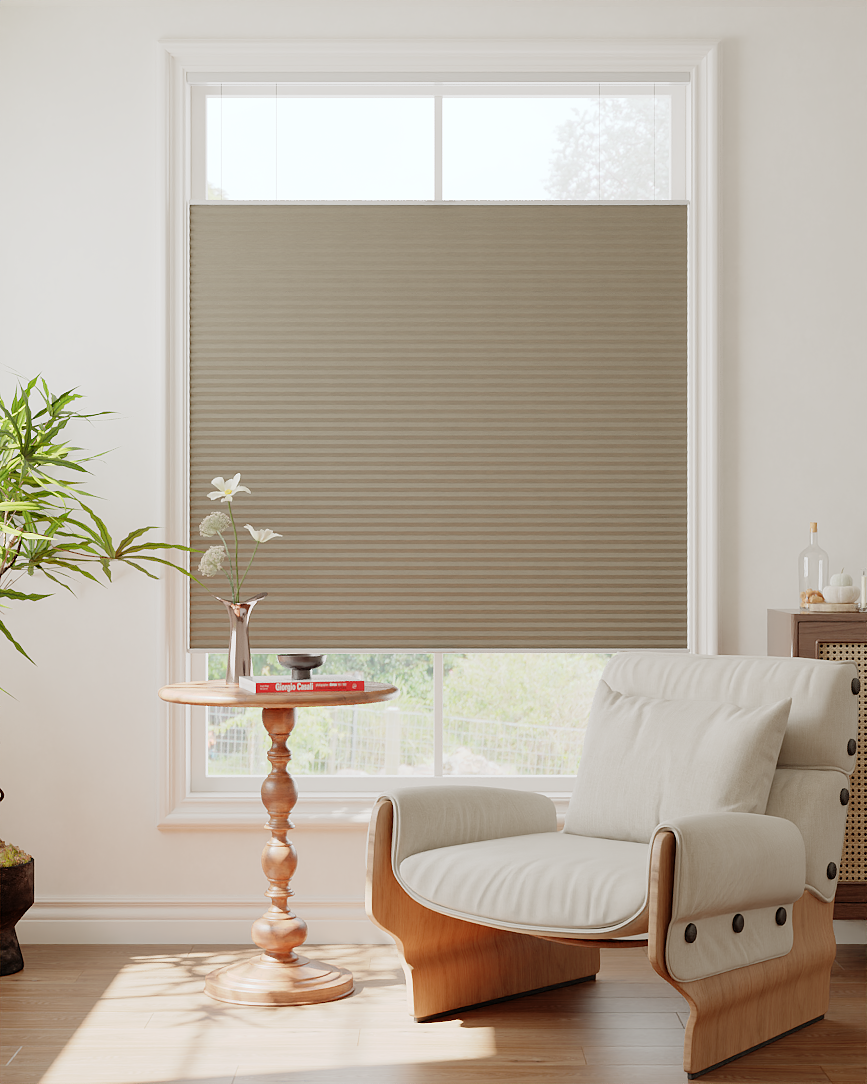
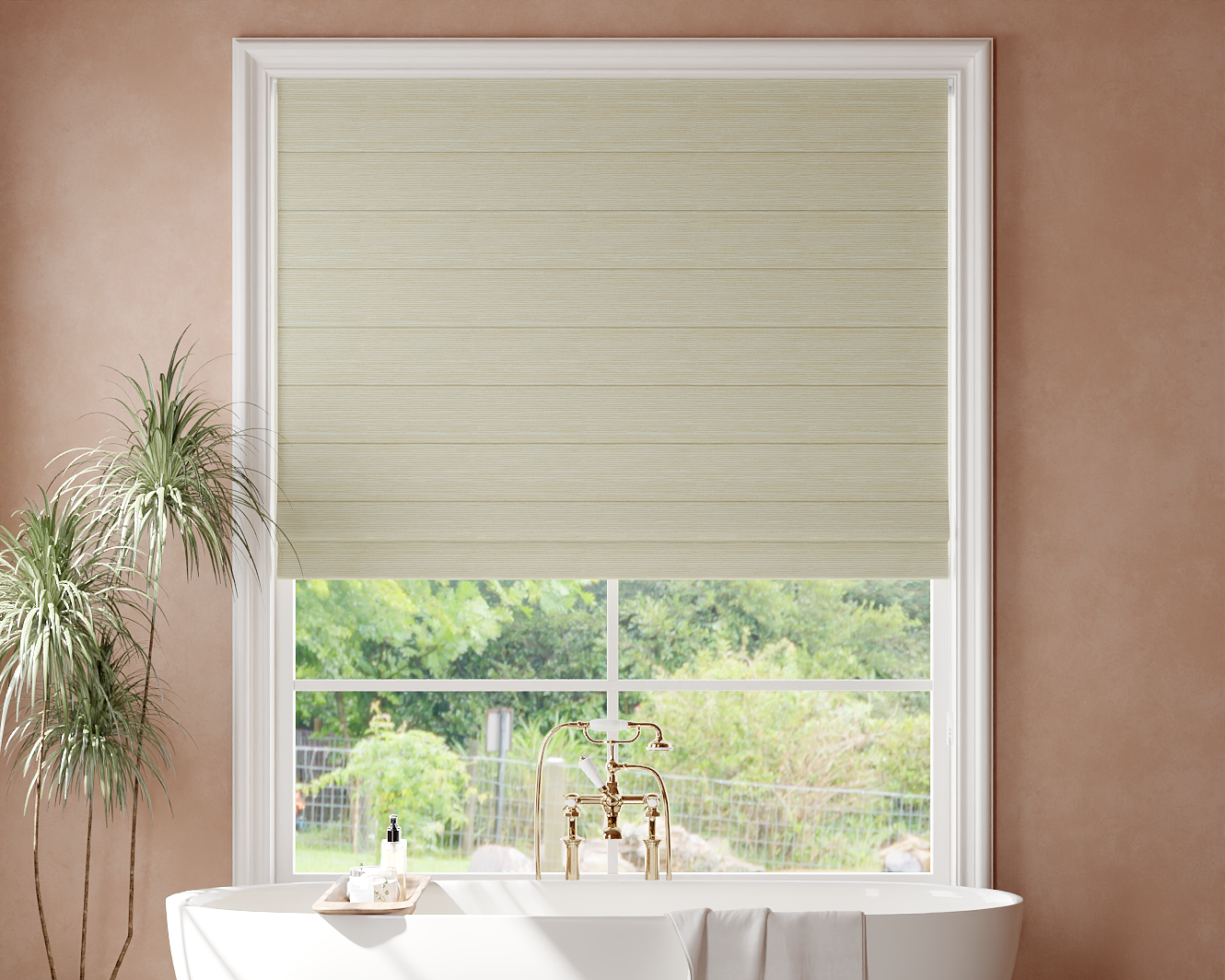
Roman Shades: The Art of Softness and Dimension. Roman shades are fundamentally about texture and softness. The elegant horizontal folds introduce a dimensional, tailored element that makes a room feel warmer, more curated, and traditionally elegant. They are a form of "soft architecture." The choice between a crisp flat fold or a soft relaxed style further fine-tunes this aesthetic.
-
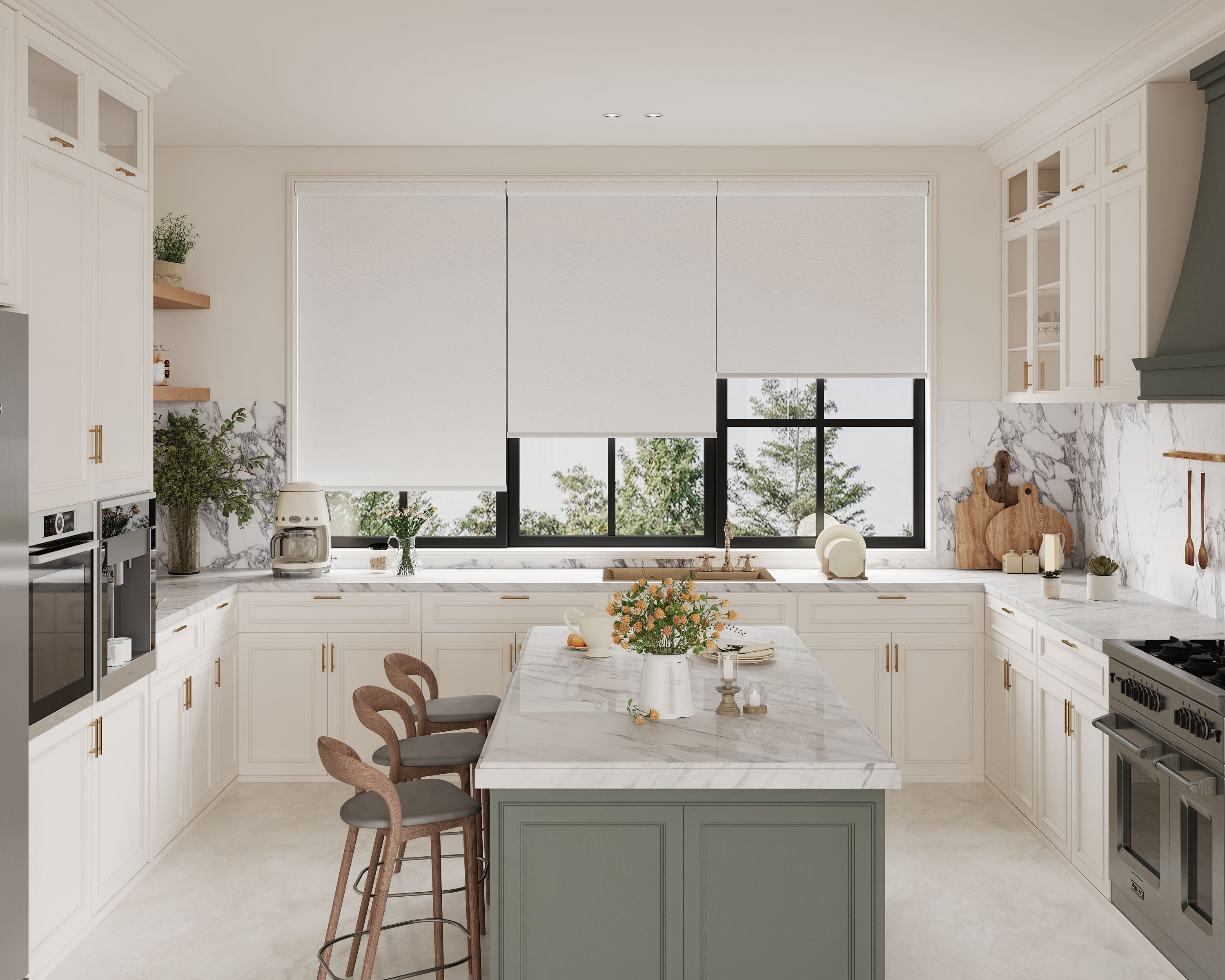
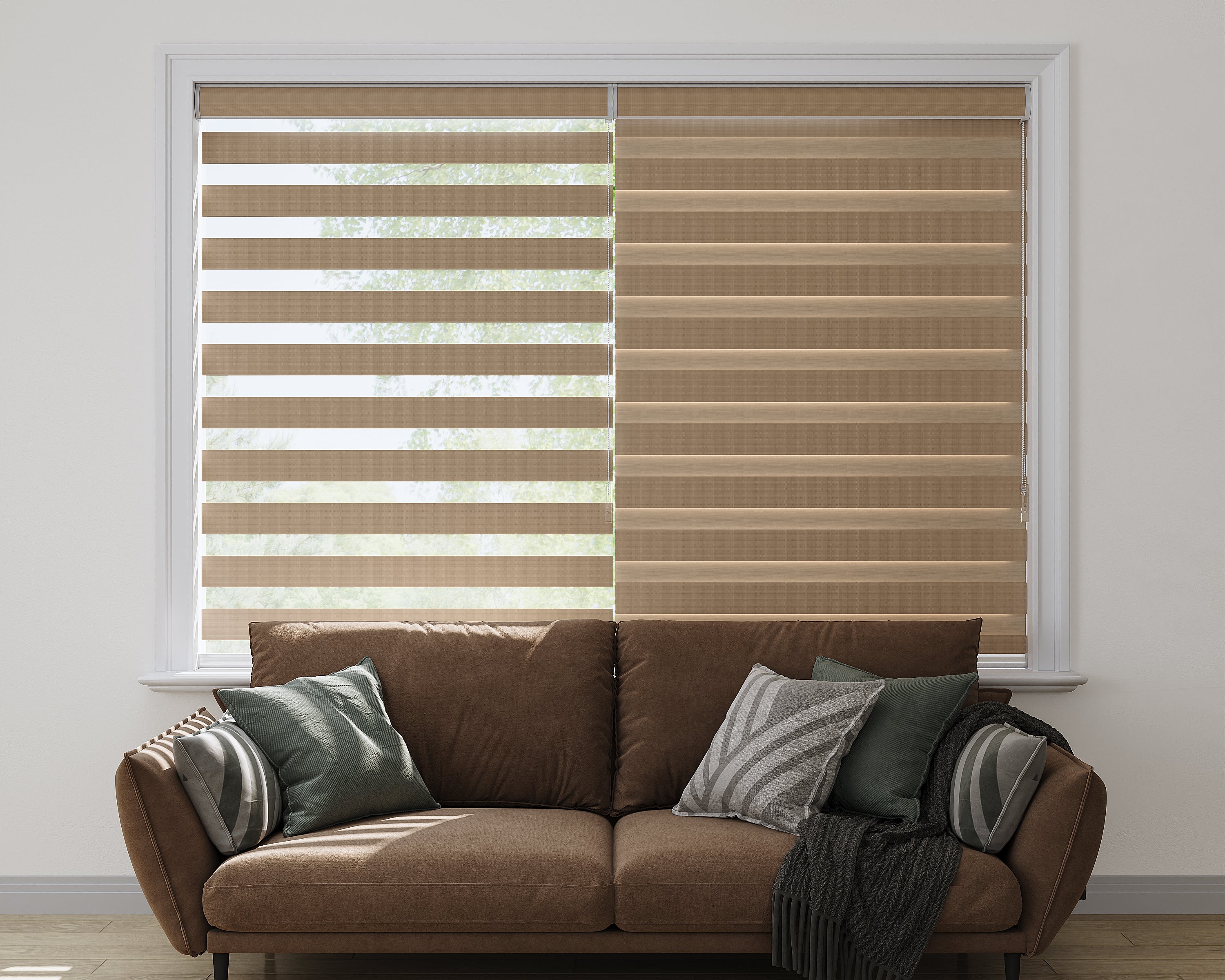
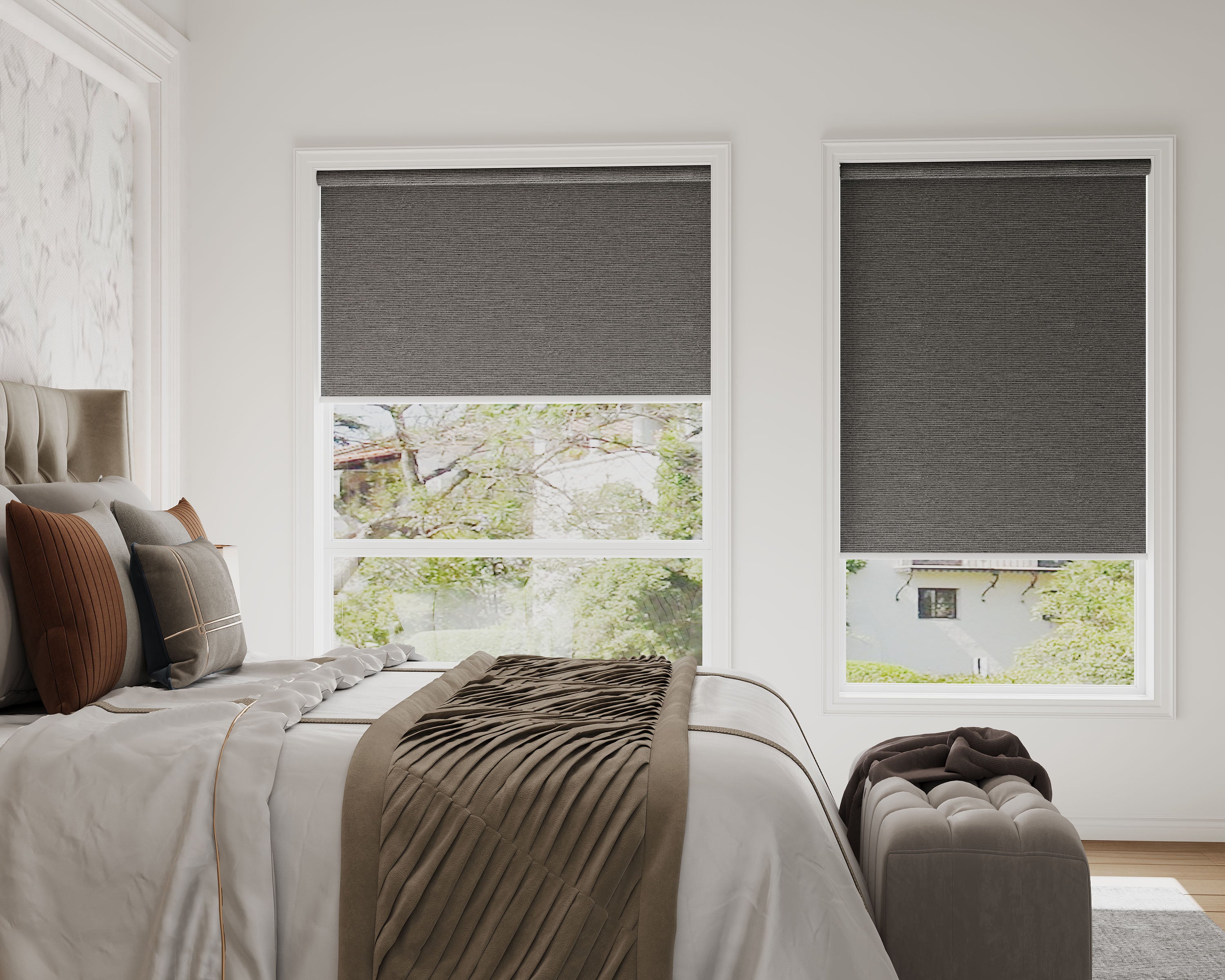
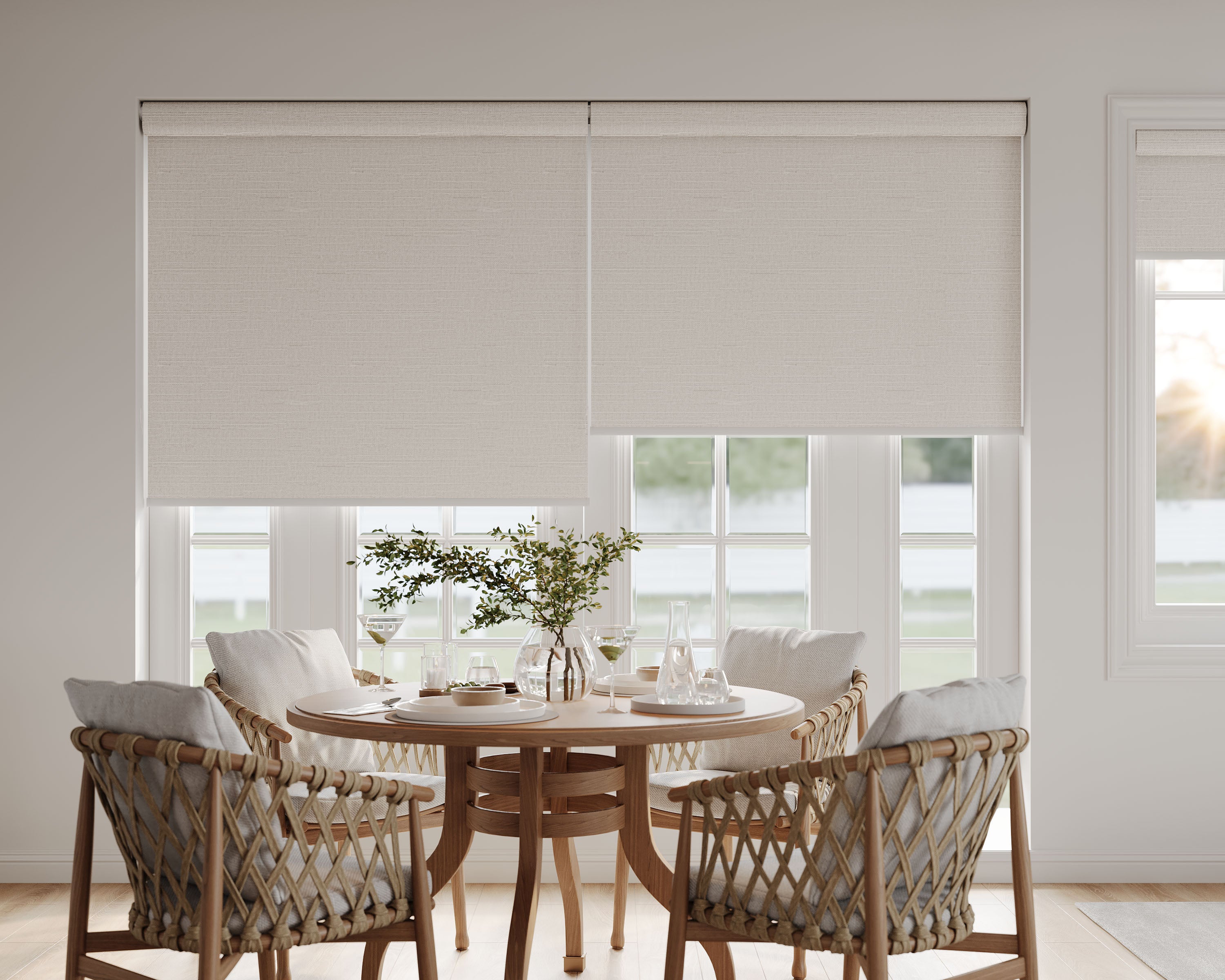
Roller Shades: The Beauty of Simplicity and Line. Roller shades are the epitome of minimalism and clean lines. The unbroken, flat plane of fabric provides a seamless, graphic look that emphasizes the window's shape and the view beyond. When raised, they virtually disappear. This makes them ideal for modern, Scandinavian, or industrial interiors where the focus is on space and light rather than textile detail.
Functional Considerations: Beyond the Look
Light Control and Privacy
Both excel, but with a slight nuance. When fully lowered, both provide excellent privacy. The choice in opacity—from sheer to blackout—is available for both types and is the primary driver of light control. For instance, selecting a blackout vs. light-filtering fabric is a decision that applies equally to both Roman and roller shades.
Operation and Mechanics
-
Roll-Up vs. Fold-Up: Roller shades roll around a tube; Roman shades fold up via a cord and ring system (or motor). This affects the "stack" at the top of the window.
-
Stacking Height: This is a critical practical difference. A roller shade's stack is typically 1.5-3 inches tall. A Roman shade's stack can be 4-8+ inches tall, depending on fabric thickness and fold style. For windows with limited space above the frame (like near a ceiling), this is a key consideration.
-
Motorization: Both styles are excellent candidates for motorization, which adds convenience and a ultra-clean look by eliminating all cords and chains.
Practicality and Maintenance
-
Cleaning: The flat surface of a roller shade is generally easier to maintain. A Roman shade's folds can trap more dust and require more careful vacuuming.
-
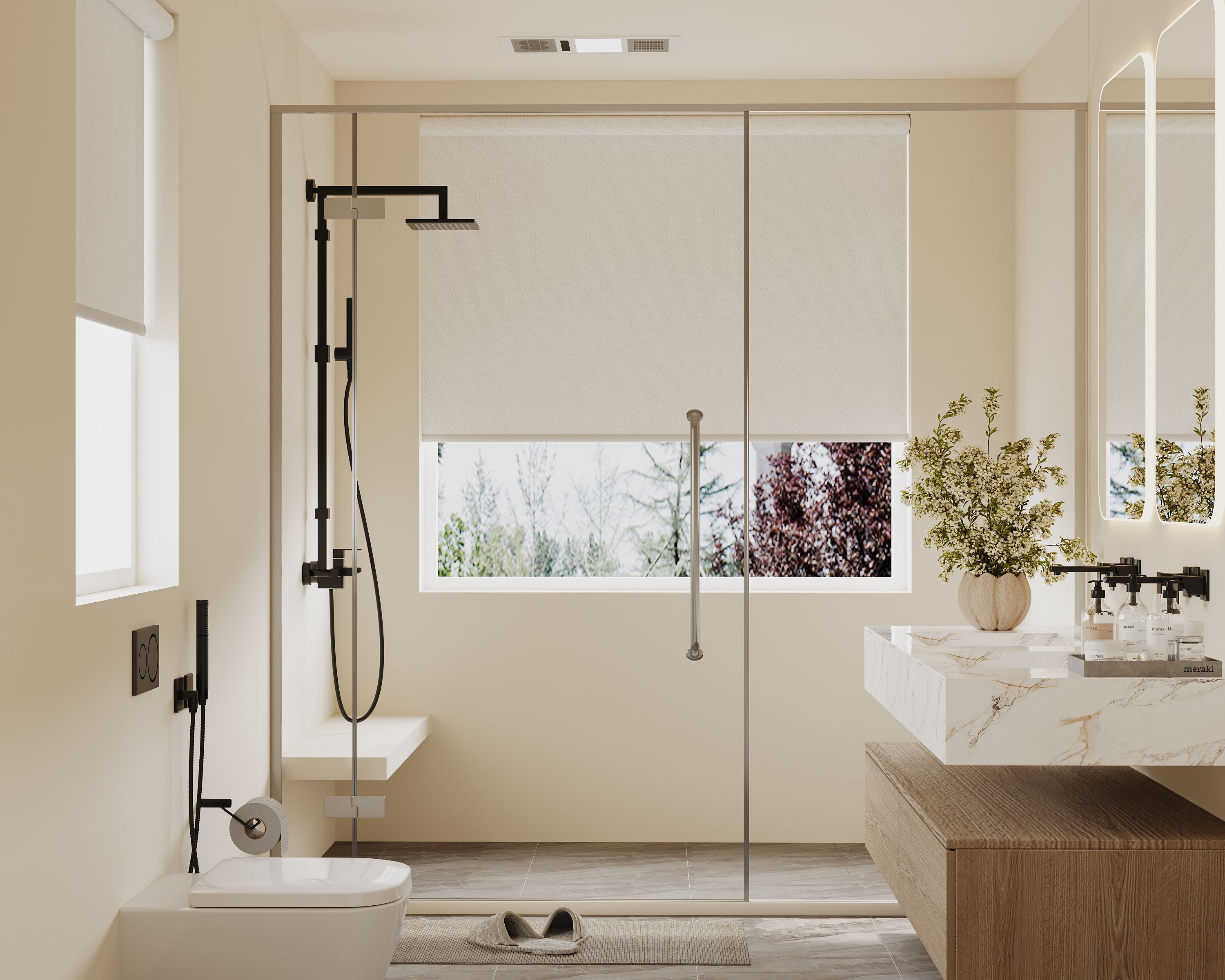
Durability in Specific Environments: For bathrooms, kitchens, or laundries, a vinyl roller shade is often the most practical choice due to its waterproof nature. While moisture-resistant Roman fabrics exist, they are less common.
How to Choose: A Decision Framework
Ask yourself these questions:
-
What is the dominant style of my room?
-
Choose Roman Shades if: Your style is Traditional, Transitional, Coastal, Farmhouse, or any decor where added texture and softness are desired.
-
Choose Roller Shades if: Your style is Modern, Minimalist, Scandinavian, Industrial, or Mid-Century Modern.
-
-
What is the window's purpose and location?
-
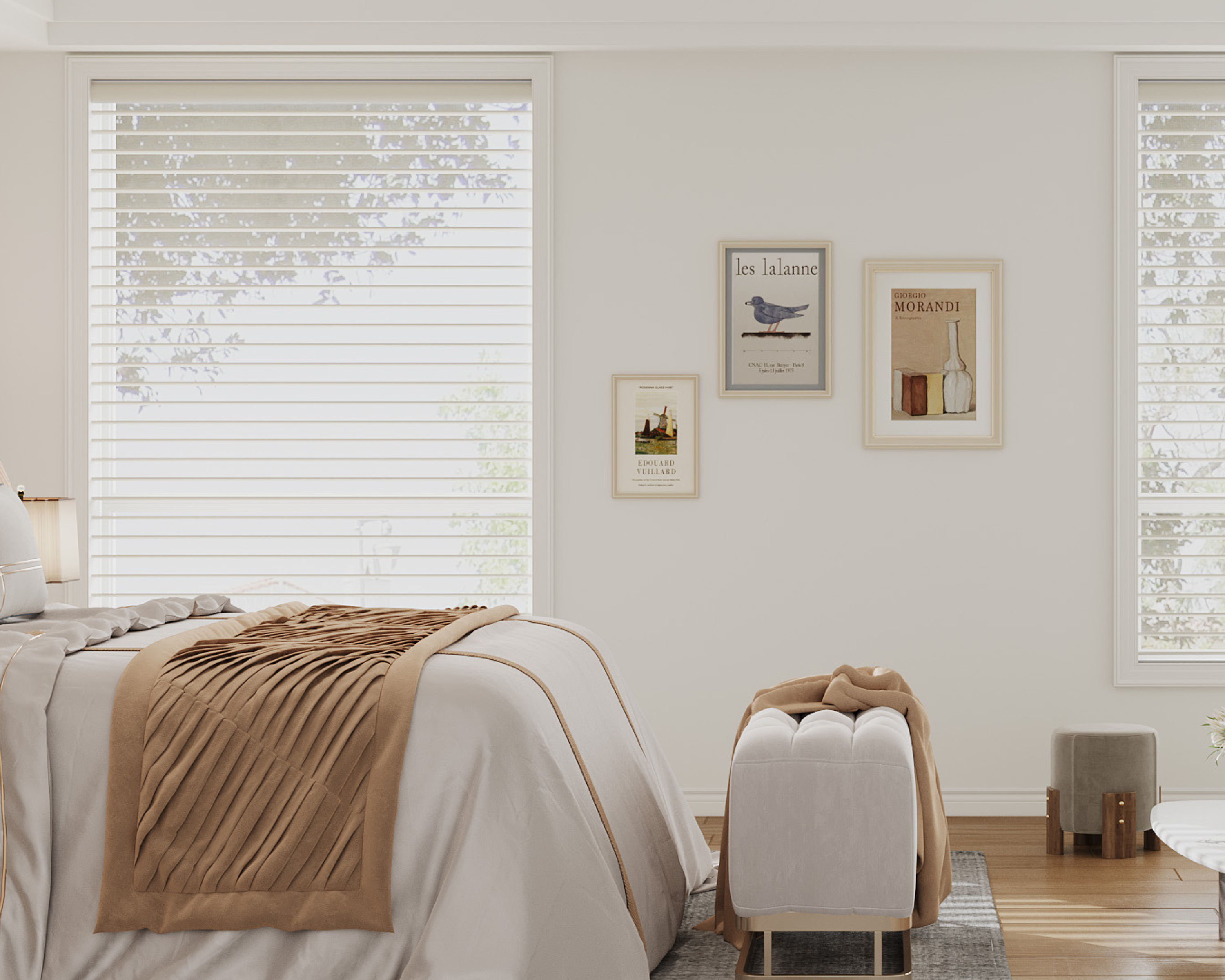
Choose Roman Shades for: Formal living rooms, dining rooms, bedrooms, and home offices where ambiance is key.
-
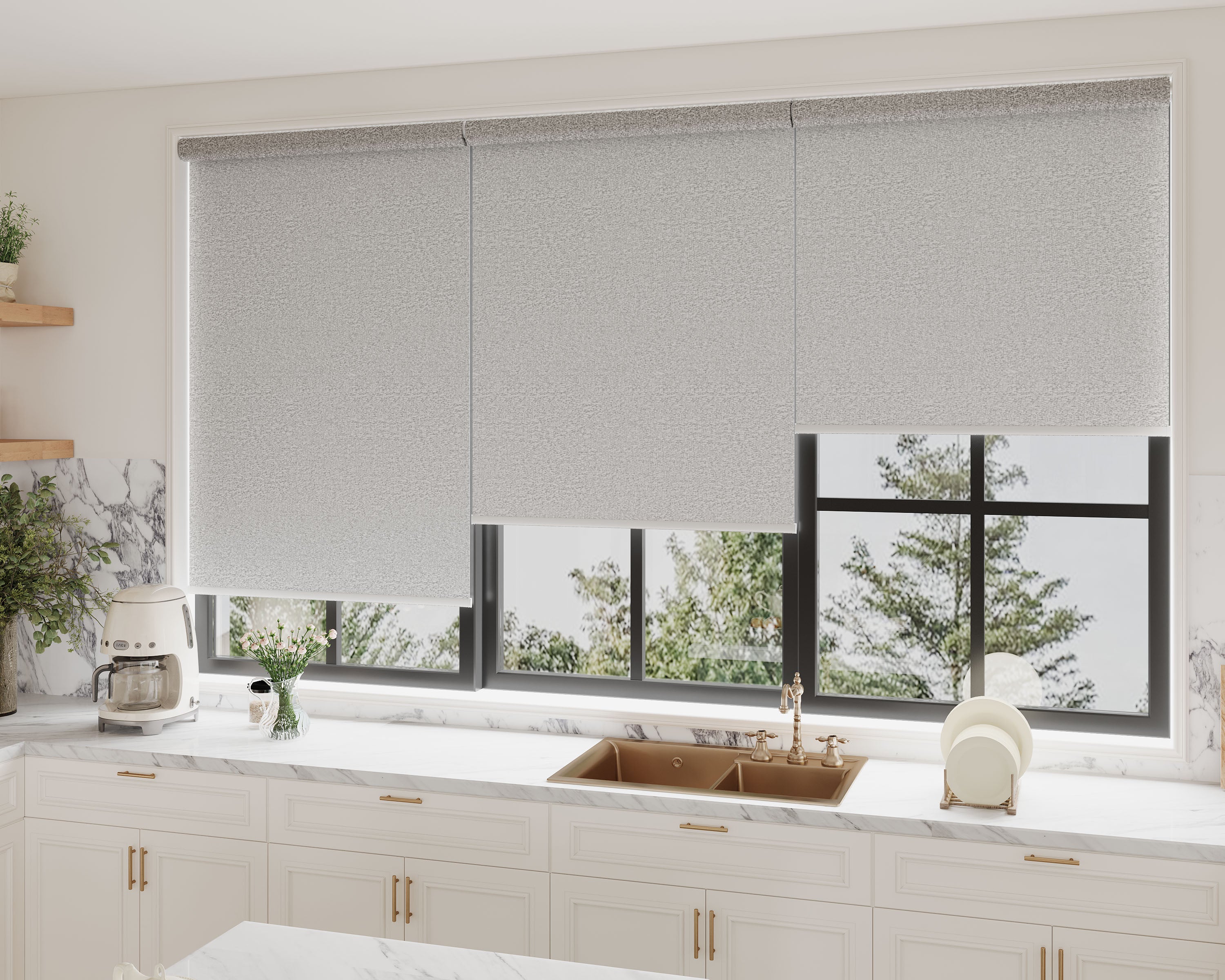
Choose Roller Shades for: Kitchens, bathrooms, home gyms, sliding glass doors, and rooms with an amazing view you don't want to segment.
-
-
What are my non-negotiable practical needs?
-
Prioritize Roman Shades if: You love textured fabric and the classic folded look, and don't mind slightly more involved dusting.
-
Prioritize Roller Shades if: You want the cleanest, most minimalist look, the easiest cleaning, or have a high-moisture application.
-
-
What is my budget?
-
Generally, for a similar fabric quality, Roman shades will be 10-25% more expensive due to their more complex construction. However, a premium motorized roller shade with a high-end fabric can exceed the cost of a simple Roman shade.
-
Can't Decide? Consider a Layered Approach.
You don't have to choose just one for your entire home. Many designers use a layered approach or select different treatments for different rooms:
-
Use roller shades in the kitchen and bathrooms for practicality.
-
Use Roman shades in the living and dining rooms for elegance.
-
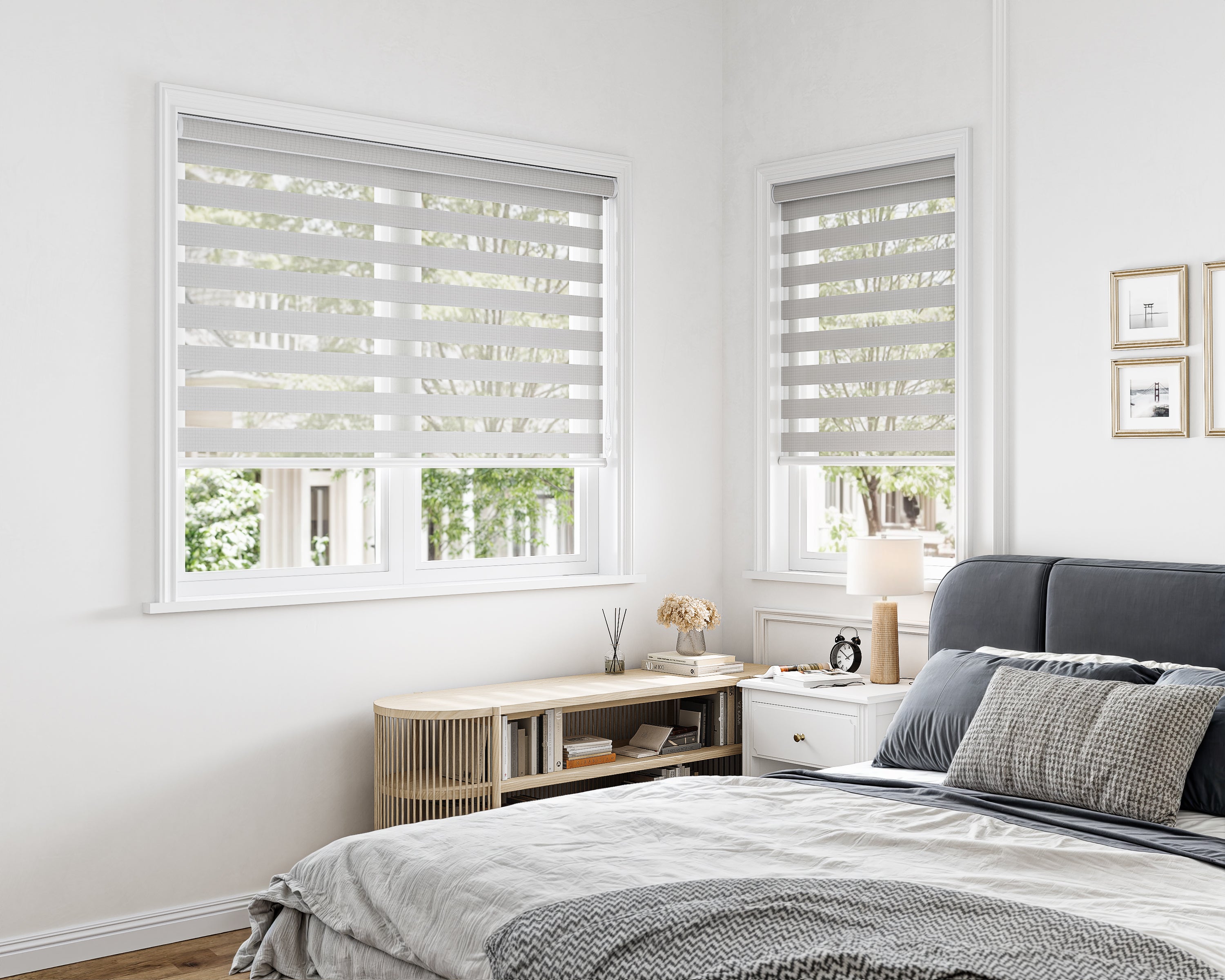
In a bedroom, you might even layer a blackout roller shade (for sleep) underneath a decorative sheer Roman shade (for daytime softness).
Conclusion: Making Your Informed Choice
Choosing between Roman and roller shades is a significant decision for your home's comfort and style. As we've explored, the choice ultimately hinges on the atmosphere you wish to create and the practical demands of your space.
Here are the key highlights to remember:
-
Aesthetics are Key: Roman shades add softness, texture, and dimensional elegance, while roller shades offer minimalist, architectural simplicity.
-
Function Follows Form: Both provide excellent light control, but consider stack height (Roman shades take up more space when up) and ease of cleaning (roller shades are generally simpler).
-
Let Your Room Guide You: Match the treatment to the room's purpose—Roman shades for formal living areas and bedrooms, roller shades for moisture-prone kitchens and bathrooms or view-centric spaces.
-
Budget and Style Are Intertwined: While Roman shades are often a larger investment, the value lies in the textured sophistication they provide. Roller shades can be a more accessible path to a clean, modern look.
By understanding that Roman shades add dimensional softness while roller shades provide streamlined simplicity, you can move beyond the features and make a choice that feels authentically right for your home. For a deeper look at the specific strengths of the sleek alternative, our guide on the benefits of choosing roller shades provides further clarity.
Explore Custom Roller Shades


Frequently Asked Questions (FAQ)
Which offers better insulation, Roman or roller shades?
Roman shades typically offer slightly better insulation. The reason is physics: the folded fabric of a lowered Roman shade creates multiple layers and small air pockets, which are excellent at slowing heat transfer. A single-layer roller shade provides a good barrier, but a standard fabric roller shade won't match the inherent insulation of a folded Roman shade.
Are Roman shades more difficult to install than roller shades?
The complexity is similar for basic installations, as both involve mounting a headrail and attaching the shade. However, Roman shades can be slightly more involved to "set" properly so the folds hang evenly. For complex or very large windows, professional installation is recommended for both types to ensure perfect operation and appearance. Both are subject to the same critical decision between inside and outside mounting.
Can I use Roman shades on a sliding glass door?
It's possible but not always ideal. The stacked fabric of a raised Roman shade can block a significant portion of the glass at the top. For sliding doors where maximizing the clear view is important, a roller shade that rolls into a tiny headrail is often the superior choice, as it clears the entire glass panel when open.
Is one safer for children than the other?
Safety is determined by the operating system, not the shade style. Both Roman and roller shades are available with cordless lift systems or full motorization, which eliminate dangerous dangling cords. When shopping for either, insist on a cordless or motorized option for any room accessible to children or pets.
Do these differences in material choice apply to both?
Yes, the fundamental principles of how materials like linen, vinyl, and bamboo affect performance apply to both Roman and roller shades. A linen Roman shade and a linen roller shade will share similar light-filtering qualities and care requirements; the difference is in their form, not their fiber.
