






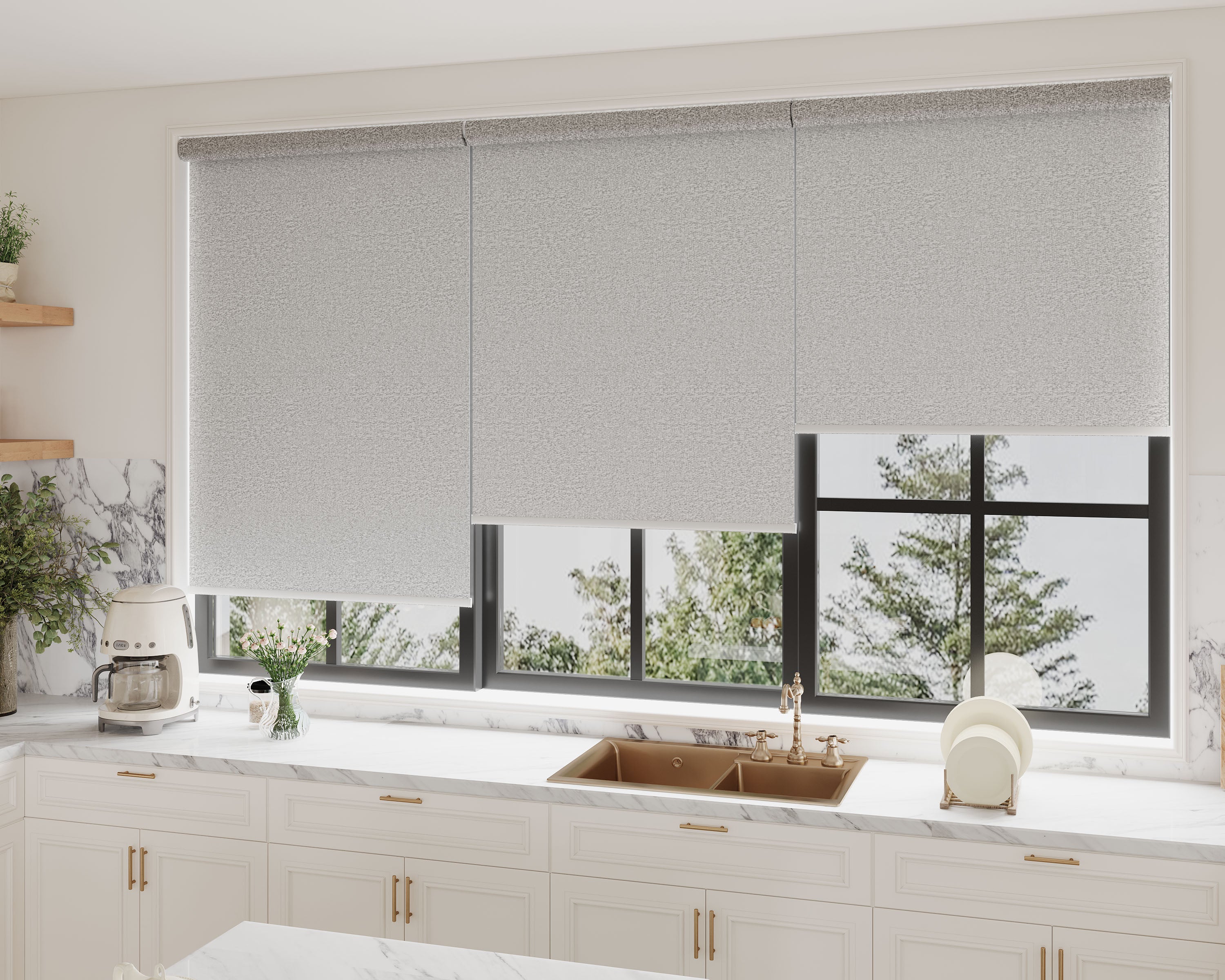




Roman shades add elegance and softness to a room, but fabric folds can trap dust, odors, and stains over time. The thought of cleaning them can be daunting—how do you care for them without causing shrinkage, water marks, or damage to the delicate lifting mechanism? The good news is that with the right knowledge and a gentle approach, keeping your shades pristine is straightforward.
Cleaning your shades properly preserves your investment and extends their beauty for years. This definitive guide provides safe, effective methods tailored to your specific fabric. Here’s what you’ll learn:
-
The essential daily and weekly maintenance that prevents deep cleaning.
-
Step-by-step spot cleaning techniques for common stains.
-
How to choose the right cleaning method based on your fabric type (linen, cotton, polyester, etc.).
-
When to call a professional and how to assess if a shade can be hand-washed.
-
Pro tips for drying and re-hanging to avoid wrinkles and mildew.
Understanding the material of your custom Roman shades is the critical first step to choosing the correct, non-damaging cleaning process.
The Golden Rules of Roman Shade Care
Before you begin, follow these universal principles to avoid common mistakes:
-
Always Check the Label or Manufacturer's Instructions. This is the most authoritative source for care.
-
Test First. Always test any cleaning solution on a small, inconspicuous area (like a corner of the hem) and let it dry completely to check for colorfastness and water marks.
-
Less is More. Use minimal moisture and a gentle touch. Over-wetting is the leading cause of damage, including fabric distortion, liner separation, and water spots.
-
Never Submerge the Shade. Do not put Roman shades in a washing machine or bathtub. The internal mechanisms, adhesives, and structural components are not designed for this.
-
Gentle Drying is Key. Never use high heat from a hair dryer, iron directly on the fabric, or place in direct sun to dry quickly, as this can shrink or warp fibers.
Your Cleaning Strategy: A Step-by-Step Approach
Tackle cleaning from least to most invasive. Regular maintenance drastically reduces the need for deep cleaning.
Level 1: Routine Dusting & Vacuuming (Weekly to Monthly)
This is your primary defense against dirt buildup.
-
Tools: Use the brush attachment on your vacuum cleaner. A microfiber duster can work for light dust.
-
Method: With the shade fully lowered, gently vacuum each fold from top to bottom. Support the back of the shade with your free hand to prevent undue stress on the fabric or mechanism. Do this on both sides of the shade.
Level 2: Spot Cleaning (As Needed)
For food splatters, fingerprints, or pet accidents.
-
Tools: Clean, white microfiber cloths, mild detergent (like Woolite), distilled water, and a soft-bristled brush (like a toothbrush).
-
Method:
-
Mix a small amount of detergent with distilled water (cool or lukewarm) to create a weak solution.
-
Dampen a corner of the cloth—never soak it.
-
Blot the stain gently from the outside in. Do not rub, as this can spread the stain or damage the fabric weave.
-
Use a damp cloth with plain water to "rinse" the area by blotting.
-
Blot dry with a clean, absorbent towel. Allow to air dry completely.
-
Level 3: Deep Cleaning (Annually or Bi-Annually)
For overall refreshment or set-in grime. The method depends entirely on your fabric's properties.
| Fabric Type | Recommended Deep Clean Method | Critical Considerations |
|---|---|---|
| Machine-Washable Fabrics (Some cottons, polyesters) | Hand-Wash in Bathtub. Only if the manufacturer explicitly states it is safe. Remove the shade from the headrail. Fill a tub with cool water and mild detergent. Gently agitate. Rinse thoroughly with cool water by refilling the tub. | Risk of color bleed, liner separation, and mechanism damage is high. Not recommended for most custom shades. |
| Dry-Clean Only (Silks, some linens, delicate weaves) | Professional Dry Cleaning. Take the shade to a reputable cleaner experienced with window treatments. Point out any specific stains. | Ensure they understand the shade has a mechanism. Get a cost estimate first. |
| Most Custom Shades (Linen-look, treated cottons, performance fabrics) | Gentle Steam Cleaning. Using a handheld garment steamer is the safest deep-clean method. The steam lifts dirt and refreshes fibers without saturation. | Hold the steamer 6-8 inches away and move continuously. Never let the nozzle touch the fabric. Follow with gentle vacuuming once dry. |
For a deeper understanding of how material choice impacts care, our guide on linen, vinyl, and bamboo fabrics explains their unique properties.
Preventive Maintenance & Stain Guide
An ounce of prevention is worth a pound of cure. Follow this simple schedule:
| Frequency | Task | Goal |
|---|---|---|
| Weekly | Gentle vacuuming with brush attachment. | Remove surface dust and allergens before they embed. |
| Seasonally | Inspect for stains, check operation of cords/lifts. | Address small issues before they become big problems. |
| Annually | Perform a deeper refresh (e.g., steam cleaning). | Maintain appearance and fabric integrity long-term. |
Common Stain Solutions:
-
Dust/Grime: Regular vacuuming is best. For built-up grime, a light steaming followed by vacuuming is effective.
-
Grease/Food: Use a dry-cleaning solvent on a cloth, dabbing gently. Test first.
-
Ink: Rubbing alcohol on a cotton swab can work for ballpoint ink. Dab, don't rub. For other inks, a professional may be needed.
-
Water Marks/Rings: Often, re-wetting the entire panel evenly with steam and letting it dry uniformly can minimize the appearance. Prevention (avoiding spot cleaning with excessive water) is key.
When to Call a Professional Cleaner
Seek professional help in these scenarios:
-
The care label specifies "Dry Clean Only."
-
The shade is very large, heavy, or intricately constructed.
-
You are dealing with a large, set-in, or unknown stain.
-
The fabric is a delicate, natural fiber like raw silk or a valuable antique textile.
-
You are uncomfortable performing any level of deep cleaning yourself.
Proper maintenance keeps your shades looking their best, which is part of why they remain a timeless choice. For more on their enduring appeal, see our analysis of why Roman shades are still in style for 2026.
Conclusion: Preserving Beauty with Smart Care
Regular, gentle cleaning is the secret to maintaining the luxurious look of your Roman shades for a decade or more. By understanding your fabric and following a graduated approach—from dusting to spot cleaning to careful deep refreshing—you can tackle dirt and stains confidently without causing harm.
Here are the key highlights for proper Roman shade care:
-
Prevention is Primary: Consistent, gentle vacuuming is the single most effective practice to avoid major cleanings.
-
Fabric Dictates Method: Always identify your fabric type and follow its specific care instructions; never assume all shades can be cleaned the same way.
-
The "Less Moisture" Rule: Over-wetting causes most cleaning disasters. Use damp cloths, not wet ones, and opt for steam over washing whenever possible.
-
Test and Be Patient: Always test cleaning solutions in a hidden spot and allow ample time for fabrics to dry completely to prevent mildew or water marks.
-
Know Your Limits: For valuable, delicate, or heavily soiled shades, investing in professional cleaning protects your investment and guarantees a safe result.
By adopting these careful habits, you ensure that the elegant texture and custom fit of your Roman shades continue to enhance your home's comfort and style for years to come.
Shop Roman Shades by Light Control


Frequently Asked Questions (FAQ)
Can I put my Roman shades in the washing machine?
Almost never. Washing machines are too aggressive for the delicate folds, internal cords, battens, and adhesives in a Roman shade. The agitation can destroy the shade's structure, cause severe shrinkage, and lead to irreparable damage. The only exception is if the manufacturer's tag explicitly states "machine washable" for the specific fabric and you remove the shade completely from its mechanism—a rare case for custom shades.
How do I clean white or light-colored Roman shades that have yellowed?
Yellowing is often due to dust accumulation, nicotine, or fabric oxidation. For synthetic fibers, a gentle steam clean can brighten them. For natural fibers like cotton or linen, a professional cleaner may use specialized brightening agents. Do not use chlorine bleach, as it can weaken fibers and cause uneven staining.
What's the best way to remove pet hair from Roman shades?
A slightly damp rubber glove or a dedicated fabric pet hair remover roller is very effective. Gently run your hand or the roller over the folds. The static or slight tackiness lifts the hair without pulling the fabric. Regular vacuuming with a brush attachment also helps prevent buildup.
Is it safe to use a fabric freshener or odor eliminator spray?
Use these products with extreme caution. Always test in an inconspicuous area first. Spray lightly from a distance of 12+ inches, never saturating the fabric. Be aware that some sprays can leave residues that attract more dust over time. For odors, proper ventilation and addressing the source (e.g., vacuuming dust) is more effective and safer.
How do I clean the headrail and cords?
For the headrail, use a dry or slightly damp microfiber cloth to wipe away dust. For cords, a cloth dampened with a mild detergent solution can be run along the length while holding the cord taut. Ensure cords are completely dry before operating the shade. For cordless shades, simply wipe the bottom rail clean.
