
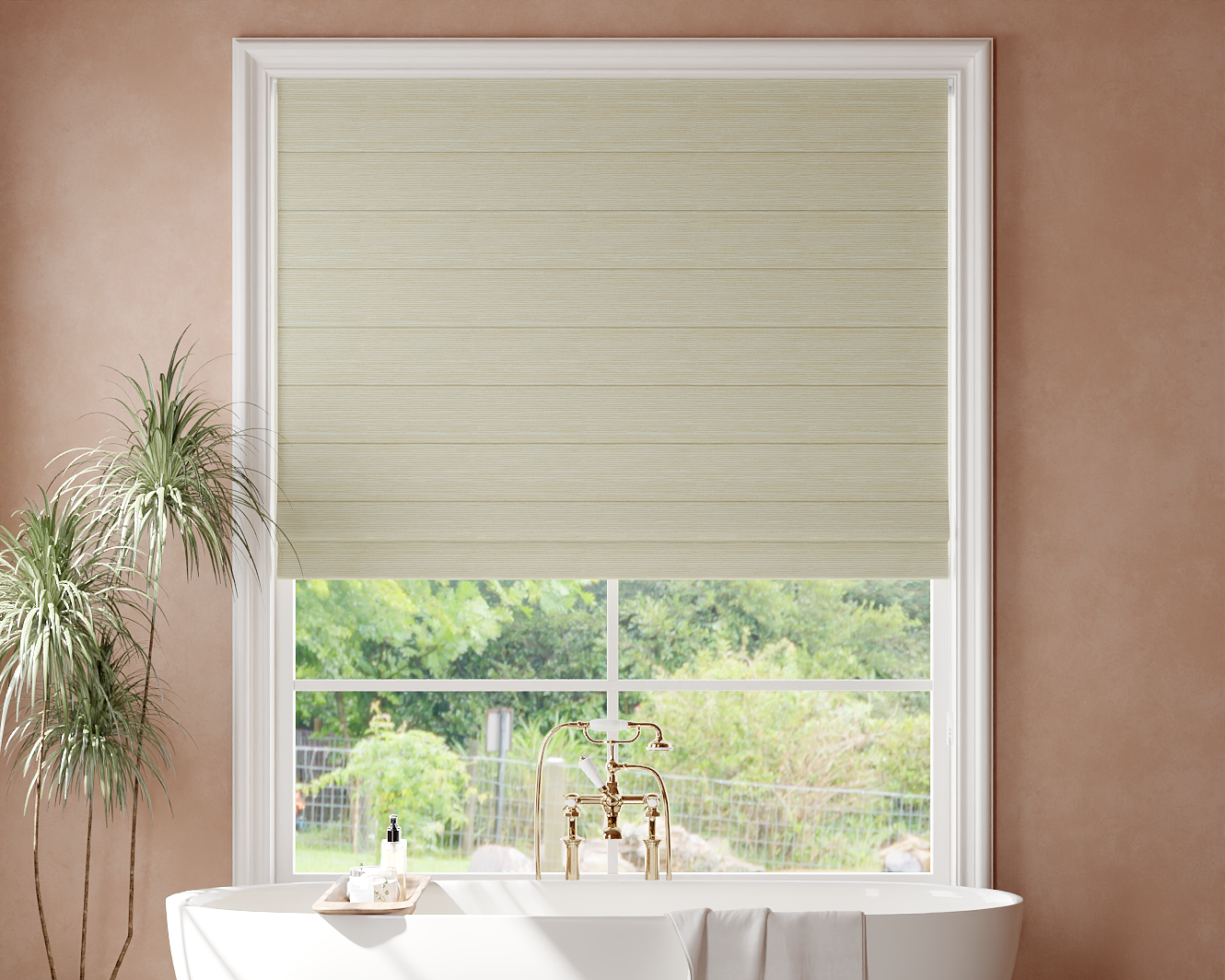
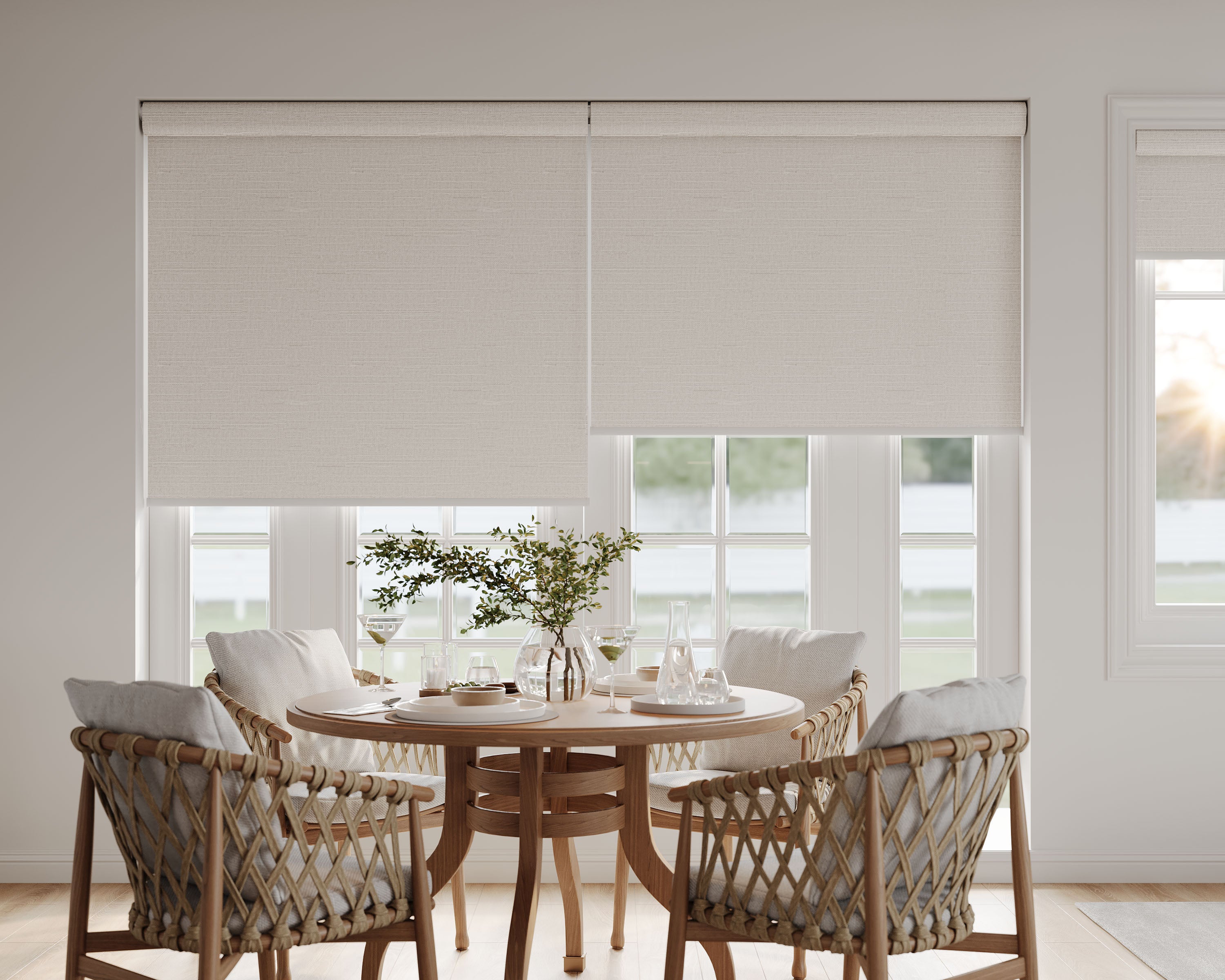


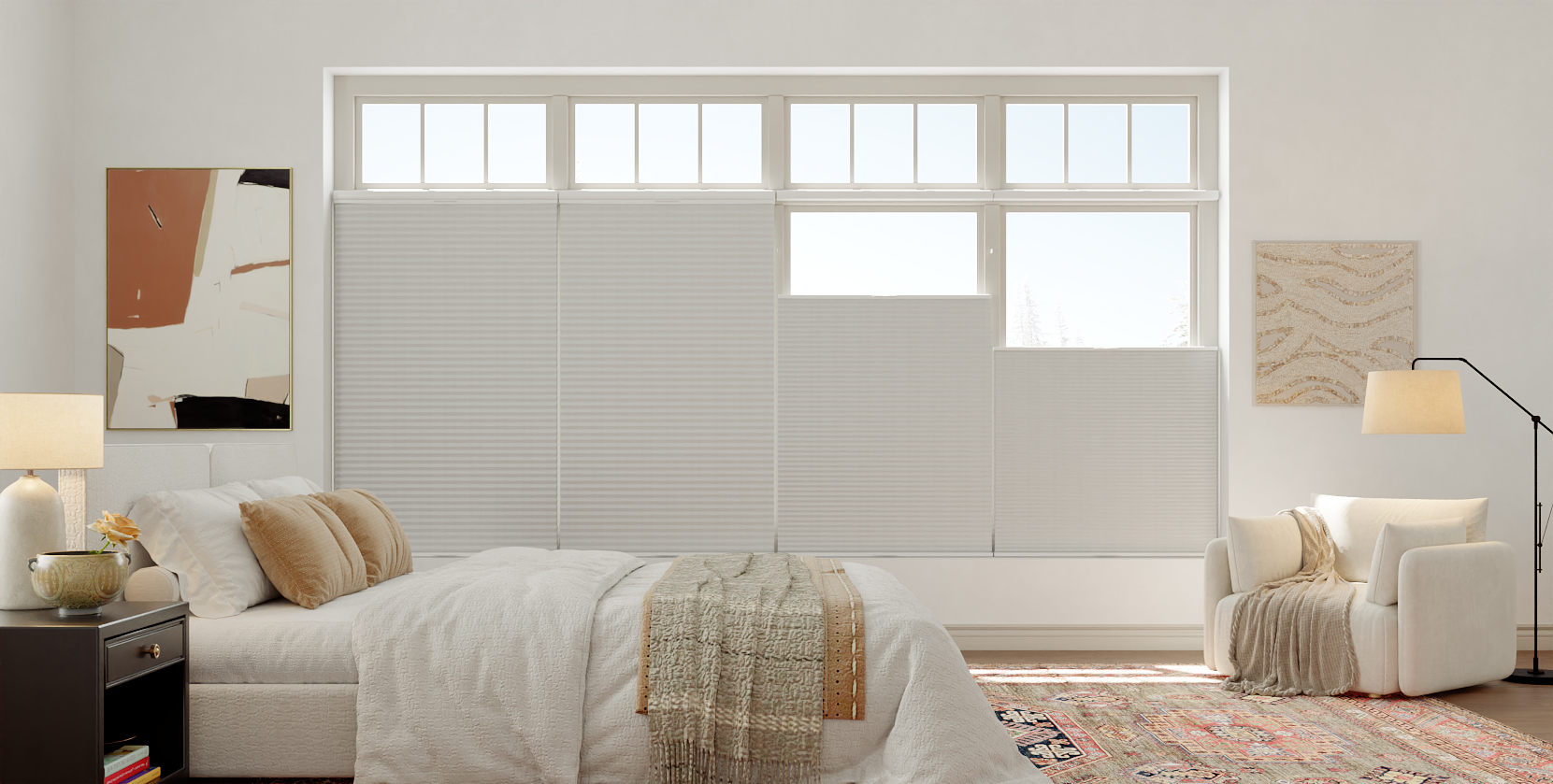


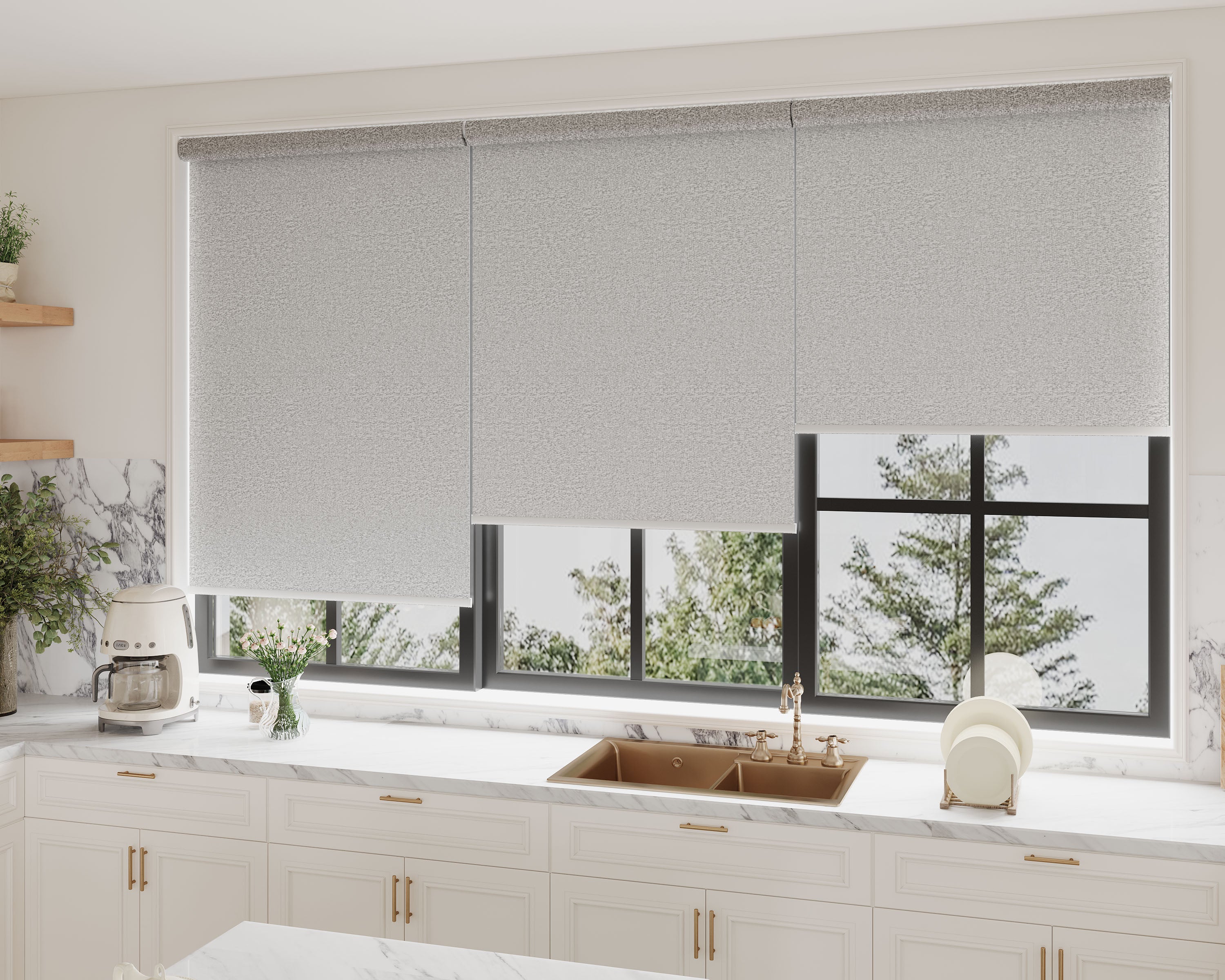

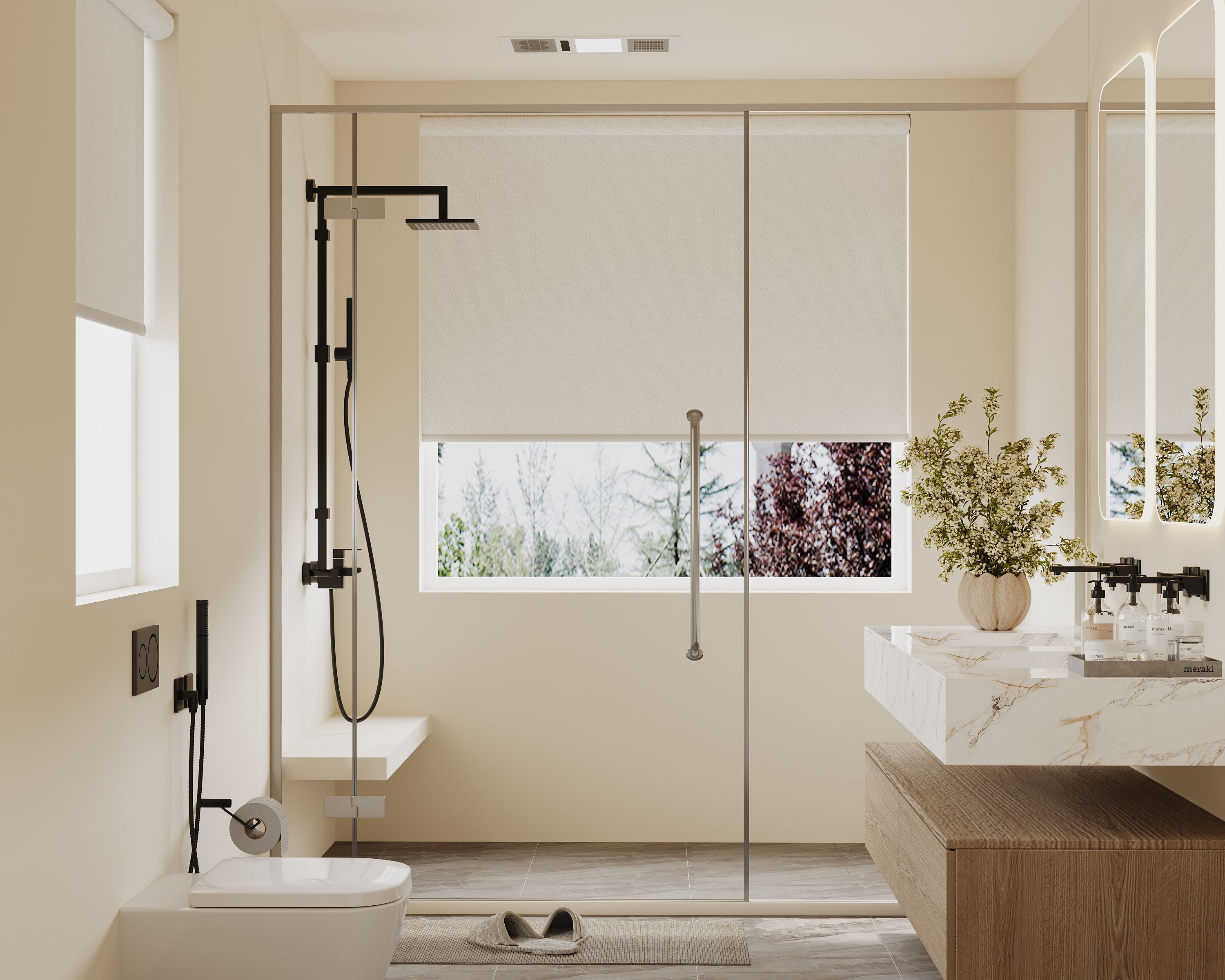


Installing Roman shades might seem daunting, but with the right preparation and methodical steps, it's a very achievable DIY project that yields professional-looking results. The key to success lies not in strength, but in precision, patience, and following a clear process. A proper installation ensures your shades operate smoothly, hang perfectly level, and become a secure, beautiful part of your home.
This guide will walk you through the entire process from unboxing to final adjustment. Here’s what you’ll learn:
-
The essential tools and pre-installation checks you must do before drilling a single hole.
-
A detailed, sequential process for both inside and outside mounting.
-
Pro tips for troubleshooting common issues like uneven shades or mounting on tricky surfaces.
-
Final adjustment techniques to ensure flawless operation and appearance.
Ensuring you have the correct custom Roman shades and hardware for your specific windows is the critical first step that all successful installation builds upon.
Pre-Installation: Preparation is Everything
Rushing into installation is the most common mistake. Dedicate time to this preparatory phase.
1. Gather Your Tools & Hardware
Having everything at hand prevents mid-job frustration. You will typically need:
-
Tools: A power drill, drill bits (for wood/drywall and masonry if needed), a screwdriver (often a Phillips head), a pencil, a steel tape measure, and a high-quality level (at least 24 inches long). A stud finder is recommended for outside mounts.
-
Hardware: All brackets, screws, and wall anchors provided with your shades. Verify the contents against the instruction sheet.
2. Conduct a Dry Fit and Final Verification
-
Unpack Carefully: Lay out all components. Avoid using knives near the fabric.
-
Check Measurements: Confirm the shade width matches your window/planned mount area. If you measured for an inside mount, double-check that the shade's listed "finished width" is slightly less than your window's inside width.
-
Test the Mechanism: Gently operate the shade by hand to ensure the lift system works smoothly before it's on the wall.
-
Identify Brackets: Note any left/right or front/side-mount bracket differences. Most brackets are universal, but some styles have specific orientations.
The Core Installation Process: A Step-by-Step Walkthrough
Follow this sequence carefully. The process differs slightly after Step 3 depending on your mount type.
| Step | Action | Key Tip / Detail |
|---|---|---|
| 1. Mark Bracket Locations | Inside Mount: Hold brackets inside the top of the window frame. Outside Mount: Hold brackets on the wall above the window. Use a pencil to mark screw holes. | Use your level immediately on the bracket or a marks to ensure they are perfectly level before marking holes. For outside mounts, measure out from the window evenly on both sides. |
| 2. Drill Pilot Holes | Select a drill bit slightly smaller than your screw's diameter. Drill at your marked points. | For drywall without a stud, you must use the provided wall anchors. Drill the hole to the anchor's specified size. |
| 3. Install Brackets | Secure the brackets to the wall or window frame using the provided screws. If using anchors, insert them first. | Do not overtighten screws. The bracket should be firmly secure and not wiggle, but stripping the screw or crushing drywall is counterproductive. |
| 4. Mount the Shade | For most styles: Engage the headrail into the brackets. It may click, slide, or require you to pivot a locking arm. | Refer to your specific instructions. This step varies. Often, you tilt the headrail into the front of the bracket, then lower it to click into place. |
| 5. Test Operation & Finalize | Gently raise and lower the shade several times. Check that it hangs straight and operates evenly. | If the shade is uneven, it is almost always a bracket leveling issue, not the shade itself. See troubleshooting below. |
Mount-Specific Guidance
-
Inside Mount: Ensure brackets are installed level and at the exact same height within the frame. The headrail must fit cleanly between them without forcing.
-
Outside Mount: For heavy shades or wide windows, aim to drill at least one bracket screw into a wall stud for superior strength. Use heavy-duty toggle bolts for drywall if no stud is available.
For a refresher on why you chose your mounting style, review our guide on the critical decision between an inside or outside mount.
Troubleshooting Common Installation Issues
-
Shade is Uneven (One Side Higher): This is a bracket leveling issue. Loosen the screws on the higher side slightly, gently push the shade down to level it, and retighten. Use your level on the headrail itself to check.
-
Shade Rubs Against Window Frame: For inside mounts, your width measurement may have been too tight, or the frame is out of square. Slightly adjusting bracket position forward or back can sometimes help. For persistent issues, an outside mount may be necessary.
-
Brackets Feel Loose in Drywall: You are likely not using the correct anchor for the shade's weight. Remove and install a heavy-duty toggle bolt or molly bolt, which spreads weight behind the drywall.
-
Lift Cord or Mechanism is Sluggish: Ensure the shade is fully seated and clicked into both brackets. A misaligned headrail can bind the internal mechanism.
Safety & Final Considerations
-
Safety First: Use a stable ladder or step stool. When drilling, be mindful of electrical wires and plumbing (a stud finder with wire detection helps).
-
Cord Safety: If your shade has a continuous loop cord, immediately secure the excess length with a cord cleat mounted to the wall, out of reach of children and pets. The safest option is a cordless shade.
-
Professional Help: If you encounter plaster walls, metal frames, tiled surfaces, or very large/heavy shades, do not hesitate to call a professional installer. Their expertise can prevent costly damage.
Once installed, your focus can shift to enjoying the aesthetic. For inspiration on the different looks you've achieved, explore the various flat, hobbled, and relaxed Roman shade styles.
Conclusion: The Reward of a Job Done Right
Installing Roman shades yourself is a satisfying project that enhances your home's comfort and style. By methodically following the preparation and installation steps, you ensure a result that looks and functions as intended for years to come.
Here are the key highlights to ensure a professional finish:
-
Preparation is Non-Negotiable: Verifying parts, choosing the right tools, and marking level bracket positions prevent almost all common errors.
-
Leveling is Everything: Your long level is your most important tool. An unlevel bracket leads directly to an uneven, poorly operating shade.
-
Use the Correct Hardware: Match your wall anchors and screws to your wall type (drywall, stud, masonry) and the weight of the shade for a secure, lasting hold.
-
Test and Adjust Before Finishing: Operate the shade fully several times after mounting to identify and correct any alignment or binding issues immediately.
-
Know When to Call a Pro: There's no shame in seeking professional installation for complex situations; it protects your investment in your custom shades.
With careful attention to detail, you can achieve a flawless installation that makes your beautiful new Roman shades a functional centerpiece of your room.
Frequently Asked Questions (FAQ)
Can I install Roman shades without drilling?
For a temporary or rental-friendly solution, heavy-duty adhesive mounting tapes designed for high weight can work on smooth, painted drywall or trim. However, for permanent, secure, and safe installation, especially for larger shades, drilling into studs or using proper wall anchors is strongly recommended and is the only method guaranteed by manufacturers.
How do I install Roman shades on a window with a deep sill or a crank handle?
For a deep sill, an outside mount is often easiest, placing the brackets high enough so the lowered shade clears the sill. For a crank handle, you typically need an outside mount that positions the entire shade in front of the crank's arc. Specialty offset brackets that hold the shade away from the wall are also available to clear obstacles.
What is the trick to getting both brackets perfectly level?
The best method is to measure and mark one bracket's position. Then, use your long level to draw a perfectly horizontal line extending across the window at that height. Install the second bracket by aligning it with this line, using the level again to confirm. This is more accurate than trying to level two separate brackets independently.
My walls are concrete or brick. What do I need?
You will need a hammer drill (or rotary hammer) and masonry drill bits to create pilot holes. Then, use concrete screw anchors (like Tapcons) or plastic sleeves with masonry screws. The process is similar but requires more powerful tools. Ensure your brackets are level before drilling, as correcting holes in masonry is difficult.
I installed them, but the folds don't hang neatly. What's wrong?
This is usually an issue with "setting" the shade. Most new Roman shades are folded for shipping. After installation, fully lower the shade. Then, gently run your hands down the fabric to encourage the folds to fall into their natural, even positions. Raise and lower it a few times to train the folds. If a fold is stubborn, you can lightly steam it (from a distance, checking fabric care first).
