
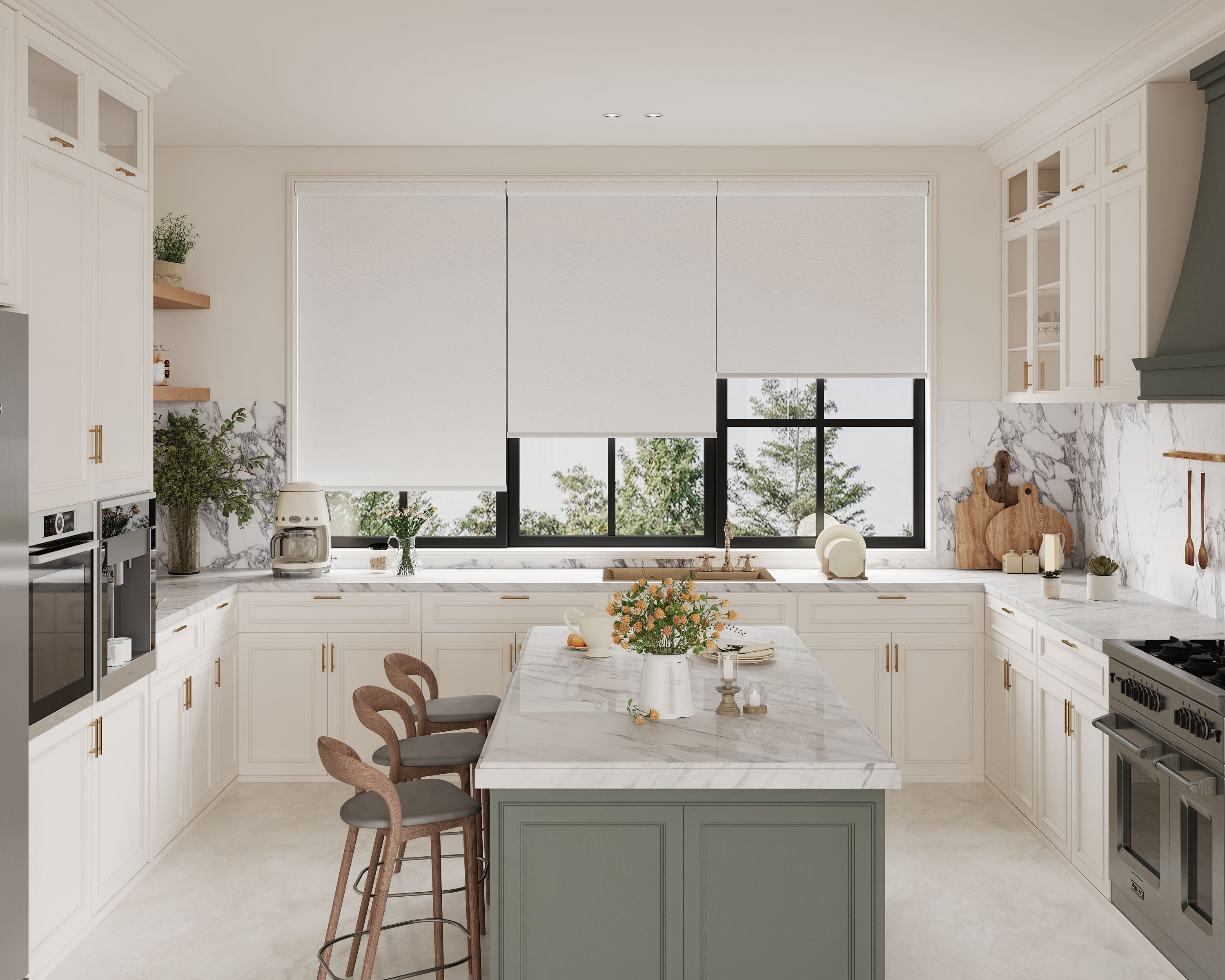
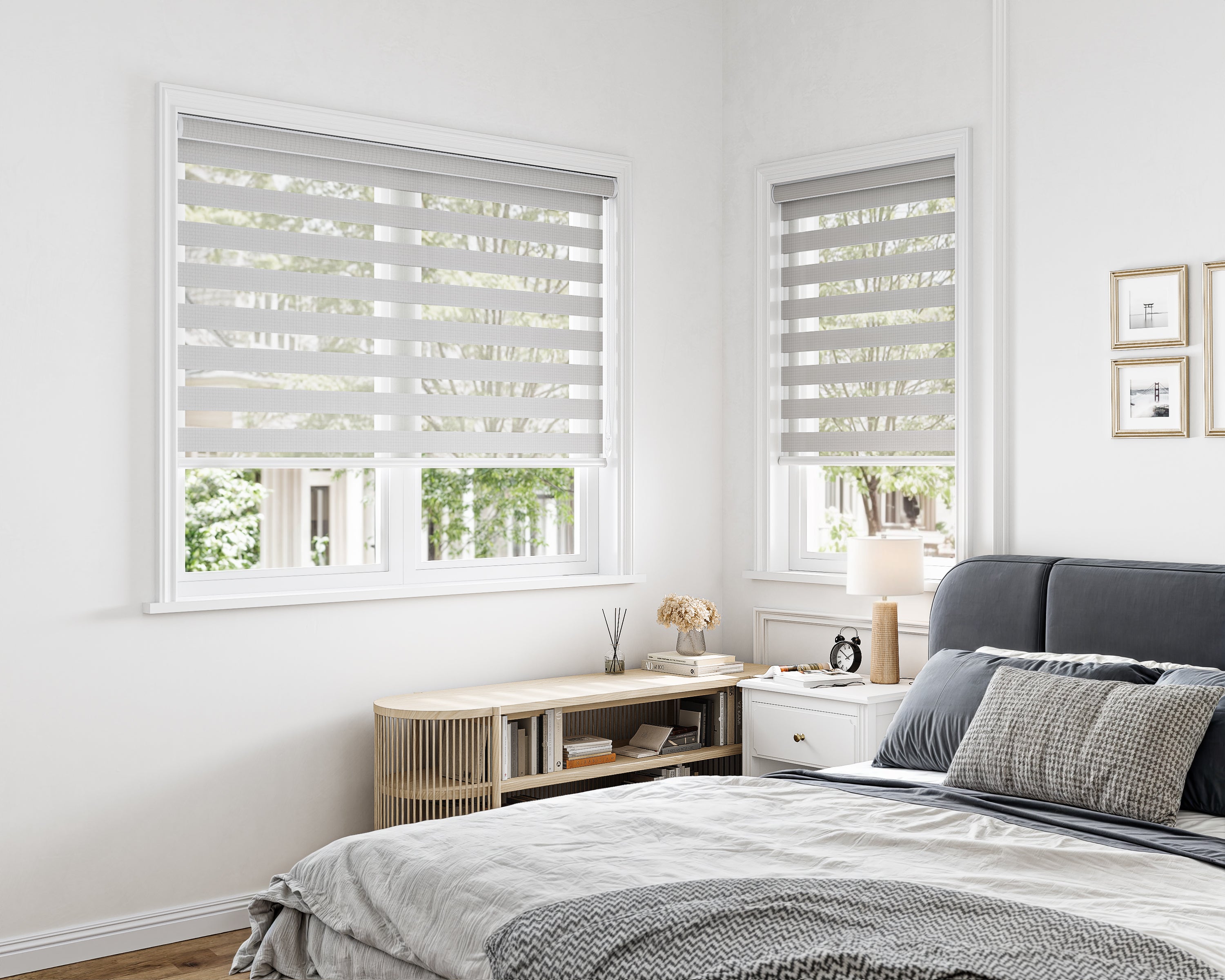
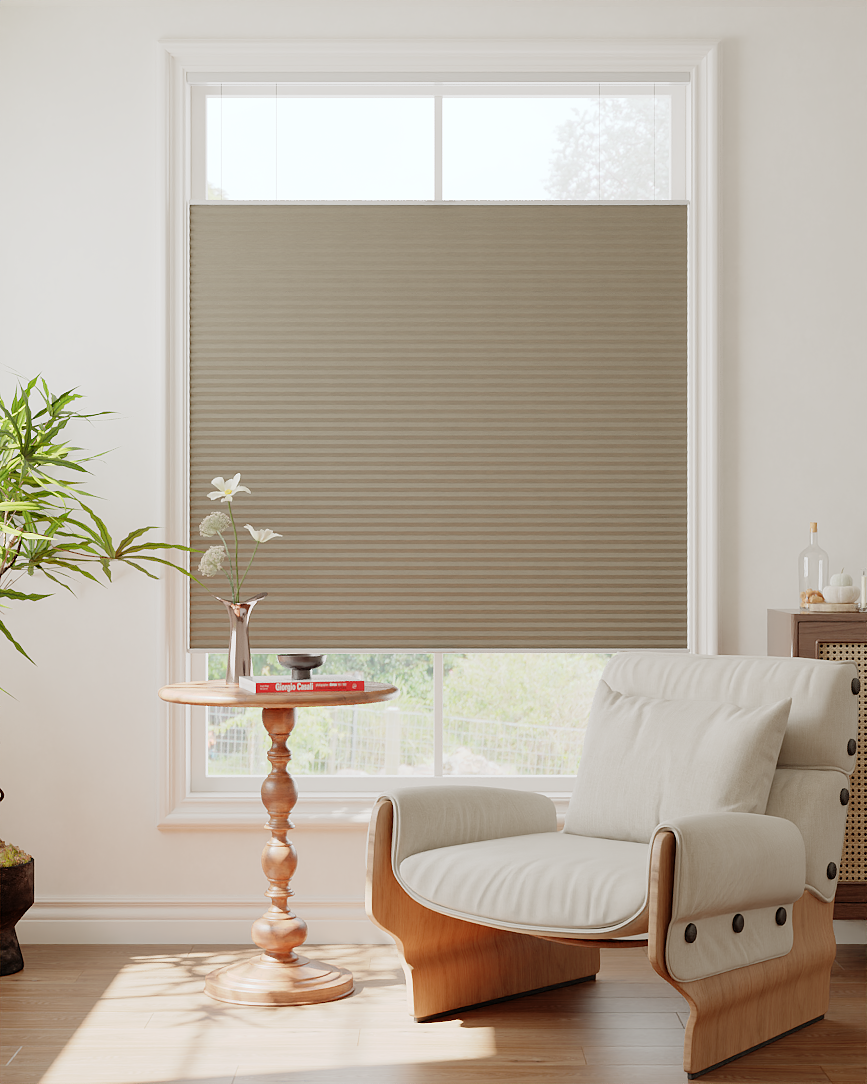
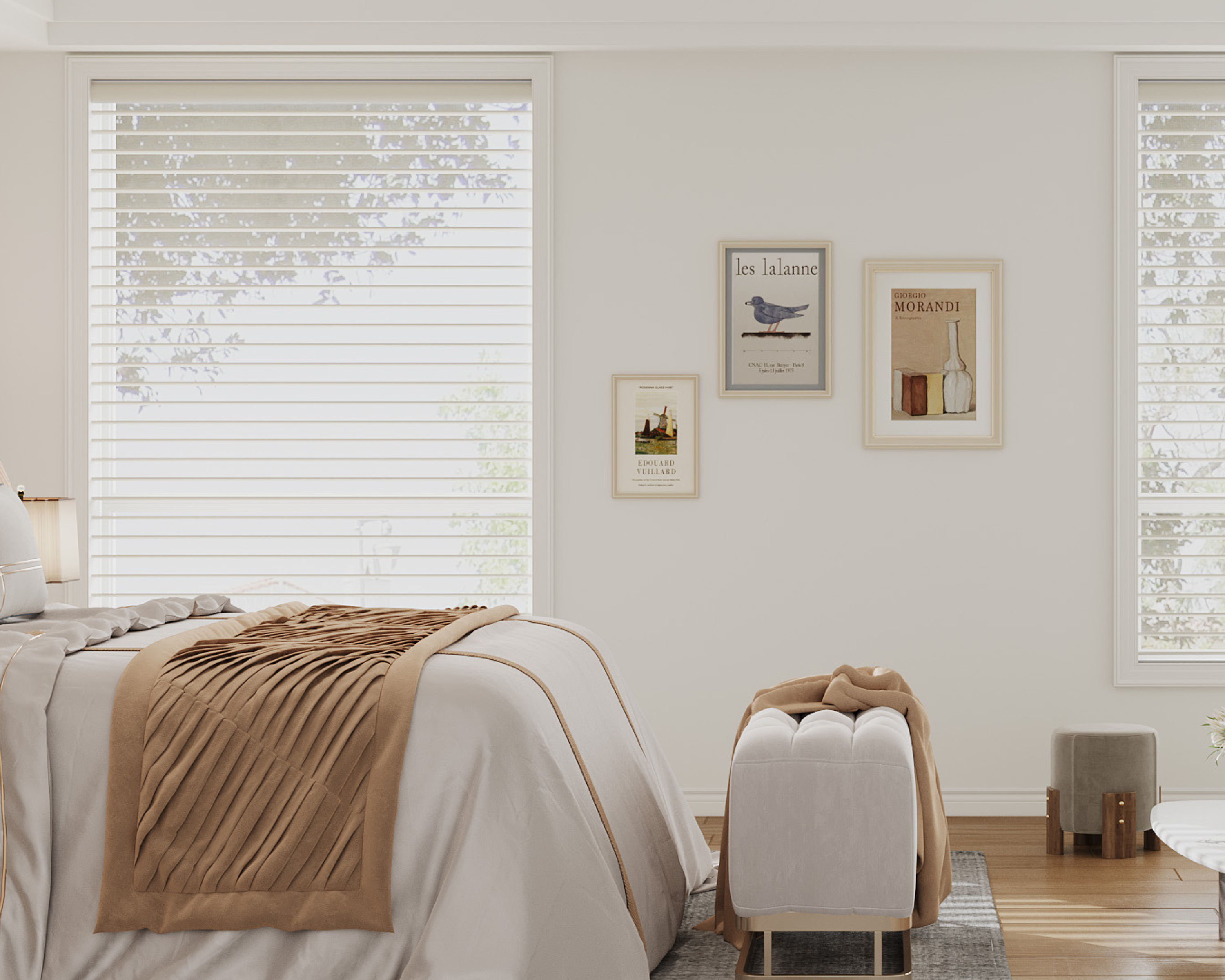
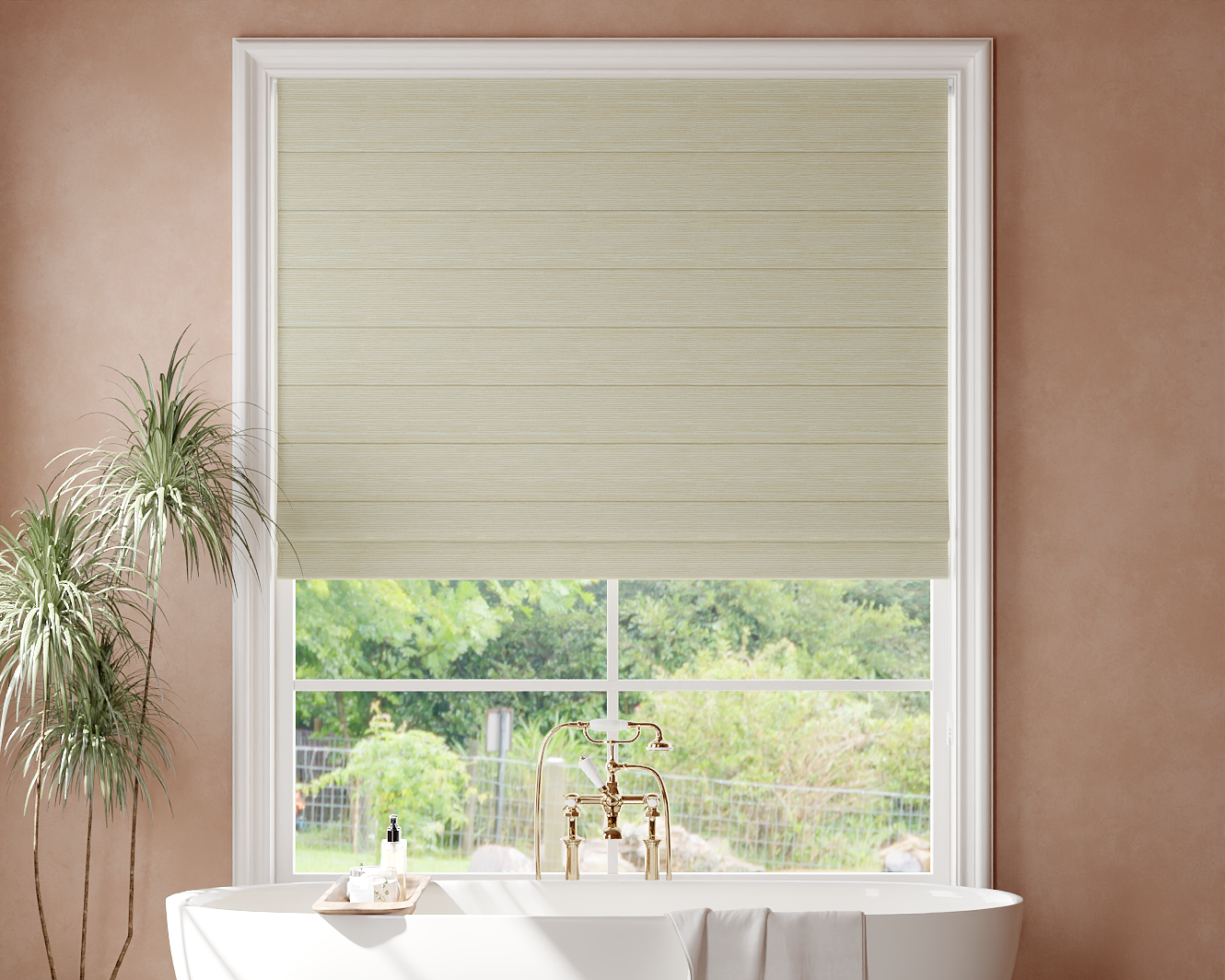
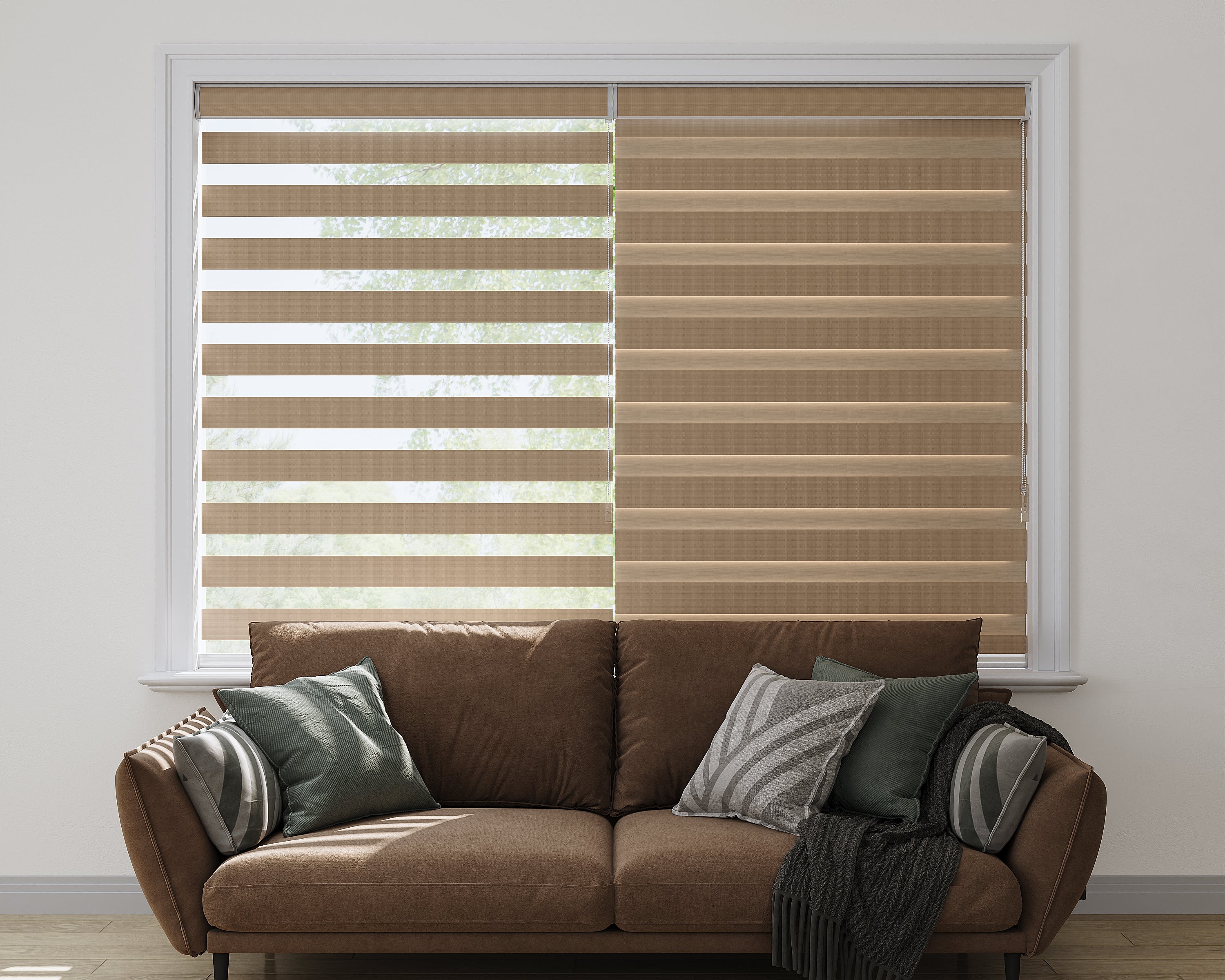
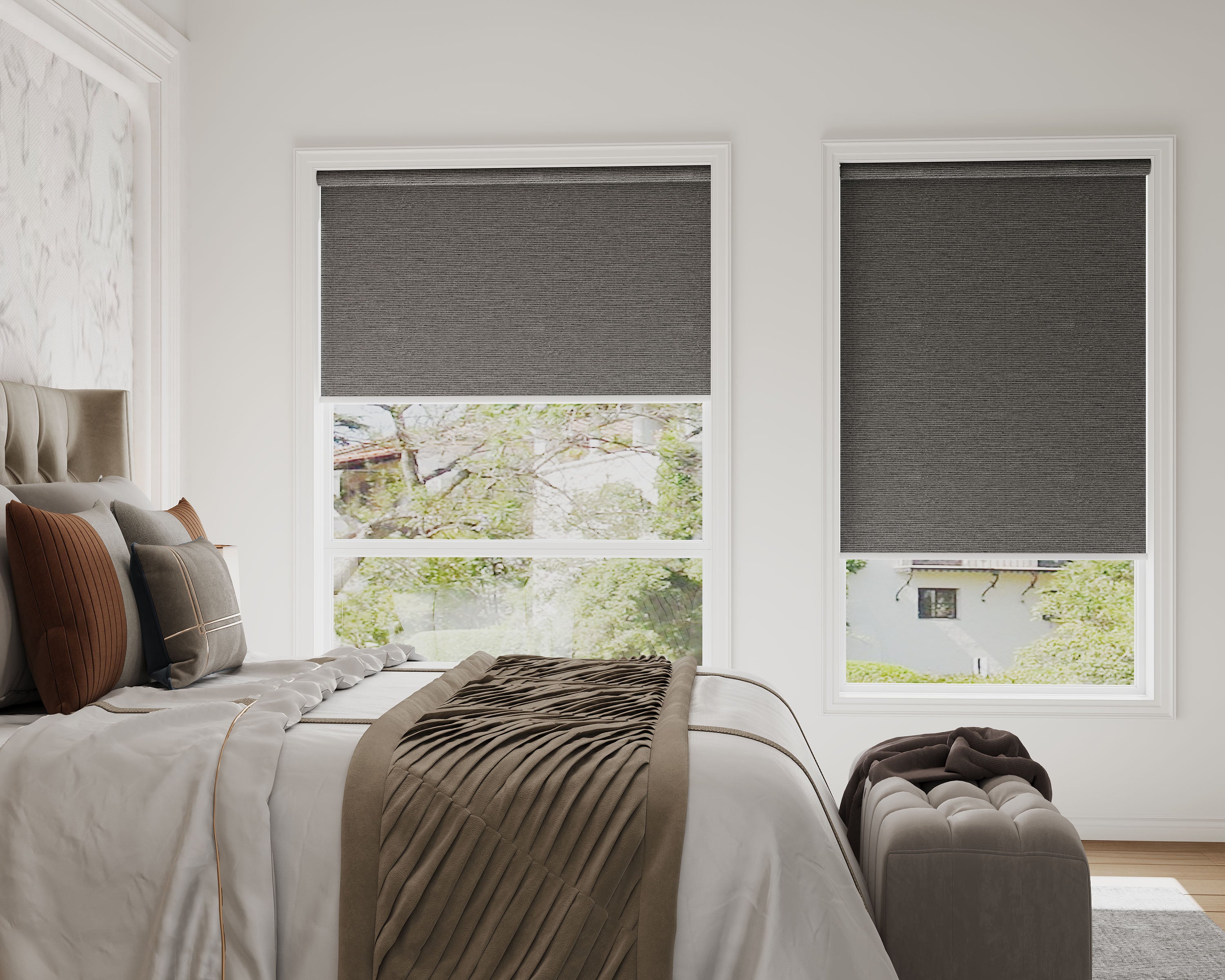
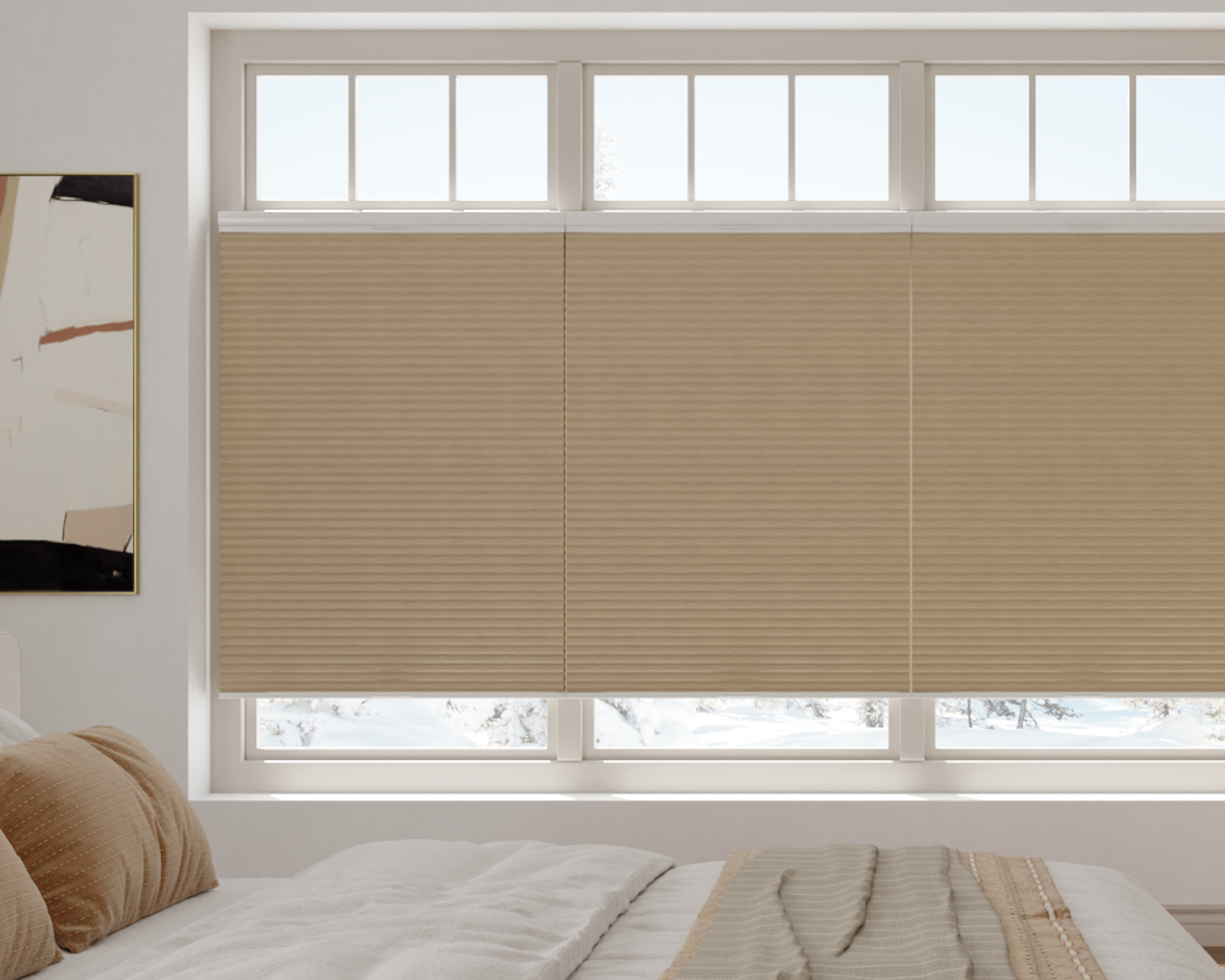







Choosing the fabric for your Roman shades is where the functional window treatment transforms into a key element of your room's design. With countless options in texture, pattern, and material, the decision can feel overwhelming. How do you balance the need for light control with aesthetic appeal, or choose between the casual elegance of linen and the durability of polyester?
The right fabric harmonizes practicality with personal style, ensuring your shades look beautiful and perform perfectly for years. This guide provides a clear framework to navigate your options. Here’s what you’ll learn:
-
How to select the perfect opacity level for light control and privacy in any room.
-
A comparison of natural and synthetic materials for durability, feel, and care.
-
The impact of texture, color, and pattern on your room's ambiance and perceived space.
-
How lining choices can enhance functionality, from blackout sleep to energy efficiency.
Starting your search with a view of the possibilities, like exploring a curated selection of Roman shade fabrics, helps translate these concepts into tangible choices.
The First Decision: Opacity & Light Control
Your fabric's opacity determines its fundamental function. Match this to your room's primary needs before considering color or texture.
| Opacity Level | Light & Privacy Effect | Ideal For... | Key Consideration |
|---|---|---|---|
| Sheer | Allows soft, diffused light to filter through; provides daytime privacy only. | Living rooms, sunrooms, dining rooms where ambiance is key. | Offers little UV protection for furniture. Provides a luminous glow but no room darkening. |
| Light Filtering | Gently diffuses light, reducing glare while maintaining a bright room; good daytime privacy. | Home offices, kitchens, living rooms, hallways. | The most versatile, popular choice. Softens light without creating a dark or closed-in feeling. |
| Room Darkening | Blocks a significant majority of light (typically 95-99%); offers excellent privacy. | Bedrooms, media rooms, nurseries. | Creates a cozy, darkened environment suitable for daytime naps or movie watching without full blackout. |
| Blackout | Blocks (nearly) 100% of light; provides total privacy and darkness. | Bedrooms (especially for shift workers), home theaters, street-facing rooms. | Often involves a specialty coated or laminated backing. Essential for creating true darkness for sleep. |
For a deeper dive into the two most common choices for private spaces, our comparison of blackout versus light-filtering Roman shades is essential reading.
The Foundation: Understanding Material Types
The fiber content of your fabric dictates its look, feel, durability, and care requirements.
| Material Type | Characteristics & Look | Best Suited For... | Care & Considerations |
|---|---|---|---|
| Natural Fibers (Linen, Cotton, Hemp) | Textured, organic, breathable. Offers a relaxed, lived-in elegance with beautiful natural variation. | Living rooms, bedrooms, spaces aiming for a casual, organic, or coastal aesthetic. | Can wrinkle and may be prone to sun fading unless treated. Generally requires more delicate care (light steaming, professional cleaning for stains). |
| Synthetic & Blended Fibers (Polyester, Acrylic) | Durable, colorfast, and often wrinkle-resistant. Can mimic the look of natural fibers with greater practicality. | High-traffic areas, homes with children/pets, bathrooms (if moisture-resistant), and sun-drenched rooms. | Easier to clean, more resistant to fading and stains. Offers excellent value and longevity with less maintenance. |
| Performance & Specialty Fabrics | Engineered for specific needs: UV resistance, moisture repellency, antimicrobial, or enhanced acoustics. | Rooms with extreme sun, kitchens, bathrooms, media rooms, or homes where health/allergies are a priority. | Check specific care labels. These fabrics prioritize function alongside form, often at a higher price point. |
Understanding these core properties is crucial. Our deep dive into how linen, vinyl, and bamboo perform provides more specific detail on popular material choices.
The Design Layer: Texture, Color, and Pattern
This is where your personal style shines and influences the room's character.
-
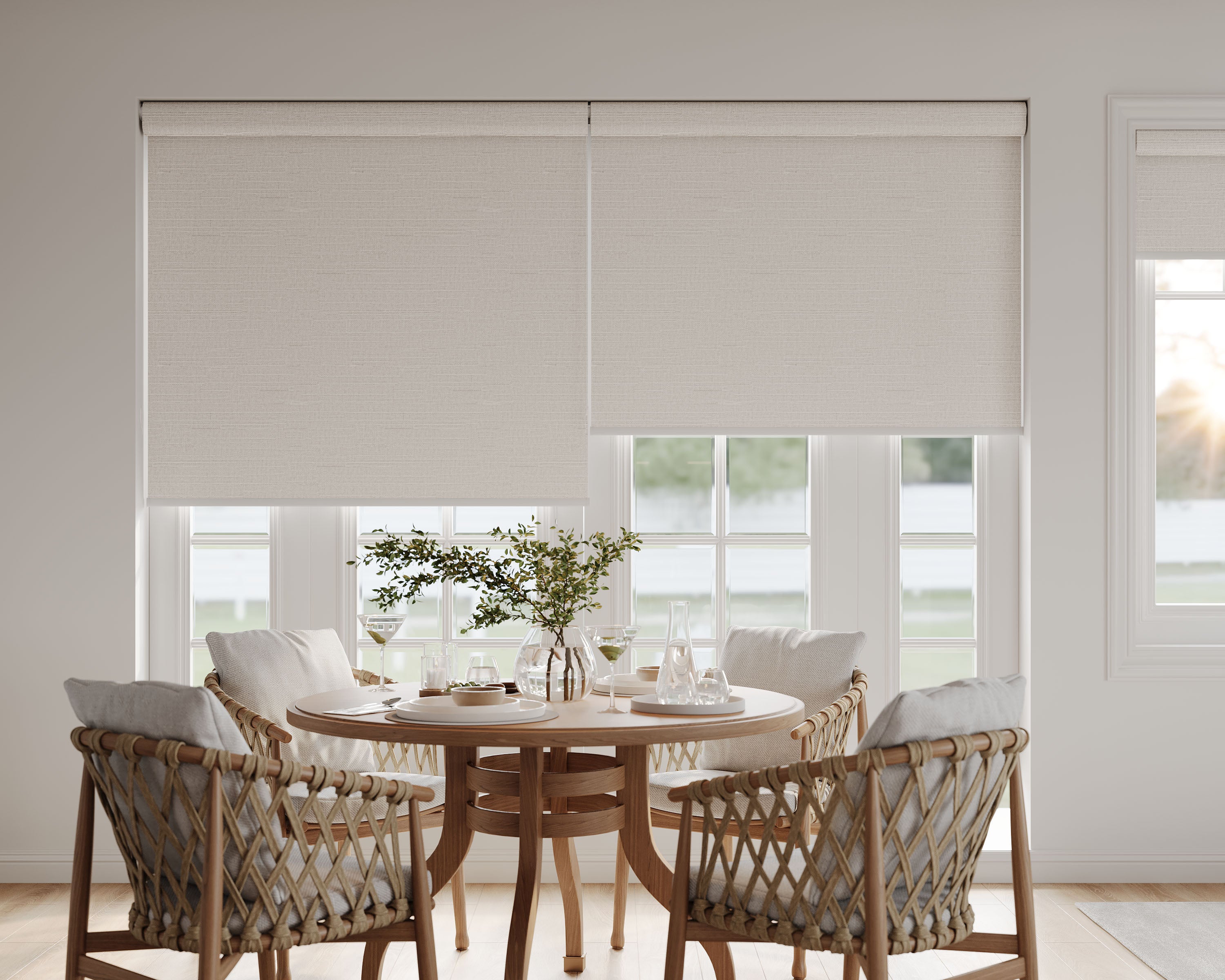
Texture: Texture adds depth and interest. A smooth cotton sateen feels refined and traditional, while a nubby linen or woven grasscloth adds casual, organic texture. Consider the other textures in your room (wood, wool, metal) for harmony.
-
Color & Pattern:
-
Neutrals (White, Cream, Gray, Beige): Timeless, versatile, and recede visually, making them a safe and elegant choice that won't dominate a room.
-
Bold Colors & Patterns: Use these to make a statement or create a focal point. Large patterns can get lost when the shade is folded; smaller, all-over patterns often work better.
-
Designer Tip: For a seamless, elevated look, choose a fabric color that matches your wall color. This makes the shade appear as a textural extension of the wall itself.
-
Your choice of texture directly influences the shade's final form. Learn how different fabrics interact with various flat, hobbled, and relaxed Roman shade styles.
The Hidden Enhancer: Lining Options
Don't overlook the backing—it can dramatically improve functionality.
-
Standard Lining: Adds body, improves drape, and provides slight insulation and light reduction.
-
Blackout Lining: A separate layer attached behind your chosen face fabric. It enables you to select any decorative fabric you love while ensuring complete darkness and enhanced energy efficiency.
-
Thermal Lining: Often metallicized, it reflects heat in summer and retains warmth in winter, improving energy efficiency and comfort.
Your Decision Framework: Choosing by Room
Bring all the factors together with this room-by-room guide.
| Room | Recommended Opacity | Material Priority | Style Tip |
|---|---|---|---|
| Living Room | Light Filtering or Sheer | Durability & Aesthetics (Linen-look blends, performance cottons) | Choose a texture and color that complements your upholstery and overall decor style. |
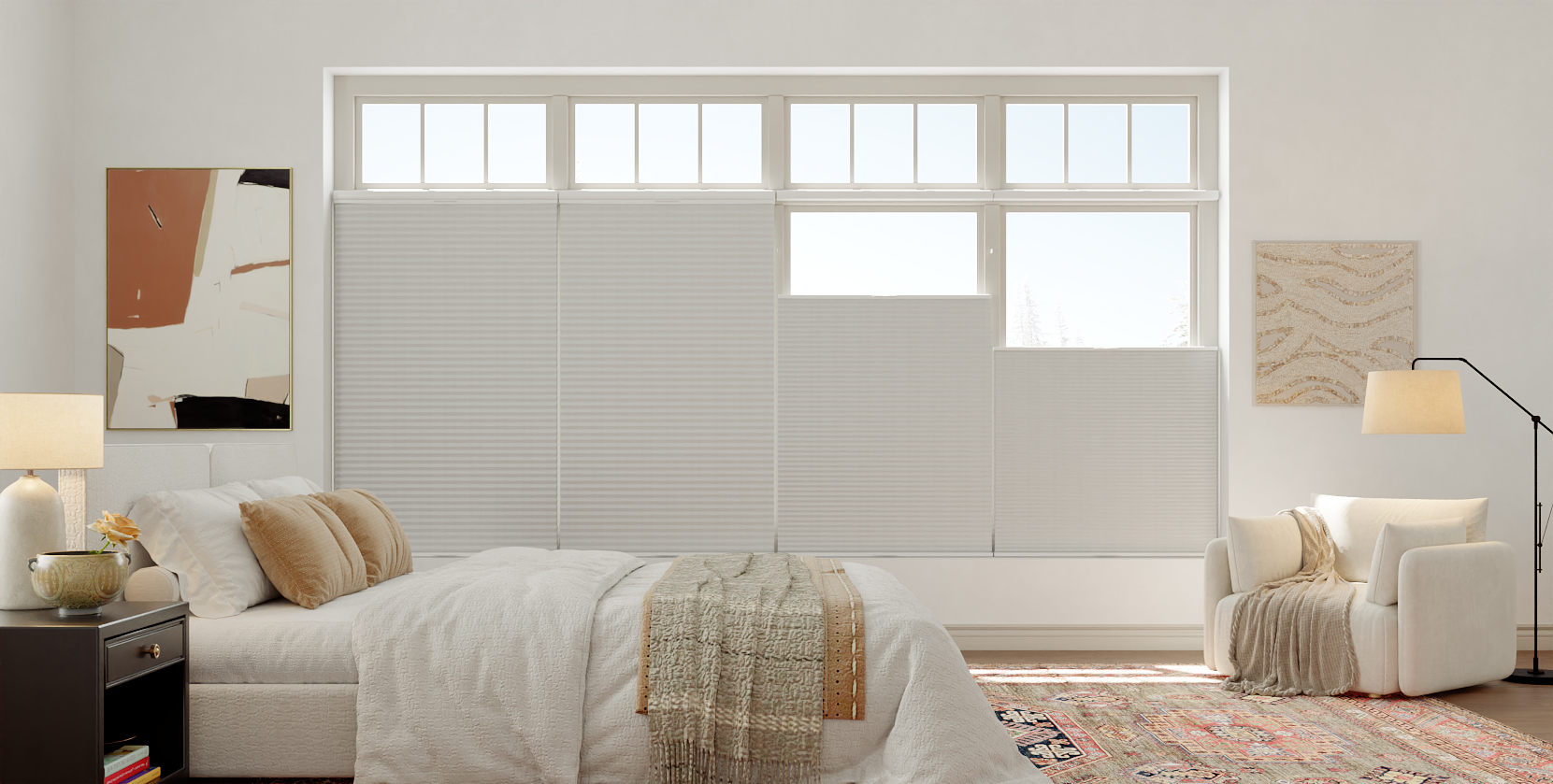
| Bedroom | Room Darkening or Blackout | Comfort & Light Control (Soft cottons, blackout-lined fabrics) | Prioritize feel and function. A calming, neutral color palette often works best. |
| Home Office | Light Filtering | Glare Reduction & Durability | Avoid high-gloss fabrics that reflect screen light. A mid-tone color reduces eye strain. |
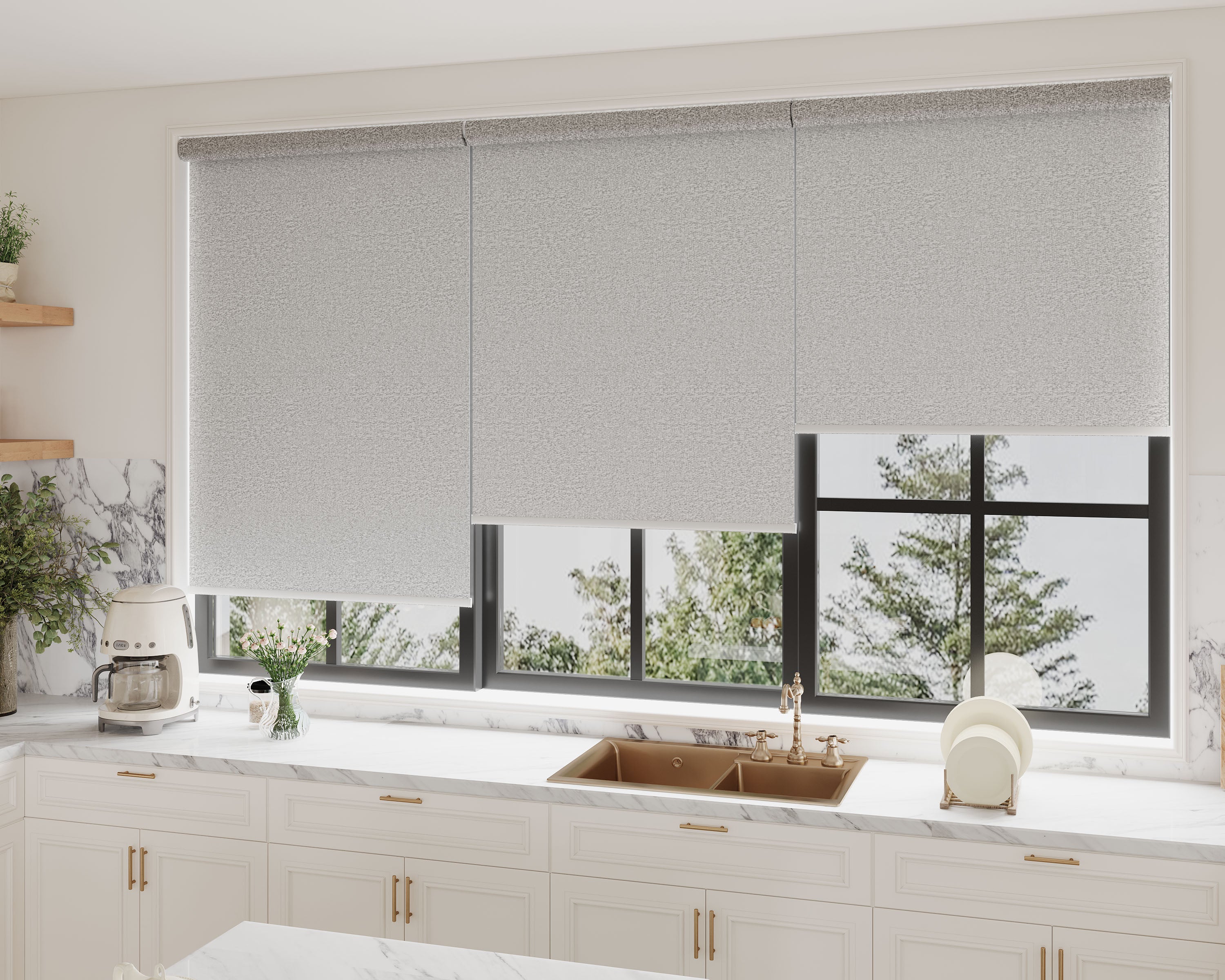
| Kitchen | Light Filtering or Sheer | Moisture & Stain Resistance (Polyesters, acrylics) | Choose easy-to-clean fabrics. Avoid long, draping styles near cooking areas. |
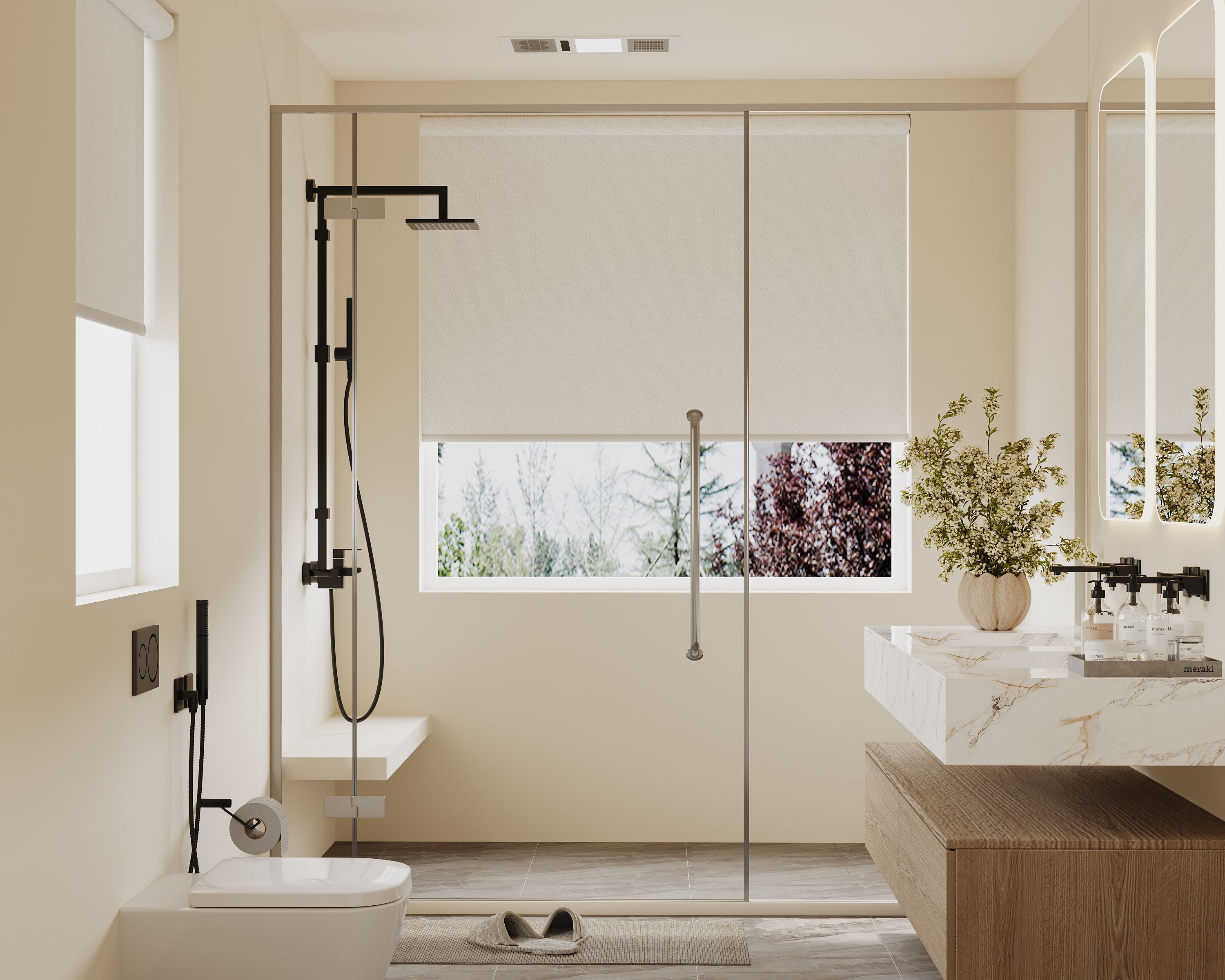
| Bathroom | Room Darkening (for privacy) | Mold/Mildew Resistance (Vinyl, coated synthetics) | Natural fibers are not recommended. Ensure the fabric is specifically rated for high humidity. |
Conclusion: Weaving Function and Beauty Together
Choosing Roman shade fabric is a deliberate process of aligning practical needs with design aspirations. By systematically considering opacity, material, design, and lining, you can select a fabric that delivers on both form and function.
Here are the key highlights for making your choice:
-
Start with Function: Let the room's need for light control and privacy guide your opacity selection—this is the non-negotiable foundation.
-
Let Material Suit the Lifestyle: Balance the beauty of natural fibers with the practical durability of synthetics based on the room's traffic, sun exposure, and your willingness to maintain them.
-
Design is the Final Layer: Use texture, color, and pattern to express your style, remembering that neutrals offer timeless flexibility while bold choices create deliberate focal points.
-
Never Underestimate the Lining: A blackout or thermal liner can unlock the full potential of a decorative fabric, adding crucial privacy, darkness, or energy savings.
-
Context is Everything: Always evaluate your fabric choice within the specific context of the room—its light, its use, and its existing decor.
By following this framework, you move beyond browsing endless swatches to making a confident, informed decision that results in Roman shades you’ll love for their beauty and depend on for their performance.
Frequently Asked Questions (FAQ)
Is linen a good fabric choice for Roman shades?
Linen is a beautiful but demanding choice. It offers unparalleled organic texture and a casually elegant look that works in many styles. However, it is prone to natural wrinkling, can fade in direct sun over time, and often requires professional cleaning for stains. For a more practical option, consider high-quality linen-look polyester blends that mimic the aesthetic with much greater durability and fade resistance.
Can I use a patterned fabric for Roman shades?
Absolutely, but scale is critical. A large, bold pattern can look stunning when the shade is down but may create a disjointed, chaotic look when folded up. Smaller, all-over patterns, textured weaves, or tone-on-tone patterns (like a damask) often work better as they maintain visual cohesion in both raised and lowered positions.
How do I choose fabric for a south-facing window with intense sun?
For south-facing windows, prioritize fabrics with high UV resistance. Solution-dyed acrylics and polyesters are excellent as the color is embedded in the fiber, making them extremely fade-resistant. Also, consider a lighter color to reflect heat, and always inquire about a fabric's "lightfastness" rating. Adding a UV-protective lining can also help preserve both the fabric and your furnishings.
What's the difference between fabric "weight" and "opacity"?
Weight refers to the density of the fabric (often in ounces per square yard), affecting drape and durability. Opacity refers to how much light passes through. A fabric can be heavy but still light-filtering (like a dense linen), or light in weight but room-darkening (due to a tight weave or coating). Always assess opacity directly by holding a swatch up to a light source, rather than relying on weight alone.
Should all the Roman shades in my open-concept home match?
Not necessarily. Using the same fabric throughout can create harmony, but you can also successfully coordinate different fabrics. The key is to maintain a common thread—such as a consistent color palette, similar opacity level, or complementary texture. For example, you might use a light-filtering linen in the living area and a room-darkening version of the same color in the adjacent bedroom for functional variety within a unified look.
