


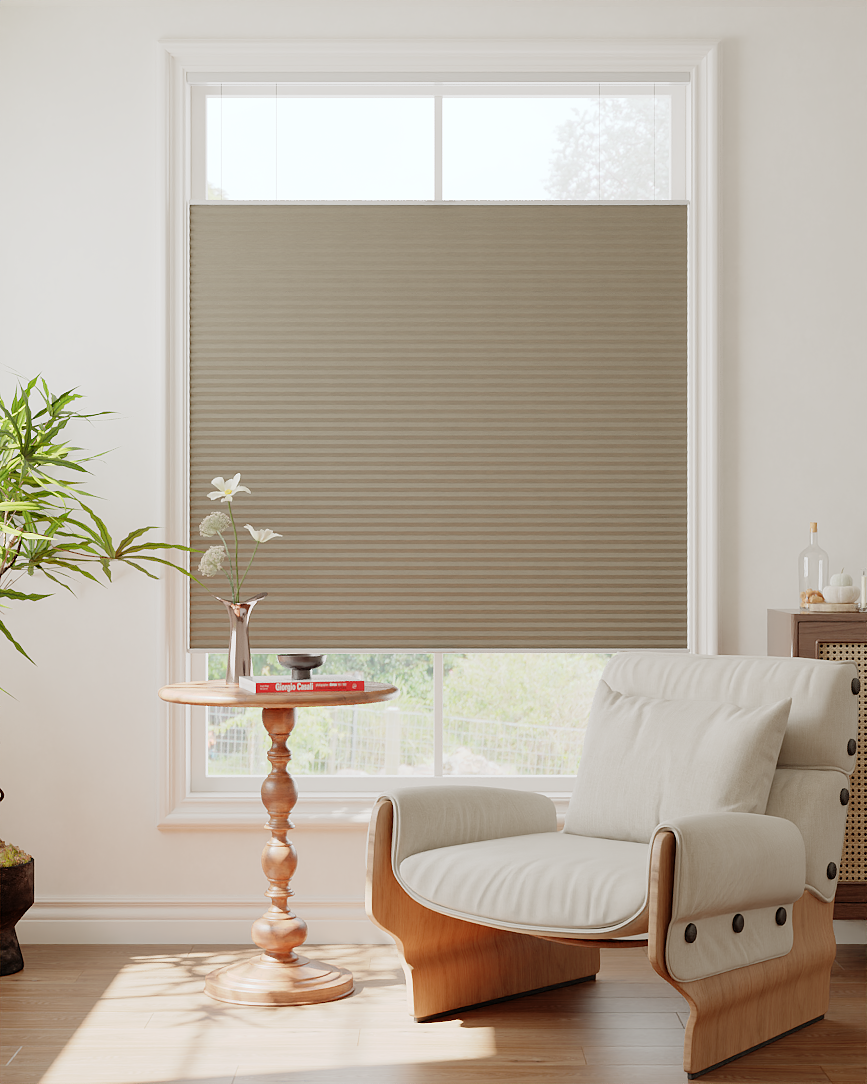
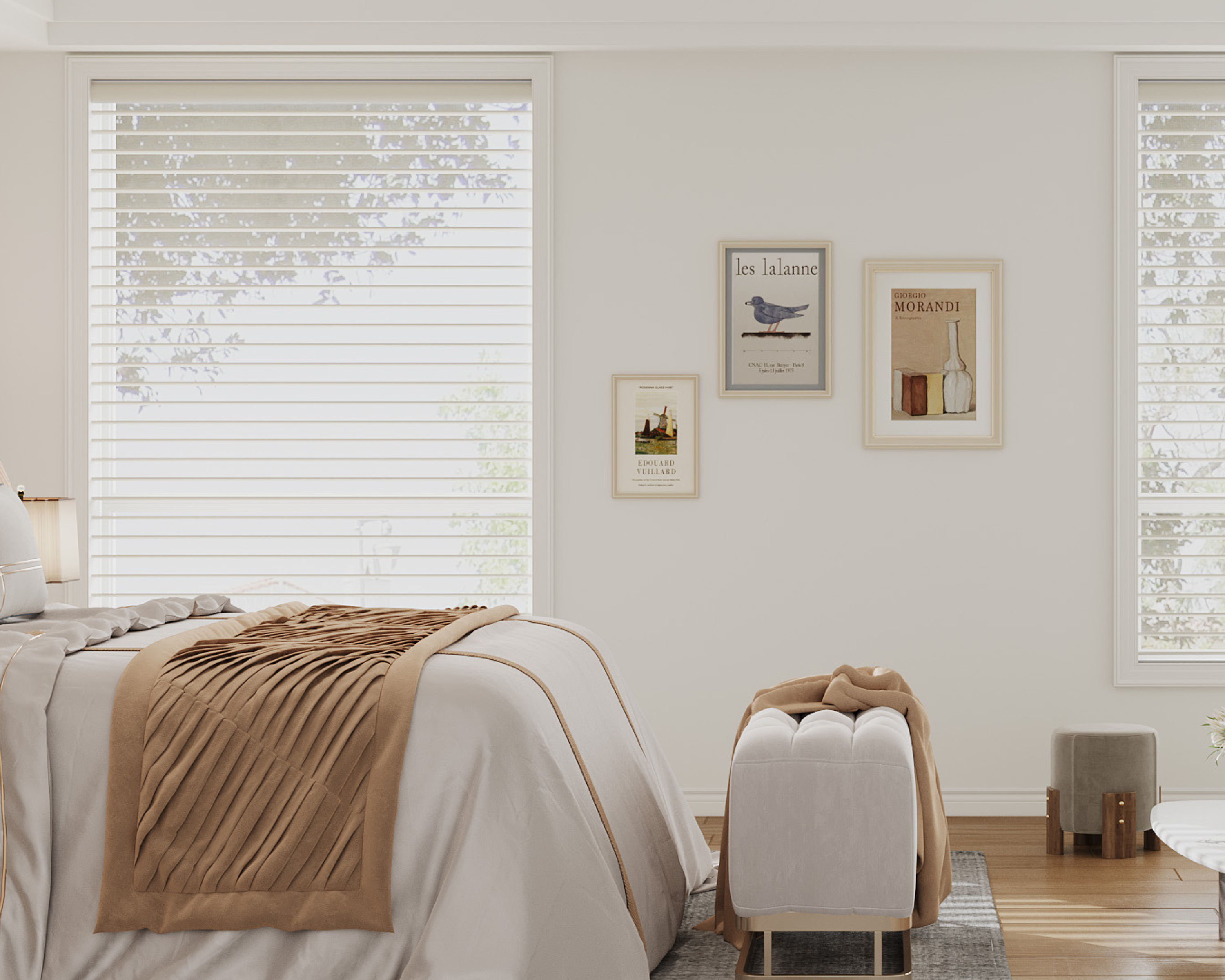
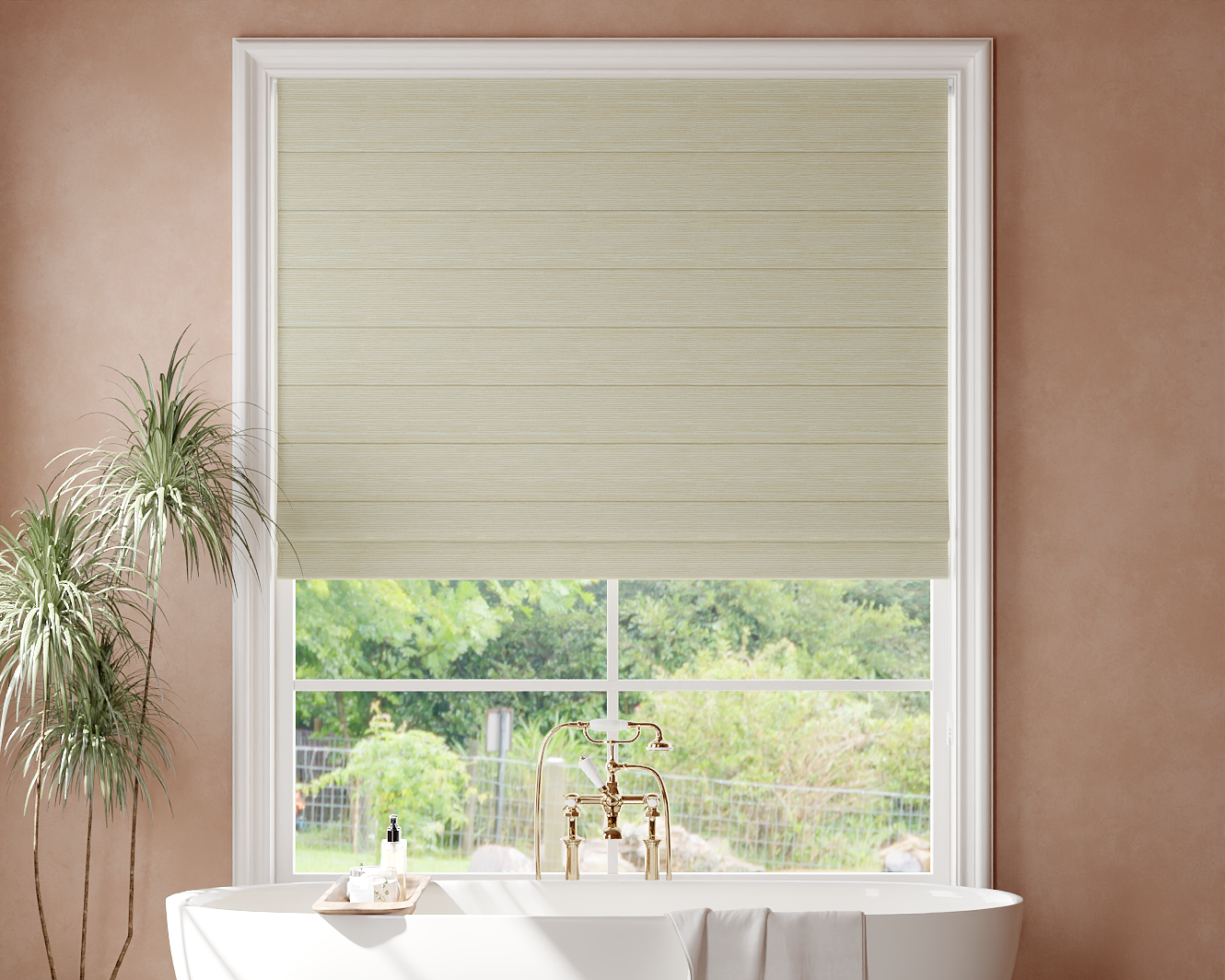
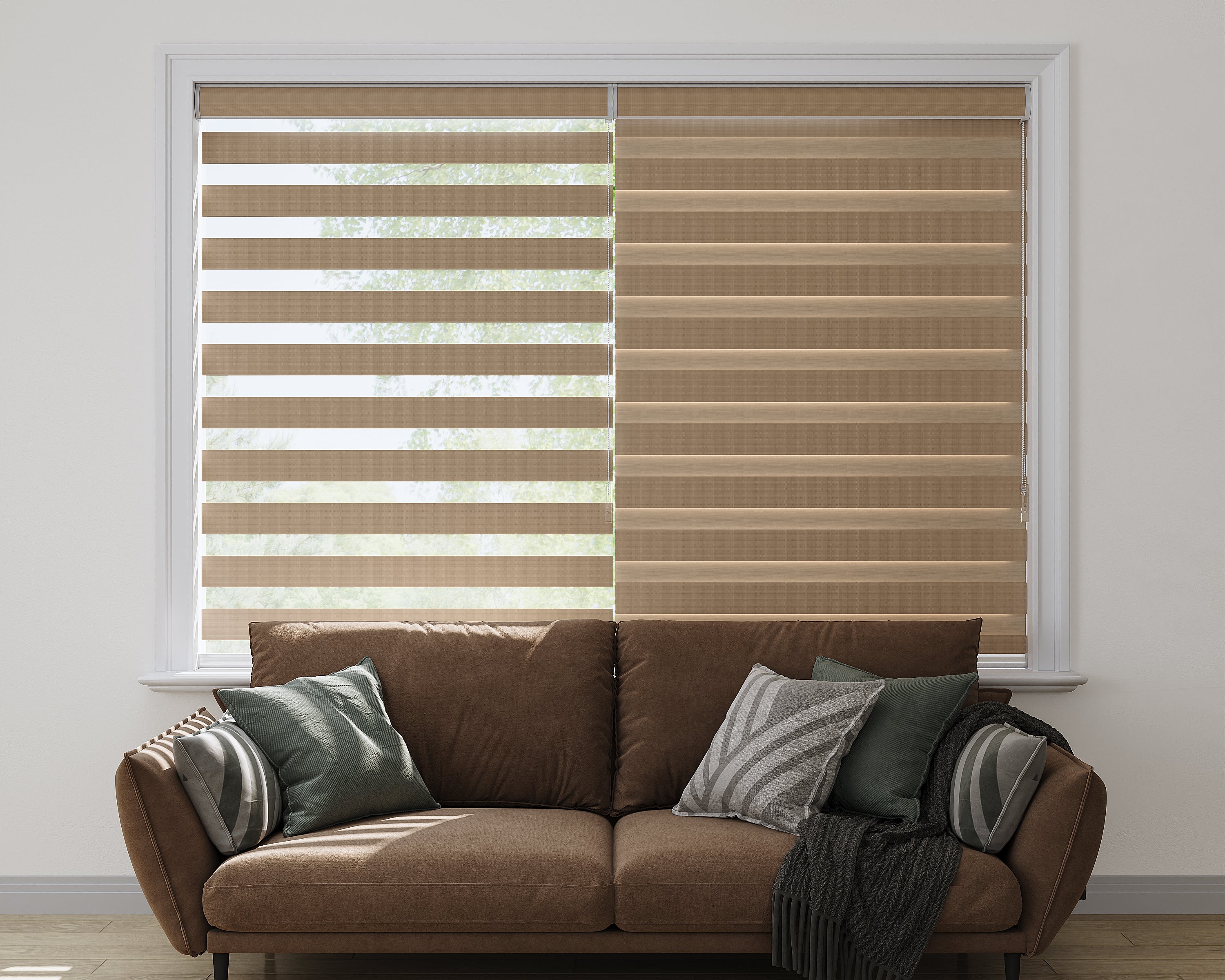




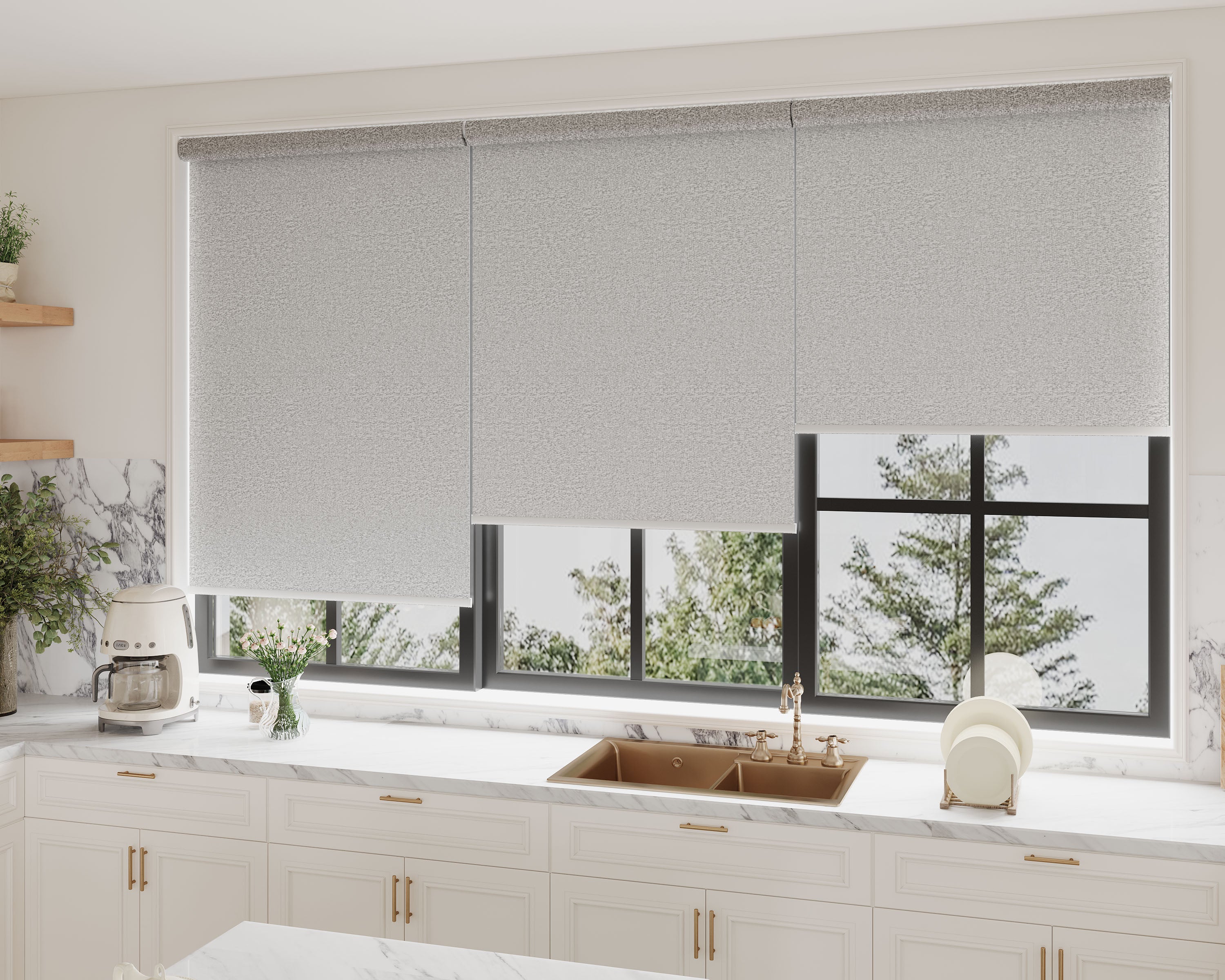




Cordless Roman shades offer a clean, safe, and stylish window treatment option, eliminating dangerous dangling cords. However, if you're new to them, their operation can seem unintuitive at first. How do you raise, lower, and adjust them without any strings to pull? The mechanism is elegantly simple, designed for one-handed ease once you understand the basic principle.
Operating them correctly ensures smooth function and a long lifespan for your shades. This guide will turn you into an expert user. Here’s what you’ll learn:
-
The simple, core technique for raising and lowering your shades with minimal effort.
-
How to make precise, incremental adjustments to achieve the perfect light level.
-
Troubleshooting steps for common issues like shades that stick, won't stay up, or become uneven.
-
Best practices for daily use that keep the mechanism working smoothly for years.
Understanding the design intent behind modern cordless Roman shades helps you appreciate the engineering that makes this simple operation possible.
Understanding Your Cordless Mechanism: The Basics
At the heart of most cordless Roman shades is a spring-assisted clutch system inside the headrail. This mechanism counterbalances the weight of the fabric, allowing you to move the shade with a gentle push or pull and have it stay in place when released.
There are subtle variations, but they all operate on the same fundamental idea: you physically move the shade to where you want it, and the mechanism holds it there.
| Lift Type | How to Identify | Operation Method |
|---|---|---|
| Standard Cordless | A clean bottom rail with no cords, chains, or visible controls. | Push up on the bottom rail to raise; pull down to lower. |
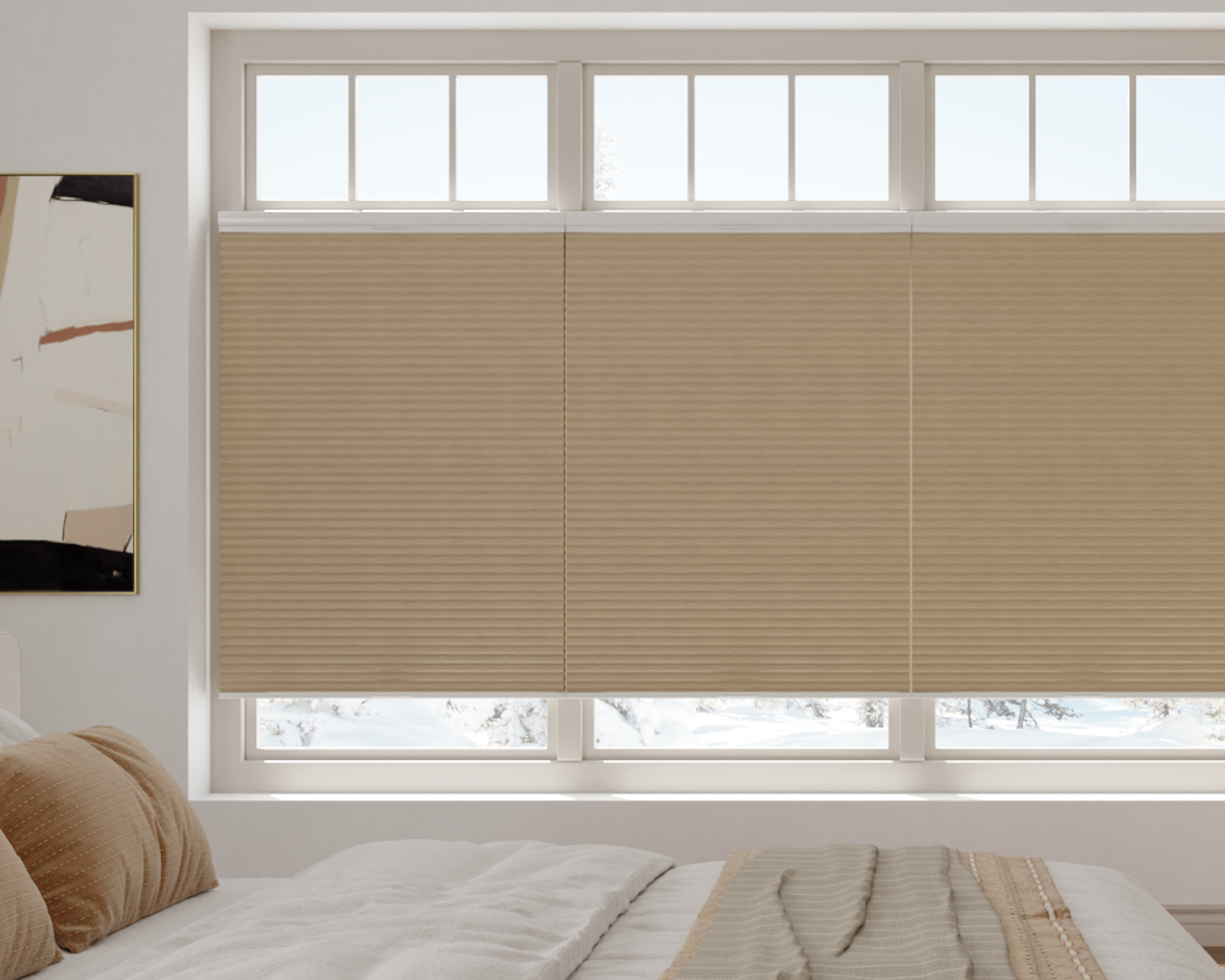
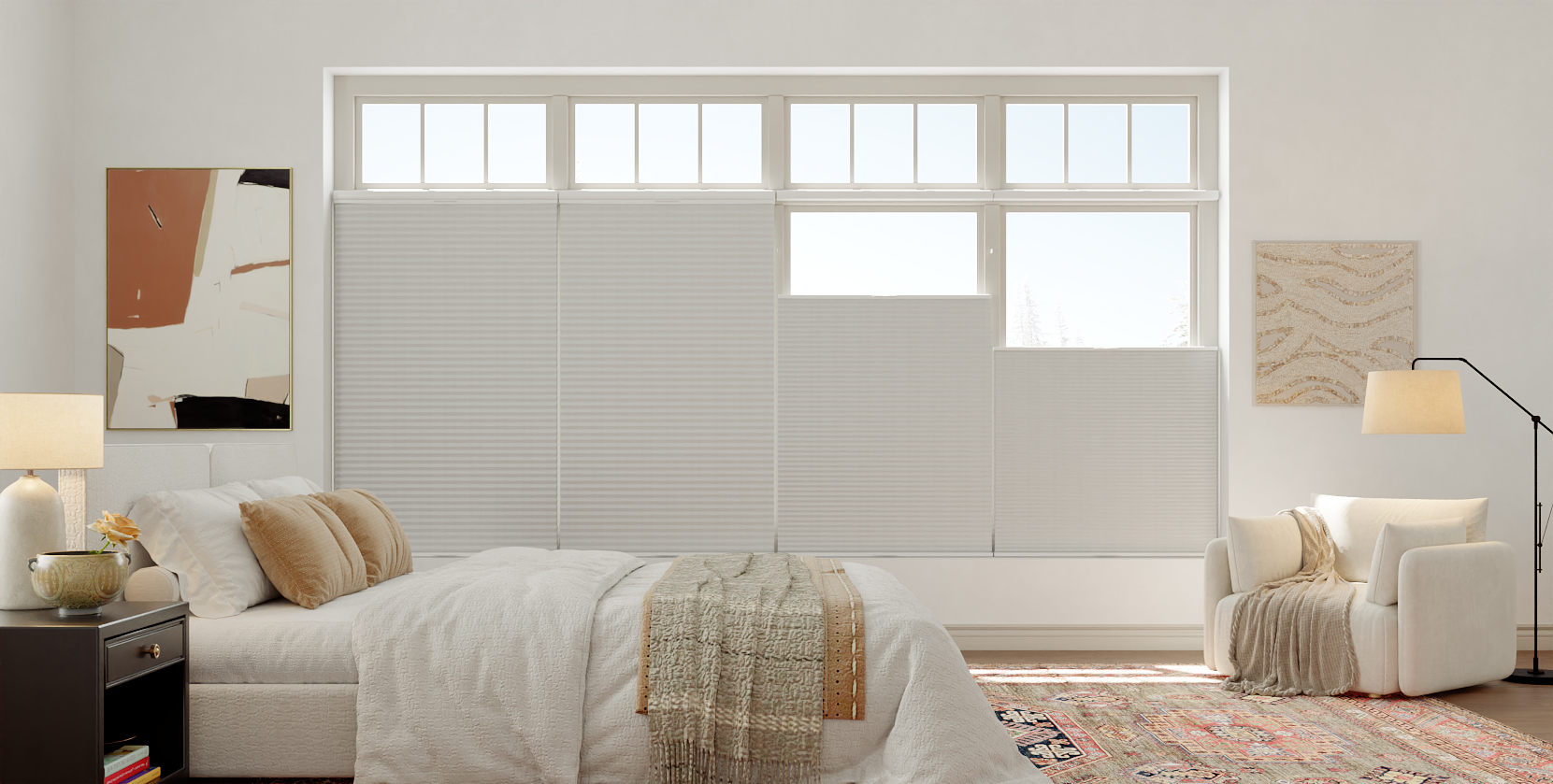
| Top-Down/Bottom-Up Cordless | Allows the top to lower independently of the bottom. Often has a small, unobtrusive handle or a divided rail. | Lift the center handle to adjust the top; lift the entire rail to adjust the bottom. |
| Motorized | Has no physical interface on the shade itself; controlled via remote, app, or voice. | Use the designated remote control, smartphone app, or voice command through a smart home system. |
For a deeper explanation of the safety and engineering behind these systems, our guide to cordless mechanisms explained is a great resource.
Step-by-Step: How to Operate Standard Cordless Roman Shades
Follow these steps for flawless operation every time.
1. Raising the Shade
-
Action: Place your hand flat under the bottom rail of the shade.
-
Motion: Apply gentle, steady upward pressure. Do not jerk or push too quickly.
-
Result: The shade will begin to fold or stack neatly upwards. Continue pushing until it reaches your desired height or is fully raised against the headrail.
2. Lowering the Shade
-
Action: Grasp the bottom rail with your fingers on top and thumb underneath.
-
Motion: Apply gentle, steady downward pressure. Allow the shade to descend under controlled guidance; don't let it drop freely.
-
Result: The shade will gracefully unfurl. Stop pulling when it reaches the desired length.
3. Making Precise Adjustments
-
To lower the shade just an inch or two, use a very slight, short pull.
-
To raise it incrementally, use a light, short push.
-
The mechanism is designed to "catch" at many points, allowing for fine-tuned light control.
Troubleshooting Common Operational Issues
Even well-made shades can occasionally need a minor adjustment. Here’s how to solve frequent problems:
| Issue | Likely Cause | Simple Fix |
|---|---|---|
| Shade won't stay up | The spring mechanism is not properly engaged or needs slight tensioning. | Fully lower the shade. Then, slowly raise it all the way to the top and let it "seat" against the headrail. This often resets the clutch. |
| Shade is difficult to move | New shades can be stiff; older shades may have dust in the mechanism. | For new shades: Operate them up and down fully 5-10 times to break in the mechanism. For older shades: Ensure the headrail is dust-free and that the shade isn't catching on the window frame. |
| Shade is uneven (one side higher) | The shade was pulled down unevenly, causing it to derail slightly from its tracks within the headrail. | Gently guide the lower side up until it aligns with the higher side. Often, fully lowering it and then raising it evenly will correct this. |
| Bottom rail feels loose or wobbly | The internal lift cords may need tensioning (a professional task) or the rail connections are loose. | Check for any visible set screws on the ends of the bottom rail and tighten if possible. If the problem persists, contact the manufacturer. |
Pro Tips for Longevity and Smooth Operation
-
Use Two Hands for Wide Shades: On shades wider than 48 inches, use both hands spaced apart on the bottom rail to distribute force evenly and prevent twisting.
-
Avoid the "Drop": Never let go of the bottom rail while the shade is in motion, allowing it to snap up or crash down. Always guide its movement.
-
Keep it Clean: Periodically wipe the headrail and bottom rail with a dry cloth to prevent dust buildup, which can gum up internal components.
-
Check for Obstructions: Ensure the shade's path is clear of window locks, handles, or décor that could snag the fabric.
Cordless shades are a hallmark of modern, safe design. To see how they fit into contemporary home styling, explore our look at why Roman shades are still in style for 2026.
Conclusion: Embracing Simplicity and Safety
Operating cordless Roman shades is a matter of mastering a gentle, intuitive touch. Their elegant, user-friendly design removes clutter and hazard while putting perfect light control at your fingertips.
Here are the key highlights for effortless operation:
-
The Push-Pull Principle is Key: Remember the fundamental action: push up steadily to raise, pull down steadily to lower. The internal clutch does the holding.
-
Control and Patience Prevent Problems: Guide the shade's motion; never let it move uncontrolled. This protects the mechanism and ensures even folding.
-
Most Issues Have Simple Resets: If your shade won't stay up or is uneven, often fully lowering it and then raising it slowly and evenly will recalibrate the system.
-
Two Hands Are Better Than One: For wider window spans, using both hands maintains balance and reduces strain on the shade's components.
-
Cordless Means Carefree Safety: The primary benefit is a safer home for children and pets, free from dangerous loops and cords, without sacrificing an ounce of style or function.
By following these guidelines, you'll ensure your beautiful cordless Roman shades provide reliable, smooth performance and maintain their sleek appearance for years to come.
Frequently Asked Questions (FAQ)
Can cordless Roman shades be locked in place?
While they don't have a traditional "lock," the cordless clutch mechanism is designed to hold the shade securely at any position you set it. Once you stop applying pressure, the internal springs create enough friction to keep the shade from moving on its own, effectively "locking" it in place against normal forces.
My new cordless shades are very stiff. Is this normal?
Yes, this is common for new shades. The internal springs and clutch are fresh and need to be broken in. To loosen them, simply operate the shade—raising and lowering it completely—about 10 to 15 times. This should smooth out the action significantly. Avoid forcing them while they are still stiff.
What if the bottom rail comes off in my hands?
This is rare but can happen if an internal component fails. Do not try to force it back on. The shade likely requires professional service. Contact the manufacturer or retailer where you purchased the shades, as this may be covered under warranty. They can advise on repair or replacement of the mechanism.
Are cordless shades suitable for very large or heavy windows?
They can be, but check the manufacturer's specifications for weight and width limits. Very large, heavy shades may require a heavier-duty clutch mechanism or a motorized system for reliable and easy operation. For expansive windows, motorization is often recommended as it places no strain on the mechanism and offers effortless control.
How do I clean cordless Roman shades without damaging the mechanism?
When vacuuming or spot-cleaning the fabric, avoid putting pressure on or directly spraying liquid into the headrail (where the mechanism is housed) or the ends of the bottom rail. For the fabric, use the brush attachment on your vacuum and support the back of the shade with your hand. Wipe the bottom rail with a dry or lightly damp cloth.
