
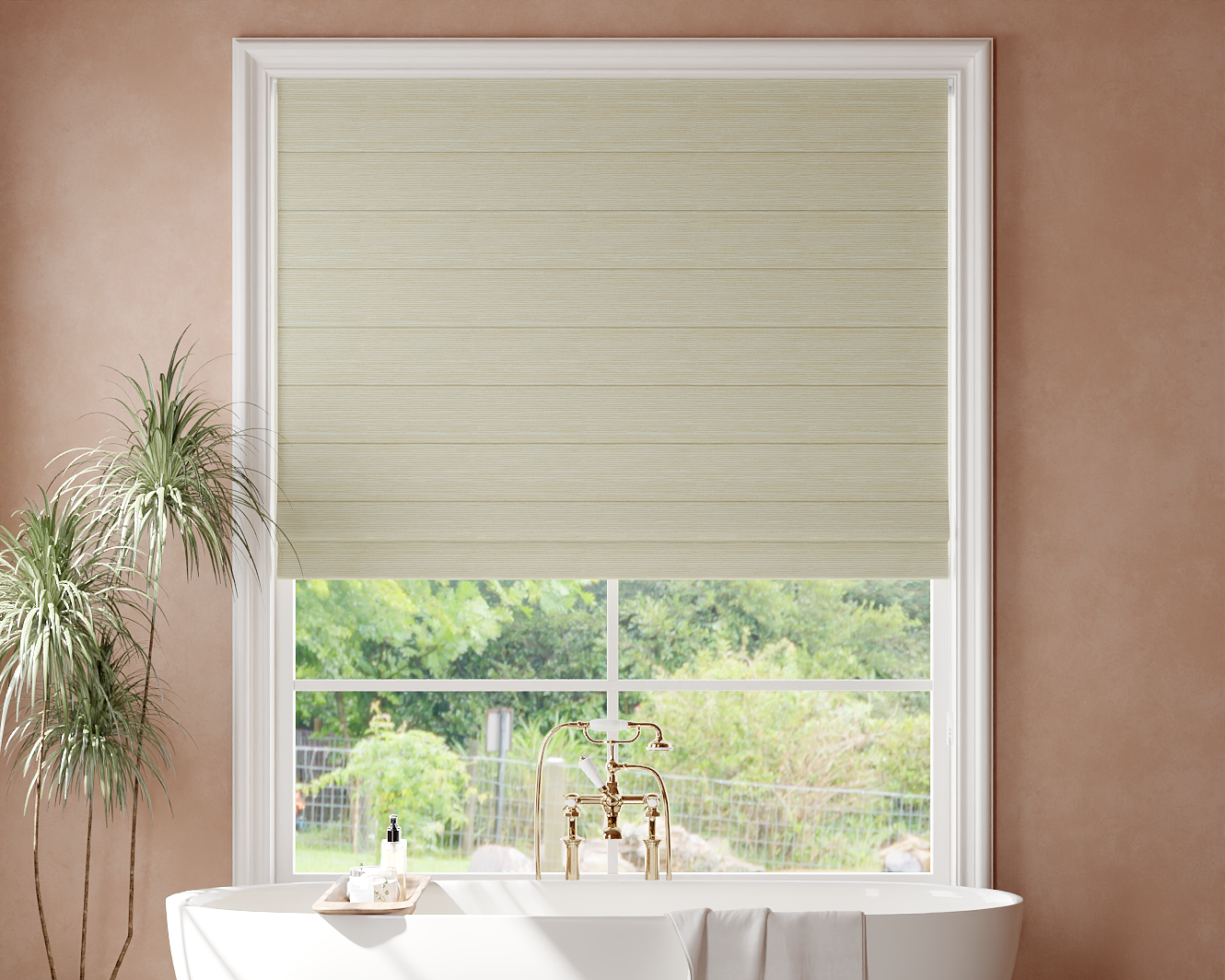
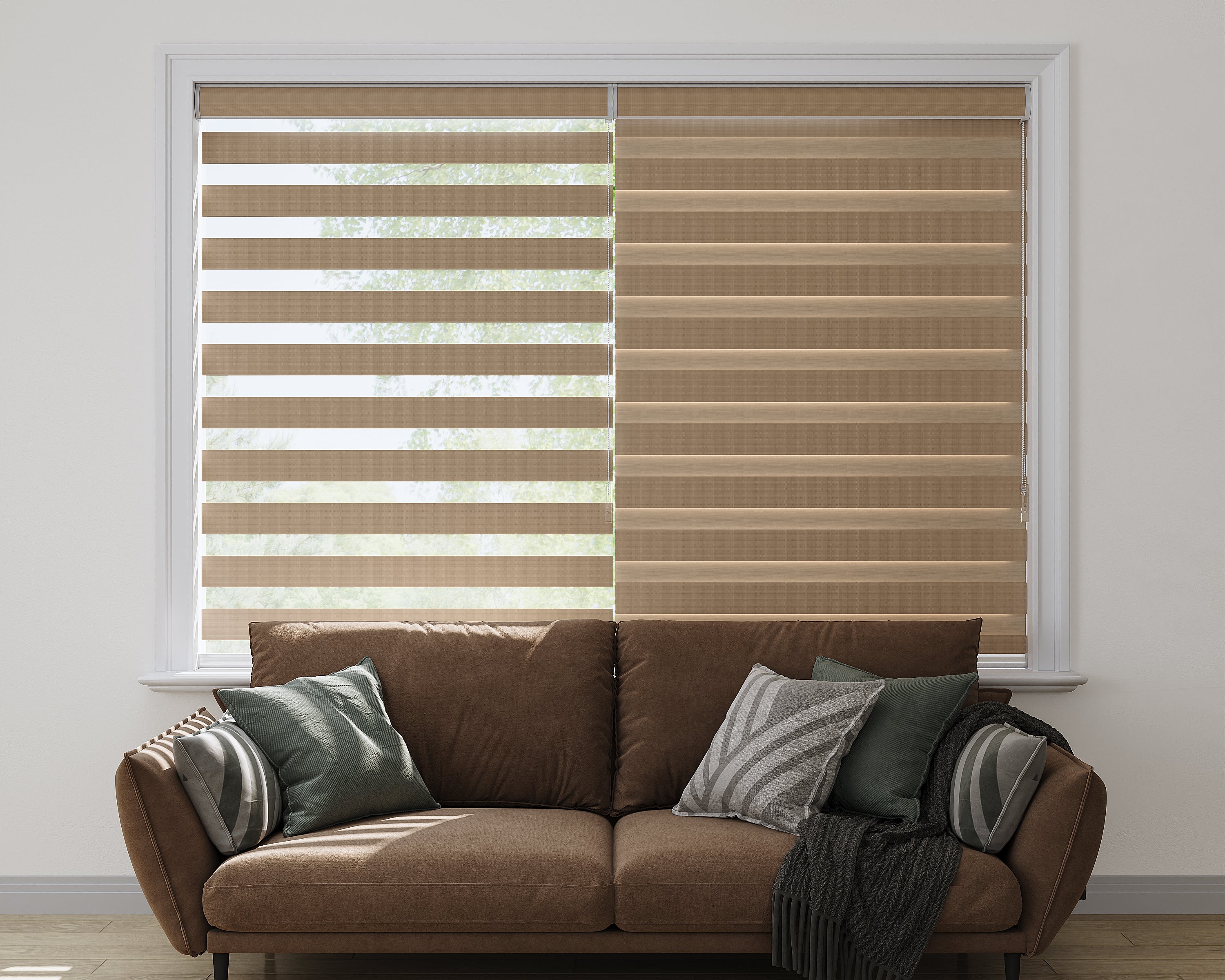
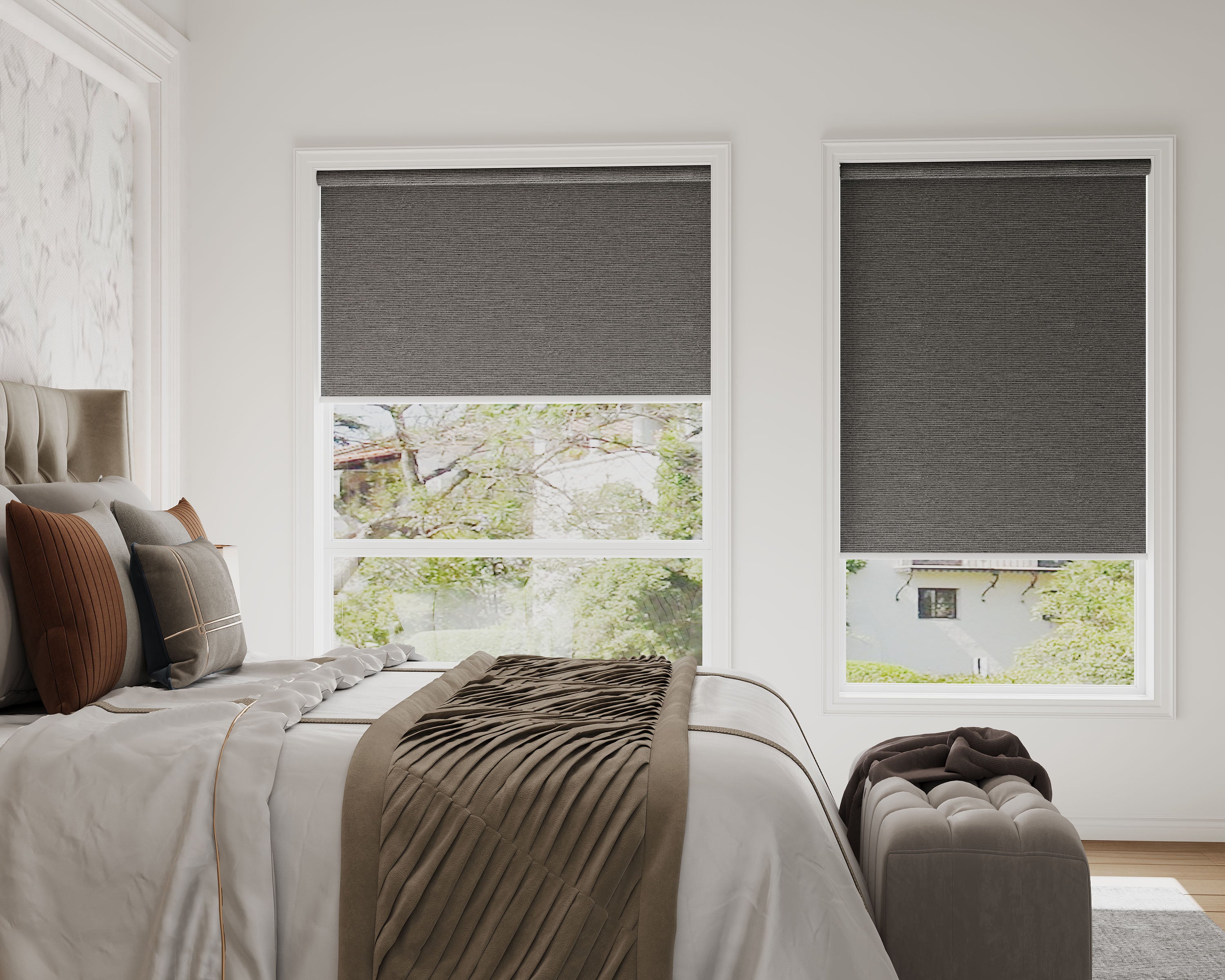
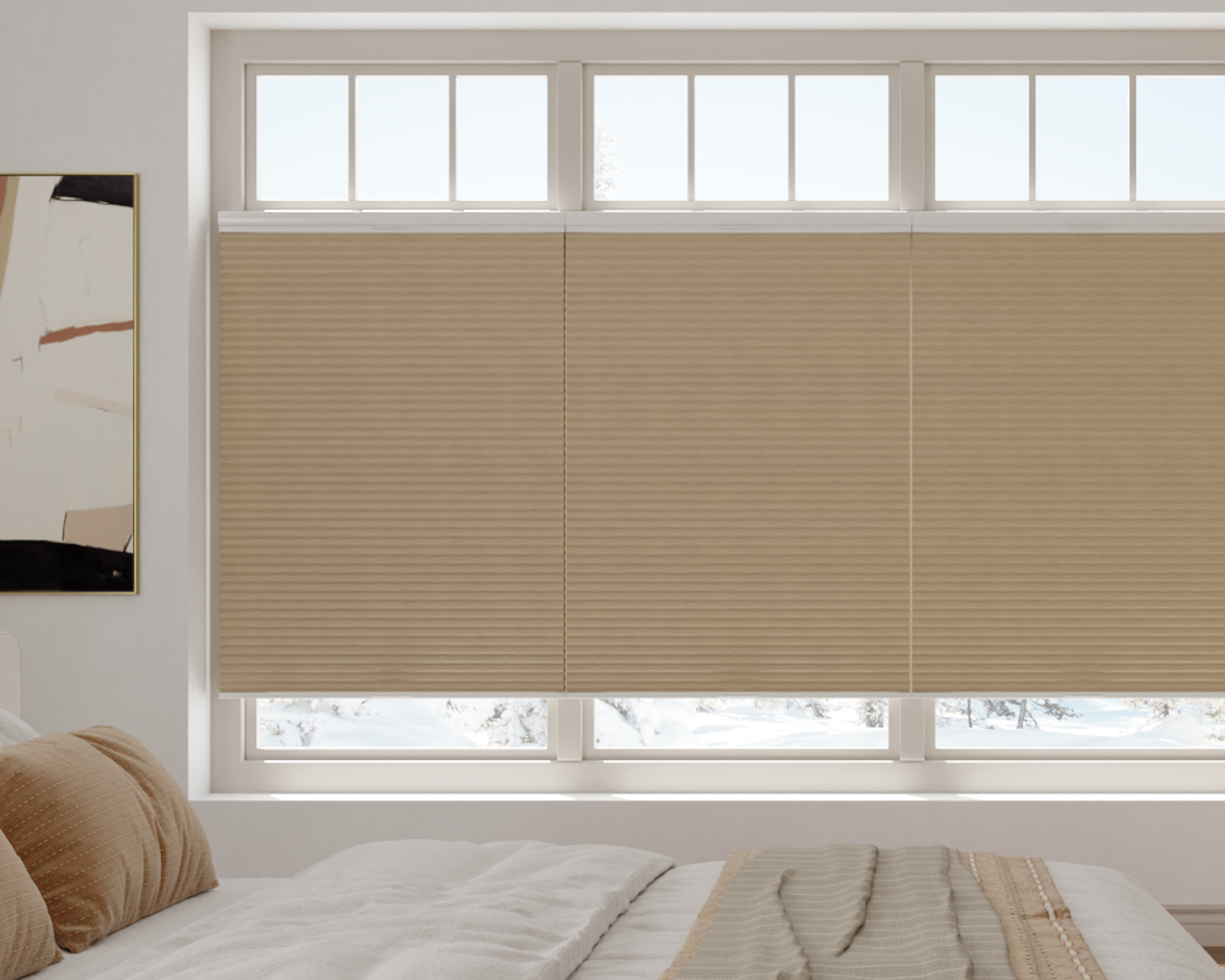
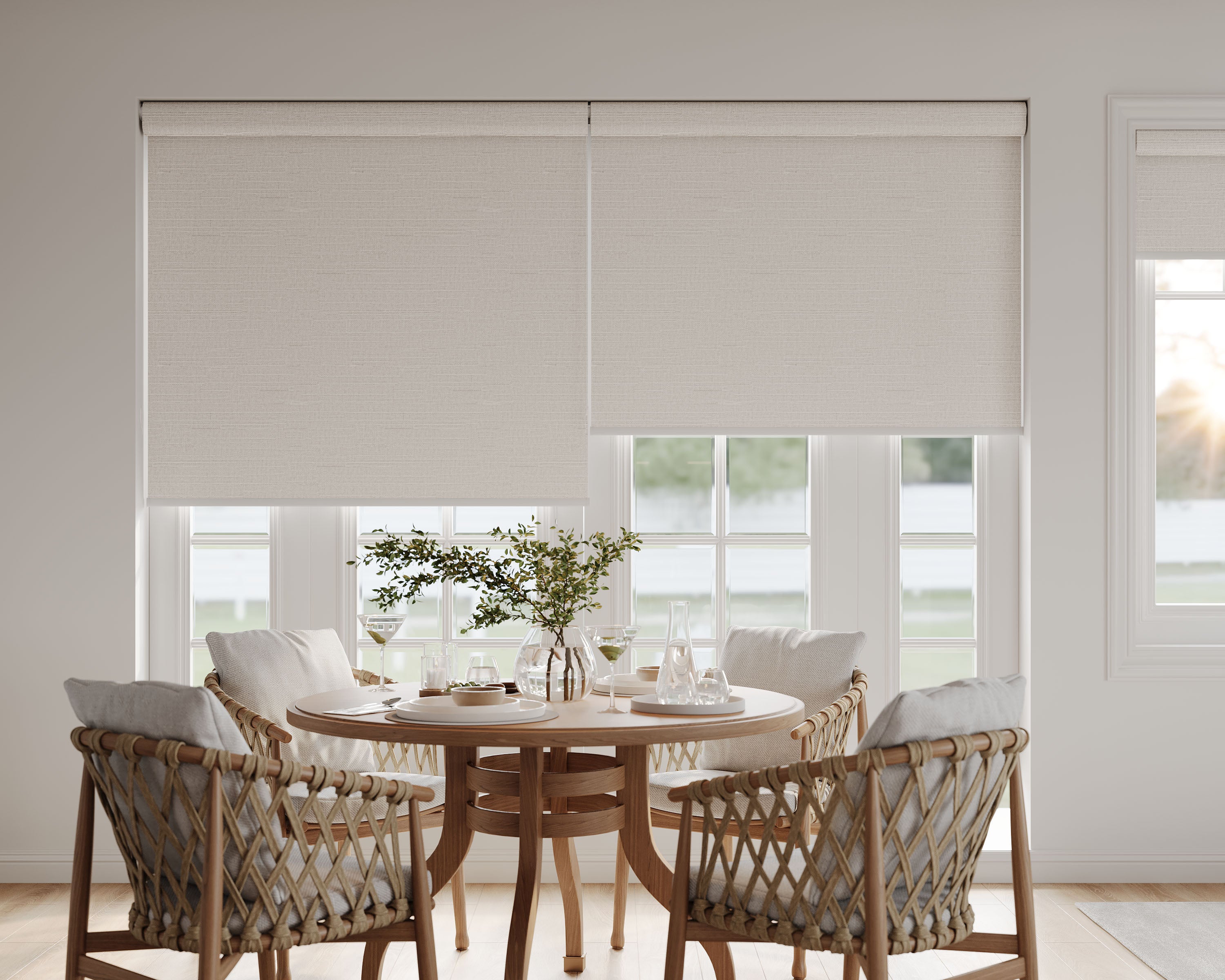


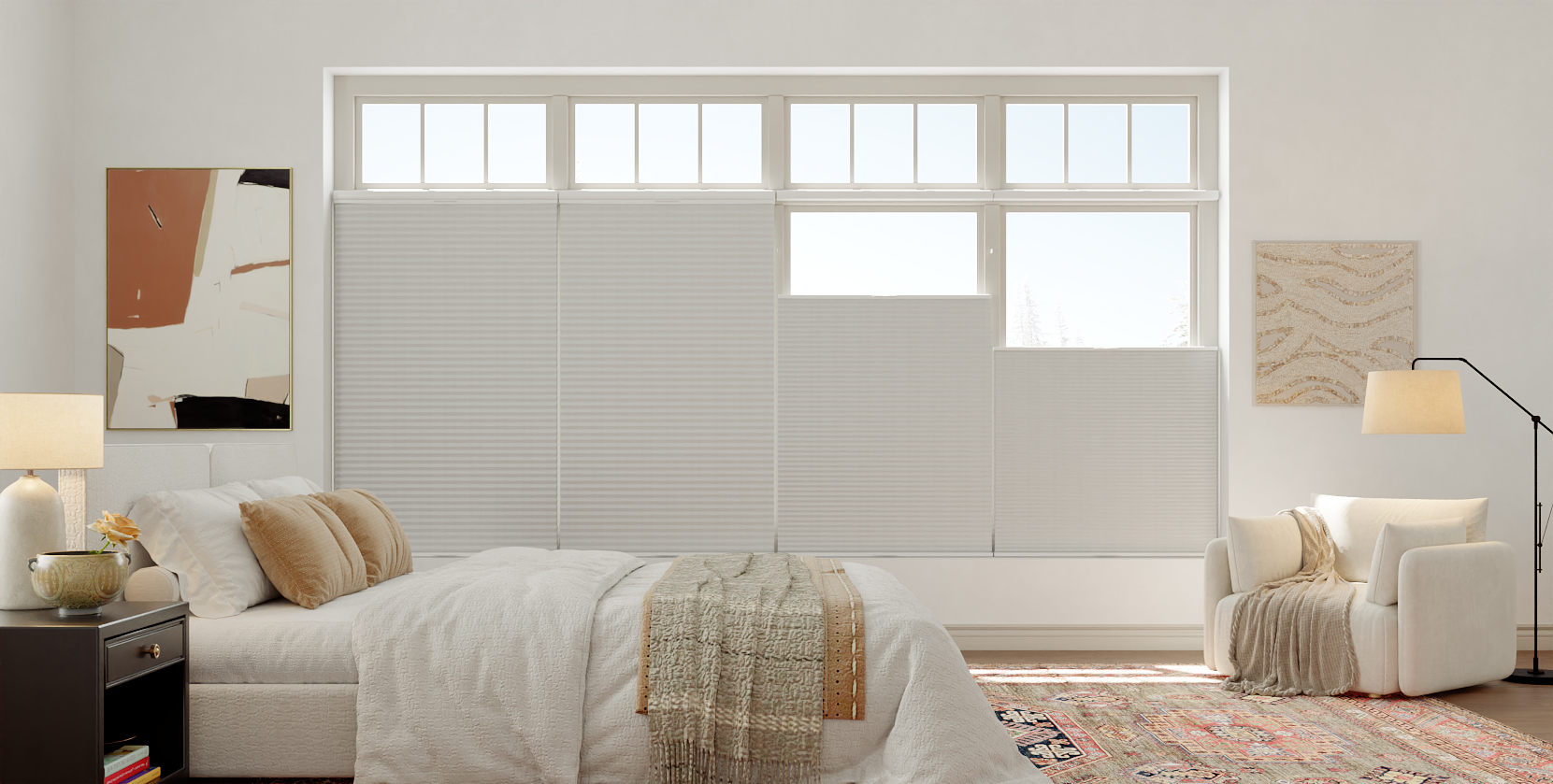


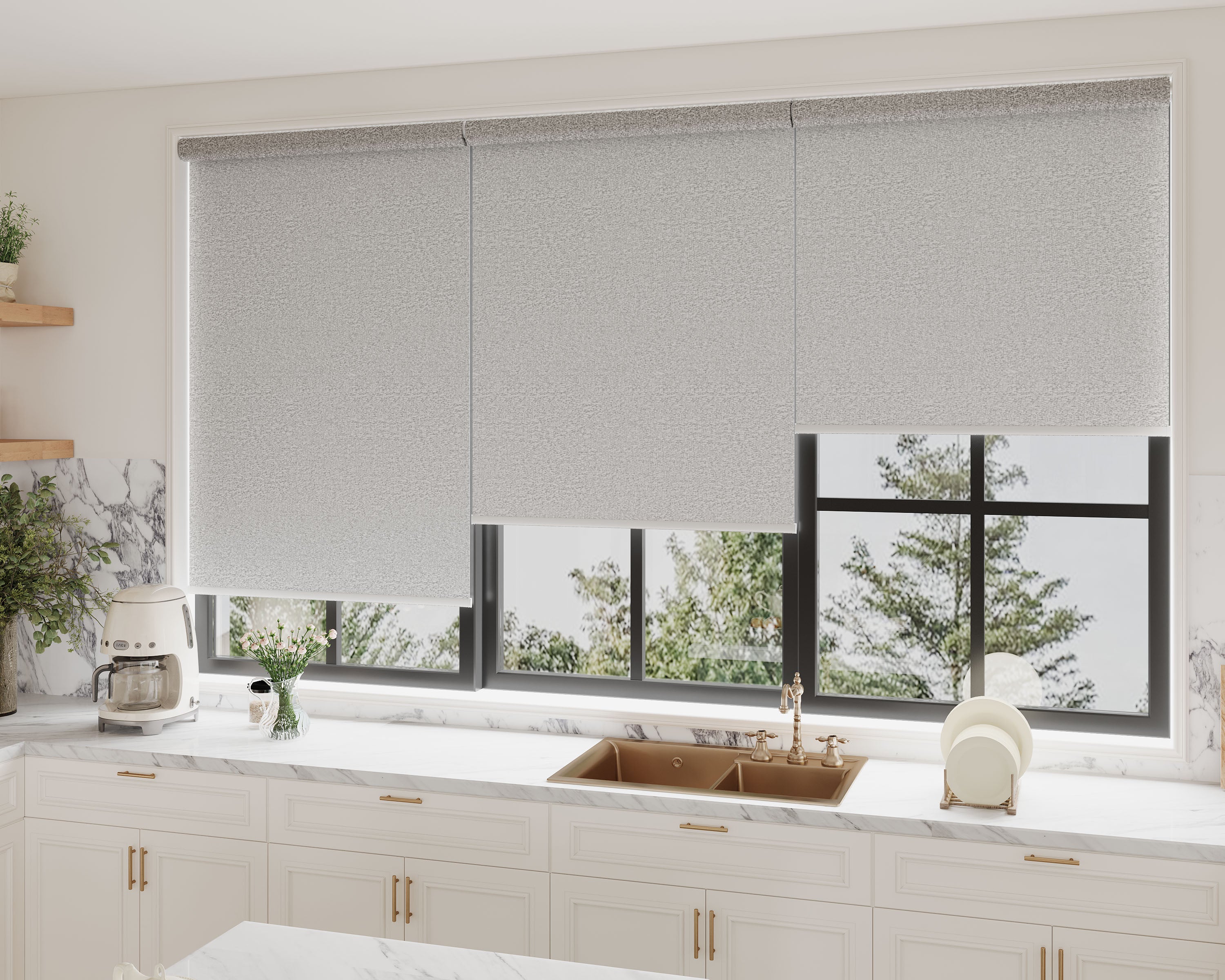

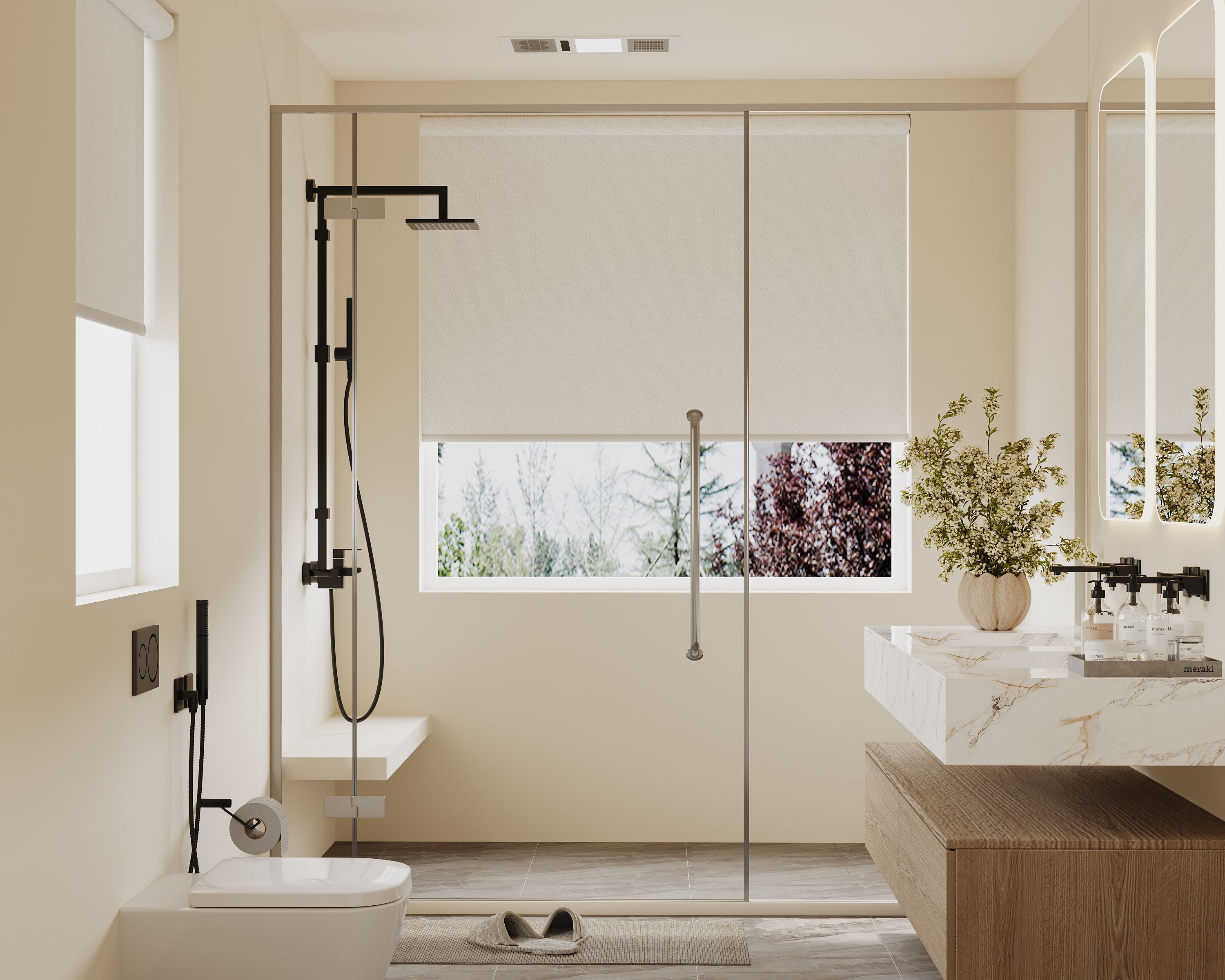


Yes, absolutely. Roman shades are not only compatible with motorization—they are one of the most popular and effective styles to automate. Motorization transforms them from a manual window treatment into an intelligent component of your home, offering unprecedented convenience, safety, and energy efficiency. If you've ever wondered about upgrading to a touch-button or voice-controlled window, the answer is a clear and exciting yes.
This guide details everything you need to know about motorizing your Roman shades. Here’s what you’ll learn:
-
How motorization integrates seamlessly with different Roman shade styles and folds.
-
A detailed comparison of the benefits and costs versus manual operation.
-
Your options for power sources and control systems, from remotes to full smart home integration.
-
Practical advice on installation, planning, and determining if motorization is the right investment for your home.
Exploring the potential for motorized custom Roman shades is the first step in reimagining how you interact with light and privacy in your space.
How Motorization Works with Roman Shades
Motorization replaces the manual cord or cordless clutch system with a quiet, reliable electric motor housed inside the headrail. This motor is connected to the roller that controls the lift cords, allowing for precise, effortless raising and lowering at the push of a button.
Manual vs. Motorized: A Core Comparison
| Feature | Manual Roman Shades (Cordless) | Motorized Roman Shades |
|---|---|---|
| Operation | Physical push/pull on the bottom rail. | Remote control, wall switch, smartphone app, or voice command. |
| Convenience | Good for easily accessible windows. | Excellent for hard-to-reach windows, large banks of shades, or integrated scheduling. |
| Safety | Excellent (no cords). | Superior (no physical interaction required). |
| Precision & Control | Manual positioning. | Precise, repeatable positioning (e.g., "30% down"). |
| Smart Features | None. | Scheduling, sun tracking, scene integration (e.g., "Good Morning" routine). |
| Aesthetic | Clean, cordless look. | The ultimate clean look—no visible mechanism or touchpoints. |
The Compelling Benefits of Motorized Roman Shades
Motorization adds layers of functionality that go far beyond simple convenience:
-
Ultimate Convenience & Accessibility: Control any shade, regardless of its height or location. Group multiple shades together with a single command. This is invaluable for tall windows, shades behind furniture, or entire rooms.
-
Enhanced Safety & Child/Pet Friendliness: It is the pinnacle of window treatment safety. With no cords, chains, or even a need to touch the shade, all risks are eliminated. This makes them perfect for nurseries, children's rooms, and homes with pets.
-
Smart Home Integration & Automation: Integrate with systems like Google Home, Amazon Alexa, Apple HomeKit, or Savant. Create schedules to open shades with the sunrise and close them at dusk for privacy. Integrate into scenes like "Movie Night" (closes shades, dims lights) or "Good Morning" (opens shades, turns on coffee maker).
-
Improved Energy Efficiency: Automated scheduling allows you to leverage passive solar heating in winter (by opening shades on sunny days) and block intense heat in summer (by closing shades during peak sun), which can lead to measurable savings on HVAC costs.
-
Preservation of Fabric & Mechanism: Automated, gentle movement puts less stress on the shade's fabric folds and lifting components over time compared to manual pulling, potentially extending the shade's lifespan.
For a detailed analysis of the long-term value, see our five-year cost-benefit analysis of motorized versus manual shades.
Key Considerations: Power, Control & Installation
Power Sources
-
Battery-Powered (Most Common): Uses efficient, long-lasting rechargeable battery packs (often lithium-ion) hidden in the headrail. Batteries typically last 6-24 months between charges, depending on use. Offers the easiest installation with no need for wiring.
-
Hardwired (Low-Voltage): The motor is connected to a transformer plugged into a nearby outlet or wired directly into your home's electrical system. Provides continuous power with no battery changes, ideal for frequently used shades or large groups.
Control Systems
-
Handheld Remote: The standard option. Can control individual shades or groups.
-
Wall Switch or Keypad: Provides a permanent, sleek control point, often matching your home's light switches.
-
Smartphone/Tablet App: Allows control from anywhere, geofencing (shades adjust as you leave/arrive), and detailed scheduling.
-
Voice Control: Works via Alexa, Google Assistant, or Siri for hands-free operation.
Installation & Planning
Motorization is best planned during the initial shade purchase. The motor and compatible headrail are built into the shade from the factory. While some existing manual shades can be retrofitted, it is often complex and costly. Professional installation is highly recommended to ensure optimal performance and integration.
Is Motorization Worth It For You? A Decision Guide
Motorization is an investment. Consider it strongly if:
-
You have high, large, or multiple windows that are difficult to reach.
-
Child or pet safety is a paramount concern in your home.
-
You are building a new home or renovating and want integrated smart home features.
-
You value daily convenience and luxury, or want to automate for energy savings.
-
You have a modern home aesthetic where clean lines and hidden technology are important.
For the ultimate in modern design that pairs beautifully with technology, explore the range of contemporary Roman shade styles.
Conclusion: The Future of Window Control is Automated
Motorizing Roman shades is a transformative upgrade that aligns with the modern, connected home. It solves practical problems of accessibility and safety while opening up new possibilities for comfort, efficiency, and integrated living.
Here are the key highlights about motorized Roman shades:
-
Seamless Integration: Motors are discreetly built into the headrail, preserving the elegant look of your Roman shades while adding powerful functionality.
-
Beyond Convenience to Control: The move from manual operation to automated control offers precision, scheduling, and smart home integration that actively manages your environment.
-
The Pinnacle of Safety: With no cords or need for physical contact, motorized shades are the safest possible option, making them ideal for families.
-
An Investment in Lifestyle: While adding to the initial cost, the benefits in daily ease, potential energy savings, and home integration provide significant long-term value for the right homeowner.
-
Planning is Key: For the best results and value, motorization should be incorporated during the initial design and ordering process, with professional installation ensuring flawless performance.
By choosing motorization, you're not just buying a window treatment—you're investing in a smarter, more responsive, and effortlessly elegant home.
Shop Roman Shades by Light Control


Frequently Asked Questions (FAQ)
How much more do motorized Roman shades cost than manual ones?
As a general rule, expect motorization to increase the total cost of a Roman shade by 50% to 150%, depending on the brand, motor type, and control system. For example, a manual shade costing $400 might cost $600-$1,000 as a motorized version. The investment is in the technology, convenience, and integration capabilities.
Can I convert my existing manual Roman shades to motorized?
Sometimes, but it's often challenging and not always cost-effective. It requires finding a compatible retrofit motor kit that fits your existing headrail and potentially re-engineering the lift system. Labor can be intensive. It's frequently more economical and reliable to invest in new, purpose-built motorized shades. Consult with a specialist for an assessment.
What happens to motorized shades during a power outage?
If they are battery-powered, they will continue to operate normally. If they are hardwired, most systems have a manual override option. This is typically a discreet pull cord or a battery backup release that allows you to operate the shade manually until power is restored. Always check the specific features of your chosen system.
Are motorized Roman shades noisy?
High-quality modern motors are designed to be very quiet (often below 35 decibels, which is quieter than a whisper). You'll hear a soft, low hum or whir during operation, but it should not be disruptive. Always ask for a demonstration or review noise level specifications before purchasing.
How long do the motors and batteries last?
The motors themselves are designed to last for years, often through tens of thousands of cycles. Battery life depends on usage and battery type. Rechargeable lithium-ion battery packs in quality systems typically last 6 months to 2 years on a single charge under normal daily use. Your control app will usually provide a battery life indicator.
