
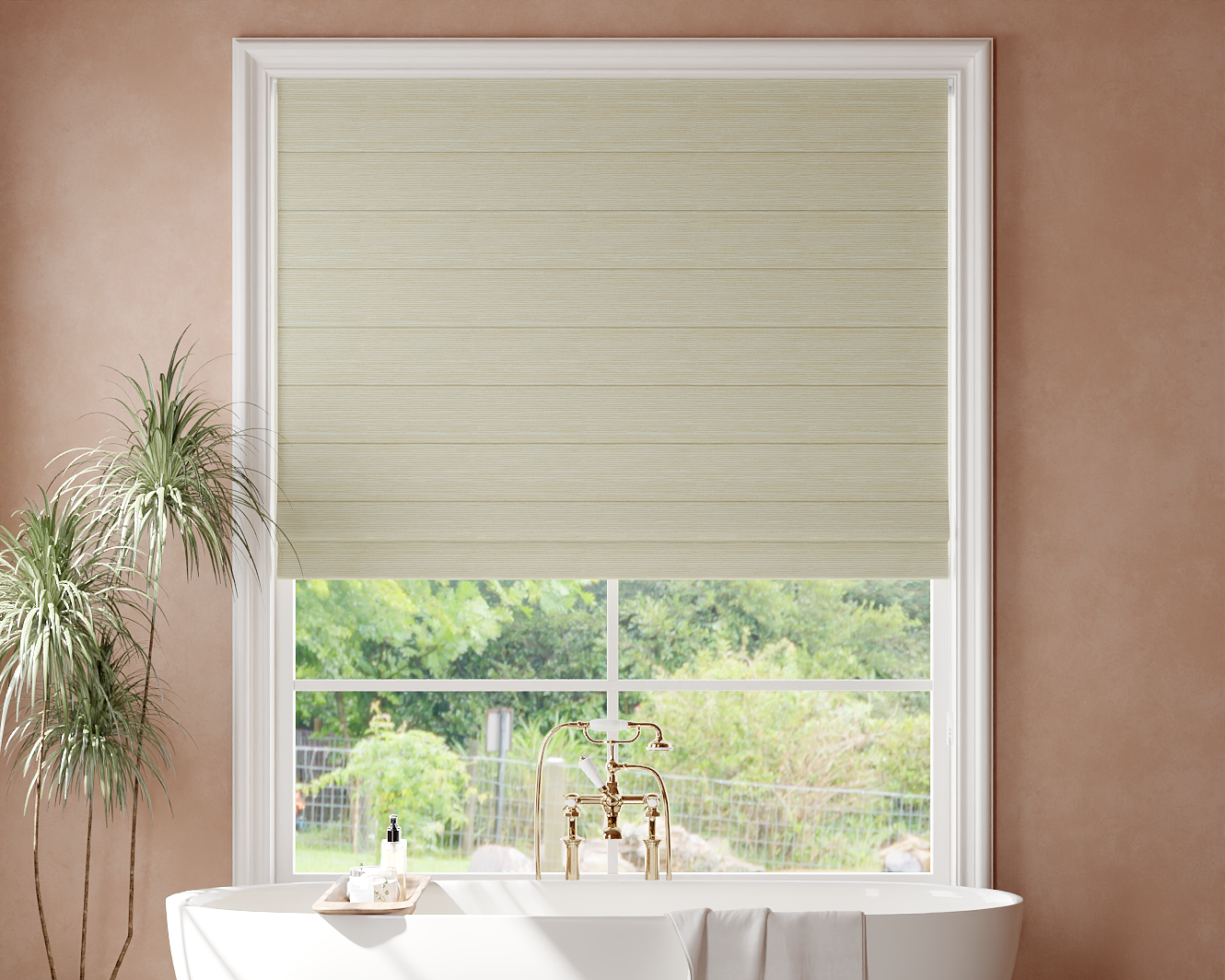







The elegant folds of a Roman shade can give pause to a practical homeowner: are they a high-maintenance nightmare waiting to happen? The perception that Roman shades are difficult to care for is common, but often overstated. The reality is that while they require more thoughtful care than a simple vinyl blind, they are far from difficult to maintain with a basic, consistent routine. The level of effort depends almost entirely on your fabric choice and how proactively you care for them.
This guide provides a clear, honest look at the upkeep involved, turning mystery into manageable routine. Here’s what you’ll learn:
-
A realistic comparison of maintenance levels for different fabrics and household scenarios.
-
The simple, essential routine that prevents 90% of cleaning headaches.
-
Step-by-step cleaning methods for dust, spots, and deep refreshes, tailored to your fabric type.
-
How to choose easy-care fabrics from the start if low maintenance is your priority.
-
Practical solutions for high-traffic homes with kids, pets, or allergies.
Choosing your fabric wisely from a quality selection of Roman shades is the first and most important step in setting yourself up for easy long-term care.
Maintenance Reality Check: It's All About the Fabric
The claim that Roman shades are "difficult" usually stems from two concerns: dusting the folds and cleaning stains. Your fabric choice directly determines the challenge level.
| Scenario & Fabric Choice | Maintenance Difficulty | Why & Key Mitigation |
|---|---|---|
| A sheer, delicate linen shade in a dusty, sunny room. | Higher. Natural fibers show dust, can fade, and may require professional cleaning for stains. | Requires diligent, gentle vacuuming and sun protection. Not ideal for low-maintenance goals. |
| A mid-weight, textured polyester or acrylic blend in a living room. | Low to Moderate. Synthetics are durable, resist fading, and are often spot-cleanable. Dust is less visible on textures. | The sweet spot for most homes. Regular vacuuming and occasional spot cleaning are typically all that's needed. |
| A performance fabric (stain-resistant, treated) in a kitchen or dining area. | Low. Engineered to repel stains and moisture; wipes clean easily. | Choose this specifically for high-use areas. It simplifies cleaning dramatically. |
| Any fabric without a consistent dusting routine. | High (over time). Dust embeds into folds, requiring a deep clean that feels like a chore. | Proactive, regular dusting is the single most important maintenance habit. |
For a foundational understanding of how material affects care, our deep dive into linen, vinyl, and bamboo fabrics is invaluable.
The Easy-Care Routine: Prevention is Everything
A minimal, consistent routine makes maintenance feel effortless and prevents the need for major cleanings.
The Essential 3-Step System:
-
Weekly/Bi-Weekly Dusting (5 Minutes):
-
Tool: Use the brush attachment on your vacuum cleaner.
-
Method: With the shade fully lowered, gently run the brush over each fold, top to bottom. Support the back of the shade with your hand. This is the #1 most effective maintenance task.
-
-
Immediate Spot Cleaning (As Needed):
-
Golden Rule: Blot, don't rub. Rubbing grinds stains in and damages fibers.
-
Method: For most spills, a clean, white cloth dampened with cool water is sufficient. For grease or sticky spots, add a drop of mild dish soap. Always test in an inconspicuous area first.
-
-
Seasonal Refresh (Once or Twice a Year):
-
Method: Use a handheld garment steamer. Hold it 6-8 inches from the fabric and move continuously. The steam releases wrinkles and lifts embedded dust, which you can then vacuum away. This is safer and more effective than trying to wash most shades.
-
How to Clean Almost Anything: A Fabric-Specific Guide
When more than dusting is required, follow this guide based on your shade's material.
| Fabric Type | Recommended Cleaning Method | What to Avoid |
|---|---|---|
| Natural Fibers (Linen, Cotton, Silk) | Professional cleaning for major stains. For light soil, gentle steaming and vacuuming. Spot clean only with distilled water and a mild pH-neutral soap. | Excessive moisture, harsh chemicals, and vigorous scrubbing. Never submerge. |
| Synthetic Blends (Polyester, Acrylic) | Very versatile. Responds well to spot cleaning with mild detergent. Steaming is safe. Many can handle a gentle, professional wet cleaning. | Bleach and abrasive cleaners that can damage the fabric's finish. |
| Performance/Treated Fabrics | Easiest to maintain. Often designed to be wiped clean with a damp cloth. Consult the manufacturer's tag for specific cleaner recommendations. | Assuming all stains will wipe away; some may still require a specific cleaner. |
| Any Fabric with a Lining | Treat the face fabric and lining as one unit. Avoid saturating with water, as it can cause the lining to separate from the face fabric. | Soaking or using a carpet cleaner, which can ruin the adhesive between layers. |
For a comprehensive walkthrough of cleaning techniques, see our dedicated guide on how to clean Roman shades properly.
Making Maintenance Easy from the Start
You can set yourself up for success before your shades are even made:
-
Choose Low-Maintenance Fabrics: In high-traffic areas, opt for solution-dyed acrylics, textured polyester blends, or performance textiles. They resist stains, fading, and wrinkles.
-
Consider Color & Pattern: Medium-toned solids or small, multi-tonal patterns are more forgiving of dust and minor spots than stark white or solid dark colors.
-
Opt for Simpler Folds: A flat-fold style has fewer deep crevices for dust to settle in compared to a more intricate hobbled fold.
-
Think About Mounting: An outside mount shade is slightly easier to vacuum thoroughly around the edges than an inside mount tucked into a frame.
Conclusion: Manageable Elegance, Not a Constant Chore
Roman shades require a different kind of care than utilitarian blinds, but to call them "difficult" is misleading. With a proactive mindset and the right fabric choice, their maintenance is straightforward and infrequent.
Here are the key highlights that simplify Roman shade care:
-
Fabric Choice is Fate: Selecting a durable, synthetic, or performance fabric from the start is the biggest decision you can make for easy long-term care.
-
Dusting is Non-Negotiable: A quick, regular vacuum with a brush attachment prevents the need for complex deep cleans and keeps shades looking fresh with minimal effort.
-
Steam is Your Secret Weapon: A handheld steamer is the safest, most effective tool for refreshing fabrics, removing light soil, and easing wrinkles without the risks of washing.
-
Spot Cleaning is Simple: The universal rule—blot, don't rub—with a mild solution handles most everyday accidents before they become set-in stains.
-
Professional Help is Smart, Not a Failure: For valuable natural fiber shades or major stains, hiring a professional cleaner is a wise investment that protects your window treatment, not an admission of defeat.
By adopting a simple preventative routine and choosing materials suited to your lifestyle, you can enjoy the sophisticated softness and style of Roman shades without being burdened by their upkeep. The elegance is well worth the modest, manageable care they require.
Shop Roman Shades by Light Control


Frequently Asked Questions (FAQ)
Can I put my Roman shades in the washing machine?
Almost never. The agitation, heat, and spinning of a washing machine can destroy the internal cords, break dowels, separate linings, and cause severe shrinkage or distortion. This almost always ruins the shade. The only exception would be if the manufacturer's tag explicitly states "machine washable" for a specific, removable fabric panel—a rarity for custom Roman shades.
How do I remove pet hair from Roman shades?
Pet hair clings to fabric. The most effective tools are a lint roller designed for upholstery or a slightly damp rubber glove. Gently run either over the folds. The sticky surface of the roller or the static from the rubber will lift the hair efficiently. Regular vacuuming with a brush attachment also prevents heavy buildup.
What about dust mites or allergens in the folds?
For allergy sufferers, regular vacuuming with a HEPA-filter vacuum is crucial. The brush attachment will remove a significant amount of allergens from the surface. For a deeper clean, using a dry steam cleaner (which uses high-temperature, low-moisture steam) can kill dust mites and sanitize the fabric without over-wetting it.
My white shades are looking dingy. Can I whiten them?
Avoid chlorine bleach, which can weaken fibers and cause yellowing. For synthetic fabrics, you can try a gentle soak with a color-safe oxygen-based bleach (like OxiClean) following the product instructions, but test first. Often, a thorough professional cleaning is the safest and most effective method to restore brightness to white or off-white shades.
Are there Roman shades that are truly "no-maintenance"?
No fabric window treatment is truly no-maintenance. However, motorized roller shades in a vinyl or polyester material come closest, as they have a flat, wipeable surface and no folds to trap dust. If your absolute priority is minimizing upkeep, that style may be a better fit. For the soft look of fabric with easier care, a flat-fold Roman shade in a performance textile is the best compromise.
