
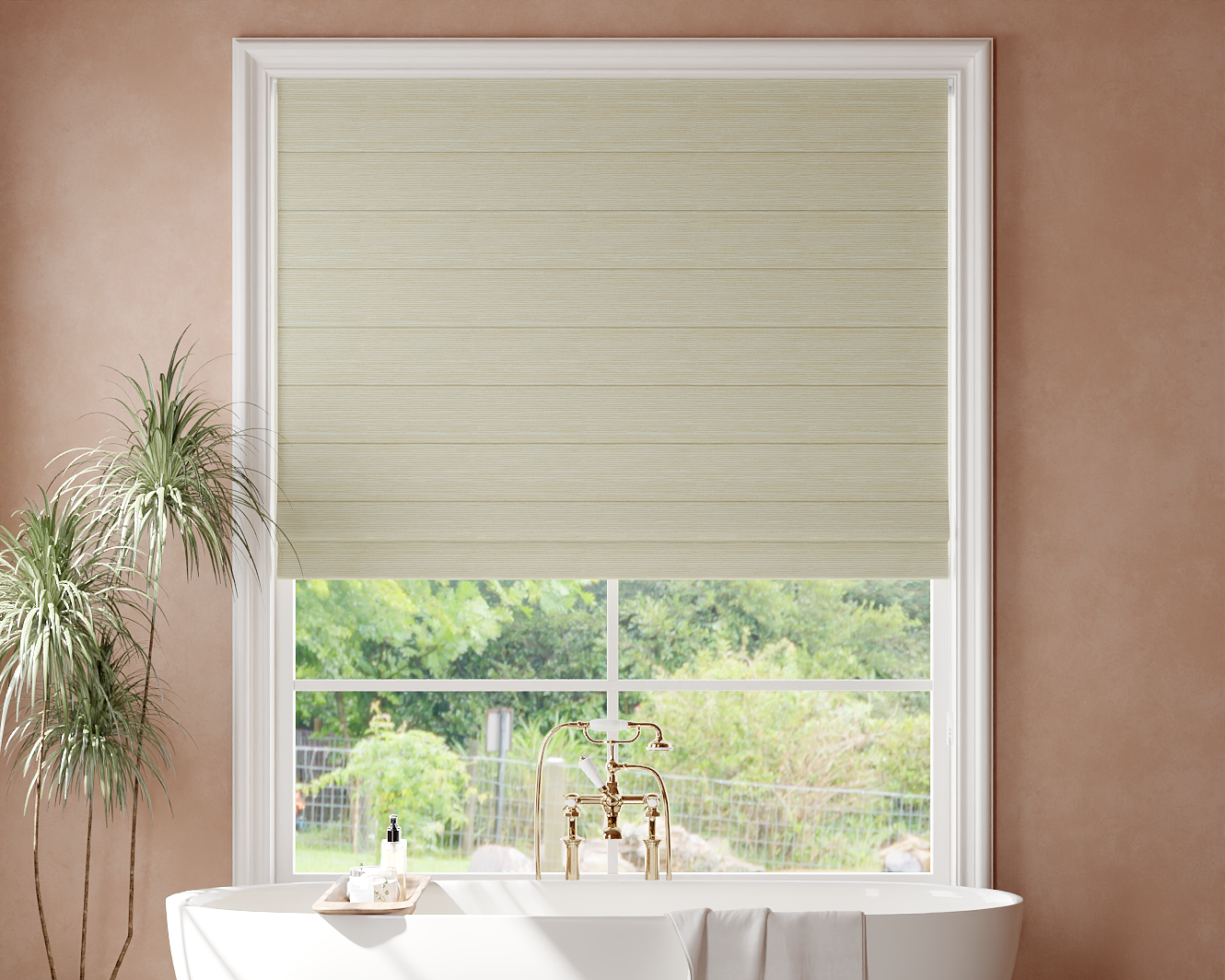







Do Roman shades actually block heat, or are they just for light and privacy? The answer is yes, they can be very effective at managing heat transfer—but their performance is not automatic. The level of thermal insulation they provide depends heavily on your specific choices in fabric, lining, and installation. When optimized, Roman shades act as a valuable insulating layer at your window, helping to keep rooms cooler in summer and warmer in winter.
This guide breaks down the science and practical choices that determine a shade's heat-blocking power. Here’s what you’ll learn:
-
How Roman shades physically block and slow heat transfer through conduction, convection, and radiation.
-
A comparison of their thermal performance against other common window treatments.
-
Specific fabric, lining, and feature selections that maximize energy efficiency.
-
Actionable tips for installation and use to enhance their real-world effectiveness.
Understanding the potential of custom Roman shades for energy efficiency starts with knowing how to specify them for thermal performance.
The Science of Heat Transfer: How Roman Shades Work
Windows are significant sources of heat gain and loss. Roman shades combat this in three key ways:
-
Creating an Insulating Air Barrier: When lowered, the fabric creates a still-air pocket between the shade and the window glass. Still air is an excellent insulator, slowing down the conduction of heat from the warm side to the cool side.
-
Reflecting Radiant Heat: Specially treated linings (often with a metallic, reflective coating) can reflect a portion of the sun's infrared radiation—the energy you feel as heat—before it penetrates the glass and warms your room.
-
Blocking Convective Drafts: A well-fitted outside mount shade seals the edges of the window, reducing drafts and the movement of cold or hot air around the window frame.
Roman Shades vs. Other Treatments: A Thermal Comparison
How do they stack up? Their effectiveness is highly dependent on their construction compared to simpler alternatives.
| Window Treatment | Typical Heat Blocking/Insulation Method | Relative Effectiveness | Key Notes |
|---|---|---|---|
| Unlined Roman Shades | Basic air pocket creation; minimal radiant reflection. | Low to Moderate. Some benefit, but thin fabric does little to stop radiant heat. | Aesthetic priority over function. |
| Roman Shades with Thermal Reflective Lining | Air pocket + reflective barrier to radiant heat. | Moderate to High. One of the most effective single-layer fabric treatments. | Lining choice is the critical upgrade for thermal performance. |
| Cellular/Honeycomb Shades | Traps air within distinct cellular pockets for superior insulation. | High. Often considered the most energy-efficient soft window treatment due to structured air pockets. | The cell structure provides an R-value. |
| Aluminum or Wood Blinds | Slats reflect/block some direct sun but allow significant air flow. | Low. Minimal insulating value; heat easily moves between slats and around edges. | Good for direct sun glare but poor for insulation. |
| Drapes/Curtains | Thick, heavy fabrics can create a large air pocket. | Variable (Low to High). Depends entirely on fabric weight, lining, and seal. Thick, lined drapes can be very effective. | Often bulky and require proper sealing at top/sides to maximize effect. |
For a direct comparison with another popular insulating option, see our analysis of cellular versus roller shades for insulation.
How to Choose Roman Shades for Maximum Heat Blocking
To turn a standard Roman shade into a true thermal barrier, focus on these specifications:
1. Select the Right Lining (The Most Important Factor)
The lining transforms the shade's function. For thermal control, you have two primary options:
-
Insulating/Thermal Lining: Features a foam or fiber layer backed with a metallic, reflective coating (often aluminum). This coating reflects radiant heat. In summer, it reflects solar heat outward; in winter, it reflects interior room heat back inside.
-
Blackout Lining: While designed for light control, the dense, often acrylic-coated fabric also provides good insulating properties and some radiant heat reflection as a secondary benefit.
2. Choose a Medium to Heavy-Weight Fabric
The face fabric itself contributes. Tighter weaves and heavier materials like tightly woven cotton, linen, or polyester blends provide more substance to slow conductive heat transfer than light, sheer fabrics.
3. Opt for an Outside Mount
An outside mount (where the shade is installed on the wall above and overlapping the window frame) is far superior for thermal efficiency. It minimizes the gaps on the sides where air can easily flow, creating a better seal against drafts.
4. Consider Operational Features
-
Motorization: Allows for easy scheduling. You can program shades to lower automatically during the hottest part of the day in summer or at sunset in winter to retain heat, maximizing their efficiency without daily manual intervention.
-
Side Channels: For an inside mount, adding optional side channels (tracks) can dramatically reduce edge gaps, improving the insulating seal.
Smart use is as important as smart selection. Learn how to leverage automating shades for energy savings with scheduling strategies.
Real-World Application: Seasonal Use Guide
| Season | Goal | Optimal Roman Shade Strategy |
|---|---|---|
| Summer | Block solar heat gain to keep rooms cool. | Keep shades lowered on sun-facing windows during peak sunlight hours. The reflective lining will bounce a significant portion of radiant heat away. |
| Winter | Retain interior heat and reduce drafts. | Lower shades at night to create an insulating barrier against cold glass. Raise them on sunny days to allow passive solar heating through uncovered glass. |
| Shoulder Seasons | Manage variable temperatures. | Use shades dynamically—lower them to block unexpected afternoon sun heat or raise them to capture free warmth on a cool morning. |
Conclusion: A Strategic Layer for Thermal Comfort
Roman shades can be a highly effective component of your home's thermal management system when selected and used with intention. Their true heat-blocking capability is not a given but an achievable result of informed specification.
Here are the key highlights for maximizing heat blocking:
-
The Lining is Everything: A reflective thermal lining is the single most impactful upgrade, actively repelling radiant heat rather than just passively slowing its transfer.
-
Seal the Gaps: An outside mount installation is strongly recommended over an inside mount to minimize air leaks around the edges, which dramatically improves real-world performance.
-
Automation Enhances Efficiency: Motorized shades enable "set-and-forget" scheduling that ensures shades are deployed at the optimal times for energy savings, providing consistent thermal benefits.
-
They Excel with Strategic Use: Their effectiveness is maximized when used seasonally—blocking summer sun and containing winter heat—complementing your home's natural thermal cycles.
-
A Strong Contender: While cellular shades have a structural insulating advantage, a well-specified Roman shade with thermal lining is a close competitor and offers superior aesthetic versatility for a wide range of decors.
By prioritizing thermal lining, proper mounting, and smart operation, you can confidently use Roman shades not just as a design element, but as a functional tool to increase comfort and reduce energy costs throughout the year.
Shop Roman Shades by Light Control


Frequently Asked Questions (FAQ)
What is the R-value of Roman shades?
Roman shades are not typically assigned a standard R-value (a measure of thermal resistance used for building materials like insulation). Their performance is highly variable based on the factors discussed: fabric, lining, and fit. Manufacturers may provide a "U-value" or "Solar Heat Gain Coefficient (SHGC)" for specific lined shades, which are better metrics for window coverings. A shade with a thermal reflective lining can significantly improve a window's overall U-value.
Are Roman shades better than blackout curtains for blocking heat?
It depends on the construction. A thick, lined blackout curtain that extends wall-to-wall and floor-to-ceiling can create a very effective insulating air pocket. However, a Roman shade with a dedicated thermal reflective lining is often more effective at the crucial task of reflecting radiant heat due to its metallic backing. For overall insulation, heavy curtains may have an edge; for reflecting solar heat gain, a thermal-lined Roman shade is often superior.
Can Roman shades help with cold windows in winter?
Absolutely. By creating a sealed, insulating air pocket in front of the cold glass, they raise the temperature of the interior glass surface and reduce the "chill" felt radiating from the window. This makes sitting near windows more comfortable and reduces the workload on your heating system. Lowering them at night is particularly effective.
Do light or dark fabric colors affect heat blocking?
For the face fabric, color has a minor effect compared to the lining. A dark fabric might absorb slightly more radiant heat from direct sun, potentially warming the air pocket between the shade and glass. However, the presence of a reflective thermal lining behind the fabric negates this almost entirely. The lining's performance is far more significant than the color of the decorative front fabric.
Should I leave a gap between the Roman shade and the window?
No. For thermal efficiency, you want the seal to be as tight as possible. The goal is to create a single, still-air compartment between the shade and the glass. Gaps allow for air circulation (convection), which undermines the insulating effect. This is why an outside mount that rests against the wall or trim is more efficient than an inside mount with inherent side gaps.
