
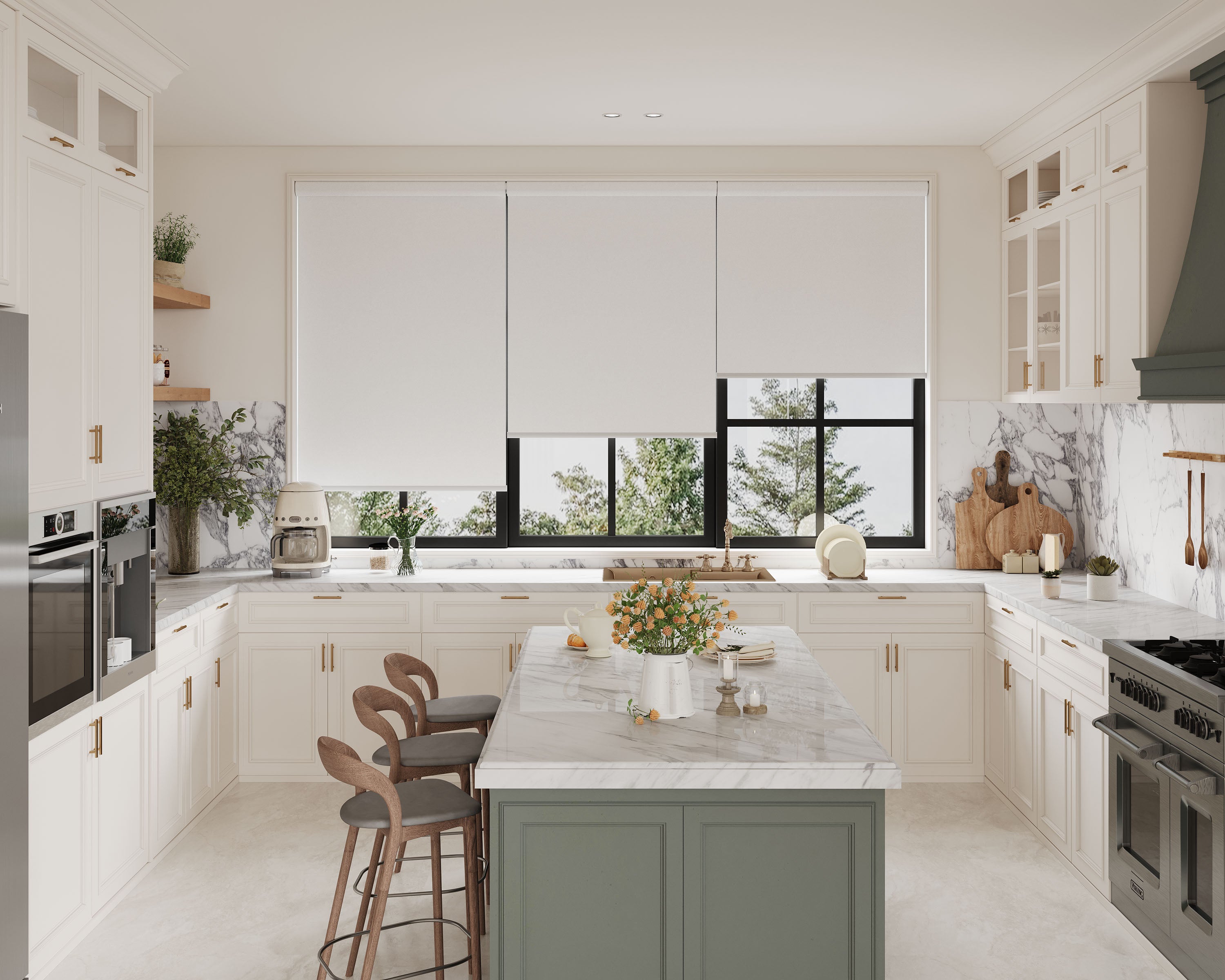
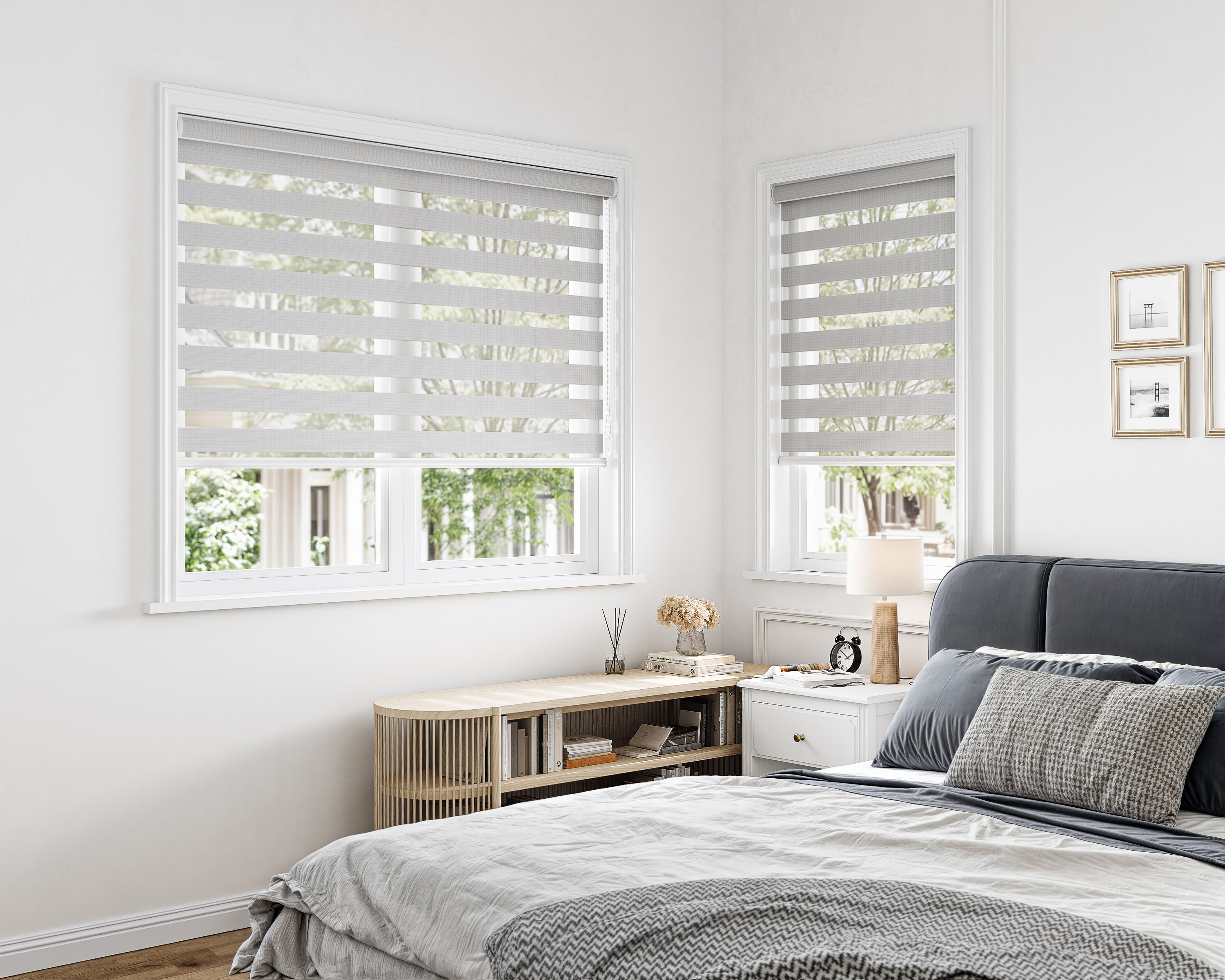
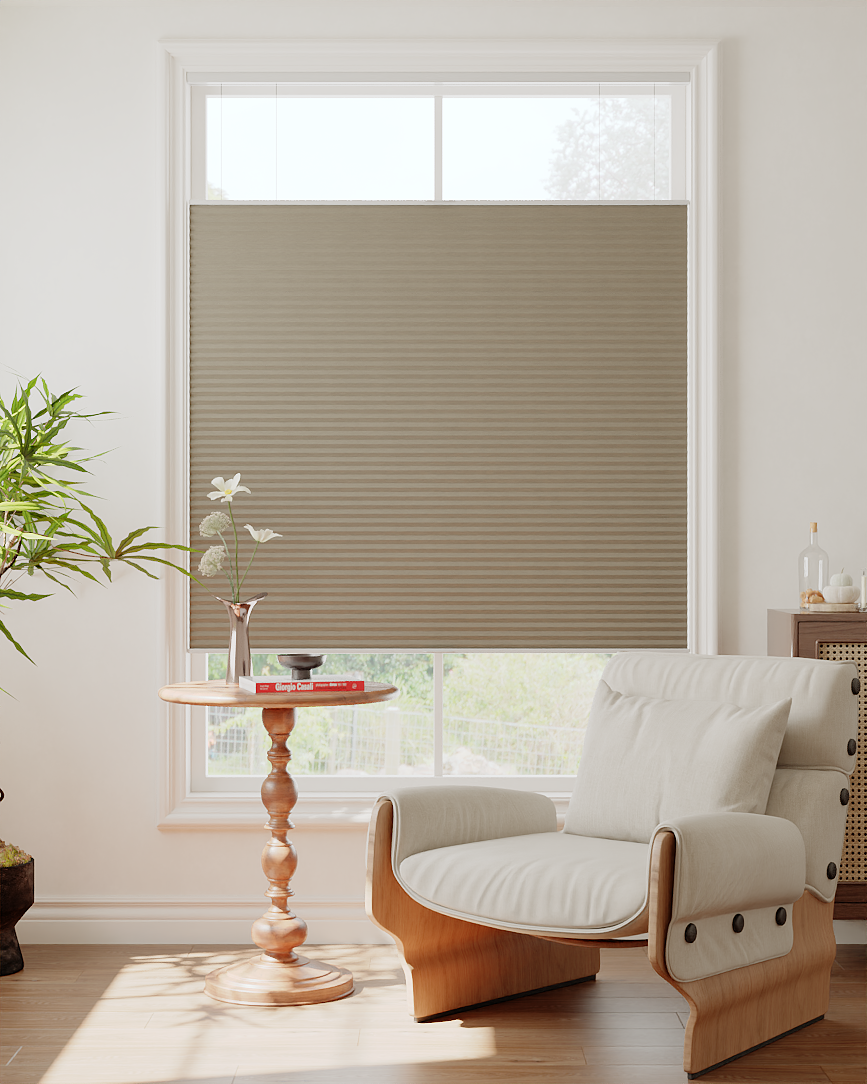
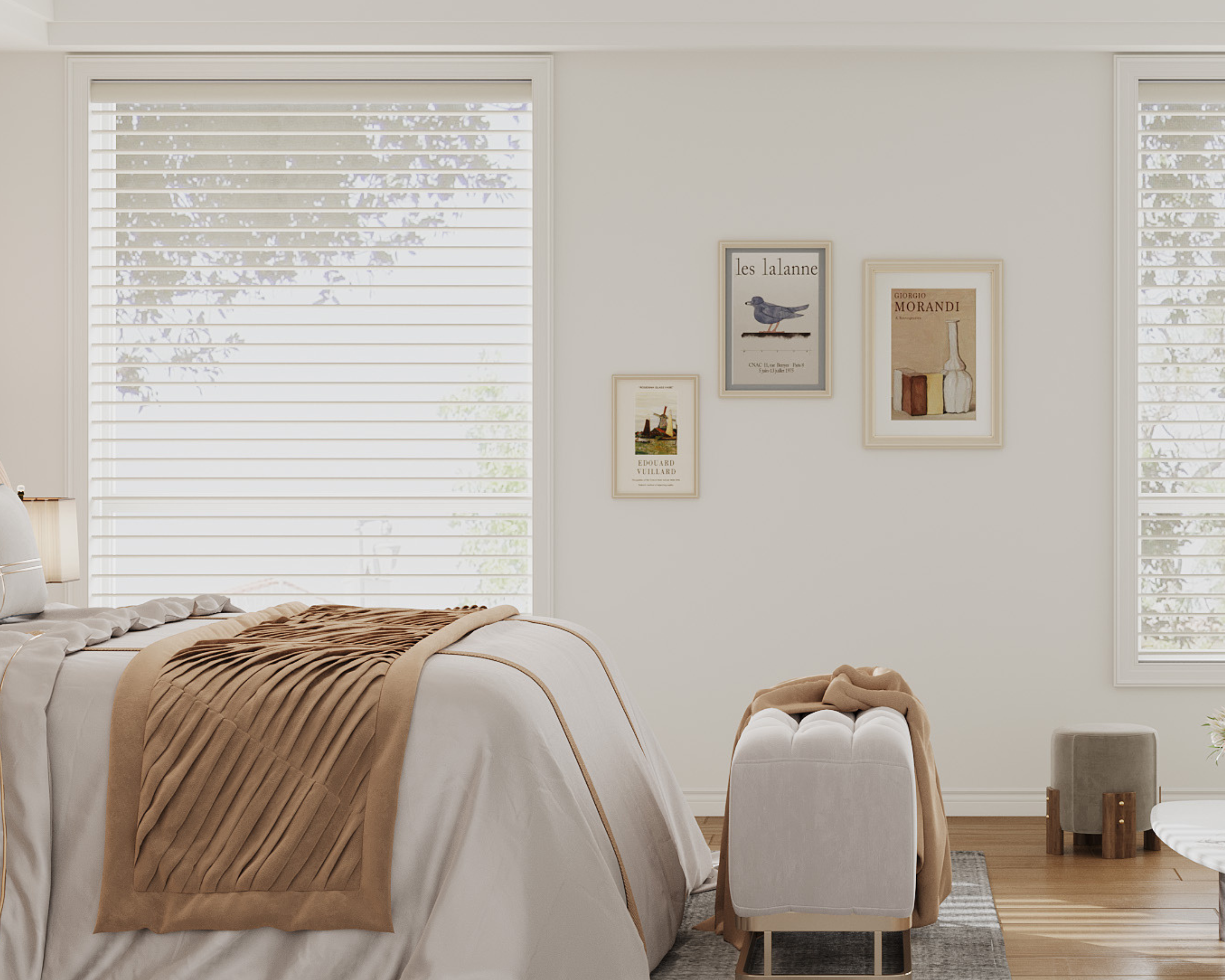
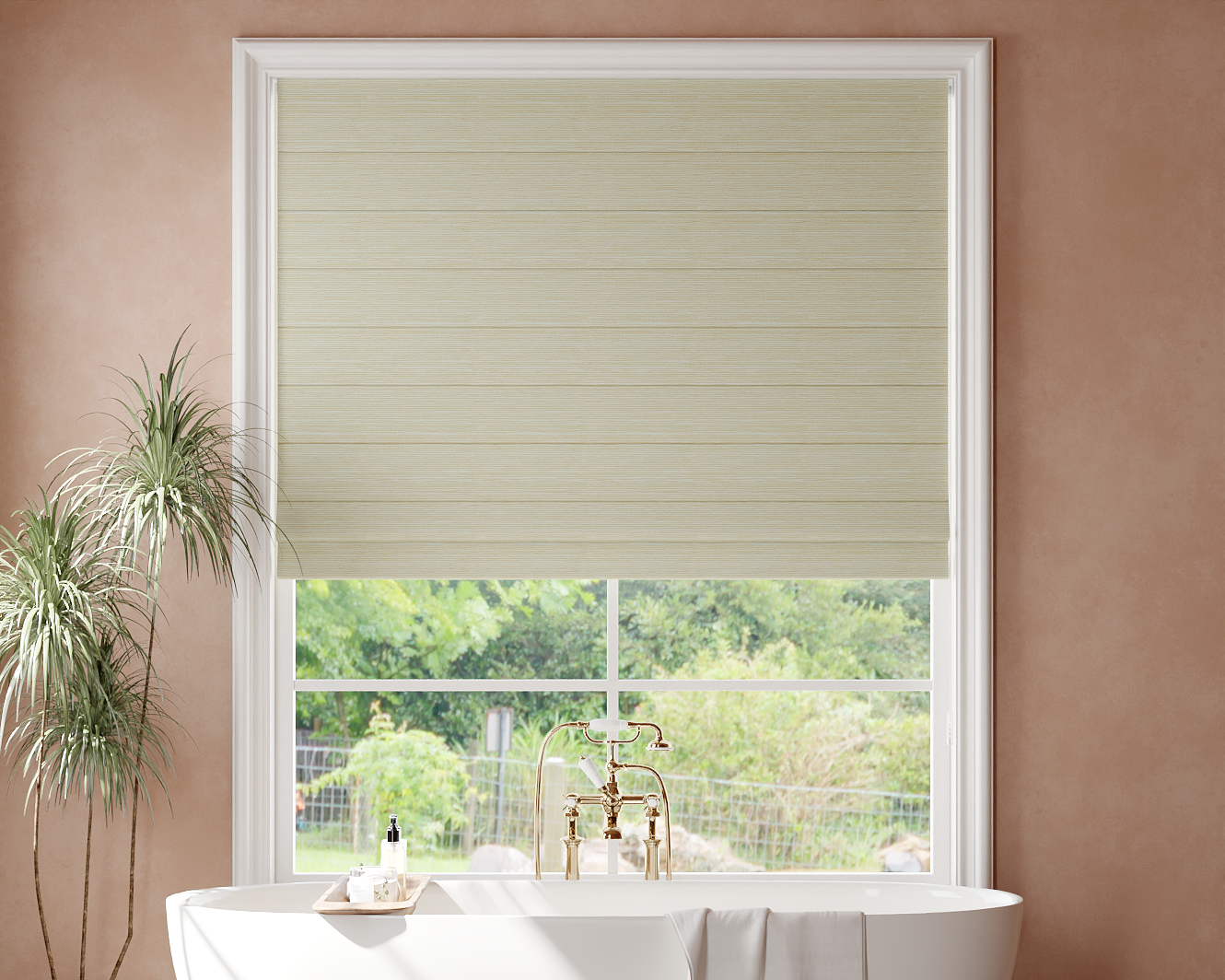
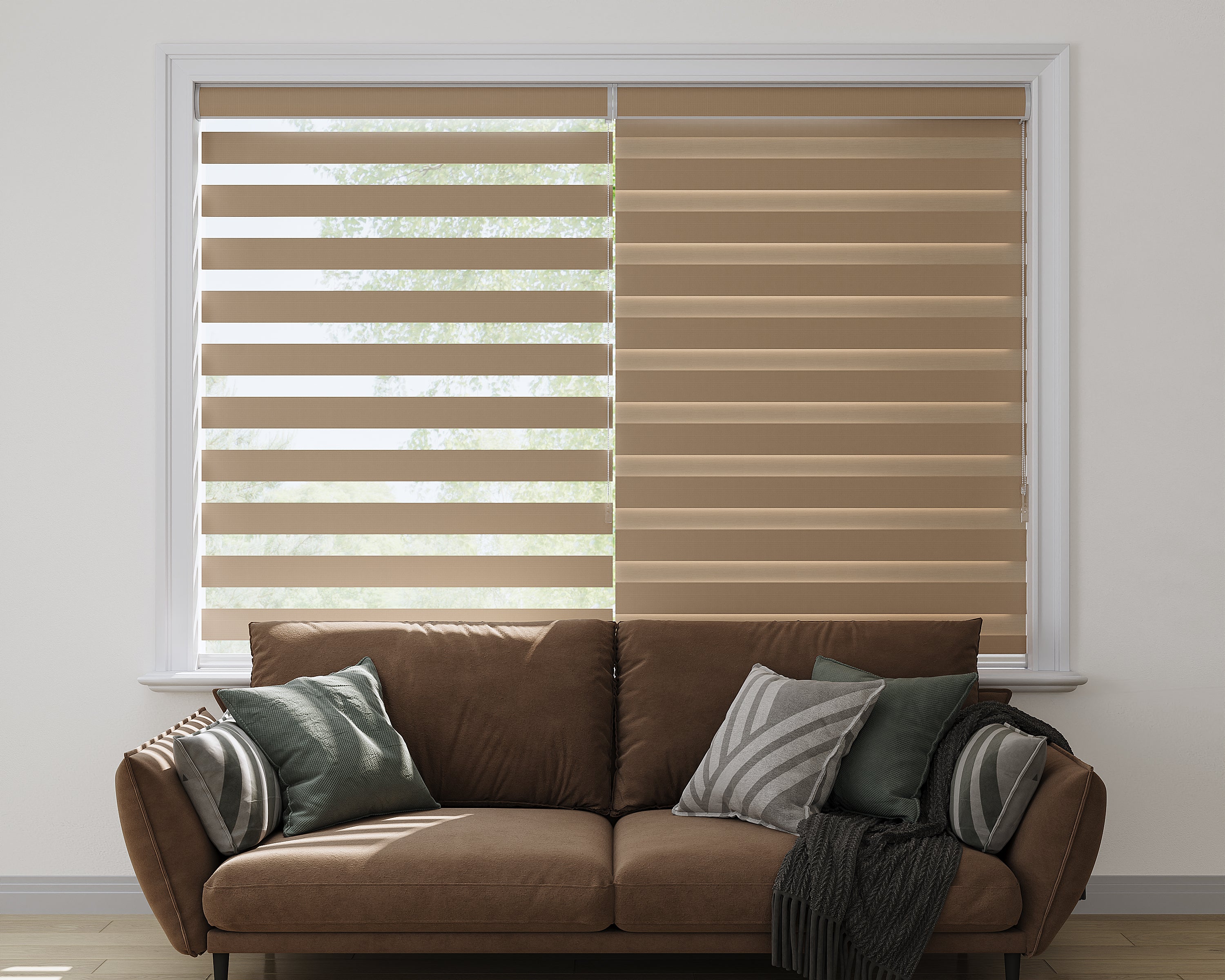
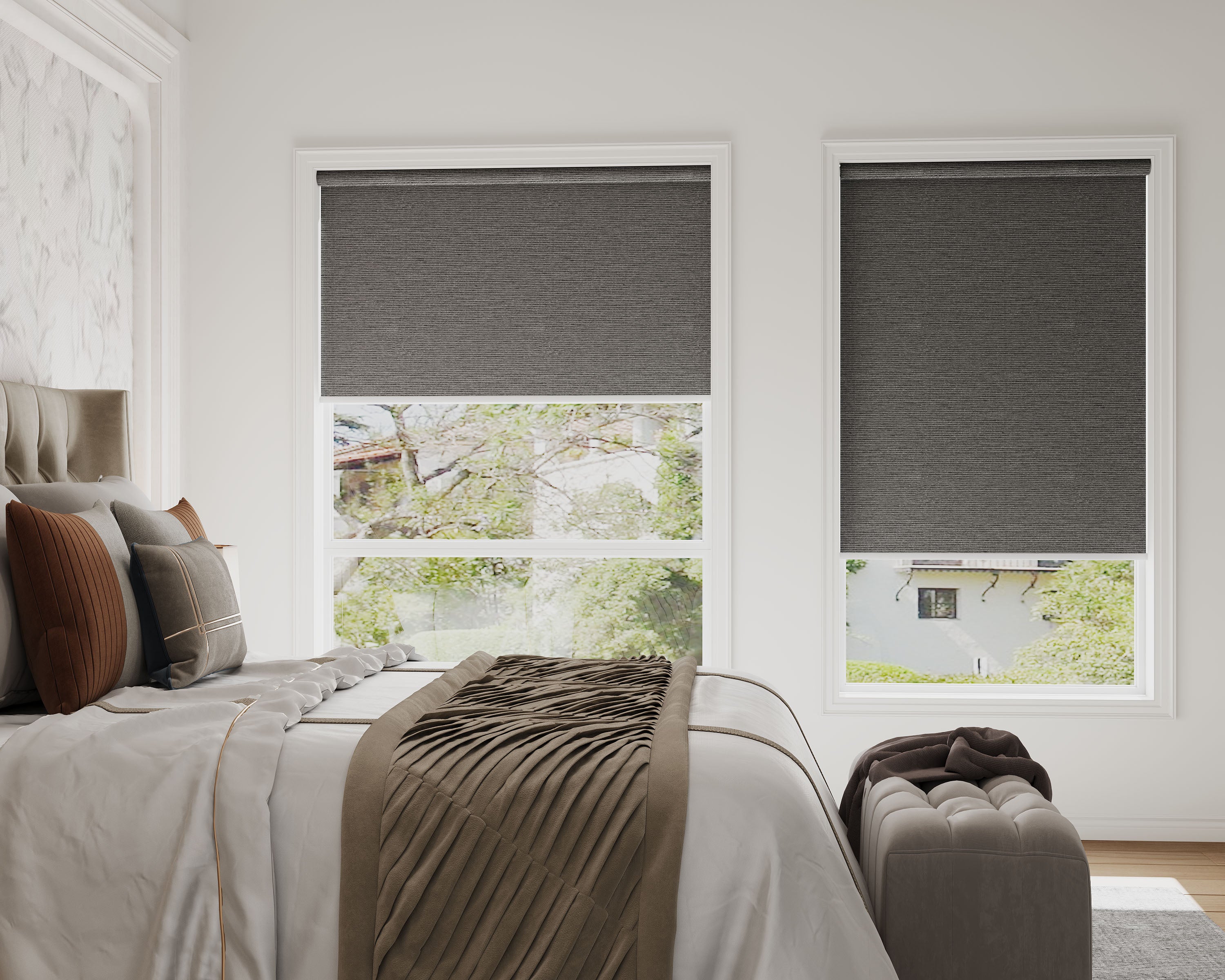
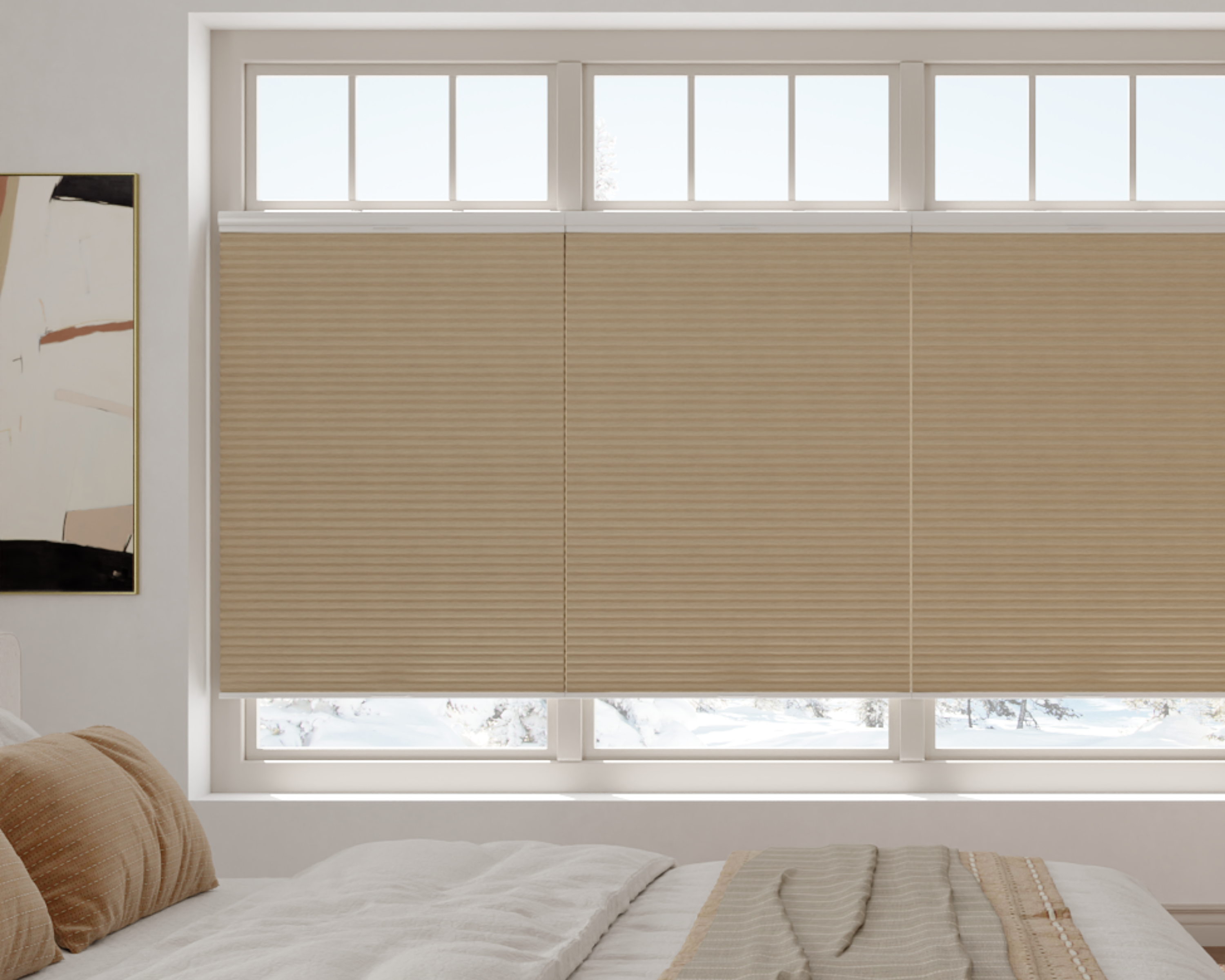







For homes where young children live or visit, the CPSC recommends cordless window coverings. A suitable cordless Roman configuration can be part of that choice, but the complete product, mounting and room layout still need attention. A cordless label is not a promise that the entire window area is childproof.
Begin with CPSC cord-safety guidance, then compare Roman shade configurations with the operating system clearly identified. Choose fabric appearance and opacity alongside a suitable lift, rather than treating folds or a nursery photograph as safety evidence.
Understand what cordless describes
A manual cordless shade is operated at the designated rail or handle instead of an exposed operating pull. A motorized configuration uses its supported controls. These are different operating choices; manual does not automatically mean corded.
Do not assume every Roman mechanism has the same internal components or cord-accessibility design. Some lifting elements can be part of the assembly. The useful question is whether the exact product and configuration are designed and documented appropriately, not whether a generic article claims every internal cord is absent.
| Check | What to establish before ordering |
|---|---|
| Exact lift | The offered manual cordless or motorized arrangement at your dimensions. |
| Accessible parts | The product's instructions and relevant safety information for the complete assembly. |
| Mounting | Correct brackets, fixings, support and installation procedure. |
| Power/controls | Any charger or supply leads, remote storage and supported operation. |
| Room layout | Cribs, beds, furniture and toys positioned away from windows and cords. |
Use real documentation, not an invented badge
Ask the supplier to identify the exact model and selected lift, and provide its instructions and any safety documentation it claims. A certificate needs a named program, a current scope and a match to the actual configuration.
Do not rely on a generic safety icon or assume every cordless product automatically meets every current rule. A generic safety slogan or uncited standard number is not a substitute for matching documentation.
Our window-covering regulations guide explains how guidance, standards and rule updates differ. A year in a product or article title does not establish compliance.
Plan secure mounting without a universal fixing recipe
Use the selected product's bracket locations and fixings suitable for the actual surface. The right arrangement depends on the assembly and substrate. Do not assume one bracket in a stud, a generic heavy-duty anchor or the provided screws alone guarantee a secure installation everywhere.
Use appropriate installation help where support, access or the procedure is uncertain. Professional fitting still needs to follow the actual system's requirements; it is not a blanket guarantee against every future hazard.
Keep the installed covering clear of obstructions. If mounting loosens, components detach or the shade moves abnormally, stop using the affected unit and contact the supplier rather than forcing it or improvising a repair.
Include furniture and power leads in the room plan
CPSC advises moving cribs, beds, furniture and toys away from windows and covering cords. Think about climbing routes rather than only the height of a component from an adult's viewpoint.
Motorized shades also need an appropriate cable and charging plan. Keep leads and controls out of children's reach according to the product instructions and household layout. A motorized lift does not automatically include a child lock, obstruction response or any other specific feature.
At an accessible window, a supported manual cordless lift may be practical for an adult. At an awkward opening, a motor may improve reach. Choose the actual operation you need without ranking every motorized unit above every manual cordless alternative.
Match fabric and lining to the room
Compare the current Room Darkening Roman Shades with blackout Roman shades for the room's light-control needs. The room-darkening listing describes softened daylight; assess the actual fabric rather than treating its name as a fixed opacity. Confirm the chosen fabric is offered with the suitable lift.
Check nighttime privacy and edge coverage separately. A blackout fabric can help create a darker setting, but it is not a sleep guarantee. A washable-sounding fiber name is not permission to wet-clean the complete shade.
Older corded Roman shades need a separate decision
Identify the old product and follow current CPSC and manufacturer guidance while arranging a suitable replacement or supported assessment. CPSC describes interim steps for existing corded coverings as reducing rather than eliminating the hazard.
Do not install a generic cleat at an arbitrary height, cut cords or rethread the lift from a general tutorial. Those changes do not establish that an old covering has become a verified cordless system.
Frequently asked questions
Does cordless mean no internal cords exist?
Do not infer the complete internal design from the label. Ask for the exact product's construction and safety information without dismantling it.
Is motorization always safer?
Evaluate the complete assembly, mounting, controls and power arrangement. Motorization changes operation; manual cordless is a separate option.
How should I clean it?
Follow the selected fabric and lining instructions. Do not assume universal vacuuming, detergent or wet wiping is appropriate.
What is the useful buying checklist?
Current CPSC guidance, identified lift, suitable installation, appropriate room layout and the exact product instructions—alongside the required light and privacy result.
