
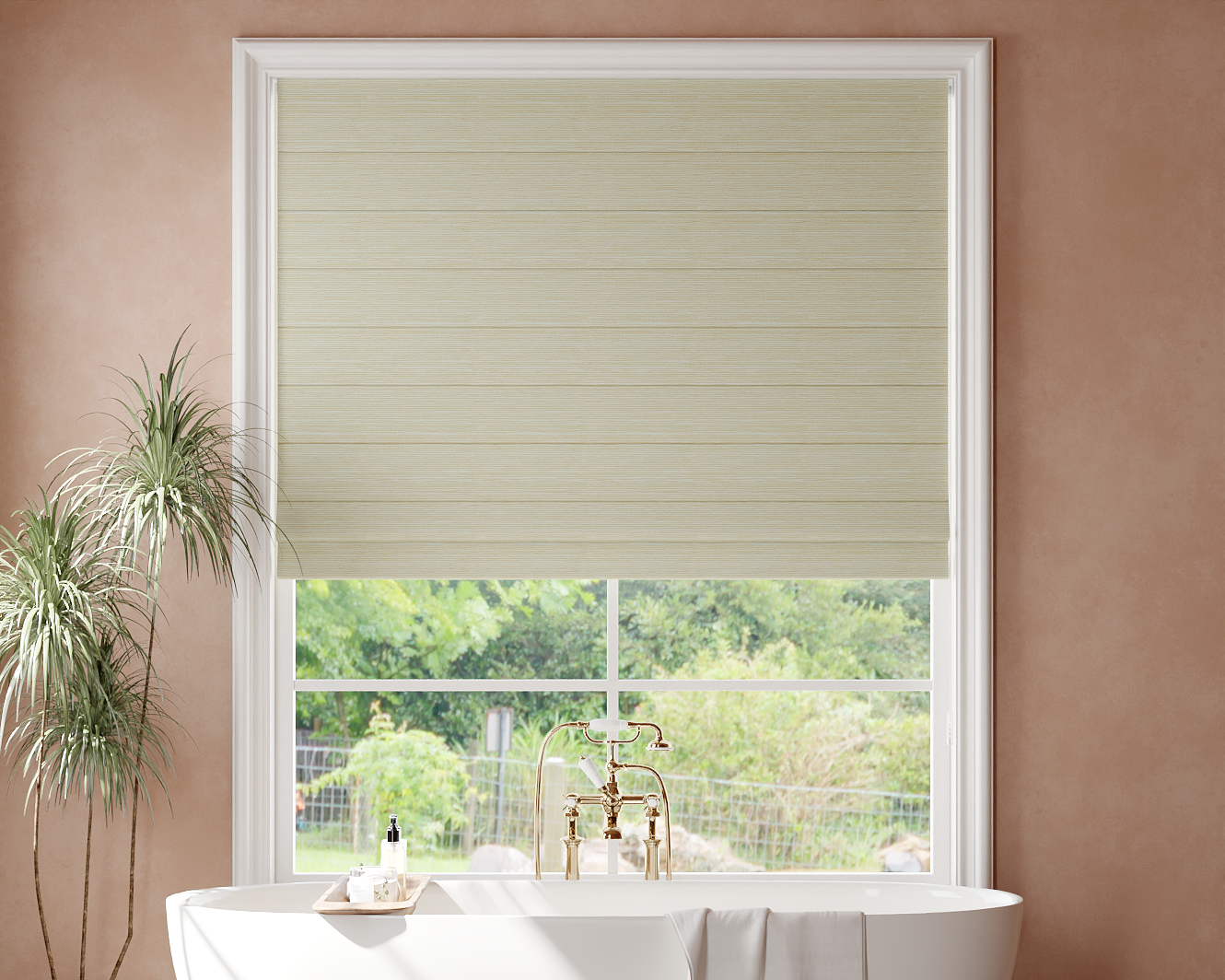
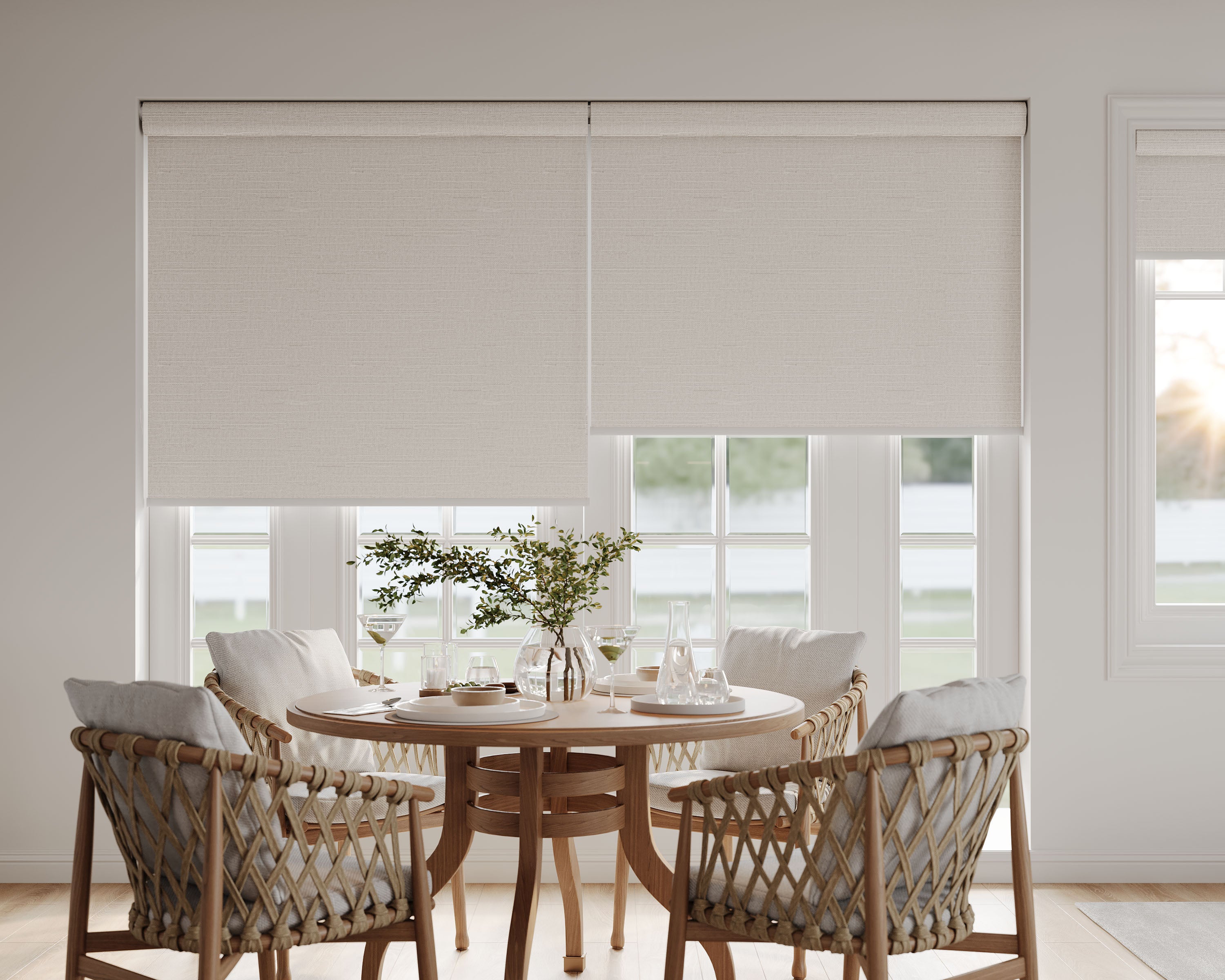


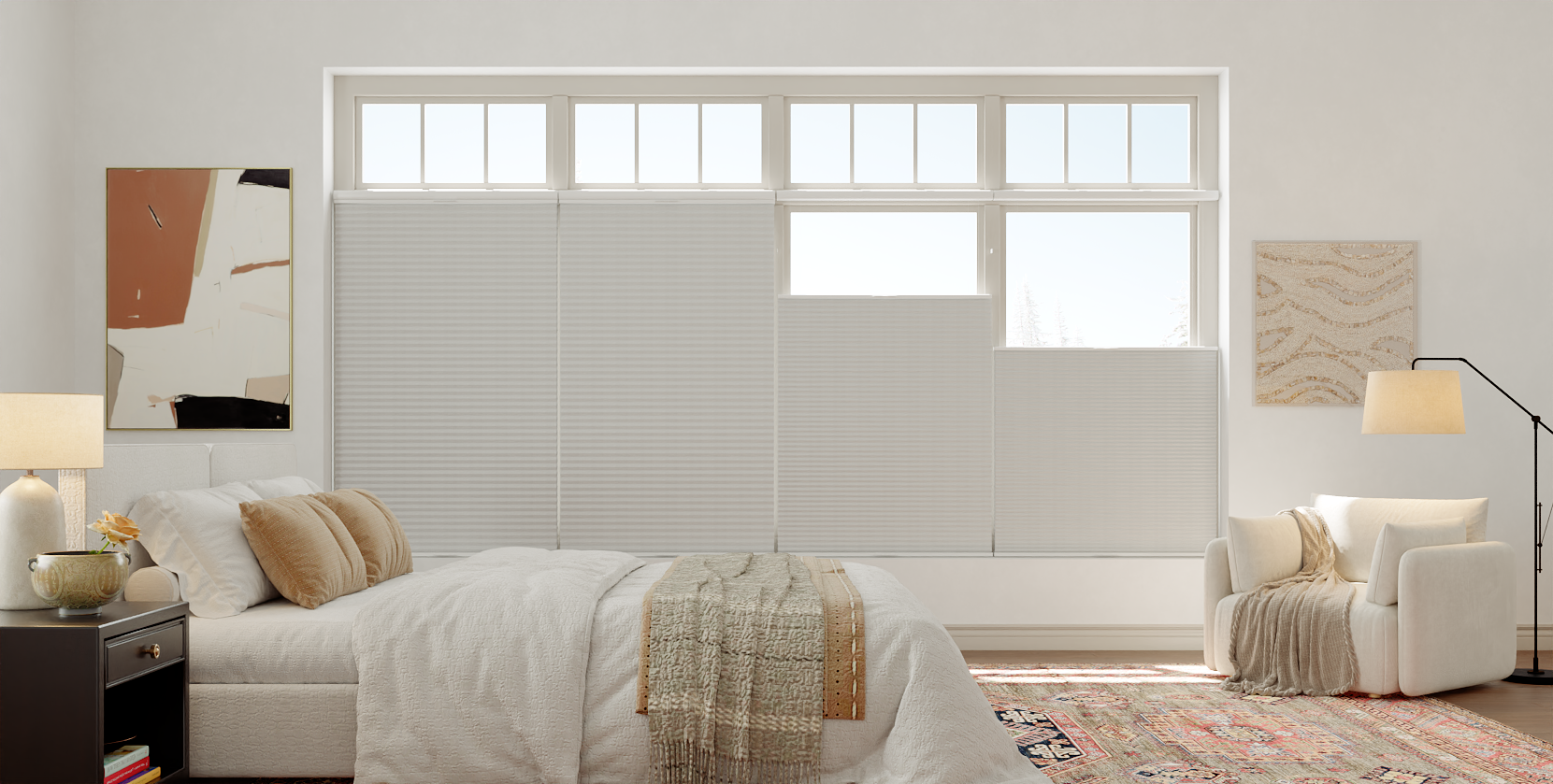


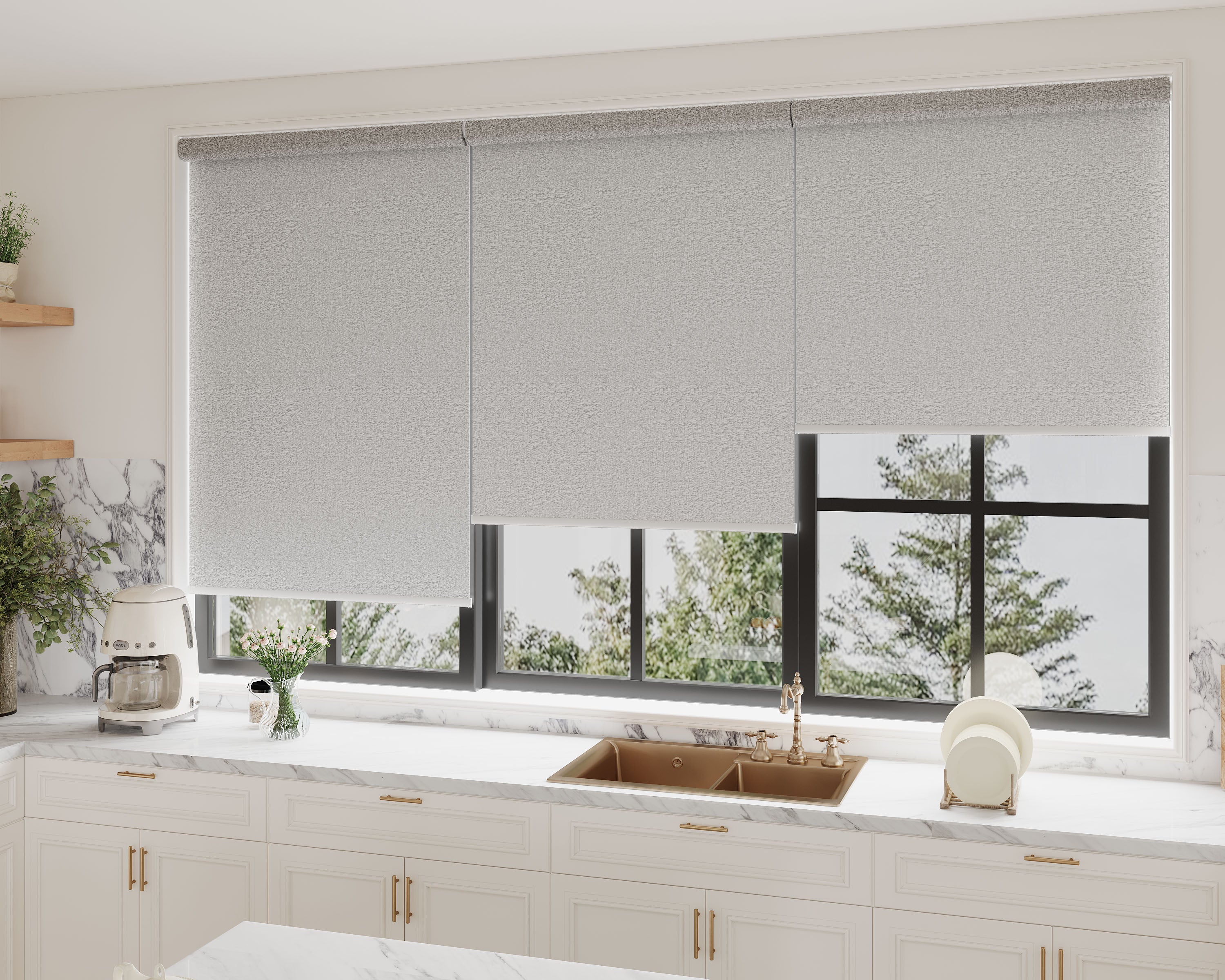

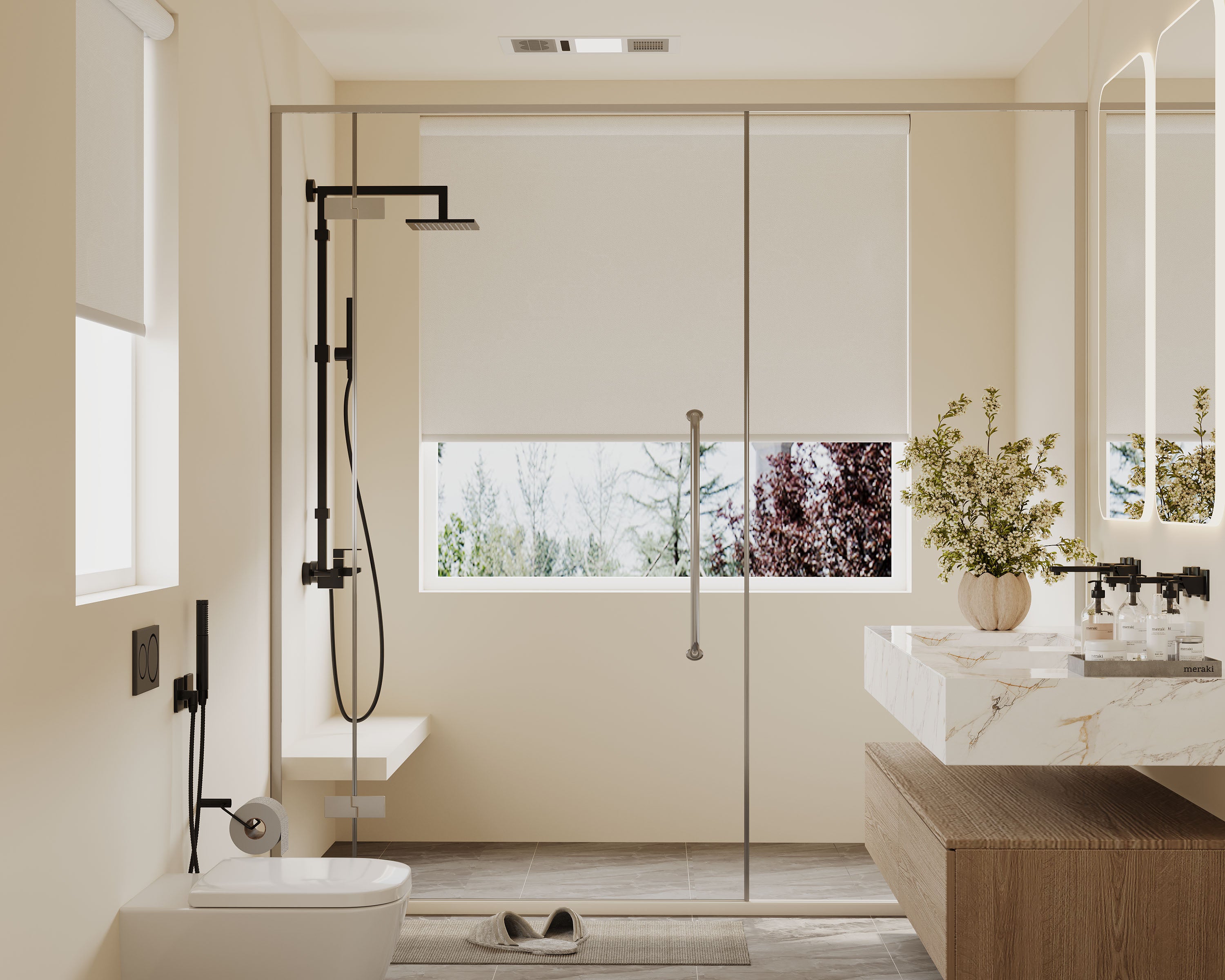


Roman shades can suit a bedroom when you want fabric texture and gathered folds, with a lining and lift chosen for your light and privacy needs. Their decorative appearance is the main reason to compare them with a flat roller or slatted blind; the fabric name alone does not guarantee a dark or private room.
Explore custom Roman shades after deciding whether you want gentle morning light, stronger daytime darkness or a layered treatment. Choose the function before the final color.
What Roman shades add to a bedroom
A Roman shade connects the window to other textiles without necessarily using floor-length curtains. A flat fold presents a more continuous fabric surface when lowered, while other offered fold styles create different fullness and lower-edge shapes.
Look at the actual fabric and fold profile together. A texture that looks subtle on a swatch can become prominent across a large window. Pattern placement can also change across folds and between neighboring shades.
| Bedroom requirement | What to compare |
|---|---|
| A quiet decorative backdrop | Fabric beside the wall, trim and bedding in daylight and evening light. |
| A focal-point window | Pattern scale, fold shape and the finished width. |
| Stronger darkness | Selected blackout fabric/lining plus installed coverage. |
| Softer daylight | Selected light-filtering fabric and its nighttime privacy. |
| Convenient daily use | Reach, lift, controls and raised-stack clearance. |
Choose colors because you like their effect in the room. No neutral palette or particular fold is required for good rest, and a decorative textile should not be promoted as a health intervention.
Choose lining and opacity deliberately
The current Room Darkening Roman Shades description discusses softened daylight. Compare its actual samples with blackout Roman shades when stronger blocking through the material is important. Decide which finished fabric and installed coverage meet your bedroom's light and privacy needs.
Do not assign universal 95–99% or 100% whole-room results to those labels. Ask which face fabric and lining are included in the exact configuration. A dark decorative face is not proof of blackout, while a pale face may still be part of an opaque construction.
If privacy matters, assess the selected material with indoor lights on after dark. Light-filtering fabric can reveal silhouettes depending on the material and lighting. Check the relevant street or neighboring-window view where practical.
Plan the edges and raised folds
Blackout fabric blocks light through its material, but light can pass around the installed covering. Inside and outside mounts offer different layouts. Compare the actual projection, clearances and coverage rather than assuming an outside mount eliminates every gap.
When raised, a Roman shade retains a fabric stack at the top. Ask how much space the chosen width, drop and construction need. This matters at a short window where the stack could cover a noticeable part of the glass.
Measure around handles, opening sashes and nearby furniture. Use the selected model's ordering instructions; do not add arbitrary overlaps or deductions. A fitted decorative look still needs enough clearance for the shade to move freely.
Layer with curtains only where it helps
Curtains can add another texture or provide a separate opaque layer, but layering does not automatically create perfect darkness or measurable insulation. Decide which covering performs the privacy task and how it closes at the sides and center.
Check depth and operating space for both treatments. The Roman folds should not catch on the curtain, and neither covering should obstruct the window's intended operation. A layered arrangement is most useful when each part has a clear role.
Select operation for the window's reach
At an accessible window, a supported manual cordless lift may be practical. Behind a bed or at a high opening, motorization may make adjustment easier. Plan controls and charging access before choosing the final configuration.
Remote control, schedules, apps and voice assistants are different capabilities. Confirm the selected motor/controller supports the actions you want. Do not assume every Roman shade accepts every motor or platform.
For homes where young children live or visit, follow CPSC cordless-covering guidance and the product's installation instructions. Position furniture and any power leads appropriately; a motor does not remove every room-layout or mounting hazard.
Compare bedroom alternatives fairly
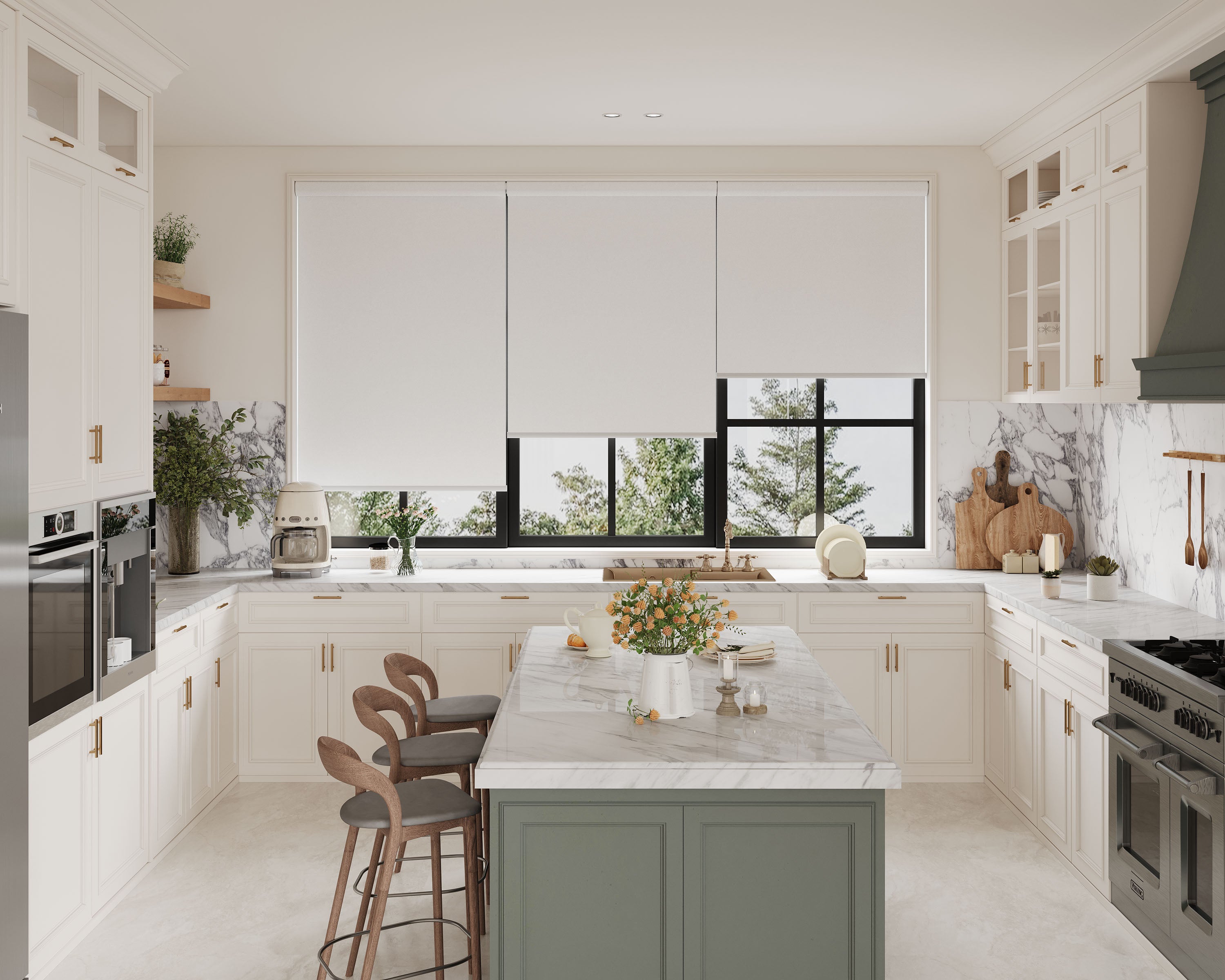
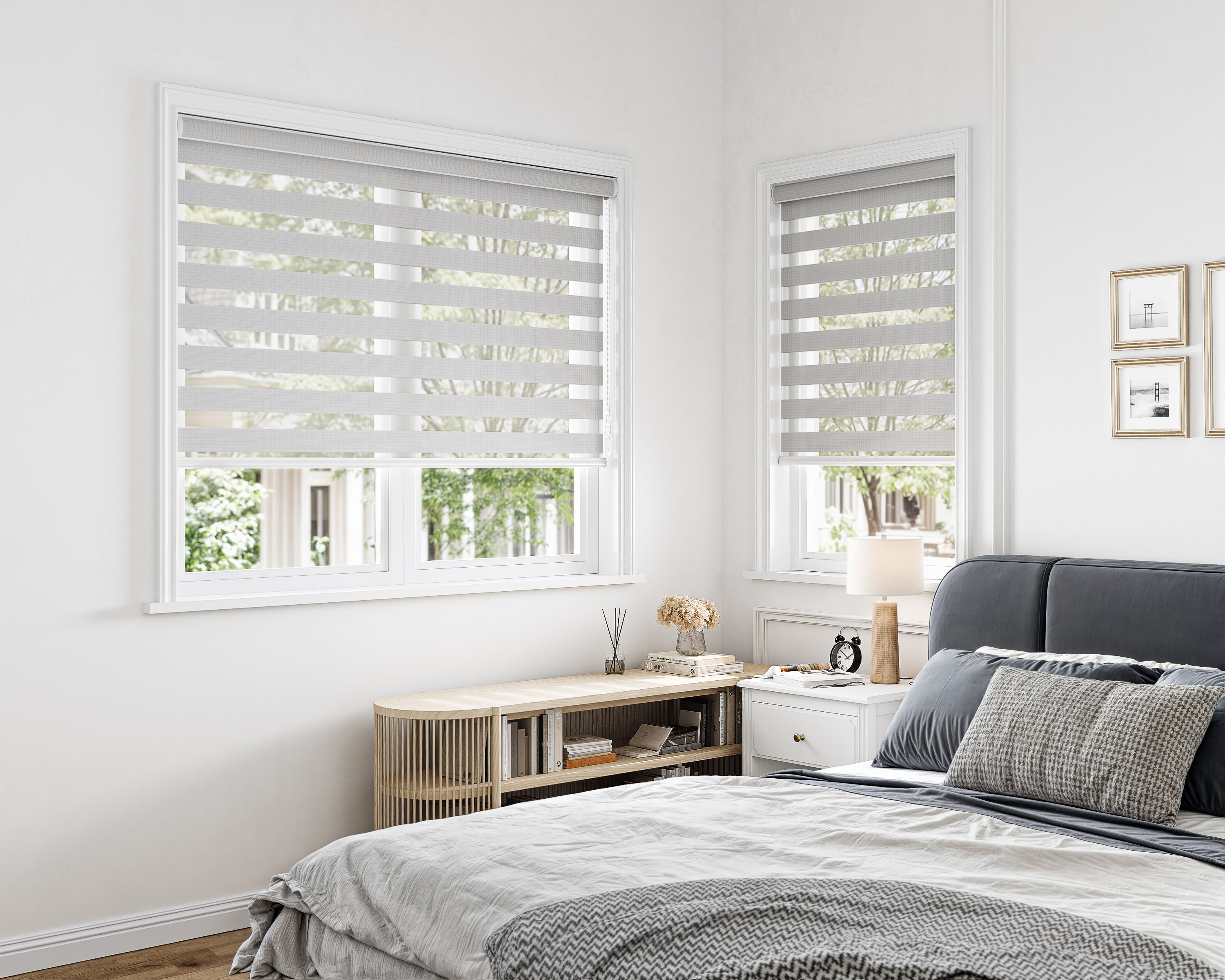
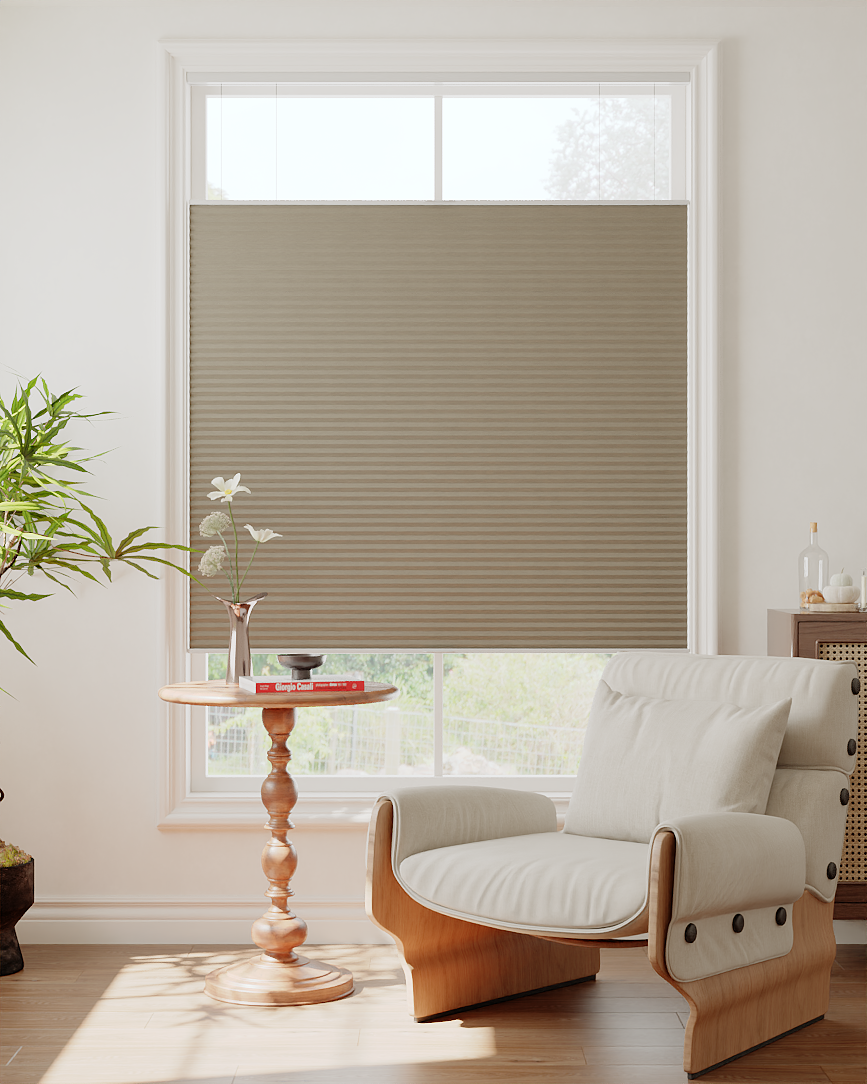
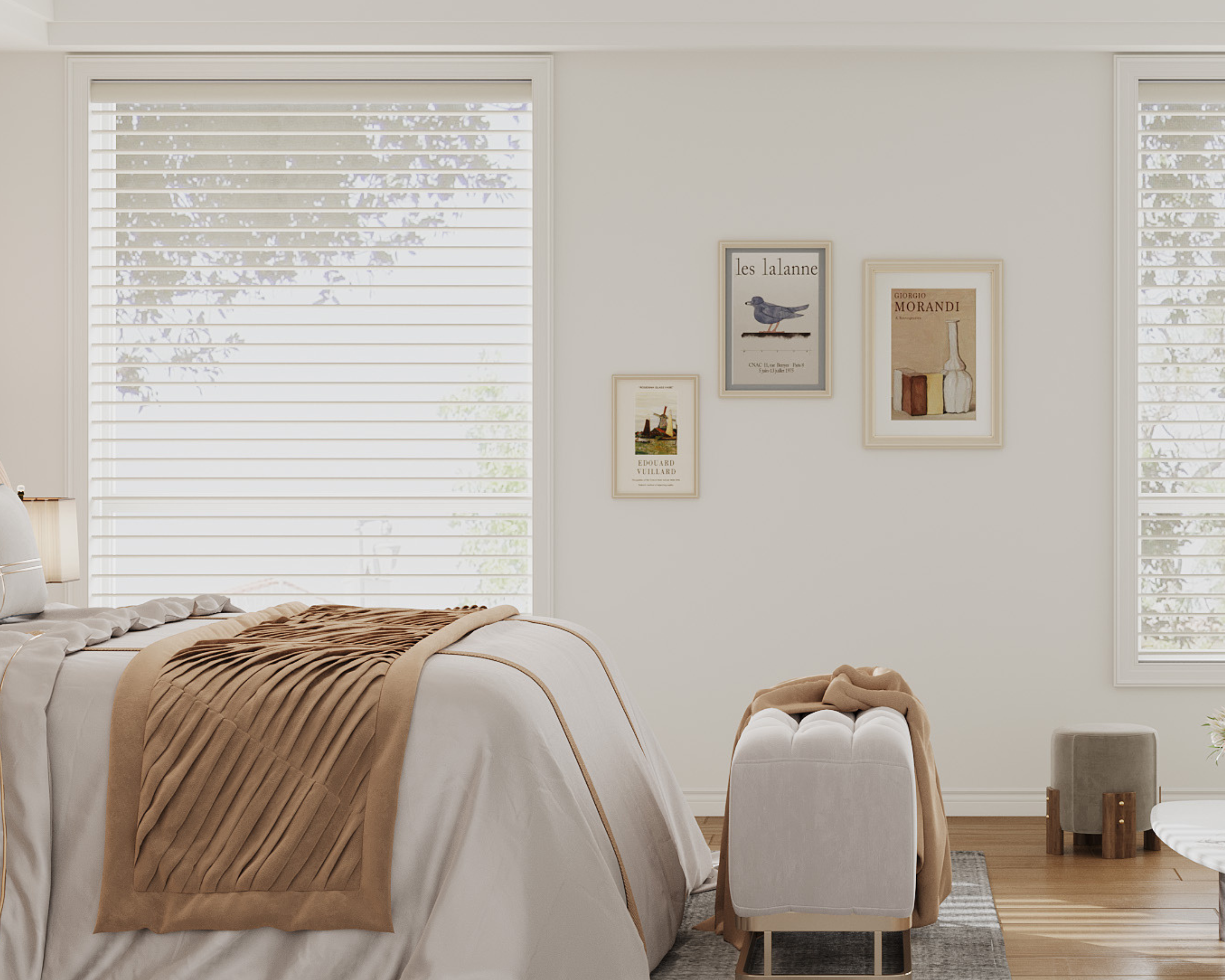
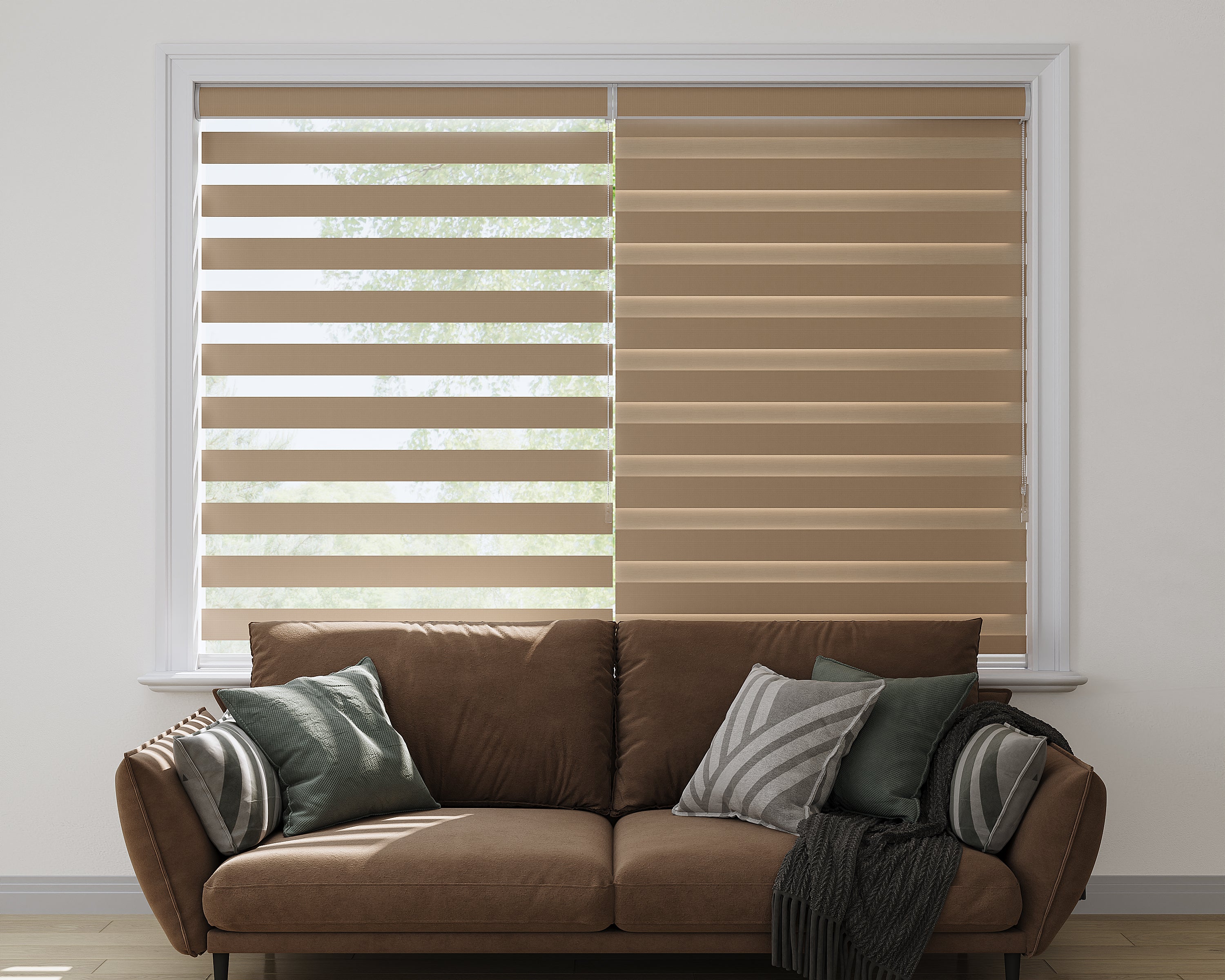
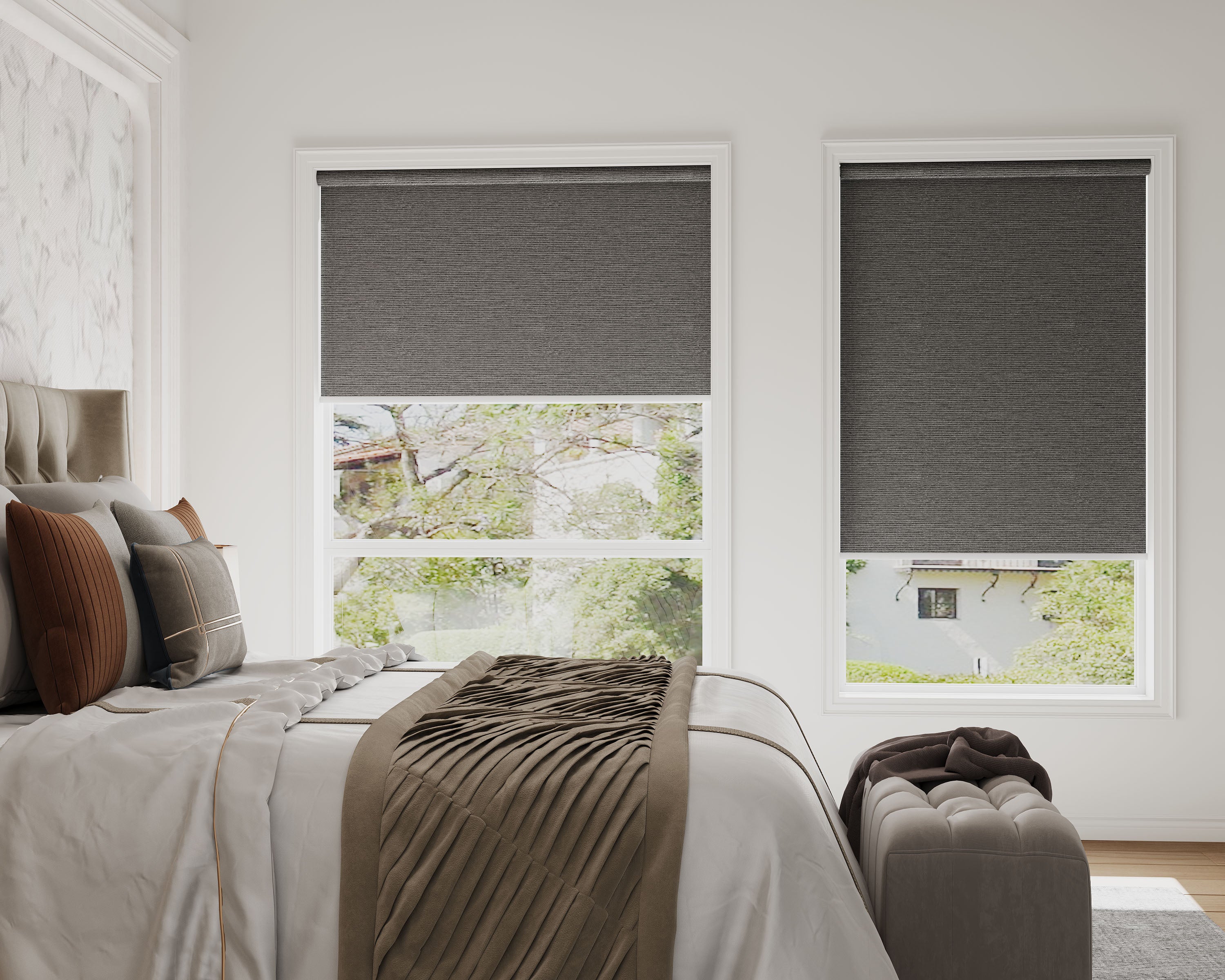
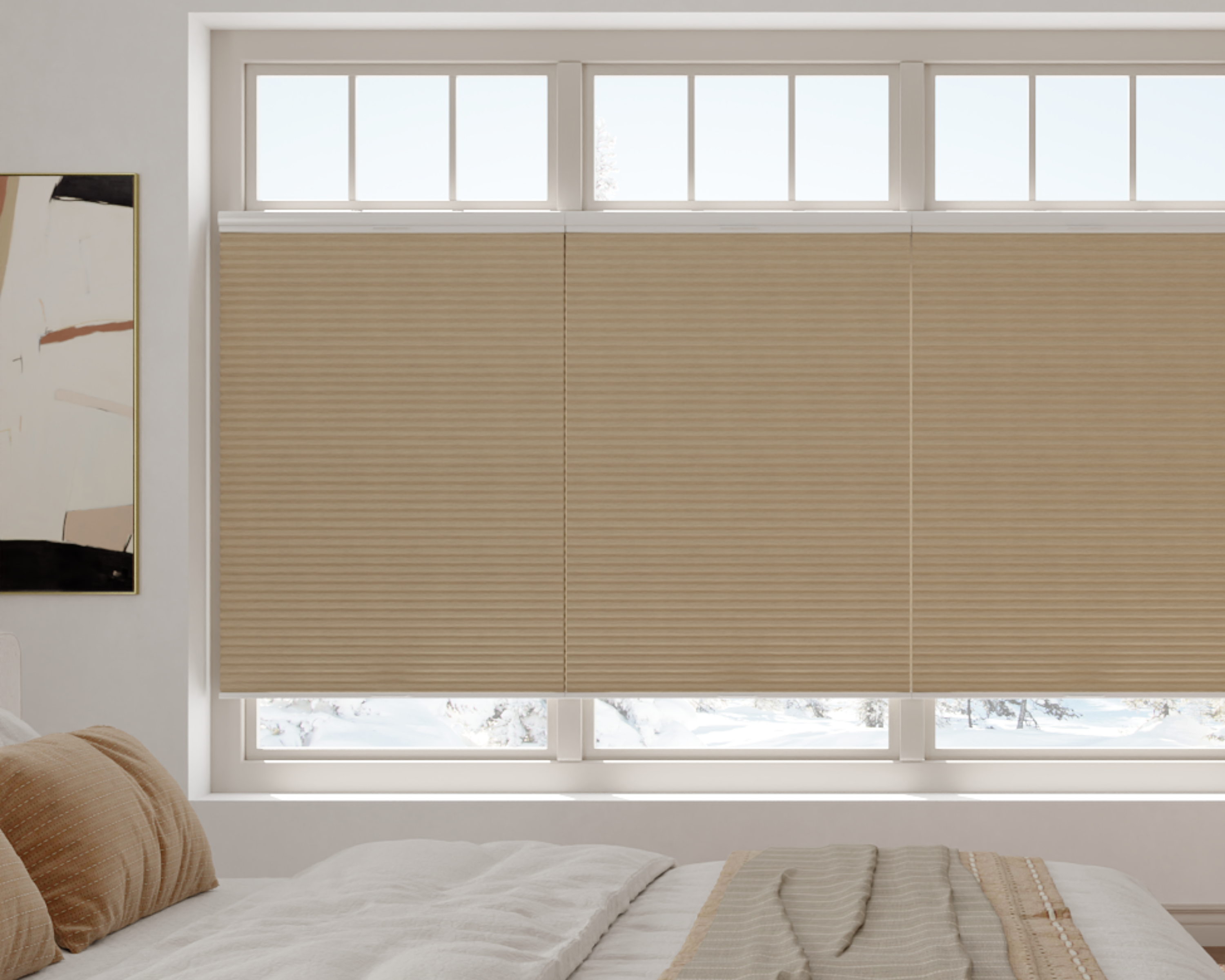
A roller gives a flat panel and a different raised profile. Slatted blinds allow tilting while lowered. Cellular shades have pleated air-cell construction. All need their actual fabric/material, fit and lift assessed for privacy and light control.
Do not choose Roman shades expecting a universal energy saving or outside-noise reduction from folds alone. If those are primary goals, ask for relevant product-specific evidence before making them part of the value comparison.
Frequently asked questions
Do I need blackout fabric for every bedroom?
Choose the darkness you want for the room and routine. A guest bedroom used differently may have a different priority from a room used for daytime sleep.
Is a Roman shade enough without curtains?
It can be where the selected opacity, coverage and appearance meet your needs. Add another layer for an identified purpose, not because Roman shades always require one.
How should I clean the folds?
Follow the selected fabric's instructions. Do not assume every lining tolerates detergent, wet wiping or washing.
Can Roman shades work in a child's bedroom?
Assess the actual cordless operating system, complete mounting, reach and room layout along with the desired light result. Choose Roman configurations on those details rather than a blanket safety or sleep promise.
