


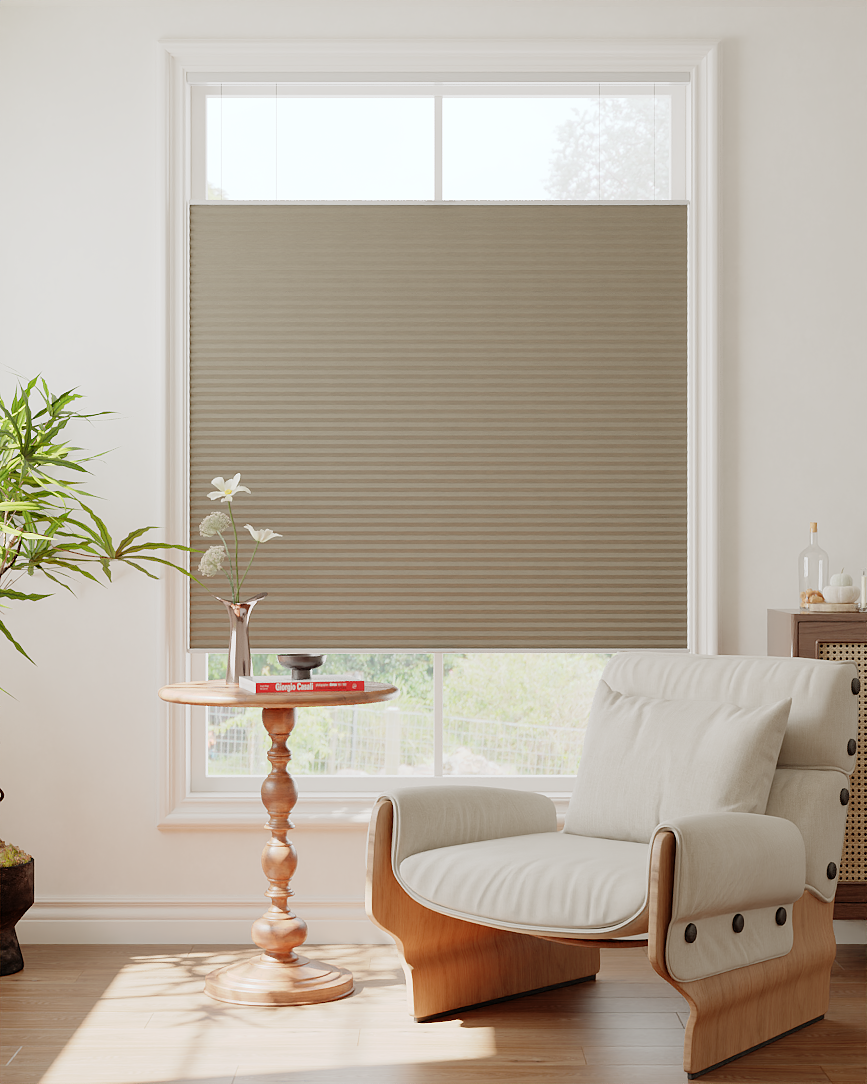
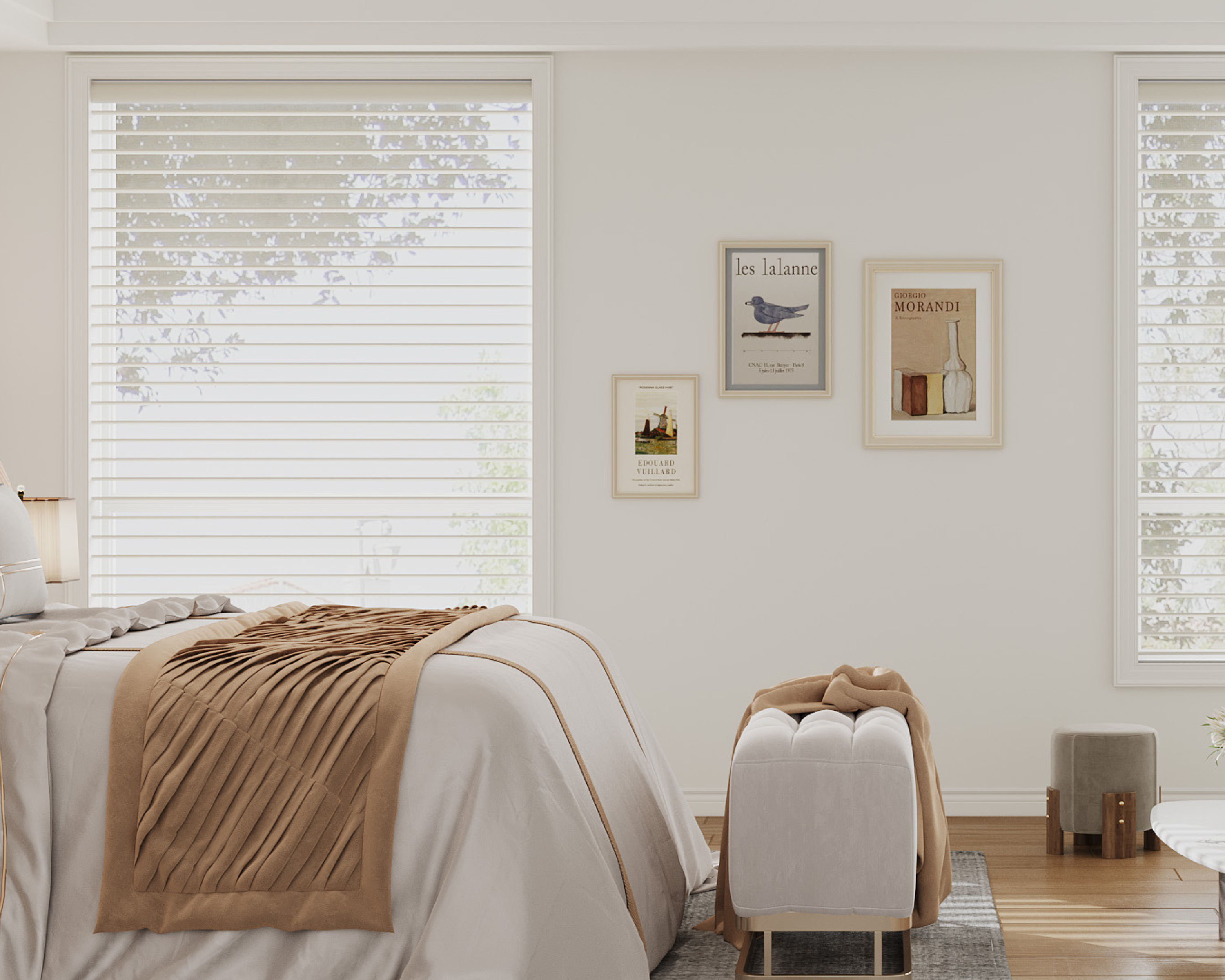
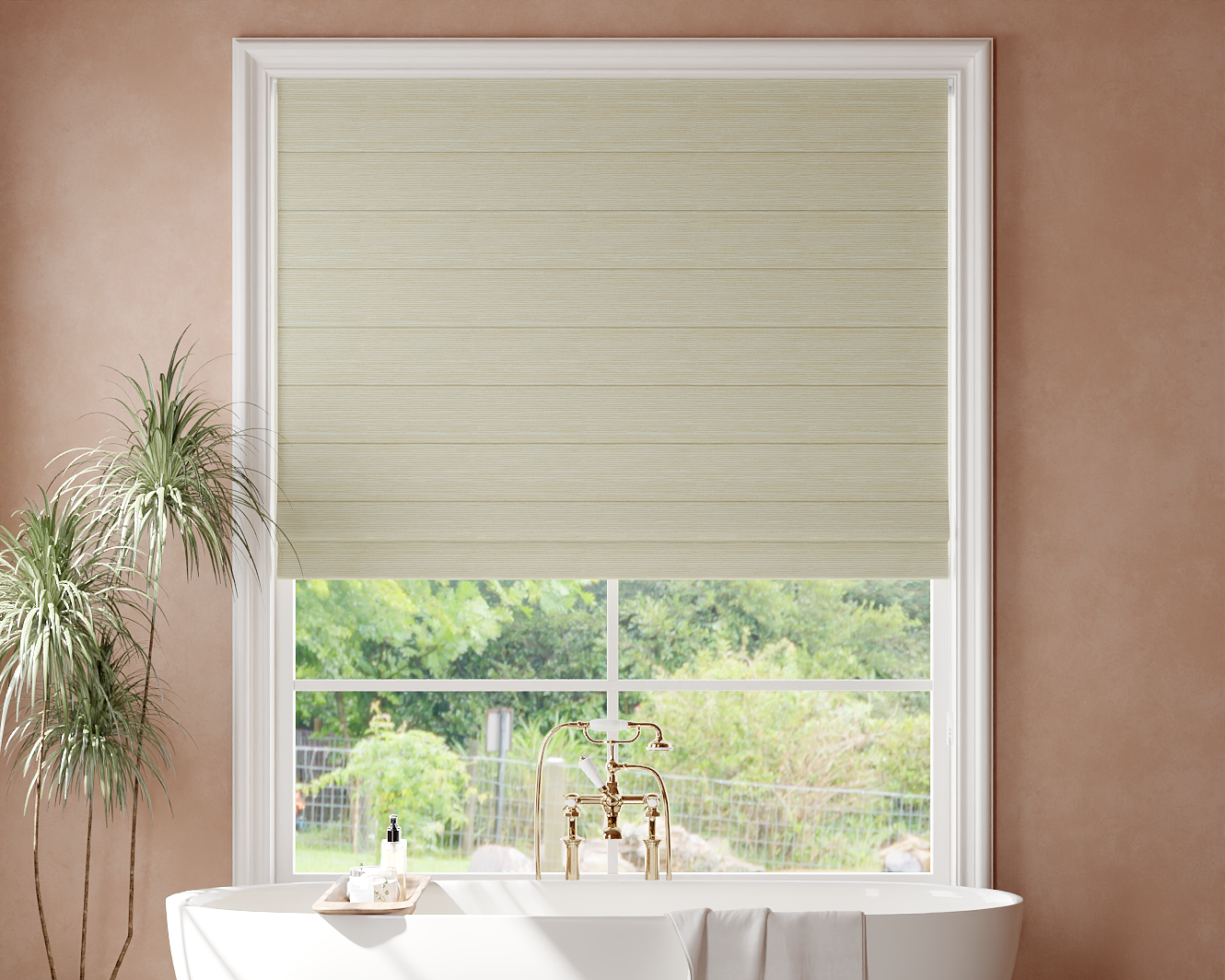
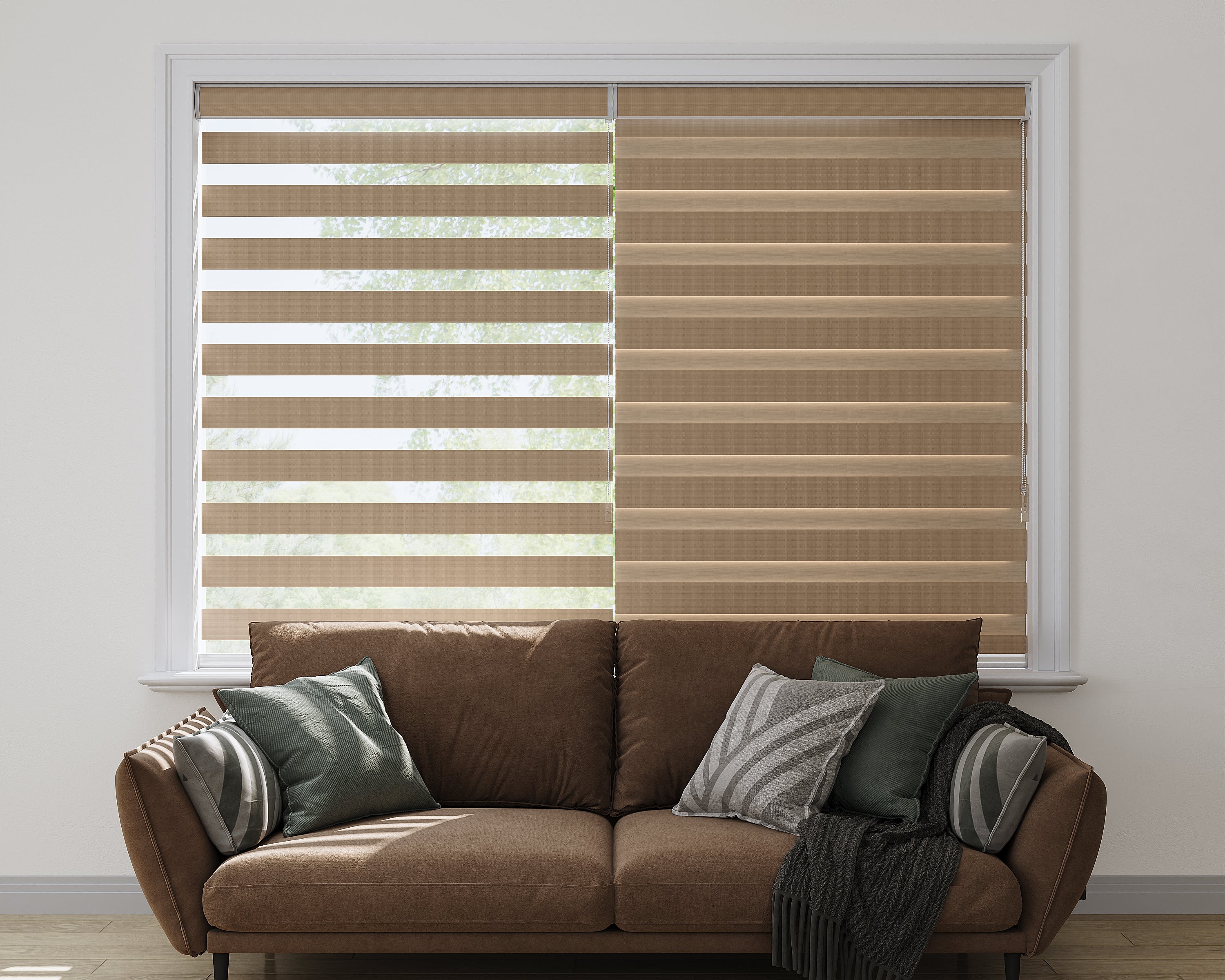
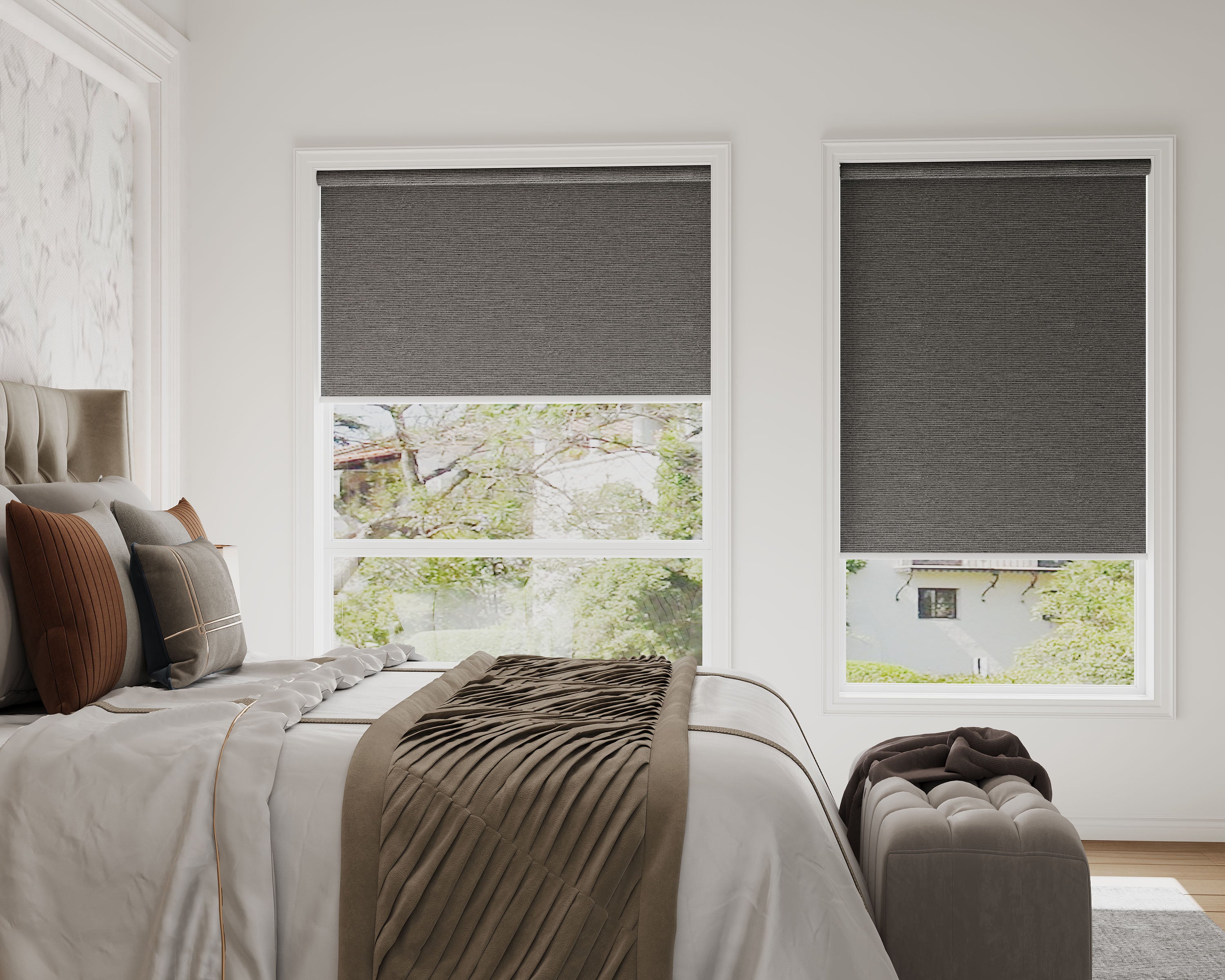
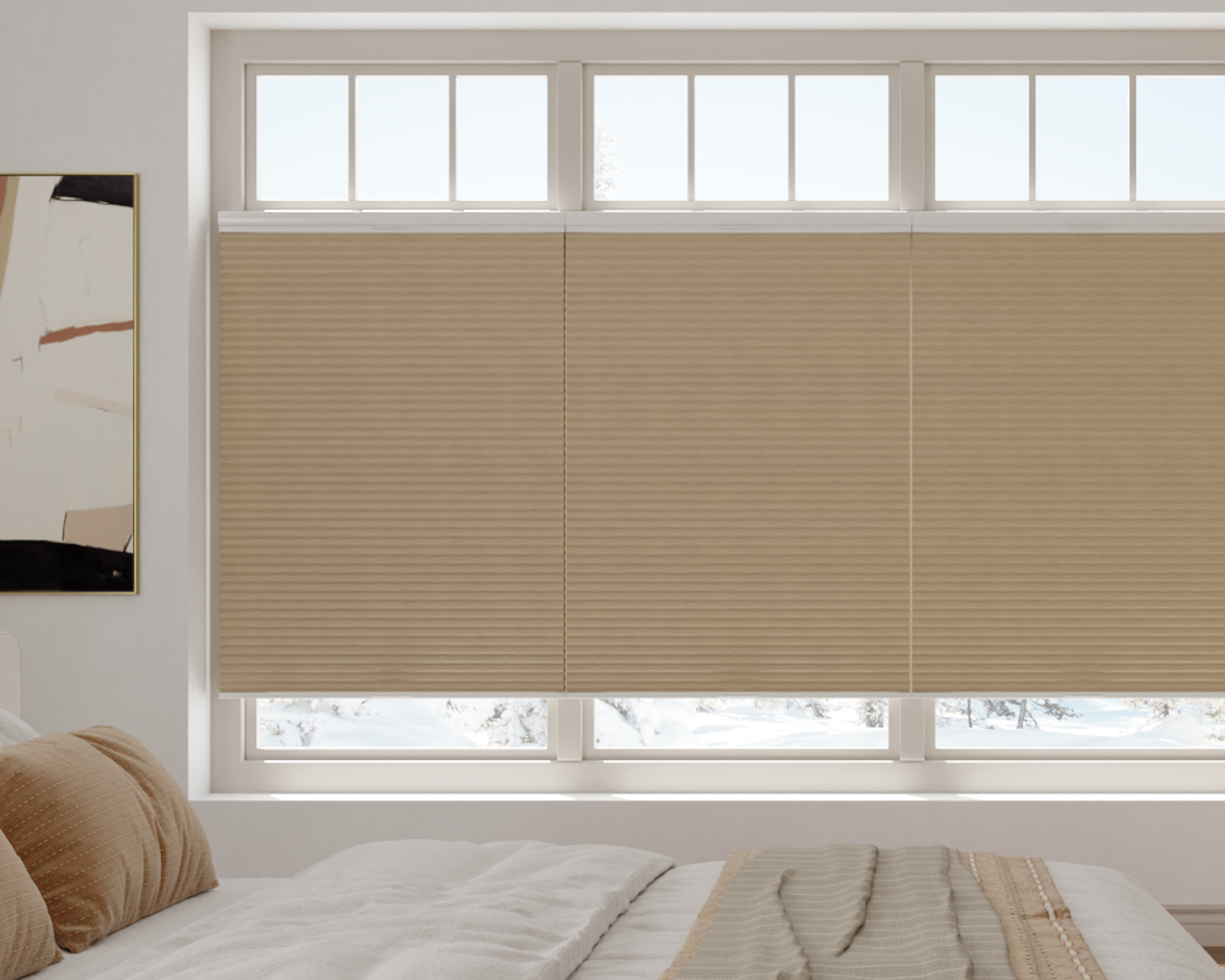



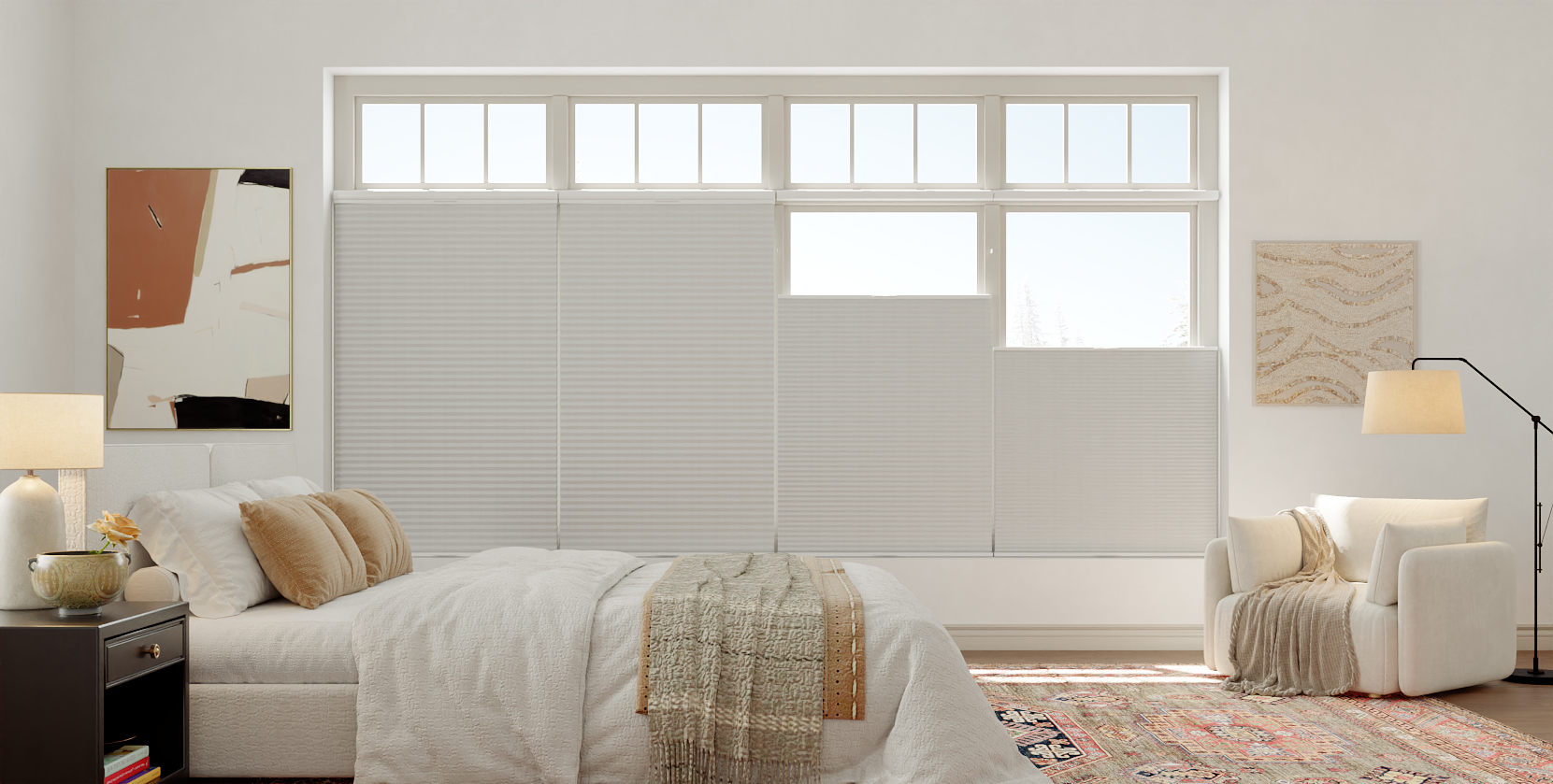


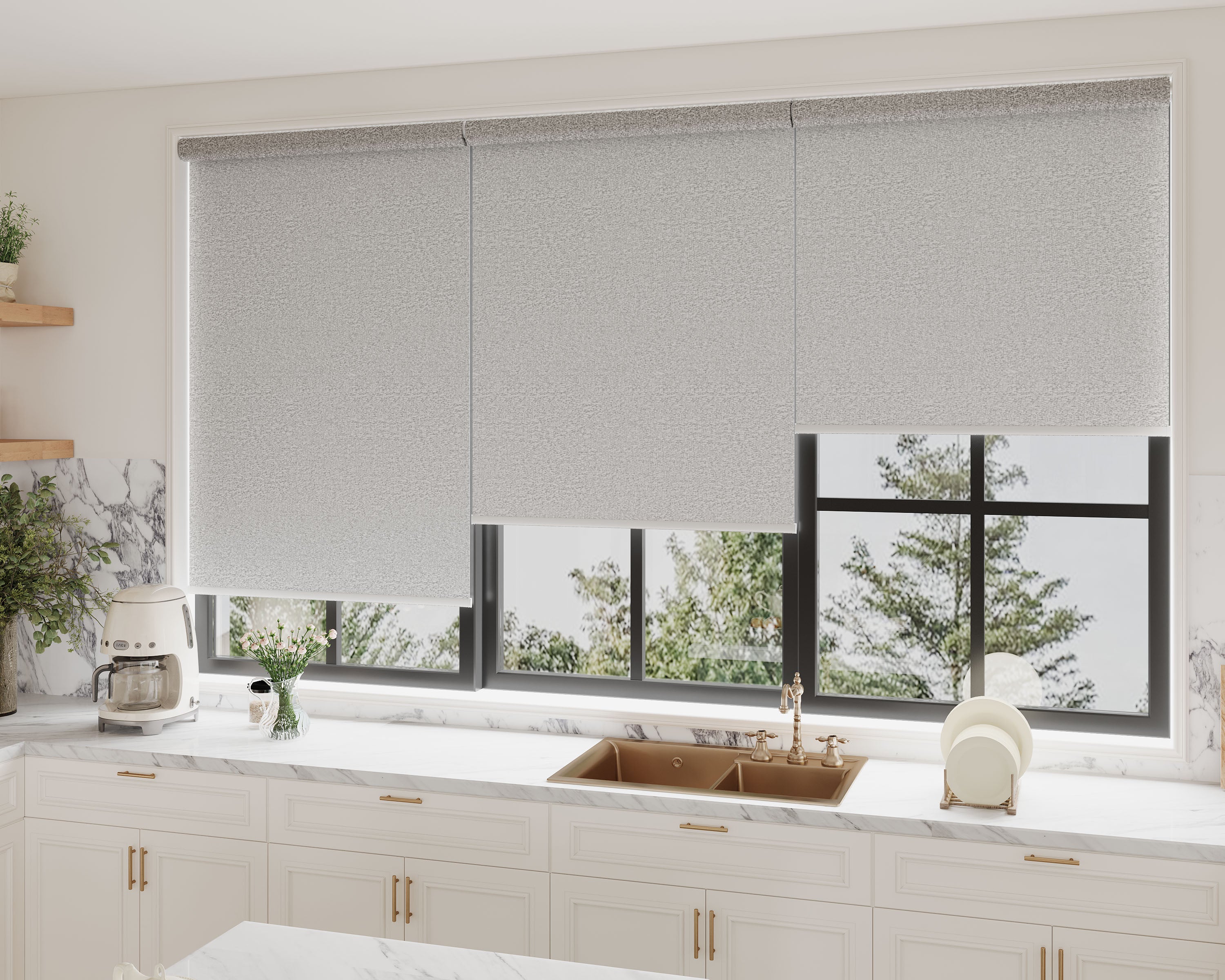




Yes, you can clean sheer shades effectively without damaging them, but the golden rule is to always identify your fabric type first and choose the gentlest method possible. The safest approach involves regular dust prevention, prompt spot cleaning, and occasional deep cleaning using fabric-specific techniques. For all methods, preserving the integrity of your delicate sheer shade fabrics is the top priority, as harsh chemicals or improper drying can cause permanent wrinkling or shrinkage.
Cleaning sheer shades doesn't have to be a daunting task that risks ruining your window treatments. This guide will provide you with a clear, fail-safe path tailored to your specific shades.
-
A crucial pre-cleaning checklist to identify your fabric type and gather the right tools.
-
A three-tiered cleaning strategy for routine dusting, targeted spot cleaning, and full deep cleaning.
-
Material-specific protocols for common sheer fabrics like polyester, linen, and vinyl.
-
Proactive tips for preventative care and stain troubleshooting to minimize future deep cleans.
Pre-Cleaning Checklist: Identify Your Fabric and Gather Supplies
Before any cleaning solution touches your shades, take five minutes to complete these two critical steps. This prevents the most common cleaning mistakes.
Step 1: Identify the Fabric Type
Check the manufacturer's tag or your original order documentation. If that's not available, use this simple guide:
-
Polyester/Vinyl: Feels smooth, synthetic, and is often used in roller-style sheer and solar shades. It's generally the most water-resistant.
-
Linen/Cotton/Natural Blends: Has a more textured, woven feel. These natural fibers are more absorbent and prone to wrinkling or shrinking when wet.
-
Woven Wood/Bamboo: Has a distinct natural, fibrous texture. These materials are very sensitive to moisture and should only be dry-cleaned or very lightly spot-cleaned.
Step 2: Assemble Your Gentle Cleaning Toolkit
-
Soft Tools: A clean, dry microfiber cloth, a soft-bristled brush (like a makeup or paintbrush), and a vacuum cleaner with a soft brush attachment.
-
Cleaning Solutions: Distilled water (to prevent mineral spots), a mild dish soap (like Dawn), white vinegar, and a spray bottle.
-
Drying Aids: Several fresh, dry microfiber towels or a fan for air circulation.
The Three-Tiered Cleaning Strategy: From Dust to Deep Clean
Adopt this tiered approach based on the level of soil. Always start with the gentlest method (Tier 1) before progressing.
Tier 1: Routine Dry Dusting (Every 2-4 Weeks)
This is the most important maintenance for preventing deep-set grime. Always keep the shade lowered but not fully extended to provide gentle tension on the fabric.
-
Use your vacuum's soft brush attachment on the lowest suction setting. Gently glide it down each pleat or flat section.
-
For textured linens or between tight folds, use a dry, soft-bristled brush to dislodge dust, followed by the vacuum.
-
Wipe down the headrail, bottom rail, and lift cords with a dry microfiber cloth.
This regular dry dusting is a cornerstone of any effective allergy-safe cleaning routine for home textiles, helping to maintain indoor air quality.
Tier 2: Targeted Spot Cleaning (As Needed)
For water marks, fingerprints, or small splatters, address the spot immediately before it sets.
-
Create a cleaning solution: 1 quart of lukewarm distilled water with 2-3 drops of mild dish soap. Avoid detergents with bleach or fabric softeners.
-
Lightly dampen a corner of a microfiber cloth in the solution—never spray or soak the fabric directly.
-
Gently dab (do not rub) the soiled area, working from the outside of the spot inward.
-
Immediately use the dry side of another microfiber cloth to blot away all moisture.
-
Allow the area to air dry completely before operating the shade.
Tier 3: The Full Deep Clean (Every 12-18 Months)
For an overall refresh, this method requires care and time. We strongly recommend testing any solution on a small, inconspicuous area first.
| Step | Action | Key Consideration |
|---|---|---|
| 1. Prep Area | Lay shade flat on a clean, padded surface (like towels on a large table). | Protect the mechanism and fabric from hard surfaces. |
| 2. Dry Vacuum | Use the soft brush attachment to remove all surface dust. | This prevents creating mud when the fabric gets wet. |
| 3. Prepare Bath | Fill a bathtub with 3-4 inches of lukewarm water and the same mild soap solution. | Too much water is unnecessary and harder to manage. |
| 4. Submerge & Agitate | Gently submerge a section of the shade. Use a soft cloth to lightly wipe. | Never scrub, twist, or wring the fabric. |
| 5. Rinse | Drain the tub and refill with clean, lukewarm water to rinse soap away. | Soap residue can attract more dirt. |
| 6. Remove Water | Press shade gently against the tub wall to remove excess water. Do not wring. | Support the fabric to avoid strain on seams. |
| 7. Dry | Hang shade immediately over a shower rod or padded drying rack. Use a fan. | Ensure it is fully dry to prevent mildew. |
Material-Specific Cleaning Guidelines & Warnings
Not all sheer fabrics are created equal. Adhering to these specifics is non-negotiable for preventing damage.
-
Polyester & Synthetic Blends: The most forgiving for deep cleaning. They can handle the bathtub method but still require gentle handling. Air drying is essential, as high heat from a dryer can melt or warp the fibers.
-
Linen, Cotton, & Natural Fibers: Extreme caution with moisture. These fabrics shrink and wrinkle easily. Often, frequent dry dusting and very careful spot cleaning are all that's needed. If you must bathe them, drying must be prompt and accompanied by gentle stretching to shape while damp. Understanding the properties of different shade materials like linen and polyester is key to knowing why they react so differently to water.
-
Vinyl & PVC-Based Sheers: Clean only with a mild soap solution and a soft cloth. Never use abrasive cleaners, vinegar (which can degrade the material over time), or alcohol-based solutions. These materials are best suited for wipe-downs.
-
Woven Wood, Bamboo, or Grass: DO NOT IMMERSE IN WATER. Clean only with a dry, soft brush or the vacuum's brush attachment. For stuck-on dirt, a barely-damp cloth can be used for immediate dabbing followed by instant drying.
Preventative Care & Troubleshooting Common Issues
The best cleaning strategy is the one you rarely have to use. Implement these habits and solutions.
Preventative Care to Reduce Cleaning Frequency:
-
Maintain a regular dry dusting schedule to prevent dust from bonding with moisture and becoming grime.
-
Ensure your shades are properly sealed at the window to minimize the influx of dust and pollutants from outside. A tight fit, as discussed in our guide to preventing light gaps around window shades, also helps keep dirt out.
-
Incorporate shade care into a broader seasonal home maintenance checklist to stay on top of upkeep.
Troubleshooting Common Problems:
-
Yellowing (Nicotine/ Age): For synthetics, a bathtub soak with a ½ cup of white vinegar added to the soapy water can help. Rinse thoroughly. Test first, as this is not suitable for all fabrics.
-
Mildew: This requires immediate action. Create a solution of 1 part white vinegar to 3 parts water. Dab the area, let sit for 10 minutes, then blot dry. Increase airflow to the area immediately. If mildew is extensive, professional cleaning may be necessary.
-
Water Spots/ Rings: Often caused by mineral-heavy water. Re-wet the entire panel evenly with distilled water and mild soap using a damp cloth, then dry immediately to create a uniform appearance.
-
Wrinkles After Cleaning: For polyester, use a handheld garment steamer on its lowest setting, holding it several inches away from the fabric. Never iron sheer shades directly. For natural fibers, wrinkles may be permanent if improperly washed.
Conclusion and Key Highlights
Cleaning sheer shades safely is a careful balance of using the right technique for the right fabric at the right time. By prioritizing gentle, dry methods for maintenance and reserving wet cleaning for only when necessary, you can preserve the beauty and functionality of your shades for years.
Key Highlights:
-
Always identify your fabric first—polyester, linen, and woven woods all have vastly different care requirements.
-
Adopt a tiered strategy: Commit to regular dry dusting, address spills immediately with gentle spot cleaning, and reserve the full bathtub method for rare, deep cleans.
-
Never use harsh chemicals, abrasive tools, or high heat. Mild soap, distilled water, soft cloths, and air drying are your safest tools.
-
Prevention is paramount. A consistent dusting routine and a well-sealed installation are the most effective ways to minimize the need for intensive cleaning.
By following these fabric-first principles, you can maintain the pristine, light-filtering quality of your sheer shades without fear of causing accidental damage.
Shop Sheer Shades by Light Control


Frequently Asked Questions (FAQ)
Can I put my sheer shades in the washing machine?
It is strongly discouraged. The agitation, spin cycle, and heat of a washing machine can easily tear delicate fabrics, fray edges, tangle lift cords, and cause irreversible wrinkling or shrinkage. The controlled, gentle environment of a bathtub or a professional cleaner is the only safe method for a full wet clean.
What is the best homemade cleaner for sheer shades?
For most fabrics, a solution of lukewarm distilled water with 2-3 drops of mild, colorless dish soap is the safest and most effective homemade cleaner. For disinfecting or tackling mildew on synthetic fabrics, a diluted vinegar solution (1 part white vinegar to 3 parts water) can be used with a prior spot test. Avoid bleach, ammonia, and all-purpose cleaners.
How do I dry sheer shades without getting wrinkles?
The key is to avoid wringing and to dry them flat or hanging under tension immediately. After a bath, gently press out water, then re-hang the shade on its bracket or over a padded rod while it is still evenly damp. Use a fan to circulate air and ensure it dries completely and quickly. This allows the fabric to dry in its natural, extended state.
Can I use a steam cleaner on my sheer shades?
Use extreme caution. A handheld garment steamer on a low setting can be effective for removing light wrinkles from polyester sheers if held at a safe distance. However, steam can force dirt deeper into natural fibers like linen and can damage the finishes on vinyl or woven woods. It is generally not recommended as a cleaning tool, only as a last-resort for de-wrinkling certain synthetics.
How often should I deep clean my sheer shades?
For most homes, a full deep clean every 12 to 18 months is sufficient, provided you maintain a consistent monthly dry dusting routine. Homes in high-dust environments, with smokers, or near busy roads may need to deep clean every 6-12 months. The best indicator is visible grime or dust that cannot be removed by vacuuming.
