
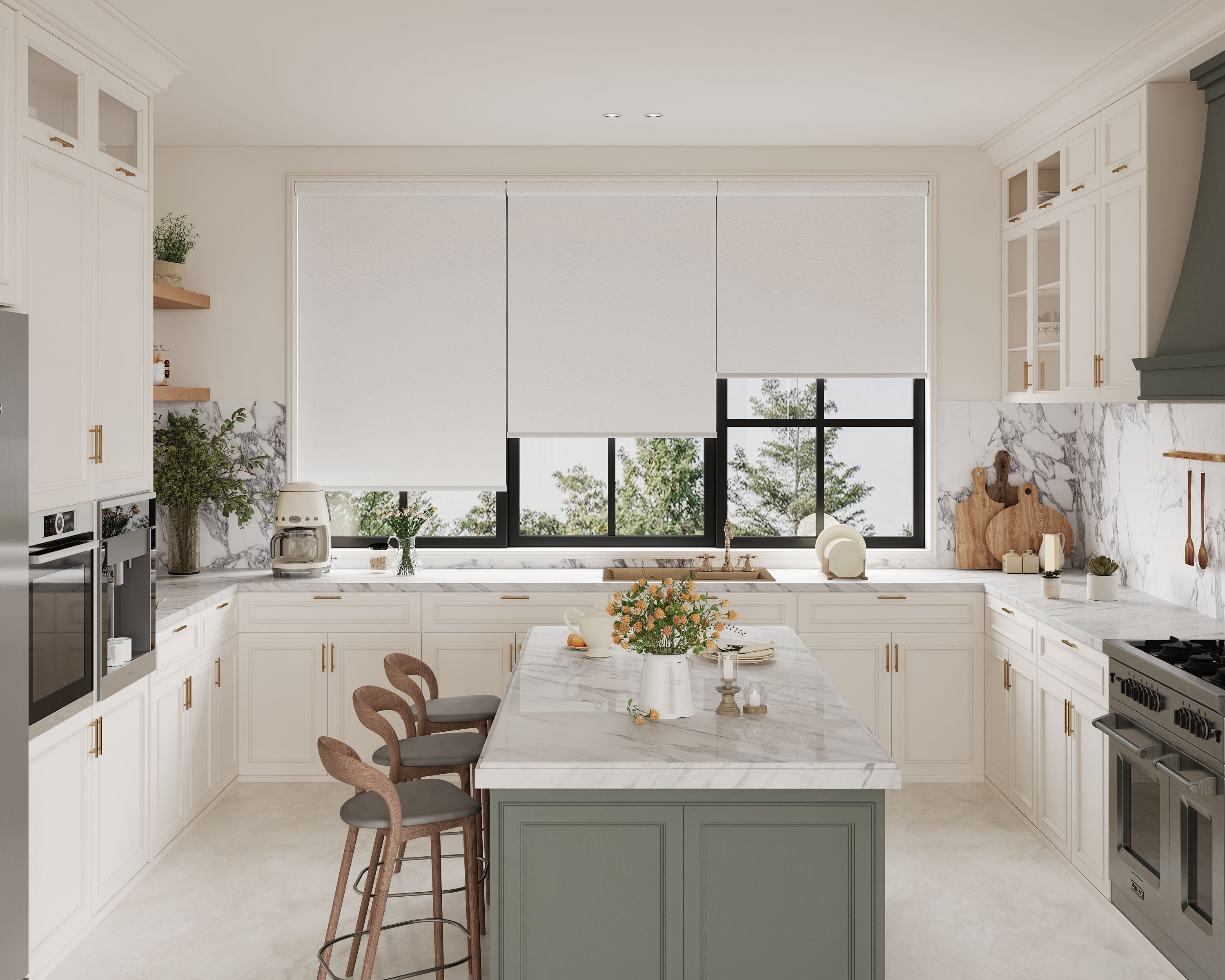
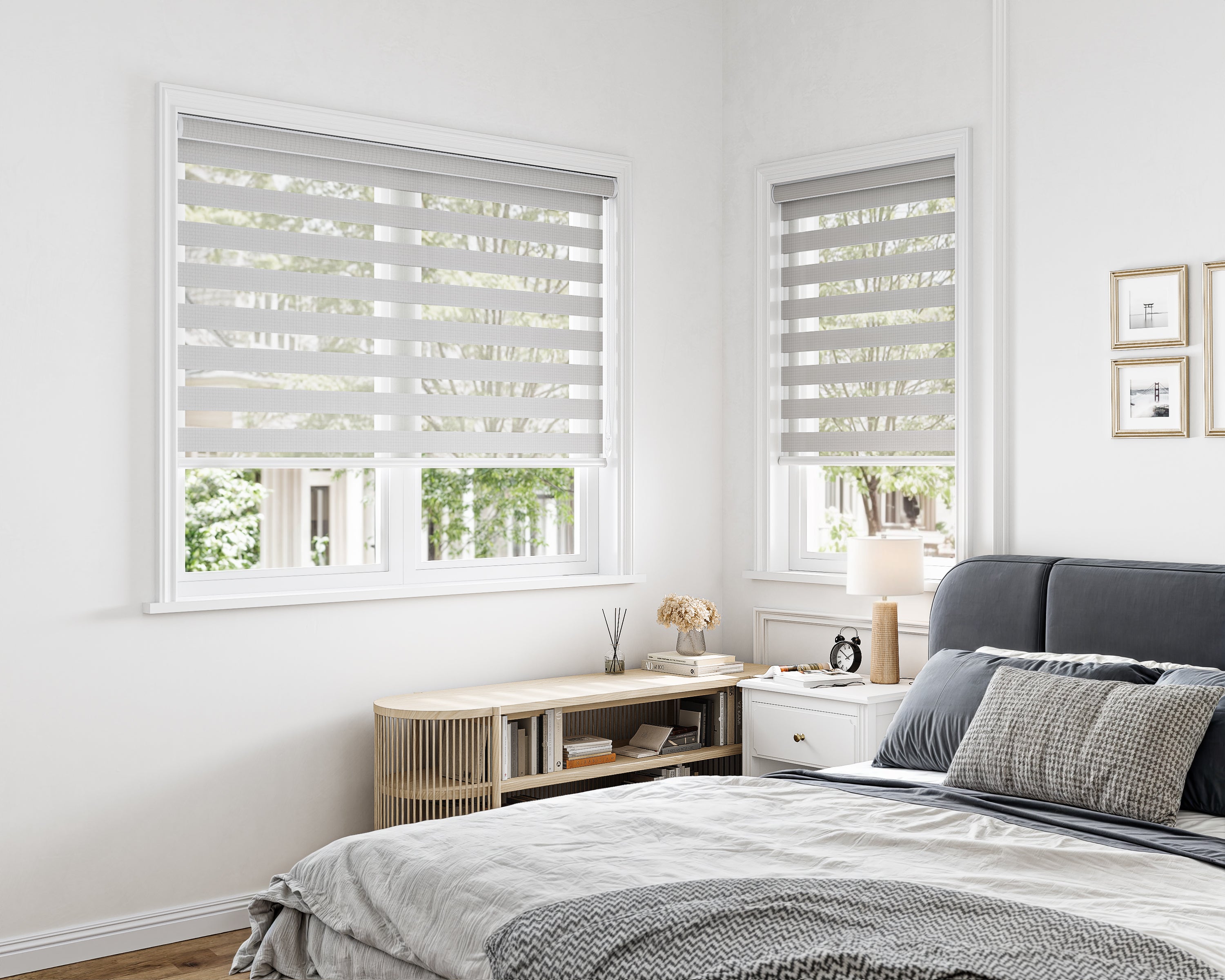
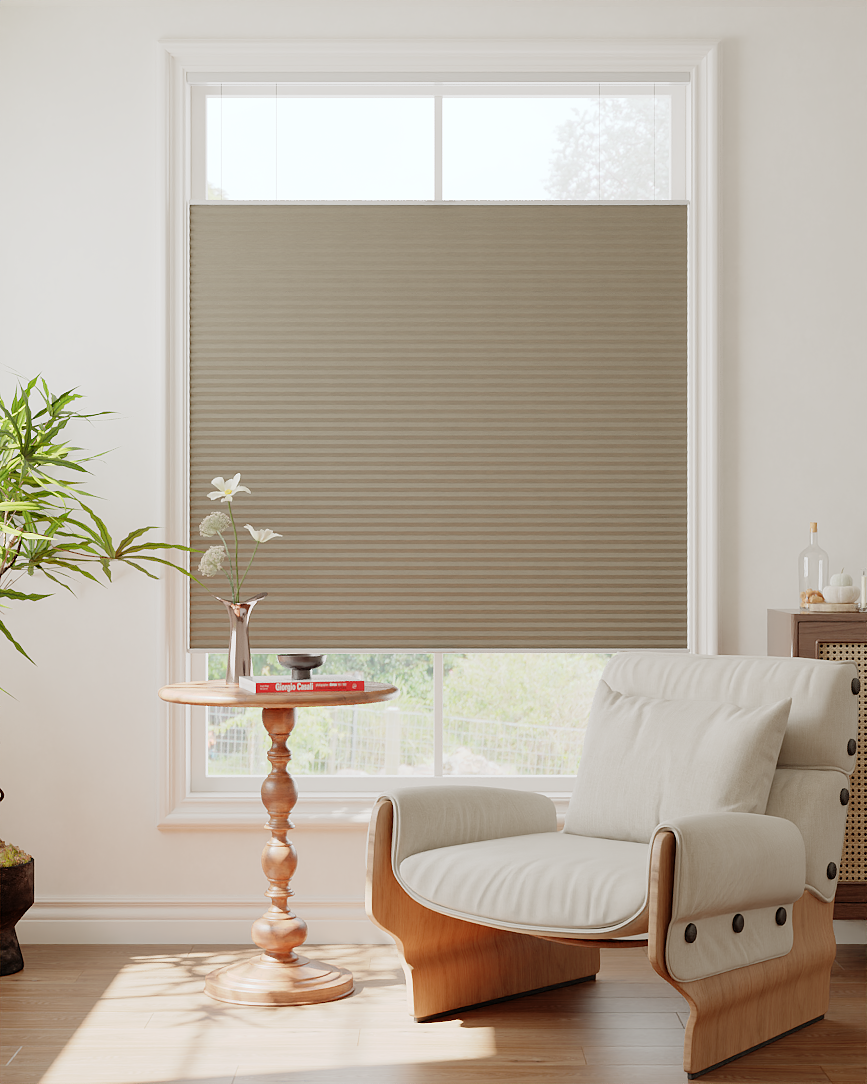
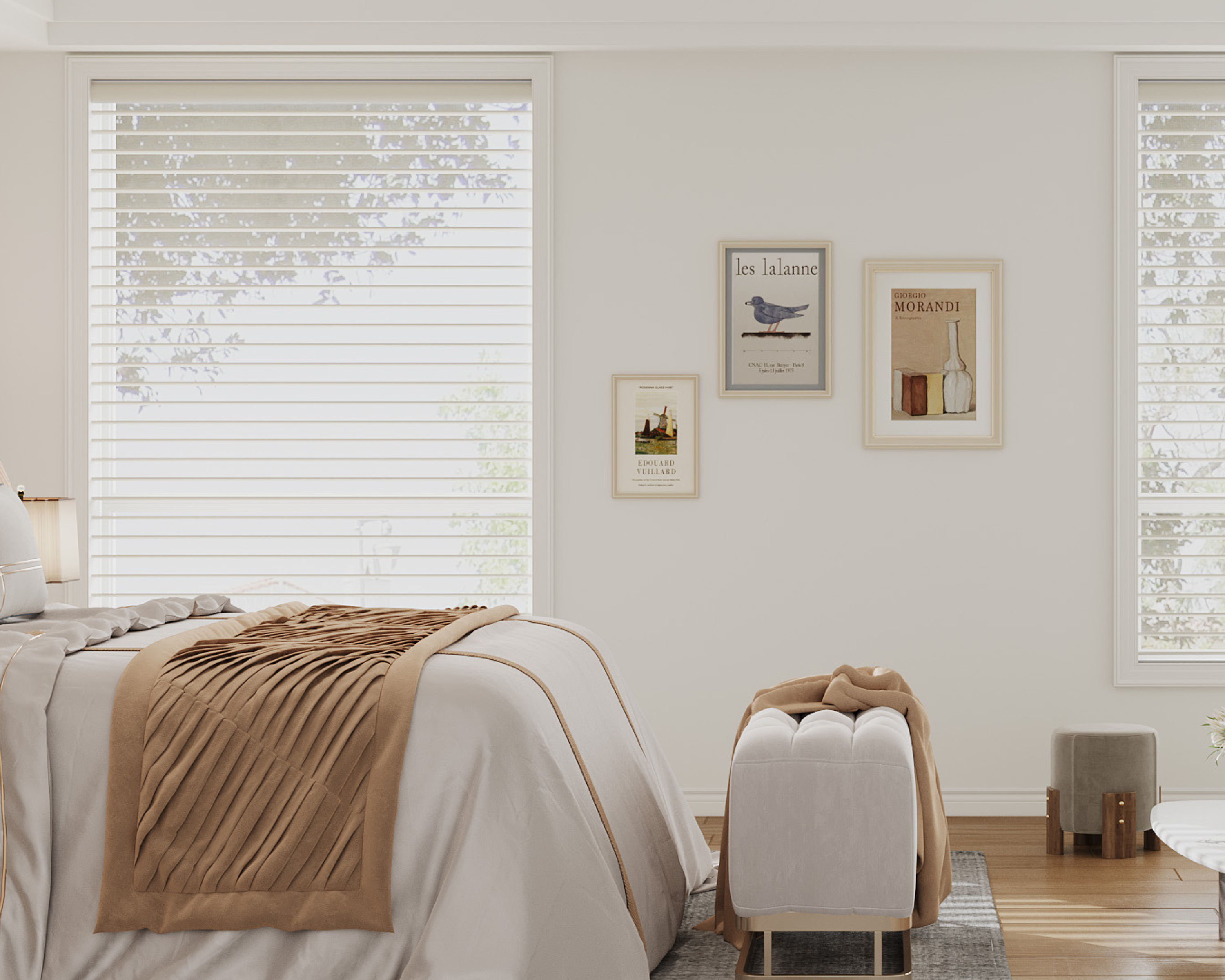
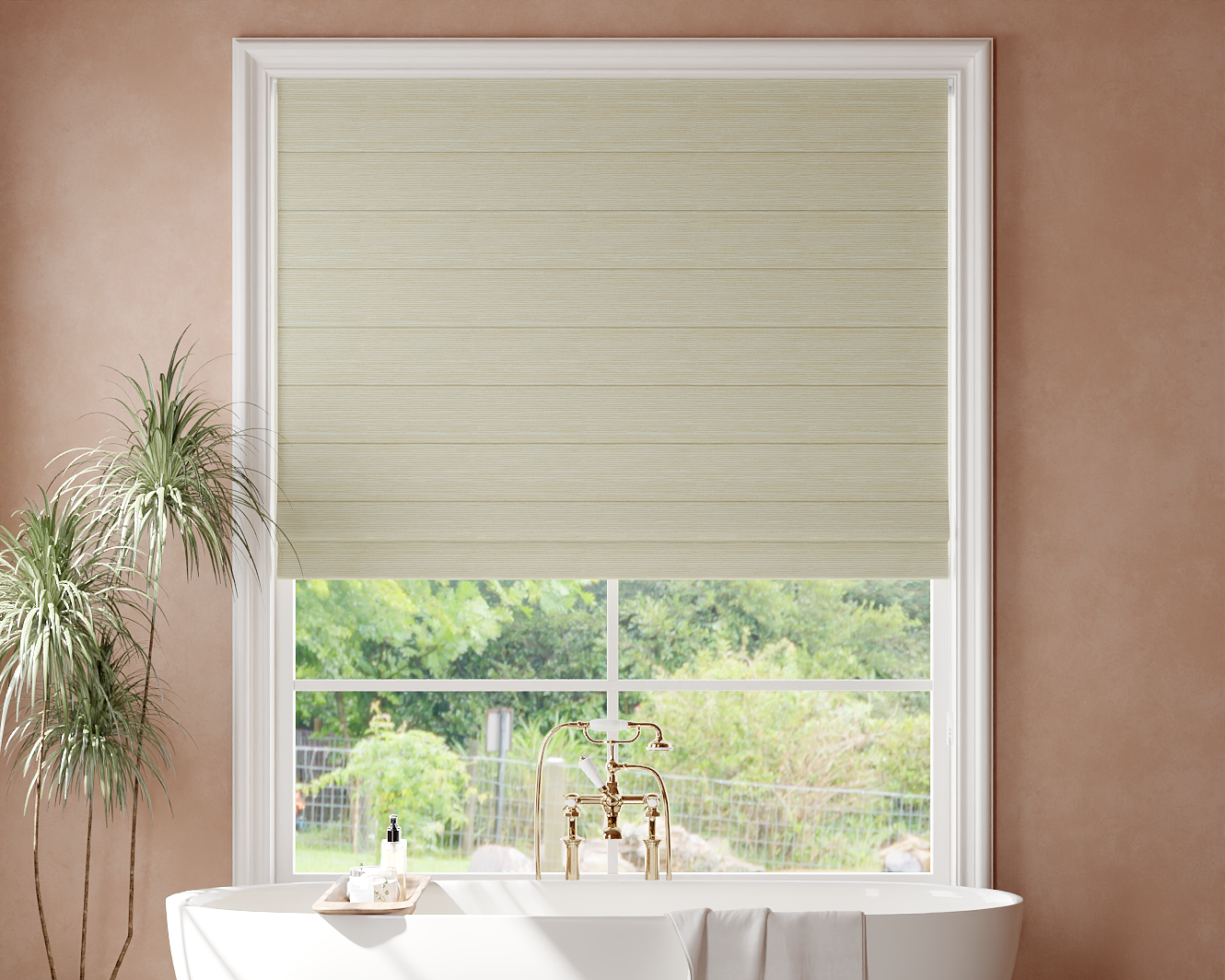
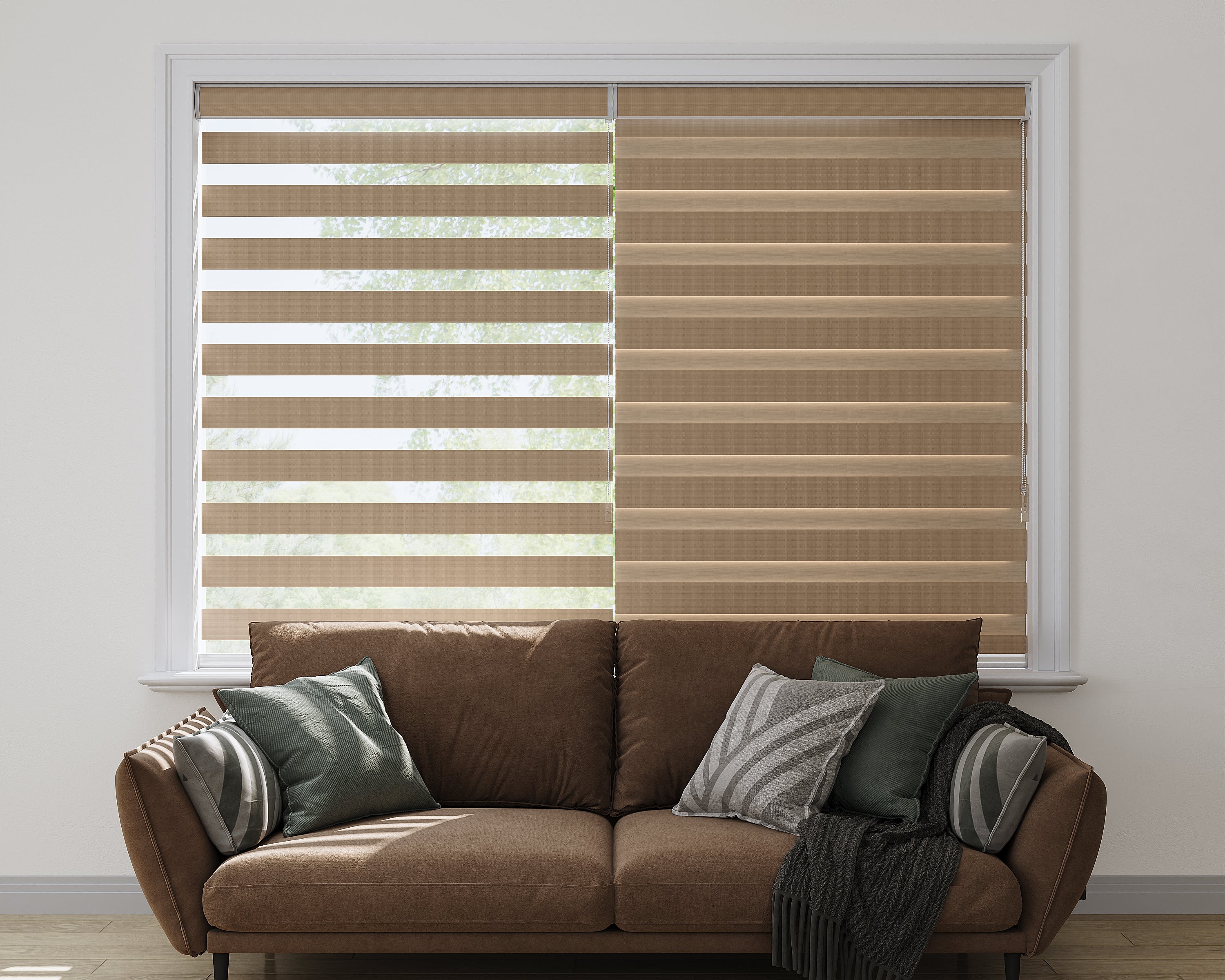
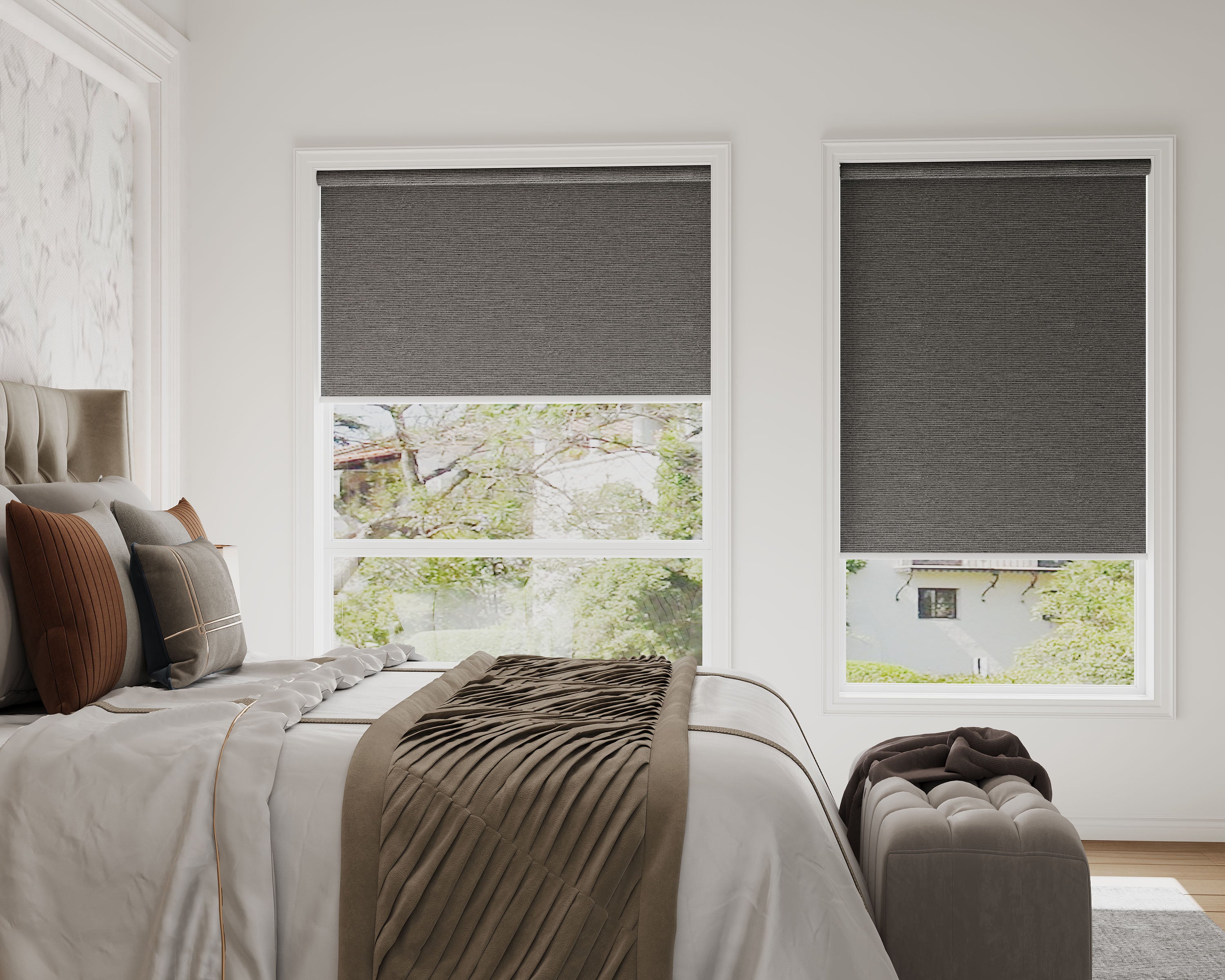
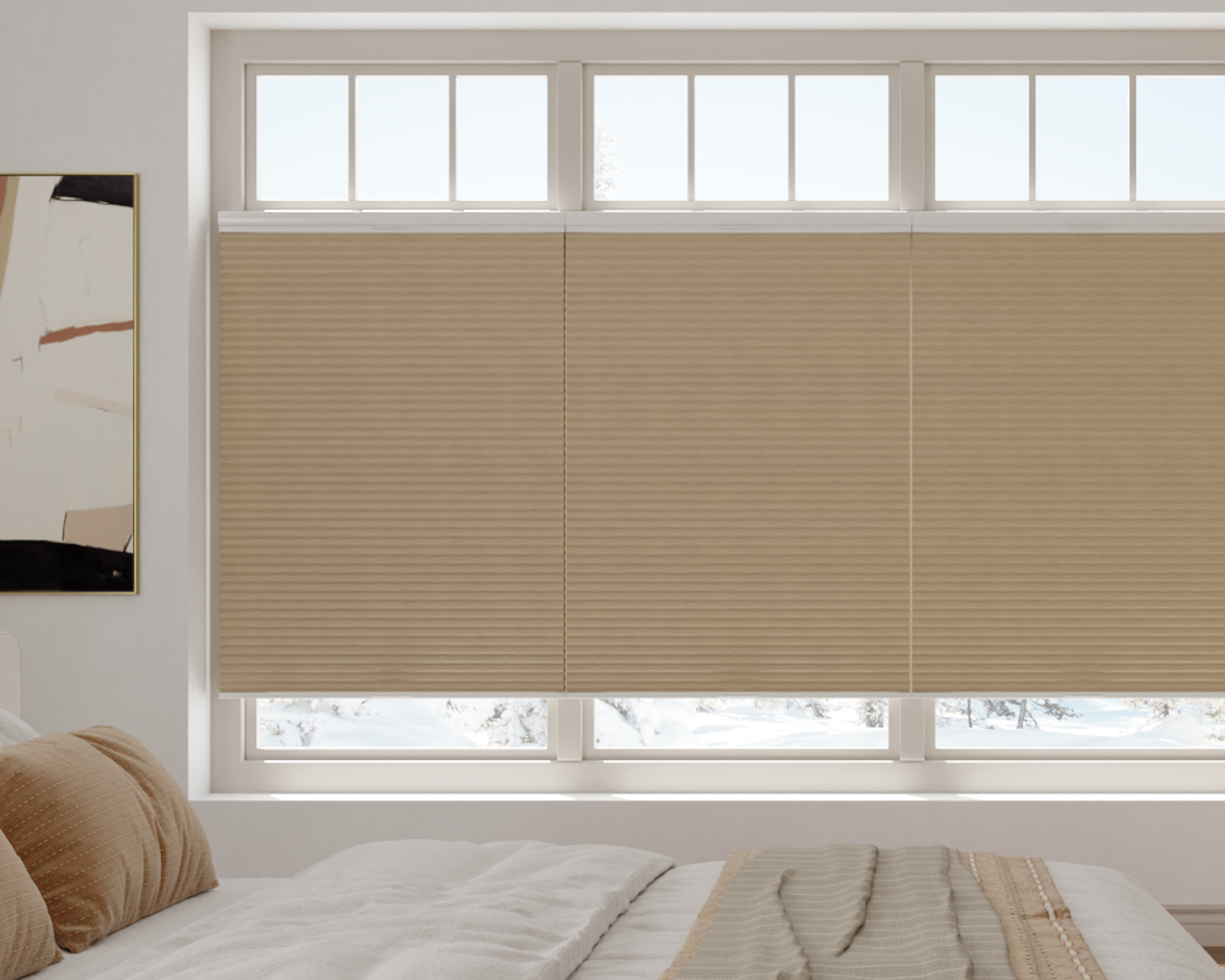
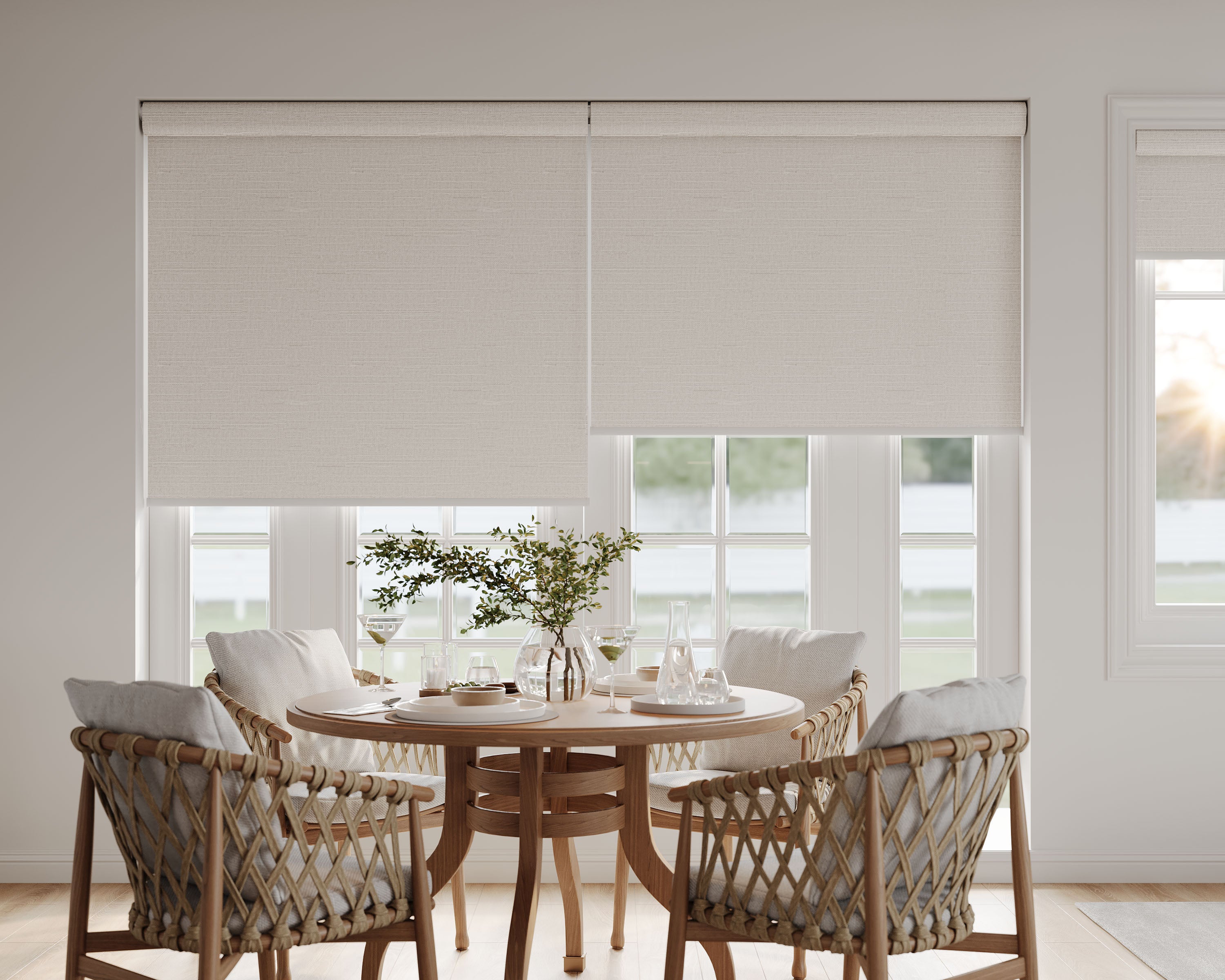


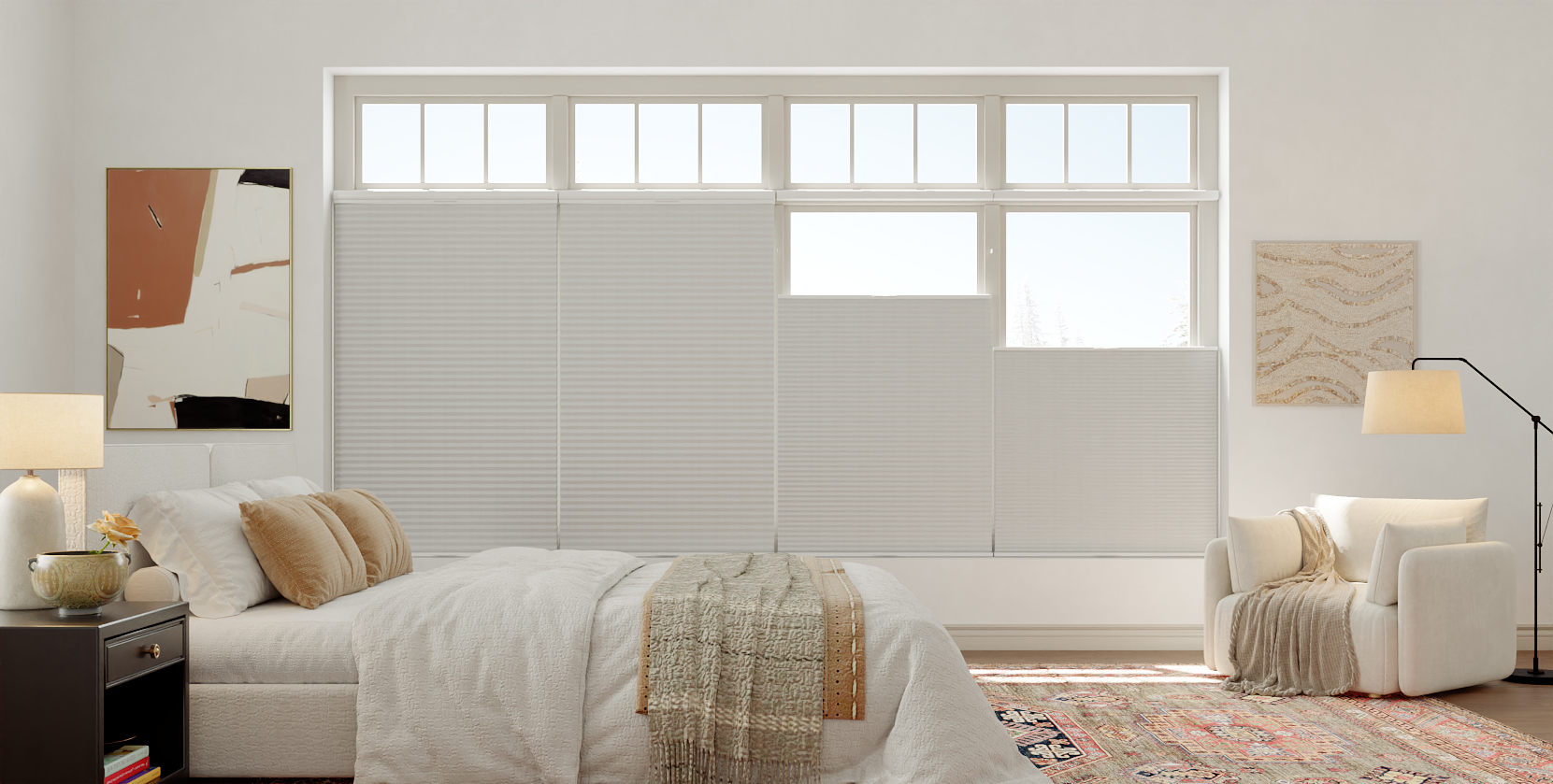


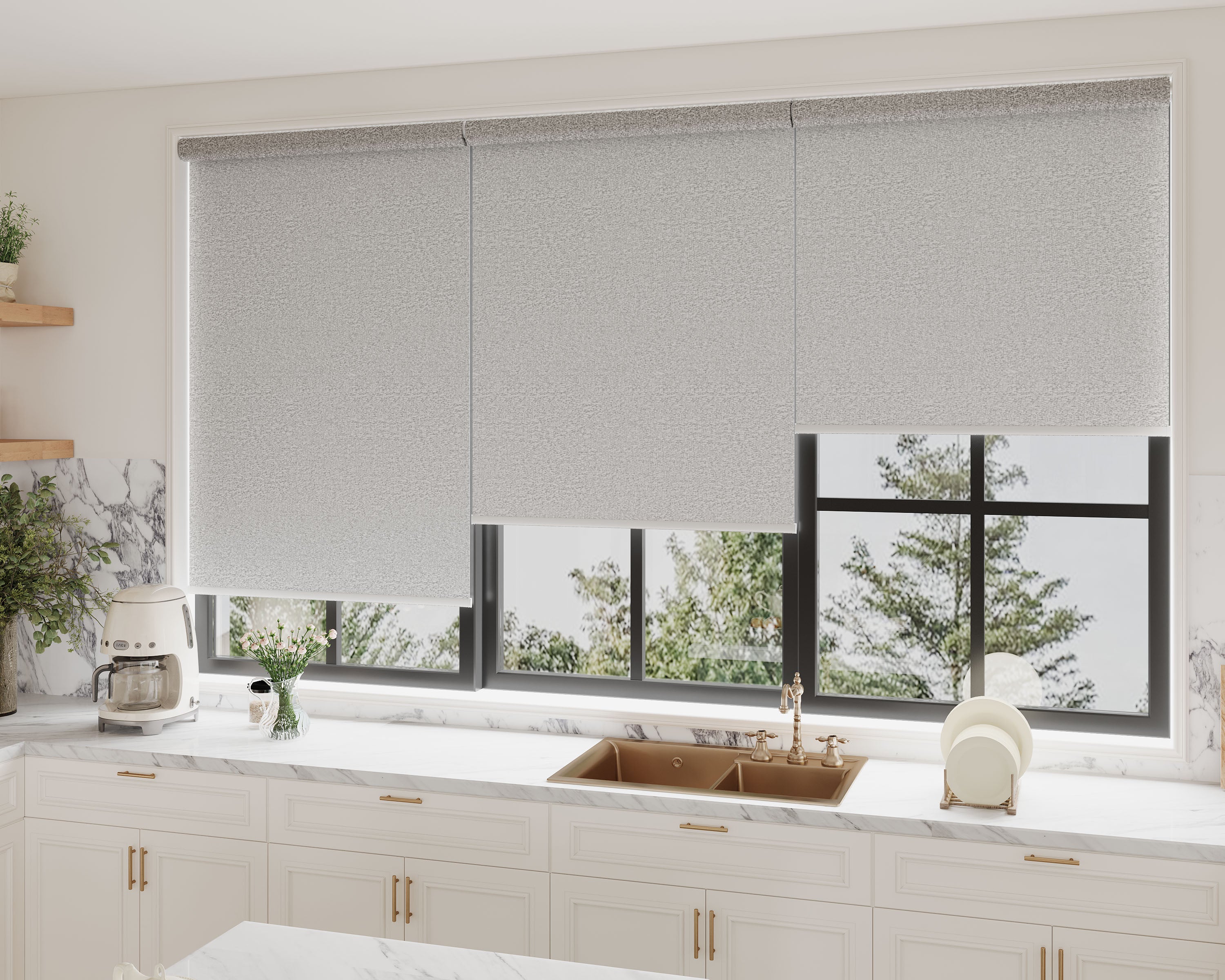

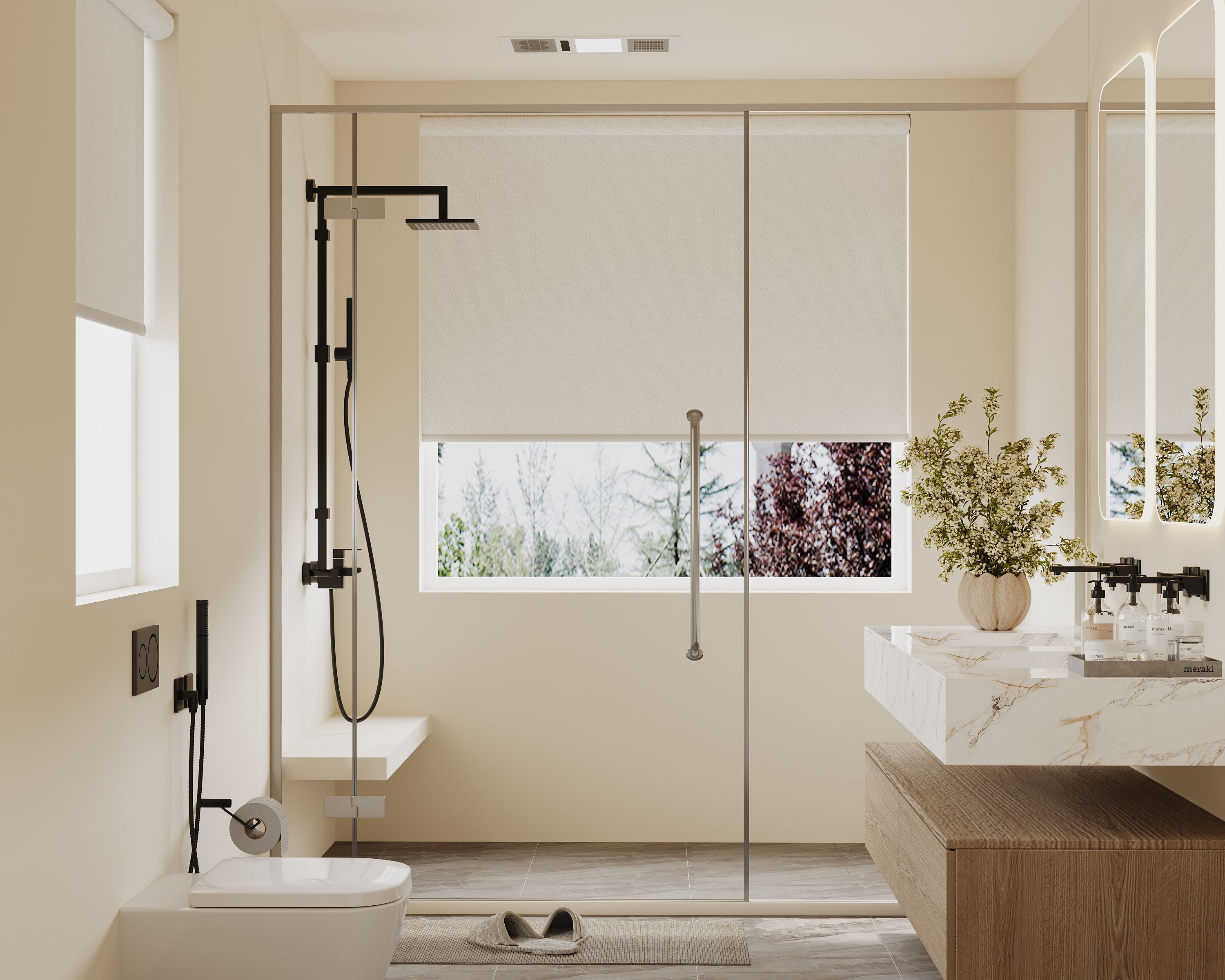


The direct answer is nuanced: Yes, "room darkening" sheer shades are a real and available product category, but traditional "blackout" sheer shades, in the purest sense, are not. You can find shades that maintain the soft, textured look of sheers while incorporating materials that block significantly more light for enhanced privacy and dimming. However, achieving total darkness typically requires either advanced fabric technology or a layered approach. For those seeking this elegant balance, exploring modern sheer shade collections that include room darkening fabrics is the perfect starting point.
If you love the airy, soft-light aesthetic of sheers but need more control for sleep or media rooms, you have excellent options. This guide will clarify exactly what's available.
-
The definitive difference between sheer, room darkening, and blackout, and where hybrid products fit.
-
How room darkening sheer shades work – the specific design that makes them possible.
-
Practical alternatives for achieving near-total darkness while preserving a light, layered look.
-
A room-by-room application guide to help you choose the right level of light control.
Understanding the Light Control Spectrum: Sheer, Room Darkening, and Blackout
To understand what's possible with sheer shades, you must first understand the continuum of light control. These are not just marketing terms but descriptions of measurable performance.
The key takeaway is that room darkening is a middle ground, and it's into this category that "room darkening sheer shades" fall.
The Reality of Room Darkening Sheer Shades
This hybrid product does exist. Major retailers offer "Room Darkening Sheer Shades," which are engineered to provide the aesthetic of a sheer with the functionality of a light-dimming shade.
How They Work: These are often designed as horizontal sheer shades or blinds. They feature room darkening fabric vanes (in sizes like 2" or 3") that are suspended between two layers of transparent sheer fabric. You can tilt the vanes like a blind: open them to see through the sheers, or close them to align the opaque vanes and block a majority of the incoming light. One manufacturer notes their room darkening fabric vanes block most light, while the sheer face fabric diffuses what little comes through.
The "Blackout" Clarification: While excellent for dimming, it's important to note that even these room darkening sheers are generally not considered true blackout. As one buyer's guide states, shades like zebra or sheer types "cannot achieve 100% blackout performance". Small light gaps around the edges and the inherent nature of the fabric layers mean some light may filter through.
How to Achieve Maximum Darkness with a Sheer Aesthetic
If your goal is a room that can transition from a soft, bright daytime look to a dark, private space for sleeping or movie-watching, you have two powerful strategies that are often better than seeking a single "blackout sheer" product.
Strategy 1: Layer Sheer Shades with Dedicated Blackout Shades
This is the most effective and flexible method. By installing two separate shades on a double bracket or track, you get independent control.
-
Daytime: Raise the blackout shade to enjoy the full light-filtering and view-preserving benefits of your beautifully layered sheer shades.
-
Nighttime or Movie Time: Lower the blackout shade. For the darkest effect, choose a blackout shade with side channels or ensure an outside mount to eliminate pesky light gaps around the edges.
Strategy 2: Opt for Advanced Fabrics & Integrated Systems
Some high-end shade systems offer a "dual" or "day & night" fabric within a single shade cassette. For example, a honeycomb shade might offer a sheer front fabric and a blackout rear fabric on a single roller, allowing you to switch between them. Other companies offer roller shades with optional light-guard systems—side and bottom channels that physically block light leaks, which can be paired with a room darkening fabric to create a true blackout environment.
Decision Guide: Choosing the Right Option for Your Room
Your room's function and your personal sensitivity to light are the ultimate deciding factors. This guide helps you translate your needs into a product choice.
| Room & Priority | Recommended Solution | Why It Works |
|---|---|---|
|
Living/Dining Room (Priority: Ambiance, View) |
Standard Sheer Shades or Room Darkening Sheers. | Provides soft light, preserves the view, and offers enough privacy during the day. Room darkening sheers help with evening glare. |
|
Home Office (Priority: Glare Reduction, Privacy) |
Room Darkening Sheer Shades or layered sheers with room darkening panels. | Effectively cuts monitor glare while preventing the cave-like feeling of full blackout. Maintains a professional, airy look. |
|
Bedroom (Moderate Light) (Priority: Sleep Aid, Morning Light) |
Room Darkening Sheer Shades or layered solutions. | Dims the room significantly for sleep but allows a gentle morning glow to help with natural wake cycles. |
|
Bedroom (Light-Sensitive) / Nursery / Media Room (Priority: Total Darkness) |
Layered System: Sheers + True Blackout Shades (with side channels if possible). | This is the only way to guarantee near-total darkness while still having the sheer aesthetic available during daytime hours. |
Conclusion and Key Highlights
You don't have to choose between a beautiful, view-friendly window and a functional, dark room. The market provides elegant solutions in the form of room darkening sheer shades, and smart design strategies like layering offer the ultimate control.
Key Highlights:
-
Room darkening sheer shades are a real product that uses opaque vanes between sheer layers to dim a room by 70-95%.
-
True blackout performance (95-100% light block) is difficult to achieve with a single sheer fabric structure; it typically requires layered fabrics or integrated light-sealing systems.
-
Layering is the most versatile solution. Combining a sheer shade with a dedicated blackout shade on a double track gives you complete, independent control over light, view, and privacy for any time of day or night.
-
Match the solution to the room's true need. Use room darkening sheers for living spaces and mild sleep zones, but invest in a layered blackout system for rooms where darkness is critical for sleep or media viewing.
By understanding the technology and design strategies available, you can successfully marry the soft, elegant look of sheers with the practical need for darkness and privacy.
Shop Sheer Shades by Light Control


Frequently Asked Questions (FAQ)
What is the difference between room darkening and blackout in sheer shades?
The difference is in the degree of light blockage. Room darkening sheer shades are designed to significantly dim a room (blocking 70-95% of light) but will still allow a soft glow or faint light penetration. True blackout aims for near-total darkness (95-100% light block), which is extremely difficult to achieve with the inherently translucent materials of a sheer shade without additional layers or light-sealing hardware.
Can I make my existing sheer shades more darkening?
You can improve their performance, but you cannot change their fundamental opacity. The most effective method is to add a separate blackout liner or a second blackout shade behind them in a layered setup. Ensuring an outside mount and sealing light gaps with side channels can also dramatically improve the darkness achieved by any shade.
Are room darkening sheer shades good for bedrooms?
They are an excellent choice for bedrooms where the sleeper is not highly sensitive to light. They create a dim, restful environment conducive to sleep while often allowing a gentle, natural morning light to filter in, which can help regulate your circadian rhythm. For those who need pitch blackness to sleep, a layered system with a true blackout shade is still the recommended choice.
Do room darkening sheer shades provide privacy at night?
They provide significantly more privacy than standard sheers, but with limitations. When closed, they obscure shapes and details, making it difficult to see inside. However, because they dim rather than completely block internal light, silhouettes or shadows may still be visible from the outside at night if the room lights are on. For complete night-time privacy, a blackout layer is necessary.
