
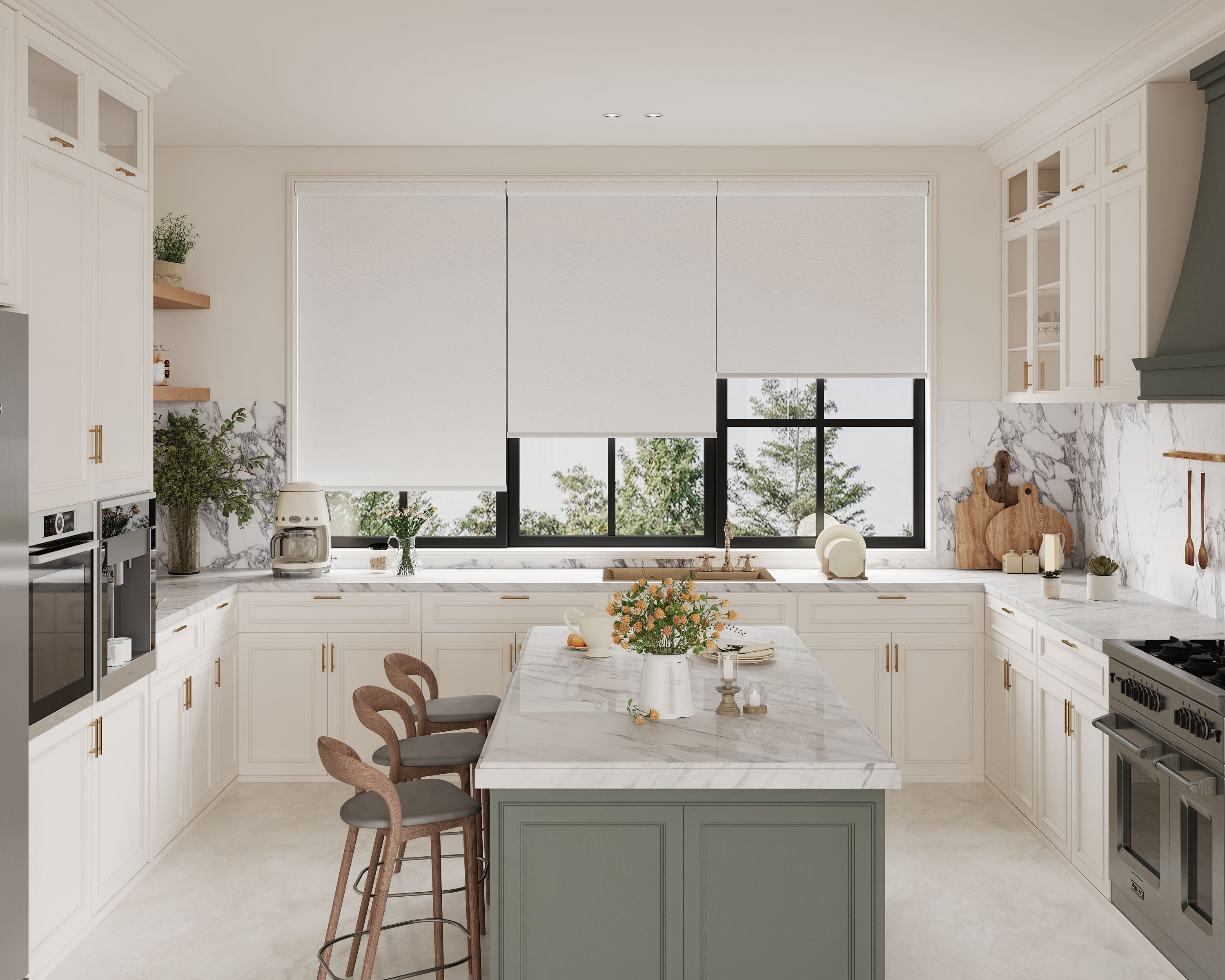
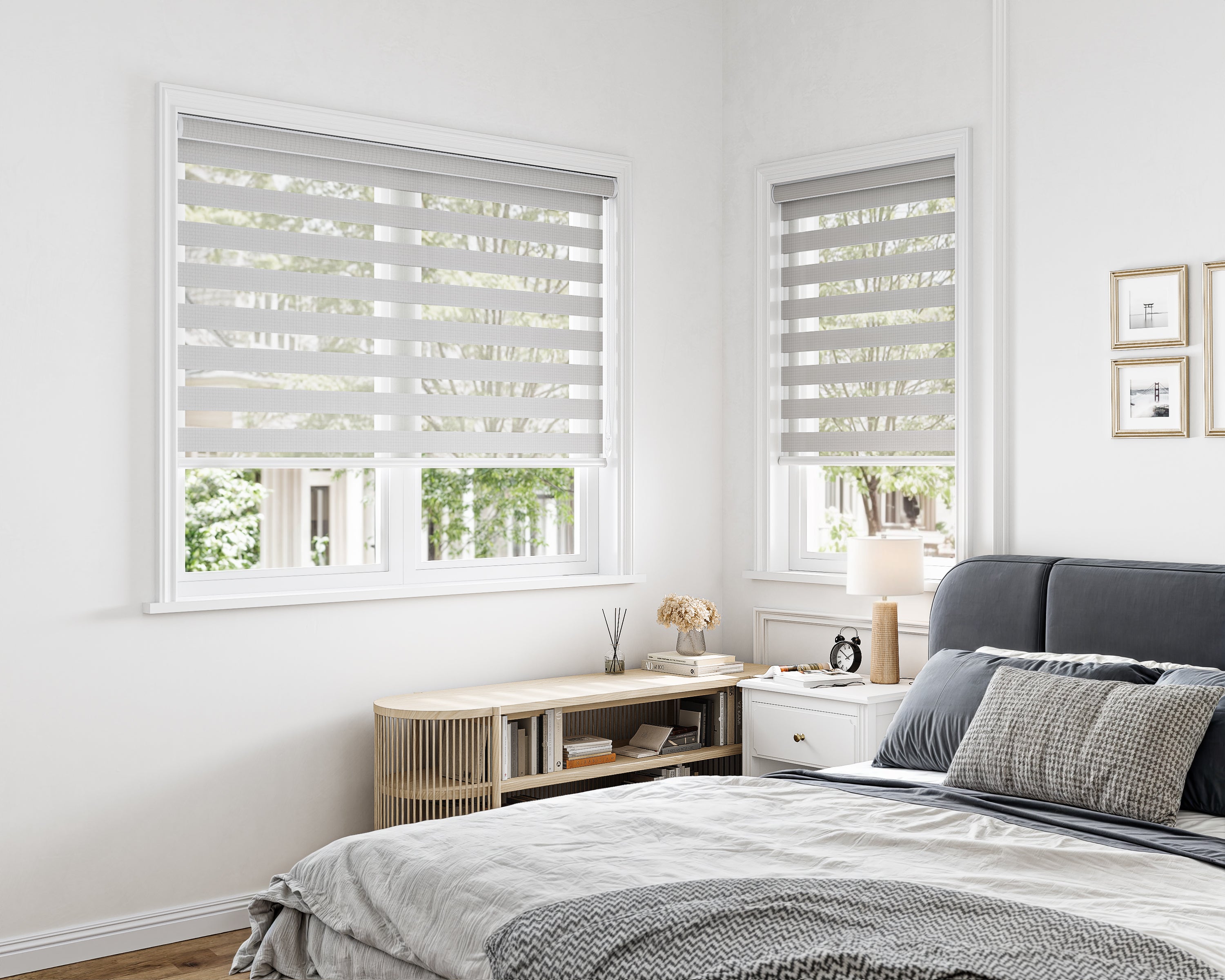
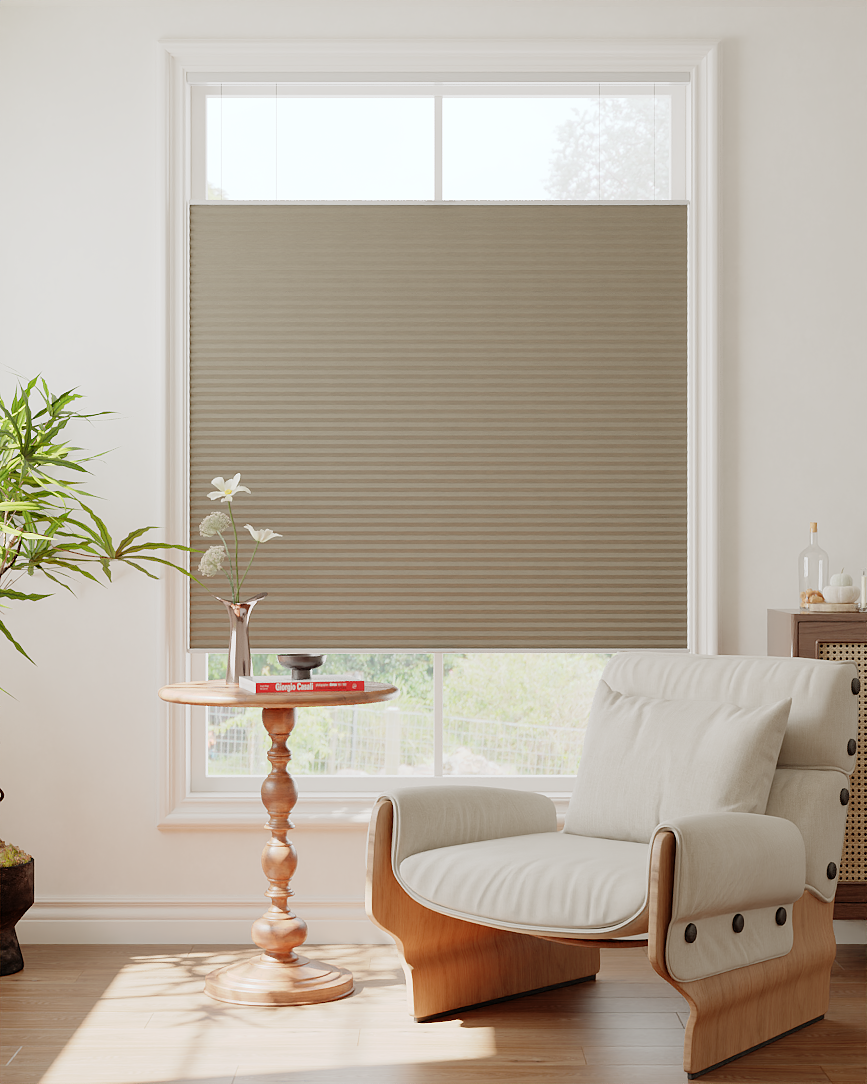
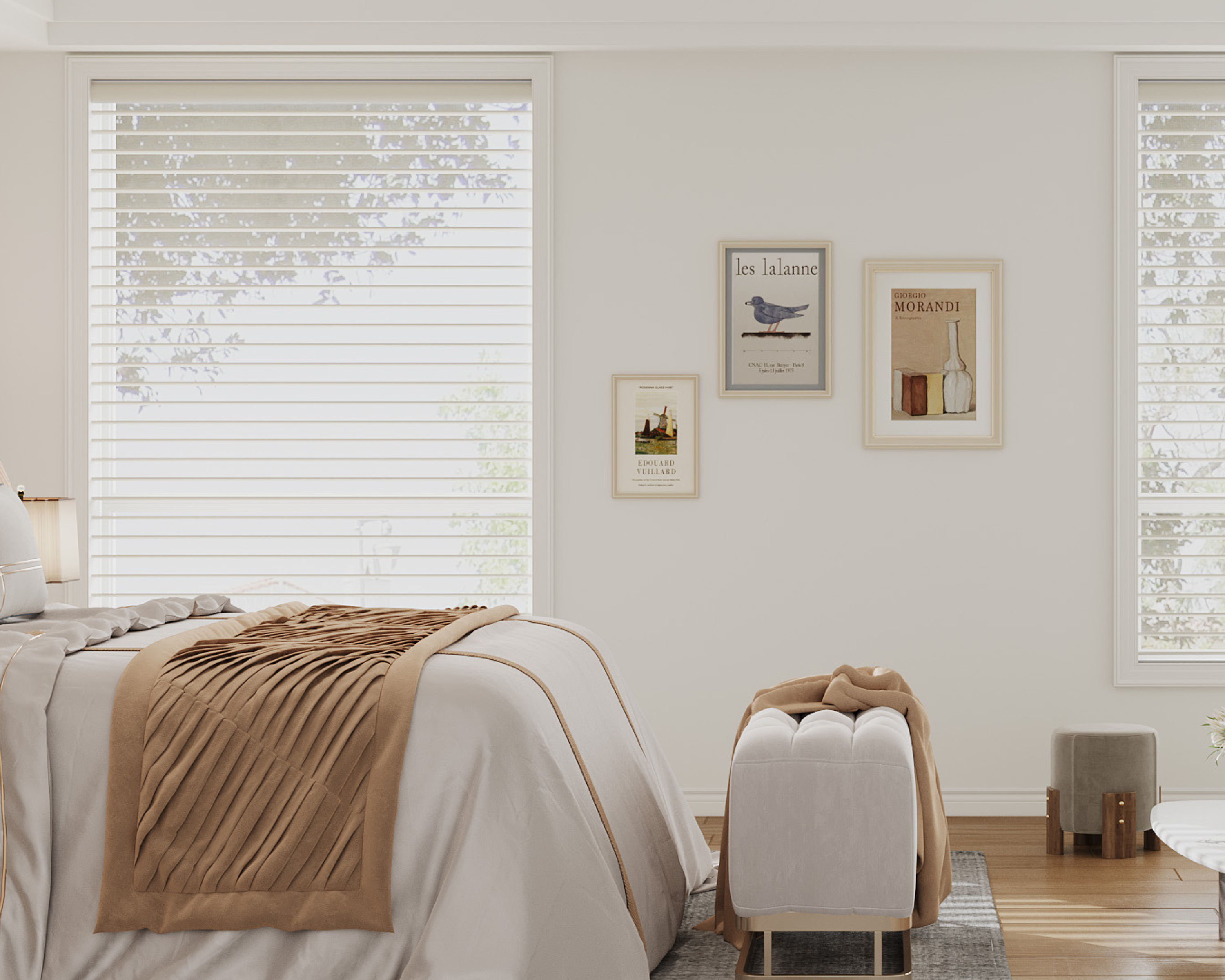
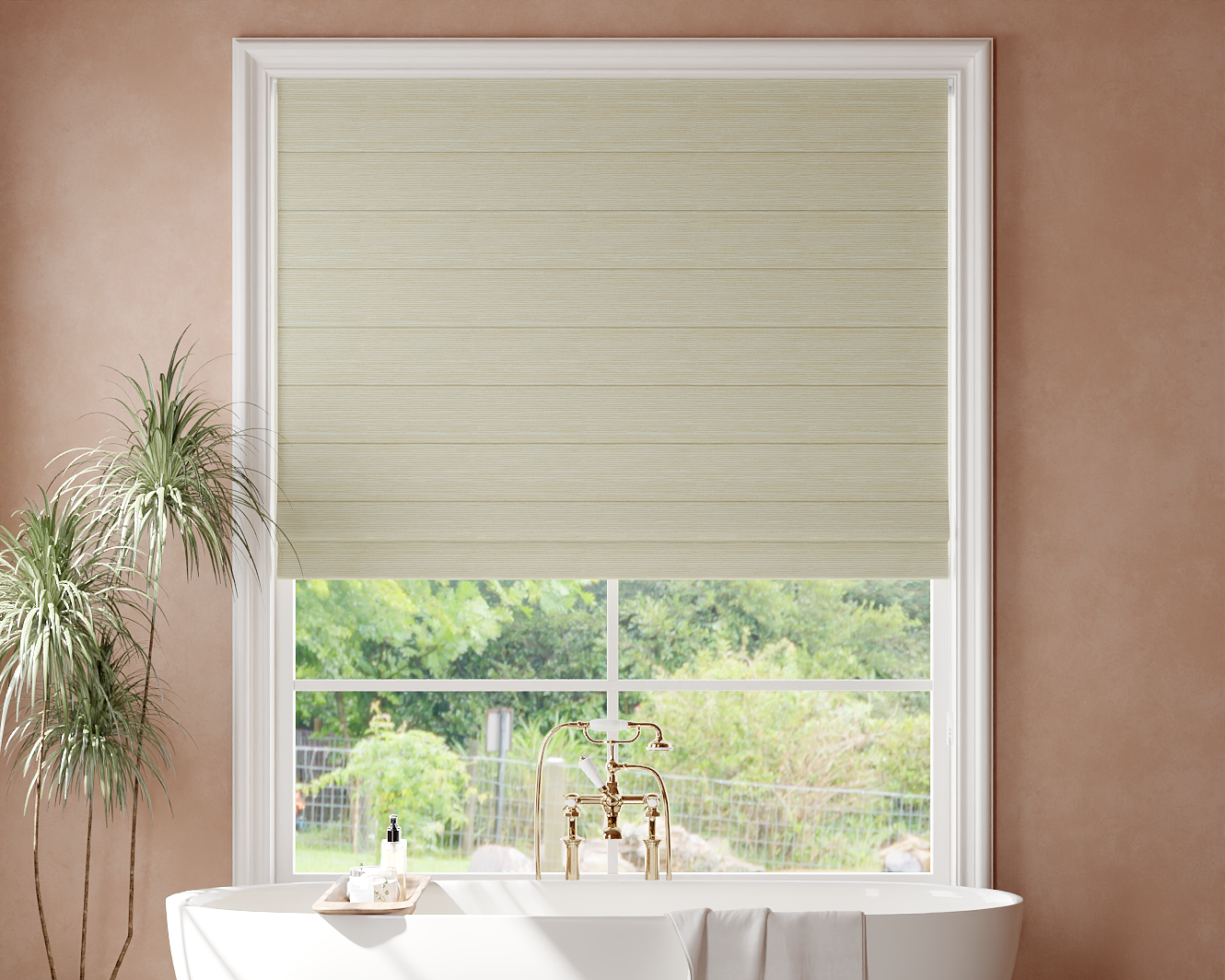
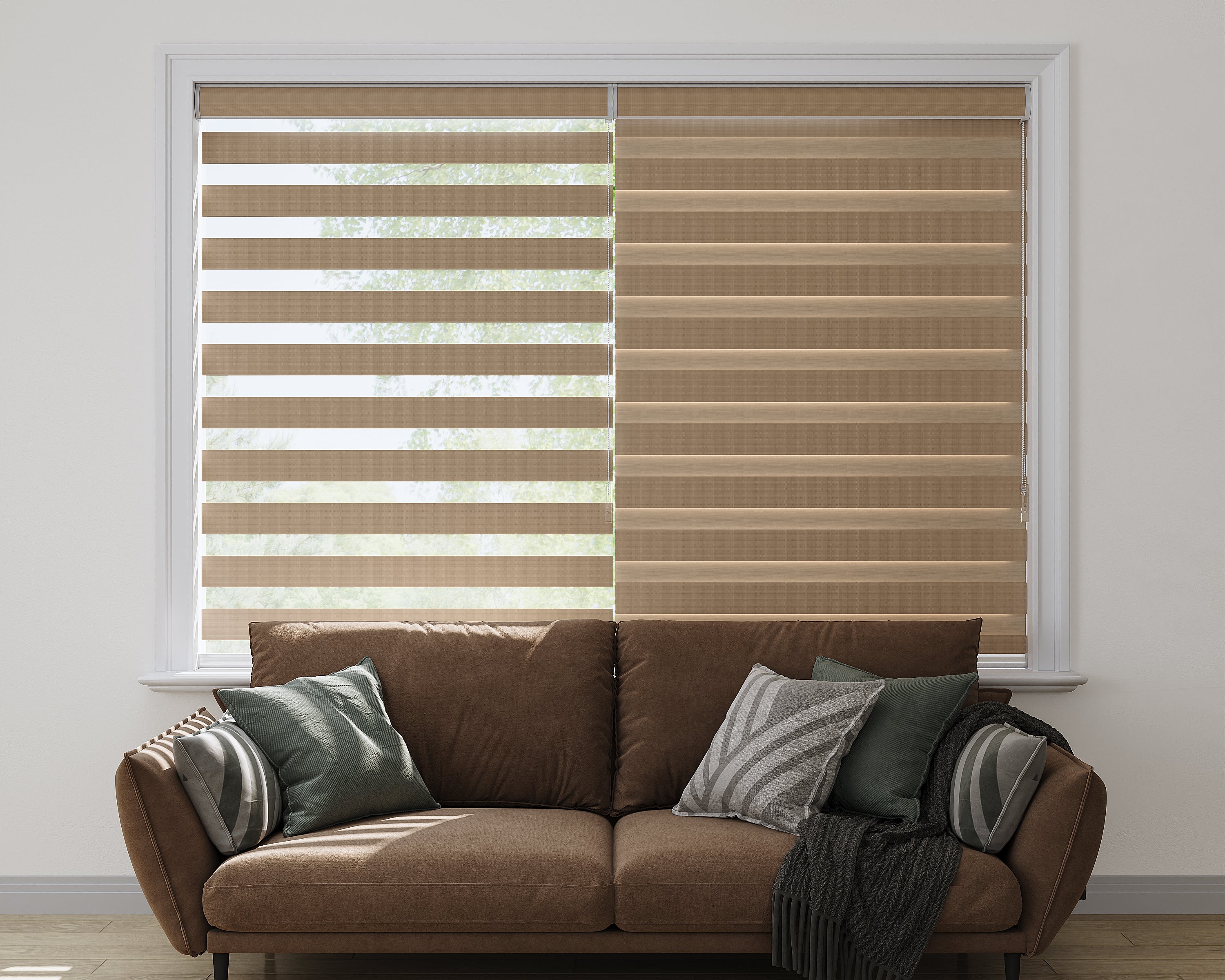
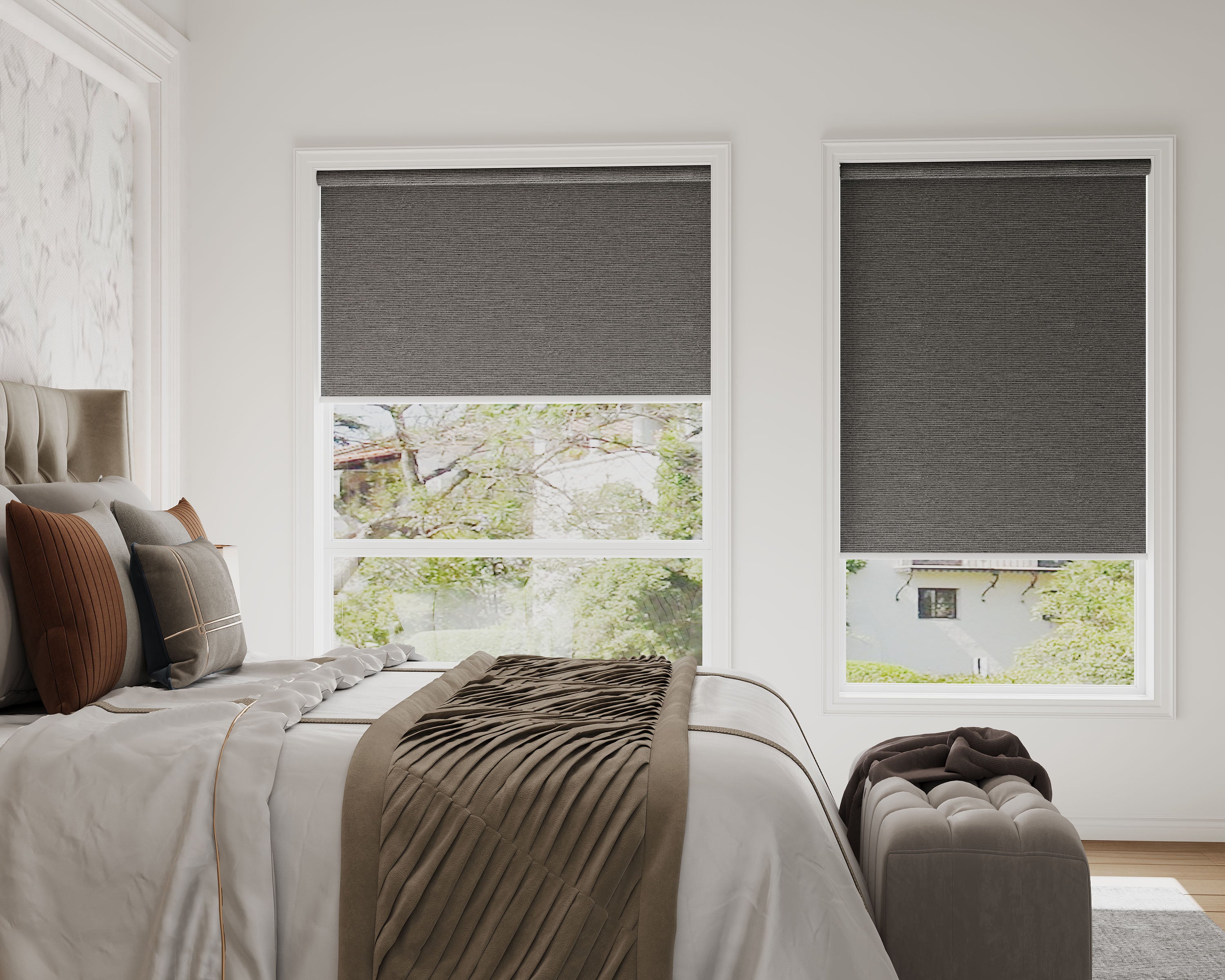
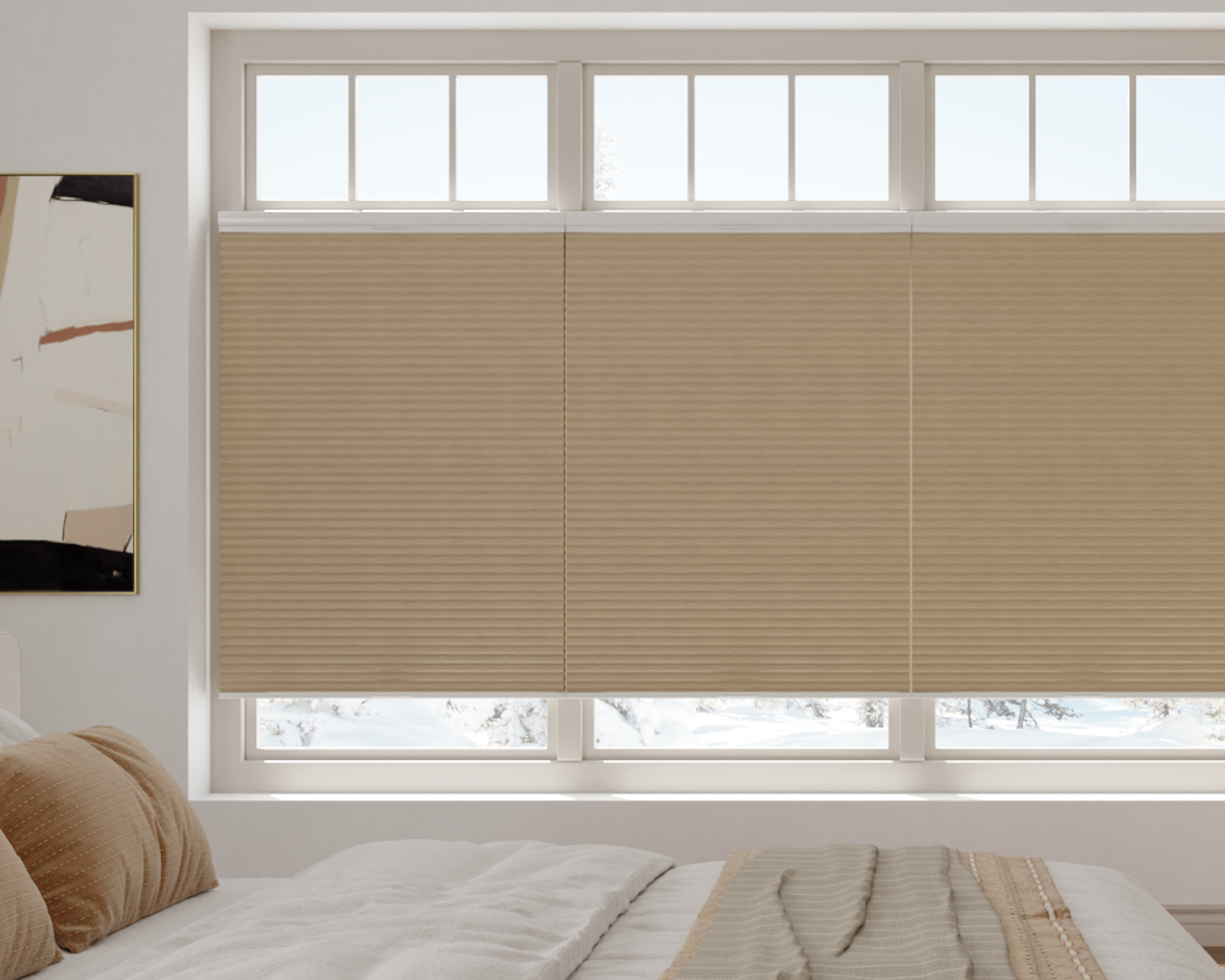
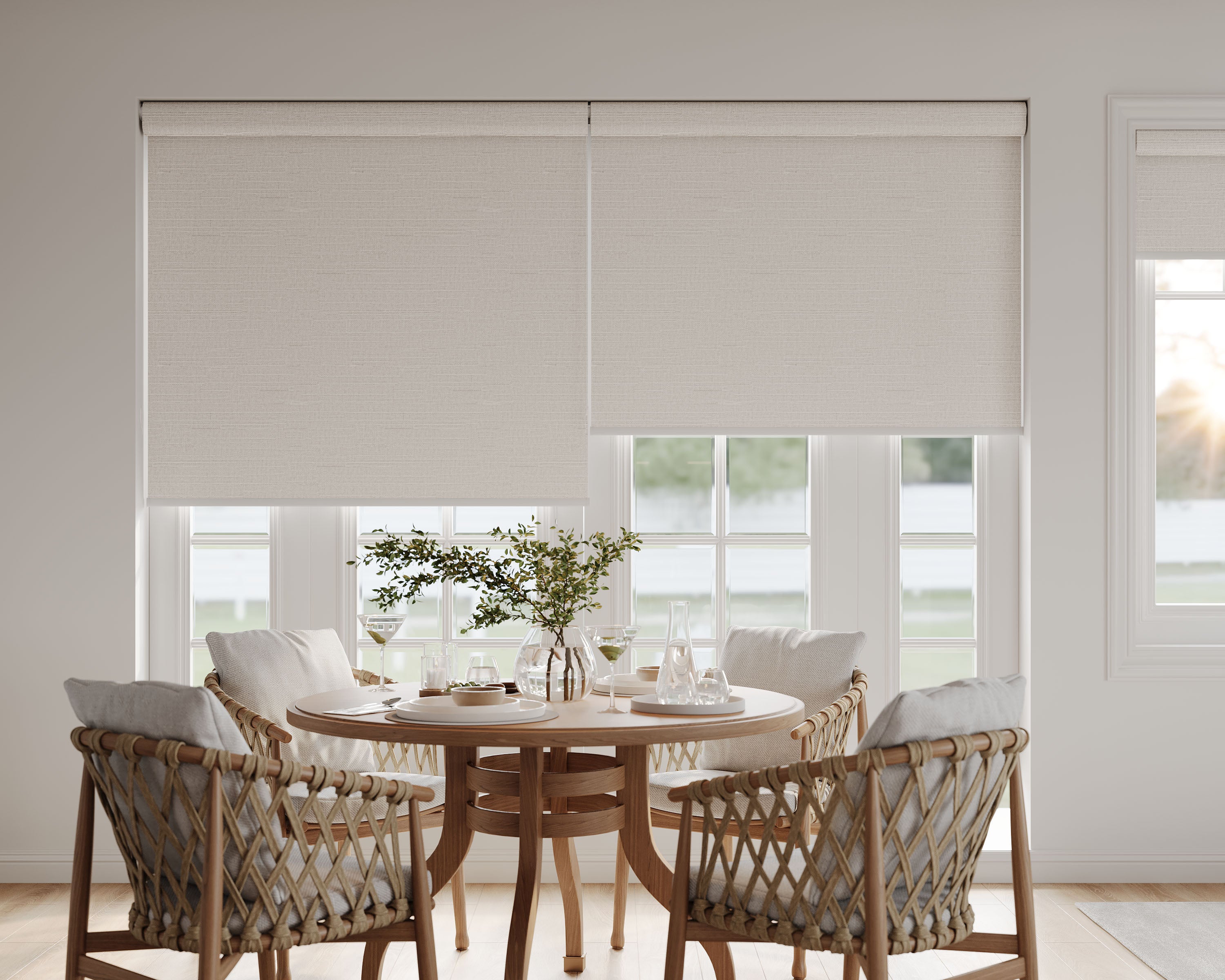


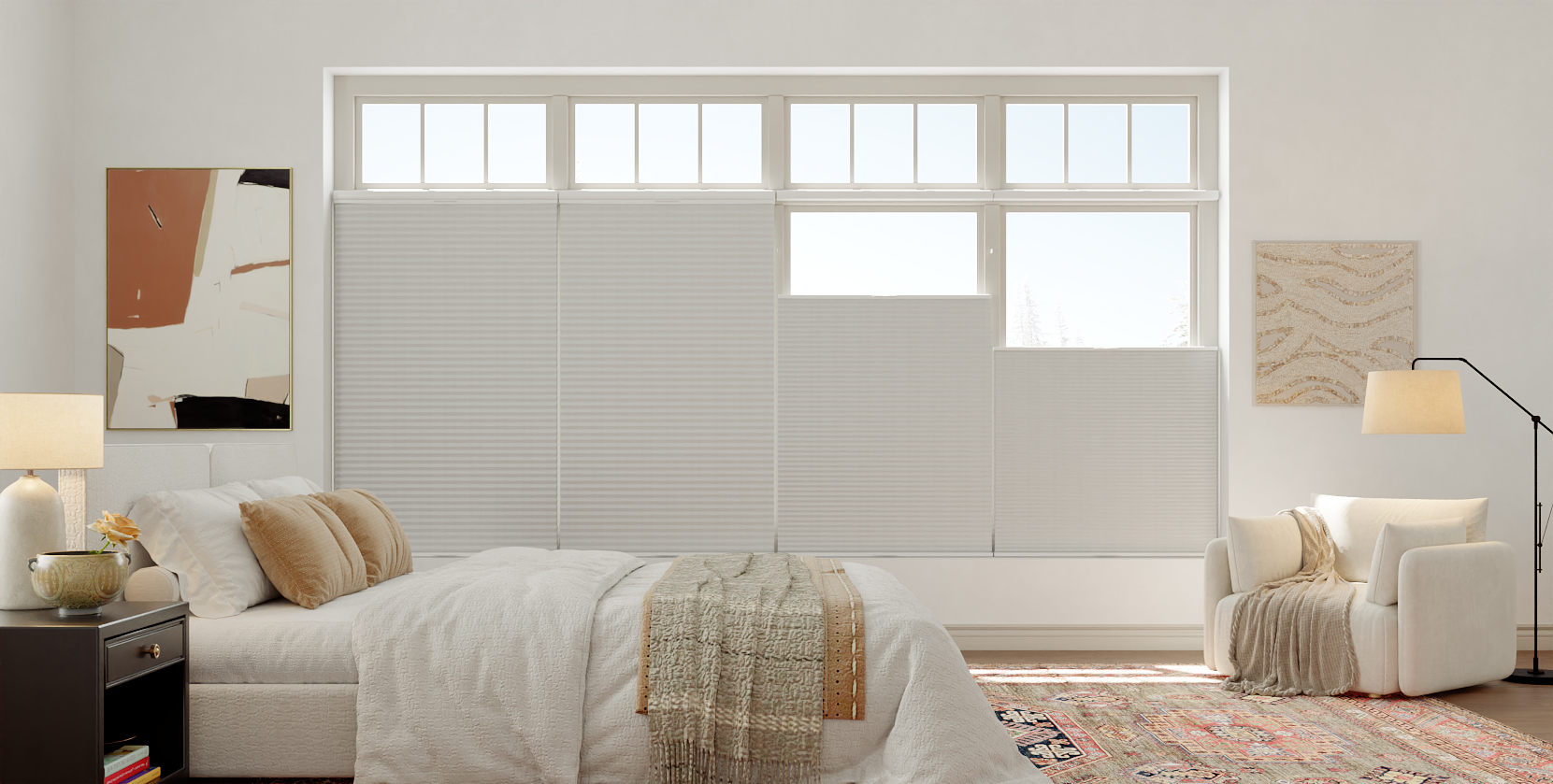


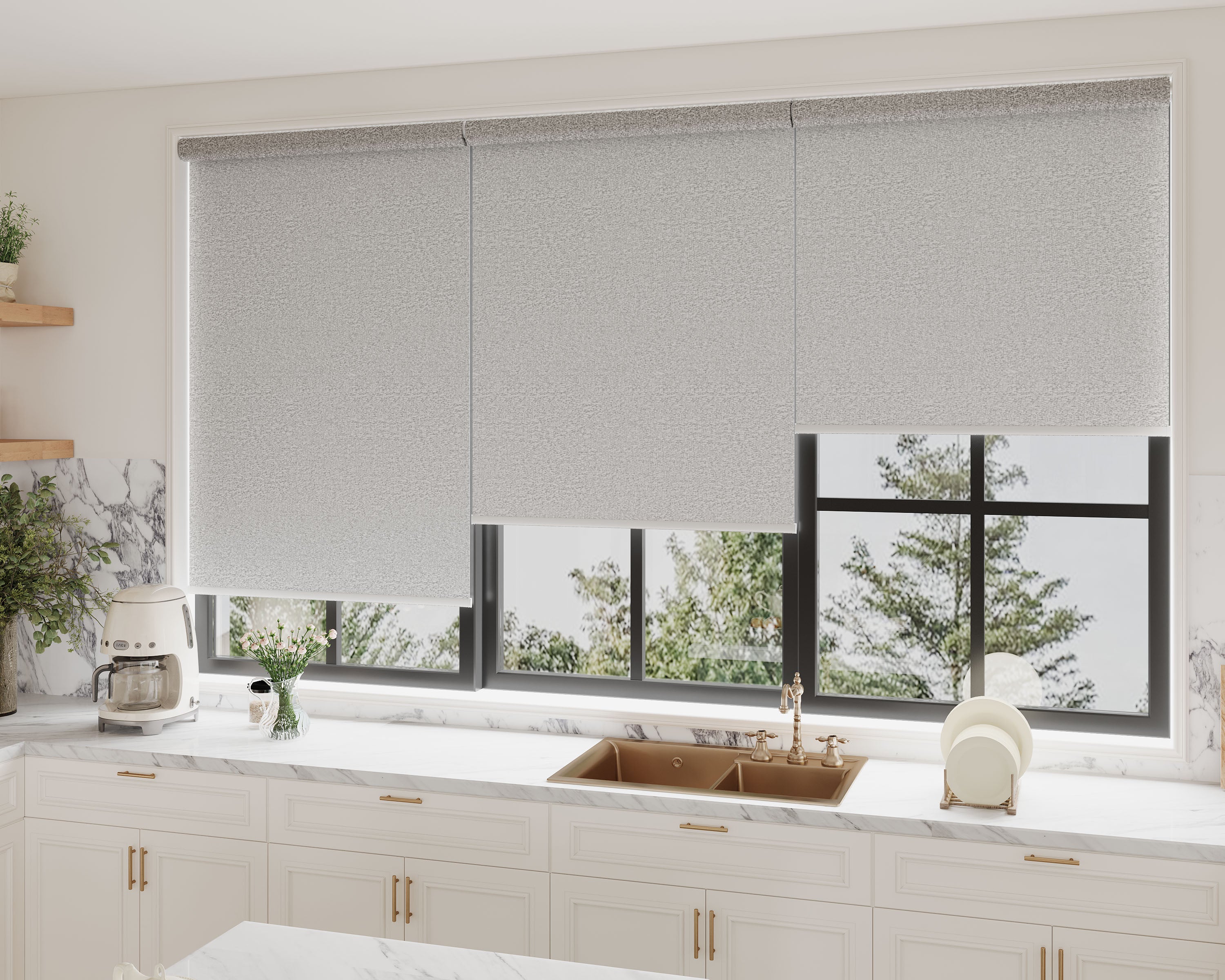

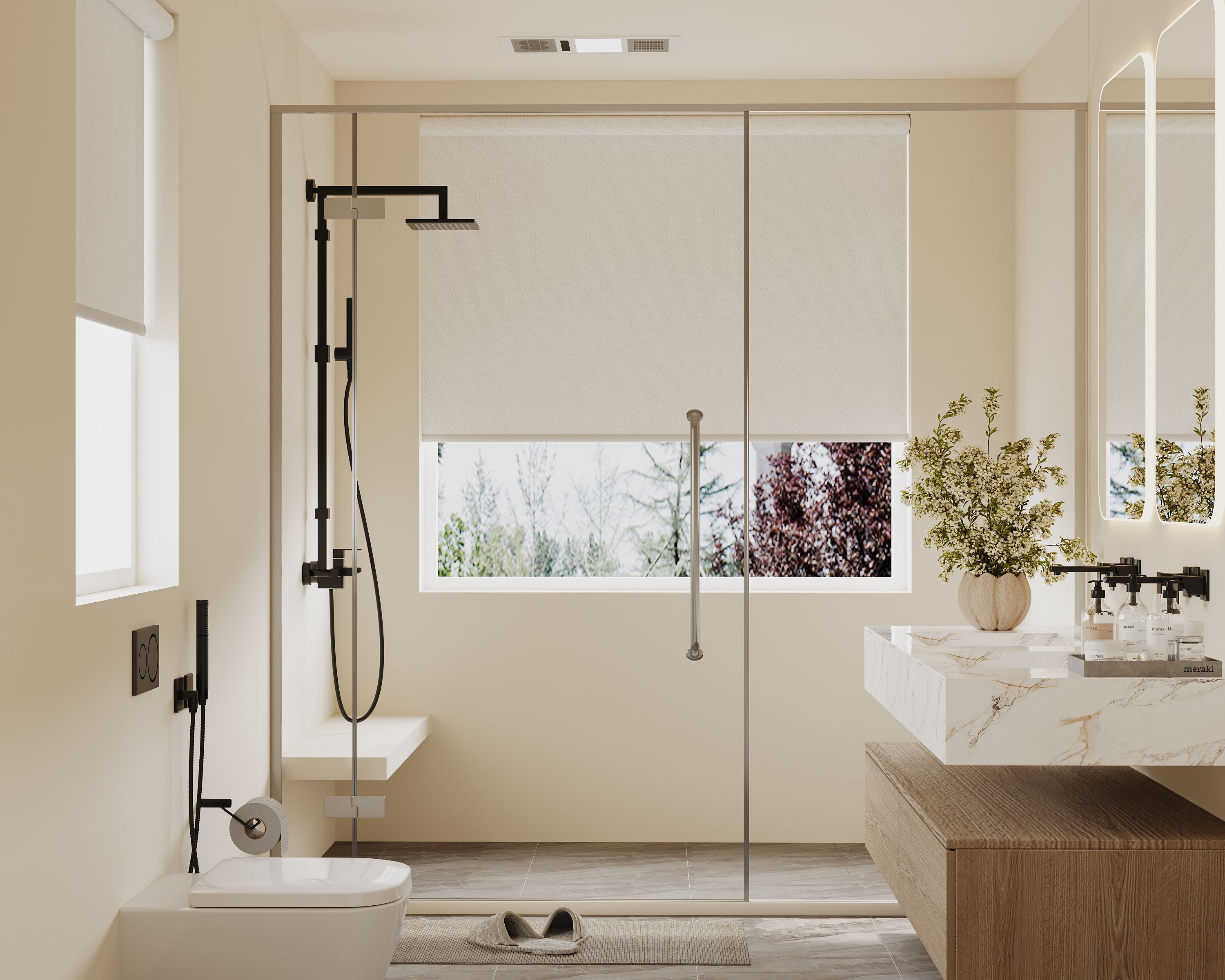


The perfect fit for inside-mount sheer shades is achieved by measuring the width and height in three places within the window recess and, most critically, confirming you have sufficient frame depth. Manufacturers will use your smallest width and largest height measurements to build your shades, ensuring they never stick or drag. Before you begin, ensure you're choosing the right style by understanding the distinct benefits of inside mount sheer shades for a clean, built-in look.
Measuring might seem simple, but windows are rarely perfectly square. This guide provides the professional methodology to get it right the first time.
-
The essential tools and mindset needed before you start.
-
A detailed, three-step process for measuring width, height, and depth.
-
How to document your measurements correctly for ordering.
-
Troubleshooting tips for non-square windows, obstructions, and shallow frames.
Pre-Measurement Essentials: Tools and Prep
Gathering the right tools and preparing your workspace is crucial for accuracy. Do not use a cloth tape measure or a laser measure; their flexibility or reflection can lead to errors.
Required Tools:
-
A quality metal retractable tape measure with clear 1/16-inch markings.
-
A notepad and pen (or a notes app) dedicated solely to this task.
-
A stepladder for safe, stable access to the top of the window.
Critical Preparation Steps:
-
Clear the Area: Remove any furniture, decor, or window sills that might obstruct your access to the frame.
-
Identify the Recess: The "recess" is the inside opening of the window frame, where the shade will be mounted. Ensure you are measuring the actual opening, not the trim (casing).
-
Decide on Mounting Location: Inside mounts can be frame mounted (inside the recess, on the side or top) or reveal mounted (on the trim, within the recess). For sheer shades, frame mounting is most common. Consistency is key—measure from the same plane.
The Three-Step Measuring Process
Follow these steps in order for every window. Always measure in inches, to the nearest 1/16th of an inch.
Step 1: Measure the Width (Left to Right)
This determines if the shade will fit side-to-side.
-
Place your tape measure at the top of the window recess, where the shade's headrail will sit.
-
Measure straight across from the left inside surface to the right inside surface.
-
Repeat this measurement at the middle and the bottom of the recess.
-
Record all three numbers. The manufacturer will use the smallest of the three measurements as your ordering width to guarantee the shade doesn't bind on a narrow spot.
Step 2: Measure the Height (Top to Bottom)
This determines the length of the fabric.
-
Place your tape on the left side of the recess, at the top where the headrail will sit.
-
Measure straight down to the sill (or bottom of the recess).
-
Repeat this measurement in the center and on the right side of the recess.
-
Record all three numbers. The manufacturer will use the largest of the three measurements as your ordering height to ensure the shade fully covers the opening without being too short.
Step 3: Measure the Depth (Front to Back)
This is the most commonly missed yet critical step. It determines if there is enough space for the shade's hardware and rolled fabric.
-
Measure from the front of the window opening (where the shade will be mounted) back to the glass or any other obstruction (like a window lock or tilt latch).
-
Take this measurement at the top left, top center, and top right corners.
-
Record the smallest depth measurement. Your shade's required depth will be listed in its specifications; you must have at least this much clear space. For a detailed look at why this dimension is non-negotiable, especially for different shade types, our guide on why frame depth matters for cellular and roller shades explains the clearance needed for brackets and fabric.
Documenting and Ordering: Your Measurement Spec Sheet
Organized notes prevent errors. Create a simple diagram for each window and fill out a spec table like the one below.
Window Label: Living Room Left (LR1)
| Measurement Type | Your Three Measurements | Number to Order With | ||
|---|---|---|---|---|
| Recess Width | Top: 35 ⅝" | Middle: 35 ½" | Bottom: 35 ¾" | 35 ½" |
| Recess Height | Left: 58 ¼" | Center: 58 ⅜" | Right: 58 ⅛" | 58 ⅜" |
| Recess Depth | Left: 2 ¼" | Center: 2 ½" | Right: 2 ⅜" | 2 ¼" (Min. Req'd: Confirm with mfr.) |
| Notes | Bottom sill slopes slightly. Depth is clear of locks. |
When you order, you will provide the Order With numbers. The manufacturer will then calculate the actual fabric size, which will be slightly smaller (typically ¼" to ½") to provide an operational clearance, known as the "deduction." This is standard and ensures a perfect fit, minimizing the potential for light gaps on the sides of your installed shades.
Troubleshooting Common Measurement Challenges
Real-world windows present challenges. Here’s how to handle them.
-
Non-Square / Uneven Windows: This is why the three-measurement rule exists. Trust the process: use the smallest width and largest height. The shade will be built to fit the worst-case scenario.
-
Protruding Handles or Locks: Your depth measurement is the constraint. Measure from the mounting surface to the farthest point of the obstruction. If the required shade depth exceeds this, you cannot inside-mount without modifying the handle or choosing an outside mount.
-
Very Shallow Depth (<2 inches): Many roller and sheer shade systems require a minimum of 1.5" to 2.5" of depth. If your depth is insufficient, you have two options: 1) Order a specialty slim-profile bracket system, or 2) Switch to an outside mount. The choice between these styles is significant, so it's worth reviewing a complete breakdown of inside mount versus outside mount considerations.
-
Sills That Slope or Are Uneven: Always use the largest height measurement taken from the intended mounting point to the farthest point the sill reaches into the opening. This ensures the shade will clear the sill at its highest point.
-
Multiple Windows in a Row: Treat each window as a separate unit and measure each one individually. Do not assume they are identical.
Conclusion and Key Highlights
Accurate measuring is the foundation of a successful custom shade installation. Taking your time, following the three-measurement rule, and obsessing over frame depth will save you from the frustration and cost of a return or remake.
Key Highlights:
-
The golden rule: measure width and height in three places. Order using the smallest width and largest height from your set.
-
Frame depth is not optional. It is the decisive factor in whether an inside mount is even possible for your chosen shade model.
-
Measure to the nearest 1/16th of an inch using a metal tape measure. Precision matters at this scale.
-
Document everything clearly with a sketch and a spec table for each window to avoid confusion during ordering.
-
When in doubt about mounting feasibility, choose an outside mount. It’s often more forgiving of imperfect windows and always ensures maximum light coverage.
By treating measurement as a critical, careful process, you ensure your new sheer shades will fit flawlessly, operate smoothly, and look like they were always meant to be there.
Frequently Asked Questions (FAQ)
Should I measure the window frame or the glass for inside mount?
You measure the inside of the window recess (the opening), not the glass. The shade mounts inside the frame itself, so you need the dimensions of the cavity where it will live. Measure from inside surface to inside surface of the wood, vinyl, or metal frame.
What is the typical deduction from my measurements?
The "deduction" or "margin" is the amount the manufacturer subtracts from your provided recess measurements to determine the actual shade size. For a proper inside mount, they will typically deduct ¼" to ½" from the width (so a 35.5" ordered width yields a ~35.25" shade) and a small amount (often ⅛" to ¼") from the height. This ensures operational clearance. Do not subtract this yourself; provide your exact recess measurements.
What if my depth is too shallow for any inside-mount bracket?
If your frame depth is insufficient (a common issue in modern vinyl windows or with deep sash locks), you have two main solutions: 1) Order an outside mount, which installs on the wall or trim above the window, or 2) Investigate if a front-mount (face-mount) bracket is an option, which attaches to the very front face of the window trim rather than inside the recess. Our guide on how window trim and casing affect your measurements explores these scenarios.
How do I measure for an inside mount if I have existing blinds or shades?
You must remove the old window treatment completely. Do not measure over it. The brackets, headrail, and any built-up dust can significantly throw off your measurements. Clear the recess entirely to get accurate width, height, and depth numbers for your new sheer shades.
