
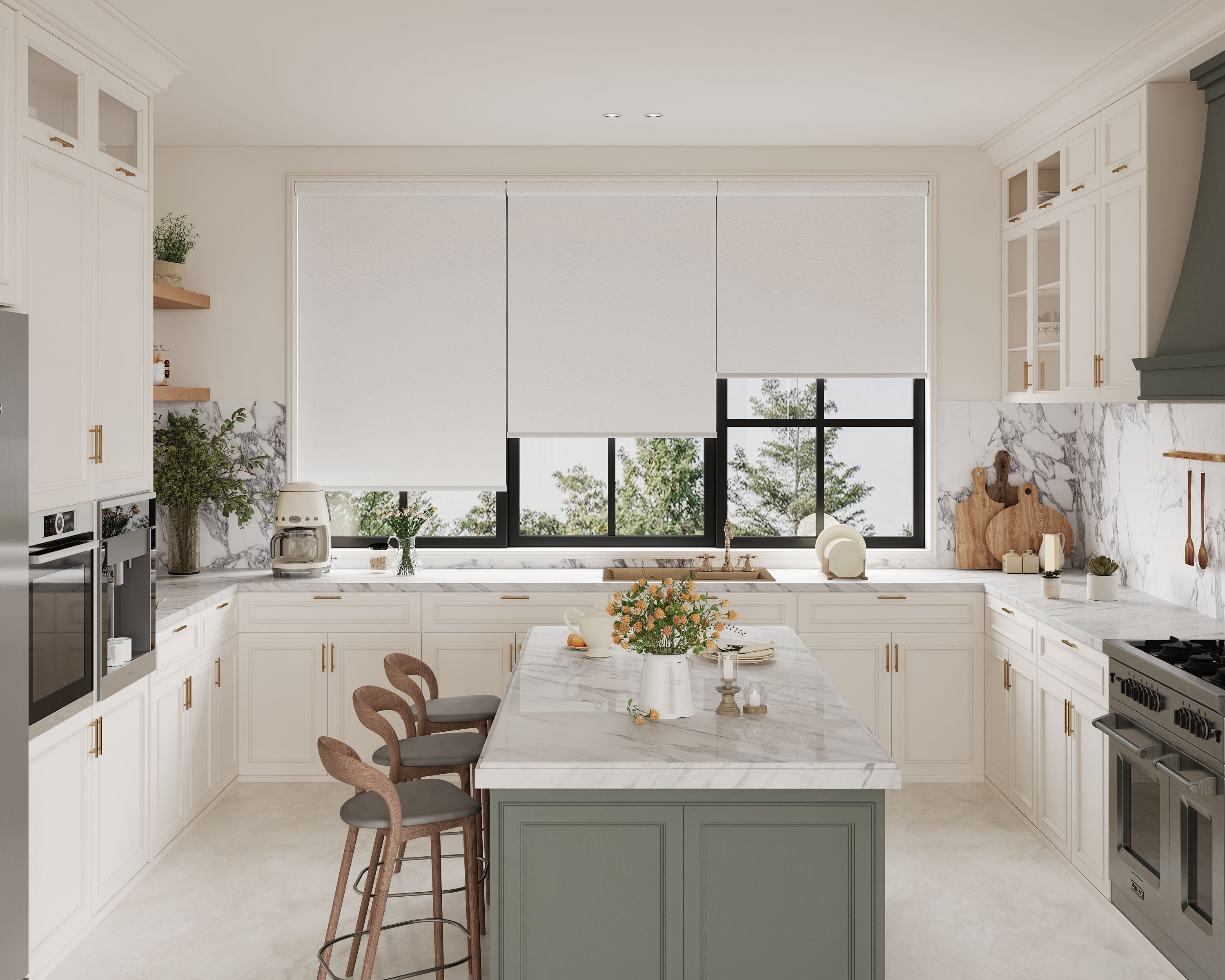
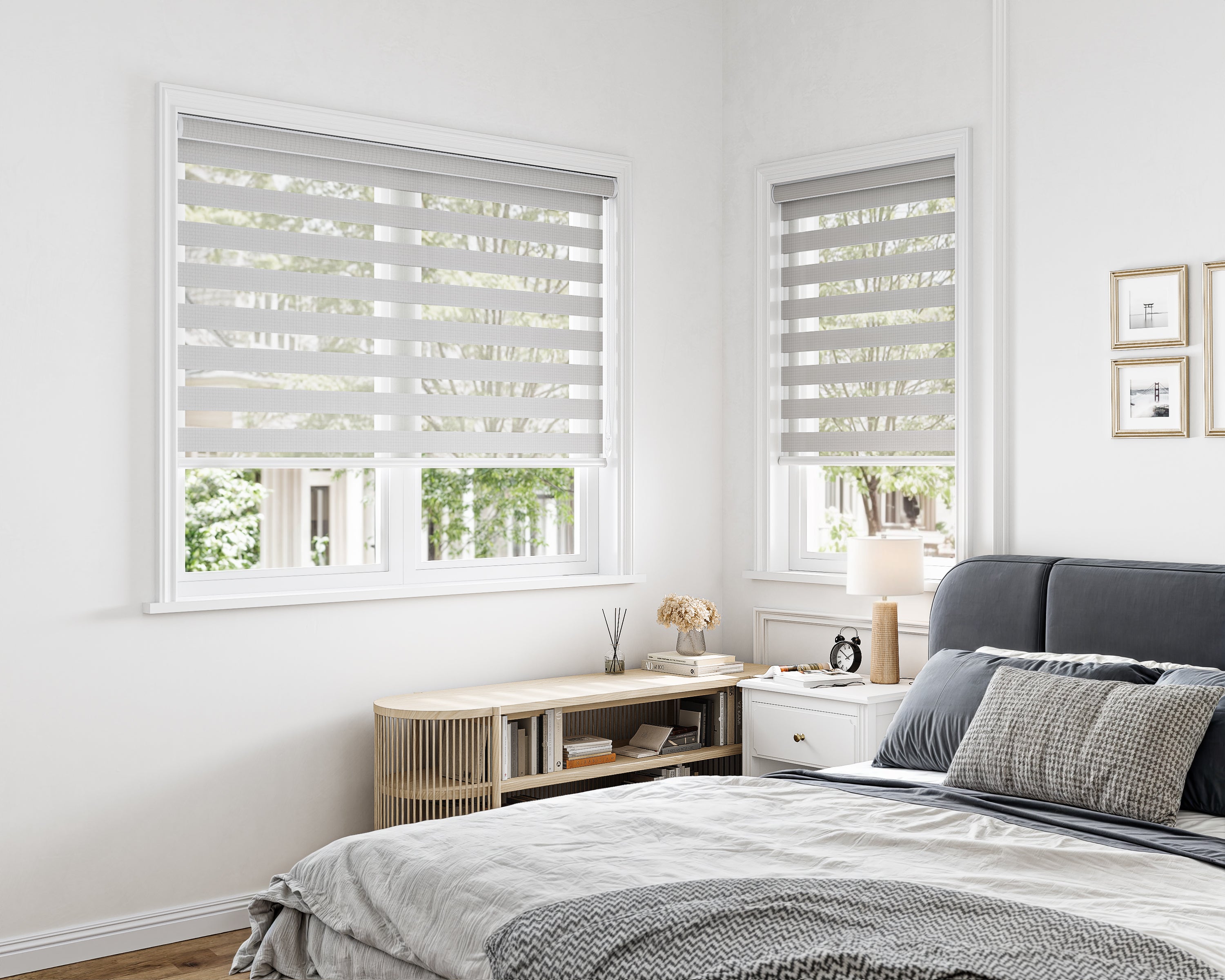
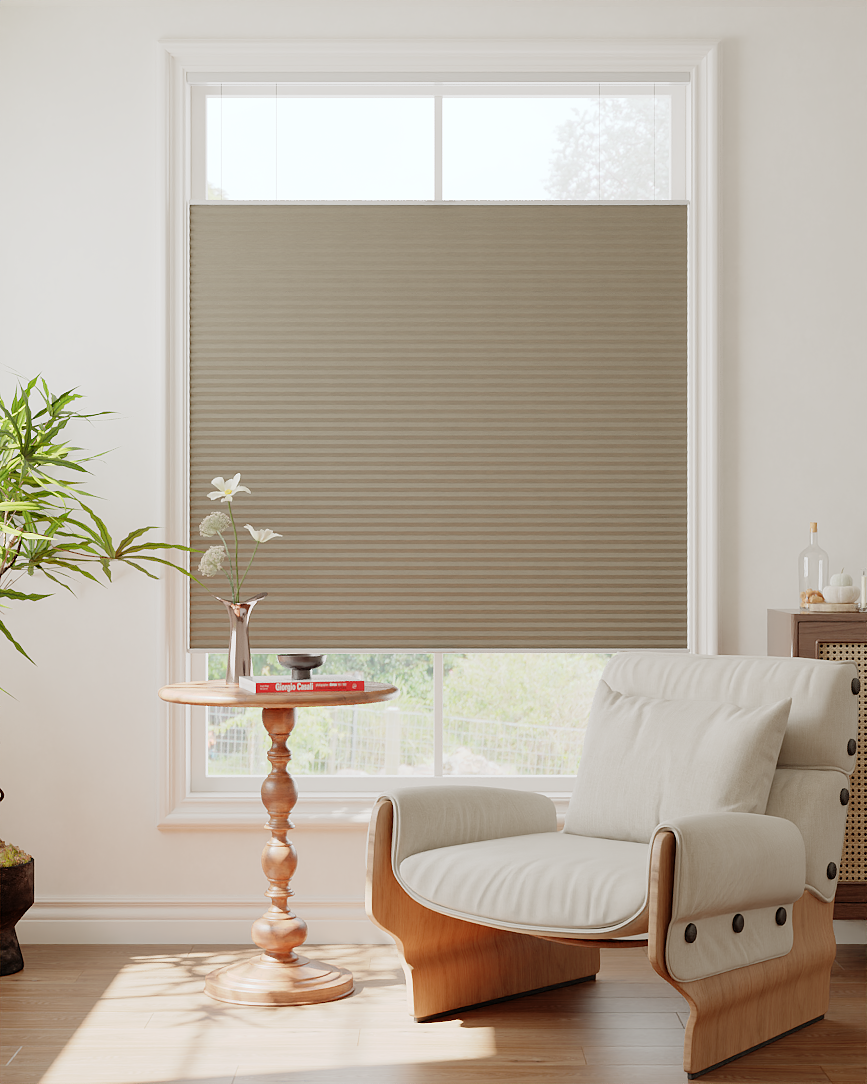
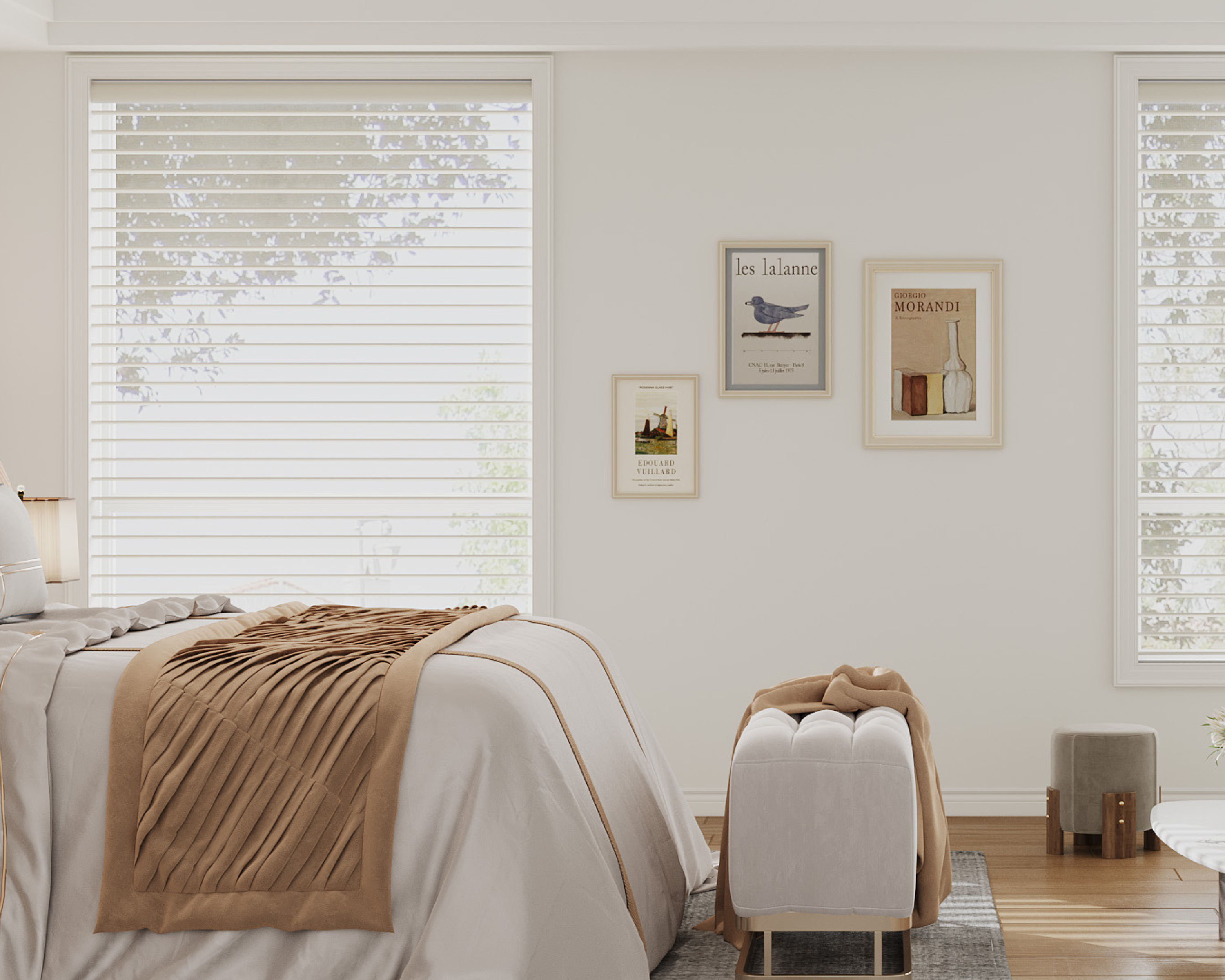
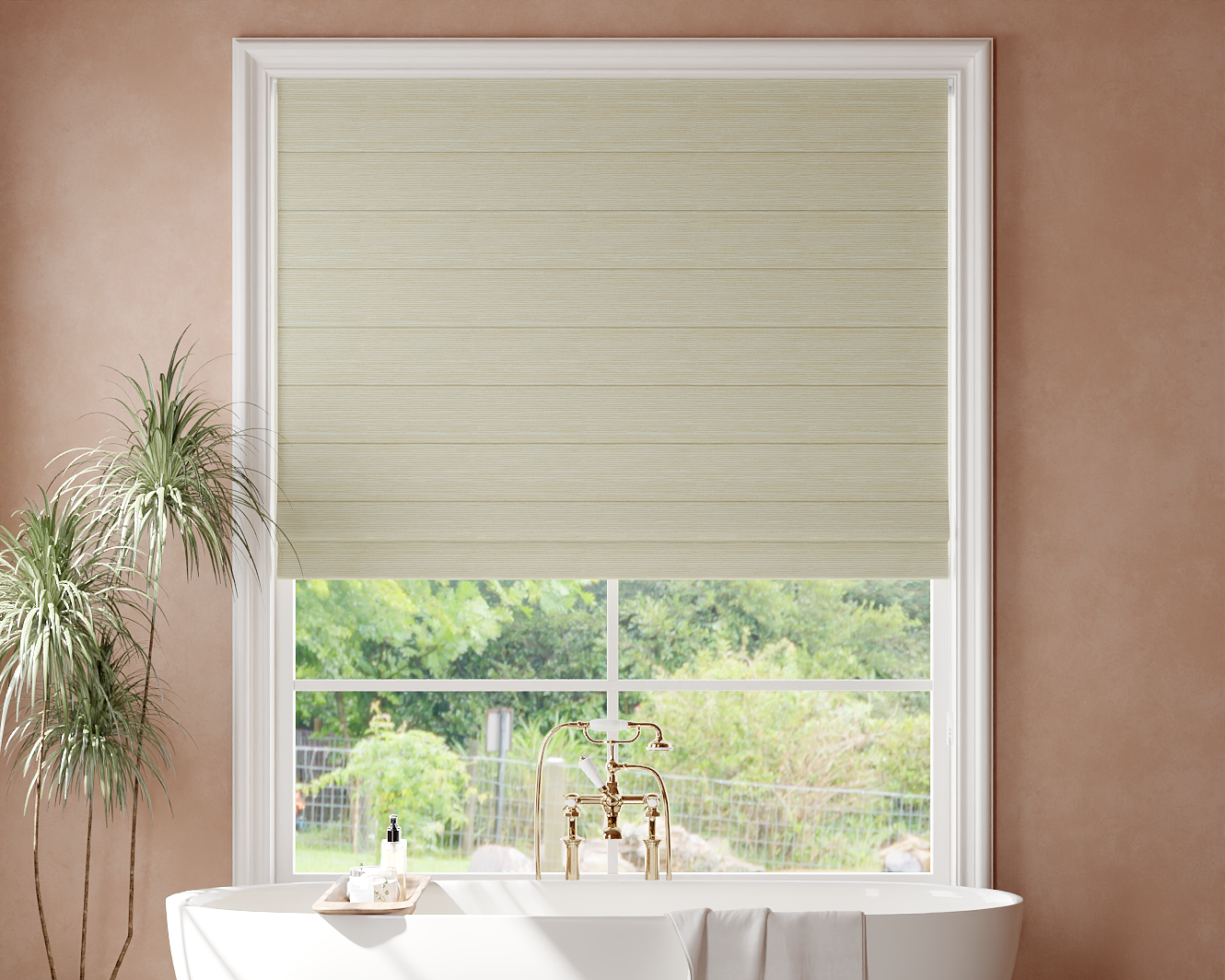
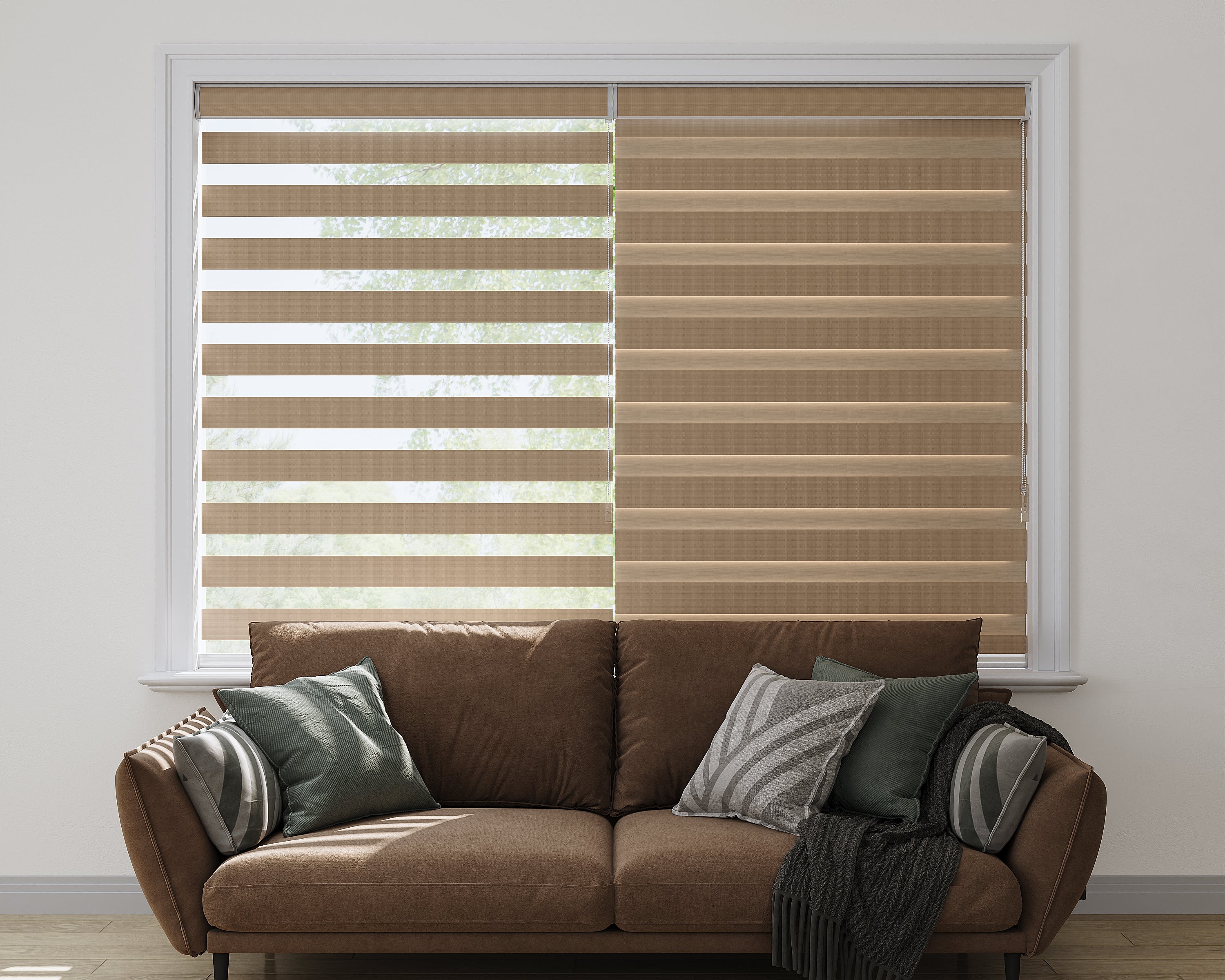
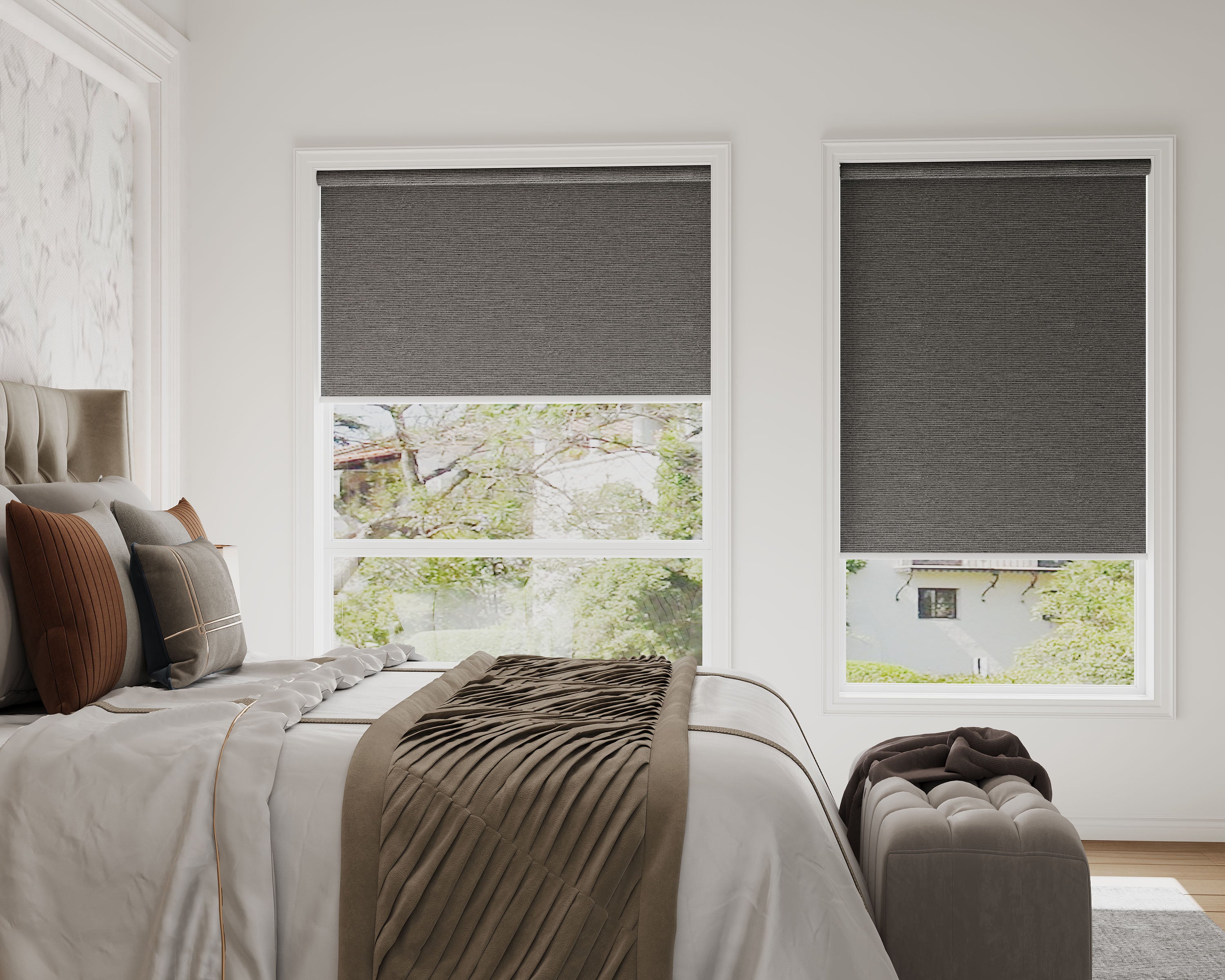
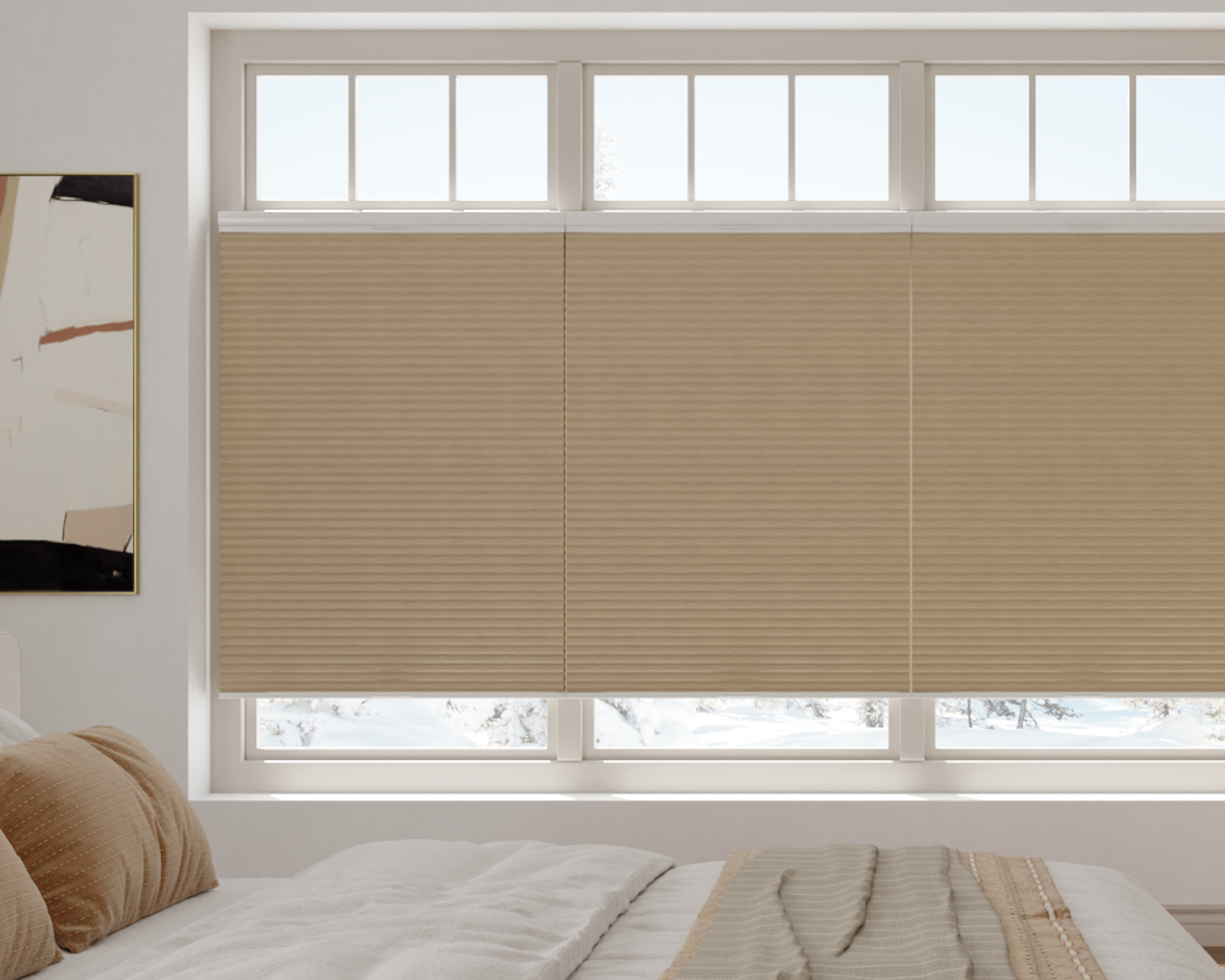
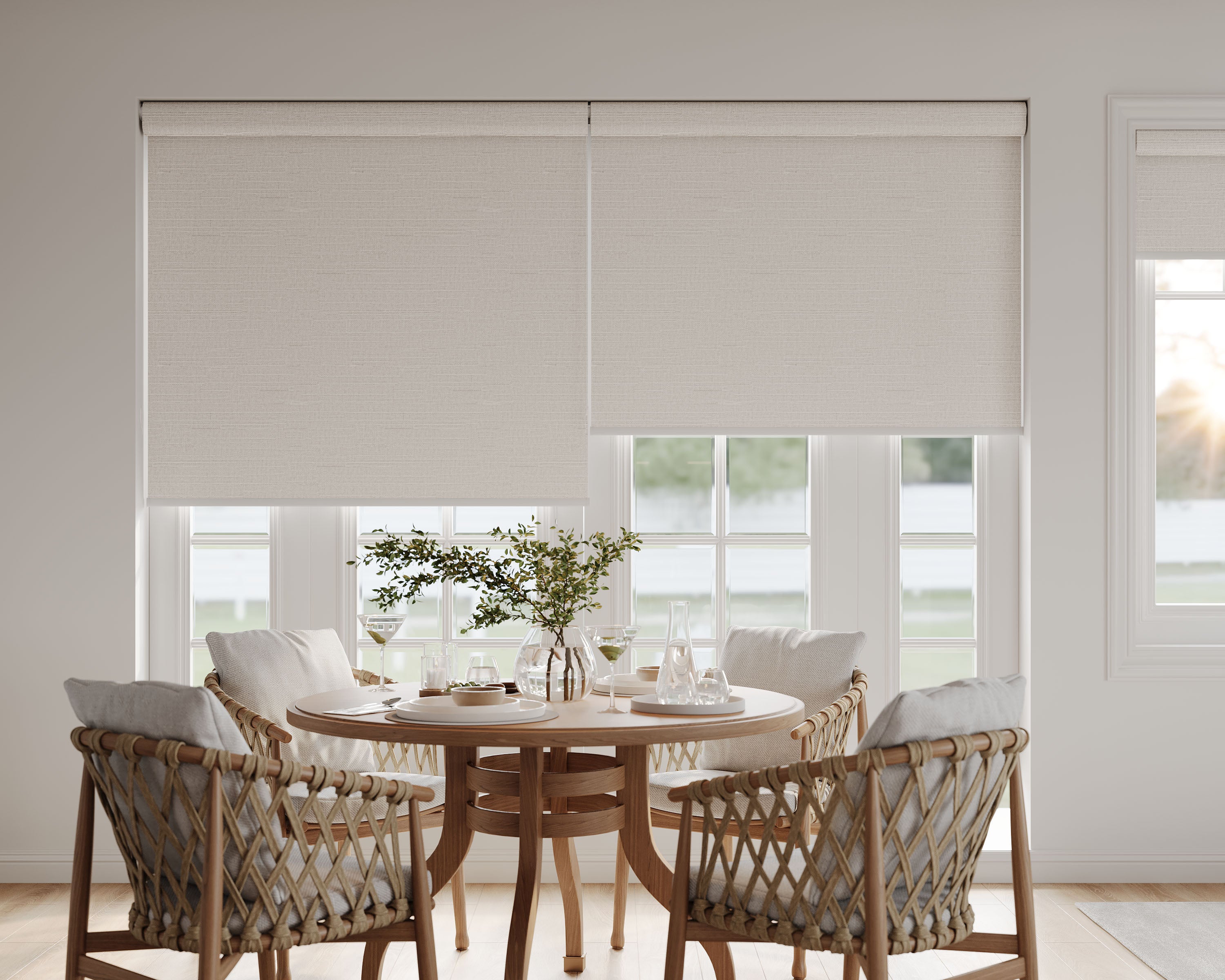


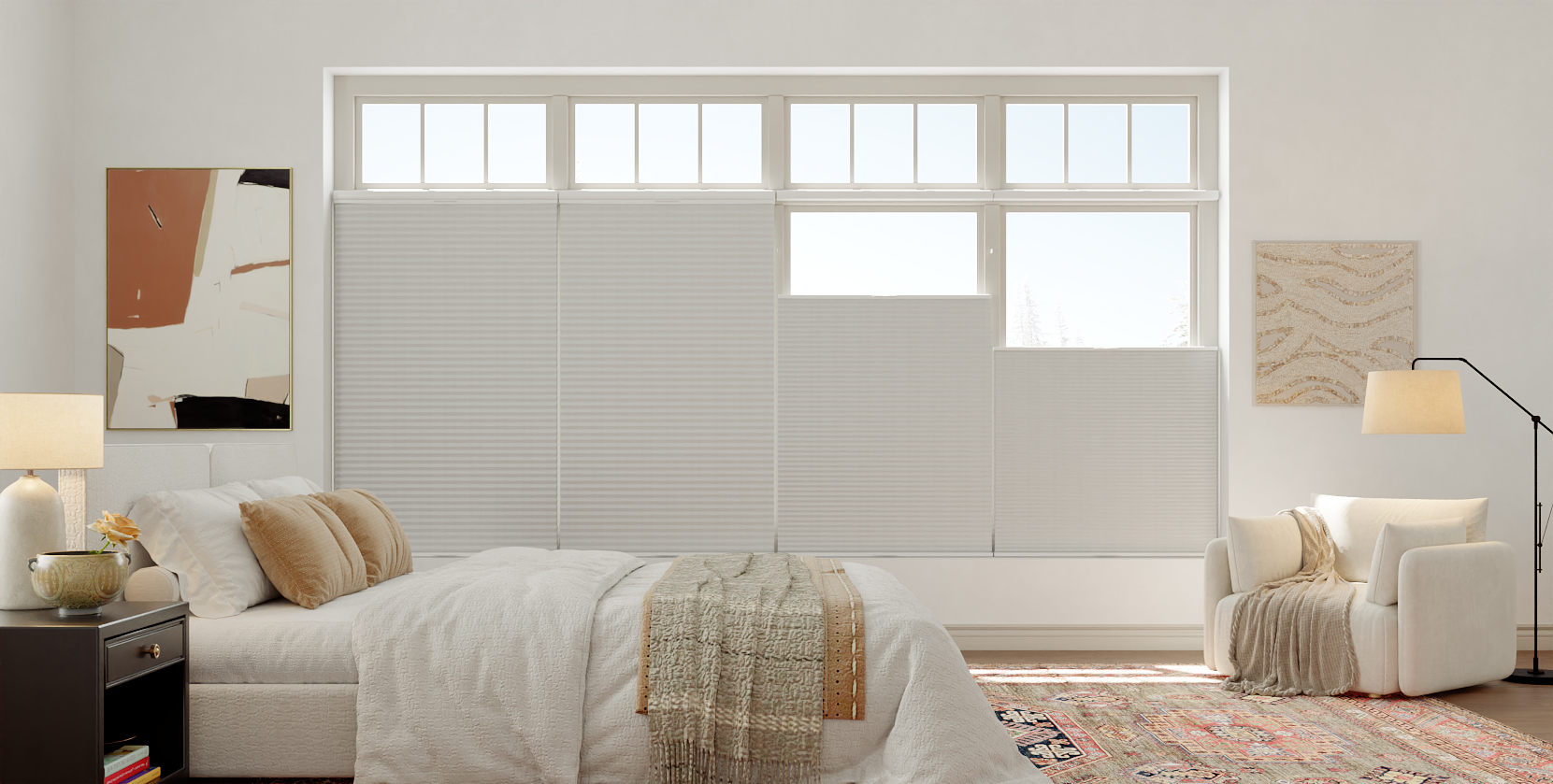


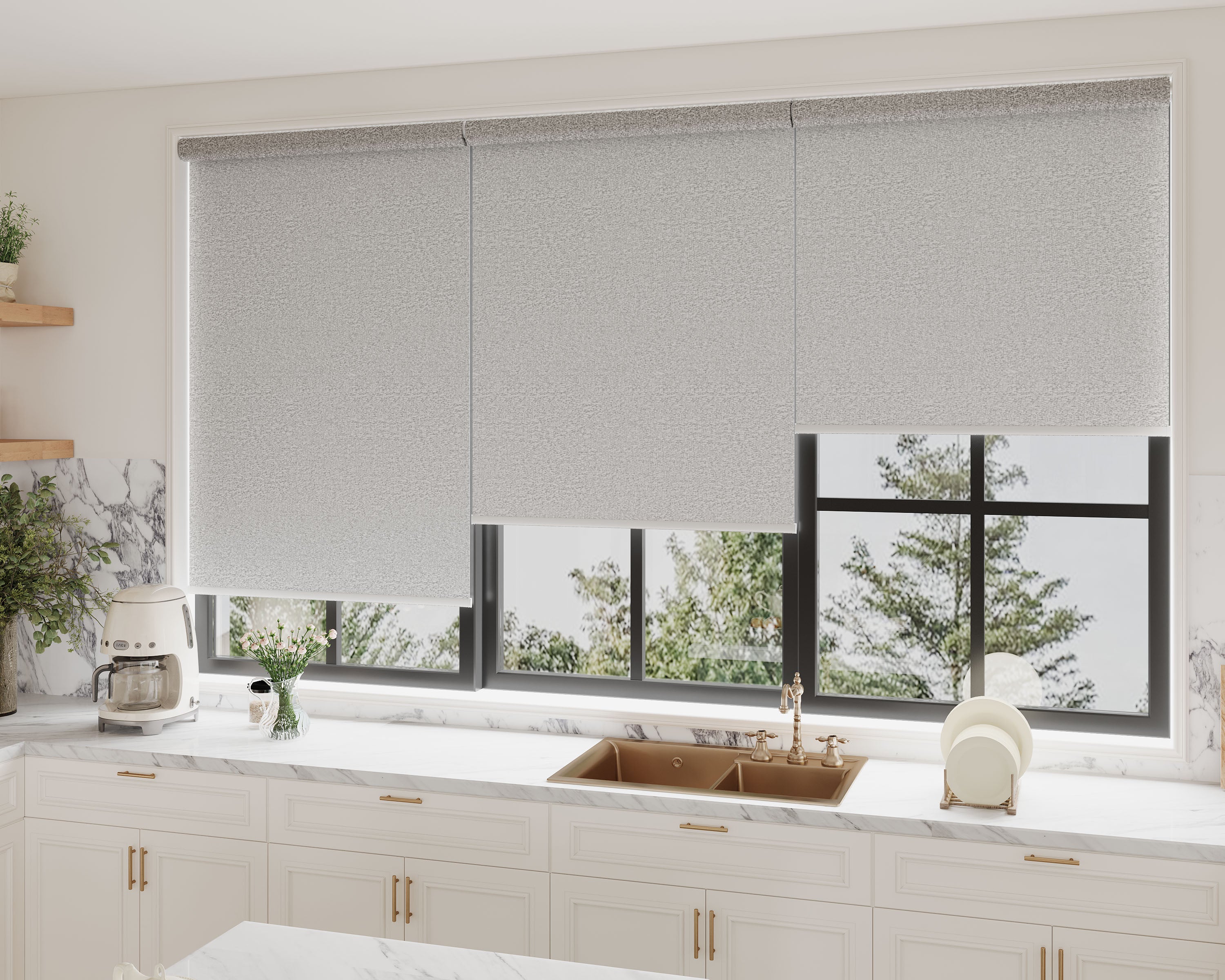

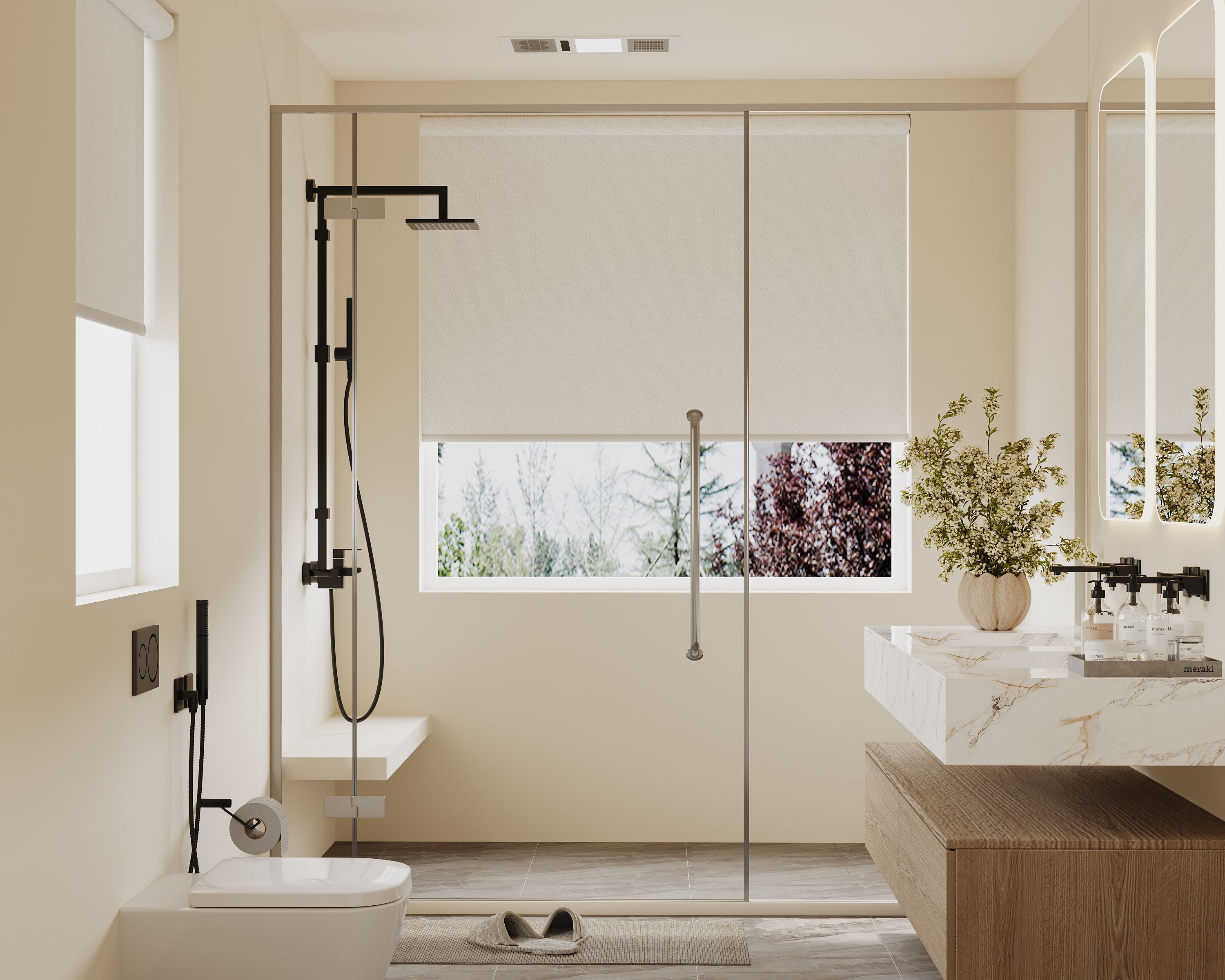


Installing sheer roller shades is a straightforward DIY project that culminates in a transformative look for your room. Success hinges on meticulous preparation, precise bracket placement, and careful handling of the delicate fabric. By following a clear, phase-based approach, you can achieve a professional-quality installation that ensures your new light-filtering sheer roller shades operate smoothly and look impeccable for years.
This guide breaks down the process into three logical phases to eliminate guesswork and ensure nothing is missed.
-
Phase 1: Preparation & Planning – Verifying your order, choosing your mount, and gathering the right tools.
-
Phase 2: The Installation Process – Step-by-step instructions for both inside and outside mounting.
-
Phase 3: Final Hanging & Adjustments – Attaching the shade, making final tweaks, and troubleshooting common issues.
Phase 1: Preparation & Planning
A successful install begins before you touch a bracket. Rushing this phase is the most common cause of errors.
1.1 Verify Your Kit & Tools
Unpack your shades in a clean, spacious area. Lay out all components and cross-reference them with the manufacturer's instruction sheet. You should typically have:
-
The roller shade tube with fabric
-
A left and right bracket (often labeled)
-
Mounting screws and wall anchors
-
A clutch or pin end caps (for cordless operation)
-
A valance (if included)
Gather Your Toolkit:
-
Essential: Steel tape measure, pencil, level (a 2-foot level is ideal), power drill/driver with drill bits, screwdriver, safety glasses.
-
Helpful: Step ladder, masking tape, stud finder (for heavy shades or drywall mounts), a helper for holding the shade during marking.
1.2 Decide on Your Mounting Type
Your decision here dictates all subsequent steps. Confirm the mounting style you selected when ordering.
-
Inside Mount: The shade installs within the window recess. It offers a clean, built-in look but requires sufficient frame depth.
-
Outside Mount: The shade installs on the wall or trim above and outside the window frame. It's ideal for covering imperfect windows and ensuring maximum light blockage.
If you're unsure which method you have or why it was chosen, our dedicated guide on choosing between inside mount and outside mount for window shades explains the functional and aesthetic differences in detail.
1.3 Identify Your Mounting Surface & Mark Preliminary Bracket Height
This critical step ensures your shade will be level.
-
Inside Mount: Find the top inside corner of the window recess on both the left and right sides. Lightly mark the exact height where the top of the bracket will sit.
-
Outside Mount: Decide how high above the window you want the shade. For a standard look, mark a point 2 to 3 inches above the top window trim. Use your level to draw a faint, perfectly horizontal line across the width of the window at this height. This line is your guide for bracket placement.
Pro Tip: If you have perfectly measured for an inside mount using our precise guide to measuring for inside-mount sheer shades, the brackets will fit. If you opted for an outside mount, ensure you followed the overlap recommendations in our outside mount measurement guide for full coverage.
Phase 2: The Installation Process
Now, follow the pathway for your specific mounting type. Always wear safety glasses when drilling.
Pathway A: Installing an Inside Mount
-
Dry-Fit the Brackets: Hold the brackets in place at your marked spots inside the recess. Ensure they are oriented correctly (usually with the open channel facing the center of the window).
-
Check for Clearance: Slowly roll the shade tube by hand to ensure the fabric will not rub against the window frame or glass when operated. Adjust bracket depth if needed.
-
Mark & Pre-Drill: Use a pencil to mark the screw holes through the bracket. Pre-drill pilot holes for the screws, especially in wood or metal frames.
-
Secure the Brackets: Align the bracket with the pilot holes and drive in the screws. Do not overtighten; the bracket should be snug and not wiggle.
Pathway B: Installing an Outside Mount
-
Position the First Bracket: Align the first bracket (usually the one for the clutch/pull side) so its top aligns with your level horizontal line. Ensure it is also positioned laterally to provide your planned side overlap.
-
Level & Mark for the Second Bracket: Insert the shade tube into the first bracket. Place your level across the top of the shade tube. Adjust the tube until it is perfectly level, then mark the position for the second bracket on the opposite side.
-
Mark & Pre-Drill: Remove the shade tube. Mark all screw holes for both brackets. Pre-drill holes. If you're not drilling into a stud, insert the provided wall anchors.
-
Secure the Brackets: Screw both brackets firmly into place using the anchors.
Phase 3: Final Hanging, Adjustments & Checklist
With brackets secure, the final steps bring it all together.
3.1 Hang the Shade & Test Operation
-
Insert the Shade: For most shades, insert the pin end (the simple, non-mechanism side) into its bracket first. Then, angle the clutch end (with the mechanism) into its bracket. You should hear or feel a gentle click or secure seat.
-
Perform a Initial Test: Gently pull down on the fabric's bottom rail or bead chain. Let it roll back up slowly. The motion should be smooth. The fabric should align parallel to the window and not curl or rub.
3.2 Make Final Adjustments
-
If the shade is crooked: Do not re-drill immediately. Often, the pin can be shifted within its bracket. Loosen the bracket screw slightly, tap the bracket to adjust, and re-tighten. For more nuanced fixes, see our tips for leveling a crooked shade after installation.
-
If the fabric doesn't roll up straight: The spring tension may need adjustment. Refer to your manufacturer's guide; this often involves unrolling the shade fully and rolling it back up while holding the fabric taut.
-
If the clutch is too loose/tight: Some clutches have a tension adjustment screw on the end cap.
3.3 Post-Installation Checklist
Before considering the job complete, run through this final verification for smooth and silent shade operation:
-
Shade raises and lowers smoothly without catching or jerking.
-
The bottom rail hangs level and parallel to the windowsill.
-
The fabric is taut and free of wrinkles or twisting when down.
-
All safety components (cord cleats for corded models) are installed out of reach of children and pets.
-
The valance (if applicable) snaps securely into place, covering the headrail.
Conclusion and Key Highlights
Installing sheer roller shades is a satisfying project that elevates a room's comfort and style. By respecting the process—preparing thoroughly, executing with precision, and adjusting meticulously—you ensure a flawless result.
Key Highlights:
-
Preparation is 80% of the job. Verifying parts, choosing your mount, and marking a level guideline prevent almost all common errors.
-
Bracket placement is everything. Taking the extra time to ensure brackets are level, aligned, and securely mounted guarantees your shade will operate correctly.
-
Handle the sheer fabric with care during installation to avoid snagging it on brackets or rough edges.
-
Final adjustments are normal and expected. Don't fret if the shade isn't perfect on the first test; minor tweaks to leveling and tension are part of the standard process.
-
Always refer to the manufacturer's specific instructions included in your kit, as mechanisms can vary slightly between brands.
With patience and this guide, you can enjoy the professional-grade finish of perfectly installed sheer roller shades and the beautiful, soft light they bring into your home.
Shop Sheer Shades by Light Control


Frequently Asked Questions (FAQ)
Can I install roller shades without drilling?
Yes, but with important caveats. No-drill solutions like heavy-duty adhesive mounts or tension rods exist and are popular among renters. Their success depends entirely on the shade's weight and your wall surface (smooth, clean, and non-textured is best). For lightweight sheer shades on perfectly smooth drywall or tile, they can work. For heavier shades or any long-term installation, drilling into studs or using anchors is the only reliably secure method. Explore the possibilities and limitations of no-drill mounting solutions for window treatments.
Why won't my roller shade roll up all the way?
This is almost always a spring tension issue. The spring inside the roller tube needs to be "set" or "rewound" to match the weight of your specific shade fabric. The universal fix is to: 1) Lower the shade all the way down, 2) Remove it from its brackets, 3) Roll the shade up by hand tightly, and 4) Re-hang and test. You may need to repeat this 2-3 times. Always refer to your manufacturer's instructions first.
How do I fix a gap on the side of my inside-mounted shade?
Side light gaps on an inside mount typically mean the ordered width was too narrow relative to your window recess. While you can't change the fabric width, you can minimize the gap by ensuring the brackets are mounted as far outward as possible within the recess. For future reference, this highlights the importance of the three-point measurement method to use the smallest width. For a temporary fix, consider applying a side-mounted light gap seal or, as a last resort, a thin strip of blackout tape to the window frame behind the gap.
Is it better to install into drywall or a window frame?
Always prefer a solid wood or metal window frame if you have one, as it provides the strongest hold. If installing into drywall for an outside mount, you must use appropriate wall anchors. Plastic expansion anchors are suitable for lightweight sheer shades, but for wider or heavier shades, toggle bolts or drilling directly into a wall stud is highly recommended for safety and longevity.
