
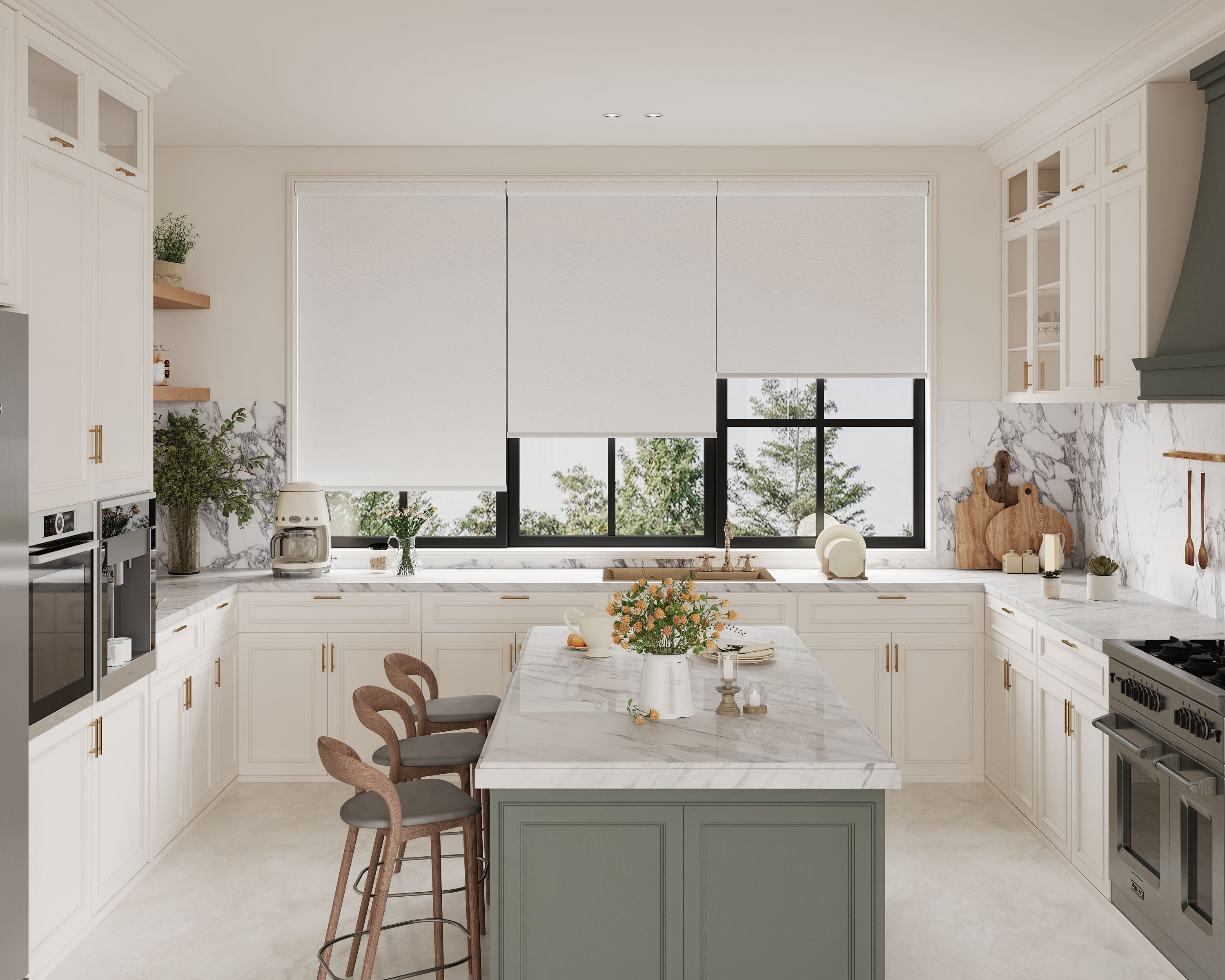
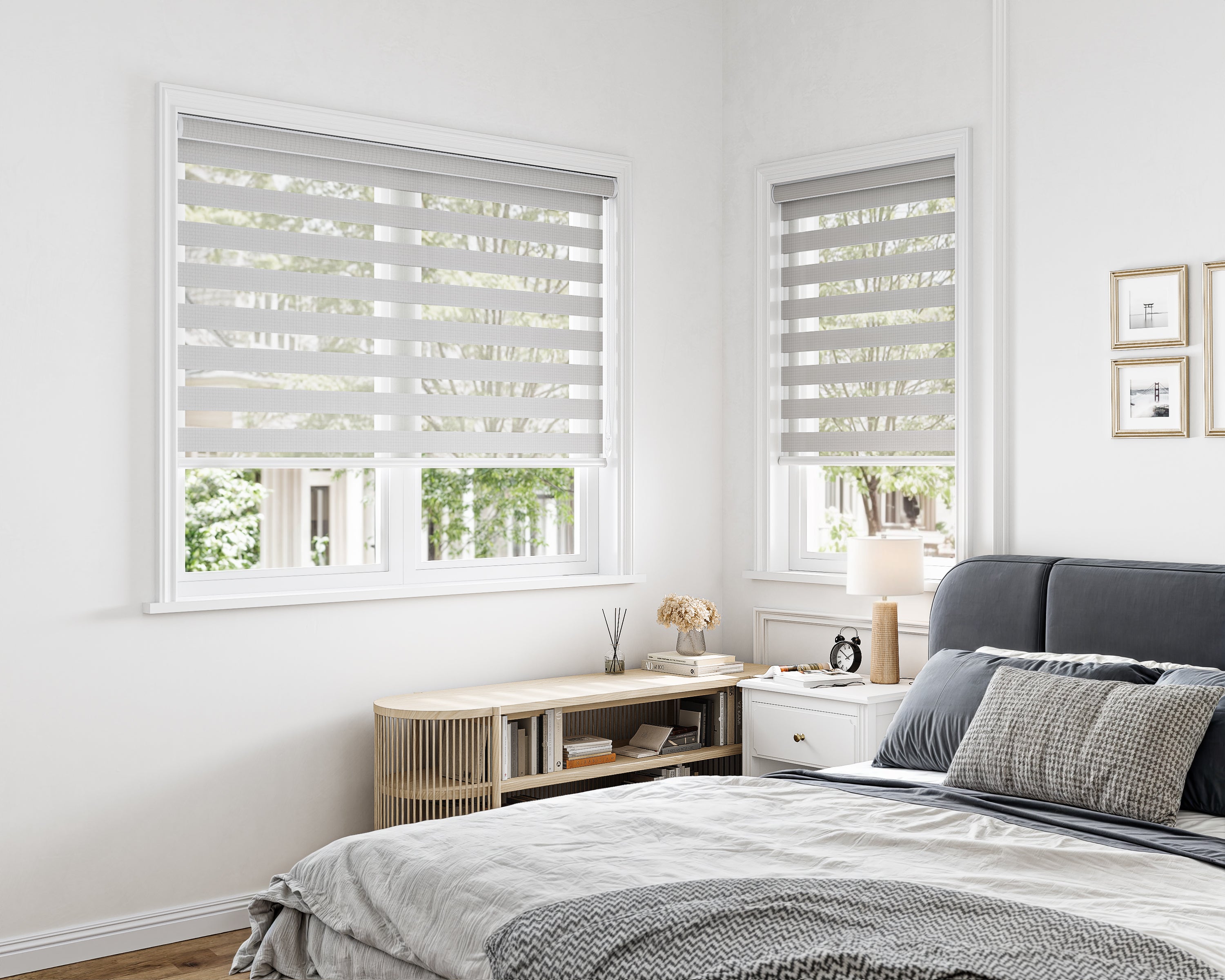
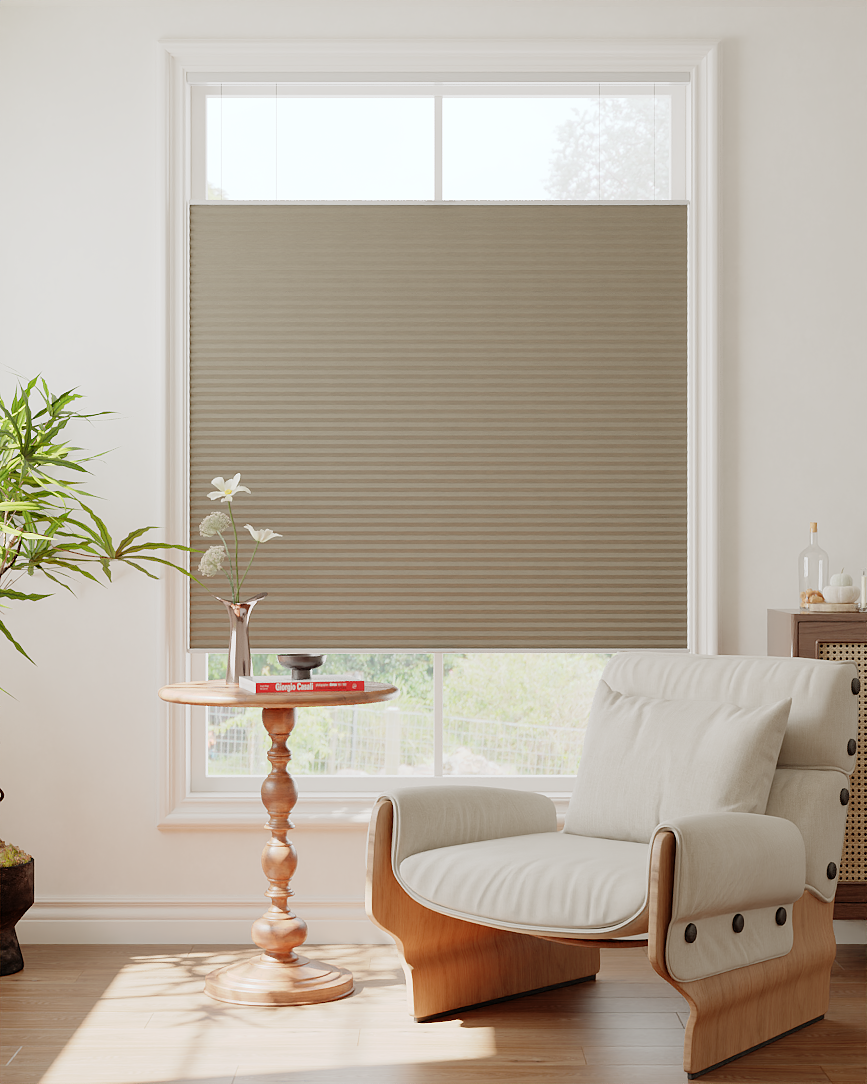
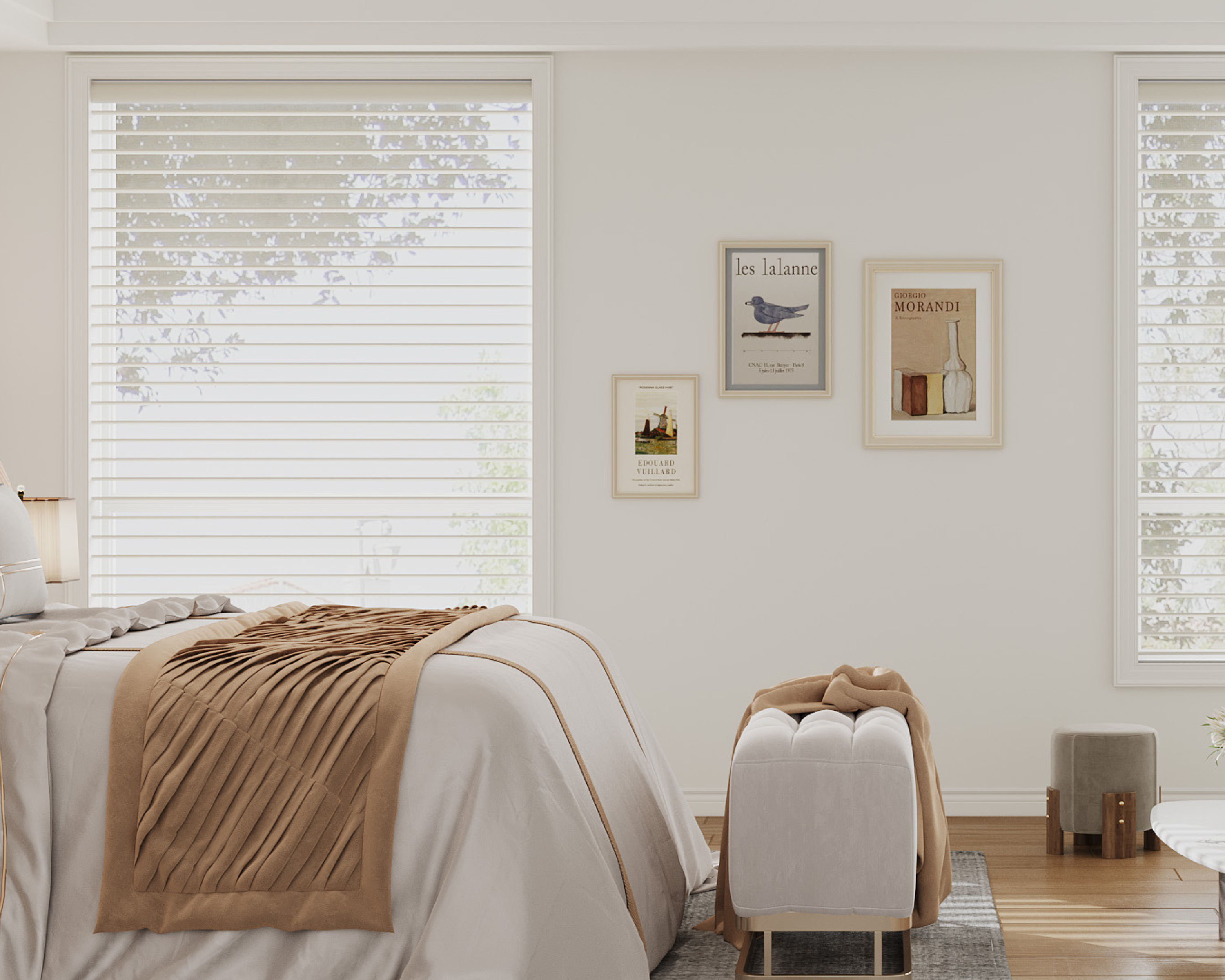
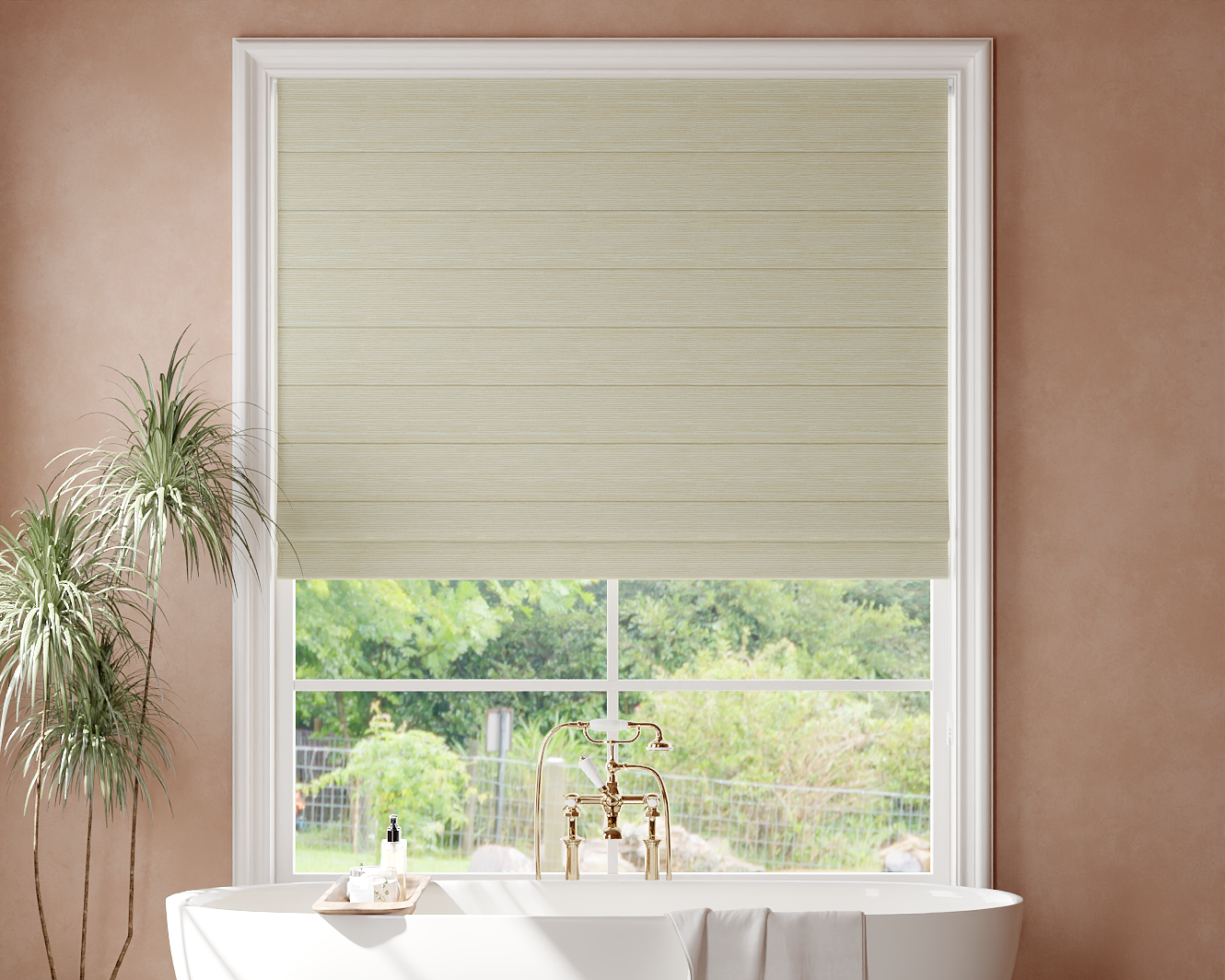
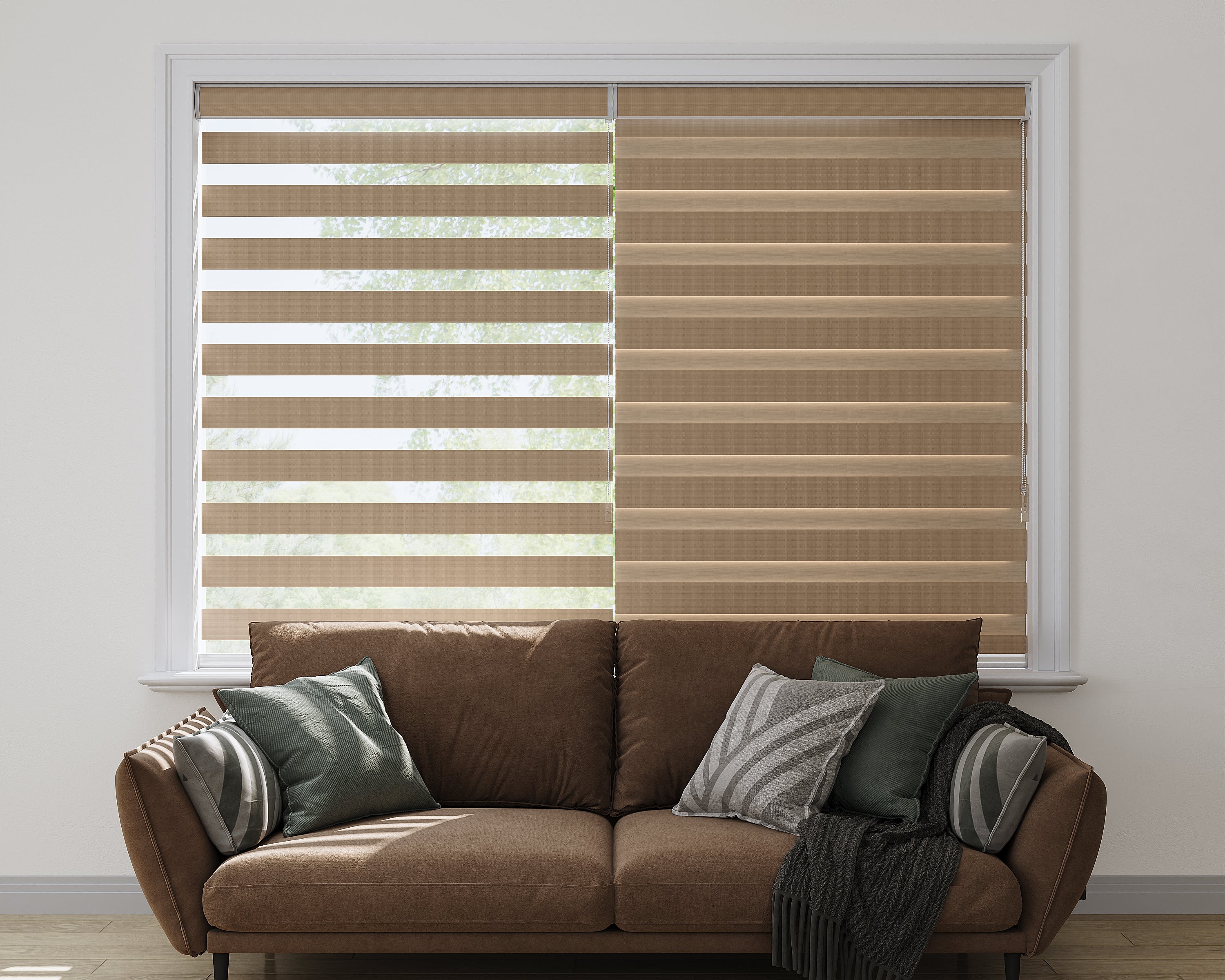
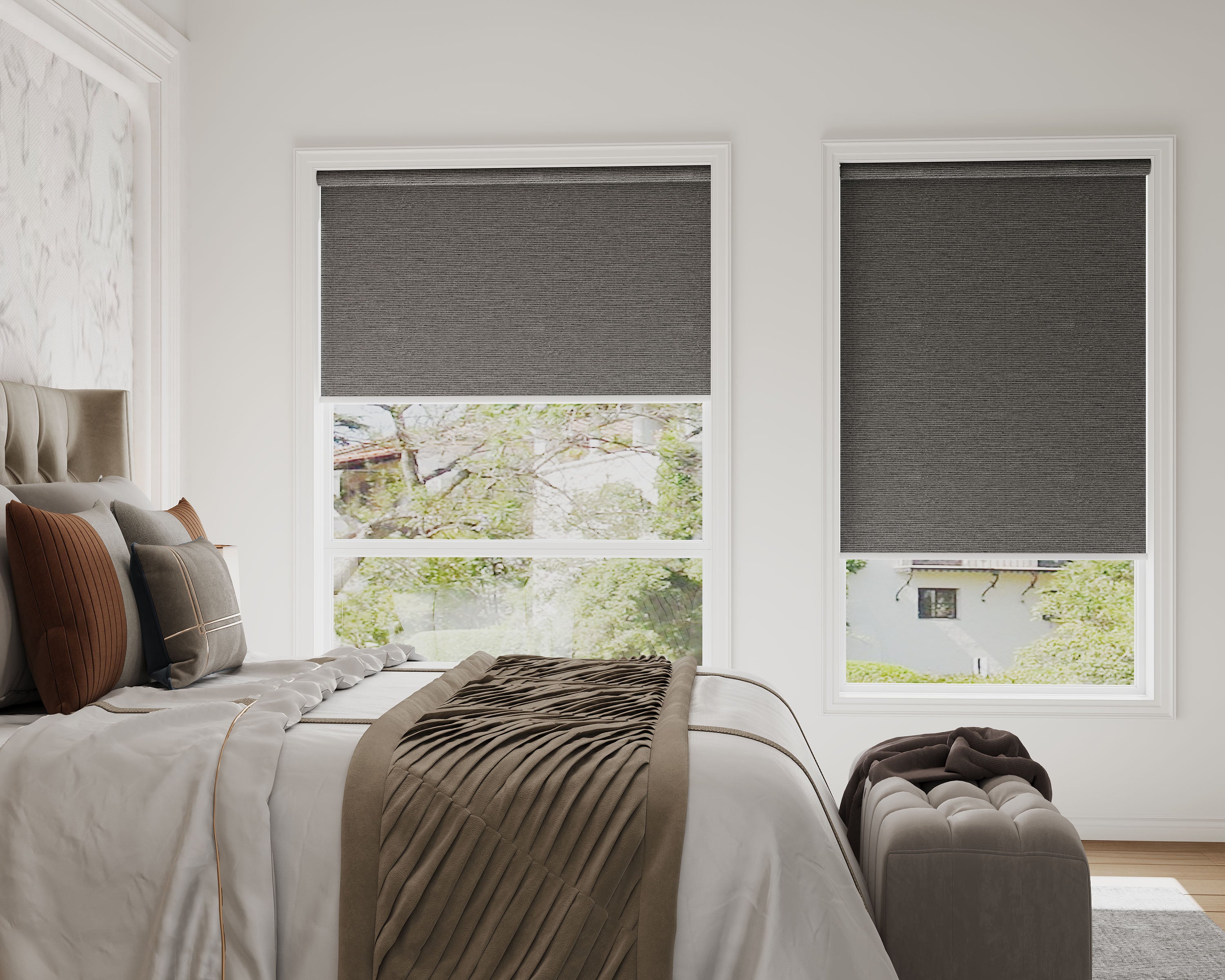
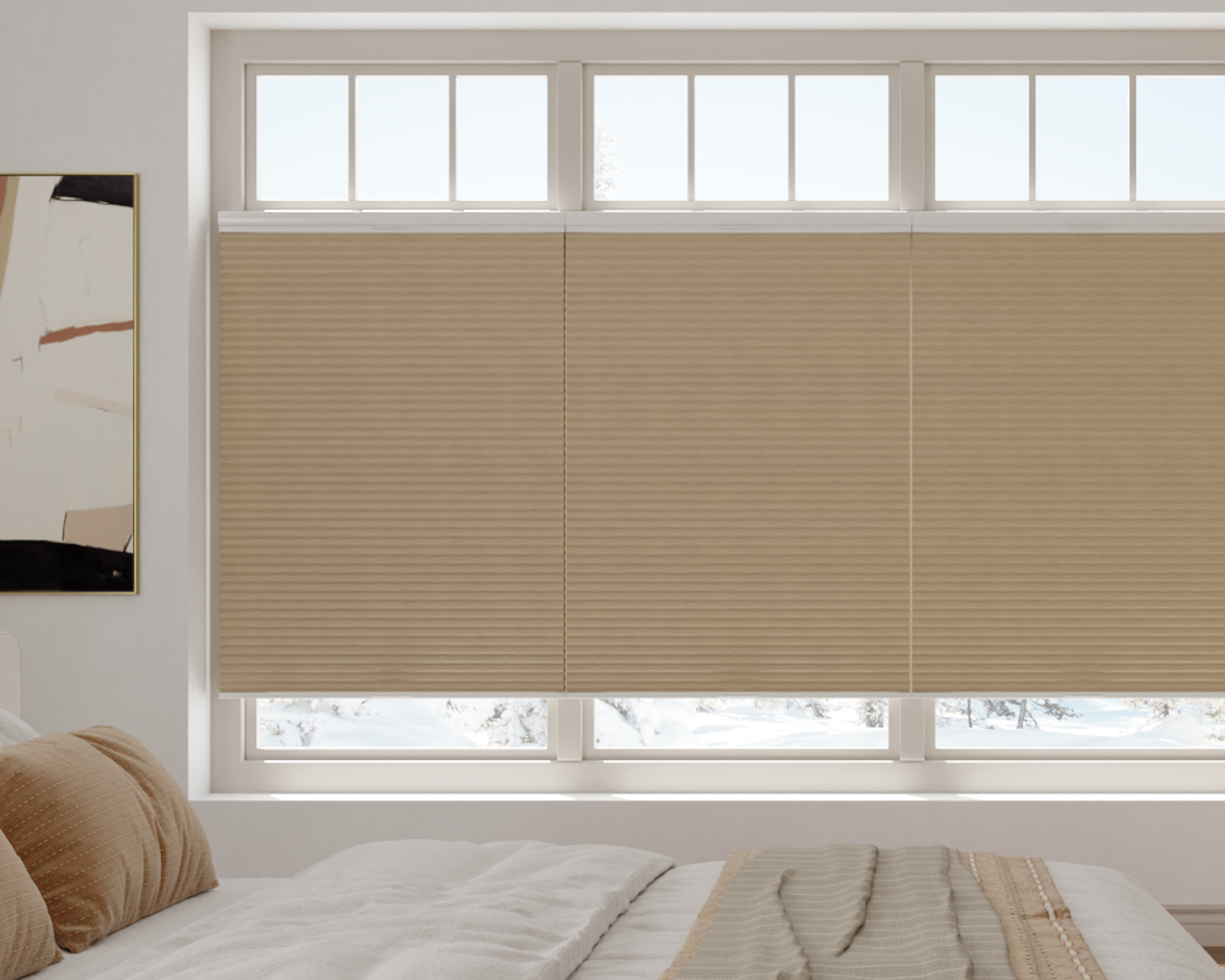
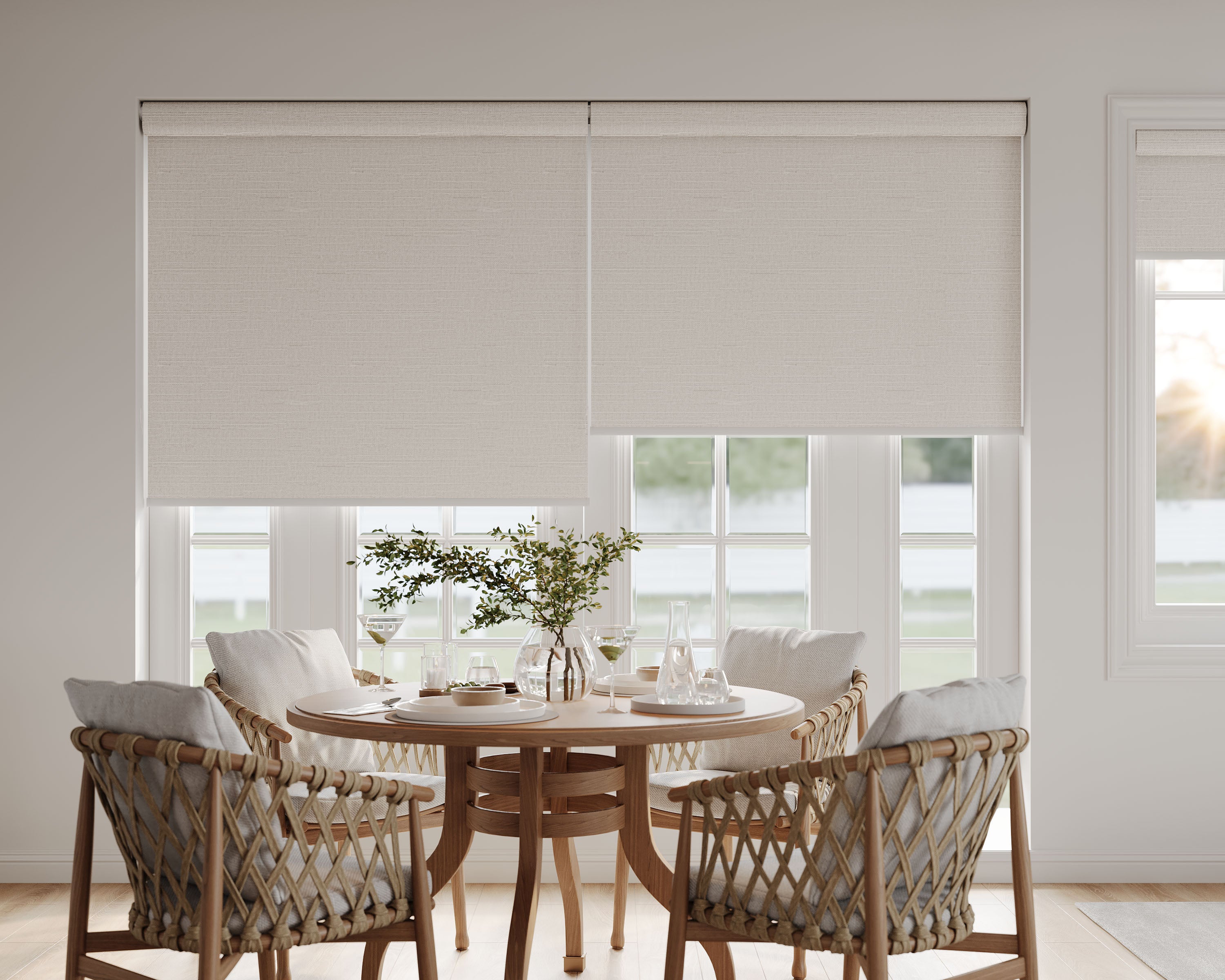


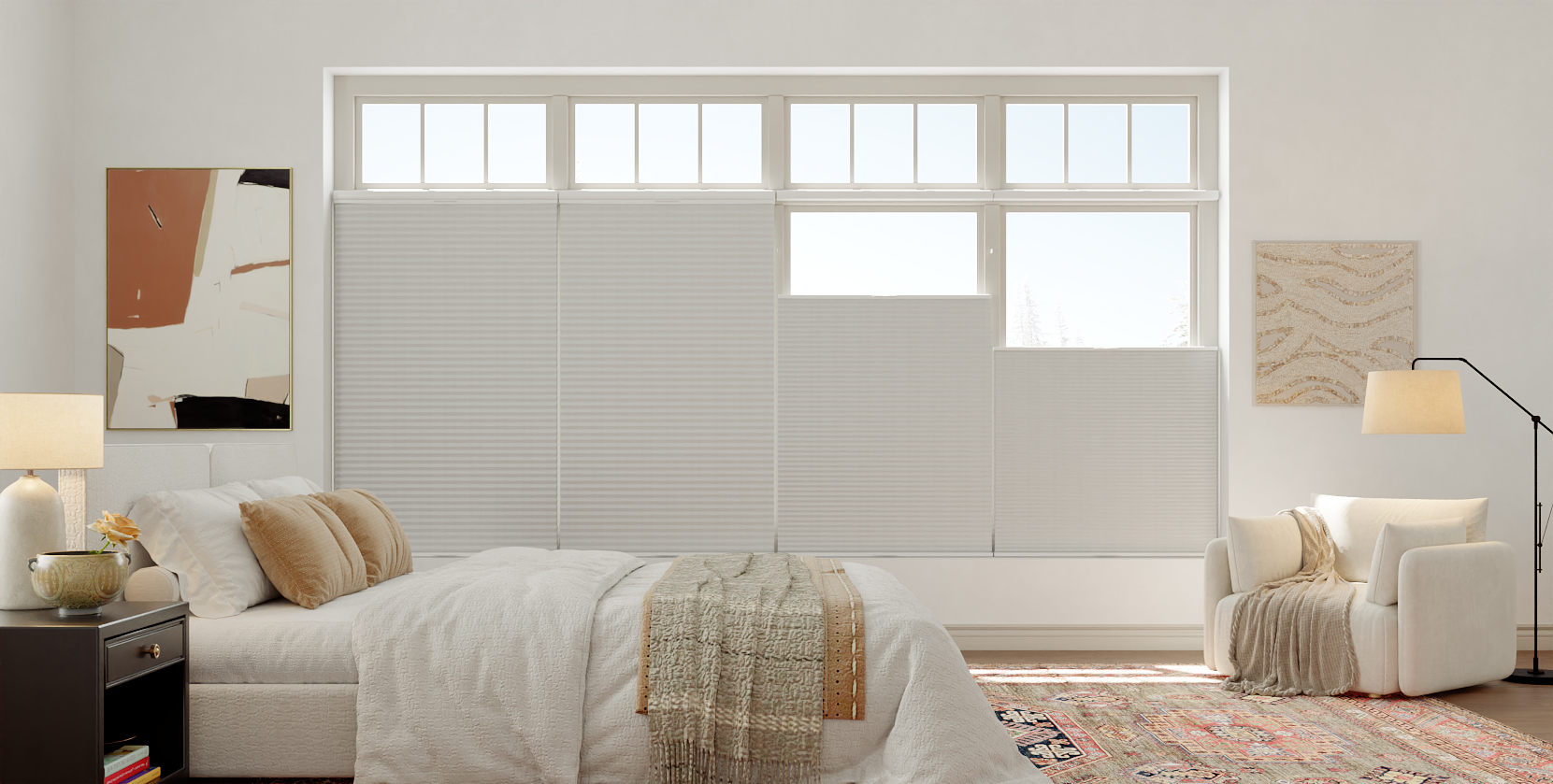


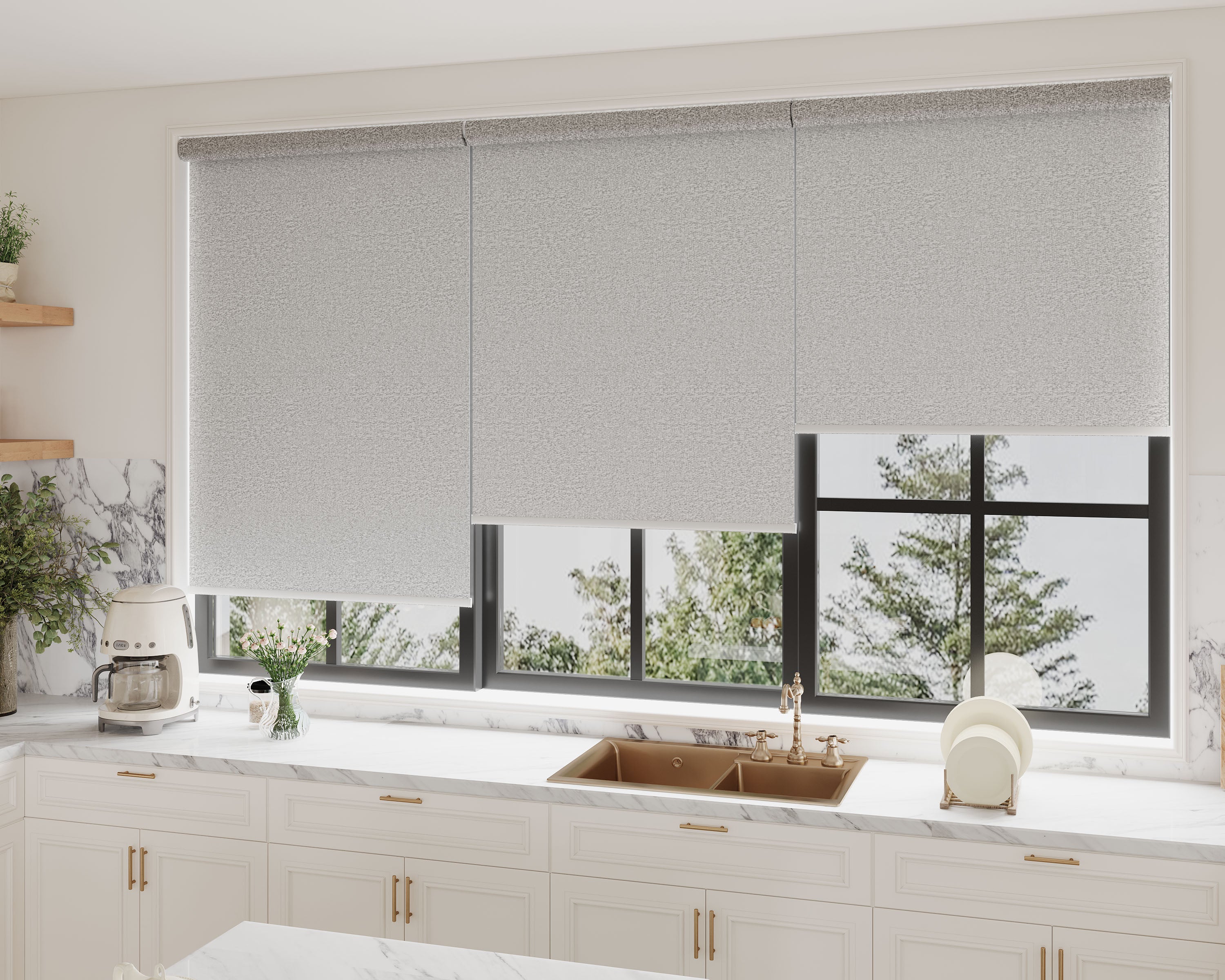

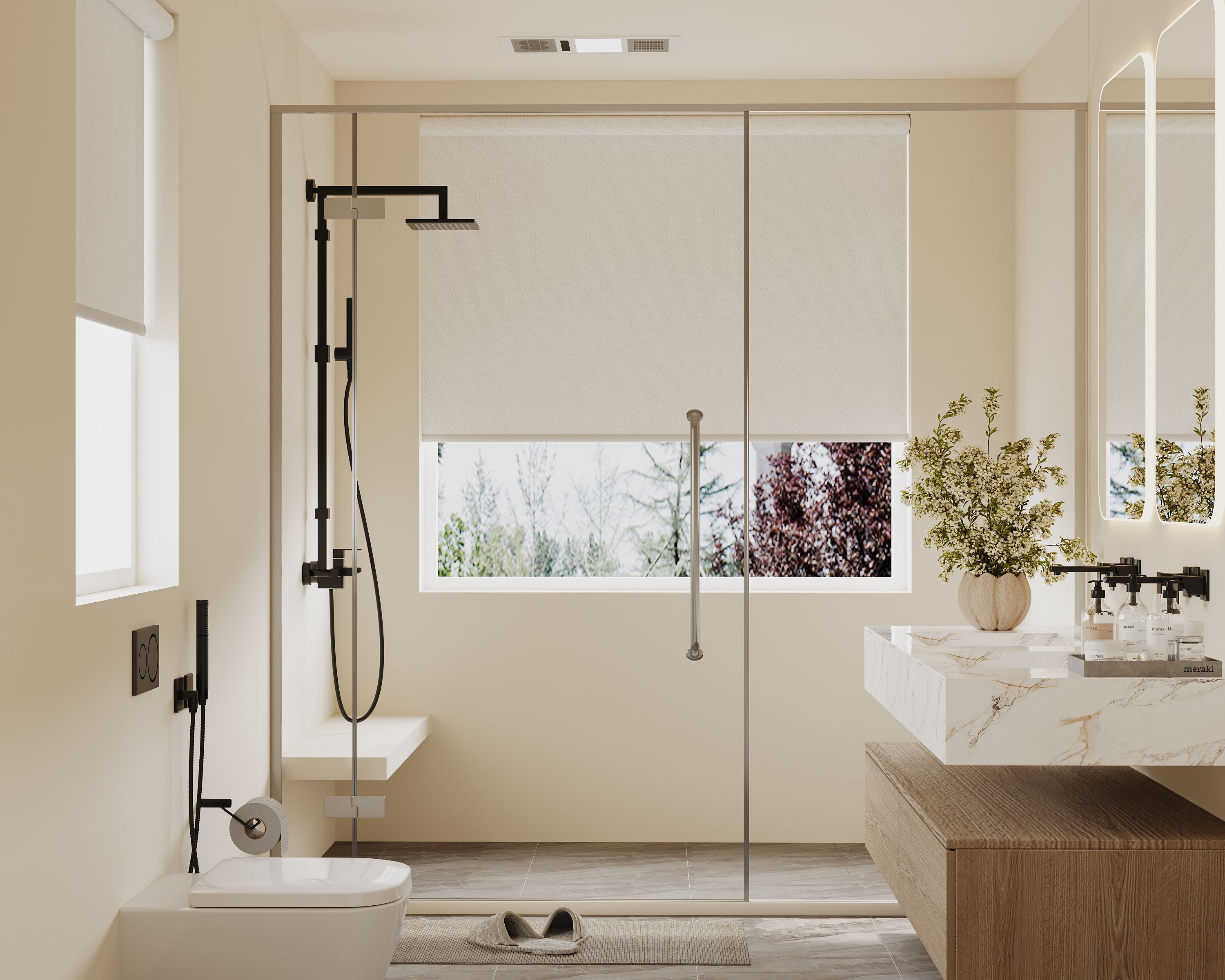


Measuring for outside-mount sheer shades is defined by one key principle: you are measuring the area of the wall you want the shade to cover, not just the window itself. The goal is to add generous "overlap" on all sides to ensure complete light control, maximize privacy, and create a clean, intentional look. For windows where frame depth, squareness, or appearance are concerns, selecting the right outside mount sheer shade design is often the most effective and visually appealing solution.
Getting the measurements right for an outside mount is straightforward but requires a different mindset than measuring for an inside mount. This guide will walk you through the entire process.
-
A clear decision framework for when an outside mount is the superior choice over an inside mount.
-
The essential pre-measurement checks for obstructions and space requirements.
-
A simple, three-step measuring process for width and height with industry-recommended overlap.
-
A practical application guide for handling non-standard windows and tricky situations.
Why Choose an Outside Mount? A Problem-Solving Approach
Outside mounting isn't just a backup plan for tricky windows; it's a strategic design choice with distinct advantages. It solves common problems that inside mounts cannot.
If you're still deciding which mounting style is right for your specific windows, our detailed comparison of the functional and aesthetic differences between inside and outside mounting can help you weigh the pros and cons.
Before You Measure: Essential Checks and Tools
1. Check for Clearance and Obstructions:
-
Above the Window: Ensure you have at least 2 to 3 inches of flat, solid wall between the top of your window trim and the ceiling or any moldings for bracket mounting. Less space may require a ceiling mount.
-
On the Sides & Below: Look for light switches, outlet covers, door handles, wall sconces, or air vents that could interfere with the shade's operation or panel.
2. Gather the Right Tools:
-
A Steel Tape Measure: Cloth or vinyl tapes can stretch. A rigid, retractable metal tape is essential for accuracy.
-
Pencil and Notepad: Label each measurement clearly by window and dimension (Width x Height).
-
Step Ladder: For safe and easy access to the top of the window.
3. Decide on Your Desired Overlap: This is a style and function choice. The standard recommendation is to add 1.5 to 3 inches of overlap on each side. For sheer shades where light filtration is the goal, leaning toward the smaller end of this range is common. For maximum light gap elimination, opt for more overlap.
The Three-Step Measurement Process for Outside Mount
Step 1: Measure the Window Width (The Base Measurement)
-
Measure the width of the existing window trim or casing from the outermost left edge to the outermost right edge. Do not measure the glass.
-
Take this measurement at the top, middle, and bottom of the trim. Windows are rarely perfectly square.
-
Record the largest of these three measurements. This is your base window width.
Step 2: Calculate Your Ordering Width (Base + Overlap)
-
To the largest width measurement, add your desired total overlap.
-
This final number is the exact width you will order. No deductions will be made by the manufacturer.
Step 3: Measure and Calculate the Height
-
Decide on Mounting Height: Mark a point on the wall 2 to 3 inches above the top of the window trim where the headrail (top bracket) will go.
-
Decide on Bottom Endpoint: Determine where you want the bottom of the shade to fall (e.g., to the windowsill, just above the floor, or above a radiator).
-
Measure: Using your marked top point, measure straight down to your chosen bottom endpoint. Take this measurement on the left, center, and right sides.
-
Calculate: Record the longest of these three measurements. To ensure coverage, you may also add 2-3 inches to the height, though this is often accounted for by your high mounting point. The final number is your ordering height.
Pro-Tip Documenting: Always note dimensions as Width (W) x Height (H). For example: Living Room North Window: 42.5" W x 62.75" H. Double-check that you haven't swapped these numbers, a surprisingly common error.
Application Guide: How Much Overlap for Your Scenario?
The "right" amount of overlap depends on your window's context and your goals. Use this guide to tailor the general rules.
For a perfect installation, the final step is ensuring your brackets are mounted perfectly level. Our guide on achieving fool-proof measurements with a standard tape measure covers the pro techniques that prevent crooked installations.
Conclusion and Key Highlights
Measuring for an outside mount is ultimately about planning the finished look on your wall. By adding strategic overlap, you solve functional problems and enhance your room's aesthetics.
Key Highlights:
-
You are measuring the wall coverage area. Always measure the outermost trim and add significant overlap (typically 4-6 inches total in width).
-
Outside mount is the problem-solver for shallow frames, uneven windows, and maximum light control.
-
Always measure in three places and use the largest number as your base before adding overlap, as windows are rarely perfectly square.
-
Check for obstructions first. Ensure you have enough flat wall space (2-3 inches) above the window for brackets.
-
No deductions are made by the factory. The number you order is the exact size of the shade that will arrive, so precision is key.
By following this framework, you can confidently order outside-mount sheer shades that will fit perfectly, function flawlessly, and look like they were installed by a professional.
Shop Sheer Shades by Light Control


Frequently Asked Questions (FAQ)
What's the biggest mistake people make measuring for outside mount?
The most common and critical mistake is not adding enough overlap, resulting in shades that are too small and allow light to leak around the edges. Another frequent error is measuring the glass instead of the outer trim, which also leads to an undersized shade. Always measure the trim and be generous with your additions.
Can I install an outside mount if I have no window trim?
Yes. If your window has a drywall return (a simple framed opening without protruding trim), the process is the same. Measure the exact width and height of the drywall opening from edge to edge, and then add your desired overlap (e.g., 3-6 inches to width) to those measurements.
How do I handle a window where one side is very close to a corner?
You cannot achieve symmetrical overlap in this case. Measure from the corner wall to the far edge of the window trim. Then, add your entire desired overlap (e.g., 3-6 inches) to the open side only. This will center the shade's coverage over the glass.
Is it okay to use my old blinds as a measurement guide?
No. You should always measure the window opening or wall area directly. Old blinds may have been custom-cut, may have shrunk or warped, and won't reflect the precise coverage you want for a new installation. Always start fresh with your tape measure.
What if my wall above the window is less than 2 inches deep?
If you lack the minimum 2 inches of flat wall space above the trim, a standard outside mount will not be secure. Your alternatives are: 1) A ceiling mount, where brackets are installed into the ceiling joists, or 2) Revisiting the possibility of an inside mount if depth allows. For renters or those avoiding drills, exploring no-drill mounting solutions for window treatments may provide another option.
