








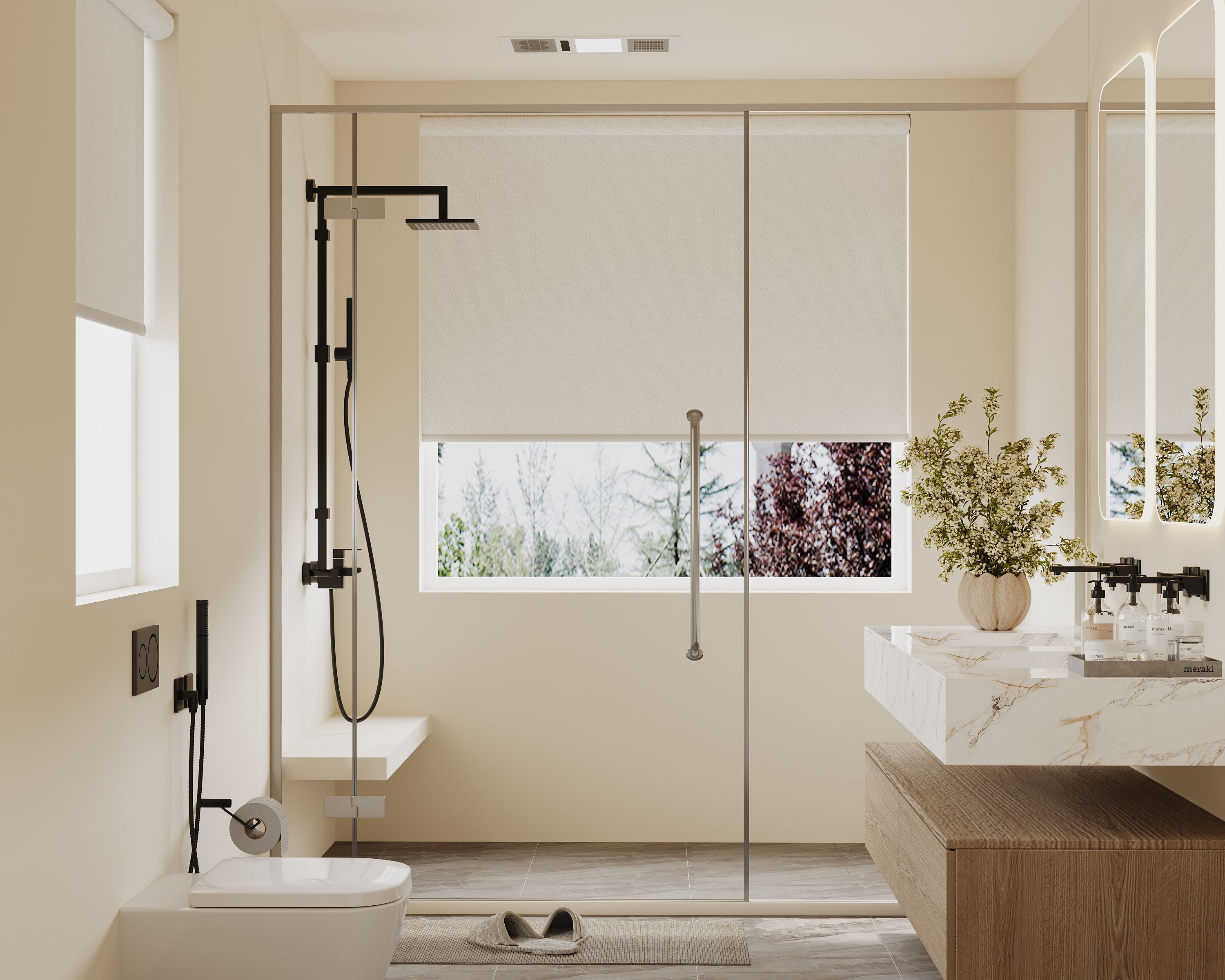


You will need a core set of essential tools centered around a power drill/driver, a high-quality tape measure, and a level to ensure your new shades are mounted securely, level, and in the correct position. Having the right tools prepared before your sheer shades arrive is the single best way to guarantee a smooth, professional-looking installation without frustration or damage to your walls.
Here’s what you’ll learn in this definitive tool guide:
-
The Essential Core Toolkit of five non-negotiable tools every installer needs.
-
Pro-Helper & Specialty Tools that solve common problems and make the job easier and more precise.
-
A surface-specific guide detailing the right drill bits and anchors for drywall, wood, tile, and masonry.
-
How to integrate these tools into a foolproof installation workflow for perfect results.
The Essential Core Toolkit: 5 Non-Negotiable Items
Gather these five tools before you do anything else. They form the absolute foundation of a proper installation.
| Tool | Why It's Essential & Key Specs | Pro Tip for Use |
|---|---|---|
| Power Drill/Driver | To drive screws and create pilot holes. A cordless 3/8-inch or 1/2-inch variable speed drill is ideal. | Use the lower torque setting when driving screws into brackets to avoid stripping the heads or overtightening. |
| Steel Tape Measure | For precise placement. A 16-foot or 25-foot retractable metal tape with clear 1/16-inch markings. | Cloth tapes can stretch. Always use a rigid metal tape for accuracy when marking bracket locations. |
| Spirit Level | To ensure your shade hangs perfectly straight. A 2-foot (24-inch) aluminum level is the perfect size. | Check for level after marking your points but before drilling. A slightly unlevel shade is very visually obvious. |
| Pencil & Notepad | For marking drill points and noting measurements. A standard #2 pencil and any notepad. | Use a sharp pencil for fine marks. Masking tape on the wall can provide a better marking surface and prevent pencil marks on finished walls. |
| Screwdrivers (Phillips & Flathead) | For final hand-tightening and adjustments. A multi-bit screwdriver or a small set. | Even with a drill, use a screwdriver for the last few turns on bracket screws to ensure perfect tightness without damage. |
With just these five tools, you can complete 95% of standard sheer shade installations on wood or drywall (with pre-drilled holes). For the full sequence of how to use them, our comprehensive step-by-step guide to installing sheer roller shades walks you through the process.
Pro-Helper & Specialty Tools for a Flawless Job
These tools aren't always mandatory, but they solve specific problems, increase precision, and make the job significantly easier, especially for tricky situations or multiple windows.
-
Stud Finder: Crucial if you are installing a wide, heavy, or motorized shade or mounting into drywall without using anchors. Hitting a wooden wall stud provides the strongest possible hold.
-
Drill Bit Set & Wall Anchors: The manufacturer's screws are often designed for wooden frames. For drywall, plaster, or masonry, you need the correct expansion anchors (plastic sleeves, toggle bolts) and the corresponding drill bits to install them.
-
Step Ladder: Necessary for safe and comfortable access to the top of the window, allowing you to measure, mark, and drill at the correct height without straining.
-
Safety Glasses & Dust Mask: Essential personal protective equipment (PPE). Drilling creates fine dust and debris, especially in drywall or masonry.
-
Awl or Center Punch: Used to create a small "dimple" or starter hole on your pencil mark before drilling. This prevents the drill bit from "walking" or skidding away from the exact spot you marked.
-
Wire Detector: A critical safety tool if you are drilling into walls where electrical wires or plumbing pipes could be hidden behind the surface. A quality detector can prevent dangerous and costly damage.
Tool Guide by Mounting Surface & Scenario
Your wall or window frame material dictates the specific drill bits and fasteners you'll need. Use this guide to prepare.
| Mounting Surface | Required Drill Bits | Recommended Fasteners | Key Consideration |
|---|---|---|---|
| Wooden Window Frame or Trim | Twist Drill Bits (slightly smaller than screw shaft). | The provided wood screws. | Pre-drill a pilot hole to prevent the wood from splitting. |
| Drywall or Plaster (No Stud) | Drill Bit for Plastic Anchors (size specified on anchor packaging). | Plastic Expansion Anchors or Toggle Bolts for heavier shades. | The anchor, not the screw, provides the holding power in hollow walls. |
| Metal Window Frame | Cobalt or Titanium Drill Bit designed for metal. | Self-tapping metal screws or the provided screws with a pre-drilled hole. | Drill slowly with firm pressure; use cutting oil if needed. |
| Tile, Brick, or Concrete | Masonry Drill Bit (carbide-tipped). | Concrete Screws (Tapcons) or Plastic Anchors with Masonry Setting. | Use a hammer drill function if available. Wear a dust mask. |
For advanced guidance on tackling particularly tough surfaces, our dedicated guide on mounting into metal, tile, or brick dives deep into the right techniques and safety tips.
The Installation Workflow: How Your Tools Are Used
Understanding when and why to use each tool turns a list into a practical plan. Follow this sequence:
-
Planning & Marking (Tape Measure, Pencil, Level): Measure and decide on exact bracket placement. Use the level to draw a light guide line. Mark the precise screw hole locations with your pencil.
-
Pre-Drilling & Safety (Stud Finder, Wire Detector, Drill & Bits): Check for studs and hidden utilities. Select the correct drill bit for your surface. Drill pilot holes at each marked point.
-
Fastening (Screwdriver, Drill/Driver): If using anchors, insert them into the pilot holes. Align the bracket and use the drill/driver on a low setting to start the screws, finishing by hand with the screwdriver for a snug fit.
-
Hanging & Adjustment: Install the shade into the brackets. Use your level one final time to check the bottom rail is even. Make any minor adjustments to the brackets if needed.
After everything is installed, a final check with our post-installation adjustment checklist will ensure smooth and silent operation.
Can I Install Without a Drill? Understanding Your Options
While a drill is highly recommended, there are alternative scenarios:
-
Pre-Drilled Wood Frames: If you are doing an inside mount into a soft wooden frame, you may be able to drive the provided screws in directly with a sturdy screwdriver, though it is much more labor-intensive.
-
No-Drill Adhesive Mounts: Some brackets are designed for very lightweight shades and use ultra-strong, weight-rated adhesive tape. This only works on perfectly smooth, clean, and non-textured surfaces (like glass, tile, or finished wood). It is not recommended for standard drywall or long-term heavy use.
-
Tension Rod Systems: Some sheer shades, especially temporary or lightweight varieties, come with a spring-tension rod that presses between the window jambs. This requires zero tools but only works for specific inside-mount scenarios with parallel sides.
For most permanent installations of quality sheer shades, a drill is the right tool for a secure, lasting, and professional result.
Conclusion and Key Highlights
Being prepared with the correct tools transforms window shade installation from a daunting task into a straightforward, satisfying DIY project. The right tool doesn't just make the job easier—it ensures a safe, secure, and beautiful outcome.
Key Highlights:
-
Your Essential Core Toolkit is a Drill, Steel Tape Measure, Level, Pencil, and Screwdriver. Do not start without these.
-
Always match your drill bit and fastener (anchor) to your wall type. Using a wood screw directly in drywall will result in a loose, failing mount.
-
Pro helpers like a stud finder and a step ladder are wise investments that greatly increase precision and safety, especially for multiple windows.
-
Integrate your tools into a logical workflow: Measure & Mark → Check & Pre-Drill → Fasten → Adjust. Rushing leads to mistakes.
-
While no-drill options exist, a power drill is the most reliable and versatile tool for a permanent, secure installation on almost any surface.
With this checklist in hand, you can confidently prepare for and execute a flawless installation of your new sheer window shades.
Shop Sheer Shades by Light Control


Frequently Asked Questions (FAQ)
Can I use the screws that came with my shades for drywall?
No, you likely cannot use the provided wood screws directly in drywall. Drywall is a crumbly, hollow material that cannot grip a screw thread securely. You must use a drywall anchor. Insert the anchor into a pre-drilled hole, then drive the provided screw into the anchor. The anchor expands behind the drywall to create a strong hold.
What size drill bit should I use?
The size depends on your fastener. For wood screws: Use a bit slightly smaller than the screw's central shaft (not the threads). For plastic anchors: Use the exact size bit recommended on the anchor's packaging—usually 1/4 inch for medium anchors. When in doubt, test on a scrap piece of material or in an inconspicuous area first.
Is a 2-foot level really necessary? Can't I use a smaller one?
A 2-foot level is the ideal tool for this job. Smaller torpedo levels (6-9 inches) are less accurate over the wider span of a window shade bracket. The longer base of a 2-foot level averages out minor wall imperfections and gives you a true level line across the entire mounting area, which is critical for ensuring your shade hangs straight.
Do I need a hammer drill for brick or concrete?
For a few holes in brick or soft concrete block, a standard cordless drill with a quality carbide-tipped masonry bit will often suffice, though it will be slower. For poured concrete or many holes, a hammer drill (which combines rotation with a pounding action) is highly recommended as it makes the work much faster and less strenuous on the tool and user.
What's the one tool most people forget?
A simple pencil and notepad. It seems obvious, but many people try to hold measurements in their head or mark walls with unstable pens. Clear pencil marks for drill points and written notes of your measurements (width x height for each window) are fundamental to an organized, mistake-free installation. For a broader pre-installation plan, our DIY installation toolkit and preparation checklist covers all these steps.
