
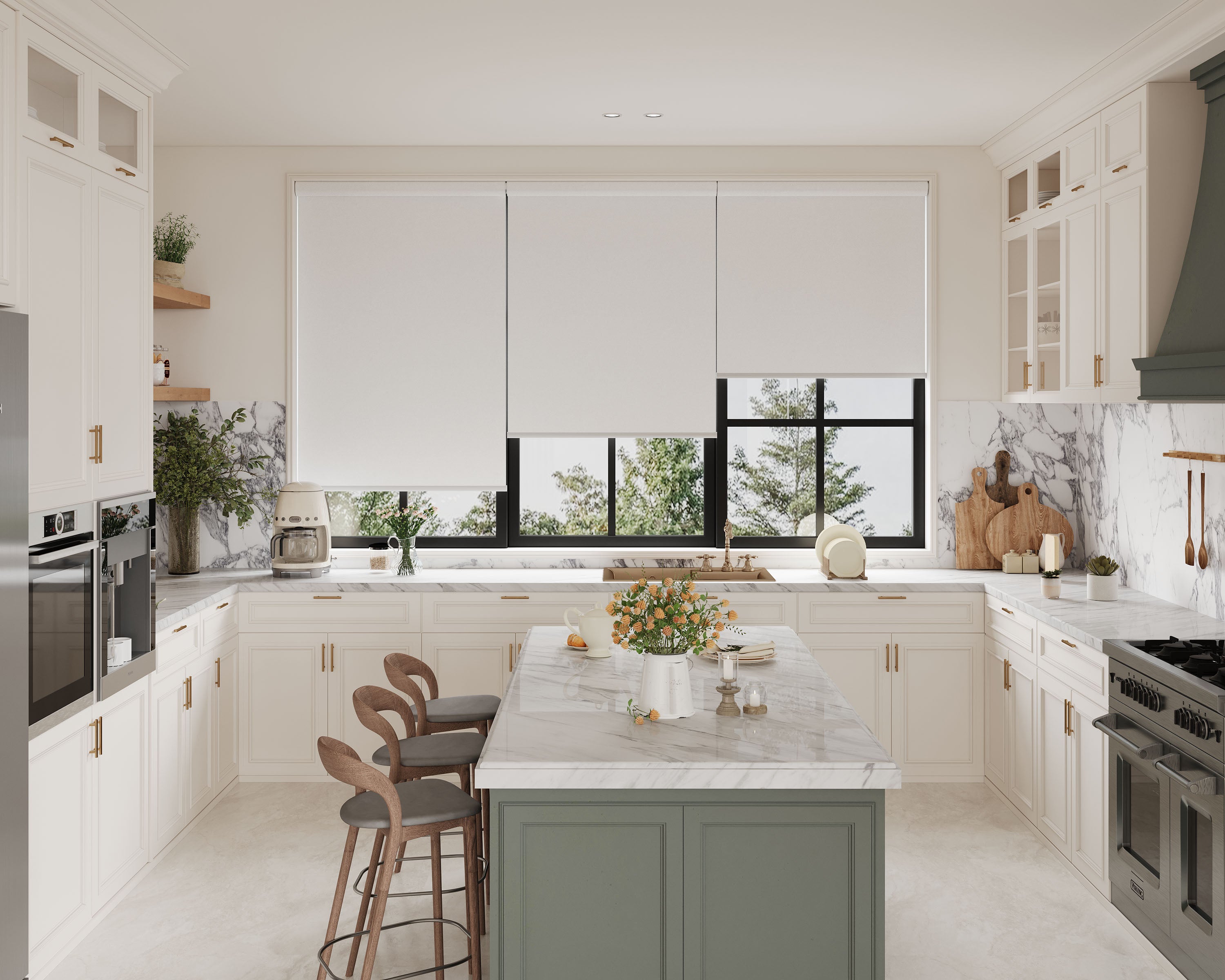
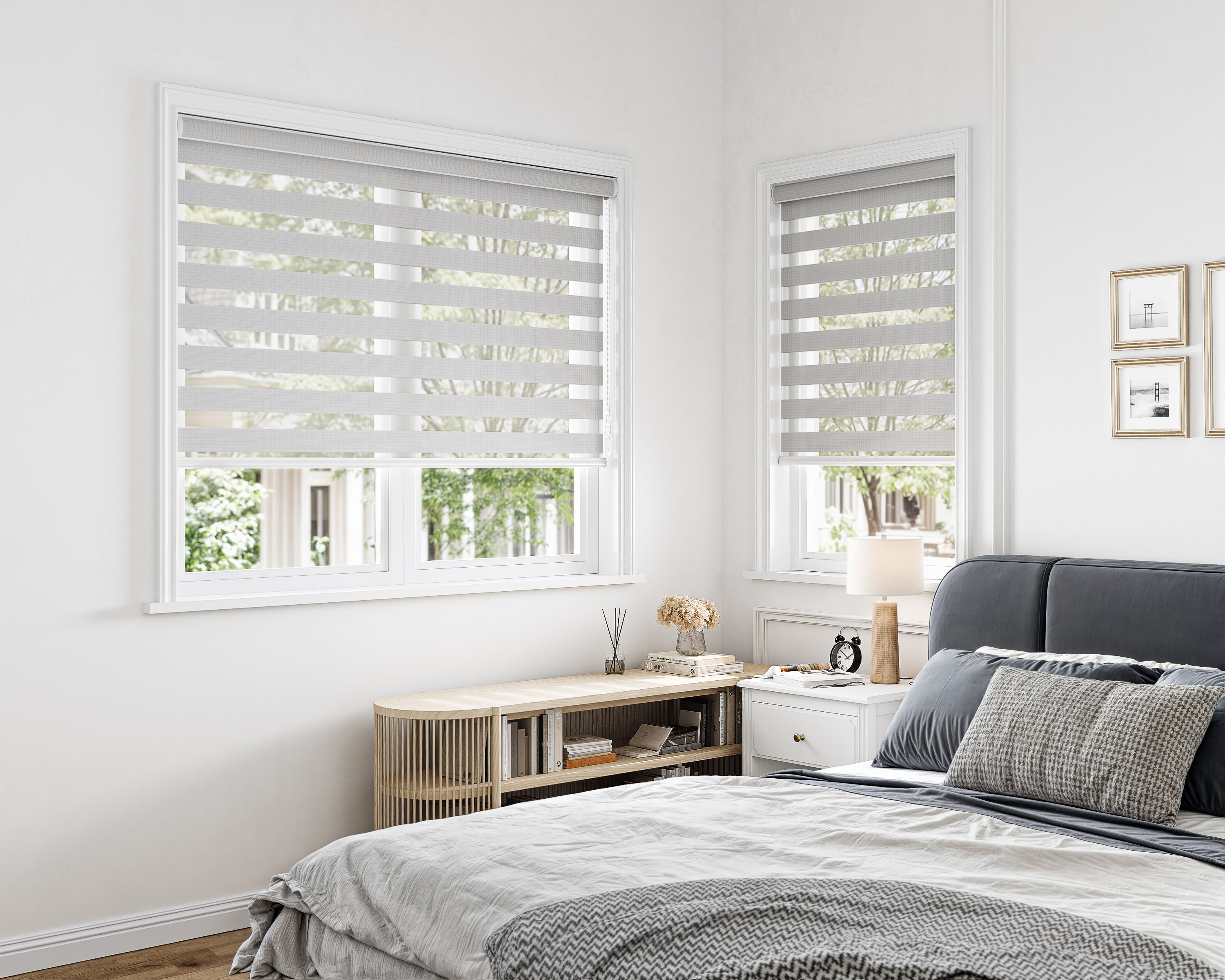
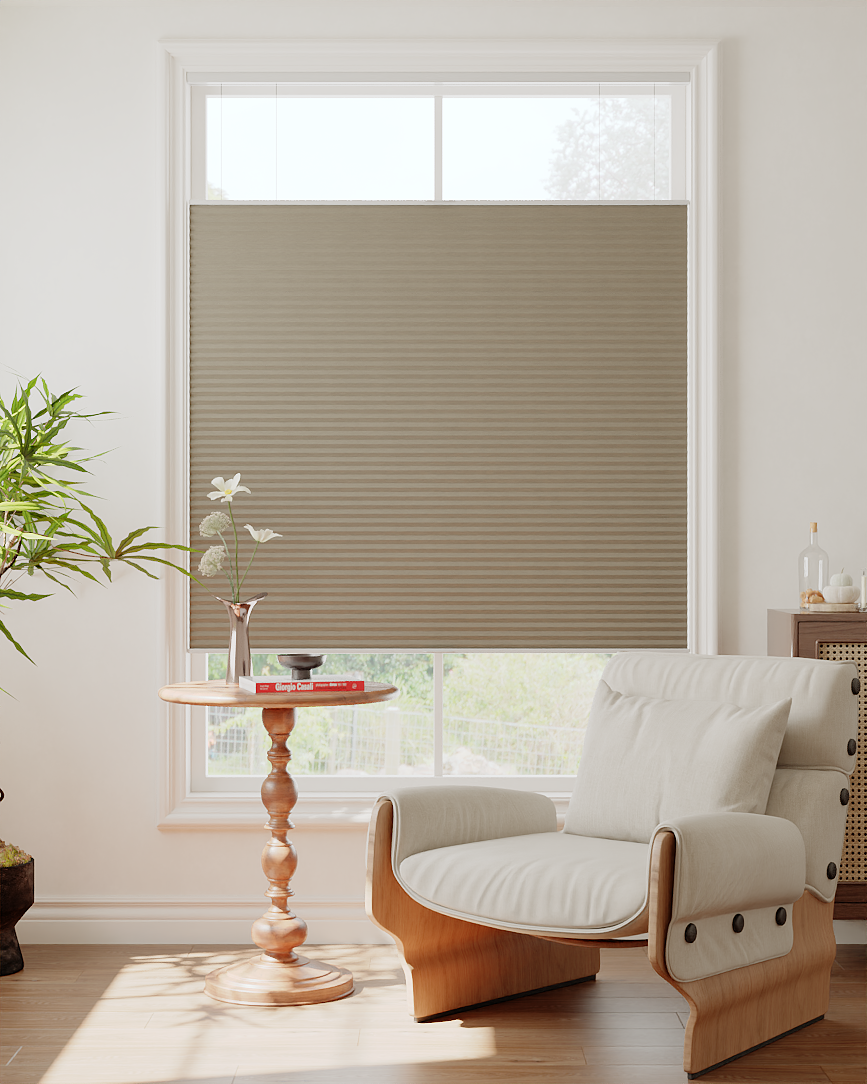
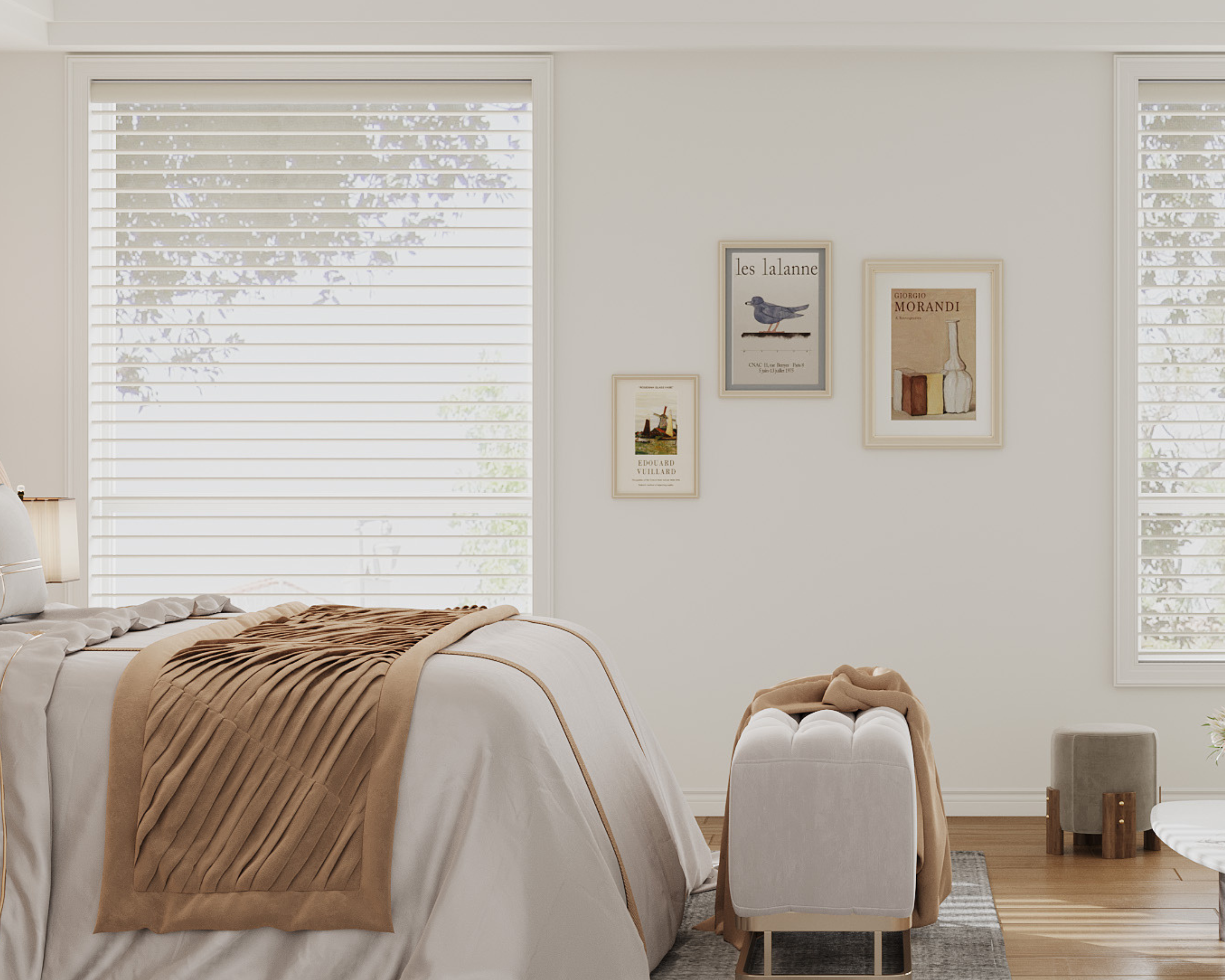
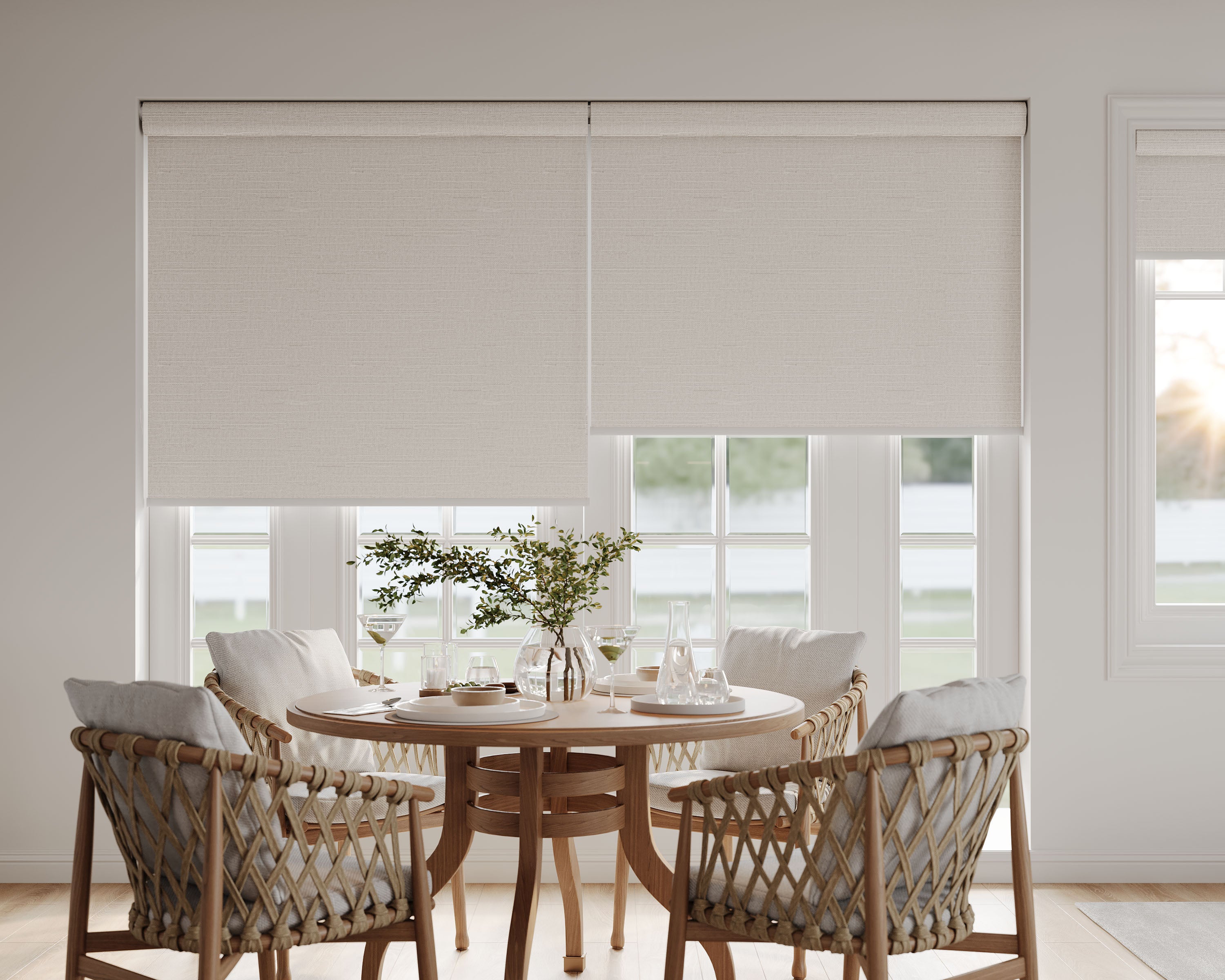


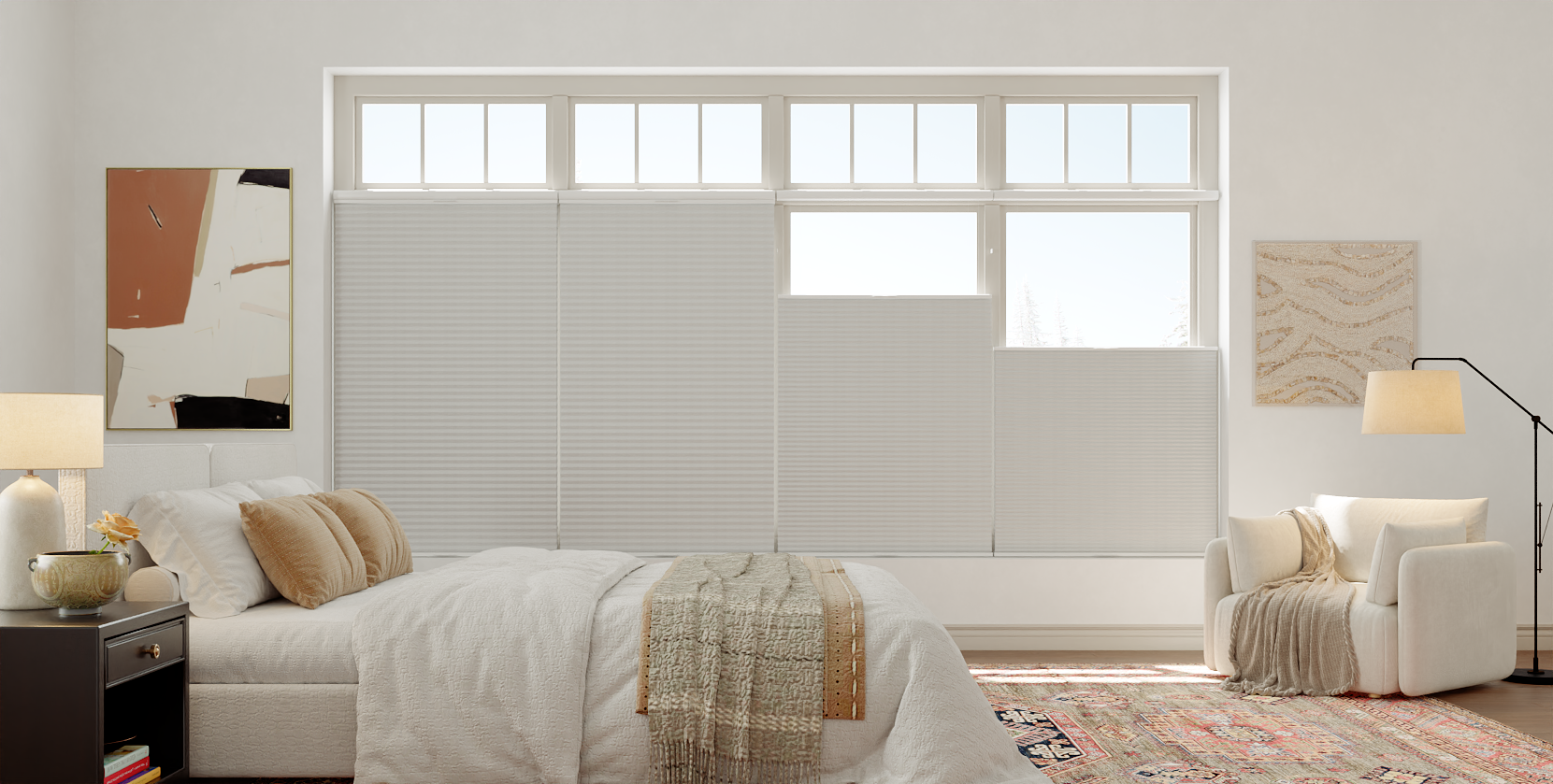


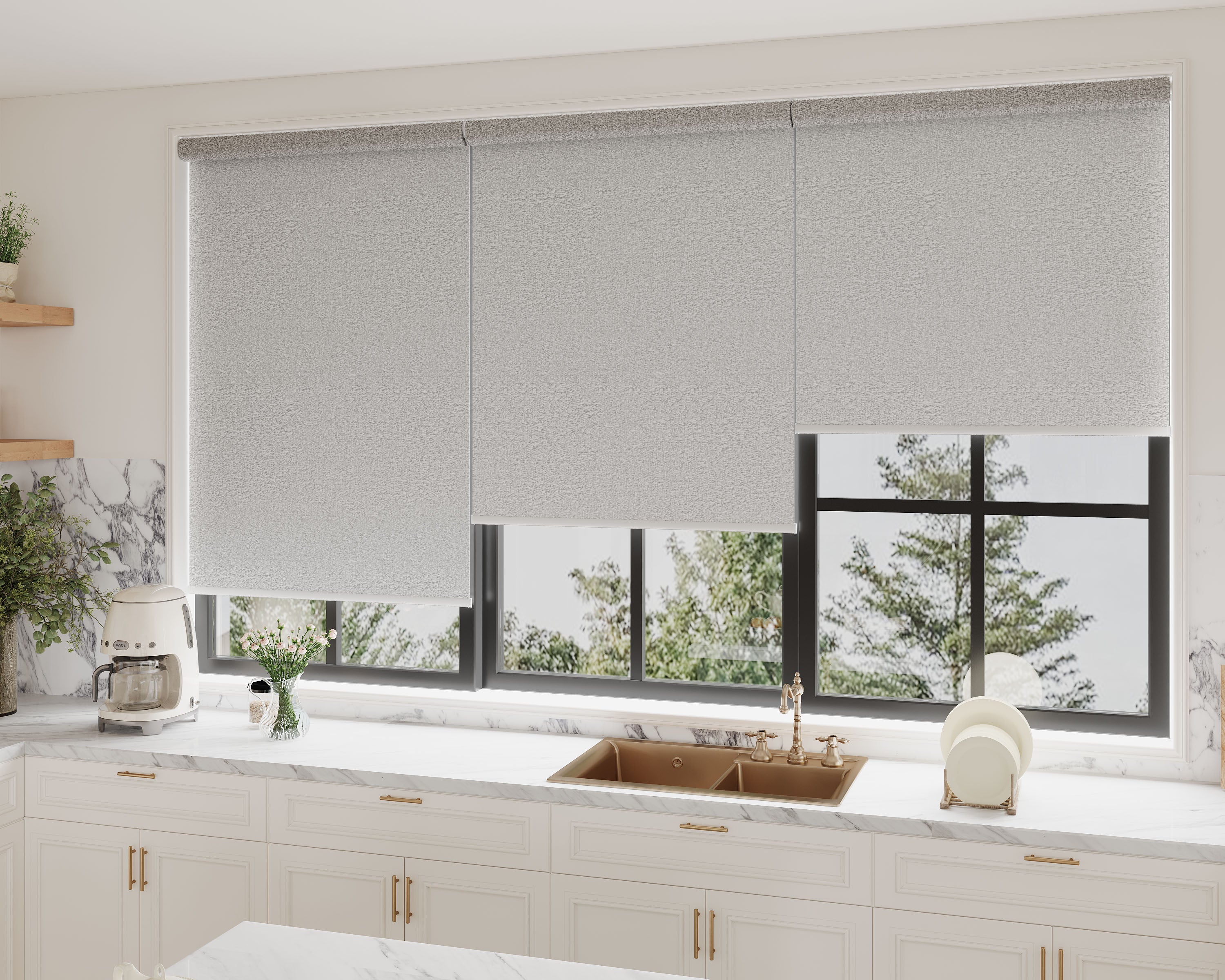

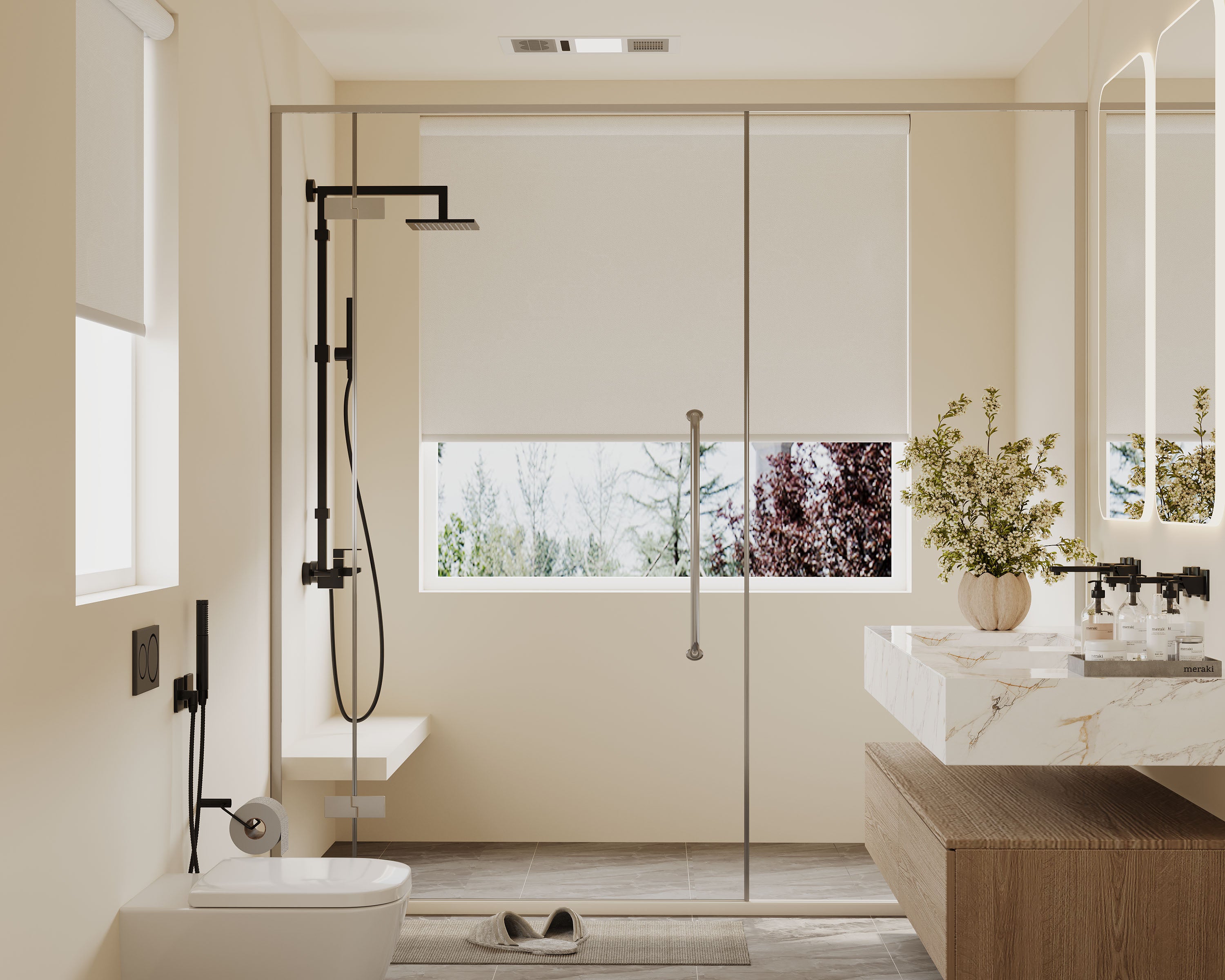


Sheer shades can work with a smart home when the offered motorized configuration and controls support your specific platform and required actions. No sheer fabric or motorized label guarantees compatibility with every ecosystem.
Start with sheer shade configurations, then identify the motor and control arrangement. Compare the light behavior and the connection requirements together; a successful integration should operate the actual shading you want.
Define the movement before the platform
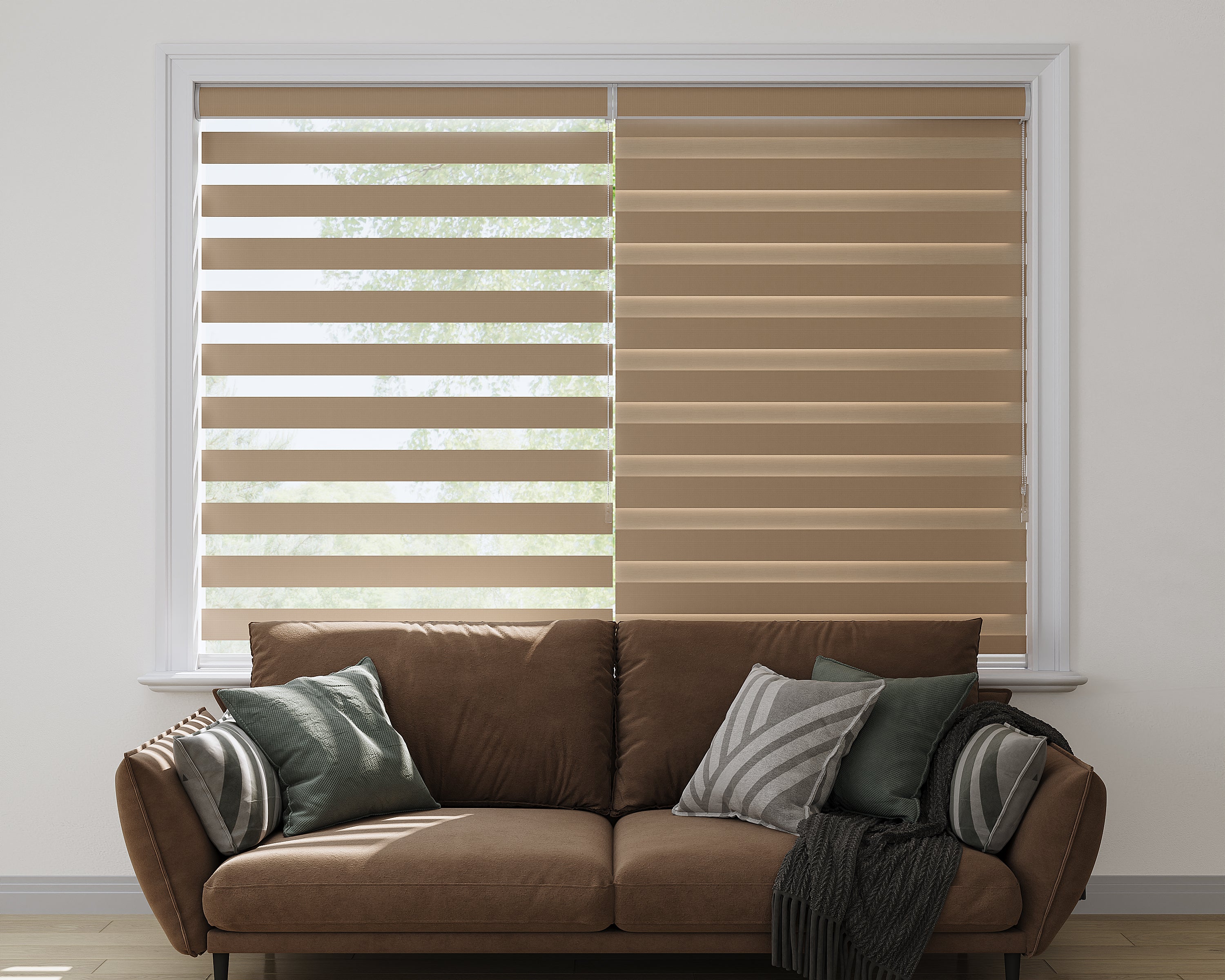
Identify the construction: a vane-style sheer shading is different from a plain sheer roller and from alternating-band zebra fabric. A controller needs to express the movements that the chosen assembly supports.
Write down whether you need raise/lower, vane adjustment, an intermediate setting or a group of coverings. Do not assume a simple open/close command gives the desired daylight setting on every product.
| Required information | What to record |
|---|---|
| Product | Exact model, fabric, dimensions and motorized lift. |
| Movement | The supported positions or actions important to your room. |
| Motor | Current identifier and power arrangement. |
| Controller | Required remote, bridge, hub or other control components. |
| Platform | Explicitly supported ecosystem and functions. |
| Included items | Which controls, chargers and accessories are in the quote. |
Protocol names are only part of compatibility
Matter, Thread, Zigbee, Wi-Fi and Bluetooth labels can appear in product discussions, but a label alone does not establish the full purchase configuration. Obtain the exact supported combination of motor, controller and home platform.
Ask which additional components are needed and whether your existing hardware provides them. Do not infer capability from a broad smart-speaker generation or brand name. Avoid assuming every protocol requires a brand-specific hub or every wireless motor connects directly to Wi-Fi.
If a particular certification or platform listing is claimed, ask for the matching current product information. Do not describe any choice as universally future-proof or guaranteed to work with every major ecosystem.
Separate remote, app and automation tasks
A dedicated remote may be enough for comfortable daily adjustment. Phone control, voice commands, away-from-home access and schedules are different functions that need specific support.
For a proposed scene, state the actions plainly: set a living-room covering to a particular supported position while changing lighting, or lower a glare-control layer at a useful time. Confirm that the selected system can perform them before buying.
Use the sun-path scheduling guide to plan a routine. Do not treat an automatic dusk command as proof that a translucent fabric supplies nighttime privacy.
Check the fabric under the actual lighting
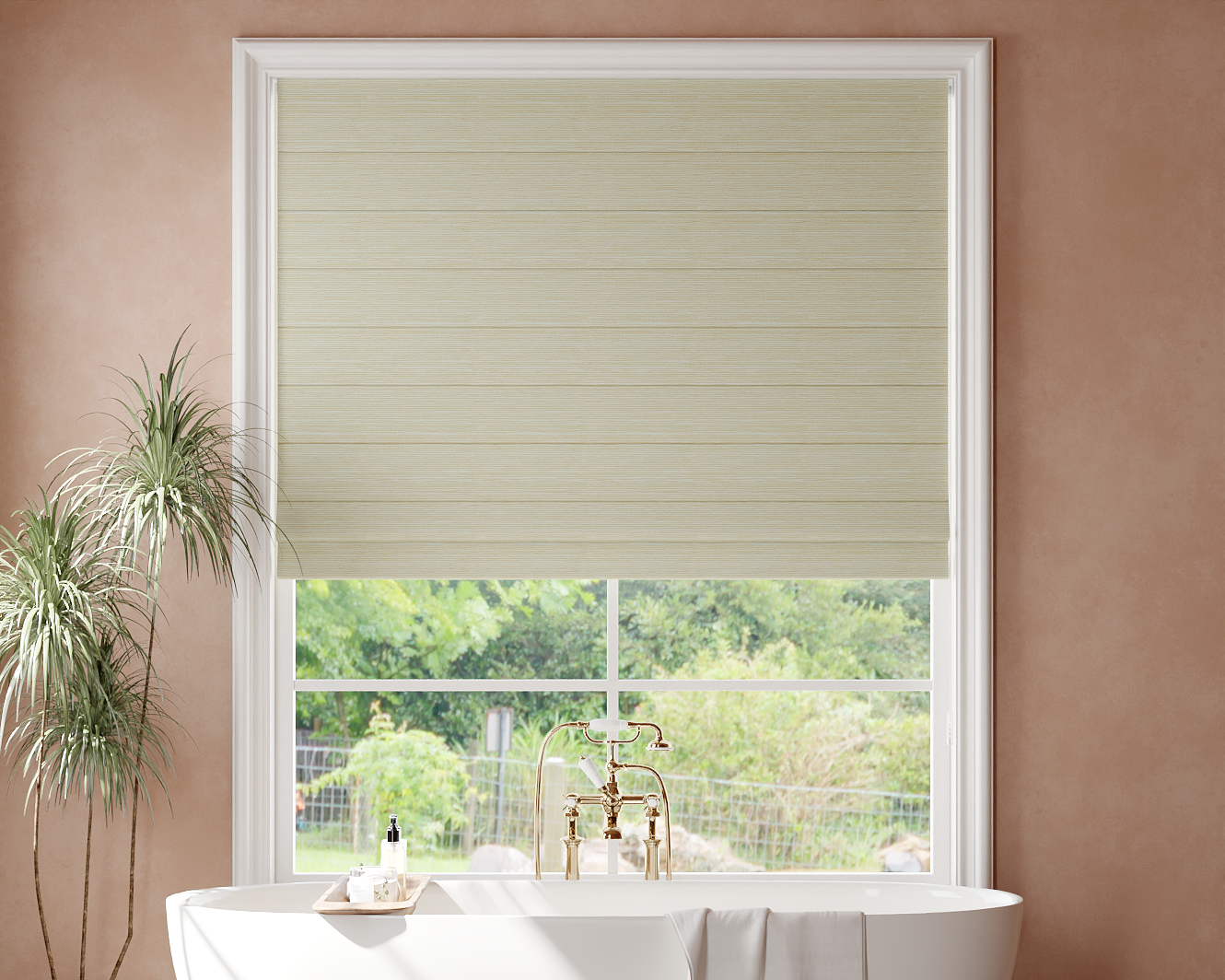
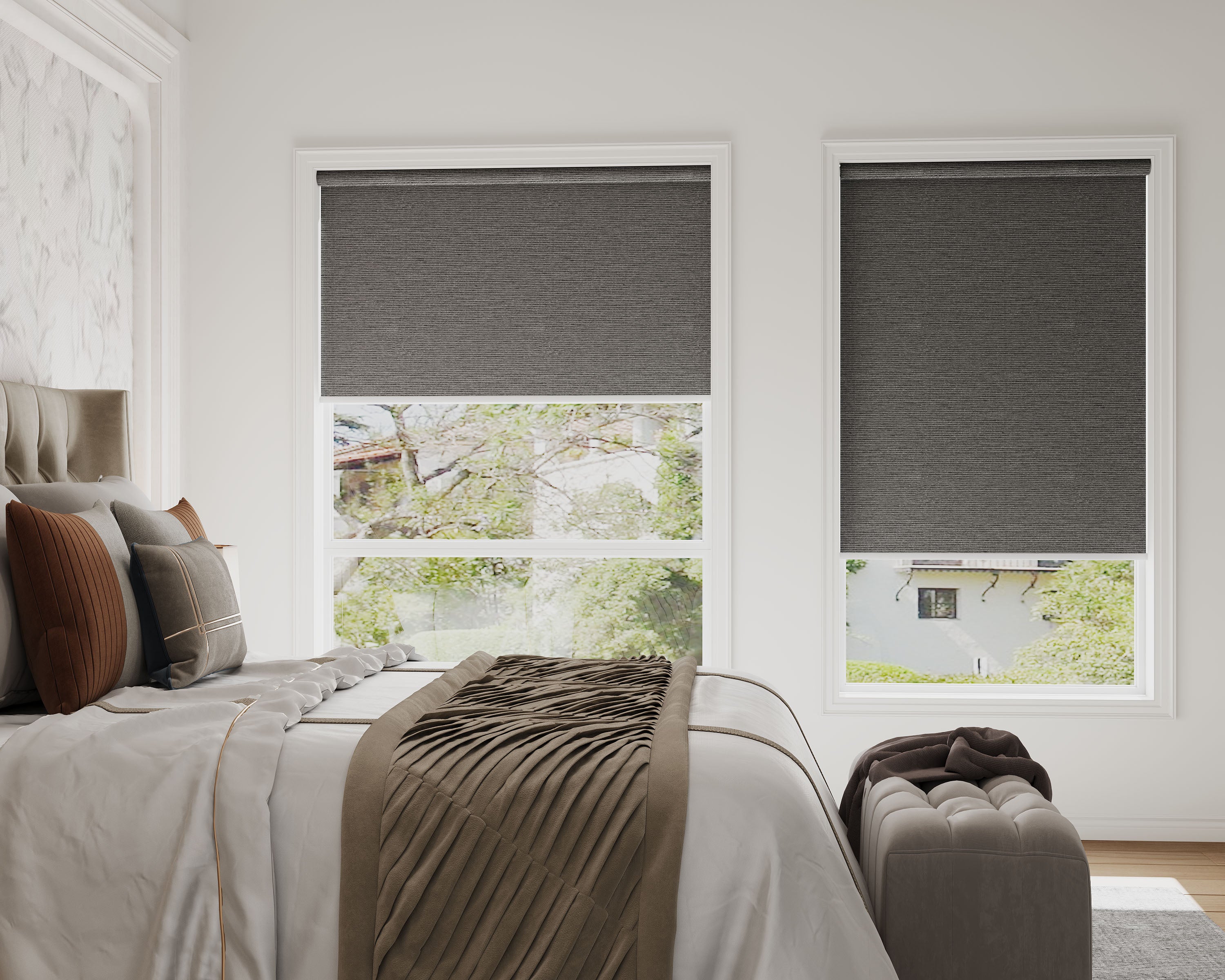
Compare light-filtering sheer shades for soft daylight and room-darkening sheer shades for their specific more opaque construction or position. Read the actual product description rather than assuming all sheers behave alike.
With indoor lights on after dark, assess the intended setting from relevant outside sightlines. Closed vanes and a scheduled command do not guarantee concealment with every fabric. Plan a suitable opaque layer if the chosen sheer arrangement cannot perform the privacy task.
For glare, evaluate the actual desk or television reflection. A connected shade can repeat a useful position but cannot make an unsuitable fabric universally glare-free. The home-office glare guide helps identify that problem first.
Plan power and practical installation
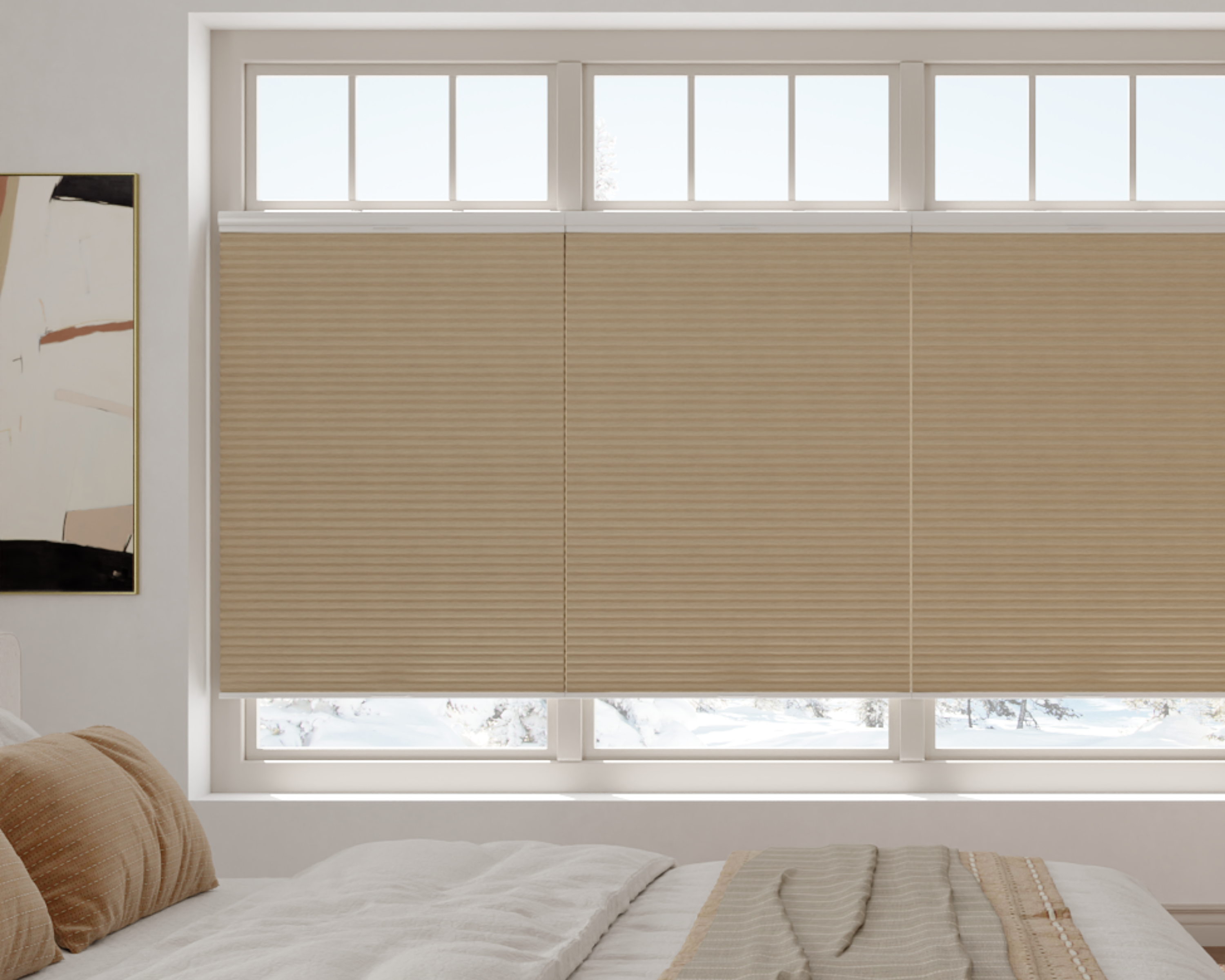
Confirm the model's permitted dimensions, mounting depth and hardware projection, including any raised stack or cassette. Check handles and surrounding layers. A smart system still needs a correctly fitted covering.
Locate the specified charging point or power supply and consider service access. No fixed four-to-eight-month battery life or universal quietness follows from a rechargeable motor. Ask about the chosen setup instead.
Wired and rechargeable arrangements have different requirements. Use the selected instructions and appropriate installation support. Do not assume every battery system is a simple owner installation or every plug-in unit needs the same work as direct wiring.
For homes where young children live or visit, follow CPSC cordless guidance and include furniture, mounting and accessible power leads. Smart control does not remove every physical hazard.
Ask what happens when a component is unavailable
Check operation if the phone, network, hub or normal power source is unavailable. A local remote or stored schedule should be assumed only where the exact system documents it. Do not force the fabric as a manual override.
For an existing shade, obtain a model-specific conversion assessment. An accessory intended to tilt blind slats is not automatic approval for a sheer shading's lift or vanes. Compare supported conversion with a complete new configuration.
Frequently asked questions
Will a Matter label answer every compatibility question?
No. Confirm the exact product, controller, required components and supported actions for your setup.
Do I need voice control?
Only if it improves your routine and the selected system supports it. A simple remote can be useful without a broader integration.
What is the best first step?
Choose the sheer construction and light/privacy result, then obtain a complete compatible-system quote. Verify one representative configuration before expanding the order.
